









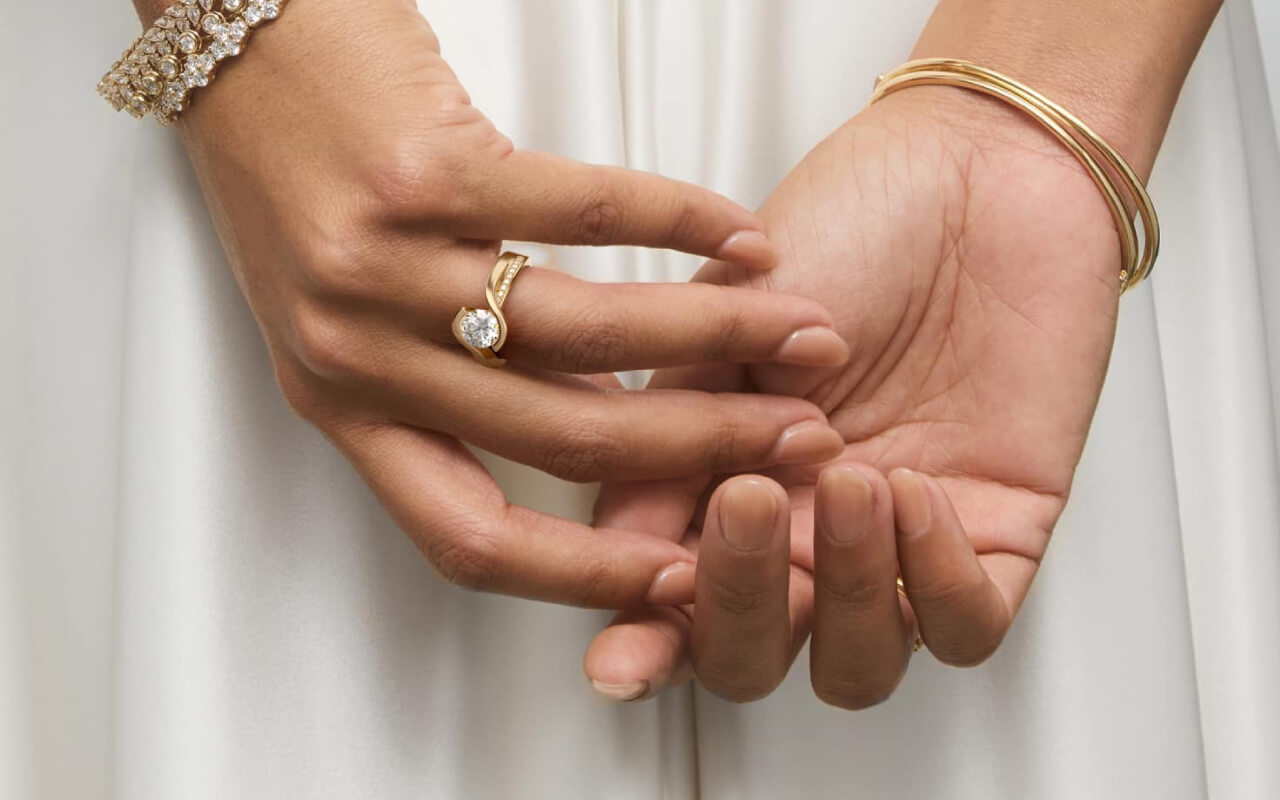
- A tension set diamond ring uses the band’s structure to hold the diamond in place, creating a modern floating effect.
- Round brilliant and princess-cut diamonds are popular choices because their shapes offer strong structural support.
- Tension settings provide a unique look but may require specialized care, resizing and maintenance.
- Proper craftsmanship and regular inspections help keep the setting secure for years to come.
A diamond that appears to float effortlessly above the band is one of jewelry’s most distinctive design effects. A tension set diamond ring creates this effect by using precise pressure from the band to hold the center stone in place.
The result is a clean, architectural look that allows more light to pass through the diamond, enhancing its brilliance from every angle. If you’re choosing an engagement ring, this style stands out for its modern structure and technical craftsmanship.
If you’re considering this style for yourself, here’s what to know about tension-set designs and the key pros and cons to help you decide whether it fits your style and lifestyle.
What Is a Tension Set Diamond Ring?
A tension set diamond ring is known for its distinctive floating diamond appearance. Unlike traditional prong or bezel settings that visibly anchor the stone, this design prioritizes exposure and light performance.
With minimal metal covering the diamond, tension settings offer an open, contemporary style that showcases the stone from multiple angles. This unique design makes them a standout choice if you want an engagement ring with a bold yet refined aesthetic.
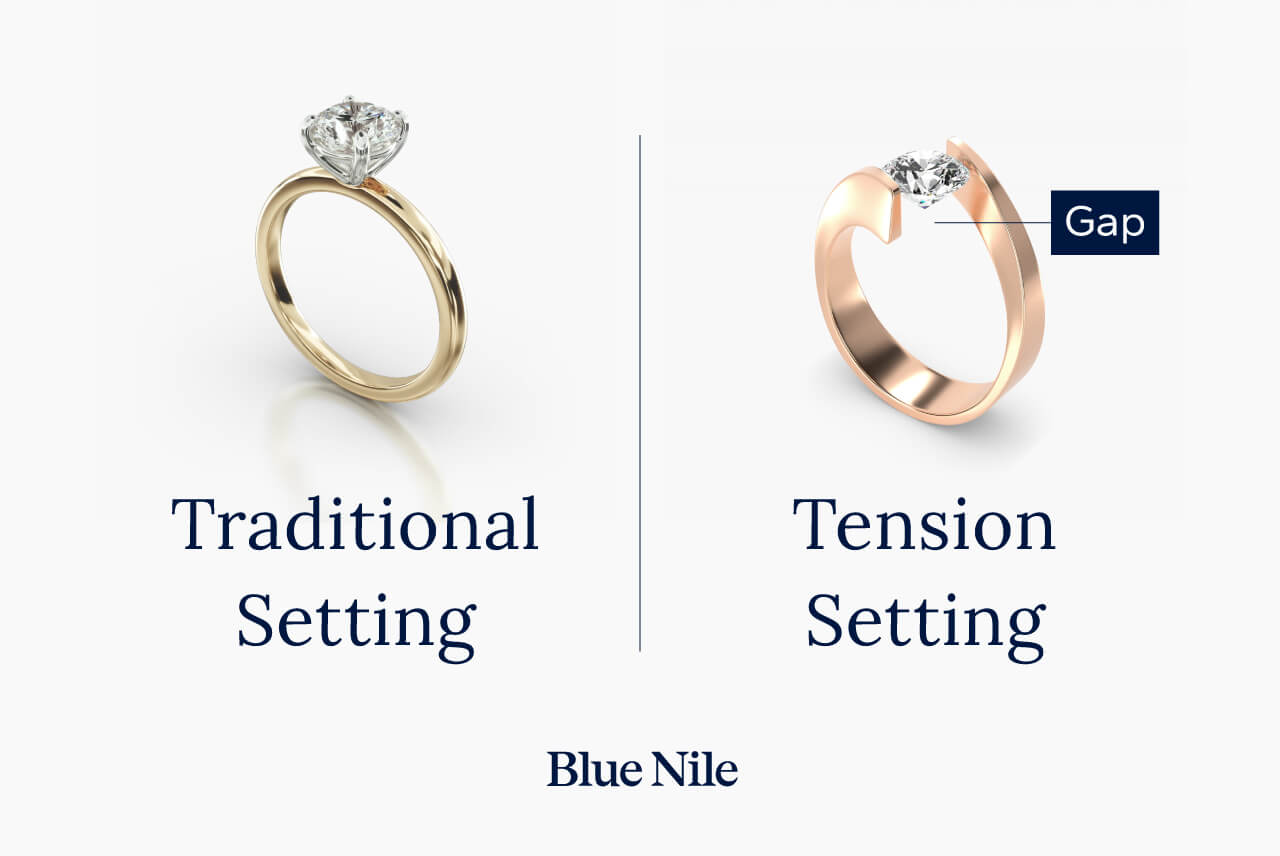
How Do Tension Settings Work?
A tension set diamond ring uses precise engineering to hold the center stone in place by the pressure of the metal band itself. Instead of prongs or a bezel, the band is calibrated to push inward, gripping the diamond at its girdle (the widest part of the stone). This creates a secure hold that relies on measured tension rather than visible mounting hardware.
The end result is a floating effect, with the diamond suspended in open space with no visible support.
Pros and Cons of a Tension Set Diamond Ring
A tension-set design offers a bold look unlike other engagement ring settings. If you love modern design and maximum sparkle, knowing the pros and cons can help you decide if this setting is right for you.
| Pros | Cons |
| Modern design: Creates a floating diamond effect with a sleek, contemporary look. | Lifestyle considerations: High-impact activities may call for a more protective setting. |
| Maximum sparkle: Minimal metal coverage allows more light to reach the diamond. | Limited resizing: The precise design makes resizing more challenging. |
| Secure construction: Expert craftsmanship helps keep the diamond firmly in place. | Requires expert expertise: Repairs and adjustments may require a jeweler experienced with tension settings. |
What Are the Best Diamond Shapes for Tension Settings?
The best diamond shapes for tension settings are round brilliant and princess cuts. Their symmetry and straight edges give these shapes the strength to withstand the pressure that holds the stone in place. When comparing the best types of engagement rings, it’s always worth considering how the diamond shape complements the setting.
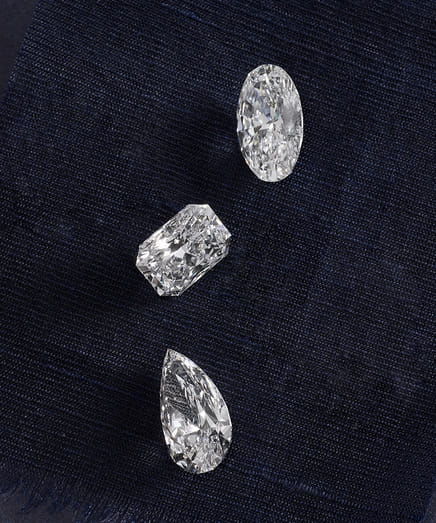
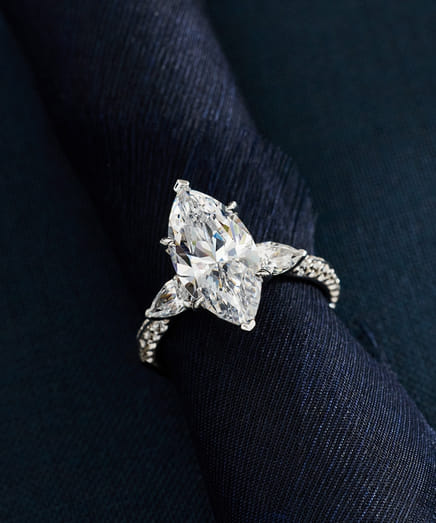
Shapes with delicate points, such as marquise and pear, can work in a tension setting, but they often need a specialized design to protect their tips. No matter which shape you choose, look for a diamond with a Good to Excellent symmetry grade. Better symmetry helps the setting apply pressure more evenly, supporting a secure fit and long-term durability.
Security and Durability for Daily Wear
Security is one of the biggest questions buyers have with this style, especially whether the diamond will stay secure or if other tension set diamond ring problems could arise over time. Understanding this is particularly important if you’re learning how to buy an engagement ring.
In reality, these rings undergo rigorous testing to ensure the metal applies consistent pressure to the stone. That pressure is carefully calculated and verified during production, so the diamond stays secure even with normal daily wear.
In fact, a tension setting often places more continuous contact across a diamond than a traditional four-prong setting, where the stone is secured only at specific points. This even distribution of force is part of what makes the design so structurally sound when properly made.
At Blue Nile, every ring is backed by our lifetime warranty, and regular inspections help ensure the setting maintains the correct tension over time.
Setting Options for Any Style With Blue Nile
Whether you’re drawn to its floating-diamond effect or its clean, architectural look, a tension set diamond ring is one of many ways to express your personal style through your ring.
If you’re exploring the latest engagement ring trends or ready to shop, consider our collection of tension set engagement rings to see how this style comes to life across different diamond shapes and designs.
Frequently Asked Questions
Yes, tension set rings are secure when they’re properly designed and crafted. The diamond is held in place by carefully calibrated pressure from the band, not loose force or friction. With quality engineering and regular checks, they’re designed for everyday wear.
Most tension set rings can’t be resized using traditional methods because the setting depends on exact pressure. Even a small size change can affect the balance of force holding the diamond in place, so resizing often requires remaking the band to keep it structurally sound.
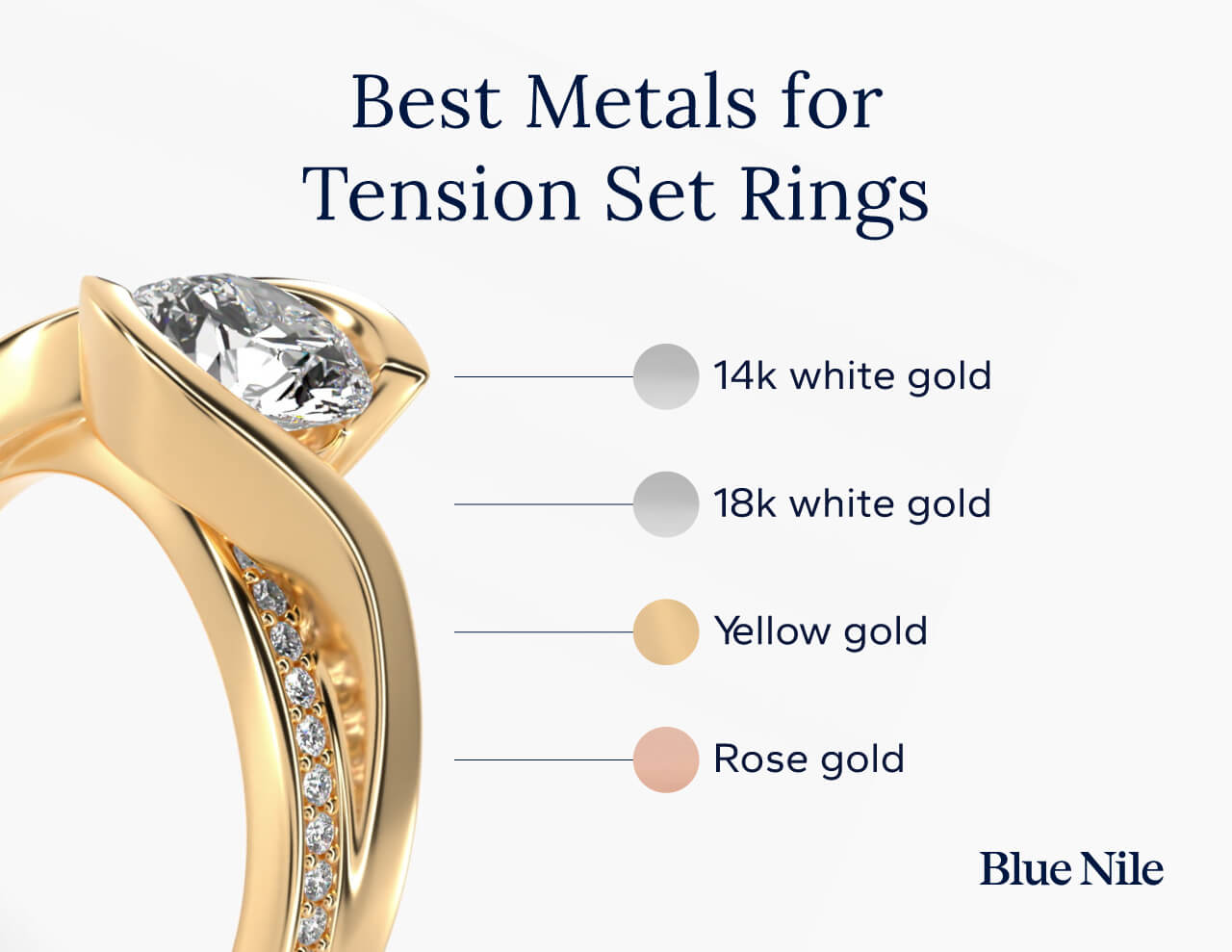
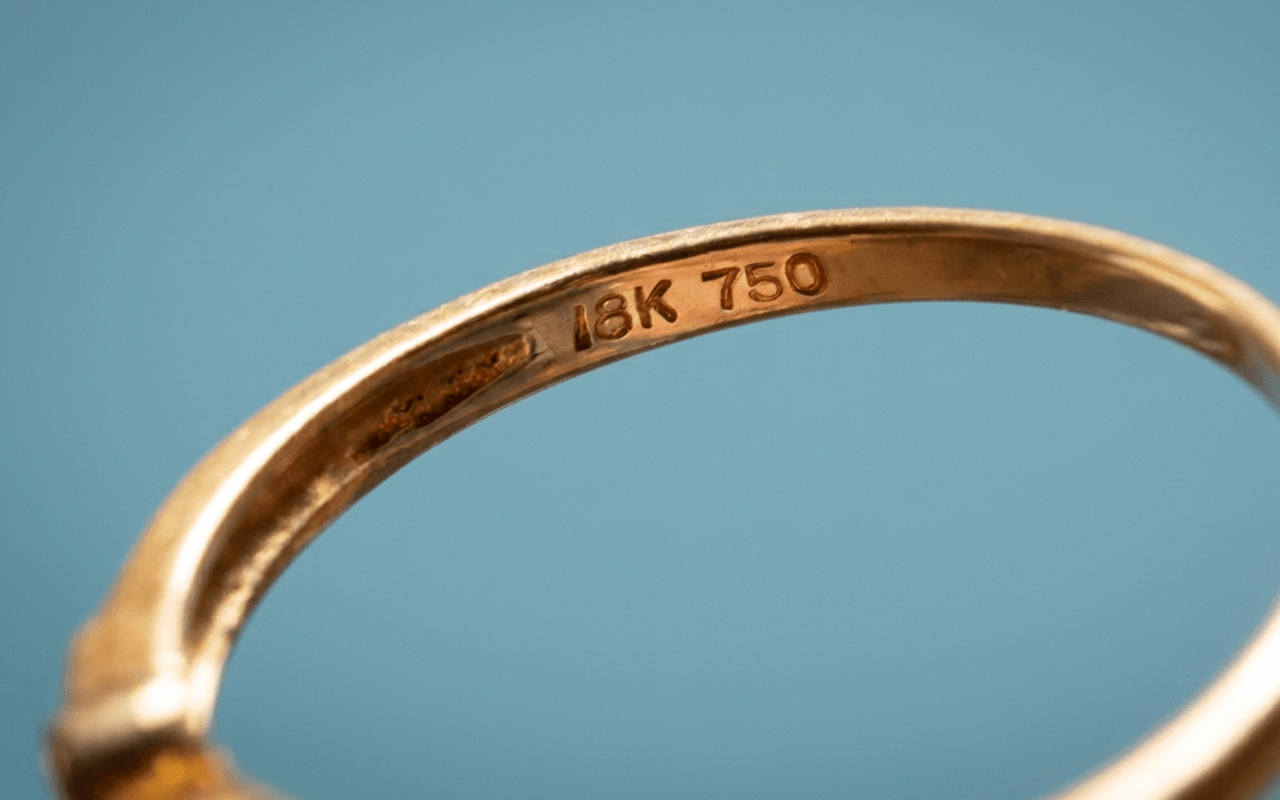
The best choices are platinum and durable gold alloys like 14k and 18k white gold, yellow gold and rose gold. These materials offer the right balance of hardness and flexibility, helping the ring maintain consistent pressure over time.
Yes, it can. Because there are no prongs or bezels covering the edges, more of the diamond is visible. That unobstructed view can create the illusion of a larger, more prominent stone. It’s helpful to understand diamond carat sizes on your finger to get a feel for different proportions.
They can be. Although they use about the same amount of metal as other settings, the precision engineering and specialized craftsmanship required can increase the overall cost.


Share




 Live Chat
 +1‑800‑242‑2728
 Email Us

