Key takeaways:
- Platinum is much denser, giving it a more substantial feel on the hand.
- Palladium is naturally lightweight and resistant to tarnishing.
- While palladium is tarnish-free, platinum develops a matte sheen that can give your piece character.
- Price alone shouldn’t determine the decision, because platinum and palladium markets can change over time. It’s best to choose the metal that highlights your piece’s charm and feels best in your hand.
The right ring metal for you should complement your lifestyle while looking like a beautiful extension of you.
When deciding between palladium or platinum, you may notice the two can look surprisingly similar at first glance. Both are naturally white platinum-group metals, used in fine jewelry and offer practical benefits for everyday wear. However, once you compare them on your hand, it’s easier to appreciate their differences.
Platinum feels noticeably more substantial, while palladium is lighter. Their maintenance and prices can also differ. But regardless of your choice between these two metals, you can find them among the best engagement ring styles.
Palladium vs. Platinum: Key Differences
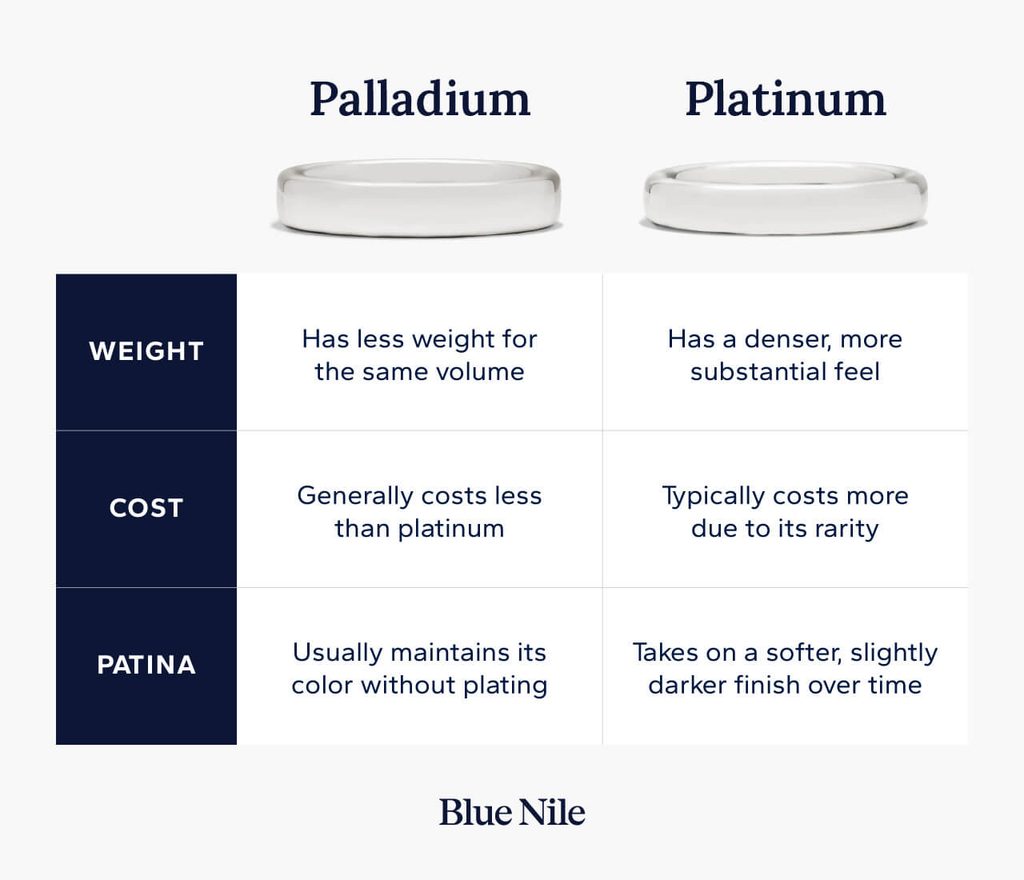
Palladium and platinum share a naturally white appearance, but they differ most noticeably in weight, availability, wear, and price. Think of them less as interchangeable metals and more as two ways to achieve a similar visual effect with a unique experience on your hand.
| Platinum | Palladium | |
| Color | Naturally white | Naturally white |
| Weight | Dense and noticeably substantial | Considerably lighter |
| Durability and wear | Develops a patina with everyday wear | Strong and relatively scratch-resistant |
| Price | Precious-metal pricing changes with the market | Precious-metal pricing changes with the market |
| Rarity and availability | Well-established in fine jewelry | Less widely available in jewelry |
| Hypoallergenic | Hypoallergenic metal | Hypoallergenic metal |
| Maintenance | Patina can be professionally polished | Doesn’t tarnish |
| Best suited for | Someone who likes a substantial, classic feel | Someone who prioritizes strength and comfort |
If you’re comparing a palladium vs platinum ring, weight is one of the most useful differences to experience firsthand. Platinum has a density of about 21.5 g/cm³, compared with about 12.0 g/cm³ for palladium, according to the Royal Society of Chemistry.
Their appearance may get them on your shortlist. But how they feel could be what helps you make the final decision.
Palladium Metal: What Is It and Why Is It Popular?
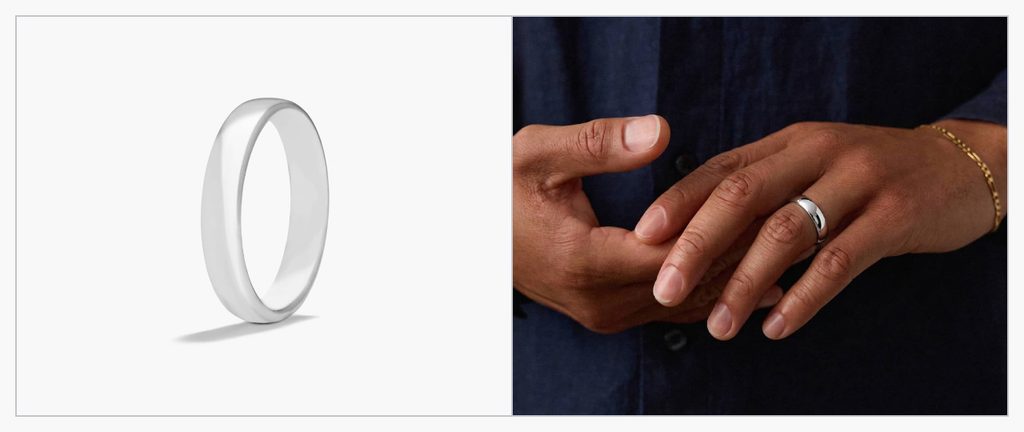
Palladium is a rare, naturally white platinum-group metal valued in jewelry for its strength and resistance to tarnishing. It offers many qualities shoppers associate with platinum, but with a distinctly lighter feel.
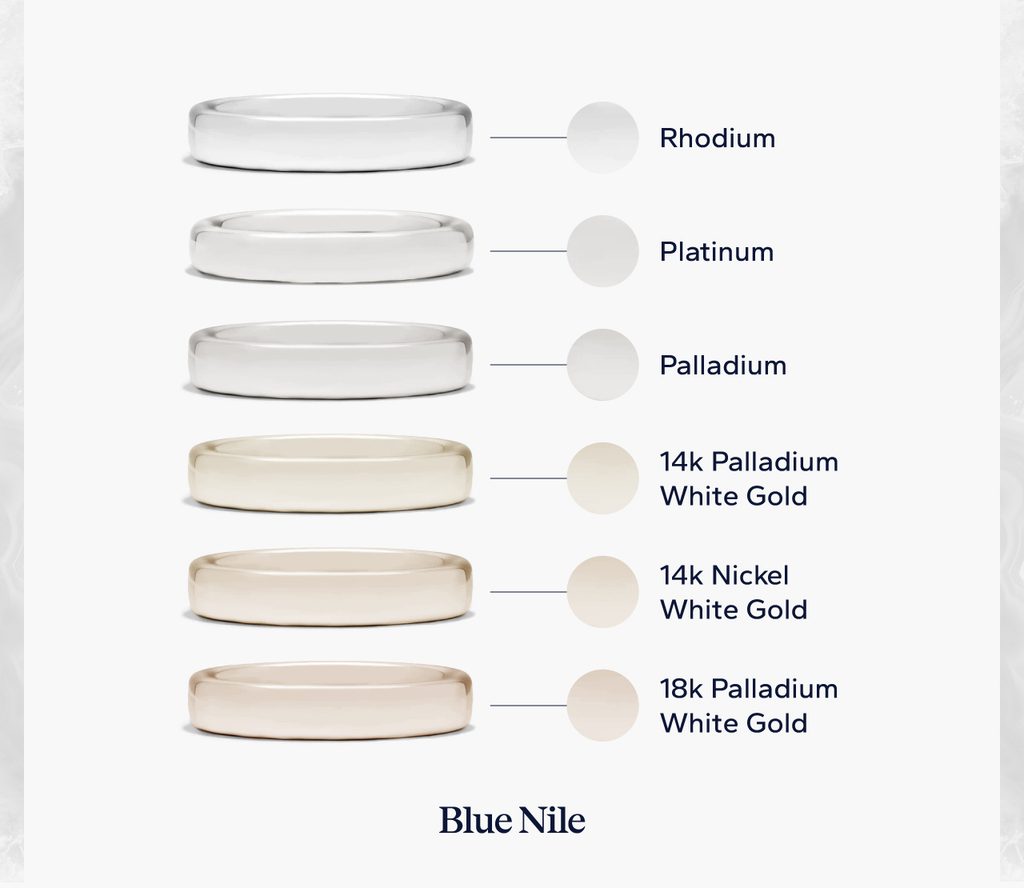
Palladium is silvery white and corrosion-resistant. Because its color is natural to the metal, that white appearance isn’t simply a surface effect. A ring can have the crisp appearance of a white precious metal without the substantial weight you’ll notice with platinum.
A palladium ring can be especially appealing if comfort is a top priority for you. It makes a great option for light, hypoallergenic jewelry. These characteristics become more important if you’re looking for a piece you expect to wear every day.
Platinum Metal: A Complete Overview
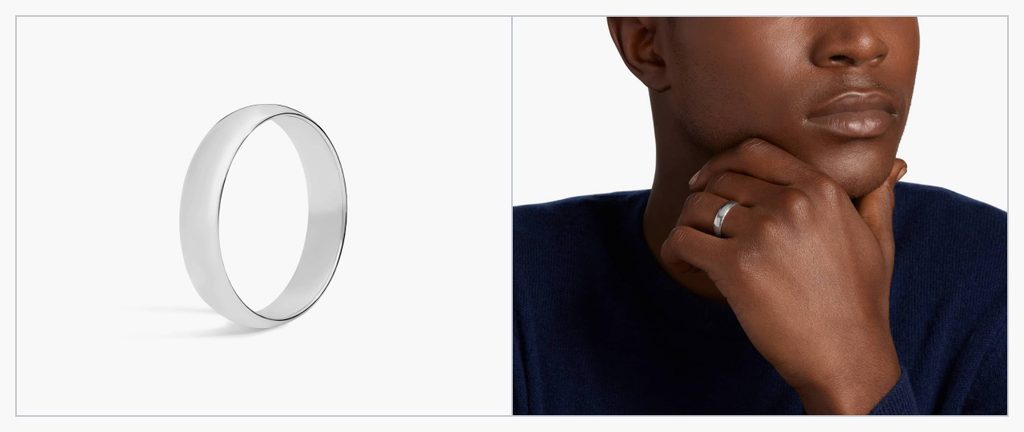
Platinum is a naturally white, dense precious metal prized in fine jewelry for its strength, substantial feel and ability to securely hold diamonds and gemstones. The combination of durability and malleability has helped make it an established choice for engagement and wedding rings.
You can often feel the difference before you see it. Platinum is much denser than palladium, giving platinum rings a reassuring weight that some people consider part of their appeal.
Platinum doesn’t tarnish, but it does change with wear. Small surface changes gradually create a soft finish known as platinum patina. That isn’t the same as tarnish or corrosion. Some people prefer the character of the finish, while others have their jewelry polished to restore a brighter appearance. Platinum is also hypoallergenic.
Palladium vs. Platinum for Wedding Rings
If you’re looking for palladium rings for men, consider that a wider ring in this lighter metal can feel very different from a platinum version of a similar design.
For someone who’s not accustomed to wearing jewelry and wants a less noticeable feel for everyday wear, a palladium wedding ring’s lower density can make it more appealing.
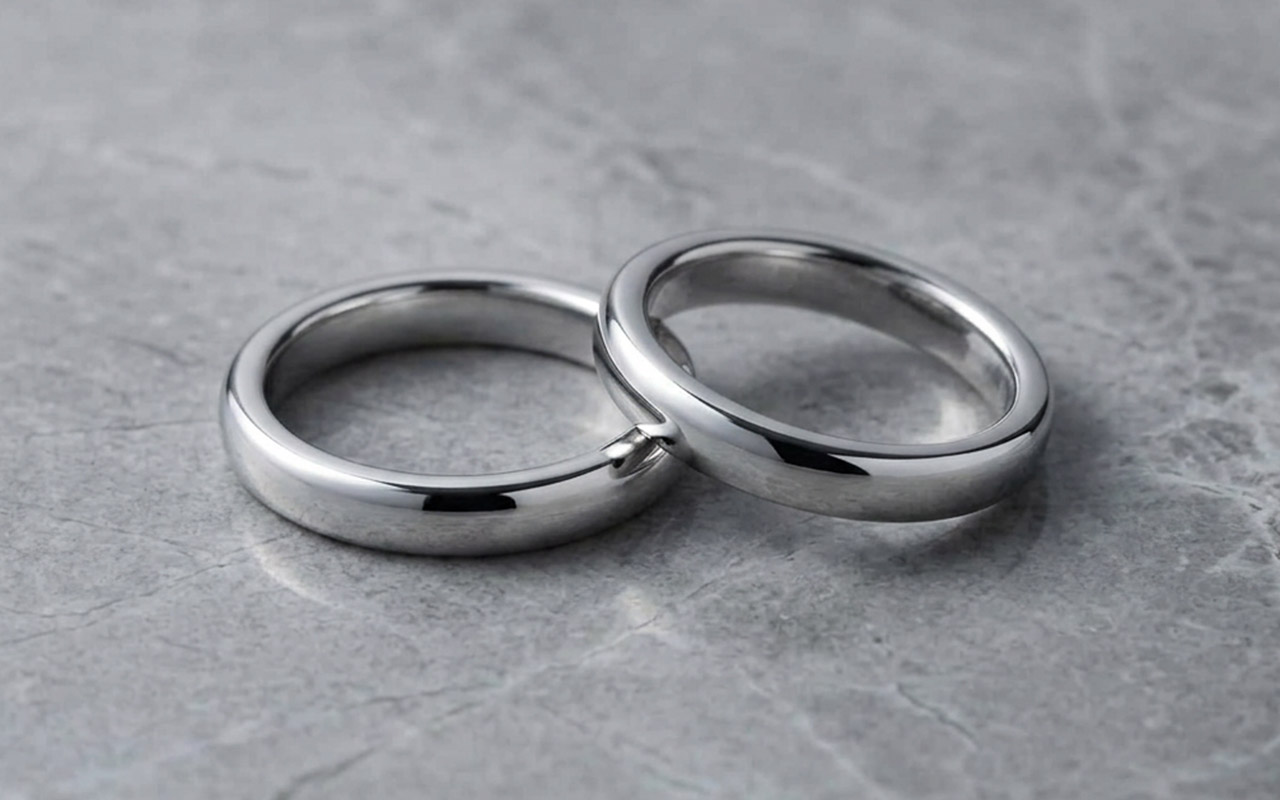
Choose a palladium wedding band if lightweight comfort is the priority, and consider platinum if you prefer a denser, more substantial feel. Both can provide a naturally white look, so the better choice comes down to how you want your ring to feel as much as how you want it to look.
Palladium and Platinum Market and Pricing Trends
The palladium vs. platinum price relationship changes over time, which means you shouldn’t assume one metal will always cost more than the other. Jewelry demand is only part of the pricing picture because both are globally traded precious metals with significant industrial uses.
Palladium is used extensively in catalytic converters for gasoline-powered vehicles, as well as in electronics, chemical production and other industries. Platinum also has major industrial uses besides demand from jewelry and investment markets.
Changes in mine production and industrial demand can influence prices. According to the U.S. Geological Survey (USGS):
- Palladium’s annual average price was $2,419.18 per troy ounce in 2021 and is estimated at $1,100 in 2025.
- Platinum’s annual average was $1,094.31 in 2021 and an estimated $1,200 in 2025.
In other words, platinum and palladium pricing isn’t a fixed hierarchy. Palladium traded at a much higher annual average than platinum in 2021, while the estimated 2025 averages reversed that relationship.
The price of the raw metal isn’t the same as the retail price of a finished ring, either. The amount of metal, construction, design, gemstones, and craftsmanship all contribute to what you’ll ultimately pay. Whether your choice is a good investment depends on the overall piece.
Choose the Perfect Metal for Your Wedding Band
The right metal for your wedding ring is the one that fits your comfort level, appearance and budget. Rather than looking for a universal winner, decide which differences you’ll actually notice in daily life.
There’s a simple way to make the palladium vs. platinum debate easier. Imagine how your engagement ring will look and feel after the proposal and ceremony photographs are done. Which qualities will matter on an ordinary Monday five years from now?
Once you’ve settled on your metal priorities, you can focus on the design that makes the ring feel like yours. Shop our collection of rings with your lifestyle in mind.
Frequently Asked Questions
Palladium isn’t always more expensive than platinum because precious-metal prices fluctuate. According to USGS annual averages, palladium’s average was substantially higher in 2021, while the estimated platinum average was higher in 2025. A finished ring’s retail price also includes design, craftsmanship, gemstones, and other materials.
Palladium’s major drawbacks for jewelry shoppers are more limited availability and a lighter feel that won’t appeal to everyone. Its lower density is a benefit if you prioritize comfort, but someone who wants the substantial weight associated with platinum may consider that same quality a disadvantage.
Neither palladium nor platinum is automatically the better investment. Their prices respond to different combinations of industrial demand and supply conditions. If your primary goal is buying jewelry, focus first on the piece’s craftsmanship, design, gemstones, and suitability for the wearer, rather than assuming its metal will appreciate in value.
Palladium prices have fallen significantly from their 2021 annual average as market conditions and demand expectations have changed. The automotive market is one long-term factor. Palladium is heavily used in catalytic converters for gasoline vehicles, while battery-electric vehicles don’t use those converters.


Share