Key takeaways:
- Natural diamonds form 150–200 km below the Earth’s surface under extreme heat and pressure conditions.
- Formation can take 1 to 3.3 billion years, making diamonds some of the oldest natural materials on Earth.
- Volcanic eruptions bring diamonds to the surface within hours through vertical structures called kimberlite pipes.
- Lab-grown diamonds are created in weeks by replicating natural high-pressure, high-temperature conditions or using chemical vapor deposition techniques.
Once you realize how diamonds are formed, you’ll have a better appreciation for these precious gemstones. The formation involves complex natural processes deep beneath the Earth’s surface that can take billions of years to unfold.
With details on every stage of the formation sequence, this guide in the Blue Nile blog shows you how diamonds are formed. It will also shed light on how diamonds are grown in a lab to illustrate their similarities and differences. If you’re intrigued by how diamonds are made, keep reading to find out.
Where Do Diamonds Come From and How Are They Formed?
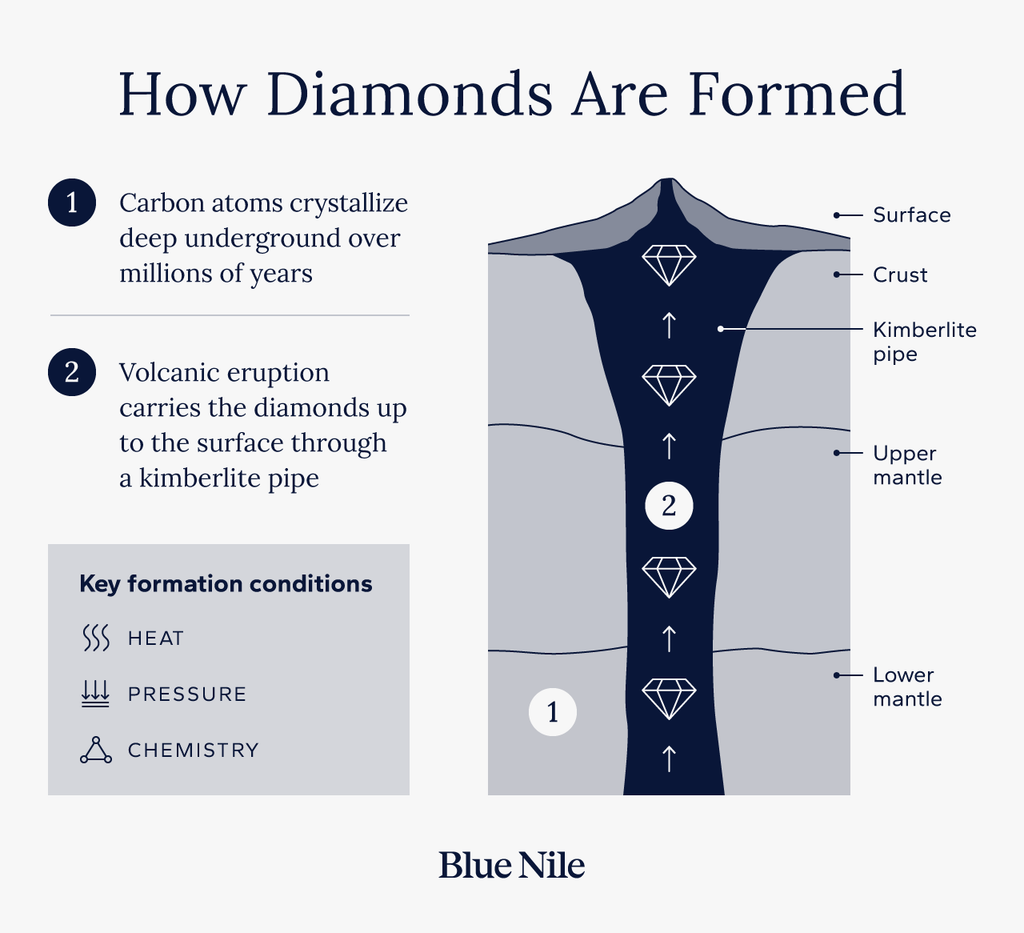
Diamond formation is a complex two-stage process that starts over 150 kilometers below Earth and takes more than a billion years to complete. Let’s take a closer look at these stages and what they involve.
1. Carbon Atoms Crystallize
Diamonds begin forming about 150-200 km below the Earth’s surface, where the heat reaches 900 to 1,300 degrees Celsius and pressure exceeds 45 kilobars. These conditions force carbon atoms to break free from bonds, then re-bond in a stable, repeating pattern to form highly organized crystal lattices.
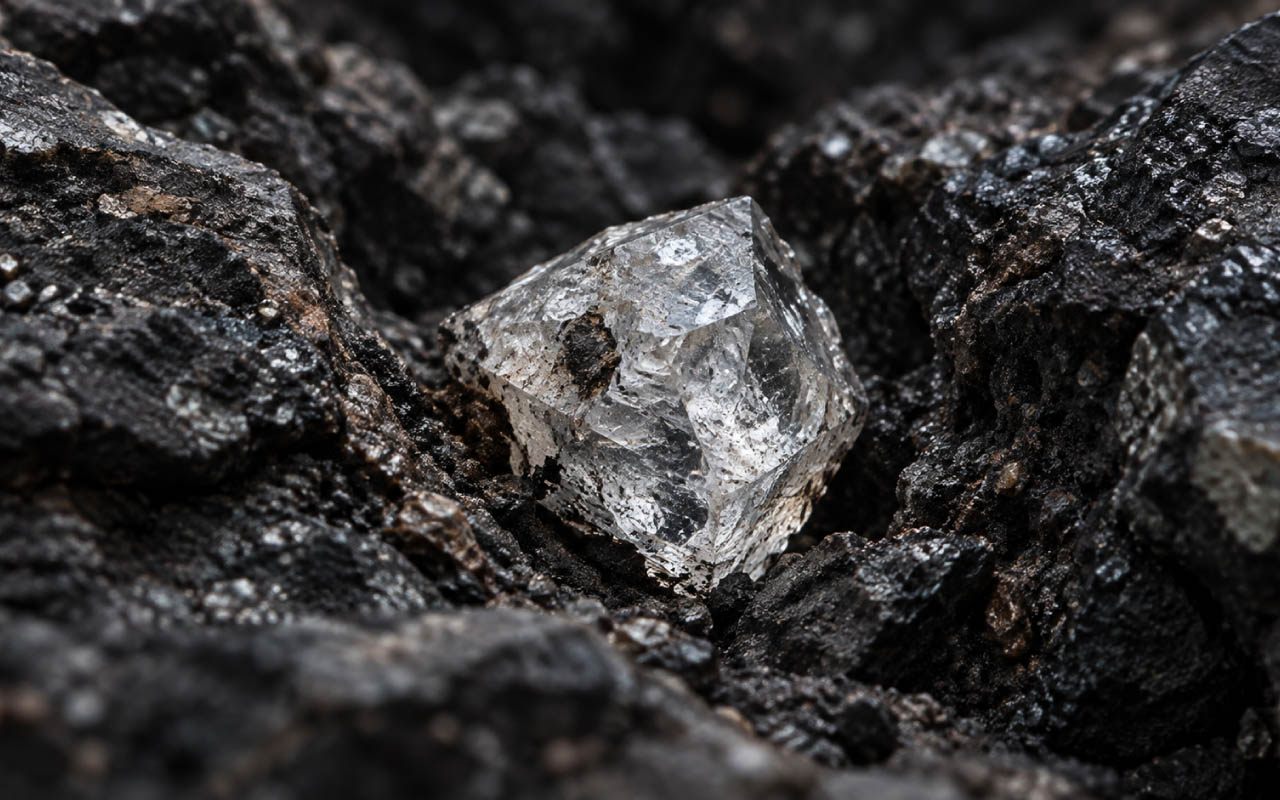
Crystallization is a slow process, lasting over a billion years. Some diamonds even take up to 3.3 billion years to crystallize. This makes them older than even complex life on Earth. Over time, the crystals grow larger and form the diamonds we’re familiar with.
Today’s mined diamonds, whether colorless or tinted, ideal or excellent cut, are the result of processes that started billions of years ago beneath the Earth’s crust. Their historic origins make them a piece of natural history and a rare, ancient treasure.
2. Volcanic Eruptions Drive Diamonds to the Earth’s Surface
Once formed deep in the mantle, diamonds travel upward by volcanic eruptions through pipes called kimberlites. These fast-moving eruptions occur in just hours, blasting diamonds from depths of over 150 kilometers. After the magma reaches the surface, it cools rapidly, trapping diamonds within the solid kimberlite rock.
During mining, geologists extract these pipes, crush the rock and carefully separate the diamonds from the surrounding material. This process allows them to recover the precious stones and deliver them to jewelers who cut and fashion them into the timeless jewelry and trendy engagement rings we love and cherish.
How Are Lab-Grown Diamonds Made?
Lab-grown diamonds are diamond alternatives created in controlled laboratory environments. They replicate the natural formation process of diamonds, but in just a matter of weeks instead of billions of years. To do this, manufacturers use two different techniques that simulate the intense heat and pressure of the Earth’s interior.
Let’s review these techniques and find out how experts make diamonds in the lab.
High Pressure, High Temperature (HPHT)
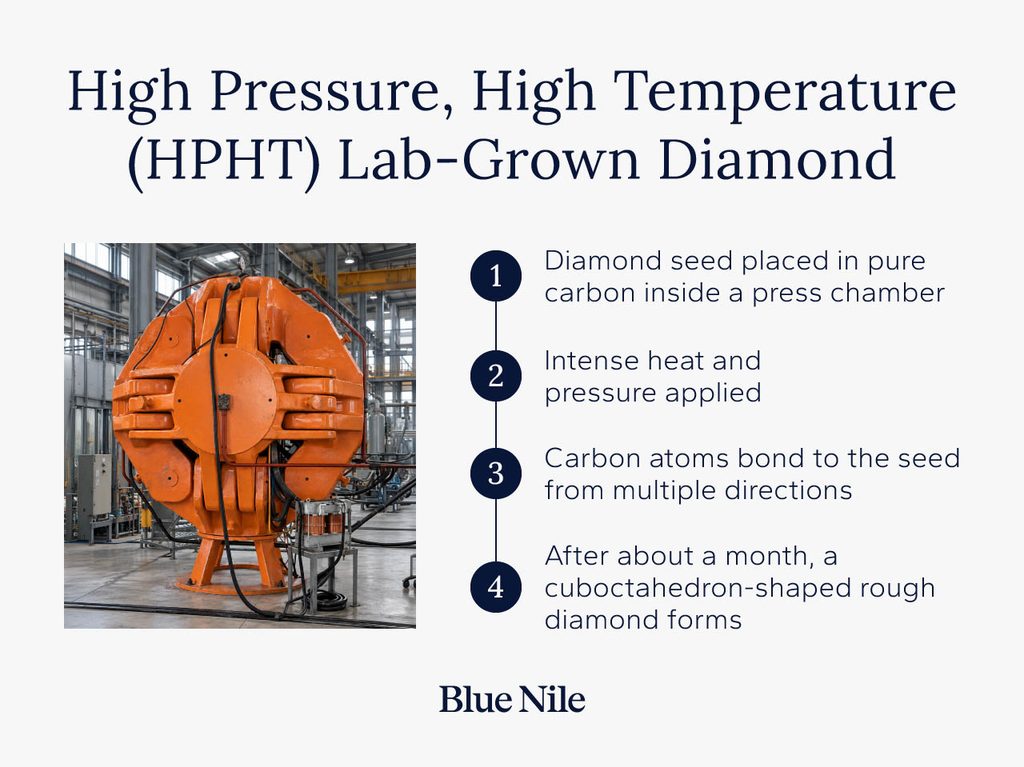
The HPHT method creates lab-grown diamonds through a controlled thermodynamic reaction. Here are the steps involved in this process:
- Experts place a small diamond seed in pure carbon inside a high-pressure chamber.
- They then apply intense heat and pressure to mimic natural conditions.
- Carbon atoms bond to the seed from multiple directions as it heats.
- After about a month, a cuboctahedron-shaped rough diamond forms, ready for polishing.
Chemical Vapor Deposition (CVD)
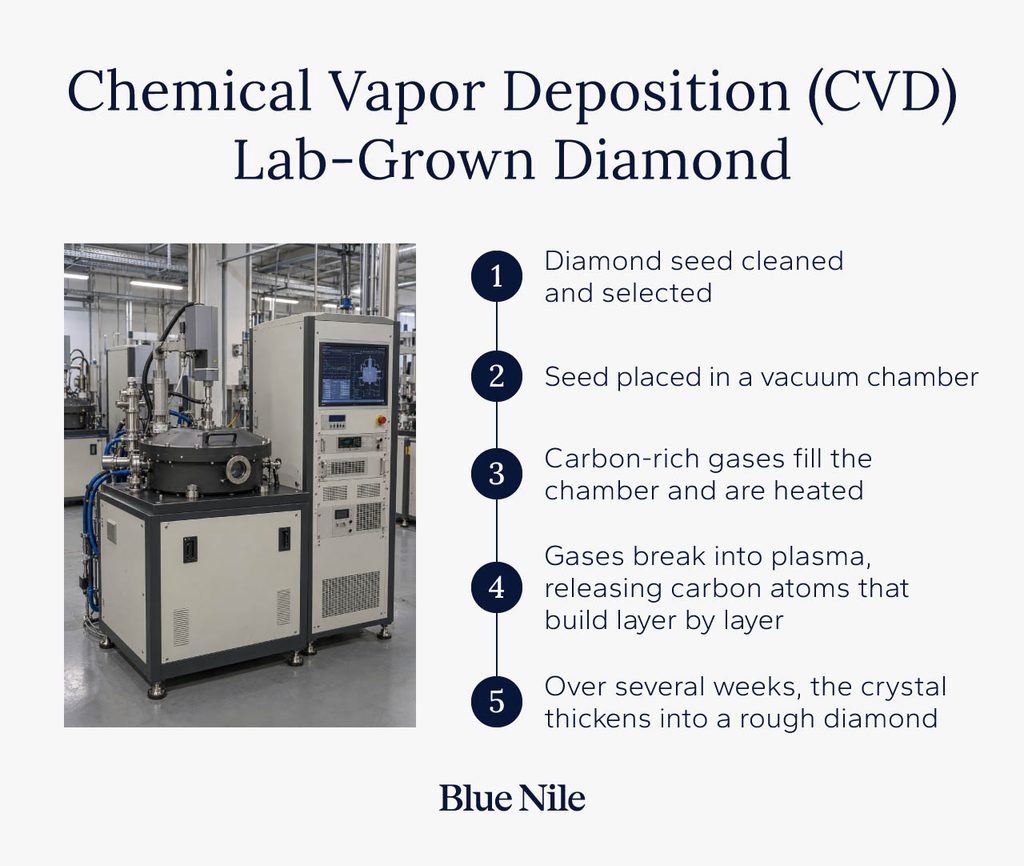
The CVD method builds diamonds layer by layer by converting carbon-rich gases into plasma and depositing carbon atoms onto a small diamond seed. Here’s a breakdown of the steps in this process:
- Experts select and clean a small diamond piece to minimize noticeable inclusions.
- They insert the seed into a vacuum chamber.
- Carbon-heavy gases fill the chamber at high temperatures.
- The gases break down, releasing carbon atoms that build upward on the seed layer by layer through kinetic processes to grow a crystal.
- Over several weeks, the diamond crystal thickens, eventually forming a rough shape ready for cutting and polishing.
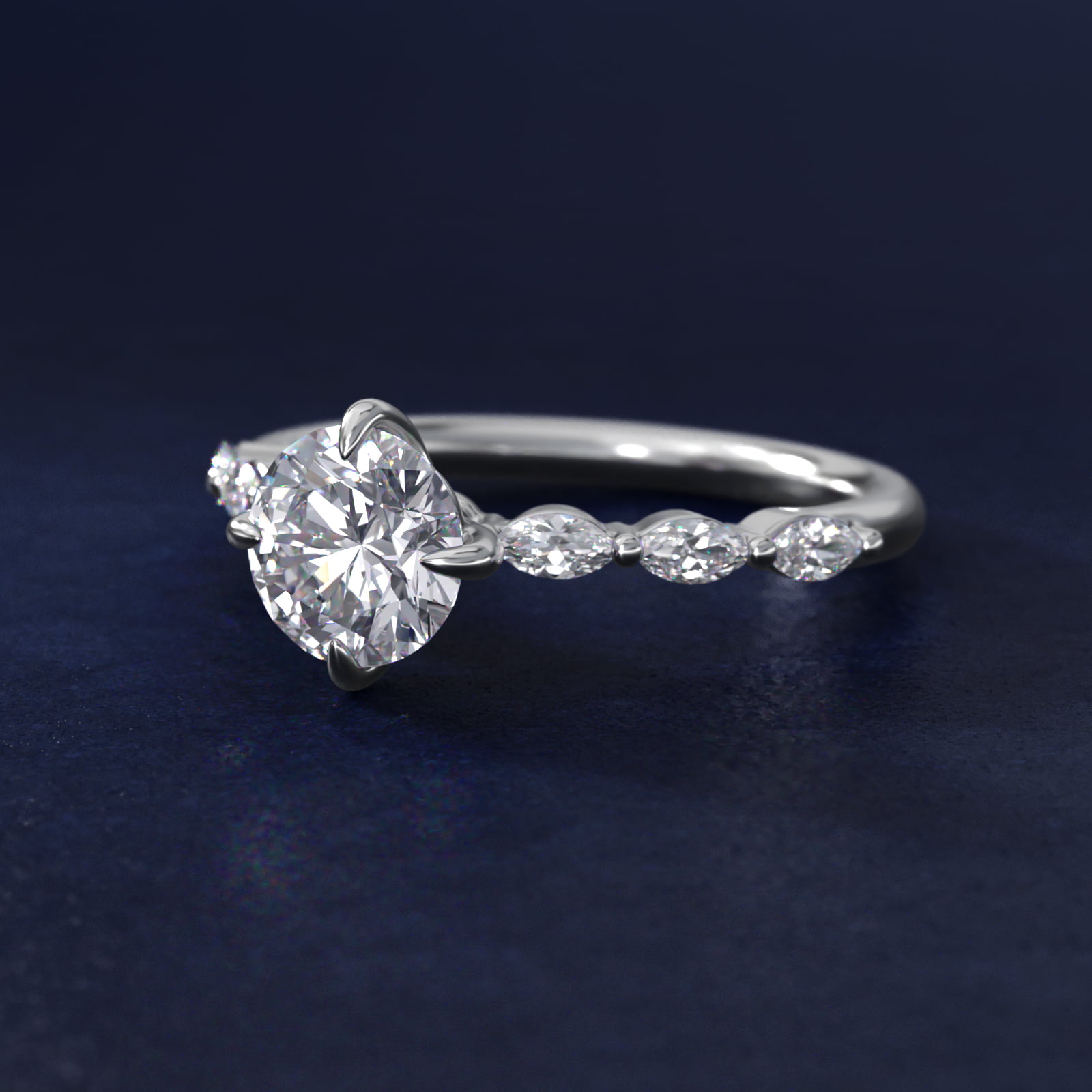
Marquise Cut Side Stone Diamond Shared Prong Engagement Ring In Platinum By James Allen
Shop Diamond Engagement Rings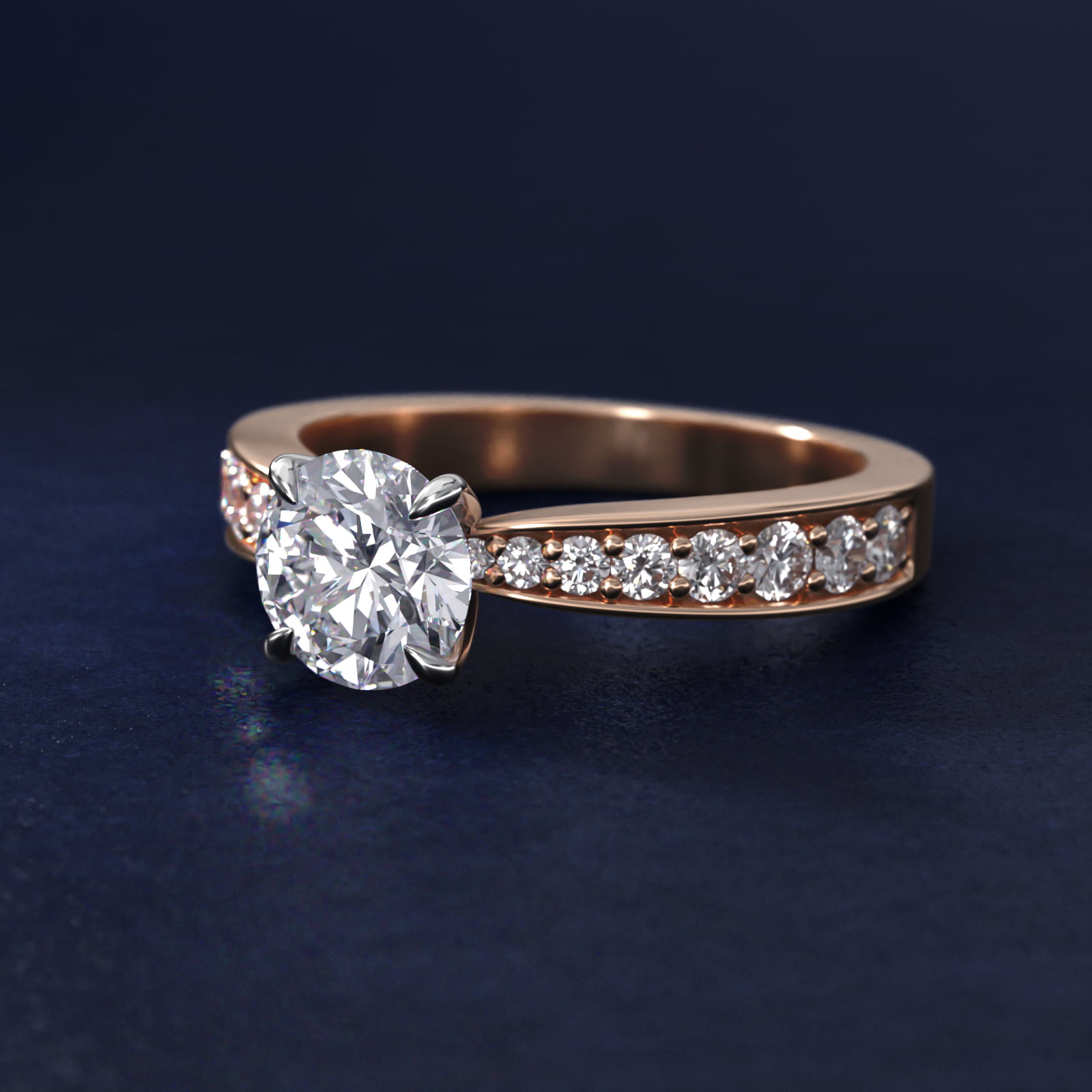
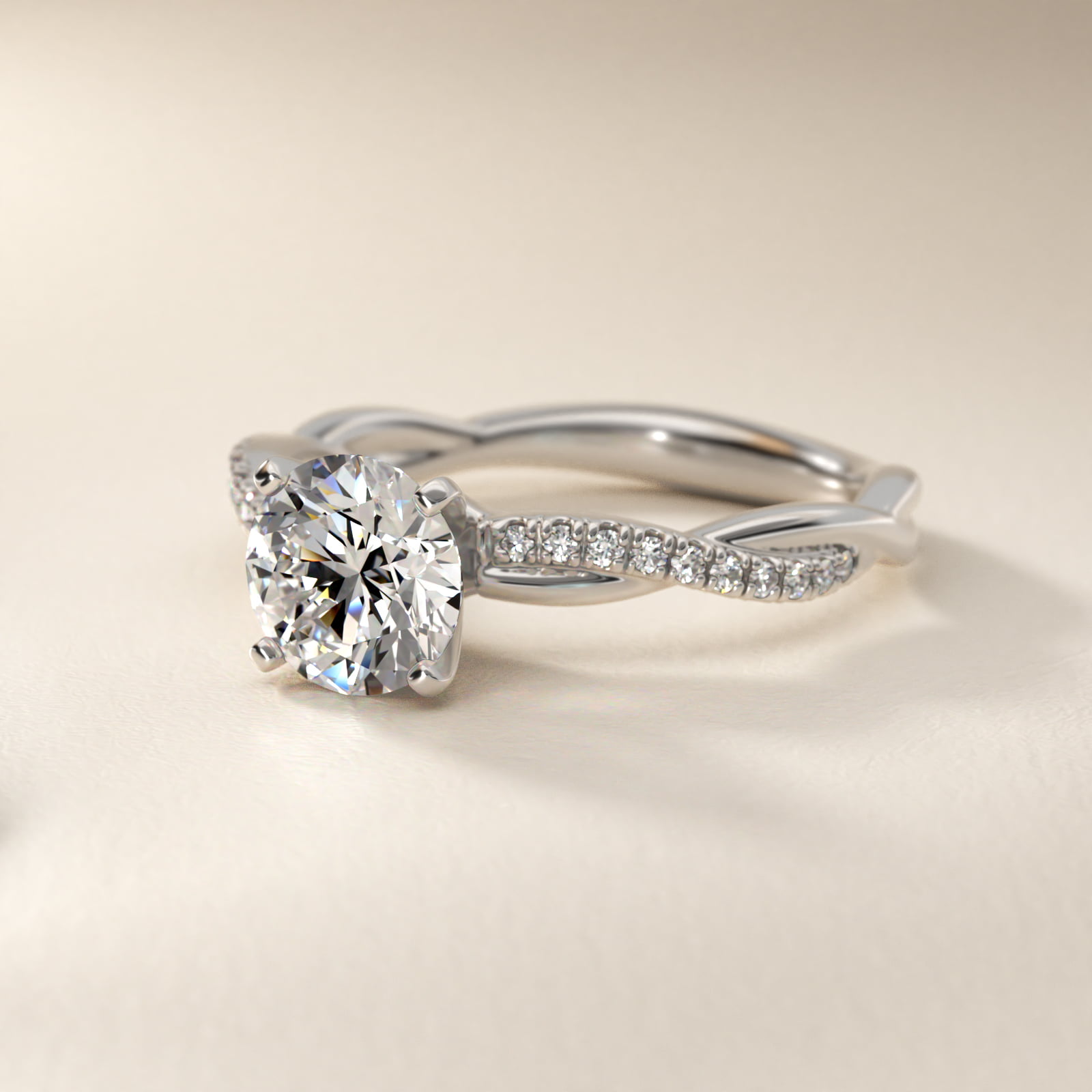
Petite Twist Lab-Grown Diamond Engagement Ring in 14k White Gold (1/10 ct. tw.)
Shop Diamond Engagement RingsWhat Are Diamonds Made Of?
Diamonds consist of 99.95% pure carbon atoms arranged in a crystal lattice structure that gives them their exceptional hardness and brilliance. They can also contain other trace elements that influence their color.
| Element | Diamond Type | Color Impact |
| Nitrogen | Type I Diamonds | Yellow, Brown |
| Boron | Type IIb Diamonds | Blue |
| Hydrogen | Type I and II Diamonds | Blue, Gray, Violet |
In addition to these trace elements, diamonds may contain foreign gases and minerals, like graphite or sulfides, that become enclosed within the crystal during formation. These inclusions often appear in VVS diamonds and stones with lower clarity grades.
Are Diamonds Made From Coal?
Contrary to popular belief, diamonds are not made from coal. Although both are forms of carbon, diamonds and coal form under different conditions.
Diamonds develop thousands of miles below the surface over extended timescales. Coal is a sedimentary rock that originates from plant material in the Earth’s crust through a much shorter process.
Find Your Perfect Diamond at Blue Nile
Now that you know how diamonds are formed, you can better appreciate their billion-year journey from carbon to crystal. You can add them to your jewelry collection or gift them to someone, knowing they symbolize a rare natural wonder.
If you’re ready to buy your first princess or cushion cut stone, Blue Nile has the piece for you.
We offer natural and lab-grown diamonds in different cuts, colors, clarity grades, and carat weights to suit every style and budget. Explore our collection today and shop diamonds that you can treasure forever.
Frequently Asked Questions
Blue Nile is one of the top place to buy diamonds because we prioritize quality and transparency. We have a wide selection of stones in all styles and price ranges, with diamond experts ready to answer all your questions. They will guide you in the selection process and explain how they make lab-grown diamonds so you don’t have to wonder about their origins.
Color variations in diamonds stem from trace elements and impurities in the crystal structure. For example, the clearer F color diamonds are virtually colorless, while K color diamonds have a faint yellow tint due to their higher nitrogen impurities. These subtle differences affect the stone’s appearance and how it reflects light.
Yes, scientists can tell how old a diamond is by examining mineral inclusions and isotopic data. They know what diamonds are made of, which gives them clues on what to look for and helps them estimate the stone’s geological age. These insights confirm that most diamonds form over billions of years deep within the Earth.
Most diamonds originate from kimberlite pipes, but some form in alluvial deposits and other geological formations. Kimberlite pipes act as volcanic conduits that carry diamonds to the surface. While not all diamonds come from these pipes, they remain the main natural source for most mined stones.


Share