Key Takeaways:
- Ring stacks can feel more cohesive when they share one unifying element, then mix widths, textures, metals or gemstones.
- Ring stack ideas can range from mixed metals and gemstones to minimalist, vintage-modern, and wedding-ring combinations.
- Fashion stacks can be spread across several fingers for balance, while wedding ring stacks traditionally sit on the ring finger.
- Consider comfort, fit and metal hardness to help reduce unnecessary wear and keep the stack comfortable for everyday.
A great ring stack looks effortless, but the best combinations are built with intention.
Ring stacking lets you combine different metals, textures, gemstones, and meaningful pieces to create a look that feels personal to you. Stacking rings is mostly about finding the right balance between comfort, proportion and personal style.
A few practical styling and fit considerations can help create a comfortable, balanced ring stack for fashion, engagement or wedding rings. This guide covers how to build your stack, ideas to try and common mistakes that can affect comfort or cause unnecessary wear.
What is a Ring Stack?
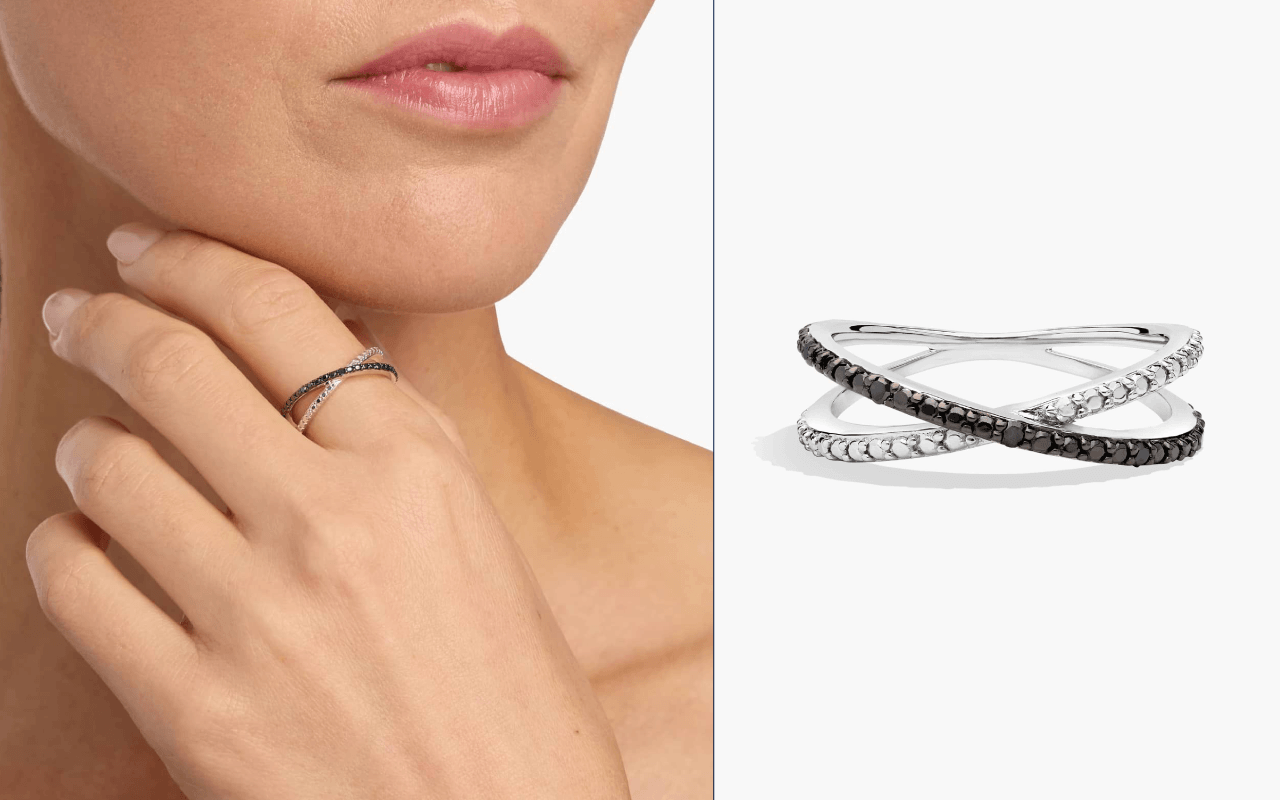
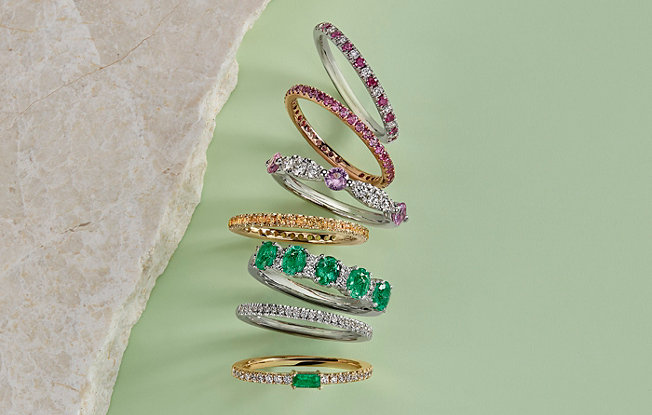
A ring stack consists of two or more rings stacked together on one finger or across several fingers. Like stacking bracelets, ring stacking works best when the pieces share enough in common to feel cohesive while still varying in width, texture, metal, or gemstones.
Bridal stacks are built around an engagement ring and wedding ring, sometimes with an anniversary or eternity ring added for meaning or symmetry. Fashion stacks are more flexible, allowing you to mix different ring styles to create a personalized look.
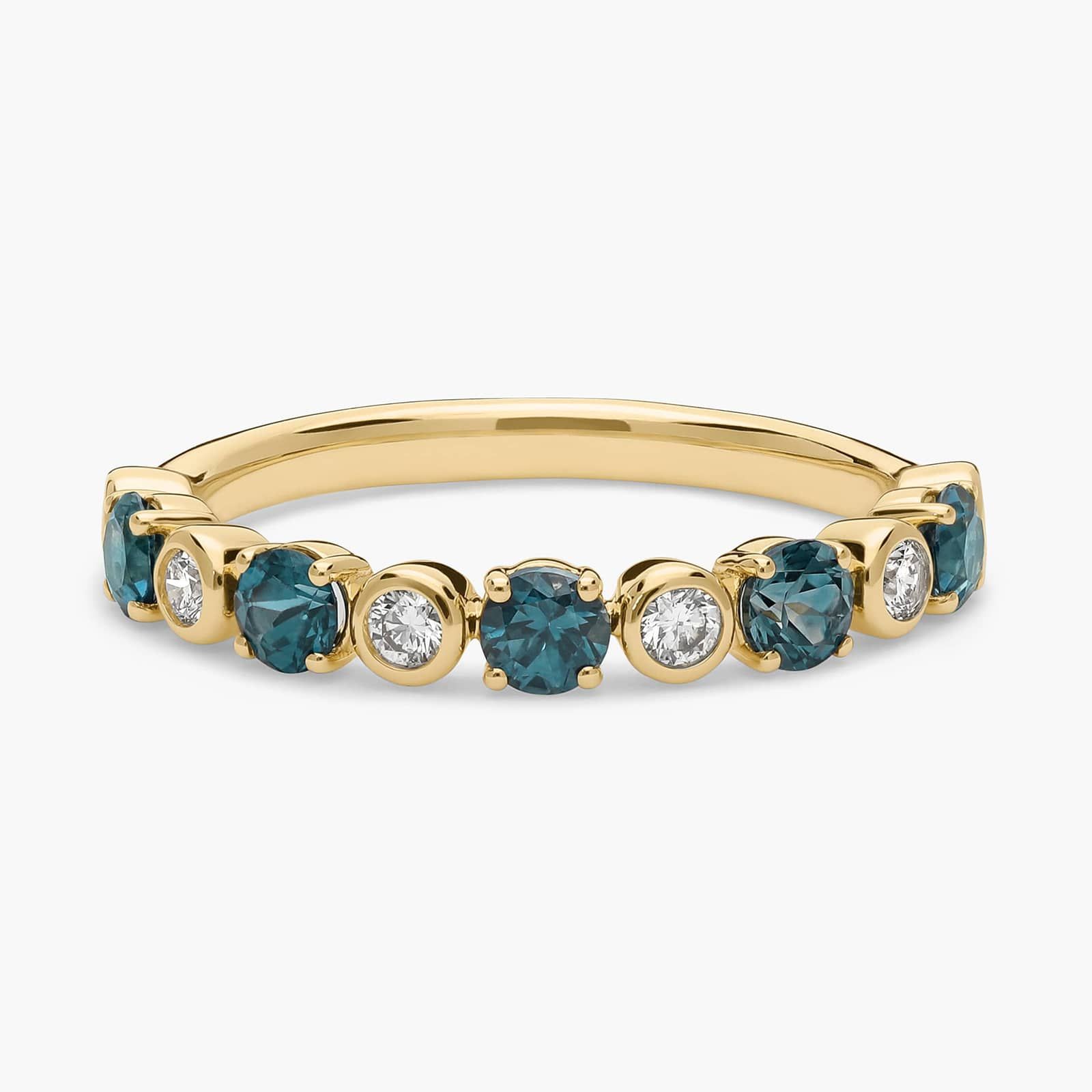
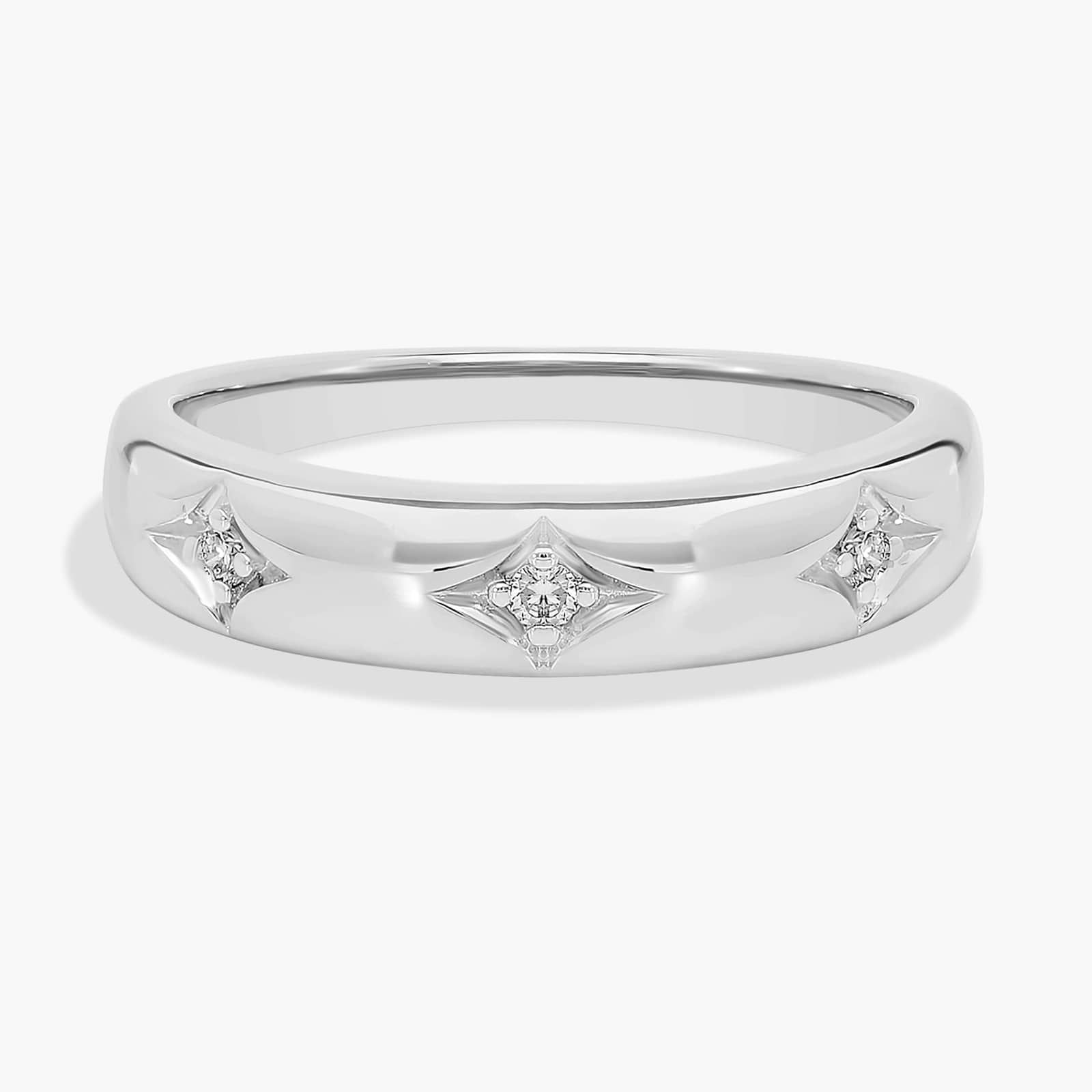
Montana Sapphire & Round Diamond Alternating Bezel & Prong Ring in 14K Yellow Gold
Shop Stacking Rings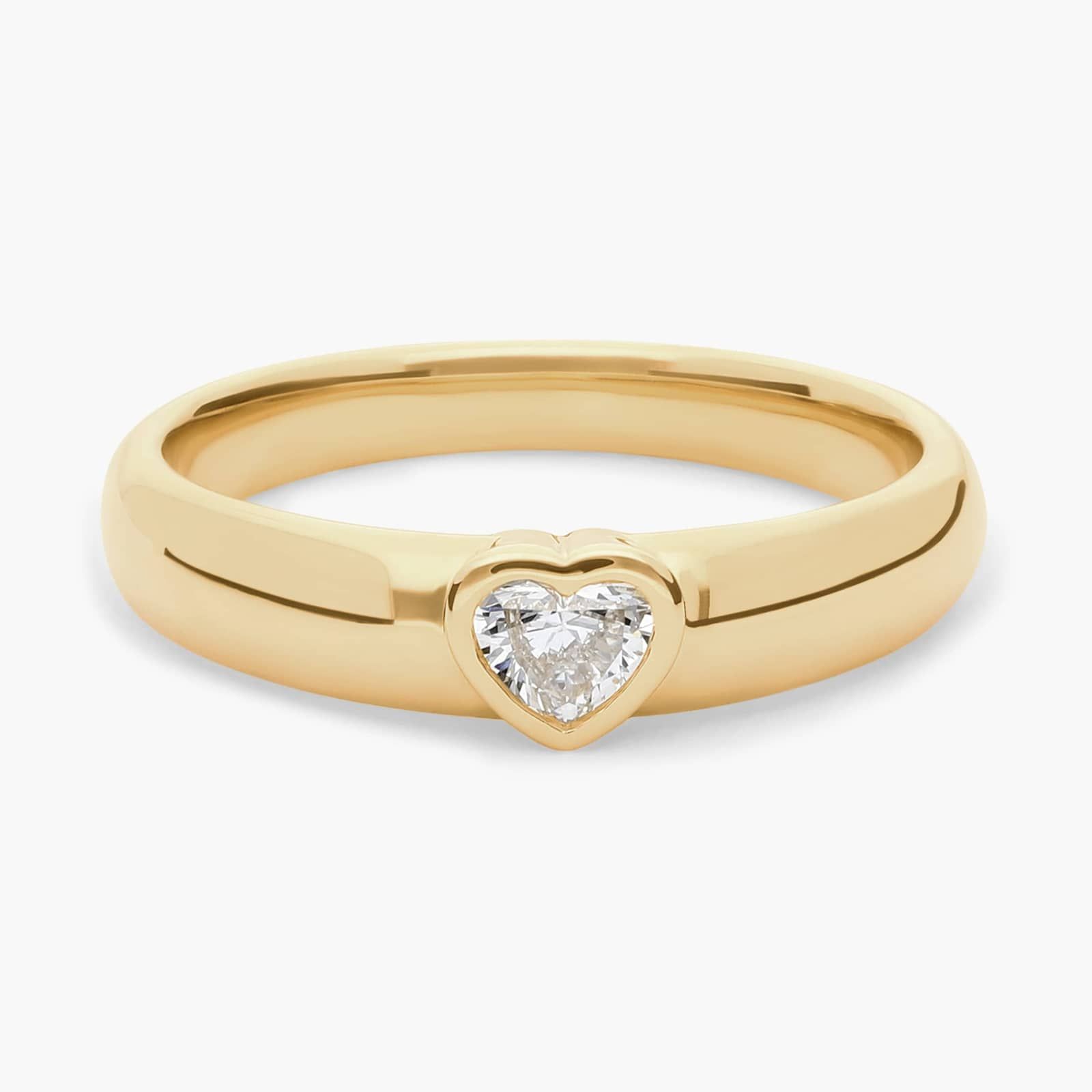
How to Build a Ring Stack
Building a ring stack starts with choosing the look you want to create. From there, you can refine the combination by considering personalization, fit and how the rings balance across your hand.
1. Choose Your Metal
Using one metal color is an easy starting point for stacking rings, but mixed-metal combinations can look equally intentional. Yellow gold, white gold, rose gold, and platinum can each create a different foundation for your stack.
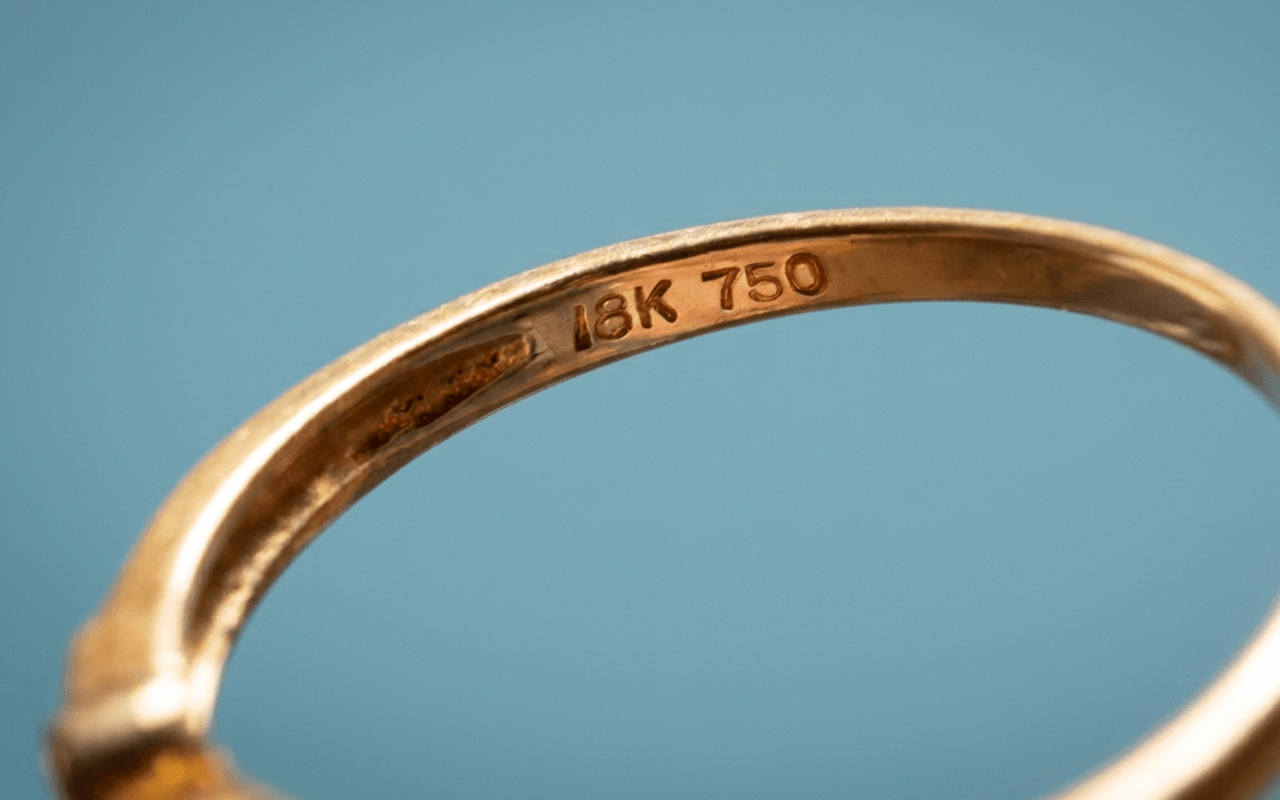
Think beyond color when choosing metals. Their composition and hardness can affect how rings wear against each other over time, and softer metals may wear faster when stacked against harder ones. Pairing rings with similar karat and hardness can help limit unnecessary wear.
2. Mix Textures, Gemstones and Colors
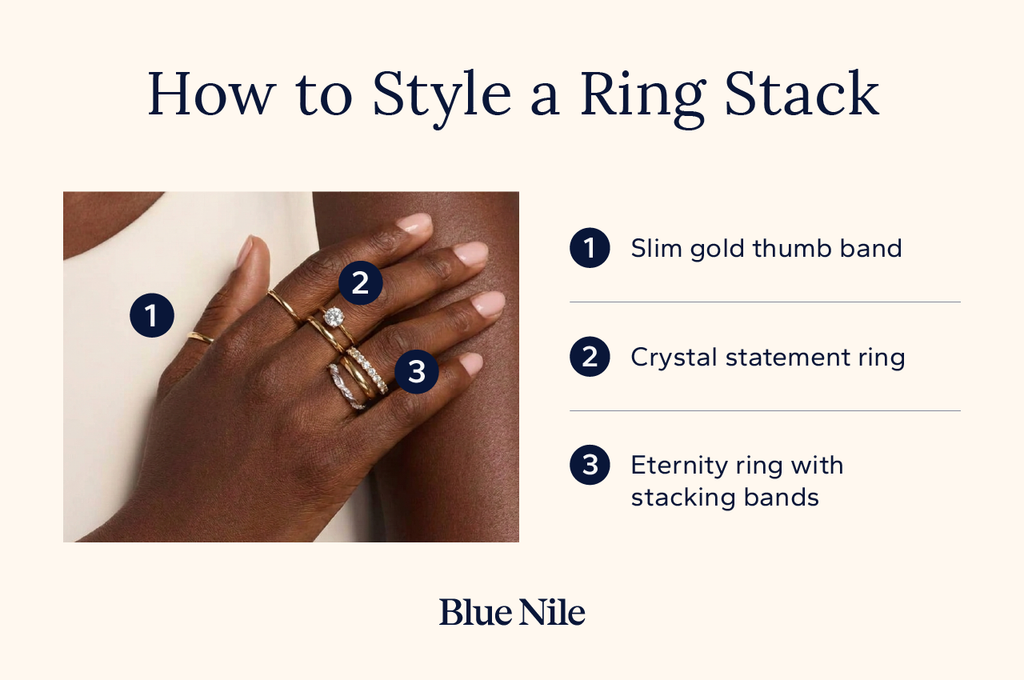
A cohesive stack doesn’t have to match perfectly. Try repeating one element, such as metal color or gemstone, while varying other details like width, texture or setting style. For example, pair a smooth gold ring with a textured ring and a gemstone ring in the same metal.
You can also mix metal colors while repeating another detail to tie the look together. The goal is contrast without making the rings compete for attention.
3. Find the Right Size
Once you’ve chosen the rings you want to combine, make sure they fit comfortably together. A stack can feel tighter than a single ring because several rings cover more of the finger. This is especially true when you mix wider styles or build a stack that reaches closer to the first knuckle.
If you’re wearing more than three rings or creating a wider stack, some pieces may feel more comfortable a quarter or half size larger. Check your ring size before buying, particularly if you’re stacking on a finger where you don’t usually wear rings.
4. Make It Personal
A ring stack can be as meaningful as it is stylish, reflecting the people, places and milestones that matter most to you. Add birthstone rings for loved ones, an engraved ring with a name, date or meaningful word, or an heirloom piece that carries family history.
You can also build a stack to represent personal experiences. Choose anniversary rings to celebrate a relationship, or pick pieces that symbolize a memorable trip or achievement.
5. Spread Out the Look
Your ring stack doesn’t have to stay on one finger. Carrying a metal, gemstone or design detail onto another finger can help distribute the visual weight across your hand. Leave some open space rather than filling every finger, and try arranging rings in a loose triangle instead of clustering them in one area.
If you’re deciding how many rings to wear, odd-numbered groupings such as three or five can be an easy way to create visual balance. Treat that as a styling shortcut rather than a rule, and choose a combination that feels comfortable and balanced on your hand.
6. Build the Stack Over Time
You don’t need to create your finished stack all at once. Start with a few rings you love, then add pieces as your style evolves, your budget allows, or new milestones give you something to commemorate.
Building gradually also gives you time to see how new rings work with the pieces you already wear, so each addition can have a clear place in the stack.
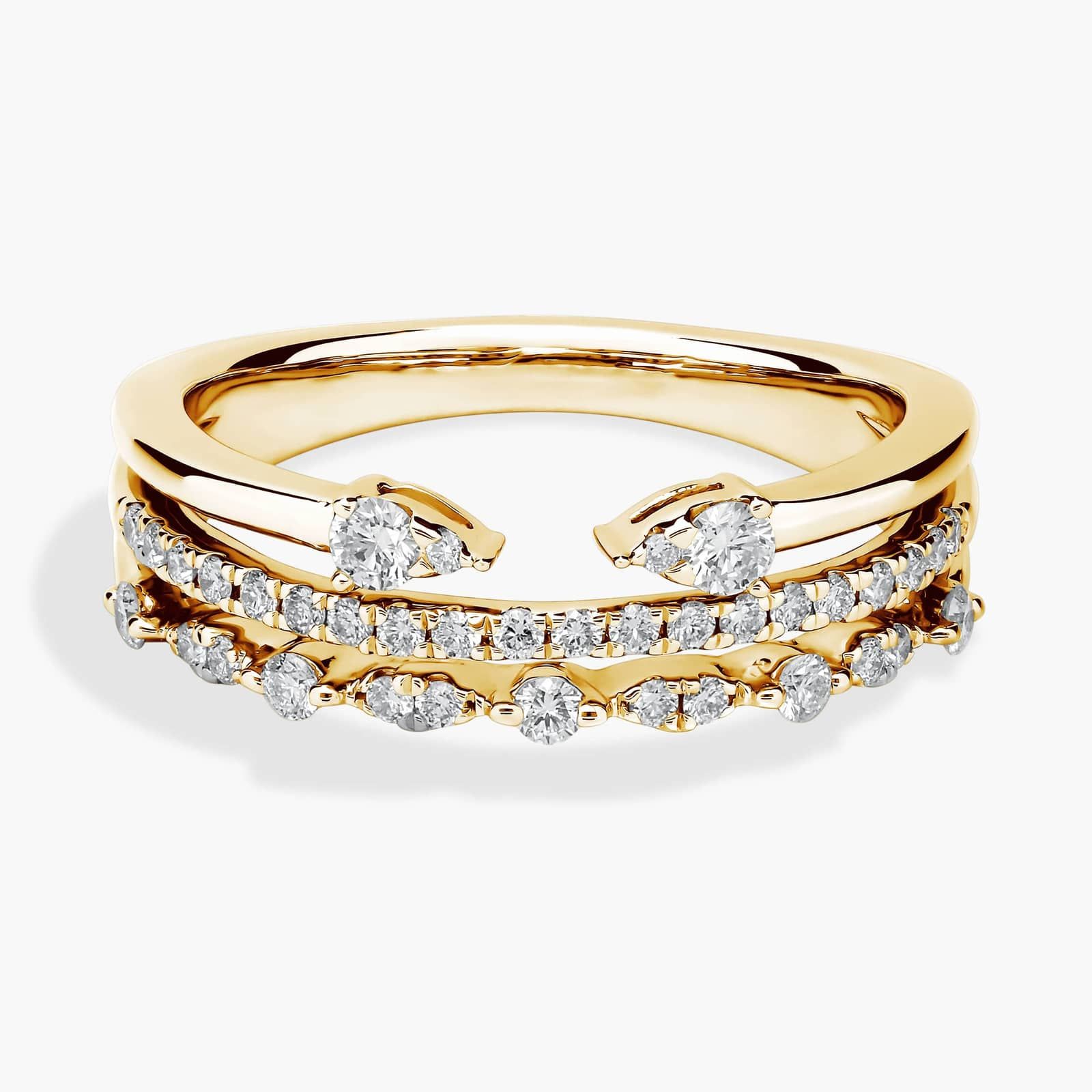
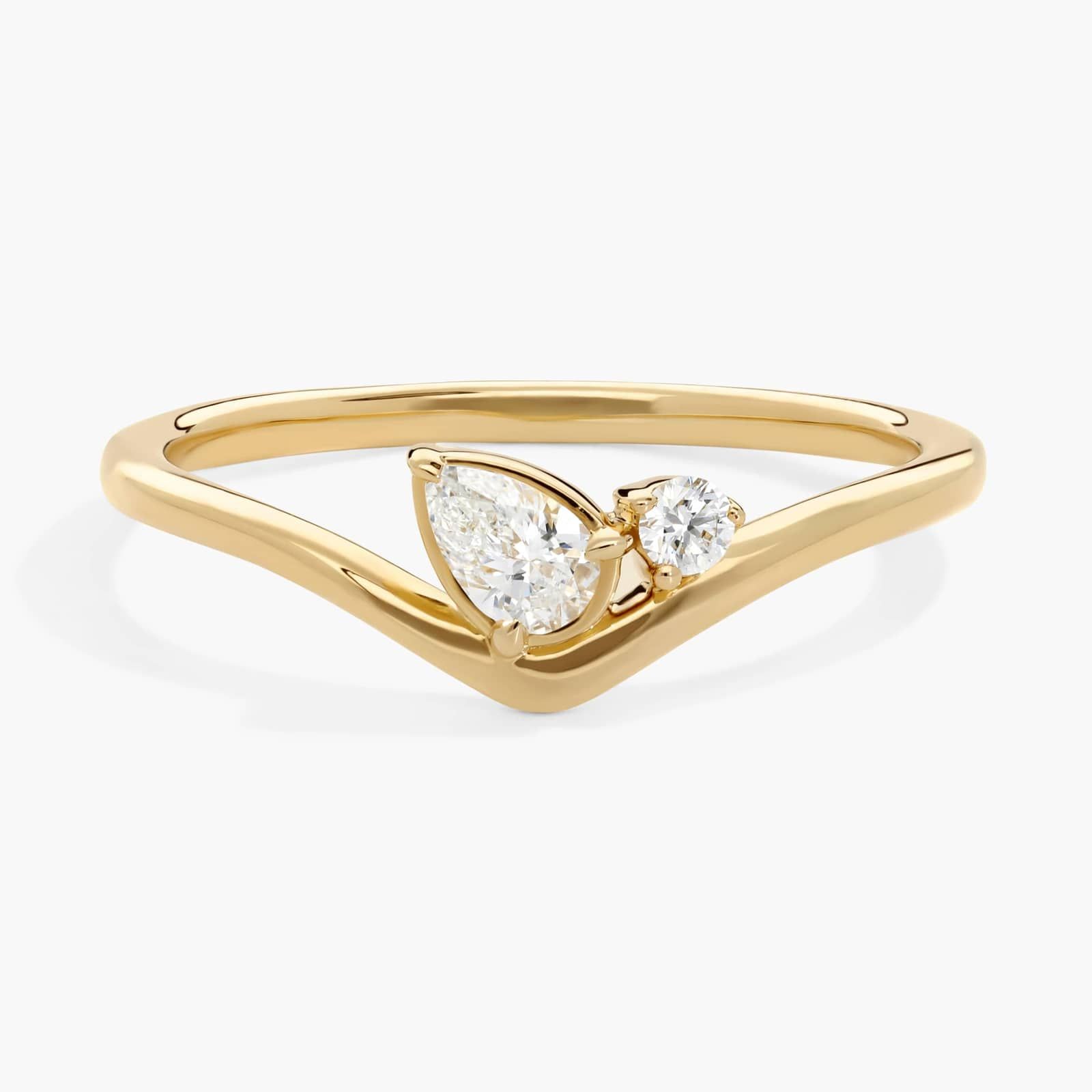
Diamond Fashion Ring with 0.2 CTW Pear and Round Cut Lab-Grown Diamonds in 14K Yellow Gold
Shop Stacking RingsStacking Ring Ideas
The best ring stack ideas give you a starting point without locking you into a formula. Use these combinations as ring stack inspo, then adjust the metals, gemstones and proportions to suit the rings you already own and the look you want to create.
- Mixed metal stack: Combine two or more metal colors, such as yellow and white gold, and repeat one of them elsewhere in the stack to make the contrast feel intentional.
- Gemstone stack: Let one or more colored gemstones become the focal point, then pair them with simpler metal or diamond rings. Birthstones can also add personal meaning to the combination.
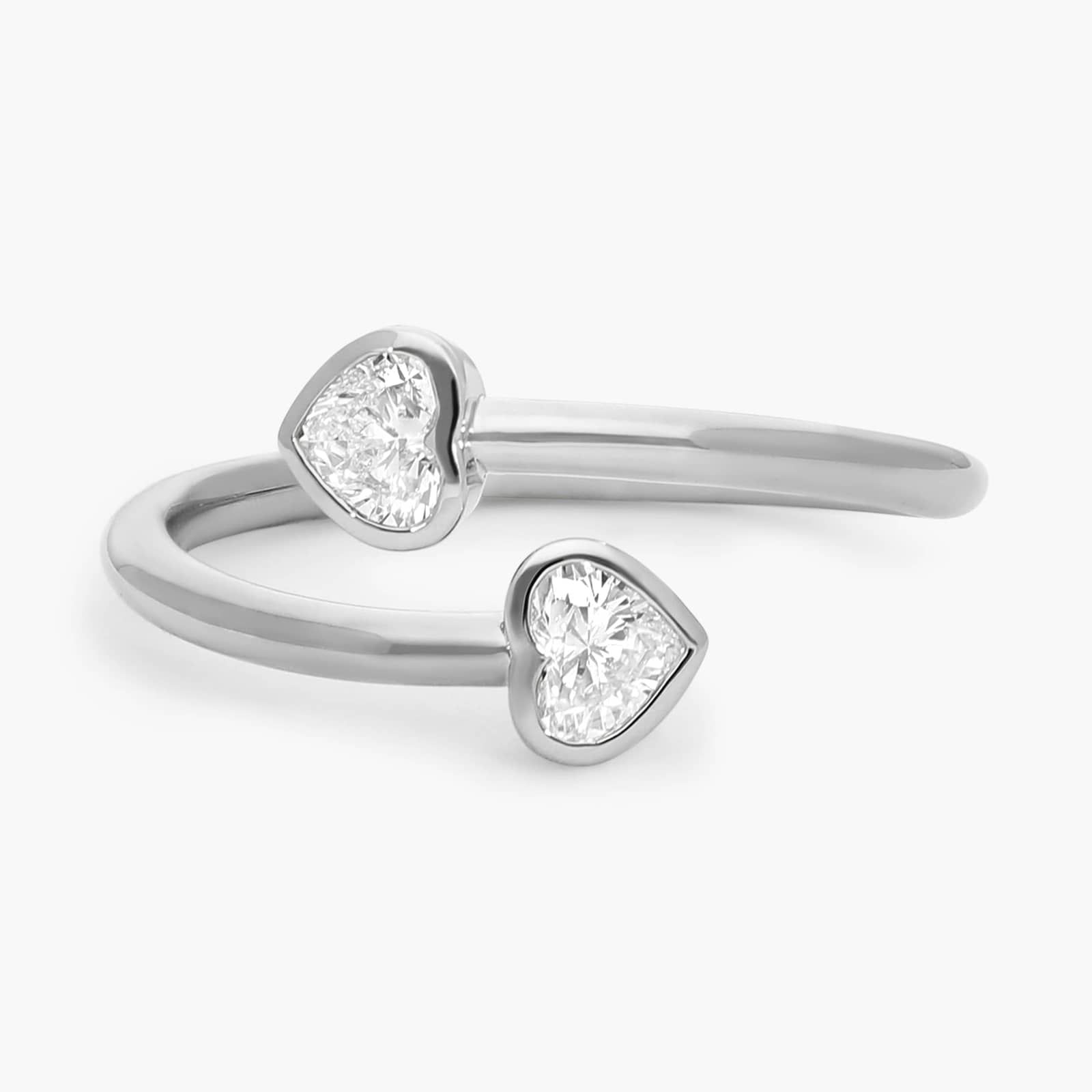
- Two-stone ring stack: Start with a two-stone ring as the focal point and add slimmer rings around it so the paired gemstones remain the focus. A simple diamond or metal ring can add another layer without overwhelming the design.
- Vintage-modern stack: Pair vintage-inspired details, such as milgrain or intricate metalwork, with cleaner contemporary rings. The contrast can give heirloom-style pieces a fresh look without losing their character.
- Minimalist stack: Combine a few slim rings with subtle differences in texture, width or metal color. Leaving space between rings or across fingers can keep a simpler stack feeling balanced rather than sparse.
- Bridal stack: Pair an engagement ring with a wedding ring, then add an anniversary or eternity ring for another layer of meaning or style.
Which Finger Is Best for Stacking Rings?
The ring finger is the traditional choice for bridal stacks. For fashion stacks, there’s no single best finger. The index, middle and ring fingers can all work depending on the proportions of the rings and the look you want to create.
You can also distribute rings across several fingers instead of concentrating the entire stack in one place. Leaving some fingers bare and varying the number of rings on each finger can help the overall look feel balanced rather than crowded.
How to Stack Your Engagement Ring and Wedding Ring
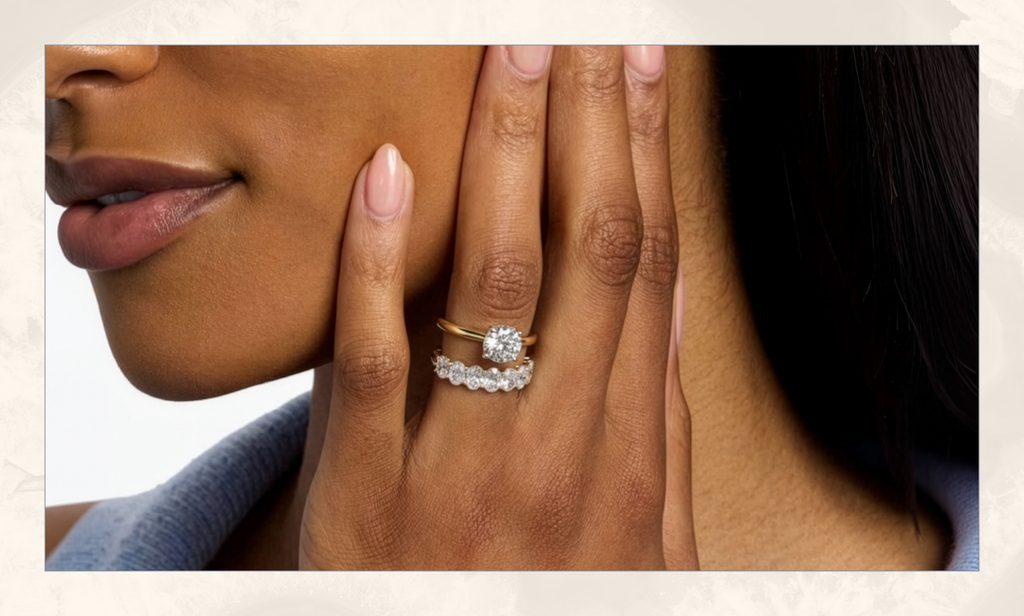
When choosing your bridal stack, consider how your stacked wedding rings will sit together, the order you want to wear them and how the full stack will fit.
Choose the Order
Traditionally, the wedding ring sits closest to the heart, followed by the engagement ring. As your stack evolves, you may add an anniversary or eternity ring to mark a future milestone. Wear it above the engagement ring or arrange the rings in an order that feels comfortable and meaningful.
Match the Profiles
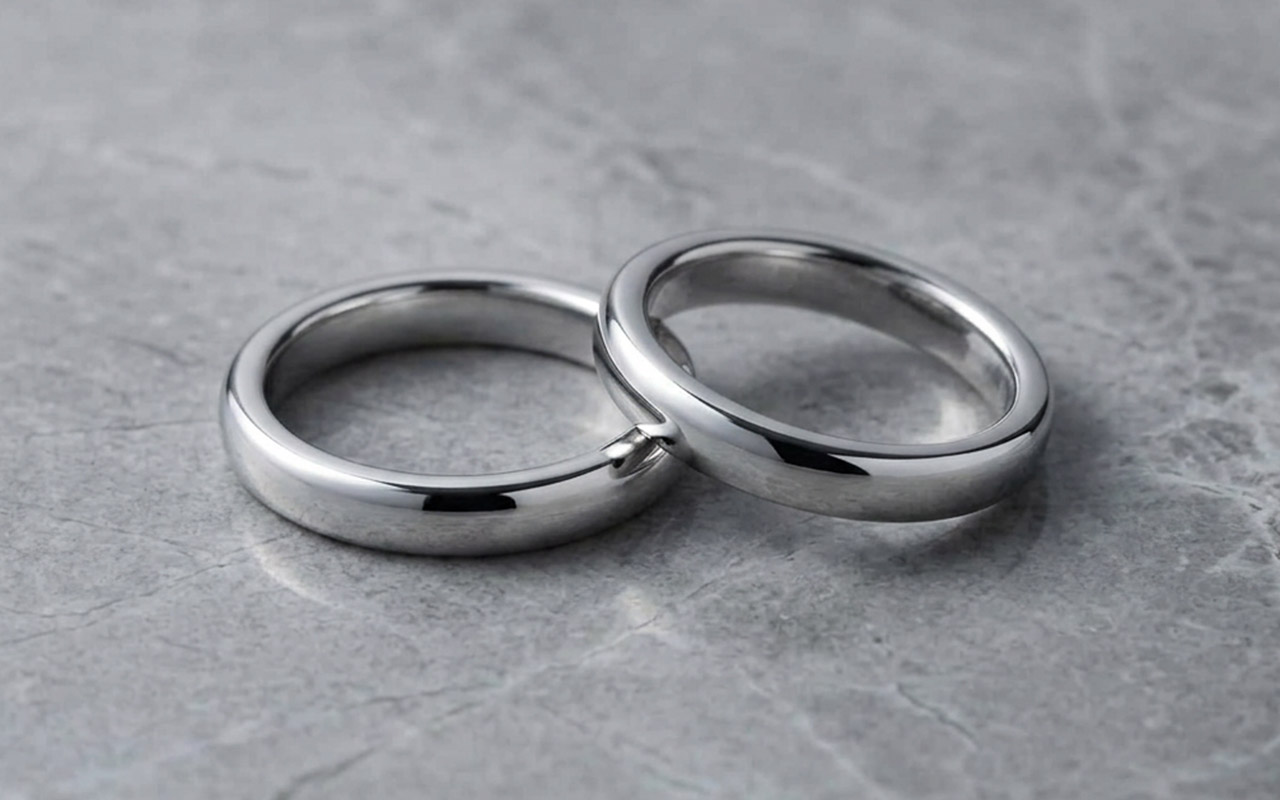
When choosing a wedding ring, compare styles that complement your engagement ring. A straight wedding ring may sit flush with some settings, while a curved or contoured style can fit more closely around others.
Check the Fit
Consider sizing the rings in your engagement ring stack together, since the combined width can make them feel tighter than they do individually. For a wider stack, sizing up a quarter or half size may provide a more comfortable fit.
Ring Stacking Tips
There are no hard rules for creating a ring stack, but a few simple guidelines can make the finished look feel more balanced and comfortable. Keep these tips in mind as you mix, match and add to your collection:
- Choose a focal point. Start with a statement, gemstone or diamond ring, then build the rest of the stack around it.
- Repeat one element. A shared metal, gemstone color, shape or design detail can help different rings feel connected.
- Vary ring widths. Mixing slim and wider rings adds dimension, while thinner styles can help fill unwanted gaps.
- Consider everyday wear. Rings that rub against one another can show wear over time, especially when softer metals are paired with harder ones.
- Prioritize comfort. Check the fit of the complete stack, particularly when combining several rings or wider styles.
- Experiment before committing. A faux stack or rings you already own can help you test proportions and combinations before adding new pieces.
The strongest stacks combine personal style with practical considerations like fit, proportion and wear. Whether you prefer subtle layers or stackable diamond rings with more presence, the goal is a combination that feels natural to wear and personal to you.
Find Your Signature Stack at Blue Nile
Once you know how to stack rings, you can build a combination that reflects your style, marks meaningful moments and evolves over time. You can also start new traditions with family and friends. Include stackable rings as bridesmaid gifts or give a new ring to mark birthdays, anniversaries or other shared milestones.
When you’re ready to add another piece, explore our stackable rings and wedding rings to find styles that complement the rings you already wear and help you create a stack that feels distinctly yours.
Frequently Asked Questions
The best place to buy stackable rings is a reputable jeweler with a broad selection of metals, gemstones and styles so you can compare pieces that work together. Look for clear product information, sizing guidance and options that fit both your style and how often you plan to wear your stack.
No, stacked rings don’t need to match. Repeating one feature, such as a metal color, gemstone or design detail, can create cohesion while still allowing you to mix widths, textures and styles.
Yes, you can stack rings made from different metals. Consider both appearance and hardness, since softer metals may wear faster when they repeatedly rub against harder ones.
Stacking rings can cause wear where the rings rub against one another, especially when metals differ significantly in hardness or raised settings make frequent contact. Choosing compatible materials and checking your rings periodically can help reduce unnecessary wear.
Traditionally, the wedding ring is worn closest to the heart, followed by the engagement ring. Anniversary or eternity rings can be added later and arranged above the engagement ring or in another order that feels comfortable and meaningful.
Yes, fashion rings can be mixed with bridal rings when their proportions and materials work well together. You might add gemstone, textured or anniversary rings to a bridal stack or add related rings on other fingers.
There’s no required number of rings in a stack. Three or five rings can create a sense of visual balance, but comfort, finger length and the widths of the individual rings are more important than following a set number.


Share