Black diamonds are valuable. Their price varies based on origin, color, cut, and carat weight, but they’re often more affordable than colorless diamonds.
Not all black diamonds get their color the same way.
Some develop their dark appearance naturally, while others are treated or created in a lab. These differences help explain why fancy diamond colors can vary so much in rarity, appearance and value.
This guide explains how natural, treated and lab-grown black diamonds compare, what influences their value and what to consider when evaluating black diamond prices.
Are Black Diamonds Valuable?
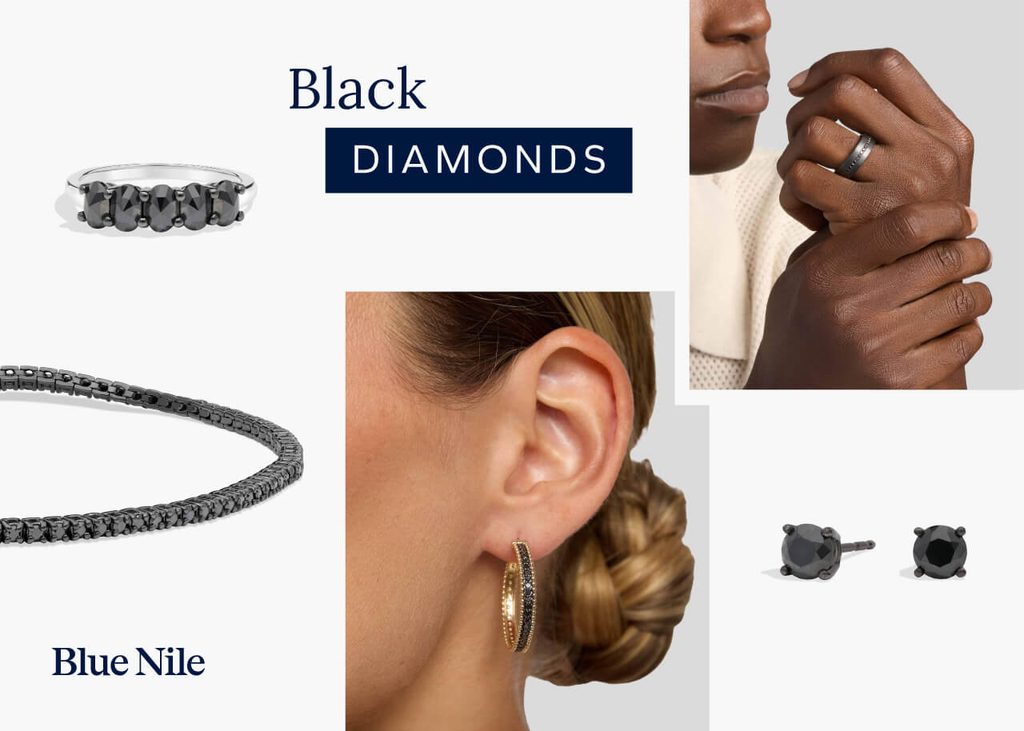
A black diamond is a diamond with a dark appearance that may occur naturally, result from treatment or be created as a lab-grown diamond. Naturally colored stones typically cost more than treated or lab-grown black diamonds. While natural black diamonds can be rare, they are still often more affordable than colorless diamonds.
| Type | Origin / How It’s Formed | Approximate Price per Carat Range* |
| Natural Black Diamond | A natural diamond whose black appearance develops from dense inclusions, fractures or other internal features | $1,000–$2,000+ |
| Treated Black Diamond | A natural diamond treated with heat or irradiation to create or intensify its black appearance | $300–$1,000 |
| Lab-Grown Black Diamond | A lab-grown diamond created in a controlled environment, with black coloration produced during or after growth | $200–$600 |
| Moissanite | A lab-created silicon carbide gemstone that can be made in black and is used as a diamond simulant | Less expensive than a black diamond |
| Cubic Zirconia (CZ) | A lab-created zirconium dioxide gemstone commonly used as a diamond simulant | The least expensive option |
*Prices are approximate market ranges and can vary based on color, cut, surface flaws, documentation, and seller. Moissanite and cubic zirconia are diamond simulants rather than diamonds and are priced differently from diamonds. (Sources: Caratlytics | Stonealgo | Barkevs)
Shoppers can look for a GIA report to confirm a black diamond’s origin and treatment status. For natural colored diamonds, GIA can identify whether the black color is natural or treated. Reports are also available for lab-grown colored diamonds.
Typical Value for Natural Black Diamonds
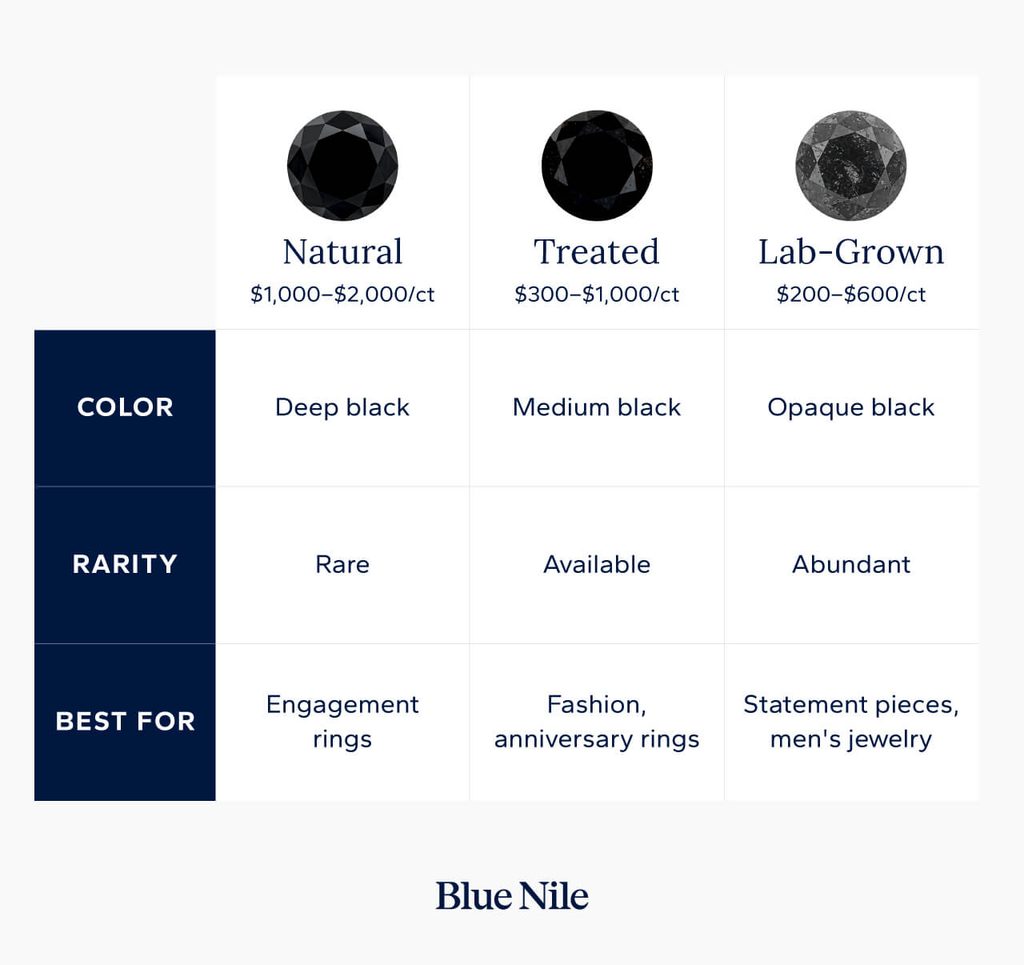
Natural black diamonds are the traditional choice for shoppers who want a black diamond with naturally occurring color. Their distinctive appearance can also make them an option for unique engagement rings. They are generally the most expensive of the three because they are relatively rare.
There is no single price for a natural black diamond. Current Blue Nile listings for loose natural black diamonds suggest a price range of about $1,000–$2,000 per carat. However, individual stones may fall outside that range depending on their specific qualities.
Typical Value for Treated Black Diamonds
Treated black diamonds begin as natural diamonds, but their color is altered through processes such as high-temperature treatment or irradiation. Because treated color is more readily available, these diamonds generally cost less than naturally colored black diamonds.
Typical market prices for treated black diamonds range from about $300 to $1,000 per carat. Their lower price can also make treated black diamonds an accessible option for fashion jewelry and designs such as anniversary rings. Because treatment can significantly affect a diamond’s value, jewelers should disclose it before sale.
Typical Value for Lab-Grown Black Diamonds
Rather than forming within the earth, lab-grown black diamonds are formed in a controlled environment. They are typically the least expensive black diamond option, with published market prices ranging from about $200–$600 per carat. Their lower price can make higher carat weights more accessible for statement pieces and men’s fashion jewelry.
Lab-created diamonds have the same optical, chemical and physical properties as natural diamonds. However, because lab-created diamonds can be produced in abundance, they are less expensive, making larger-size diamonds more affordable. Their relative abundance may not ensure that they will hold value over time.
Black Diamond Price Guide: Grading Factors
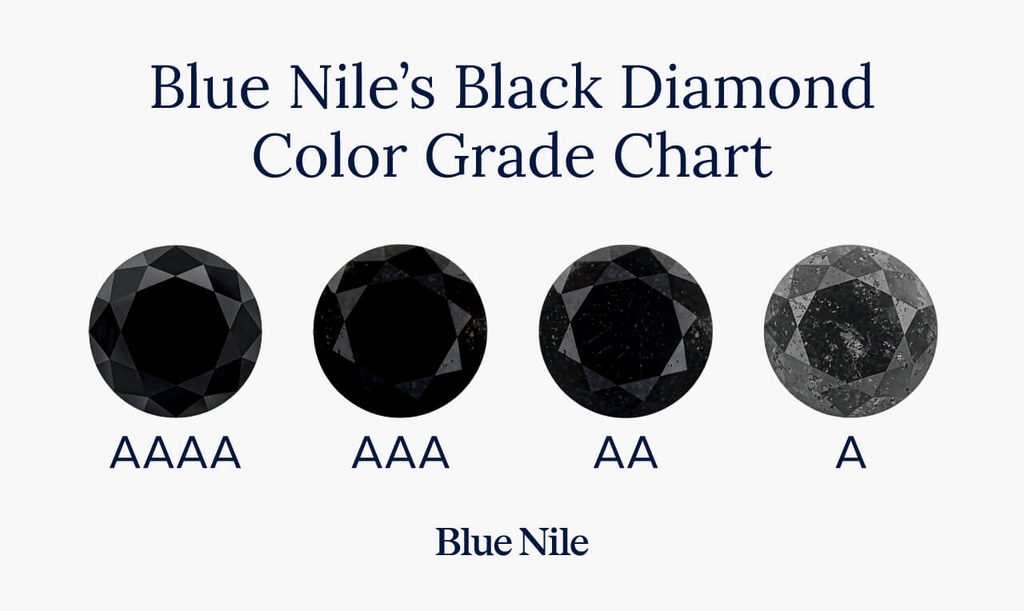
Black diamonds are evaluated using many of the same characteristics as other diamonds, but their grading works differently. GIA treats them as fancy color diamonds rather than grading them on the traditional D-to-Z color scale. Their color designation is Fancy Black.
Color
Color affects both a black diamond’s appearance and price. Stones with a rich, even black appearance are generally more desirable, while secondary brown or green tones may reduce value.
Cut
Cut affects how well a black diamond presents its color and surface reflections. Black diamonds do not show brilliance and fire in the same way as transparent colorless diamonds. Instead, polish, symmetry and overall finish help shape their appearance.
Clarity
Clarity works differently for black diamonds. The inclusions and internal features that would lower the clarity grade of a colorless diamond often help create the dark visual appeal of a black diamond. Many black diamonds do not receive a traditional clarity grade, but fractures, chips and other surface-reaching factors can still affect durability and value.
Carat Weight
As with other diamonds, larger black diamonds generally cost more because higher carat weights are rarer. However, carat weight alone does not determine value. Factors such as color, cut and overall condition can also significantly affect price.
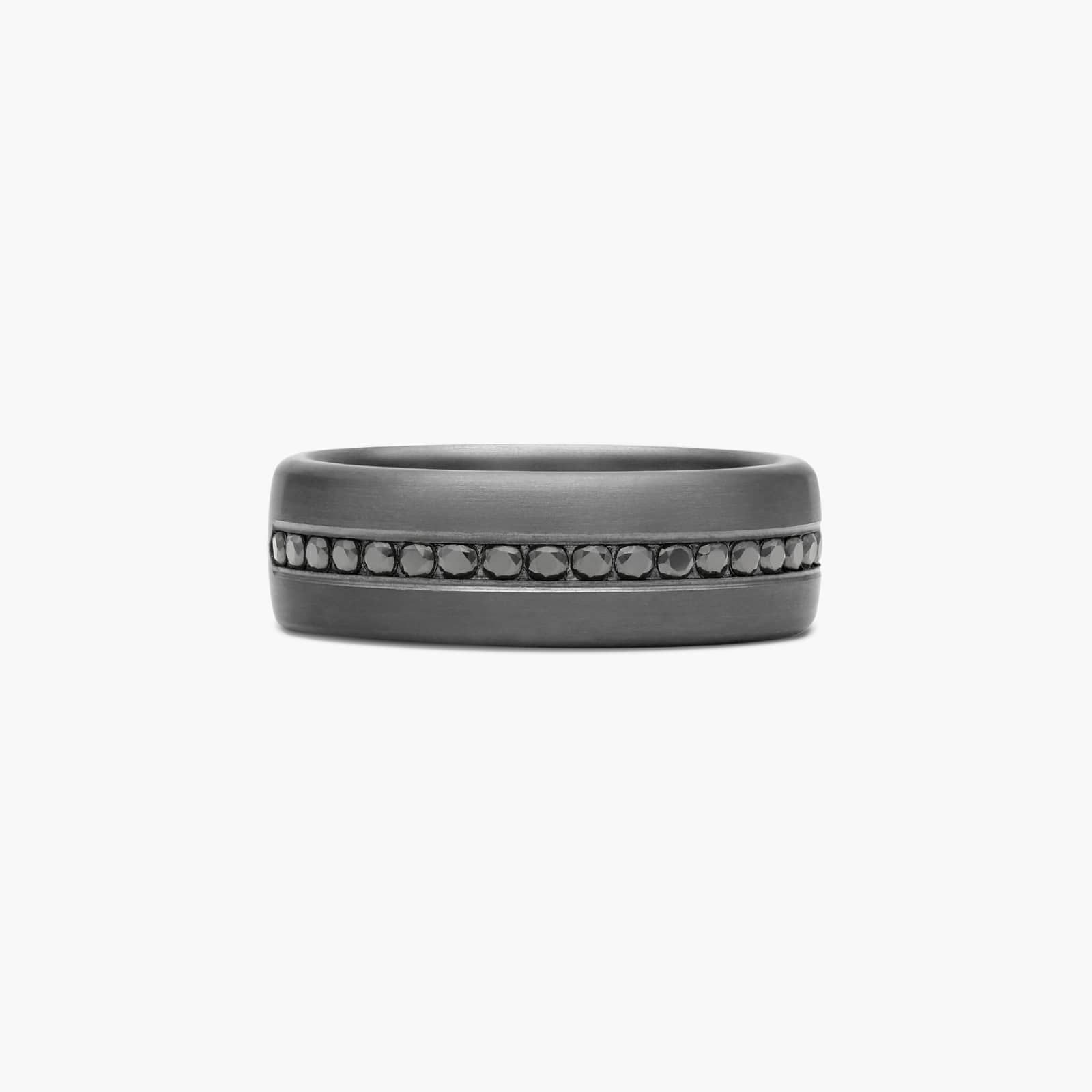
Comfort Fit Channel Set Satin Finish Men's Black Diamond Wedding Band In Tantalum (7.50mm) By James Allen
Shop Black Diamonds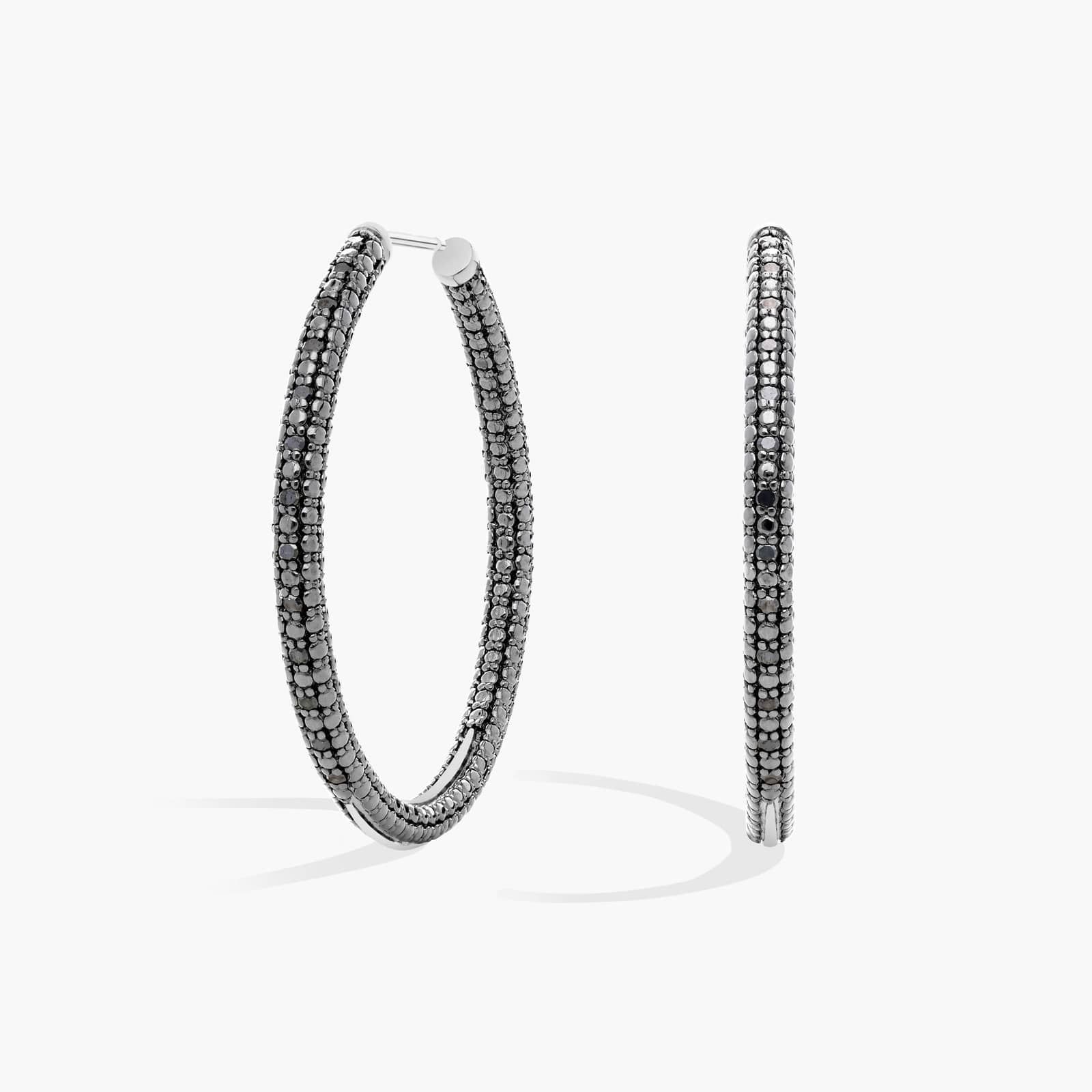
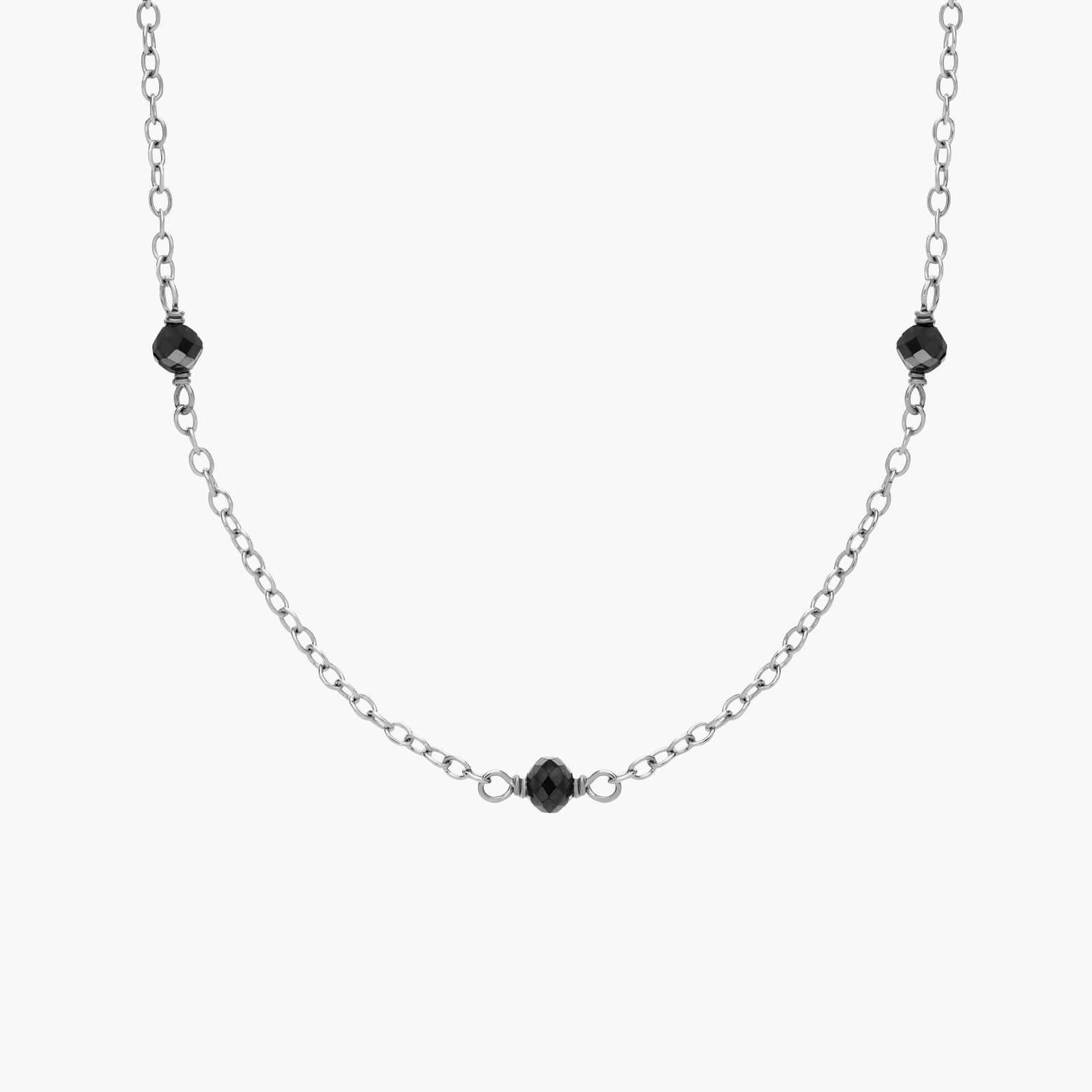
Find Your Black Diamond with Blue Nile
Black diamonds can be a timeless jewelry choice for everything from delicate rings to statement pendants and earrings. For shoppers weighing their value, factors such as origin, color, cut, and carat weight can all make a difference.
Once you know which characteristics matter most to you, you can narrow your options with more confidence. Browse our black diamond jewelry to compare available designs and price points.
Frequently Asked Questions
A reputable jeweler that clearly discloses a fancy color diamond’s origin, treatments and grading information is a strong place to start. Look for a broad selection, independent grading reports and expert guidance. These resources can help you compare color, carat weight and price with confidence.
Clean a black diamond gem with mild soap, warm water and a soft brush or cloth. Because black diamonds often contain microscopic fractures and inclusions, GIA recommends avoiding ultrasonic and steam cleaning and protecting the stone from hard impacts.
Yes, black diamonds are real diamonds composed of carbon with the same crystal structure and hardness as colorless diamonds. Their dark appearance may occur naturally or result from treatments that create or intensify black color.
Black diamonds can be expensive, but they are often more affordable than comparable colorless diamonds. Naturally colored black diamonds typically cost more than treated or lab-grown black diamonds because natural black color is rarer.
A grading or identification report from a trusted laboratory, such as GIA, is the most reliable way to determine whether a black diamond’s color is natural or treated. Visual appearance alone may not reveal the difference because treated diamonds can appear very similar to naturally colored stones.
Carbonados are rare, naturally occurring polycrystalline diamonds made from many tiny diamond crystals fused together. Unlike conventional single-crystal black diamonds, carbonados are porous and have an irregular structure and appearance.
Black diamond resale values are typically lower because resale prices reflect current secondary-market demand rather than the original retail price. Treatment, documentation, condition and demand for a particular stone can also affect what a buyer is willing to pay.
Natural black diamonds usually get their color from dense concentrations of graphite, sulfides or other dark mineral inclusions, often combined with internal fractures. In some stones, natural radiation staining can also contribute to the black appearance.


Share