








Choosing between different diamond stud sizes can feel tricky because carat weight, shape and setting all affect how a pair looks on your ears. If your ring is too big, you can have it resized, but diamond stud earring sizes are harder to adjust once you’ve bought them. A mismatch can leave you with a pair you rarely wear.
A size comparison gives you a clearer starting point when shopping. Use the diamond earring size chart in our guide to compare common weights and follow the tips to find a pair that matches your style and budget.
What Total Carat Weight Means for Diamond Studs
Total carat weight (CTW) refers to the combined weight of both diamonds in a pair of earrings. You can divide that number by two to work out the weight of each diamond stud. For instance, 1 CTW usually means each diamond weighs ½ carat, while 1.50 CTW means each weighs ¾ carat.
This distinction helps when comparing listings, since some use the weight of one diamond while others show the pair’s total earring carat size. Check the product details to confirm which figure you’re viewing.
Diamond Stud Sizes by Carat Weight
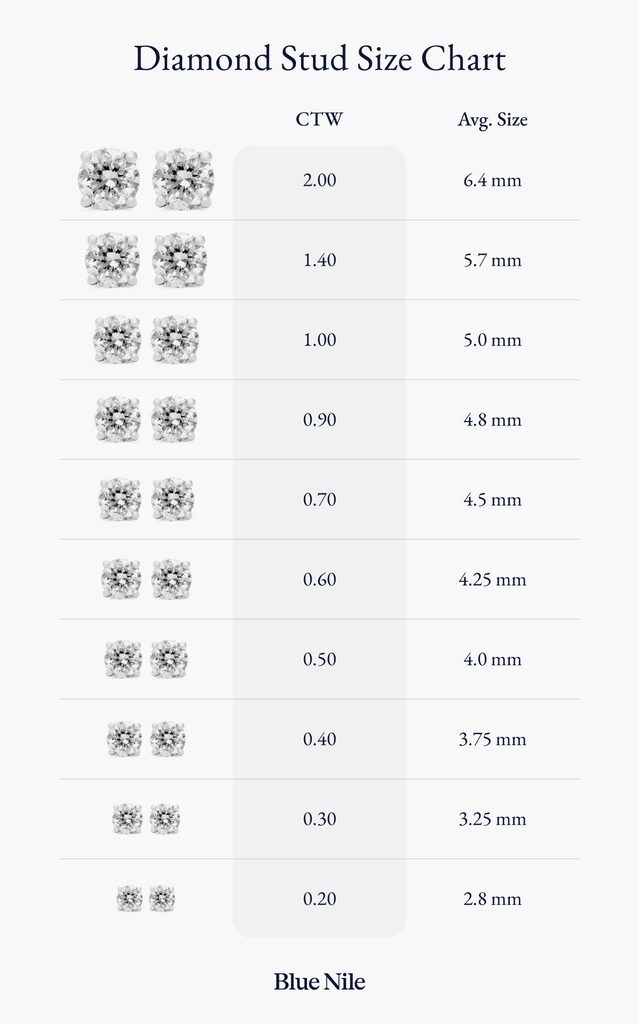
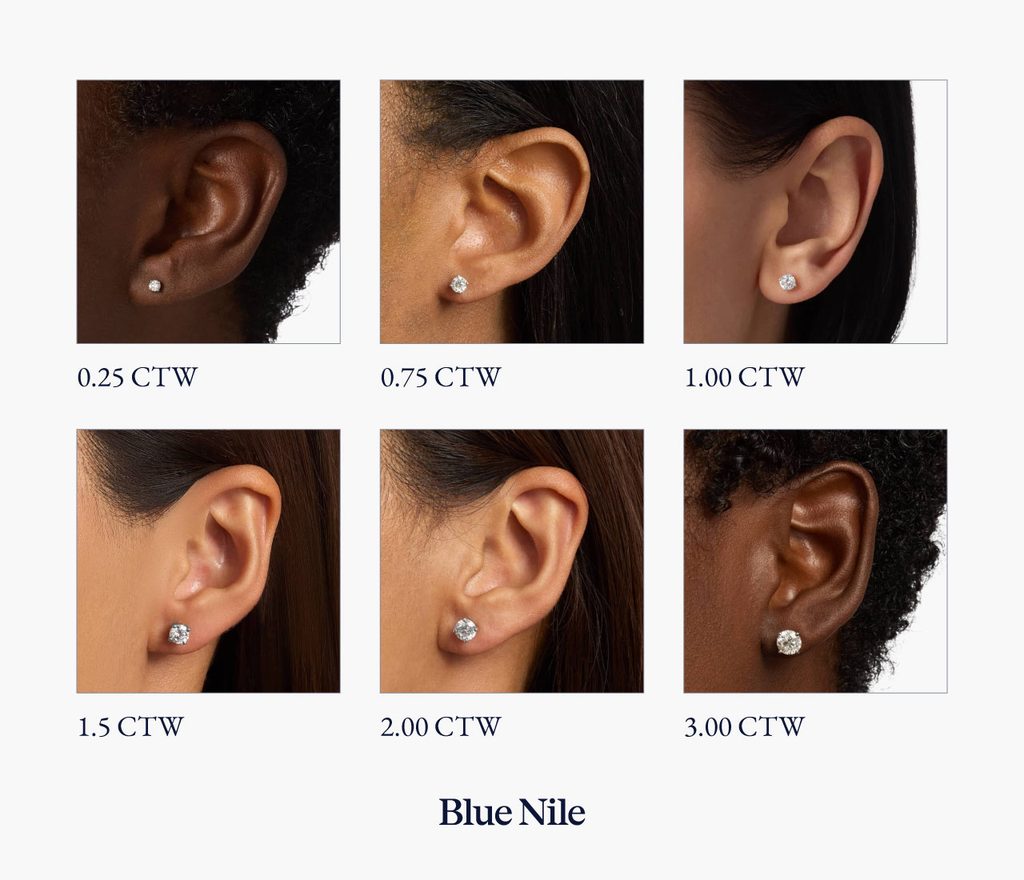
Diamond stud earrings are available in a range of sizes, from delicate ¼ CTW options to statement-making 3 CTW pieces. A diamond earring carat size chart can help you compare each weight and pick the one that works for you.
Here’s a detailed diamond stud size comparison chart for popular carat weights and a closer look at each one.
| Total carat weight | Size per ear | Approx. Diameter (mm) | Appearance |
| ¼ to ½ CTW | ⅛ to ¼ CT | 3.00 to 4.00 | Small, subtle accent |
| ¾ CTW | ⅜ CT | 4.50 | Balanced, understated presence |
| 1.00 CTW | ½ CT | 5.00 | Classic everyday look |
| 1 ½ CTW | ¾ CT | 6.00 | Noticeable yet versatile |
| 2.00 CTW | 1 CT | 6.30 | Bold, striking appearance |
| 3.00 CTW | 1.5 CT | 7.30 | Large and statement-making |
1/4 to 1/2 Carat Total Weight
At ¼ to ½ CTW, each diamond weighs ⅛ to ¼ carat and measures about 3 to 4 mm in diameter. On the ear, these diamond stud earrings create a small, subtle accent without drawing too much attention.
This size works well for minimalists and second piercings. It’s also a good starting point if you’re buying your first pair of diamond earrings.
3/4 Carat Total Weight
Each diamond in a ¾ CTW pair weighs ⅜ carat and measures about 4.5 mm across. This middle-ground option offers more presence than petite diamond studs while keeping a balanced, understated look on the ear. Compared with 1 CTW, it appears a little more subtle.
Choose this size if you want earrings for regular wear with a visible but not overly prominent profile.
1 Carat Total Weight
With 1 CTW, each earring features a ½-carat diamond measuring about 5 mm across. The studs show a refined, polished effect on the ear, yet remain comfortable in scale for regular wear. That balance makes 1 CTW a classic everyday choice.
It’s ideal for those who want diamond earrings that feel noticeable and transition easily from casual to professional looks.
1 1/2 Carat Total Weight
A 1½ CTW pair features two ¾ carat diamonds, each about 6 mm in diameter. The diamond studs stand out on the ear and bring a distinct lift to your look.
These earrings are a good fit if you want more impact than classic everyday stones but still need a pair that works in different settings. They can complement work outfits and carry through to evening plans with ease.
2 Carat Total Weight
Each diamond stud in a 2 CTW pair holds a 1 carat gemstone, approximately 6.3 mm across. The result is a bold, striking look on the ear. Some wear it every day, while others choose it as a statement piece.
To judge the look of these diamond stud sizes in your ear, compare their measurements with your earlobe and consider whether you like their bold appearance.
3 Carat Total Weight and Up
With 3 CTW, each earring features a 1.5-carat diamond, about 7.3 mm in diameter. On the ear, these studs look large and eye-catching. You can wear them to celebrations, formal events or whenever you want your earrings to take focus.
Their size and weight may feel less comfortable for prolonged wear, so choose secure, supportive backs and consider wearing them for shorter occasions.
How Diamond Shape Affects Stud Size
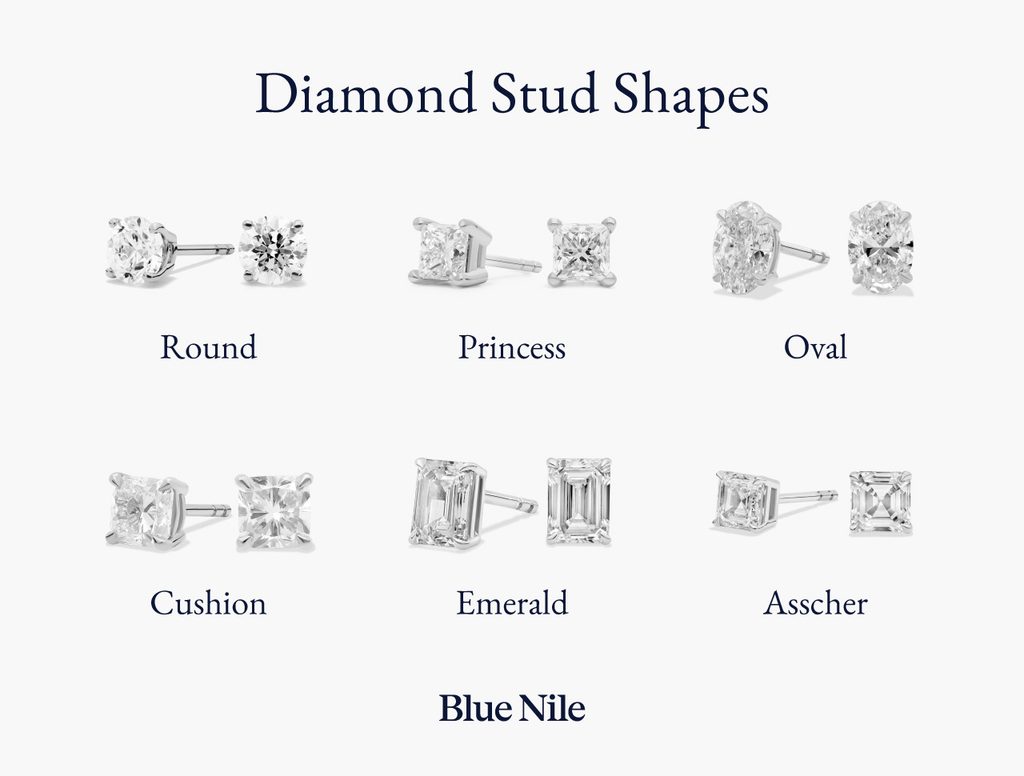
Shape changes how a diamond’s CTW spreads across its visible surface. Long outlines may cover more of the ear, while square shapes can appear more compact. Here’s how common shapes compare at 1 CTW:
- Round: A round diamond measures about 5 mm in diameter. Its circular outline gives it an even appearance from every angle.
- Princess: A princess diamond stud measures about 4.4 mm on each side. Its square shape gives it a crisp outline and a slightly smaller face-up spread.
- Oval: An oval diamond stud measures about 6 mm long by 4 mm wide. Its elongated shape creates more visible length on the ear.
- Cushion: A cushion brilliant or cushion modified brilliant diamond measures about 4.5 mm on each side. Its square outline and softened corners give it a compact, rounded look.
- Emerald: An emerald diamond stud measures about 5 mm long by 3.5 mm wide. Its long, narrow silhouette creates a more slender look on the ear.
- Asscher: An asscher diamond stud measures about 4 to 4.5 mm long and wide. Its clipped corners soften the square shape while keeping its geometric profile.
How Settings Change the Look of Stud Size
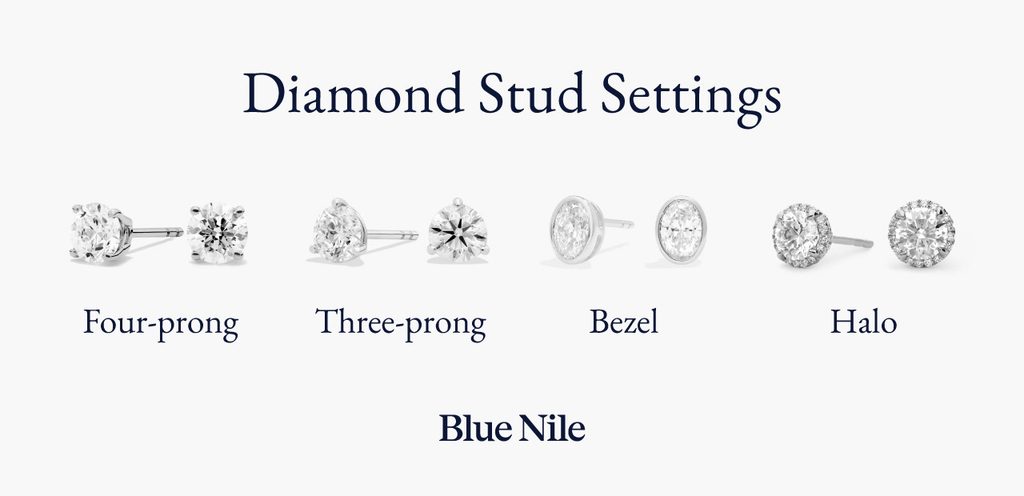
The setting affects how much of each diamond you see and how easily light reaches it. Some designs leave more of the stone exposed, while others add a visible border. Consider these setting styles when comparing diamond stud earring sizes:
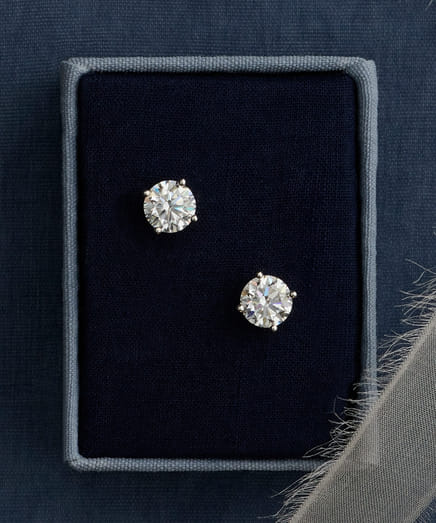
- Four-prong: With four prongs at the diamond’s corners, this setting keeps the sides open. The exposed outline can give the stone a larger appearance.
- Three-prong (martini): A martini setting narrows toward the post and sits close to the ear. It keeps the diamond’s outline open and makes the stone stand out without adding visual bulk.
- Bezel: A metal rim wraps around the diamond in a bezel setting. The border adds visual width but can cover more of the diamond’s edge.
- Halo: Small diamonds encircle the center stone in a halo setting. This added border makes the stud look larger and adds surrounding shine.
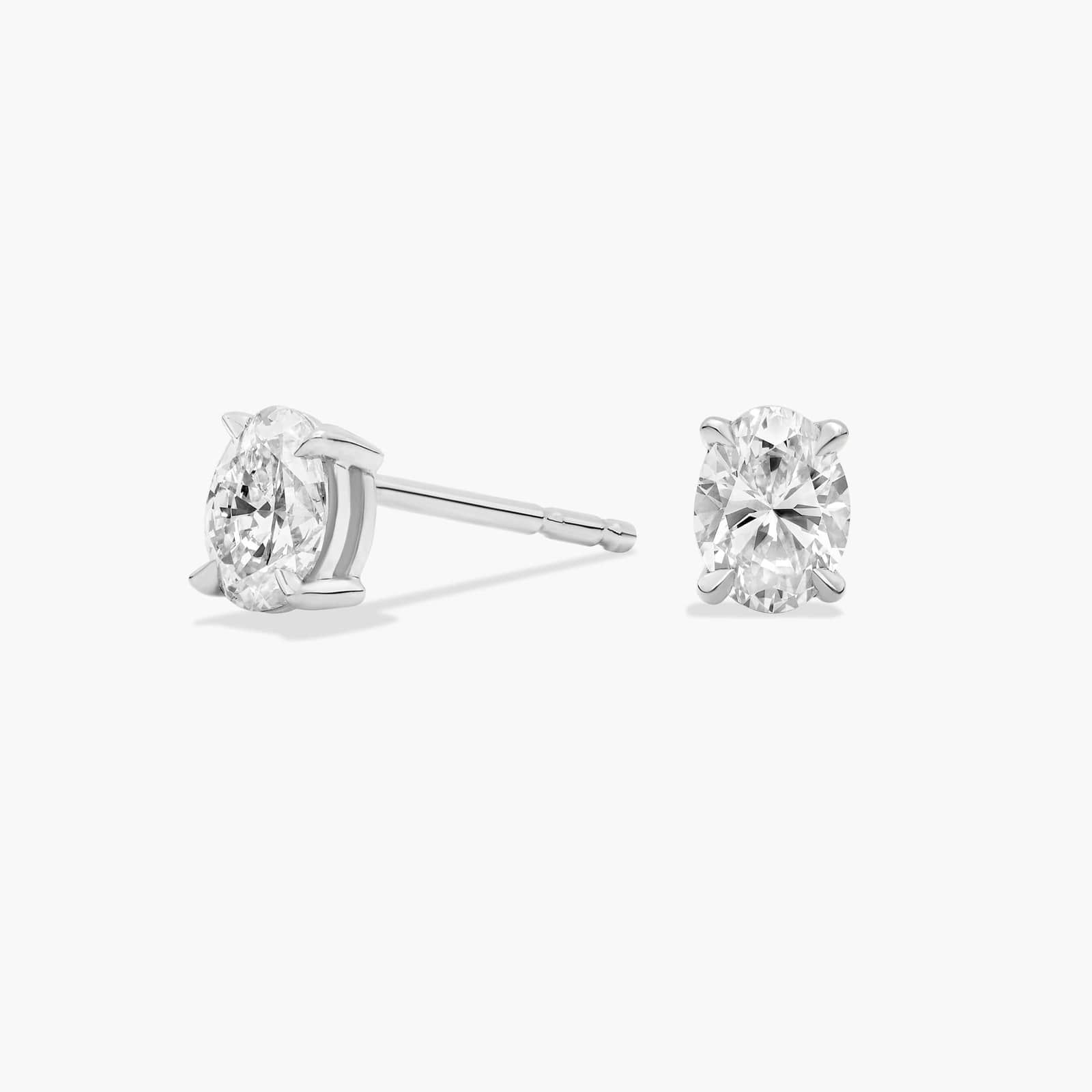
Oval Cut Lab-Grown Diamond Stud Earrings In 14K White Gold (1/2 Ct. tw. – F-G / VS2-SI1)
Shop Diamond Stud Earrings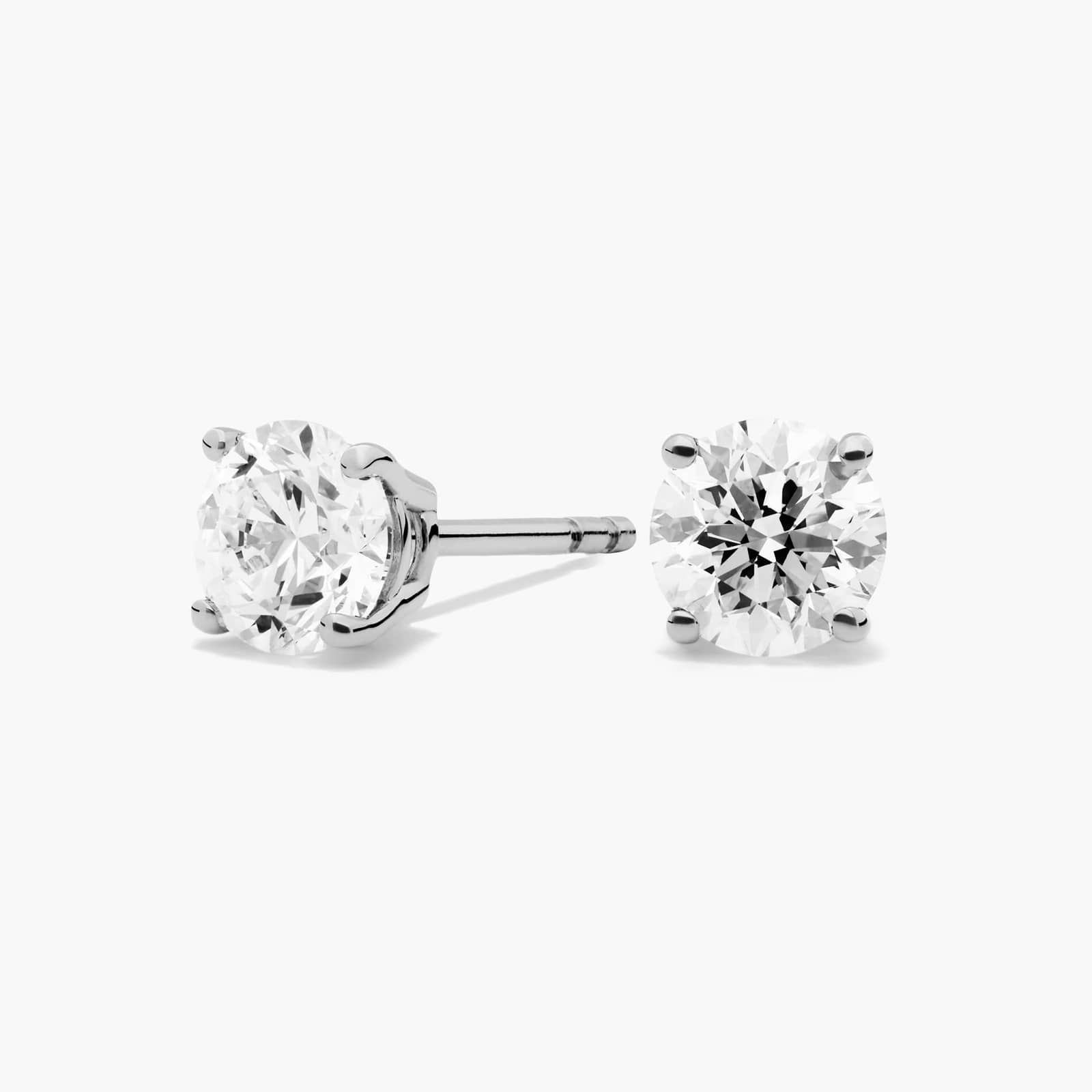
Four Prong Round Brilliant Diamond Stud Earrings In 14K White Gold (1 Ct. tw. – H-I / SI1-SI2)
Shop Diamond Stud Earrings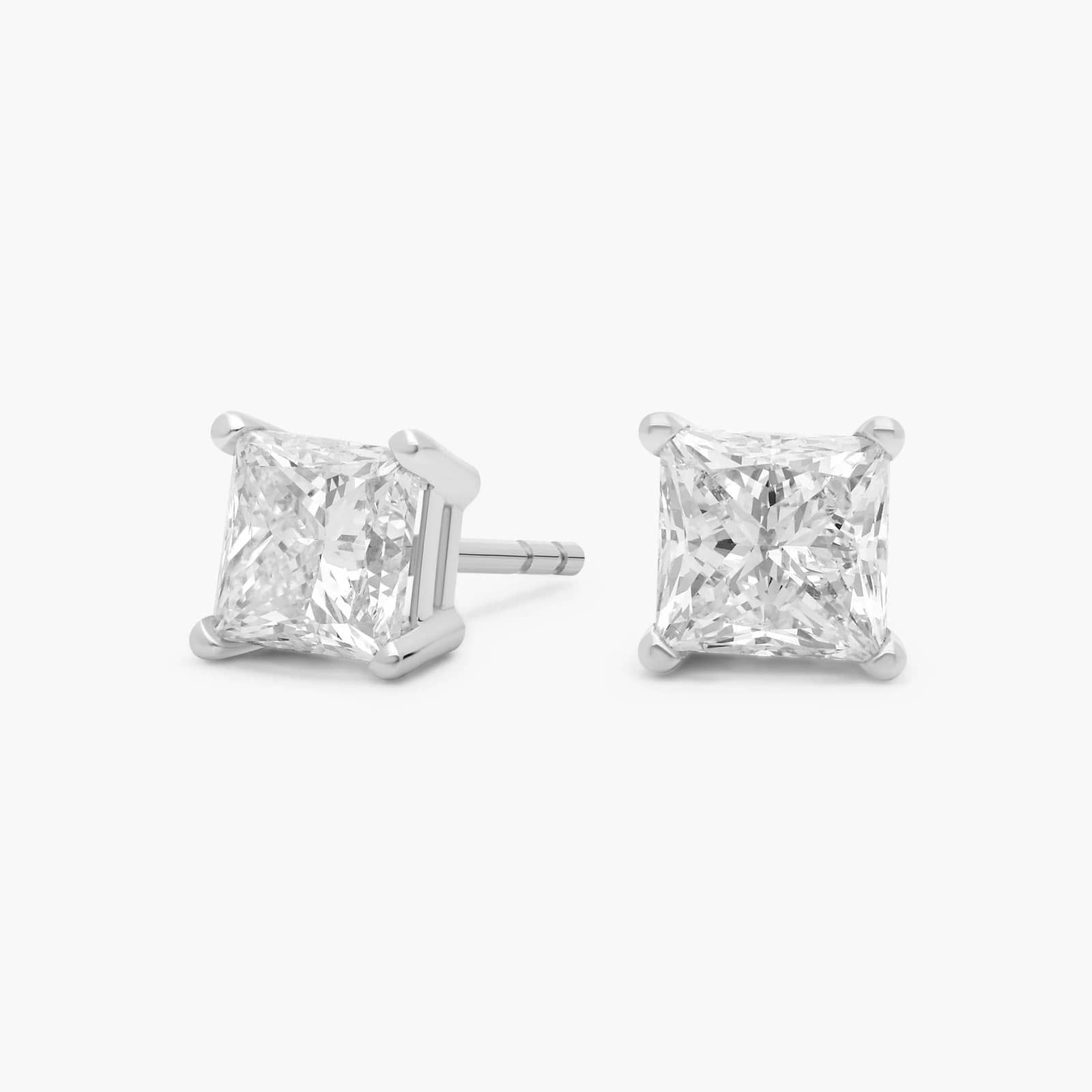
How to Choose the Right Diamond Stud Size
Your routine, ear shape and budget all influence which pair will feel right. The following factors can help you narrow down diamond stud sizes when shopping.
Lifestyle and Everyday Wear
Decide whether you’ll wear your earrings daily or save them for special occasions. Lightweight pairs can feel more comfortable all day, while larger diamonds may suit shorter wear or dressier settings.
For demanding activities or outings where you’re concerned about losing an earring, leave your diamonds at home and choose a less valuable option, like moissanite.
Earlobe Size and Face Shape
A diamond’s visual impact depends partly on the space available on your earlobe and how its proportions relate to your features. Smaller lobes may make a modest stone look prominent, while larger lobes can give bigger stones room to stand out.
Multiple Piercings and Stacking
If you plan to wear multiple earrings, choose a larger pair for your main piercing and smaller gemstones for additional ones. Varying the sizes creates a balanced stack without crowding the ear. Add matching bracelets or a necklace with the right length to complement the look.
Budget
Higher CTW usually brings a higher price, but the other 4Cs also shape what you’ll pay. Decide where you want to invest before comparing pairs. Prioritize cut and a close match between diamonds, then weigh color and clarity options against your budget.
How Diamond Quality Affects Stud Size and Price
The 4Cs (cut, color, clarity, and carat weight) all affect a diamond stud’s appearance and cost. Carat weight determines its measurements, while color and clarity describe qualities that factor into pricing. For instance, an E-color, VS1 diamond costs more than a G-color, SI2 gemstone.
For diamond stud earrings, cut matters more than the other factors. A well-cut diamond reflects light effectively, making it look lively and helping its face-up size stand out. Matching matters, too. Noticeable differences in diameter and shape can make a pair look uneven. Check both stones together to find diamond studs with a cohesive appearance.
Tips for Keeping Diamond Stud Earrings Secure and Comfortable
A secure, comfortable fit depends on the backing as well as the earrings’ weight. Use these tips to choose the right support and care routine:
- Choose screw backs for the most security: Screw backs thread onto the post, keeping earrings secure during long wear or active days.
- Try locking push backs for easy wear with added hold: These backs snap into a locking position, giving you added security with a simple push-on design.
- Use jumbo or disc backs to keep heavier studs from drooping: Their wider surface supports the earlobe and helps heavier earrings sit upright.
- Keep standard push backs for small, lightweight studs: These simple backs work well for earrings that place little weight on the earlobe.
- Make sure the post fits your earlobe so the studs sit flush: The right post length helps the earring sit close to your ear without feeling tight.
- Take studs off before bed: Removing your earrings before sleep helps avoid pressure on the earlobe and lowers the chance of snagging.
Find Your Perfect Pair of Diamond Stud Earrings
Choosing the right diamond stud sizes comes down to your budget and the look you’re going for. Whether you want a petite set of diamond studs or a bolder pair with a higher CTW, Blue Nile has the earrings for you. We offer everything from D and E color diamonds to near-colorless options in different cuts, clarity grades and carat weights.
You can select from responsibly sourced natural diamonds or high-quality lab-grown stones. Browse our collection now and shop diamond stud earrings that match your style.
Frequently Asked Questions
The best size for diamond stud earrings depends on your style and the look you want on your ears. Some prefer the delicate profile of ½ CTW, while others enjoy the impact of 3 CTW. Use a diamond earring size chart to compare measurements and find the best option.
1 CTW is a popular choice for diamond stud earrings. With a ½ carat stone in each ear, this classic size offers a balanced look that works for daily wear or dressier occasions.
2 CTW diamond stud earrings aren’t too big if you like a noticeable look and feel comfortable wearing them. Each diamond weighs about 1 carat, so compare the earring carat size with your earlobe proportions before purchasing a pair.
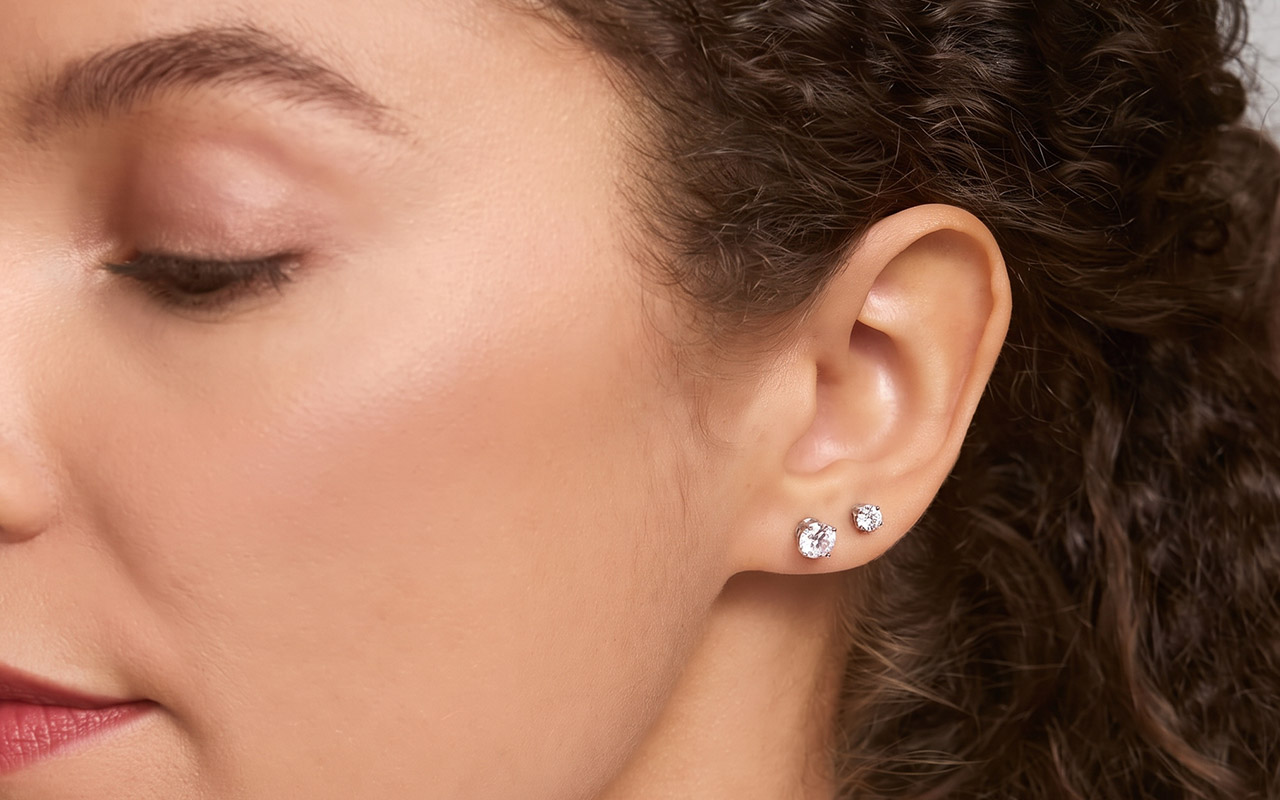
Diamond stud sizes in the ear often appear more subtle than they look in close-up images. Your earlobe gives the diamonds a sense of scale, and the setting changes how much of each stone you see. Compare measurements and try-on photos before purchase when available.
Blue Nile is among the top places to buy diamond stud earrings. We offer a variety of diamond stud sizes with natural or lab-made stones. If you need help choosing the right size, our diamond experts are ready to guide you through the options.


Share


 Live Chat
 +1‑800‑242‑2728
 Email Us


