Platinum patina is the subtle change in surface finish that occurs on platinum jewelry as it is worn over time. The change in appearance occurs as small scratches form, and the metal shifts slightly with wear.
Platinum is known for its bright white luster and exceptional durability, making it a popular choice for engagement rings and fine jewelry.
Over the years, however, tiny marks on the metal alter how light reflects, creating a softer, satin-like appearance known as platinum patina.
For many jewelry owners, this finish becomes part of a piece’s character, reflecting years of wear. Others prefer the brighter look of freshly polished platinum. In this guide, we explain how platinum patina forms, what it looks like and how to care for platinum jewelry over time.
What Is Platinum Patina?
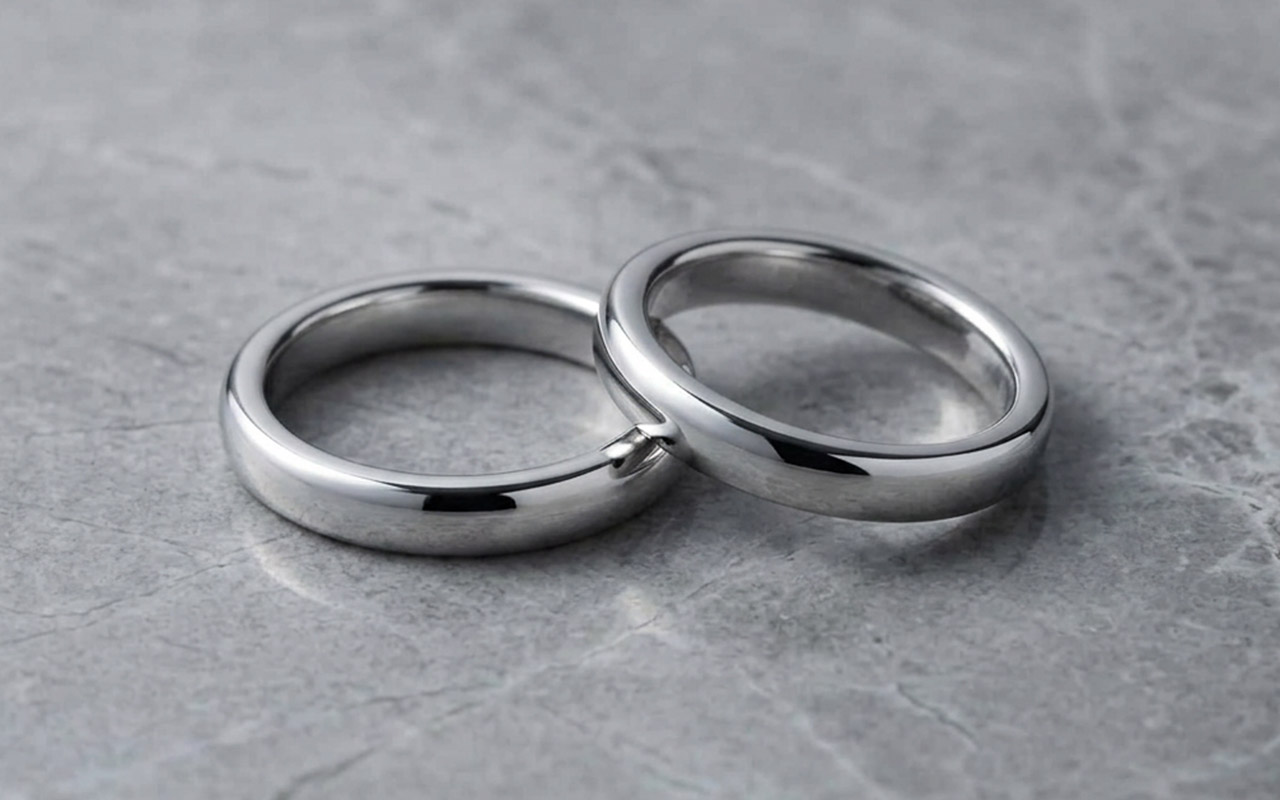
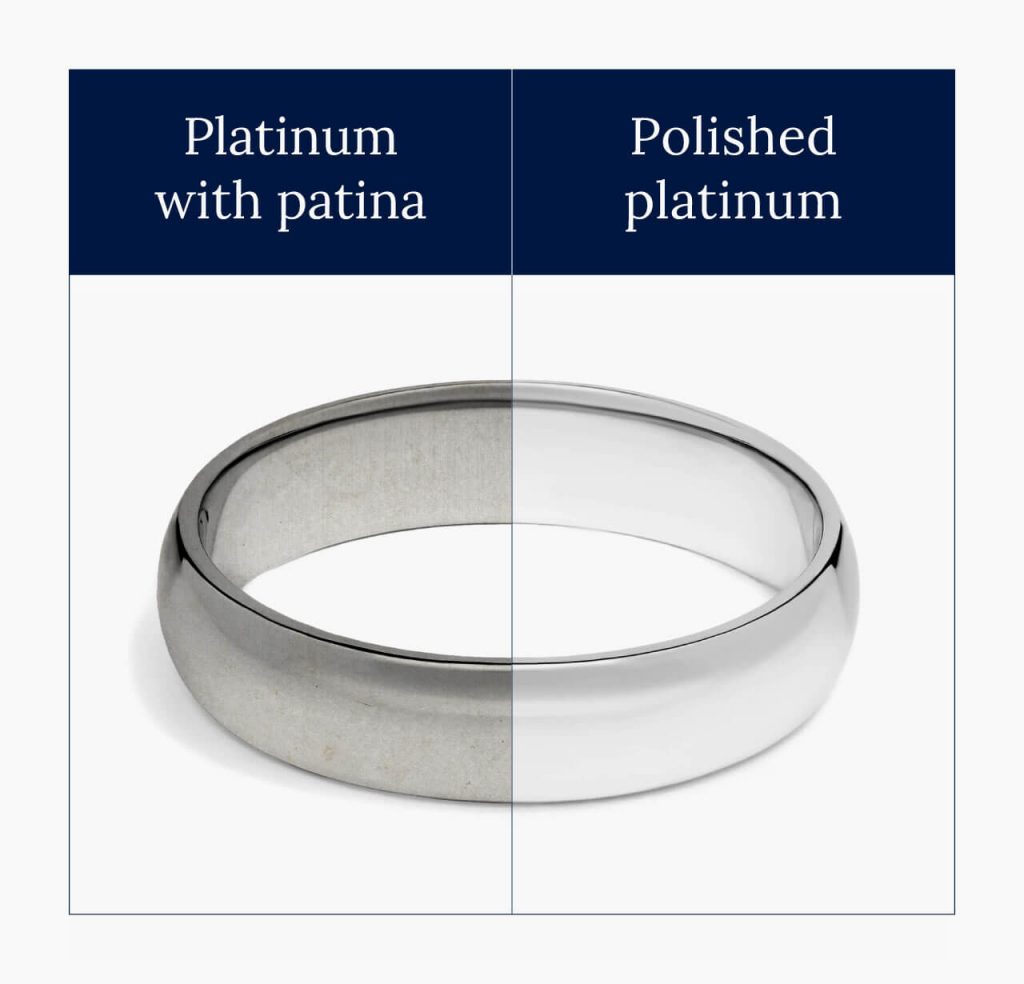
Platinum patina is the subtle change in finish that occurs with continued wear. When newly polished, platinum is smooth and reflective with a bright silvery-white tone. This is typically what platinum looks like before a patina begins to develop. As the texture shifts, the metal takes on a subtle sheen.
How Patina Forms on Platinum Pieces
The patinated finish develops gradually as the piece is used and comes into contact with other surfaces. Every day contact creates tiny scratches that change how light reflects from the metal.
As these small marks accumulate, the reflective finish becomes more diffuse, and the metal takes on the subtle satin-like appearance associated with platinum jewelry over time.
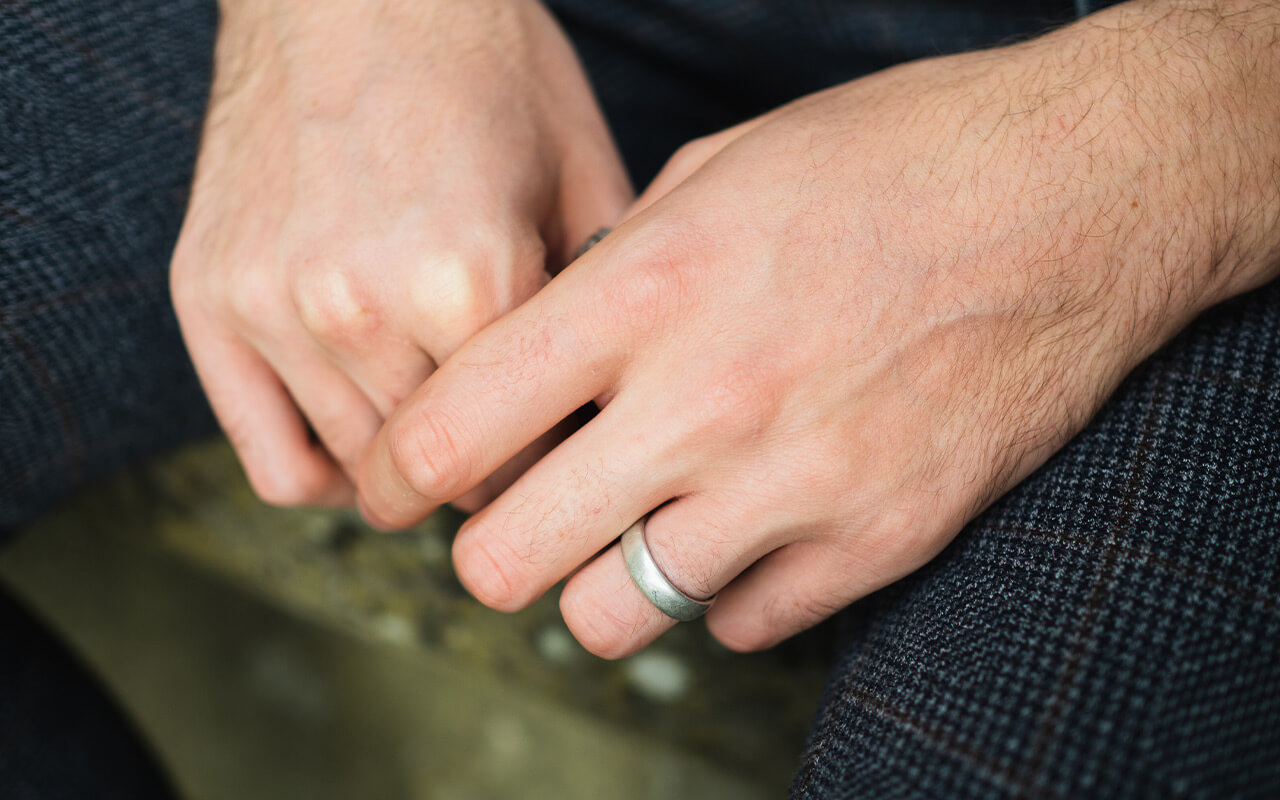
- Initial stages: In the early stages, microscopic scratches begin forming on areas that rub against surfaces most often. A platinum ring patina commonly appears first on the underside of the ring or along edges that contact desks, tools or other objects during daily wear.
- Long-term stages: As wear continues, these small marks blend together and spread more evenly across the piece. The result is a consistent satin finish that gives platinum jewelry its characteristic muted glow.
Is Patina Bad?
Platinum patina is not harmful to jewelry, does not weaken the metal and does not affect the value of the piece. In some cases, collectors and owners of heirloom jewelry choose to preserve the patina because it reflects the piece’s natural aging rather than a newly applied finish.
Patina occurs only on the surface during normal wear. However, because scratches appear where a piece experiences the most contact, the finish may appear uneven in certain areas until it becomes more evenly distributed or is professionally polished.
| Pros | Cons |
| Gives platinum jewelry a soft, vintage-inspired character | May appear uneven during early stages |
| Does not affect the value or durability of the metal | Some owners prefer a freshly polished look |
| Requires little maintenance because polishing is optional | Occasional polishing may be needed to restore a high shine |
The Appealing Properties of Patina
While some jewelry owners prefer the bright shine of freshly polished platinum, others appreciate the character of patina. With continued wear, the muted finish can enhance a piece’s personality, reflecting both its craftsmanship and the owner’s experiences.
Aesthetic Appeal
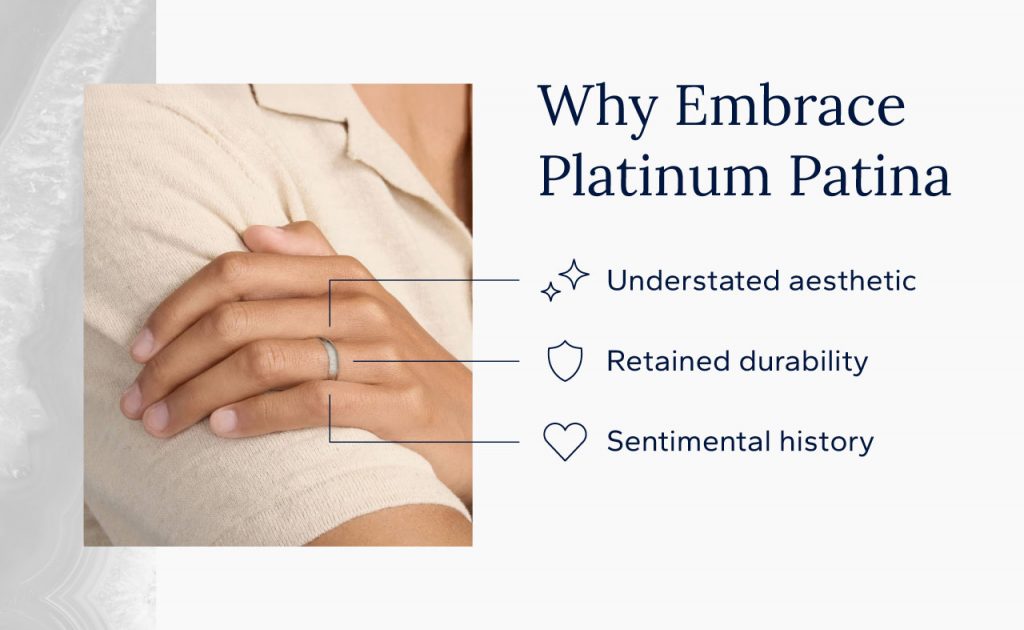
The appeal of platinum patina lies in its understated beauty. The softened surface creates a muted sheen that feels refined and timeless. Instead of a mirror-like shine, platinum jewelry takes on a subtle glow.
Some collectors also appreciate this satin-like sheen because it reflects the piece’s natural aging rather than a newly applied polish. This aesthetic can complement both styles inspired by vintage jewelry designs and contemporary looks that combine different finishes or mixed metals.
Durability
Platinum is a very dense and durable jewelry metal, allowing it to maintain its structure even as the finish becomes more muted. This is because patina forms as the metal shifts slightly under pressure rather than wearing away, so the jewelry’s strength remains intact.
Other factors can influence how platinum jewelry appears over time. Skin oils, lotions and environmental residue may create a temporary surface film that slightly dulls the metal’s shine. However, this buildup is separate from platinum patina and can typically be removed with routine cleaning.
Sentimental Charm
For many, platinum patina carries a sense of personal history. Because the finish emerges gradually over years of wear, it often reflects meaningful moments associated with the jewelry itself. Engagement rings, wedding rings and heirloom pieces may acquire patina as they accompany their owners through milestones and everyday life.
After years of wear, this subtle change in finish can become part of a piece’s emotional value. Rather than restoring the original high polish, some wearers choose to keep the patina as a reminder of the memories and relationships connected to the jewelry.
How Platinum Patina Compares to Other Metal Finishes
Platinum develops a patina as the metal shifts slightly under contact, without corrosion or oxidation. In contrast, metals such as silver may form a silver patina or tarnish, while some gold alloys can form a gold patina through chemical reactions with air, moisture, or sulfur compounds.
These reactions can darken or discolor the surface, unlike the subtle satin-like sheen that gradually forms on platinum. If you are comparing metals for durability, maintenance or long-term appearance, it can help to review how different jewelry metals behave in everyday wear before choosing the right metal for your piece.
The table below compares how patina develops across common jewelry metals and what to expect over time.
| Metal | What Happens Over Time | Cause | Typical Appearance |
| Platinum | Develops a soft patina | Surface shifts from wear | Muted, satin-like sheen |
| Silver | May form silver patina or tarnish | Reaction with sulfur in the air | Darkened or blackened areas |
| Gold | Rarely forms true gold patina in jewelry alloys | Minor wear or alloy reactions | Slight dulling of shine |
| White Gold | May lose rhodium plating | Plating wears away | Yellow tone beneath the coating |
How to Remove Platinum Patina
While many people appreciate the satin finish of platinum patina, others prefer the bright shine of newly polished jewelry. Fortunately, restoring that reflective finish is usually straightforward and can be done through professional services or careful at-home maintenance.
Professional polishing is the most effective way to restore platinum’s original shine, but dullness can sometimes be improved with routine jewelry cleaning. Because polishing removes a very small amount of metal, it is usually recommended only occasionally if a brighter finish is desired.
- Polish professionally: A jeweler can restore platinum’s bright finish by carefully polishing the surface to remove the patina. This service typically ranges from about $30 to $100, depending on the piece and the jeweler, though some jewelers may provide polishing as a complimentary service.
- Buff it yourself: A soft jewelry polishing cloth designed for platinum can help improve the shine between professional cleanings. Buff gently to avoid creating additional marks.
- Carefully clean the piece: Routine cleaning with mild soap, warm water and a soft brush can remove oils and residue that dull the surface. While cleaning will not completely remove the patina, it can restore some brightness to the metal.
5 Tips for Caring for Platinum Pieces With Patina
Platinum jewelry with patina can be maintained with simple care and regular cleaning. While the muted finish develops naturally over time, routine maintenance helps preserve the piece’s appearance and prevent buildup.
- Stick to a gentle cleaning routine: Clean platinum jewelry occasionally using warm water, mild soap and a soft brush to remove oils and residue that can dull the finish.
- Avoid abrasive materials and harsh chemicals: Abrasive cleaners, rough cloths and strong chemicals can create additional scratches.
- Store pieces separately: Keeping platinum jewelry in a soft pouch or lined box can help prevent unnecessary scratches from contact with other pieces.
- Use a soft cloth to buff platinum pieces: A microfiber or jewelry cloth can help maintain a subtle shine while preserving the satin-like patina.
- Schedule occasional professional maintenance: A jeweler can inspect settings, clean the piece thoroughly and polish it if a brighter finish is desired.
Wear Your Jewelry’s History With Pride
Platinum patina is a natural part of how platinum jewelry evolves with continued wear and does not reduce value. Because platinum is durable and designed to be worn for decades, it is often chosen for heirloom pieces and meaningful jewelry such as wedding rings. Over time, the soft sheen can become part of the jewelry’s story as it accompanies everyday life.
Whether you prefer the subtle glow of patina or the brilliance of a newly polished finish, the right piece should reflect your personal style. Explore our collection of platinum jewelry to find pieces designed to be worn, cherished and passed down for generations.
Frequently Asked Questions
No, platinum does not tarnish. Because platinum is highly stable, it resists corrosion and chemical reactions that cause tarnish in metals like silver. Gradually, it may develop a patina from surface wear, but this is different from tarnish.
Platinum patina forms gradually through everyday wear. Depending on how often a piece is worn and the amount of contact it experiences, subtle changes in the finish may appear within months, while a more noticeable patina can take years to appear.
Yes, platinum can scratch during normal wear. However, unlike many other metals, platinum tends to shift rather than lose metal when scratched, which contributes to the development of its characteristic patina.
No, platinum does not rust. Rust forms when iron reacts with oxygen and moisture, and platinum does not contain iron, making it highly resistant to corrosion.
Platinum is one of the most durable metals used in fine jewelry. Because it is dense and strong, it holds gemstones securely and resists structural wear even after years of daily use.
Platinum and white gold differ in composition, durability and maintenance. Platinum is naturally white and develops patina gradually, while white gold is typically alloyed with other metals and often coated with rhodium to maintain its bright finish.


Share