Jewelry can be a great investment in many cases, especially if you have quality pieces that are made from precious metals or feature high-grade gemstones. But when considering whether jewelry appreciates, here’s what can impact long-term value:
- Brand name: Pieces from Blue Nile and other iconic luxury houses tend to retain or increase in value.
- Condition and documentation: Original packaging, official certificates and overall good condition can improve resale potential.
- Market dynamics: Gold and gemstone prices fluctuate with global markets, so timing and flexibility matter.
As the old adage goes, you have to spend money to make money. The same is true when trying to determine if jewelry is a good investment and one that will pay off in the long run.
In many cases, the answer is yes—but you may have to pay more upfront to own a timeless piece that will appreciate over time.
Some of the best investment jewelry pieces are made of high-quality materials such as precious metals and rare gemstones and display exceptional craftsmanship. Many of the best investments are also from sought-after luxury brands.
Below, we’ll discuss the factors that impact the long-term value of jewelry, such as rarity and overall condition, and cover the nuances of how market demand drives investment opportunities.
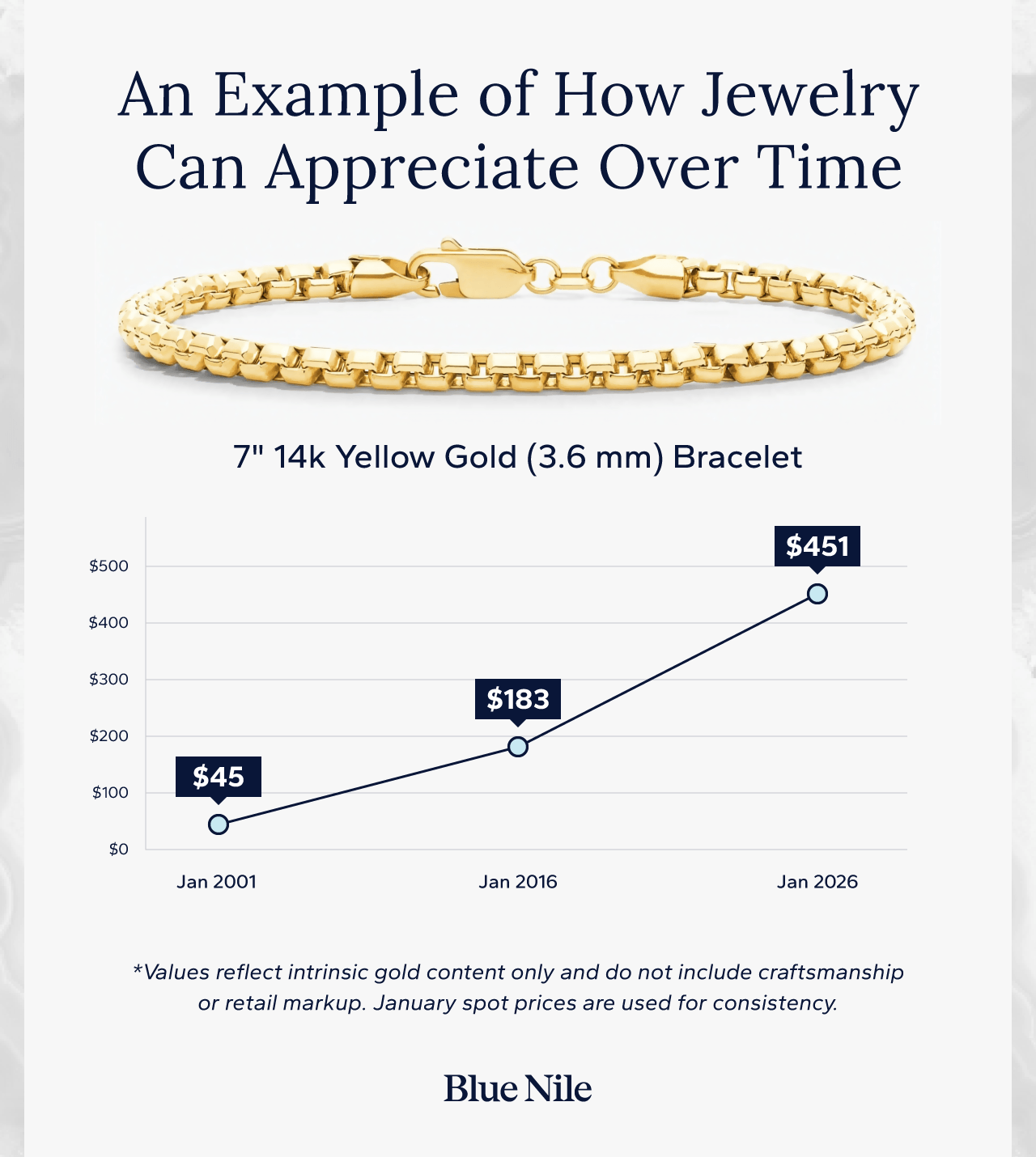
Does Jewelry Appreciate? Comparing Jewelry vs. Traditional Assets
While some luxury jewelry pieces can appreciate in value over time, in general, jewelry behaves differently from other, more traditional investments such as stocks, bonds, gold bullion and crypto.
First, most jewelry has a retail markup added to its original purchase price. That means there would need to be a significant appreciation in the materials or greater demand from collectors before owners could see a profit.
Also, compared with traditional financial assets, jewelry typically offers less predictable returns due to its greater market volatility. In comparison, stocks typically deliver more long-term growth and gold bullion is generally easier to buy and sell because it’s pure metal without any craftsmanship or brand association.
Jewelry is most similar to other collectible categories such as classic cars, wine, art, watches, and coins, where value is driven by rarity, the maker, overall condition and changing collector preferences.
But the good news is that if you do have high-quality jewelry, it often rises above inflation because its value is tied to tangible assets such as precious metals and gemstones. Gold in particular has shown great potential.
So, is buying gold jewelry a good investment? The answer is typically yes, if you have a high carat count.
| Jewelry | Gold | Stocks | Crypto | |
| Liquidity | Moderate to low | High | High | High |
| Volatility | Moderate | Moderate | High | Very High |
| Long-term growth potential | High (for rare, good quality pieces) | Moderate | High | High |
Factors That Impact the Value of Jewelry Over Time
Not all jewelry is the same, especially when it comes to investment potential. As mentioned, the pieces most likely to retain or appreciate in value are often those featuring precious metals such as gold and platinum as well as high-quality gemstones and are sourced from respected designers.
It’s also important to note that investment jewelry pieces are different from fashion jewelry. The latter is often made from less valuable materials and is designed to align with short-term trends rather than considering long-term potential.
At Blue Nile, we have more than 20 years of experience helping customers select diamond rings and other timeless fine jewelry designs that maintain their appeal and value over time. We’d be happy to help you find your next great investment.
1. Precious Metal Content and Purity
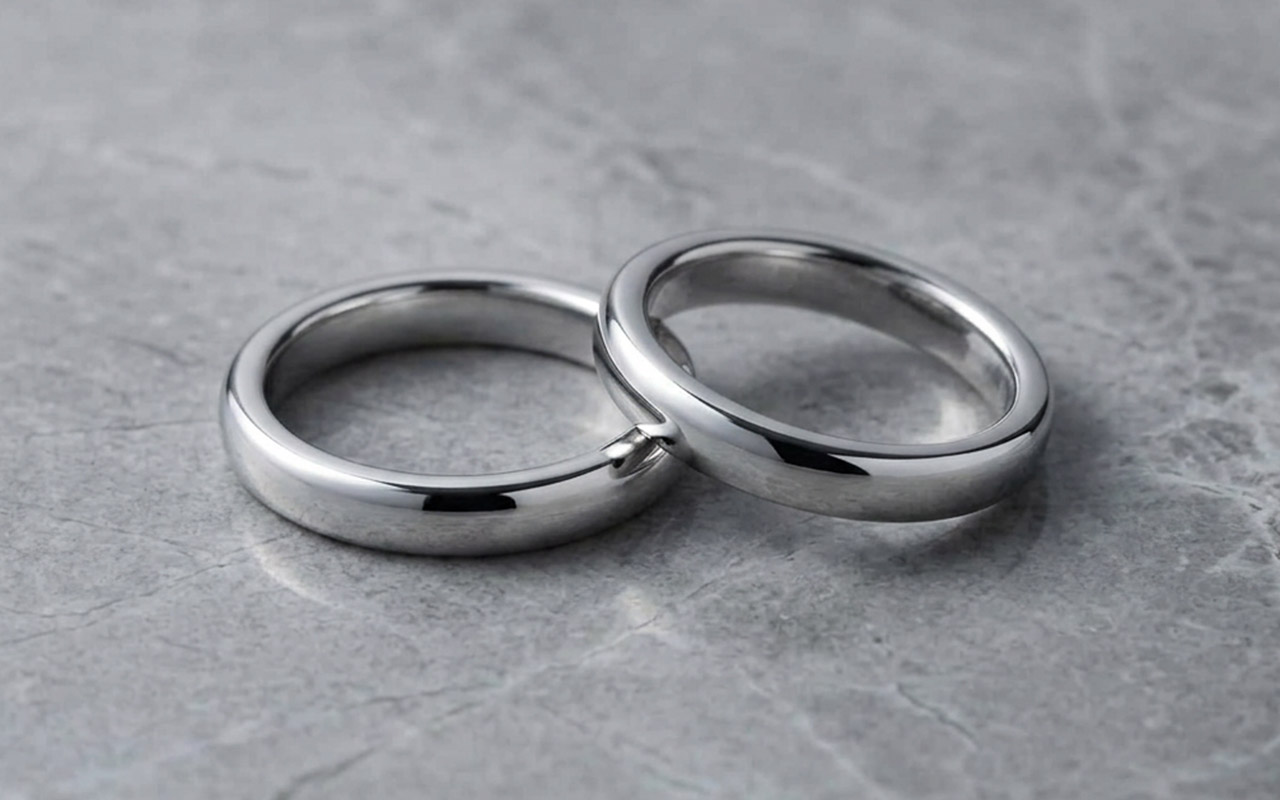
The amount and type of precious metals in a fine jewelry piece serve as a foundation for its long-term worth. The prices for gold and platinum fluctuate with global markets. So, even when trends change, the metal itself retains value.
For any fine jewelry purchase, the scrap metal value represents the minimum of the asset’s worth. But purity matters.
- The highest concentration of gold is 24k, made of nearly 100% pure gold. Naturally, it will have the greatest value
- 18k gold contains 75% pure metal
- 14k gold contains 58.5% pure metal
- The rest is alloyed with other metals, which can help improve durability and scratch resistance.
Currently, platinum is one of the most sought-after precious metals because of its substantial metal content that’s denser than gold and rarity in the market.
2. Diamond and Gemstone Quality
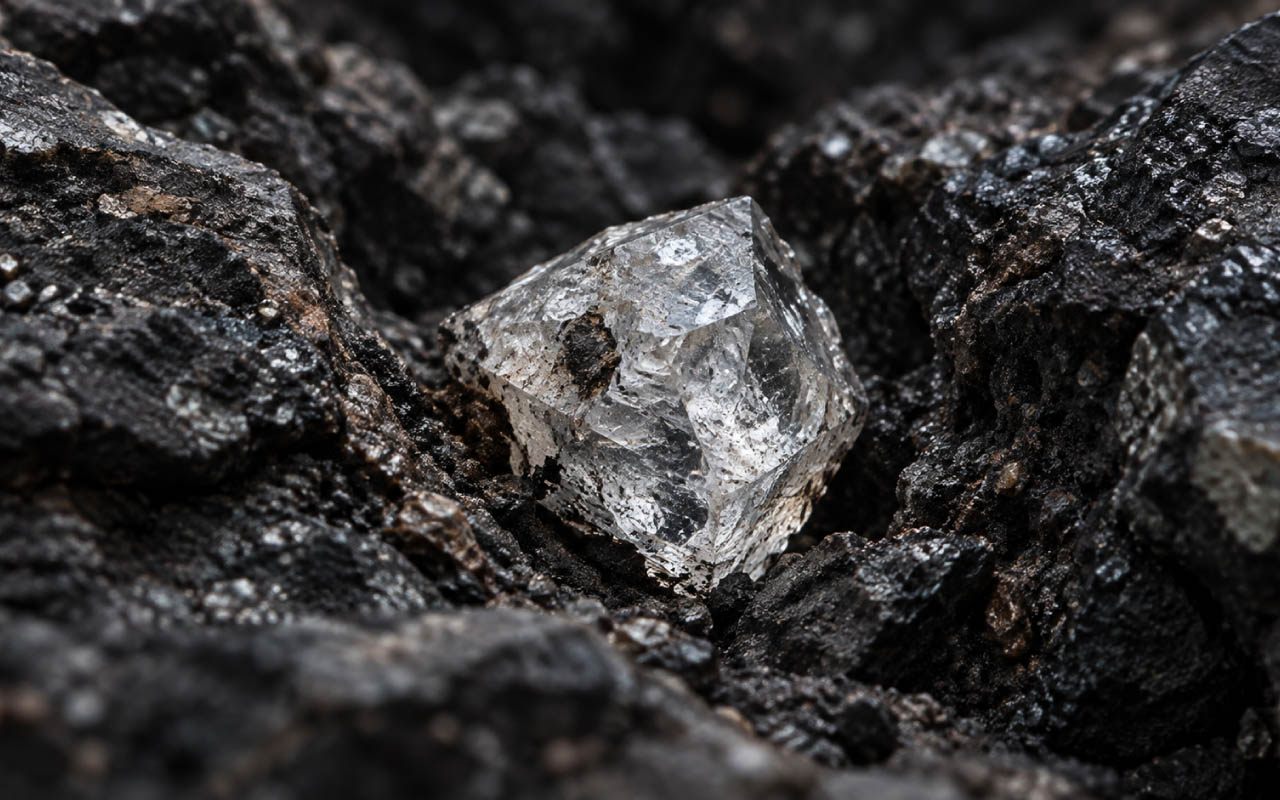
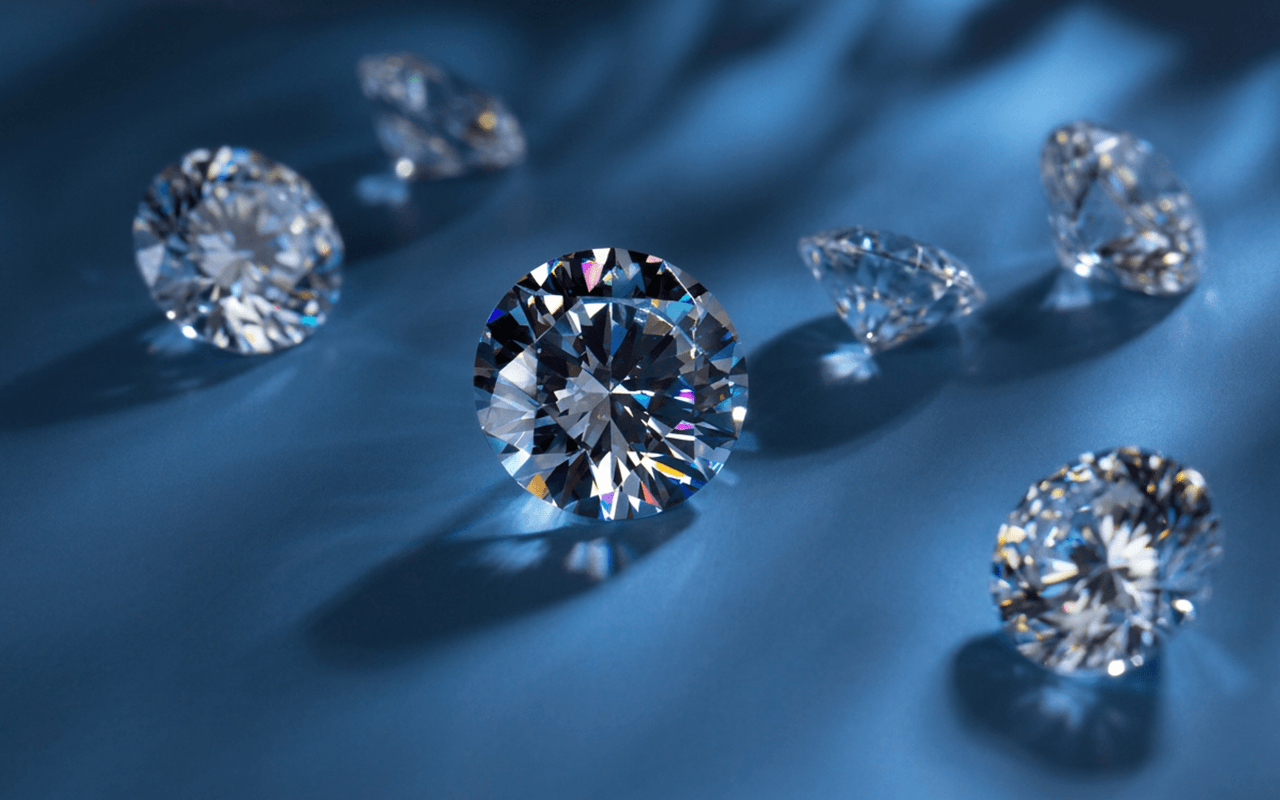
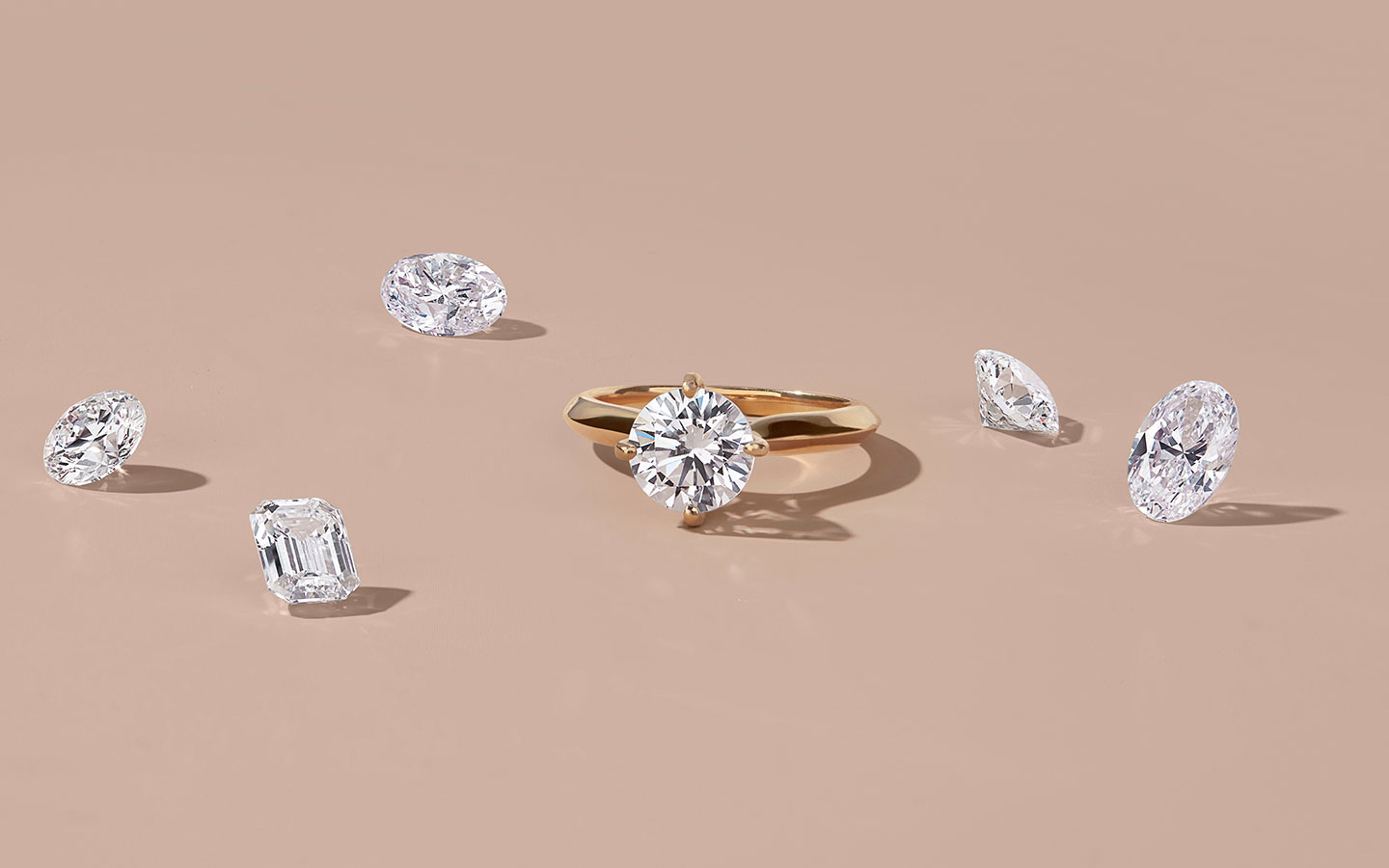
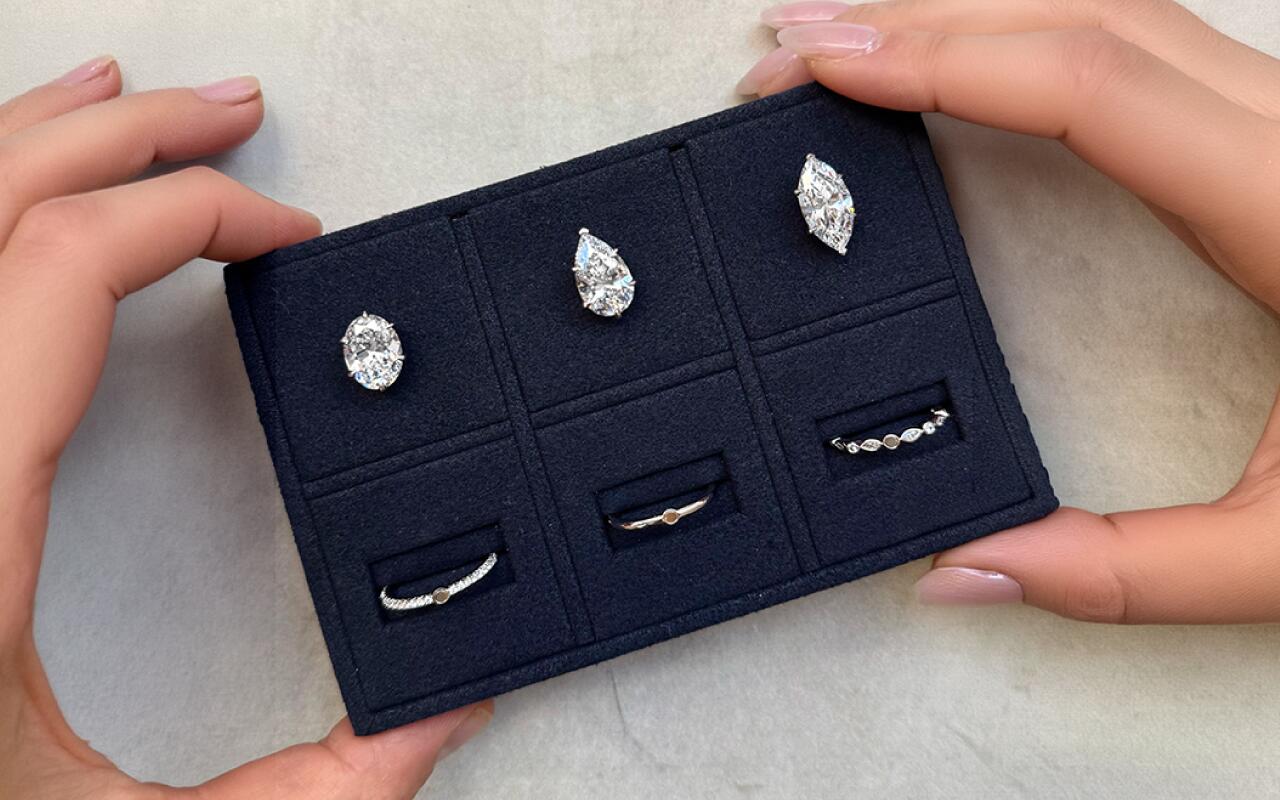
For diamond jewelry, the center stone is one of the most important factors affecting long-term value. A diamond’s value is largely determined by the Four Cs: cut, color, carat and clarity. Diamonds graded by the Gemological Institute of America (GIA) are considered the industry standard. For example, a VS1 grade of clarity is better than a VS2 grade, implying the diamond has fewer inclusions and will be worth more.
Another important point to note is how the resale market also distinguishes between natural diamonds and lab-grown diamonds. While lab-grown diamonds offer significant savings and are nearly identical to natural diamonds, they don’t always retain their value. Buyers interested in investing in jewelry often favor natural diamonds for this reason.
3. Brand Recognition
Brand recognition also plays a significant role in determining jewelry’s long-term value. Just as luxury watches and handbags can command premiums, jewelry from renowned houses benefits from strong consumer demand. Plus, pieces from prestigious designers and heritage brands are often easier to authenticate and resell in secondary markets.
Blue Nile and other established luxury jewelry providers have developed global followings, and collectors often pay premium prices for their iconic collections. This is especially true if it’s a rare or limited-edition design or any jewelry associated with an important historical period. You’ll always want to keep original receipts and certificates of authenticity.
4. Thoughtfully Sourced Materials
Consumers today want more transparency, especially when it comes to jewelry. Modern buyers want to understand where the gemstones and precious metals originated, how they were mined or produced and whether they meet established environmental standards.
Documentation of origin can also be a key factor in determining long-term value opportunity. Official records that verify a gemstone’s source and ownership history help establish authenticity and create a more complete narrative around the piece.
At Blue Nile, our sourcing standards help you shop with confidence. All of our jewelry is accompanied by clear documentation and verifiable sourcing information that emphasizes transparency and industry best practices.
This kind of transparency is exactly what shoppers interested in responsible sourcing look for before they buy, and it’s a growing part of how jewelry holds its value over time.
What Are the Best Investment Jewelry Pieces?
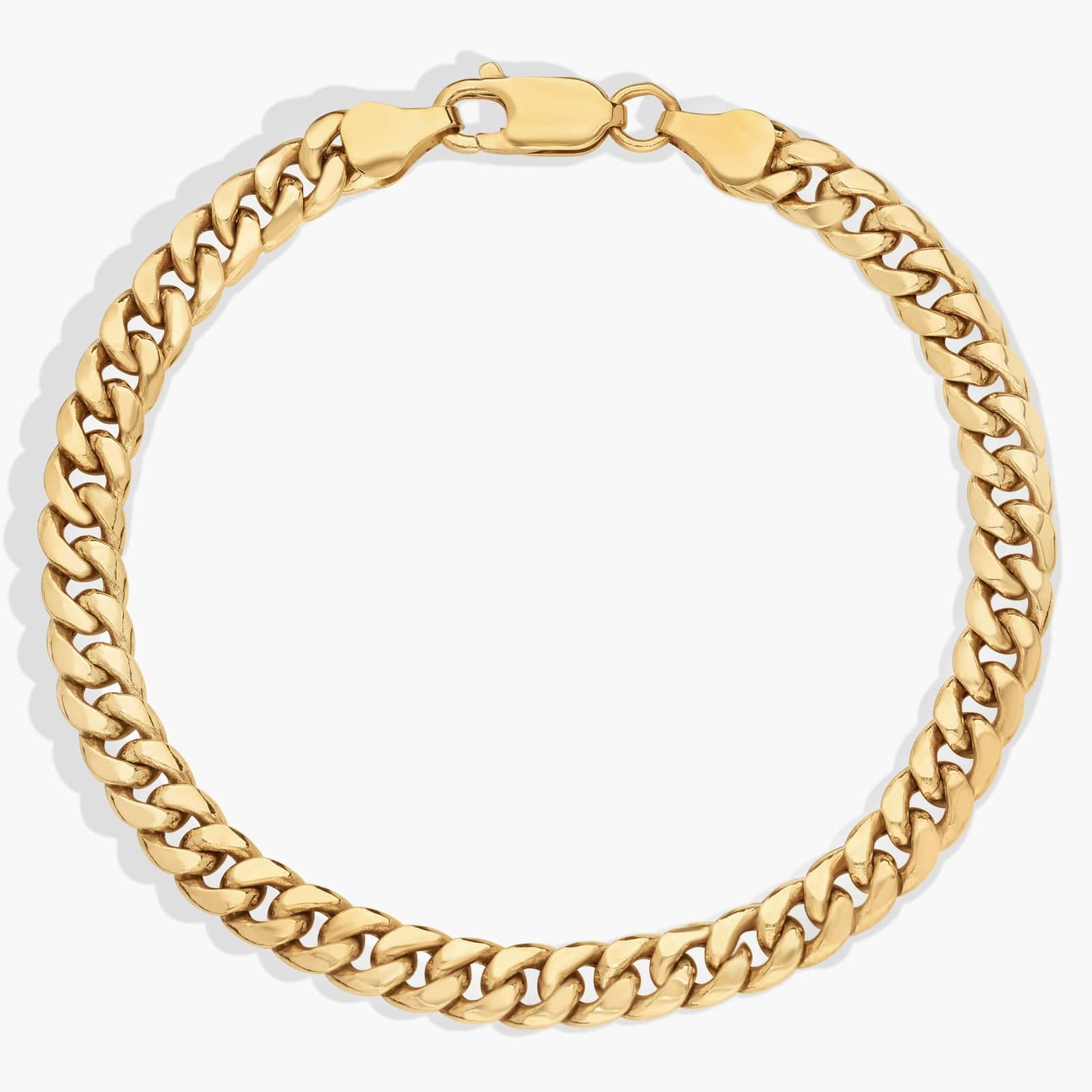
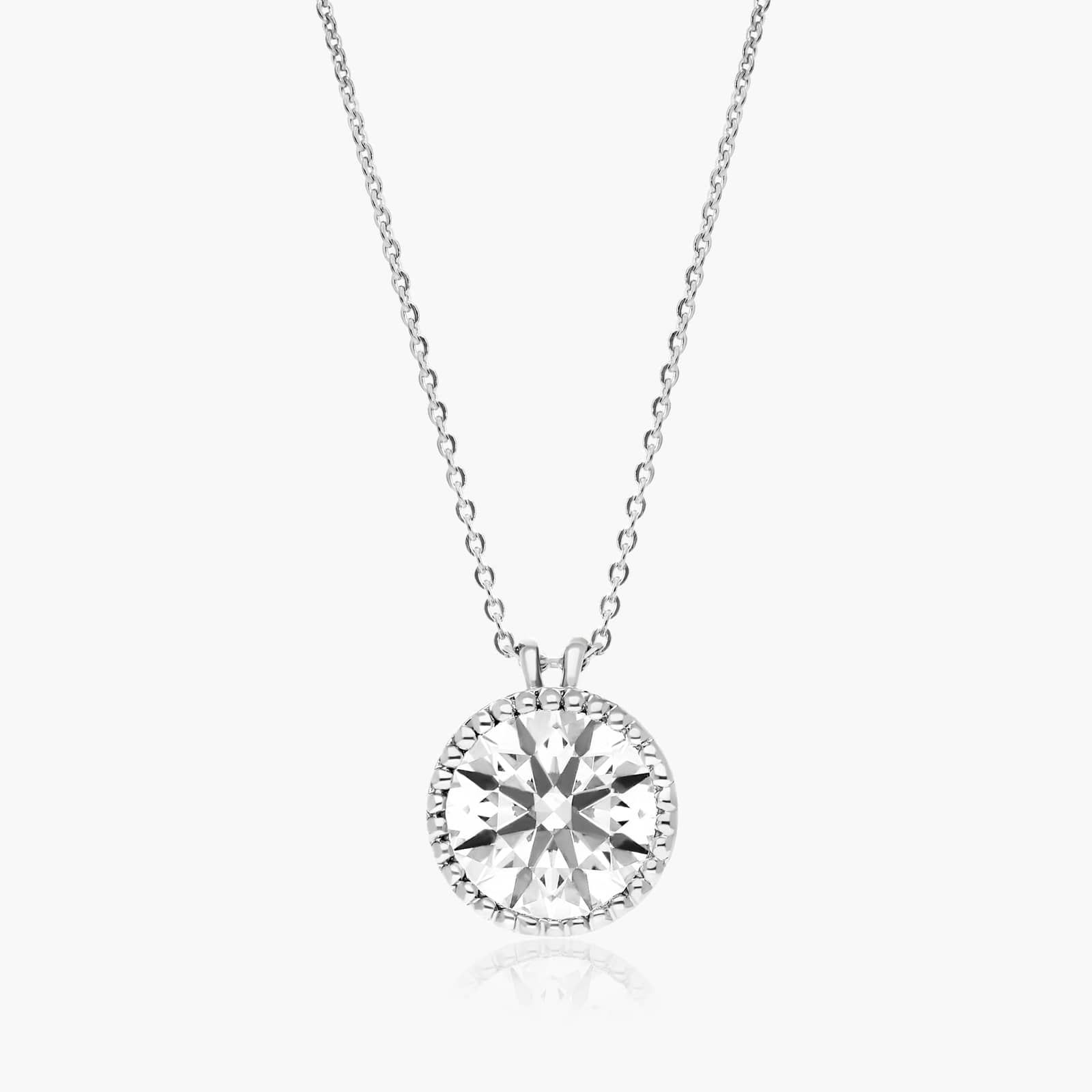
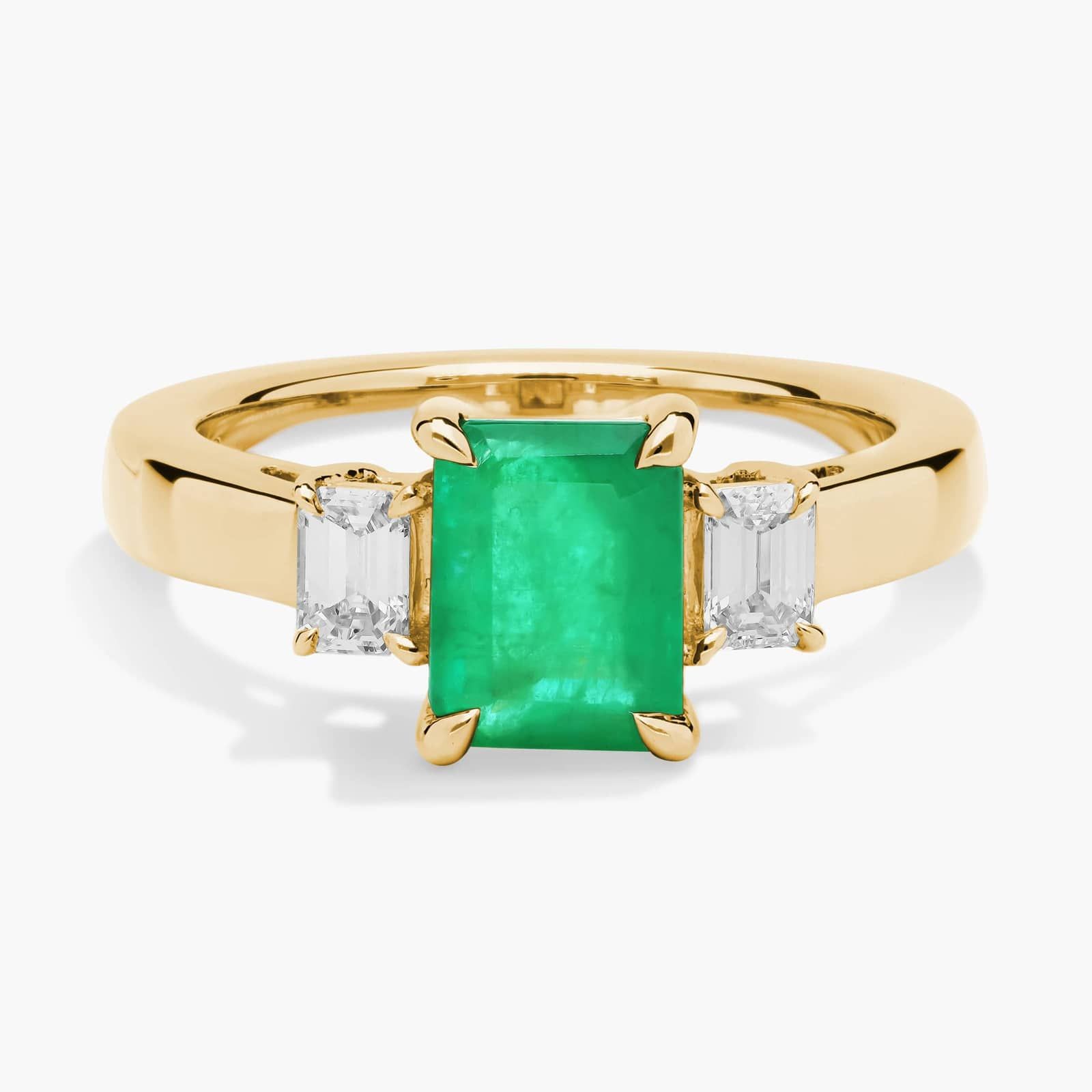
As mentioned above, the best investment jewelry is typically made from precious metals like gold and platinum and features high-quality gemstones such as rubies or emeralds that are considered classic and timeless.
Tips for Investing in Jewelry
Investing in jewelry is unique in that it has both financial and emotional value. While it is important to consider factors such as precious metal content, gemstone quality and brand recognition, the best jewelry purchases are typically those that offer personal reward and enjoyment.
Future market performance can never be guaranteed, so it’s best to choose pieces that you genuinely love and would be happy to own regardless of how their value changes over time.
Here are some tips if your ultimate goal is to maximize long-term value potential:
- Prioritize quality or quantity. A single well-crafted piece made with high-quality materials and gemstones will often hold value better than multiple lower-quality purchases.
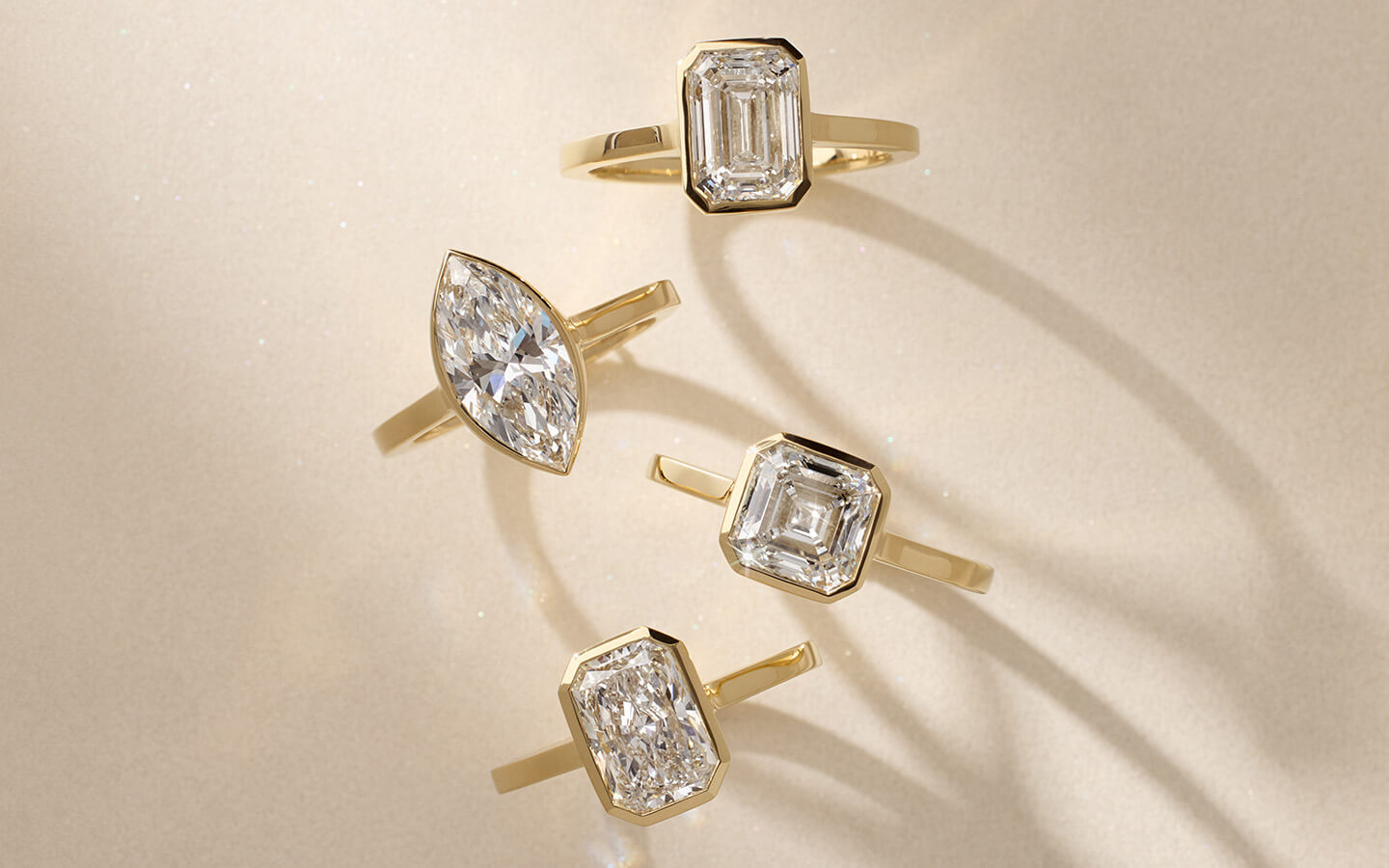
- Choose timeless designs over trends. Fashion-forward styles were popular for a time, but classic designs like solitaire engagement rings, diamond stud earrings and tennis bracelets tend to remain desirable across generations.
- Purchase certified diamonds and gemstones. Grading reports provide objective documentation of quality and make future transactions easier.
- Buy from reputable retailers. Established jewelers with strong industry reputations can provide reliable documentation and guidance throughout the purchasing process. At Blue Nile, we have more than 20 years of experience helping customers select fine jewelry.
- Maintain all original documentation. Keep grading reports, appraisals, receipts, certificates of authenticity, warranties and branded packaging whenever possible.
- Obtain professional appraisals. Fine jewelry should be professionally appraised periodically to reflect current market conditions and updated replacement costs.
- Store and maintain jewelry properly. Overall condition plays a major role in resale value. Regular cleaning, professional inspections and proper storage keep jewelry looking its best over time. You may also want to invest in jewelry insurance for extra protection.
- Have a long-term perspective. Jewelry should rarely be viewed as a short-term investment. Value appreciation develops over many years through rising precious metal prices, collector demand and changing market conditions.
Why Blue Nile Is a Strategic Choice for Jewelry Collectors
Now that you have more information about whether jewelry is a good investment, Blue Nile is a great place to start finding the perfect piece. Search our collection of engagement rings, diamond pieces and other fine jewelry designs to find one that brings value to you.
As the original online jeweler, Blue Nile has helped transform the jewelry-buying experience. We provide access to a broader selection of diamonds and fine jewelry, and our direct-to-consumer model helps reduce many of the costs associated with traditional retail, allowing us to offer a lower price point.
Our commitment to thoughtfully sourced materials and clear product information also helps you understand exactly what you are purchasing. We also offer a price-matching model that ensures the most competitive pricing at the time of purchase.
Blue Nile’s 24/7 team of jewelry experts serves as an additional educational resource when you want to know more about the specifications of a particular piece. We can help identify its diamond grading, precious metal purity, gemstone quality and jewelry certifications.
After you purchase your new piece of jewelry, we will also provide you with official appraisal documentation that will establish its current market value, and you can update it over time as the value of your piece grows.
Frequently Asked Questions
Gold jewelry can be a great investment because it’s made of a precious metal that has a global market value. As gold prices rise over time, so will the value of your jewelry piece.
No, diamonds are not a guaranteed investment. While diamonds are durable and popular, their value can fluctuate based on supply and demand and trends within the jewelry market. The diamonds most likely to maintain value are those with strong grades for cut, color, clarity and carat weight.
Strong brand recognition can be a key factor in jewelry’s investment opportunity. Blue Nile is often considered a leader in price-to-quality ratio due to our focus on certified diamonds and our selection of well-crafted fine jewelry. Other heritage brands with long-standing reputations also tend to command the highest resale premiums.
You should wait several years before selling. Jewelry is best treated as a long-term asset rather than something to immediately buy and resell. Selling too quickly can incur a loss because the original price you paid includes significant retail markups.
New jewelry from a reputable retailer like Blue Nile has greater benefits. It offers more security through official certification and warranties that contribute to long-term value potential. Pre-owned jewelry can offer lower prices but may come with less documentation and more uncertainty about authenticity.
Yes, jewelry is considered an asset, but it’s different from traditional financial assets like stocks or bonds. Jewelry holds its value through actual materials like gold and gemstones, but it’s always variable, and not all jewelry will appreciate over its original purchase price.
Yes, most jewelry depreciates after purchase because retail prices include markups for design and craftsmanship that may not always be recoupable in resale. Typically, rare, high-quality and highly sought-after jewelry has the most realistic chance of holding or increasing its value.


Share