









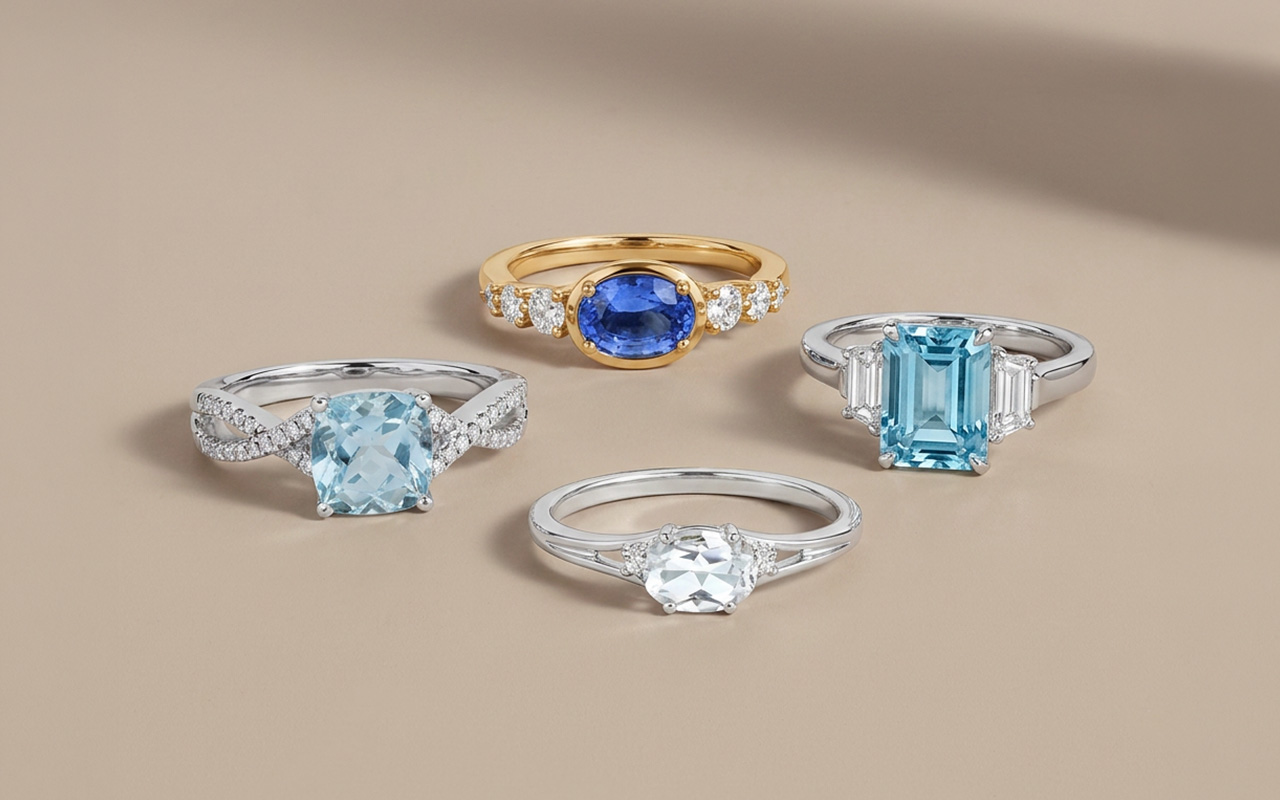
The best diamond alternatives include lab-grown diamonds, moissanite and white sapphire for a classic colorless look. For more color and character, sapphires, rubies and emeralds are good options. Each offers a different balance of durability, care and price.
Natural diamonds have long been the traditional choice for engagement rings and fine jewelry, but they’re far from the only option.
Today’s shoppers can choose from many diamond alternatives based on their style, budget and needs. Options range from lab-grown diamonds to colorful gemstones such as emeralds and sapphires.
This guide compares 11 popular options to help you find a stone that fits your lifestyle, whether you’re choosing everyday jewelry or a gemstone engagement ring.
Diamond Alternatives (for a Non-Traditional Approach)
While natural diamonds are a timeless choice, a non-traditional approach allows you to prioritize the qualities that matter most to the wearer.
The table below offers an at-a-glance comparison of 11 options, with key information about each stone.
| Stone | Appearance | Durability* | Price† | Best for |
| Lab-grown diamonds | Classic diamond brilliance; commonly colorless to near-colorless | Mohs hardness 10 Excellent scratch resistance and suitable for daily wear | $$$ | Maximizing carat weight or setting details within a set budget |
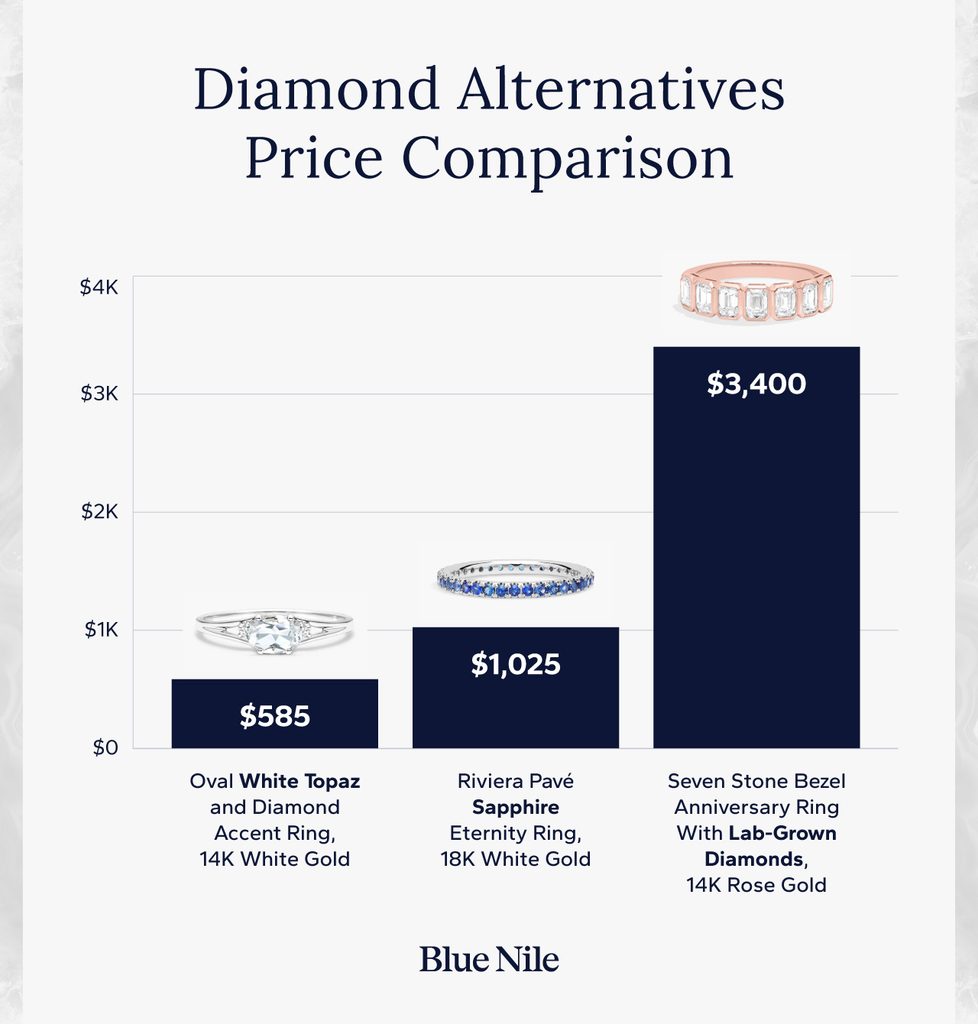
| White topaz | Colorless and transparent with softer, glassier shine than diamond | Mohs hardness 8 Resists scratches but can split from hard blows | $ | Earrings, pendants and occasional-wear rings on a smaller budget |
| Morganite | Pale pink to peach, with a soft, warm glow | Mohs hardness 7.5–8 Suitable for regular wear with protection from scratches and hard knocks | $ | Romantic, vintage-inspired designs, especially in rose gold |
| Aquamarine | Light blue to blue-green, often with high transparency | Mohs hardness 7.5–8 Durable enough for regular wear with care | $–$$ | Modern engagement rings and meaningful “something blue” jewelry |
| Emerald | Rich green, typically with visible inclusions called jardin | Mohs hardness 7.5–8 Fair-to-good toughness but requires more care than ruby or sapphire | $$ | Vintage, Art Deco and statement designs |
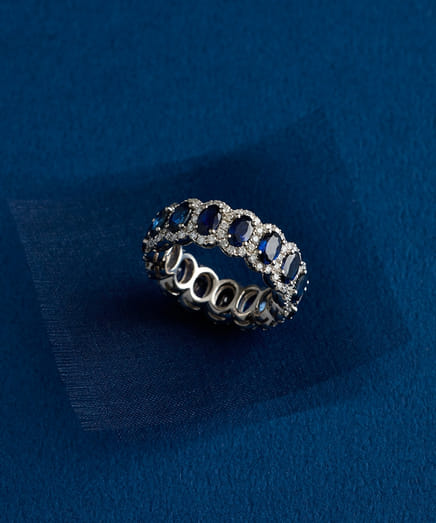
| Sapphire | Classic blue, with options ranging from pink and yellow to green and white | Mohs hardness 9 Excellent scratch resistance and suitable for frequent wear | $$–$$$ | Colorful engagement rings and heirloom-inspired designs |
| Ruby | Deep red to slightly purplish red | Mohs hardness 9 Excellent scratch resistance and suitable for frequent wear | $$$ | Bold red engagement rings and dramatic statement designs |
| Garnet | Often deep red to reddish brown, though available in many colors | Mohs hardness 6.5–7.5 Fair-to-good toughness but should be protected from rough wear | $ | January birthstone gifts and vintage-inspired jewelry |
| 9. Cubic Zirconia | Usually colorless with broad flashes of fire and a glassier appearance than diamond | Mohs hardness 8.5 Scratches more easily than diamond and may dull or yellow over time | $ | Fashion, travel and placeholder jewelry |
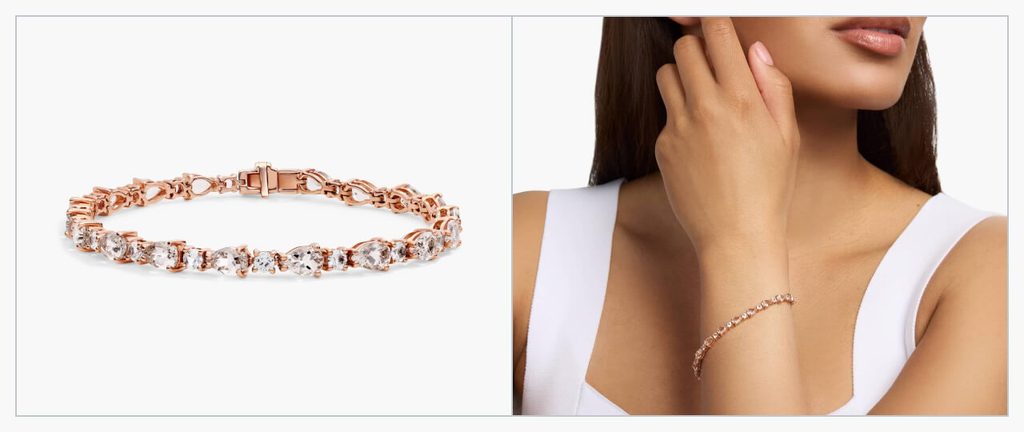
| 10. White Sapphire | Colorless to near-colorless with a softer, more silvery brilliance than diamond | Mohs hardness 9 Excellent scratch resistance and suitable for daily wear | $$ | Classic, understated engagement ring designs |
| 11. Moissanite | Colorless to near-colorless with intense fire and rainbow flashes | Mohs hardness 9.25 Highly durable and suitable for daily wear | $$ | Statement-making solitaires and halo designs that showcase its bold, rainbow-like fire |
These diamond alternatives reflect two main ways shoppers may approach the decision: preserving a familiar diamond-like look or choosing a gemstone for its distinctive color and character.
The table compares each option according to how it looks and wears, as well as the budgets, lifestyles and types of jewelry it may suit.
1. Lab-Grown Diamonds
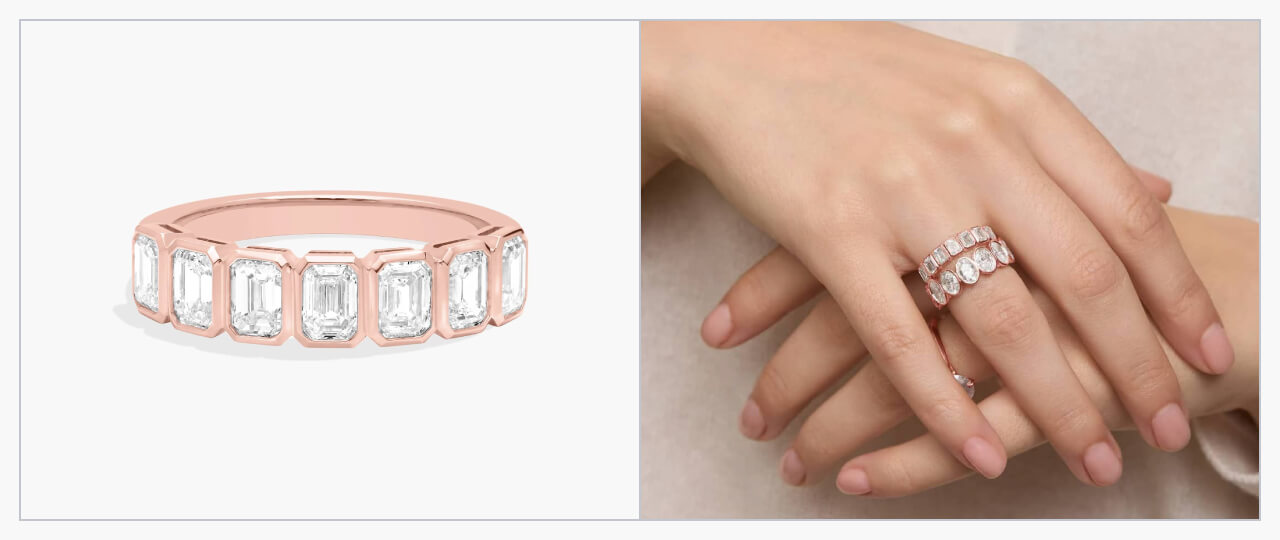
- Best for: Buyers seeking diamond beauty and durability while putting more of their budget toward carat weight, side stones or design details
- Durability: Hardness 10 on the Mohs scale; excellent scratch resistance and suitable for everyday wear
- Price: $$$
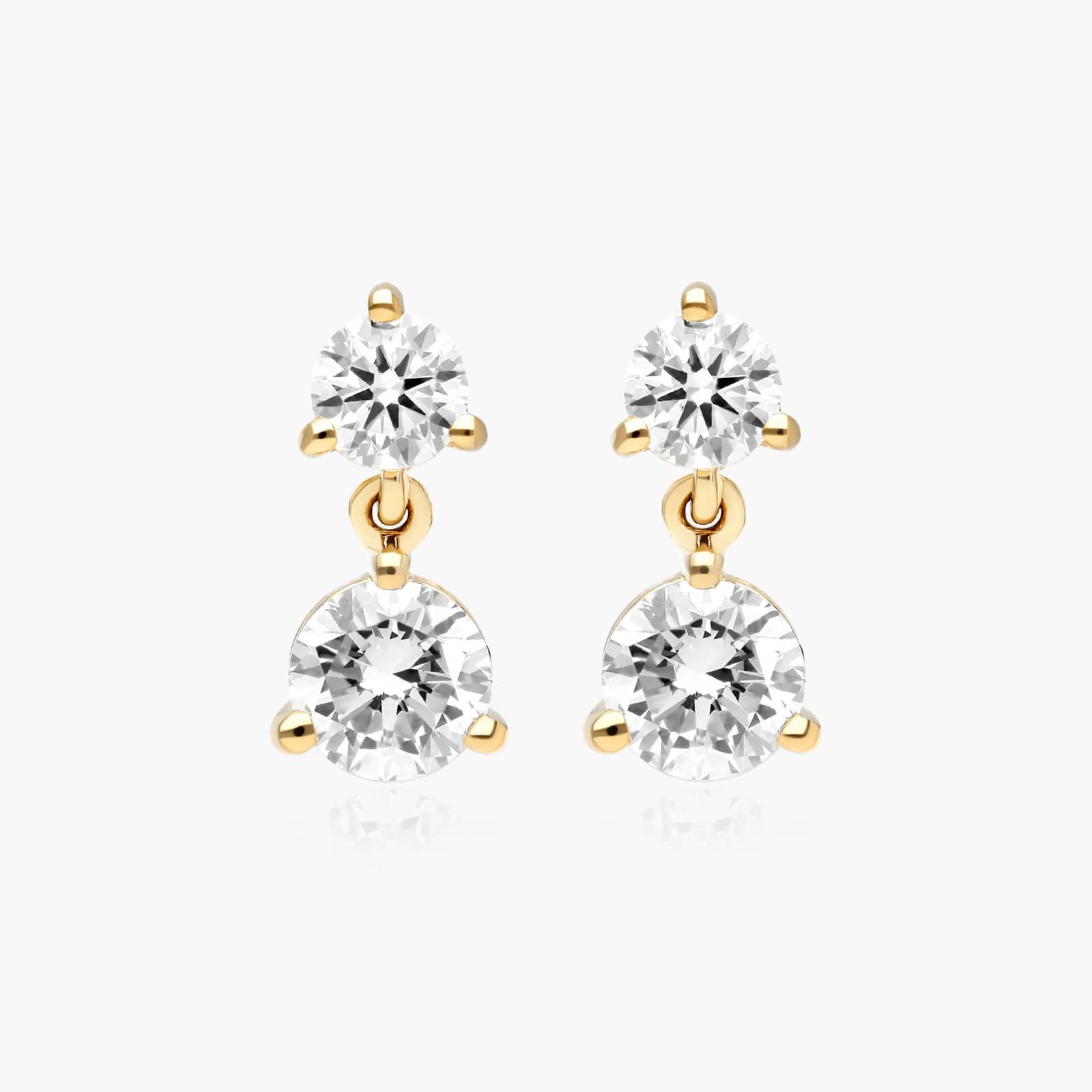
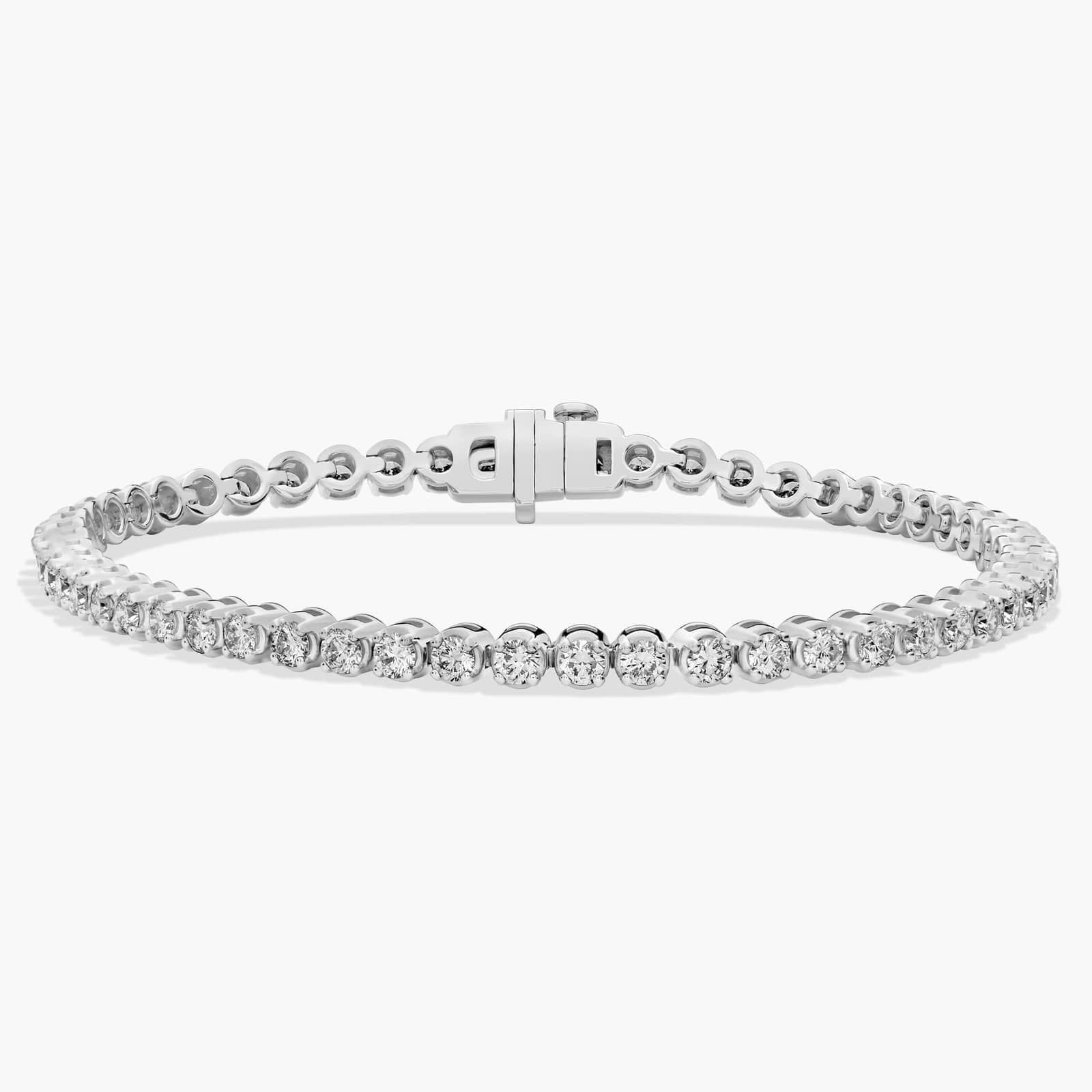
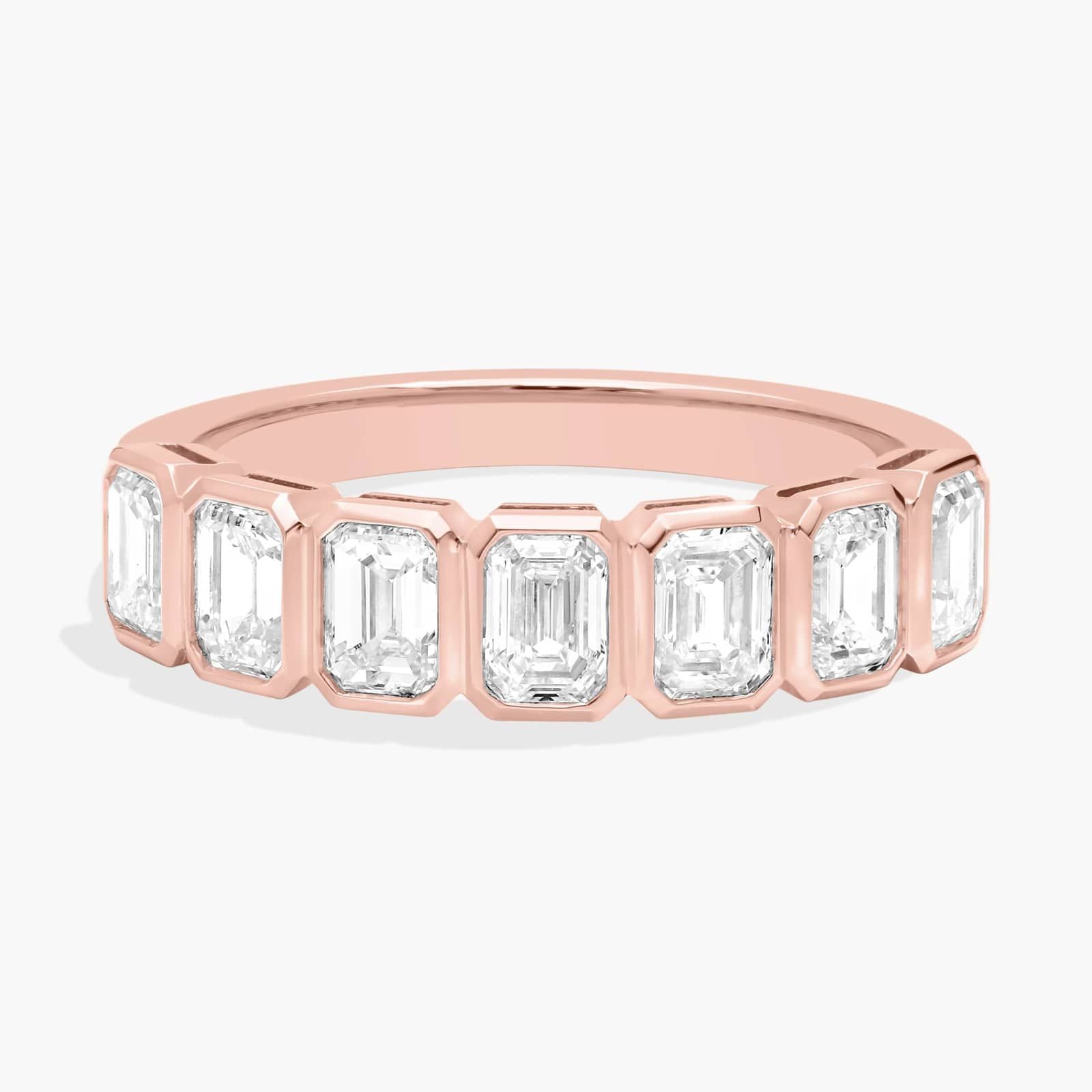
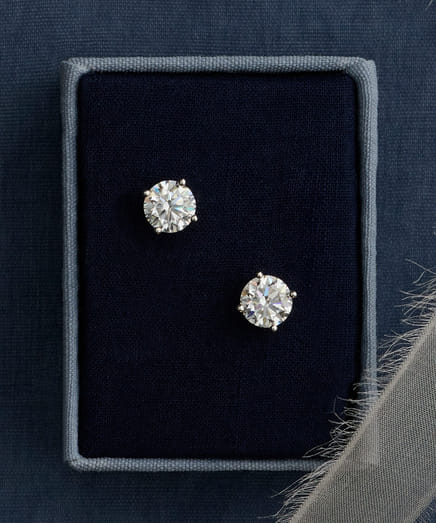
Lab-grown diamonds are a compelling alternative for shoppers who want the beauty and durability of a natural diamond. They offer both because they have the same optical, chemical and physical properties.
The key difference is that they are created in controlled environments rather than forming within the Earth. Because lab-created diamonds can be produced in abundance, they are less expensive and make larger-sized diamonds more affordable.
However, their relative abundance may not guarantee they will retain value over time. When deciding whether to buy lab-grown diamonds, consider how their origin, price and potential long-term value align with your priorities.
2. White Topaz

- Best for: Earrings, pendants and occasionally worn rings that offer a naturally colorless look and understated shine on a smaller budget
- Durability: Hardness 8 on the Mohs scale; resists many scratches but can split from a hard blow
- Price: $

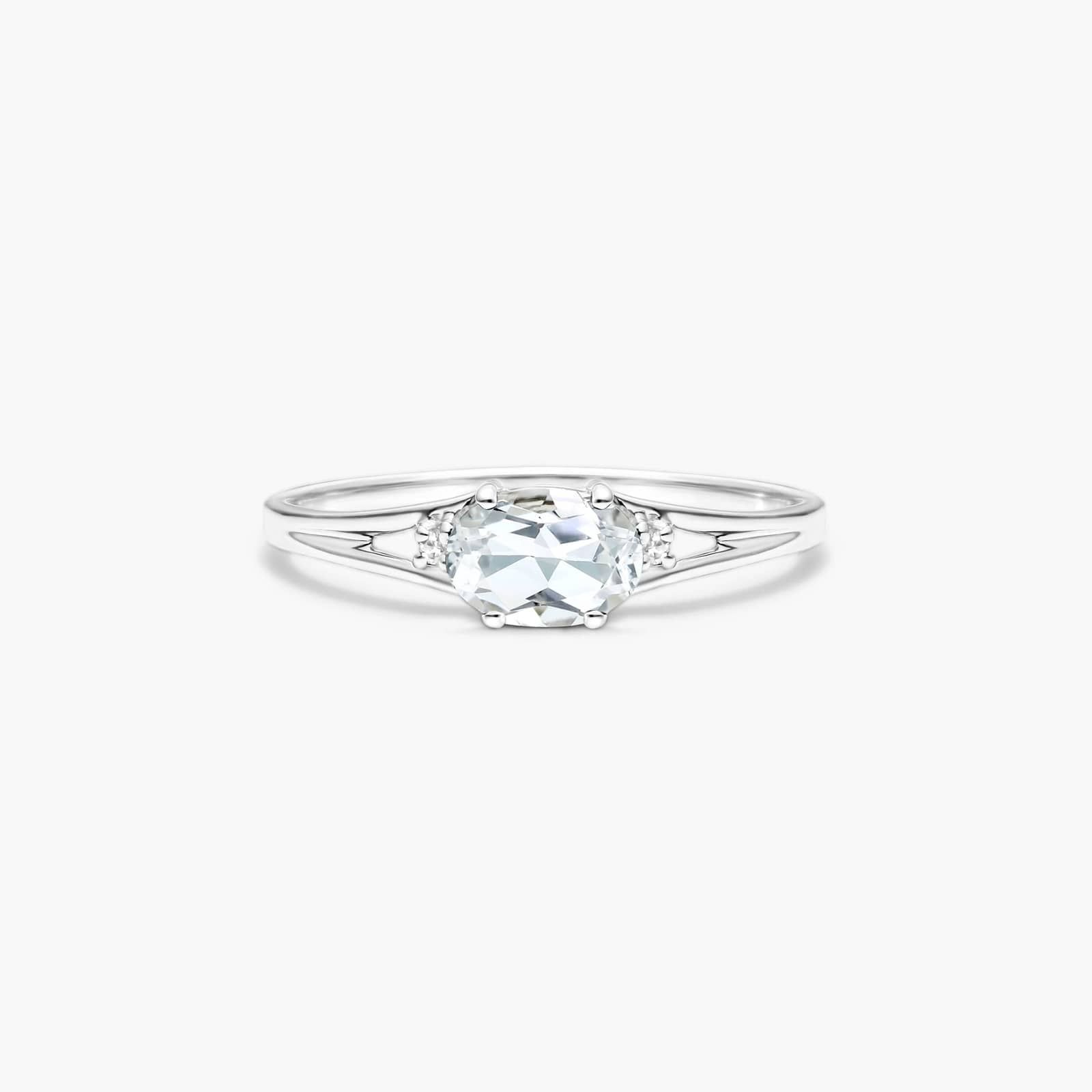
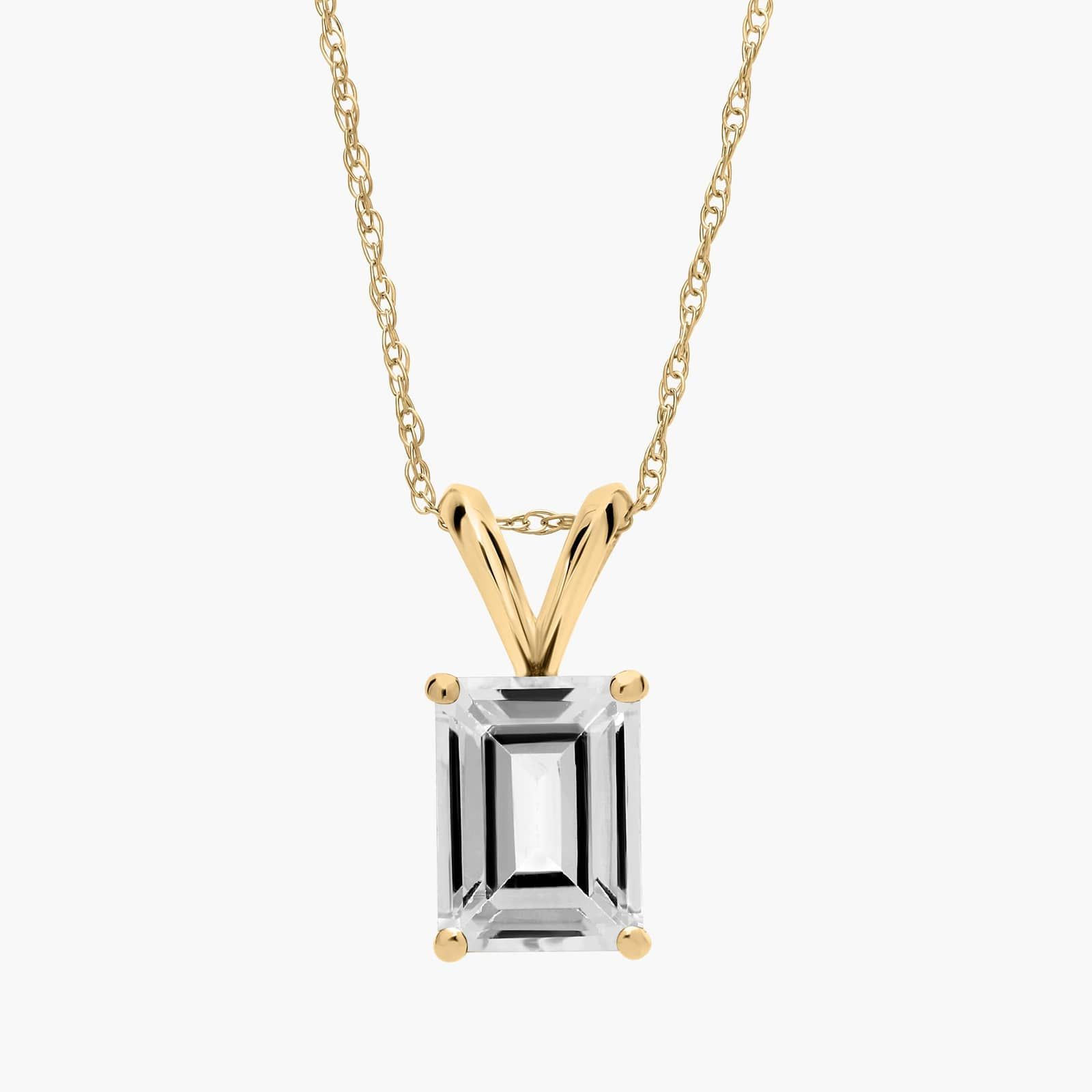
Bright and transparent, white topaz offers a softer, more understated light performance than diamond. It’s an appealing choice for shoppers who want the clean look of a colorless gemstone in fine jewelry.
Although topaz ranks 8 on the Mohs scale, its basal cleavage makes it vulnerable to hard blows. Protective settings and pieces exposed to less wear, such as pendants, can help reduce the risk of damage.
3. Morganite

- Best for: Romantic, vintage-inspired jewelry designs that highlight soft pink or peach tones
- Durability: Hardness 7.5–8 on the Mohs scale; moderately durable and best for occasional wear
- Price: $

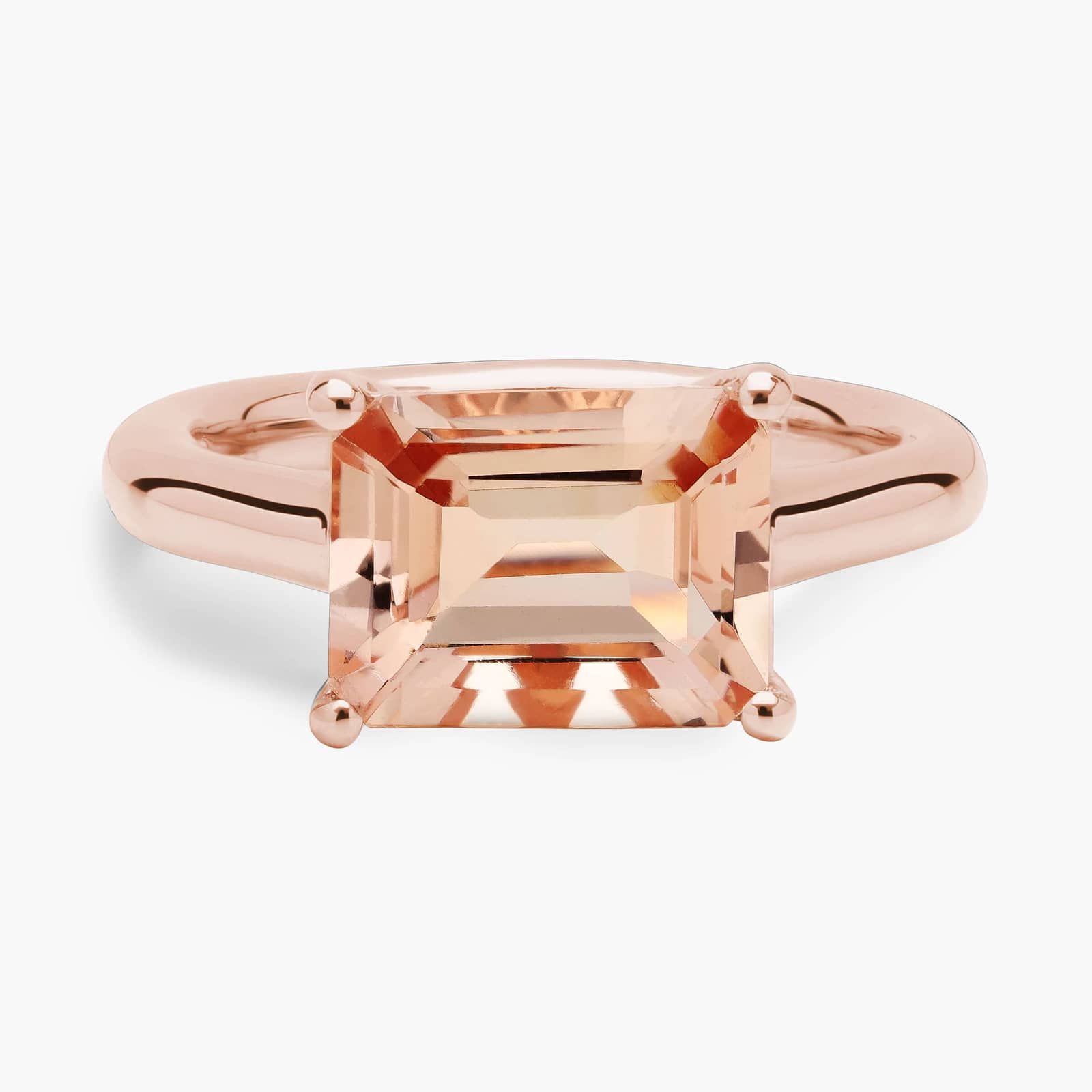
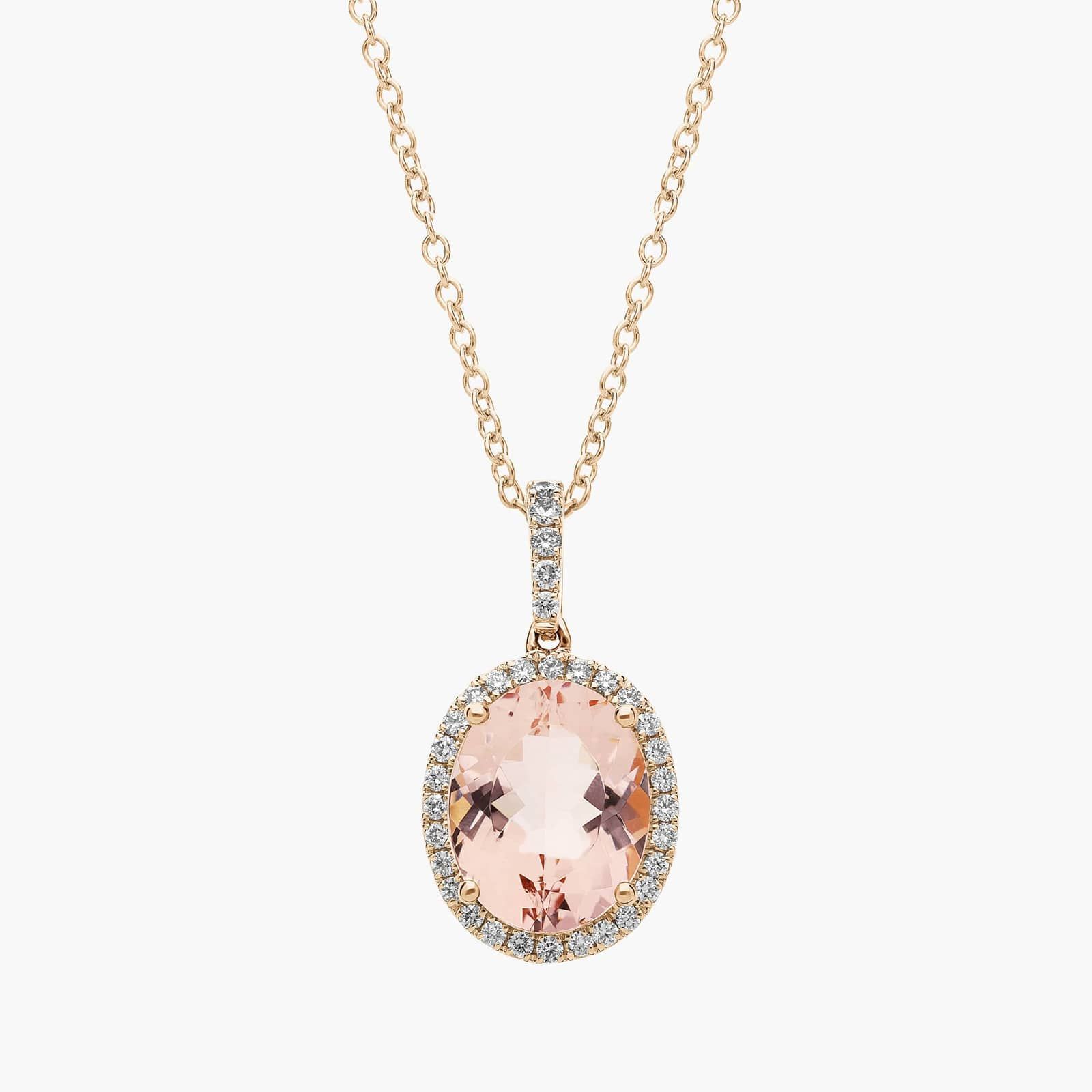
A relative newcomer to the jewelry world, morganite is a romantic diamond alternative. Its soft pink-to-peach color and pleochroism can reveal pale pink and deeper bluish pink tones, depending on how the rough stone is oriented and cut.
With a hardness of 7.5–8 on the Mohs scale, morganite is durable enough for daily wear when protected from scratches and hard knocks. Its soft color brings vintage-inspired charm to morganite engagement rings, stud earrings and pendants.
4. Aquamarine

- Best for: Engagement rings, anniversary gifts and March birthstone jewelry that highlight the gem’s serene blue-green ocean hues
- Durability: Hardness 7.5–8 on the Mohs scale; durable enough for daily wear when protected from scratches and hard knocks
- Price: $–$$
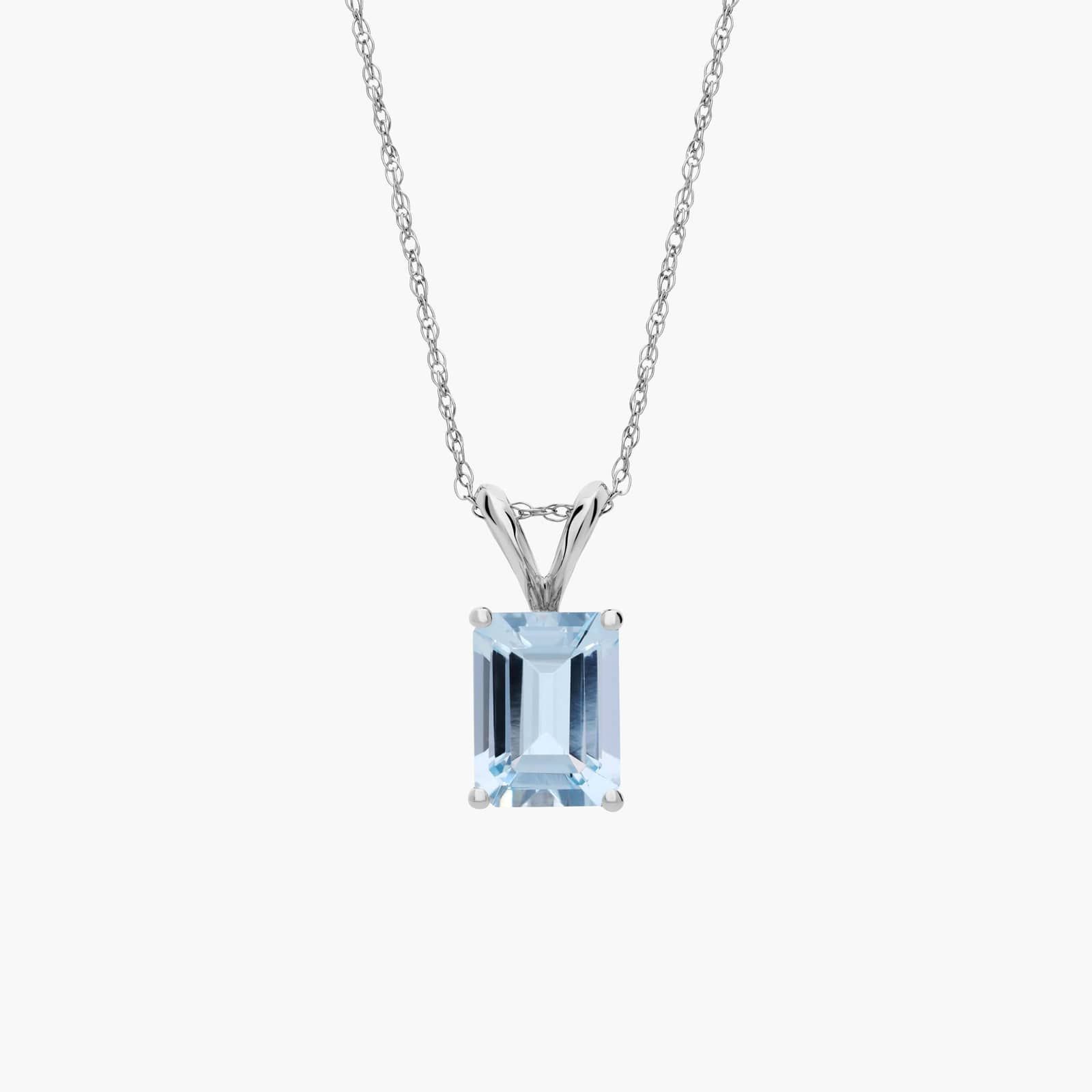
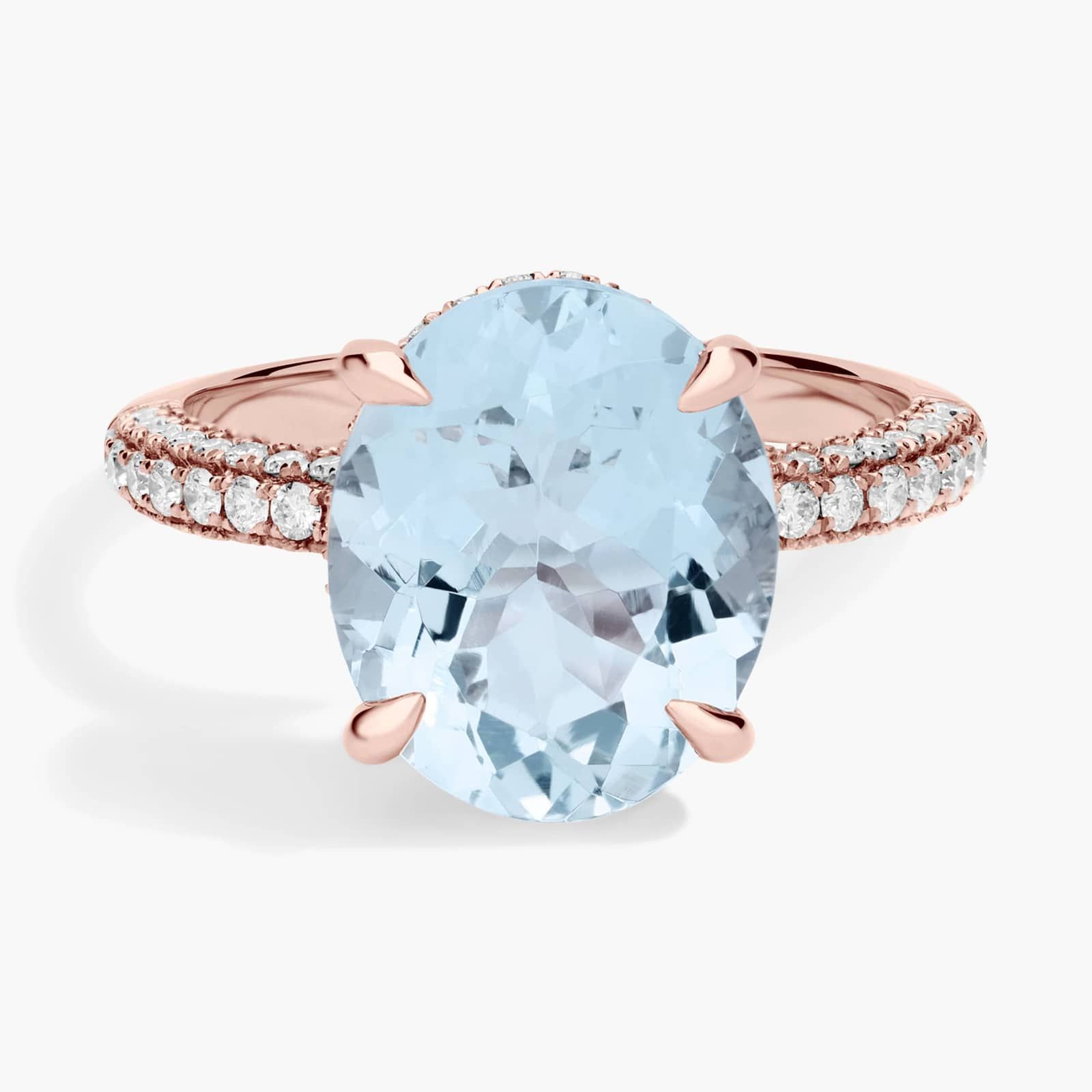

With colors ranging from pastel blue to slightly greenish blue, aquamarine offers a serene option among colorful diamond ring alternatives. Long associated with happy marriages, this gemstone brings added symbolism to aquamarine engagement rings.
Aquamarine is durable enough for daily wear when protected from scratches and hard knocks. Warm, soapy water is a safe choice for routine cleaning. Its transparency and high clarity make it especially well-suited to statement rings, pendants and stud earrings.
5. Emerald
- Best for: Vintage-inspired engagement rings, meaningful heirloom gifts and statement jewelry with rich green color and individual character
- Durability: Hardness 7.5–8 on the Mohs scale; fair-to-good toughness but requires gentler care than ruby or sapphire
- Price: $$

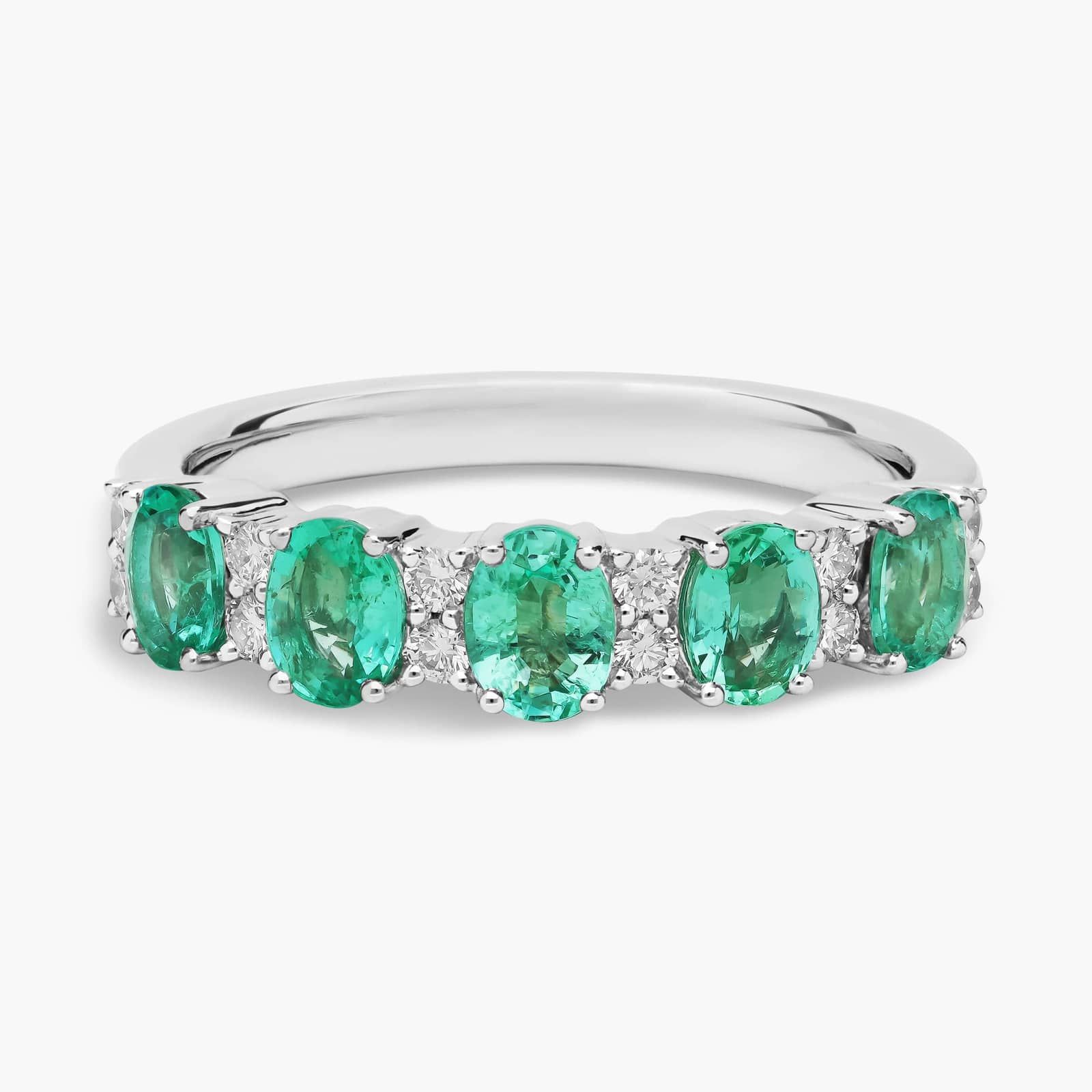

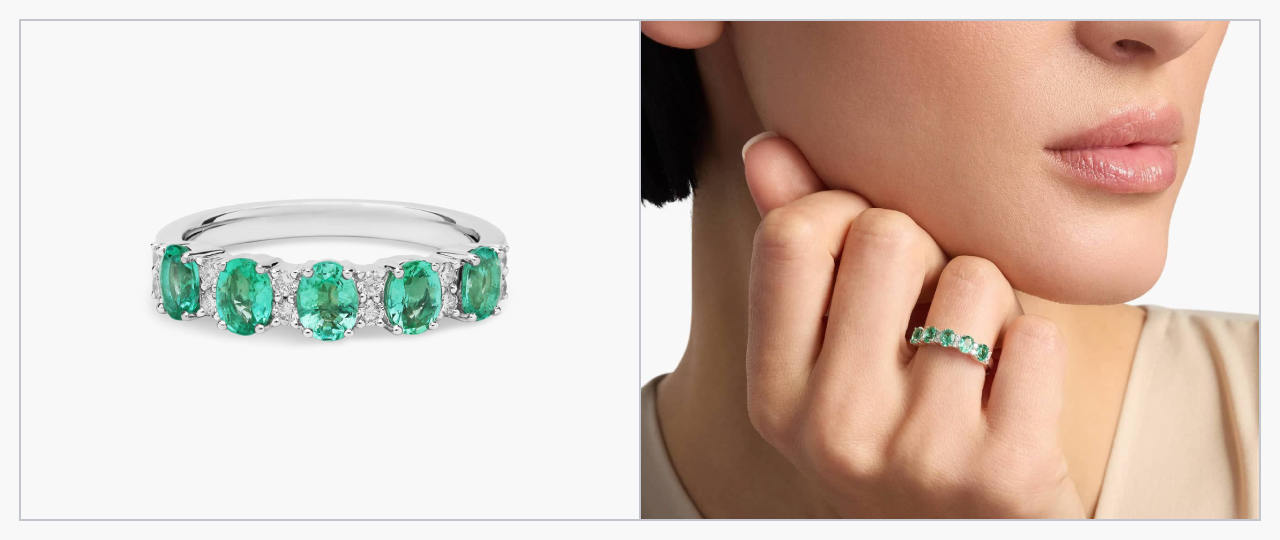
Emerald gemstones are known for their rich green color and typically visible inclusions, sometimes called jardin, which give each stone an individual appearance.
Yellow gold brings warmth to emerald’s green hue, while white gold creates a cooler contrast in vintage-inspired rings, minimalist pendants and statement designs.
Because their inclusions and common clarity treatments can affect their toughness, emeralds require gentle cleaning. Use warm, soapy water and avoid ultrasonic and steam cleaners.
6. Sapphire

- Best for: Frequently worn engagement rings and future heirloom jewelry that balance vibrant color with exceptional durability
- Durability: Hardness 9 on the Mohs scale; excellent toughness and no cleavage make it well-suited to everyday wear
- Price: $$–$$$

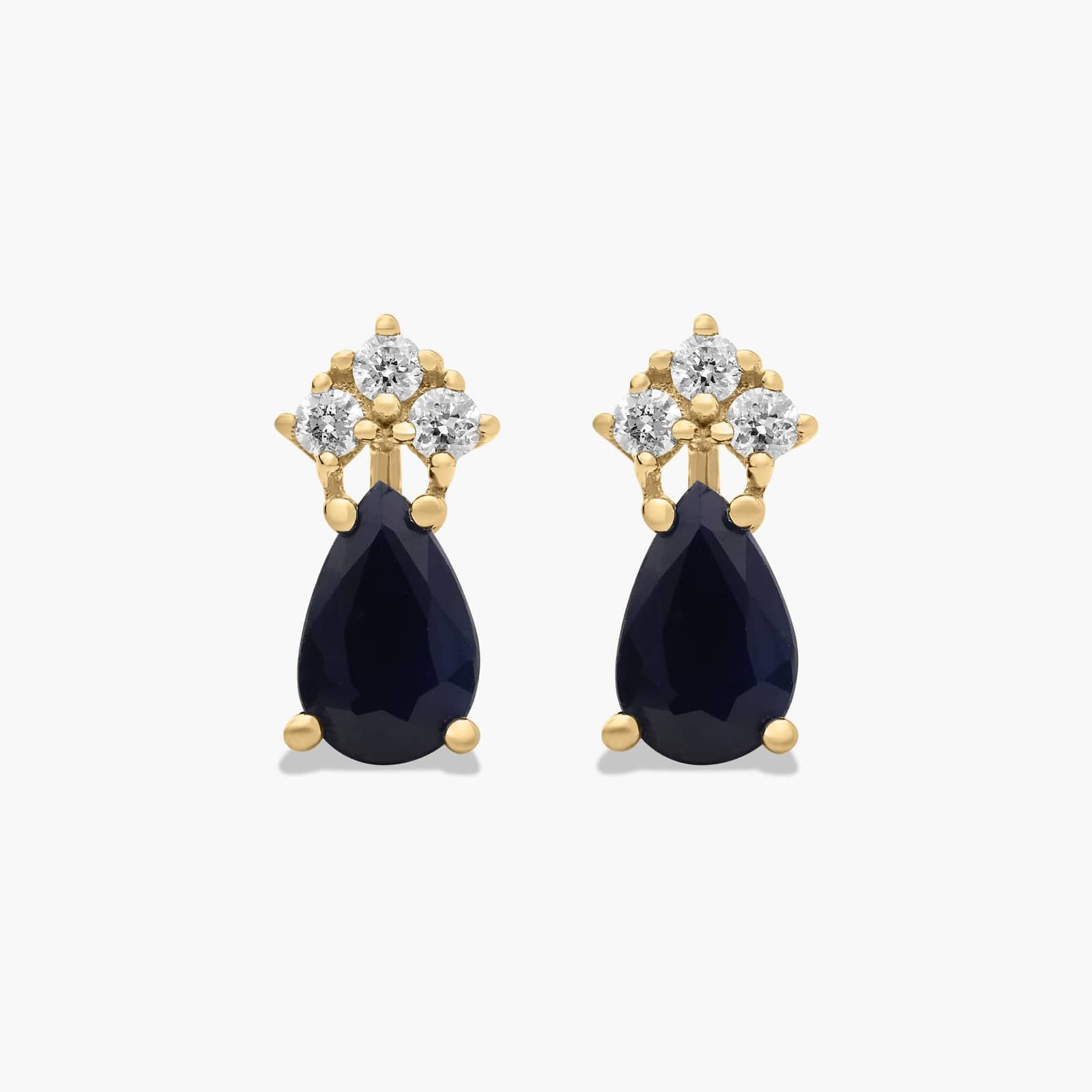
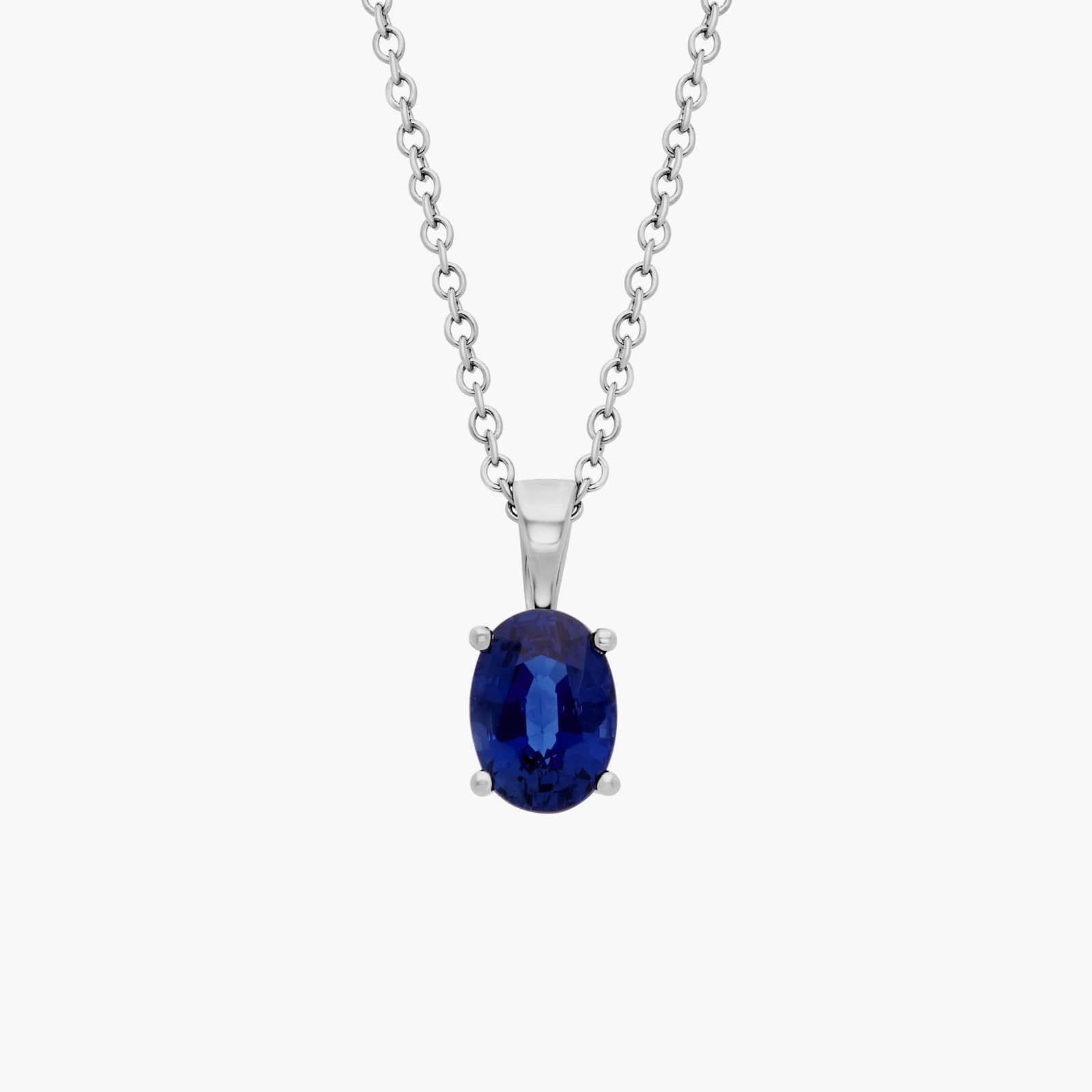
Sapphires are best known for their deep blue tones but are also available in pink, yellow, green, and even colorless varieties. Their expressive color and exceptional durability make them ideal for frequently worn jewelry, including sapphire engagement rings.
Platinum and white gold provide a cool-toned backdrop for blue sapphire jewelry, particularly in classic solitaire and three-stone settings. Those interested in a gemstone sourced in the United States may also consider Montana sapphires, which occur in a distinctive range of colors.
7. Ruby
- Best for: Romantic engagement rings, milestone gifts and statement jewelry that pair vivid red color with everyday durability
- Durability: Hardness 9 on the Mohs scale; excellent toughness and no cleavage make it well-suited to everyday wear
- Price: $$$
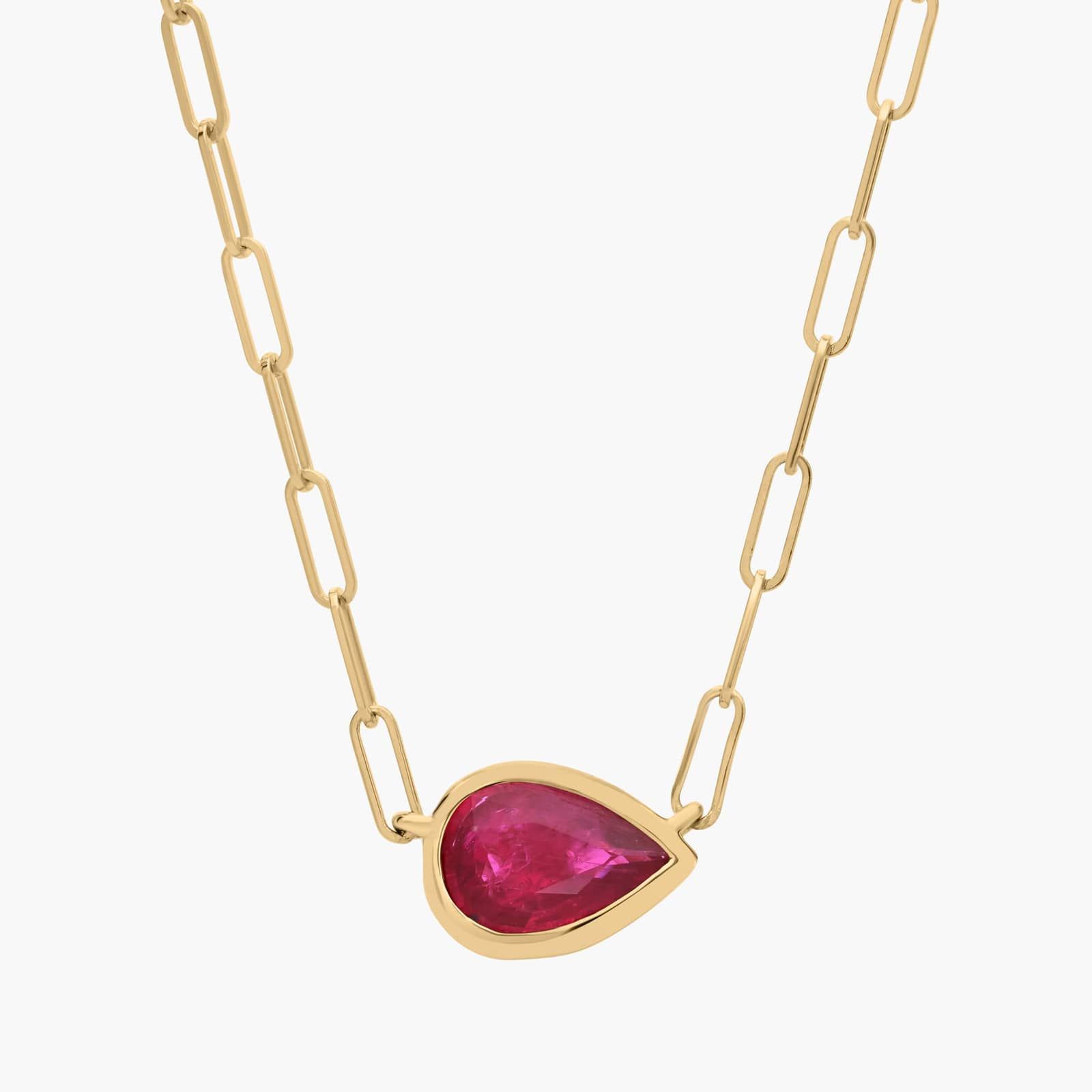
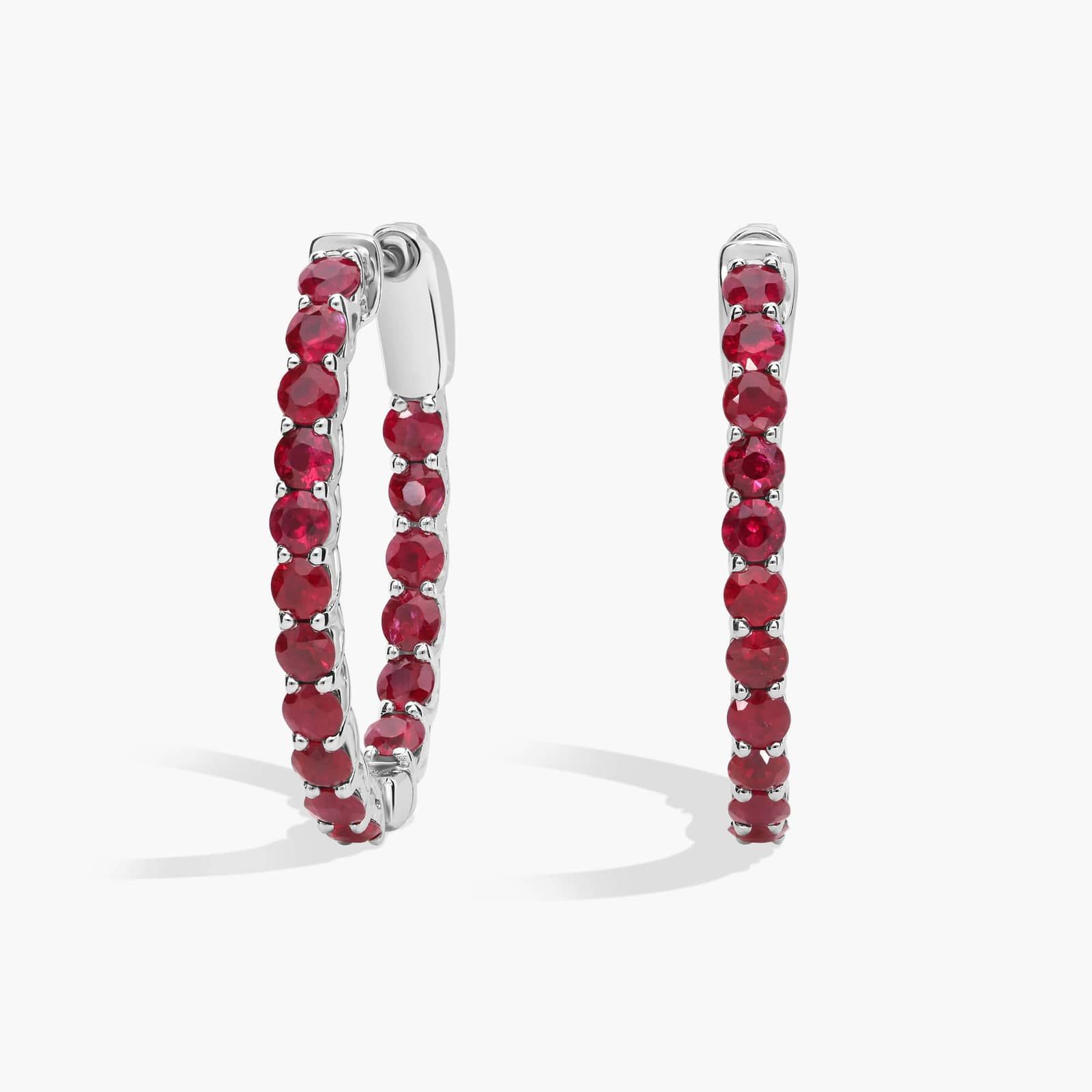
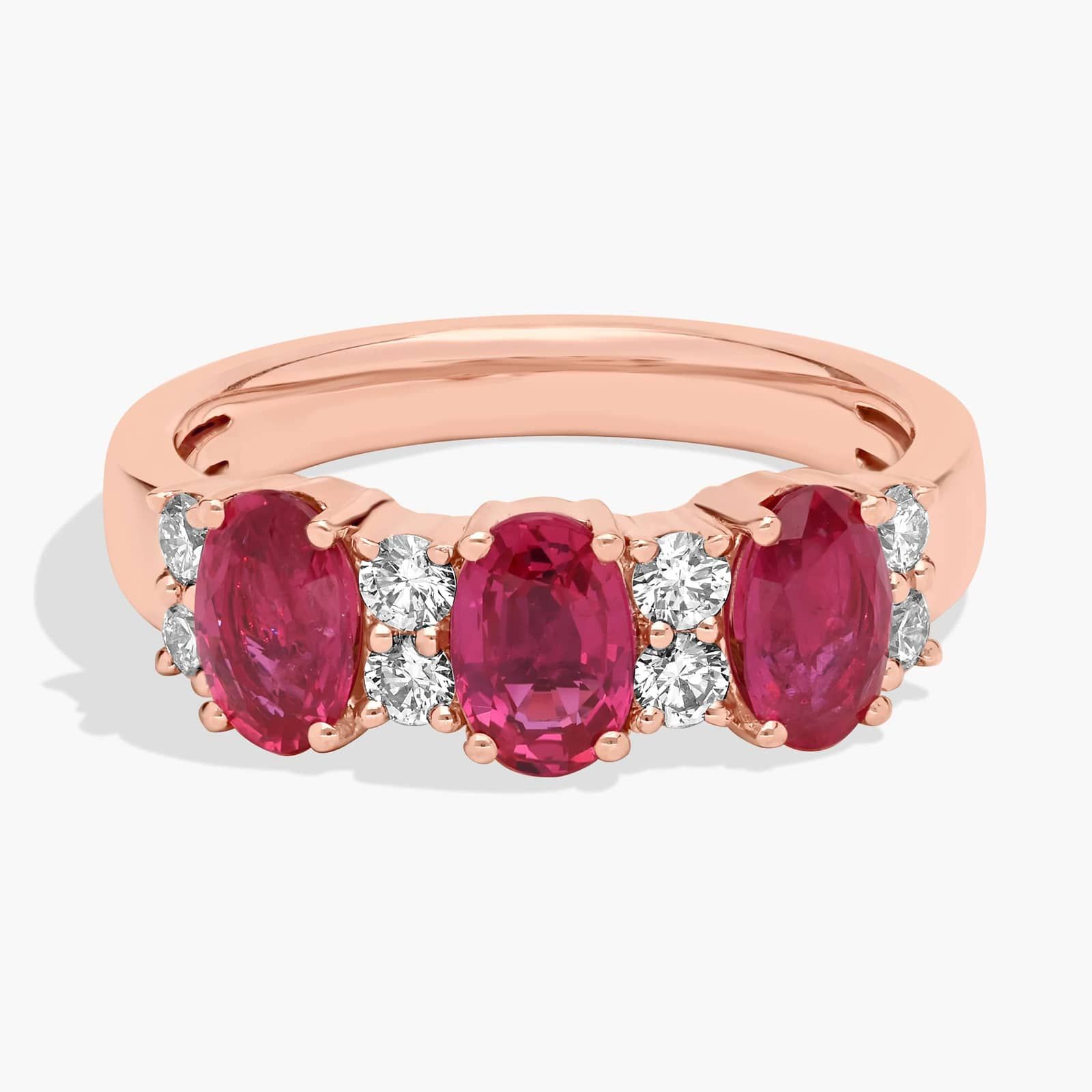
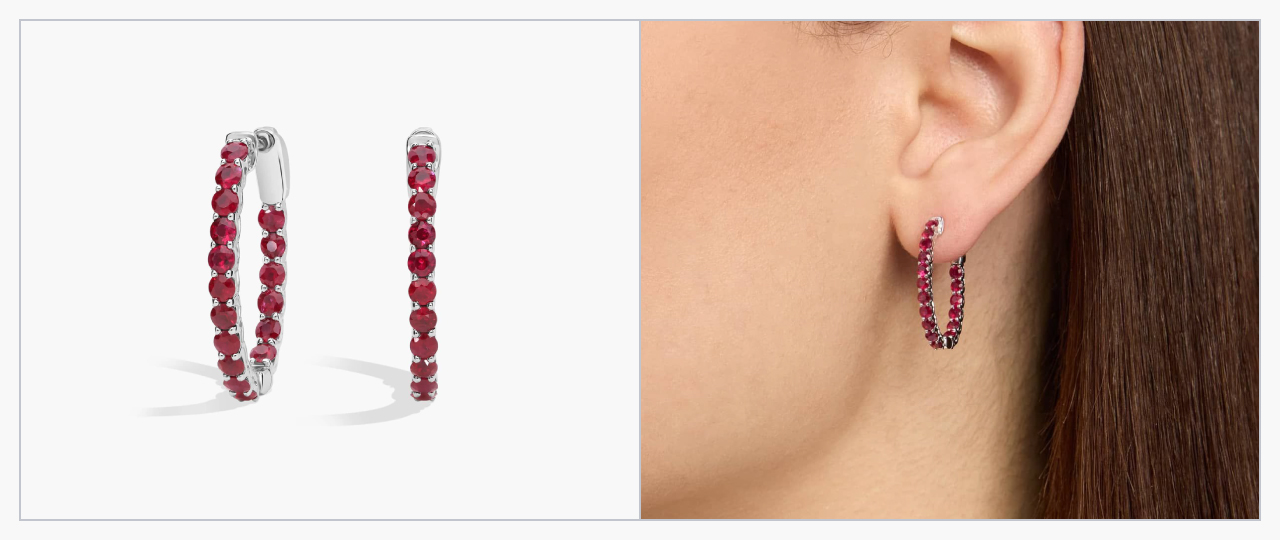
Rubies are prized for their rich red hues, ranging from deep crimson to slightly purplish red and have long symbolized passion and prestige. Their striking color complements rose, white and yellow gold in designs ranging from sleek contemporary pieces to vintage-inspired settings.
As a durable choice for frequently worn jewelry, they bring vibrant color to ruby engagement rings, wedding rings, necklaces and earrings. They offer a bold option for couples considering non-diamond engagement rings or anyone seeking a meaningful addition to a fine jewelry collection.
8. Garnet
- Best for: January birthstone gifts, statement rings and colorful everyday jewelry with a rich, traditional look
- Durability: Hardness 6.5–7.5 on the Mohs scale; fair-to-good toughness, but should be protected from hard blows and rough wear
- Price: $
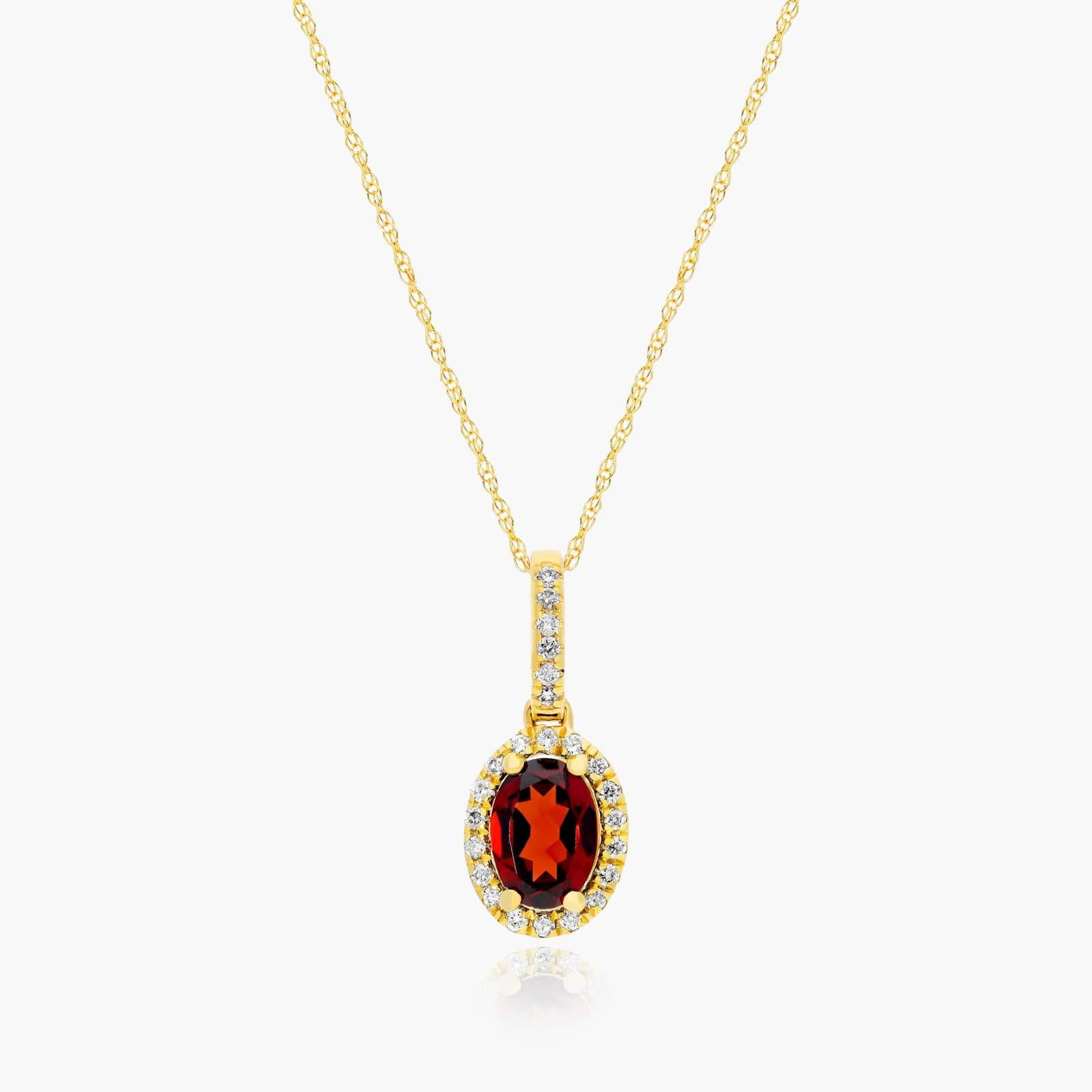
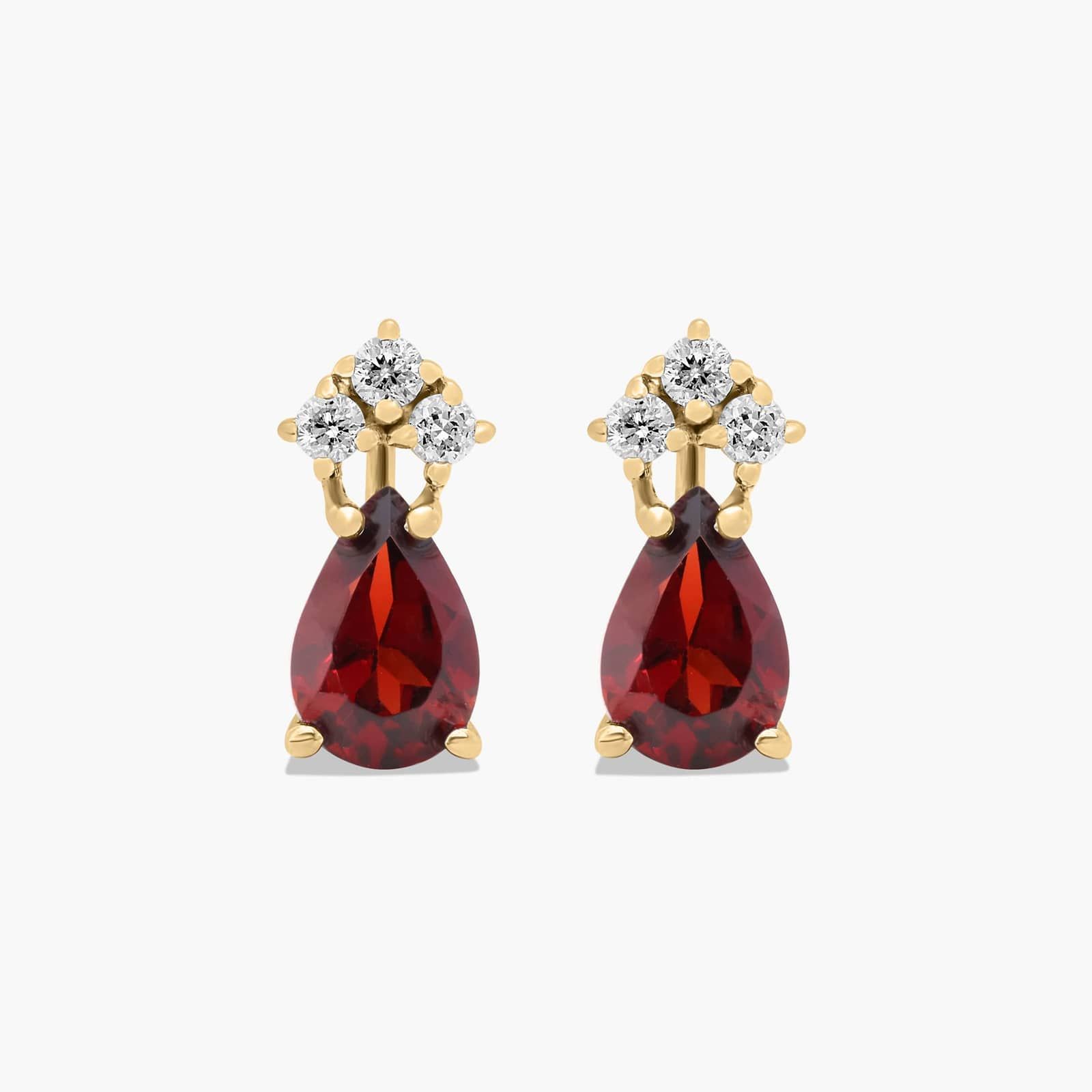
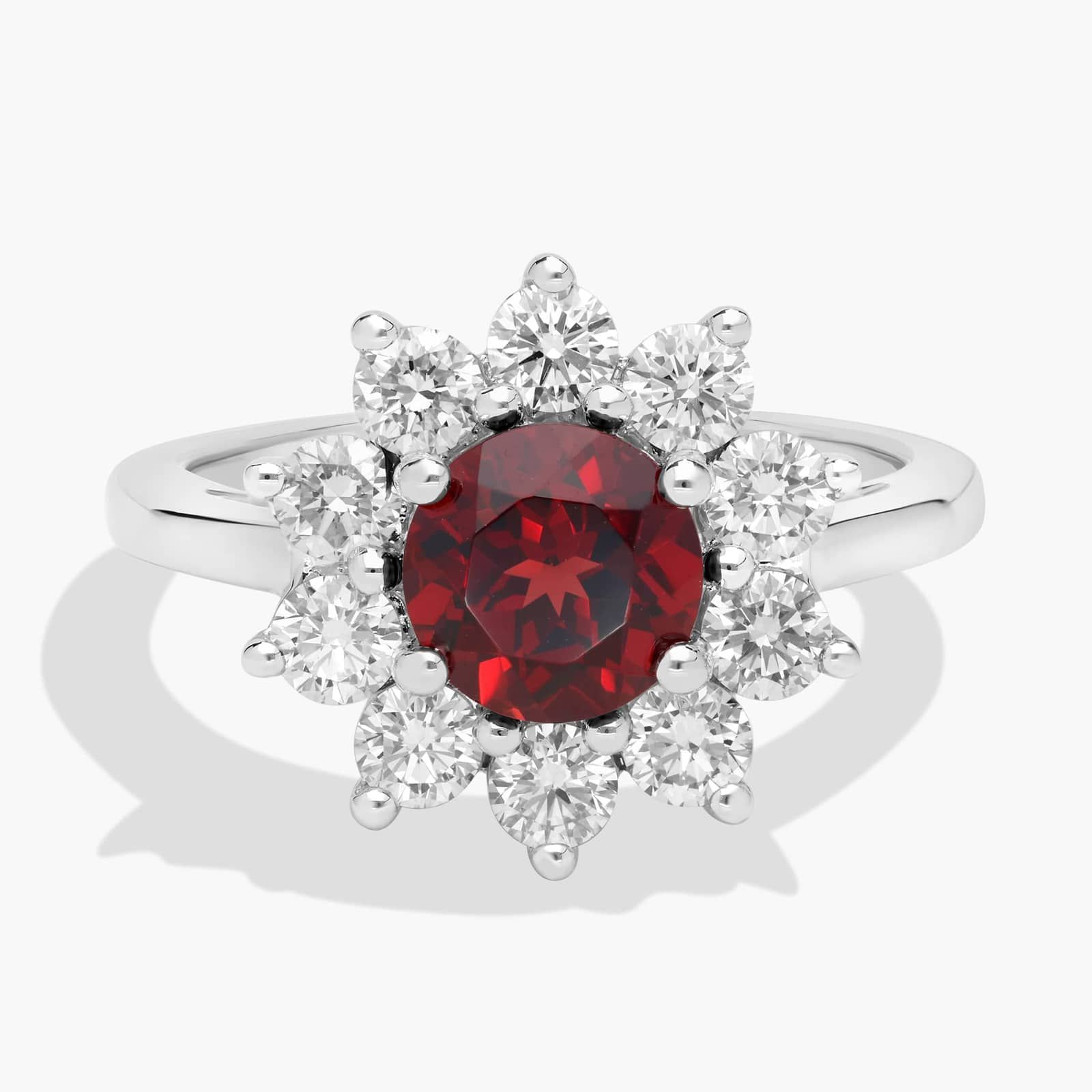
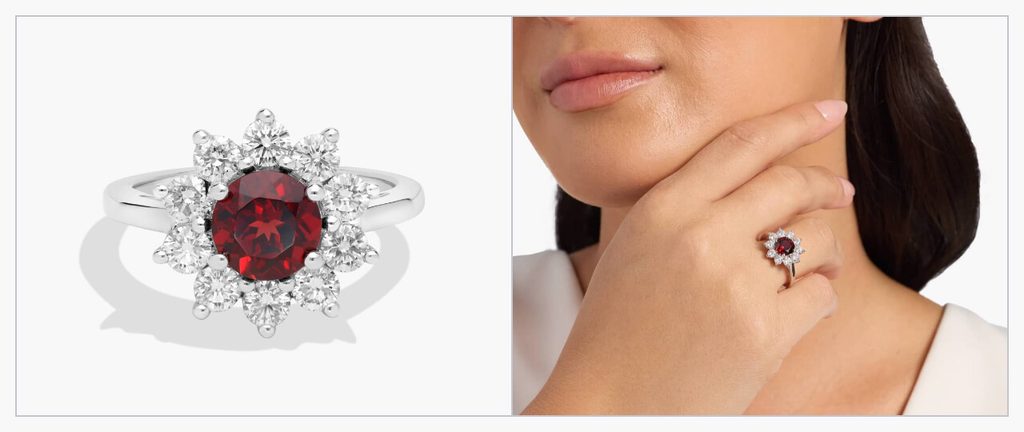
Providing drama at an accessible price, garnets are known for their deep red to reddish-brown hues that offer some of ruby’s warmth. This combination makes garnet an appealing option for January birthstone gifts, earrings, pendants and statement rings.
Although garnet is quite durable, it requires more mindful handling than ruby. Rings intended for frequent wear benefit from protective halo or bezel settings, while earrings and necklaces are less exposed to hard knocks.
9. Cubic Zirconia
- Best for: Travel, placeholder and trend-driven jewelry that creates a diamond-like look at a low price point
- Durability: Hardness 8–8.5 on the Mohs scale; suitable for occasional wear but more prone to scratches, chips and clouding than diamond
- Price: $
The most affordable diamond look-alike in this guide is cubic zirconia. Its bright, colorless appearance makes it practical for travel jewelry, temporary engagement rings and fashion pieces.
Because this synthetic diamond substitute can resemble a diamond at first glance, it helps to understand how to tell if a diamond is real to prevent misidentification.
Compared with lab-grown diamonds, it has less brilliance, a glassier appearance and less resistance to scratches, chips and clouding, making it better suited to occasional or short-term wear.
When comparing cubic zirconia and diamond, consider whether a lower upfront cost or greater durability matters more to you.
10. White Sapphire
- Best for: Naturally colorless engagement rings and frequently worn fine jewelry with subtle fire and strong durability
- Durability: Hardness 9 on the Mohs scale; excellent toughness and no cleavage make it well-suited to everyday wear
- Price: $$
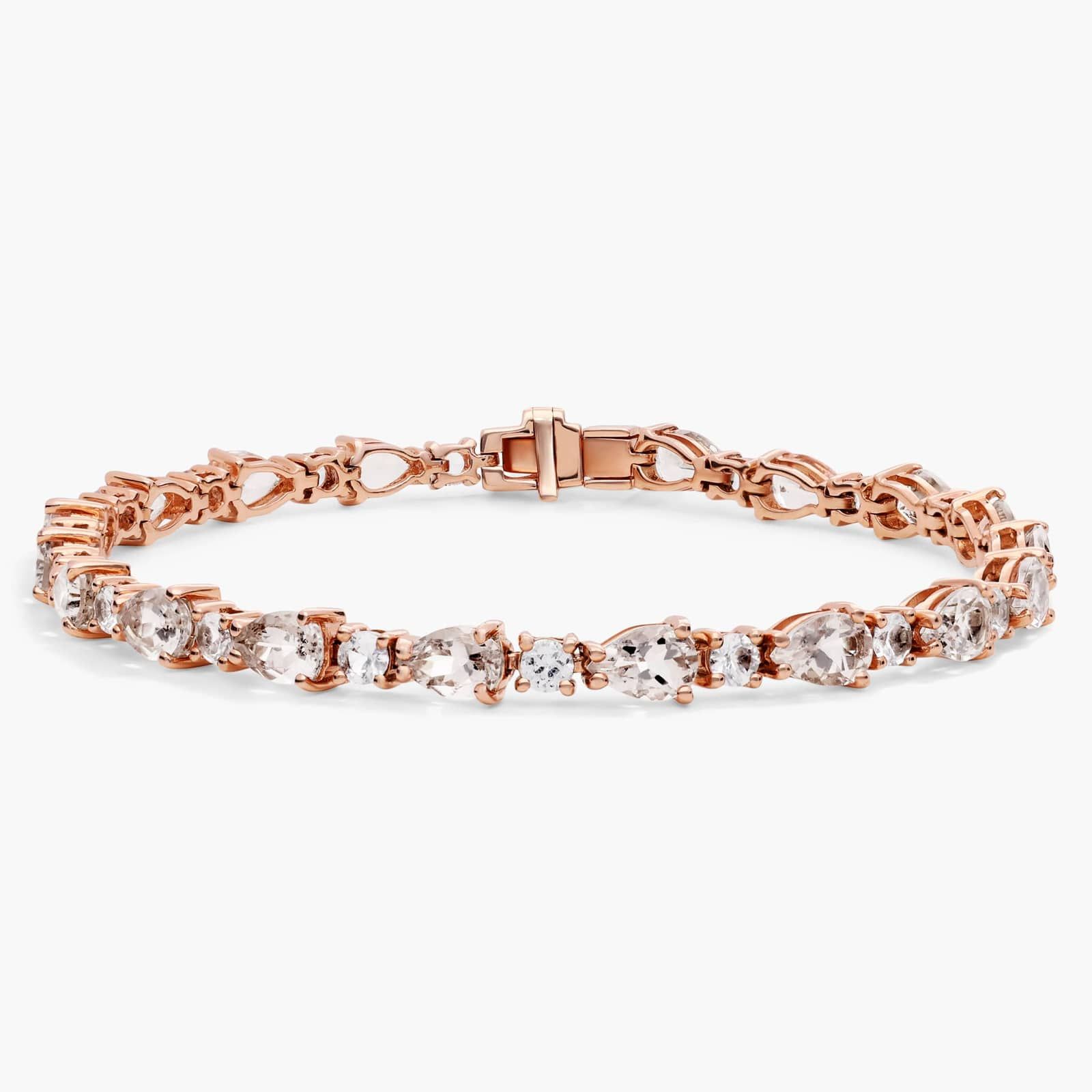
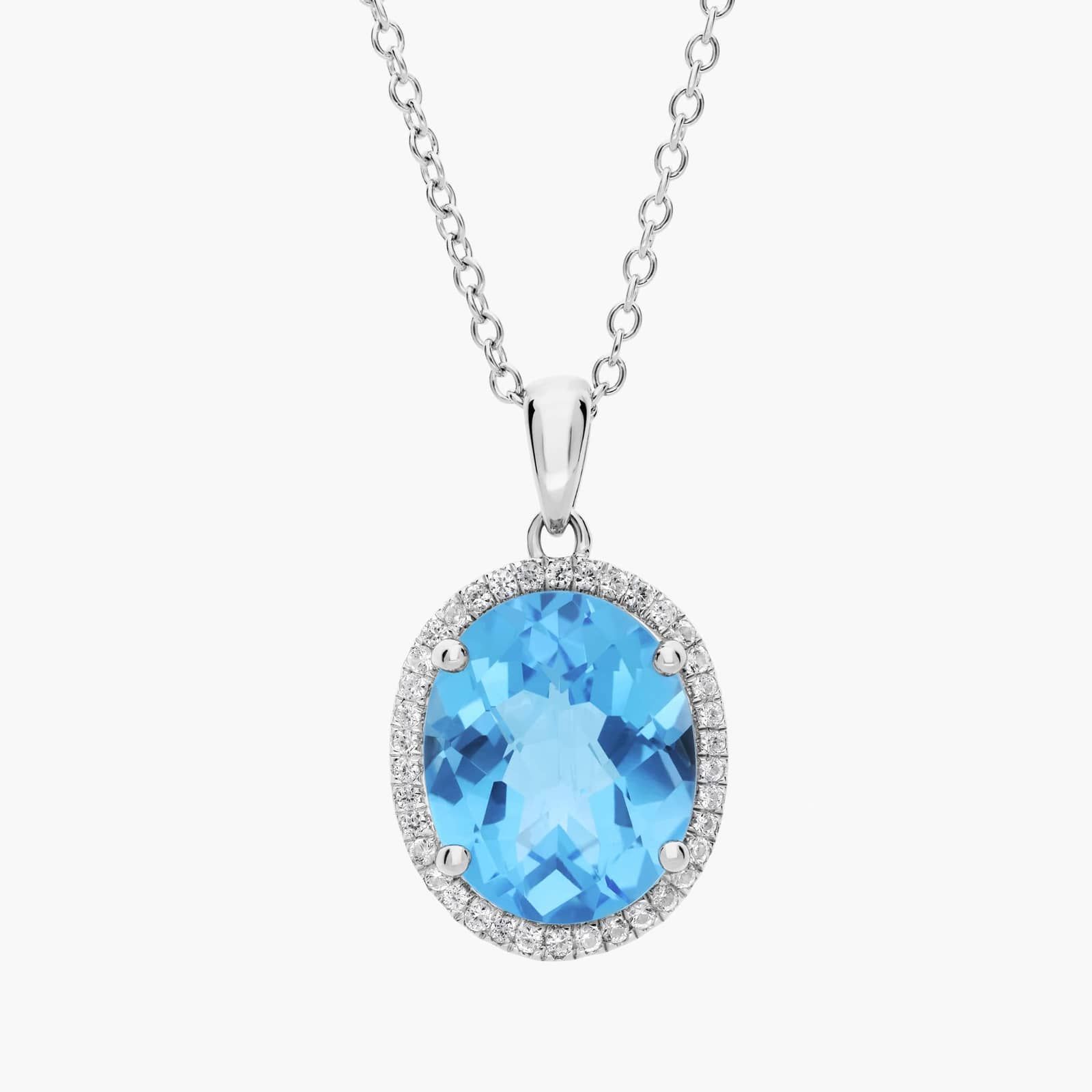
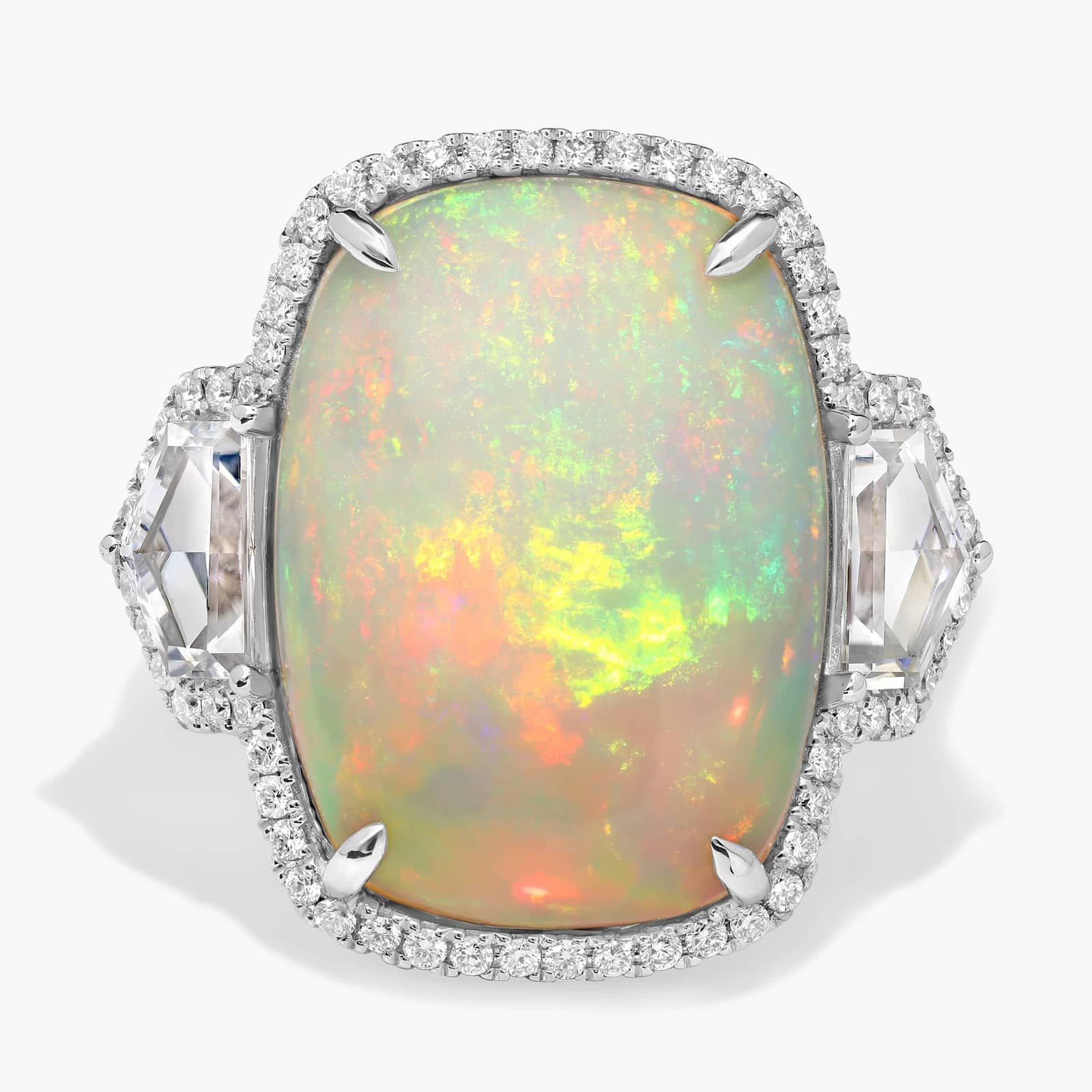
White sapphire is a natural, colorless alternative to diamond with a softer, more understated appearance. Its silvery or slightly milky shine is one of the most noticeable differences when comparing sapphire vs. diamond.
The hardness, excellent toughness and lack of cleavage make white sapphires practical for frequently worn rings, at a lower price than diamonds. Its understated brilliance also suits those who prefer a softer look in solitaires, halos and accent settings.
11. Moissanite
- Best for: Frequently worn engagement rings that combine intense rainbow fire, excellent durability and a lower price than diamond
- Durability: Hardness 9.25 on the Mohs scale; highly resistant to scratching and durable enough for everyday wear
- Price: $$
With stronger rainbow fire than diamond, moissanite offers a bold look at a lower price than a natural diamond. Its bold light performance suits solitaires and halo designs that draw attention to the center stone.
Most jewelry-quality moissanite is lab-created, but it is a diamond simulant, not a lab-grown diamond. Compare moissanite and diamond to see how their appearance, origin and price align with your preferences.
How to Choose a Diamond Alternative that Works for You
The right choice among these 11 alternatives to diamonds depends on what you’re buying and how you plan to wear it.
An everyday engagement ring may have different requirements than an occasional statement piece, travel ring or birthstone gift. Keep the following factors in mind:
- Look: For a diamond-like appearance, consider lab-grown diamonds, moissanite, white sapphire, cubic zirconia or white topaz. Morganite, aquamarine, emerald, sapphire, ruby and garnet offer color and individual character.
- Durability: Lab-grown diamonds, moissanite, sapphire, white sapphire and ruby are strong choices for everyday wear. Aquamarine and morganite are also durable with proper care, while white topaz, garnet, emerald and cubic zirconia require more mindful handling.
- Budget: Cubic zirconia, white topaz and garnet generally occupy the lowest price tier. Moissanite, white sapphire, morganite and aquamarine offer additional midrange choices, while lab-grown diamonds, emeralds, sapphires and rubies can command higher prices depending on quality, size and setting.
- Origin: If you prefer a non-mined option, consider lab-created diamonds, moissanite or cubic zirconia. For natural gemstones, available sourcing information may offer another useful point of comparison.
Find the Perfect Diamond Alternative with Blue Nile
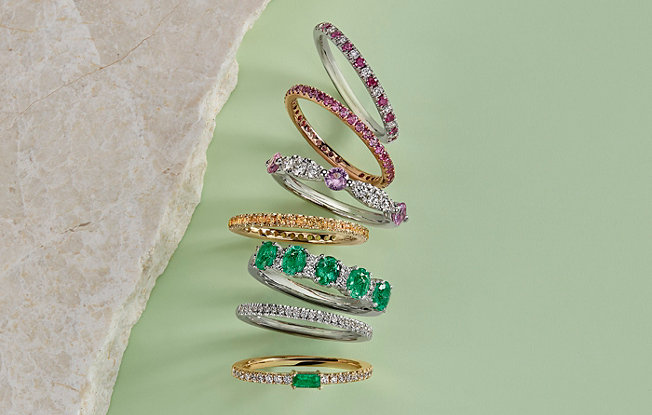
The decision will reflect both your priorities and the meaning you want your jewelry to carry. Colorful gemstones can create memorable alternative wedding rings, while colorless diamond alternatives offer a more traditional aesthetic.
Explore our collection of gemstone jewelry and loose lab-grown diamonds to compare colors, settings and styles. Whether you are choosing an engagement ring, meaningful gift or new piece for yourself, the perfect alternative should feel distinctly yours.
Frequently Asked Questions
The best alternative depends on your priorities. Lab-grown diamonds and white sapphire are strong choices for a classic colorless look, while morganite, sapphire and emerald offer distinctive color and character.
“Alternative diamonds” is an informal phrase for stones chosen instead of natural diamonds. Those designed to resemble diamonds, such as moissanite and cubic zirconia, are called diamond simulants.
Lab-grown diamonds have the same properties as natural diamonds, while colored gemstones form a separate group of alternatives.
Several colorless gemstones offer a diamond-like appearance at a lower price than natural diamonds. Among lab-created options, cubic zirconia is the most affordable, while moissanite offers greater brilliance and durability; natural options such as white sapphire and white topaz provide subtler shine.
A divorce ring is purchased or redesigned after a divorce to symbolize independence, personal growth or a new chapter. Some people repurpose stones from a former engagement or wedding ring, while others select an entirely new design.
Diamond alternative is a broad term that can include lab-grown diamonds, colorful gemstones and stones chosen to resemble diamonds. A diamond simulant specifically imitates the appearance of a diamond but has different chemical, optical and physical properties.
Diamond alternatives are generally better chosen for their beauty, wearability and personal meaning than for an expected financial return. Rarity, materials, condition, documentation and market demand can all affect whether jewelry is a good investment.
The durability of diamond alternatives varies by stone. Lab-grown diamonds, moissanite, sapphire and ruby are well suited to daily wear, while morganite, garnet, white topaz, emerald and cubic zirconia require more careful handling to maintain their beauty over time.
Disclaimers:
* The Mohs Scale of Hardness ranks minerals from 1 to 10 according to their resistance to scratching. Overall durability also depends on toughness, defined as resistance to chipping and breaking, and suitability for the intended wear.
† $ indicates a generally lower-priced option, $$ indicates a midrange option and $$$ indicates one of the generally higher-priced options in this table. Actual prices vary based on quality, size, treatment, origin, and setting. A range indicates that prices may span multiple tiers.


Share




 Live Chat
 +1‑800‑242‑2728
 Email Us

