










Key takeaways:
- Warm water and mild dish soap work well for cleaning plain solid gold jewelry.
- Check gemstones and surface finishes before cleaning, since plated pieces and delicate stones need different care.
- Avoid abrasive household products such as toothpaste and baking soda pastes, which can scratch gold or wear away plating.
- Have loose stones or damaged settings checked by a jeweler before cleaning.
Your favorite gold jewelry can carry years of memories, and a little care helps keep it looking its best.
Everyday buildup can dull its appearance even though pure gold is resistant to tarnishing. The safest way to remove it depends on the piece’s gemstones and finish. Find out how to clean gold at home, which household products to avoid and when to consult a professional jeweler.
Why Do You Need to Clean Gold Jewelry?
Even when you’re careful with your gold jewelry, everyday wear can leave its mark. Lotions, skin oils and soap residue gradually form a film that masks the metal’s luster. This buildup can also settle between chain links and beneath stone settings, beyond the reach of a quick wipe.
In addition, most gold jewelry is made from an alloy—a mixture of gold and other metals. Metals such as copper or silver add strength and influence its color.
They can also react with moisture or chemicals, causing tarnish, which differs from surface dirt. Regular cleaning removes everyday buildup, helping your jewelry look its best.
How to Clean Gold Jewelry at Home
When cleaning your gold jewelry at home, a gentle wash is often enough to remove everyday buildup. For more stubborn residue, a jewelry cleaning solution or an ultrasonic cleaner may help, provided it is suitable for every material and finish on your piece.
Before cleaning, check for loose stones or damaged settings and clasps. Leave pieces that need repairs to a jeweler.
The table below summarizes the three methods and their limits:
| Cleaning Method | Items Needed | Instructions |
| Warm water and dish soap | Mild dish soap Warm water Two bowls Soft brushLint-free cloth | For suitable pieces, soak, brush gently, rinse in clean water and dry fully. |
| Jewelry cleaning solution | Compatible gold cleanerContainerLint-free cloth | Check all materials against the label, then follow the directions for cleaning, rinsing and drying. |
| At-home ultrasonic cleaner | Ultrasonic machineRecommended liquid Lint-free cloth | Confirm suitability with a jeweler, then use the recommended solution and cycle length. Exclude delicate stones and finishes. |
Method 1: Warm Water and Dish Soap
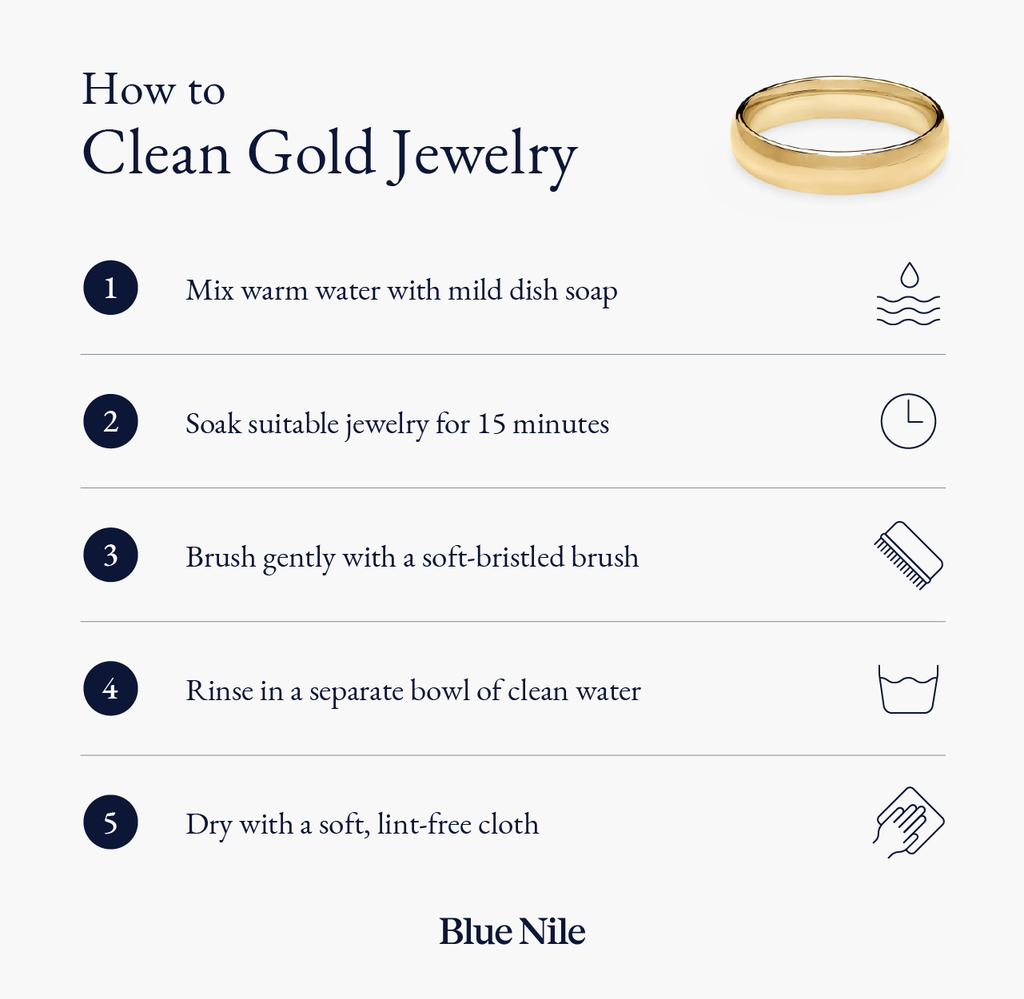
Mild soap and warm water work well for plain solid gold and jewelry with securely set, untreated diamonds, sapphires or rubies. For suitable pieces, follow these steps:
- Prepare the solution. Fill a small bowl with warm, not hot, water and add a few drops of mild liquid dish soap without bleach or abrasives.
- Soak. Leave the jewelry in the solution for about 15 minutes to loosen residue. Keep pieces separate so they don’t rub together.
- Brush gently. Use a clean, soft-bristled brush to reach crevices without pressing hard against settings.
- Rinse. Swish the jewelry in a separate bowl of clean water to remove soap. Avoid rinsing over an open drain.
- Dry. Pat the piece with a soft, lint-free cloth and allow it to air-dry fully before storing it.
Method 2: Jewelry Cleaning Solution
A store-bought cleaner can be useful for buildup that remains after a gentle wash. Choose a nonabrasive, ammonia-free formula labeled as suitable for gold and every gemstone or finish in your piece.
Follow the product’s directions for dilution, contact time, and rinsing. A cleaner intended for gold is not automatically suitable for pearls, plated finishes or treated gemstones, so check those restrictions before dipping your jewelry.
Method 3: At-Home Ultrasonic Cleaner
Ultrasonic jewelry cleaners use high-frequency sound waves in water or cleaning solution to dislodge buildup. They can reach intricate areas, but the vibrations may loosen stones or damage certain materials. Ask a jeweler to check whether your piece can be cleaned in an ultrasonic machine.
Some pieces that tolerate gentle hand washing may be damaged by ultrasonic cleaning. Keep gold-plated jewelry, fragile antique pieces and designs with glued components or enamel out of these machines. Pearls, opals, emeralds, turquoise and fracture-filled gemstones are also unsuitable.
How to Clean Gold by Jewelry Type
Once you’ve chosen a suitable cleaning method, pay a little extra attention to the areas where residue tends to collect. Settings, chain links and earring backs can need more care than exposed surfaces.
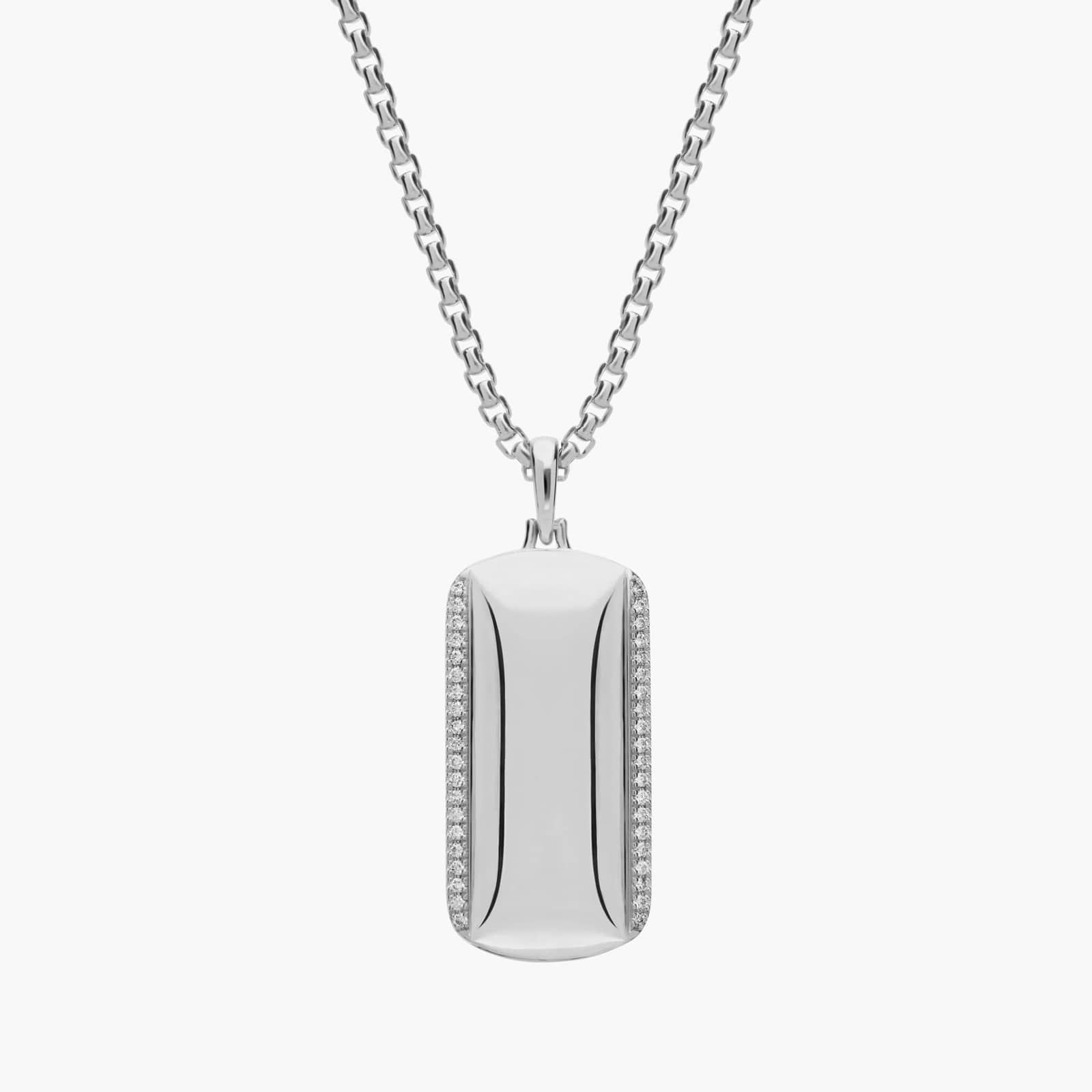
How to Clean Gold Rings
A gold ring’s setting can trap residue beneath the stone and around prongs. Use a soft brush to reach these areas without pressing against the prongs. Clean the inner surface of the ring and any grooves or engravings where residue can settle.
How to Clean Gold Chains
A gentle touch is essential when cleaning a gold chain. Work on one necklace at a time to prevent tangles and use a soft brush to reach between links and around the clasp. Support delicate sections rather than pulling the chain taut. Avoid twisting or forcing stiff links and lay the necklace flat to dry.
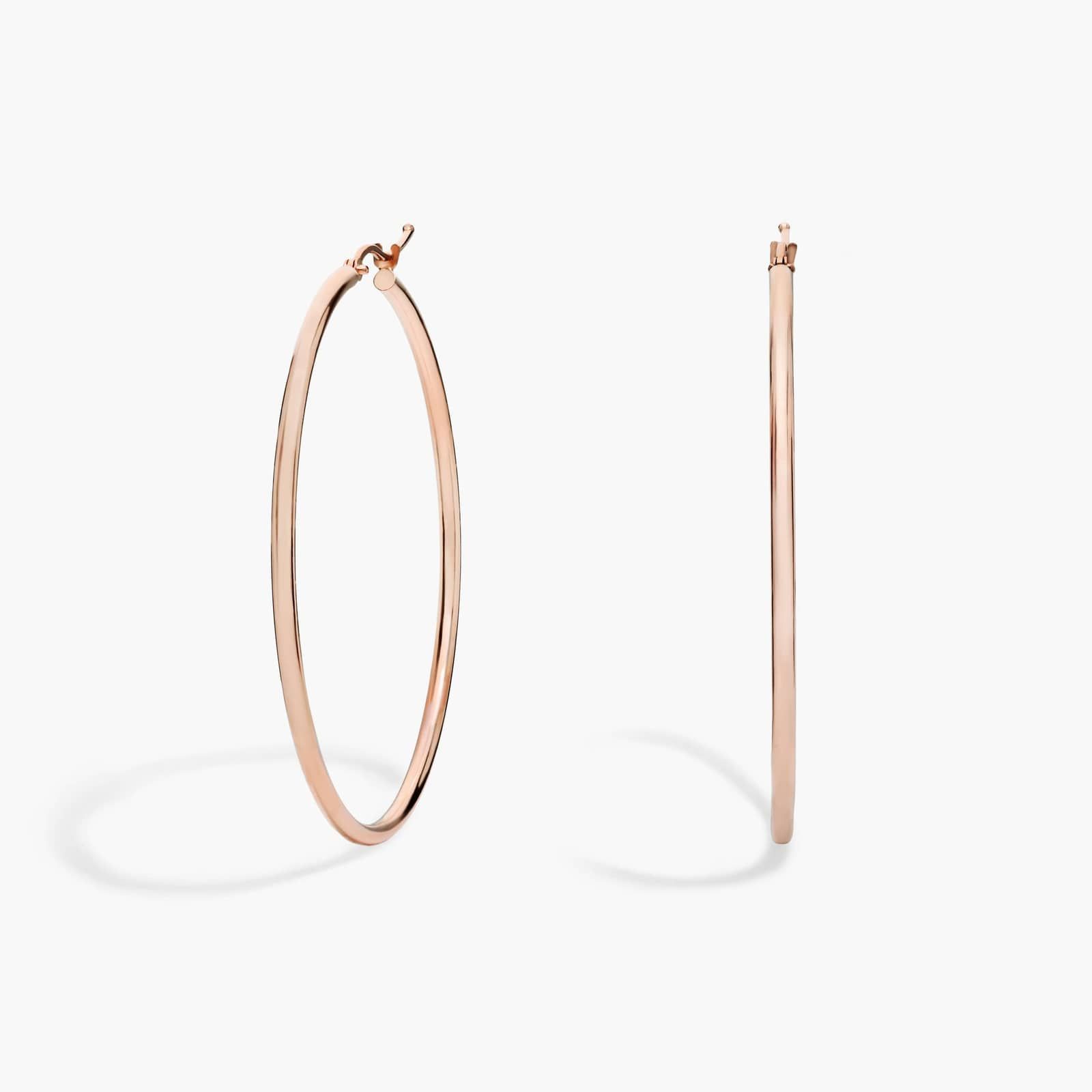
How to Clean Gold Earrings
To clean gold earrings thoroughly, remove detachable backs and clean them separately, paying attention to their grooves and openings. Gently clean posts, hooks and hinges where skin oils and residue collect. Rinse away all soap and let each component dry fully before reassembling and wearing your earrings.
How to Clean Different Types of Gold
Gold jewelry’s care needs vary with its purity and how the piece is made. The gentle methods above provide a starting point, with a few adjustments to protect softer alloys and surface finishes.
How to Clean Yellow Gold Jewelry
When cleaning 14k gold, mild soap, warm water and a soft brush are generally the best approach. However, differences between gold karats affect the metal’s softness.
Higher-karat yellow gold, such as 18k or 24k, is generally softer. Be sure to use light pressure and avoid abrasive cleaners on these higher karats, especially on polished surfaces.
How to Clean White Gold Jewelry
White gold often has a rhodium coating that gives it a bright white finish. Use mild soap and a soft cloth or brush without vigorous rubbing. If a yellowish tone remains after cleaning, the coating may be worn and need professional replating. This additional maintenance requirement is one of the main distinctions between platinum and white gold.
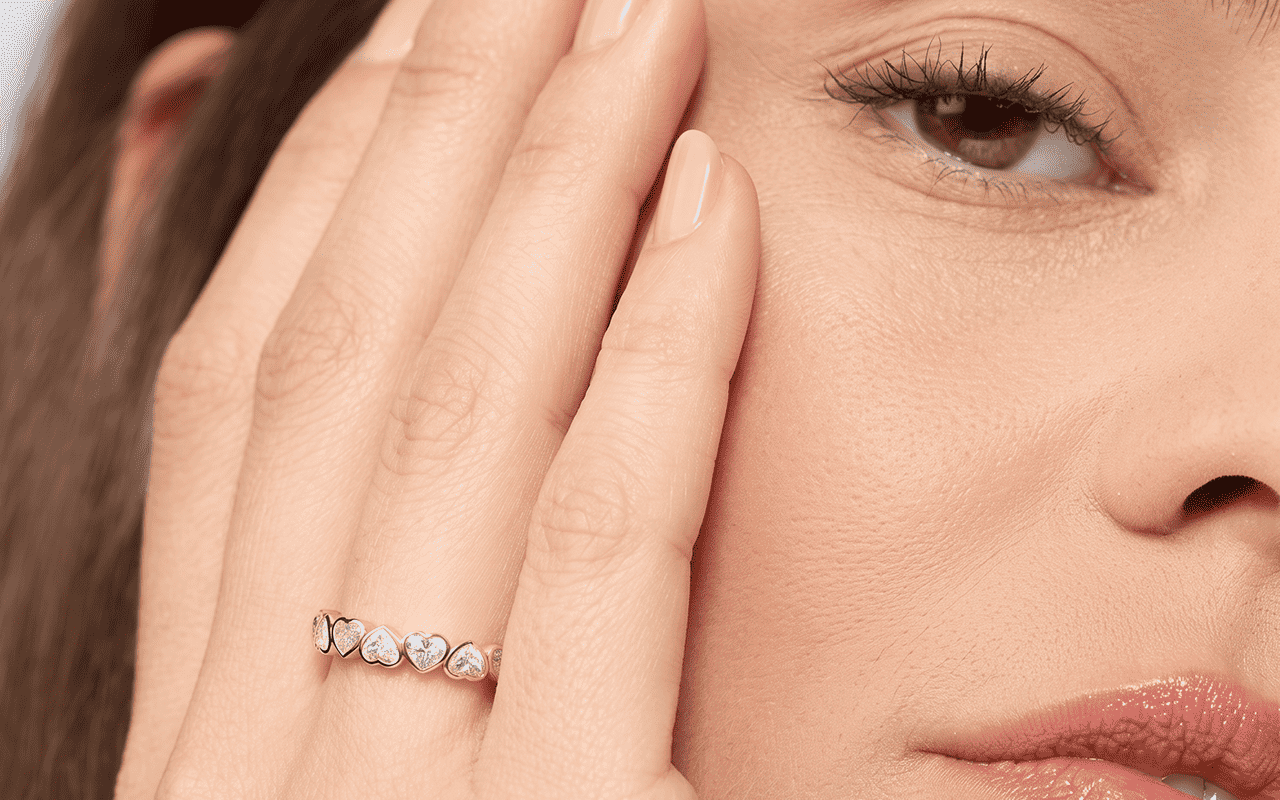
How to Clean Rose Gold Jewelry
Rose gold is a gold alloy that gets its pink color from copper. That copper can also contribute to discoloration. Clean solid rose gold with mild soap and warm water, then dry it thoroughly. Remove pieces before swimming or using household cleaners, and keep them away from direct contact with perfume.
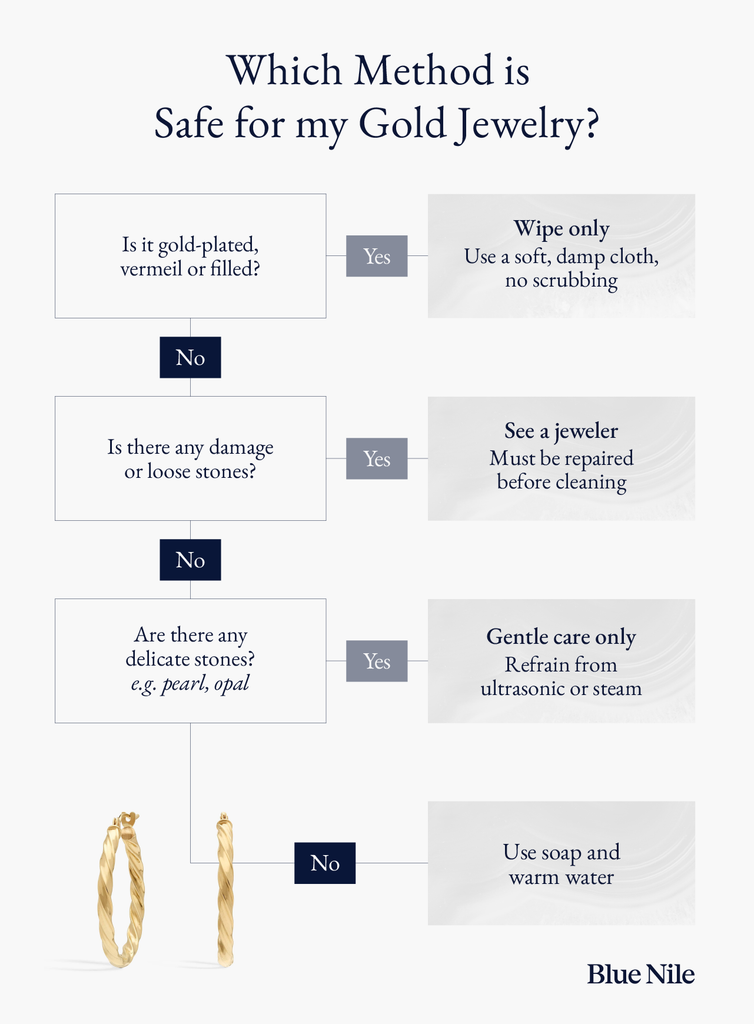
How to Clean Gold-Plated Jewelry
Gold-plated pieces have a layer of gold applied over another metal. Gold vermeil is a specific type of gold plating over sterling silver. These pieces need the gentlest approach.
Wipe with a soft, nonabrasive cloth and avoid scrubbing, polishing compounds and liquid jewelry dips. This includes silver cleaners, even though vermeil has a silver base.
Gold-filled jewelry has a thicker layer of gold mechanically bonded to a base metal, making it generally more durable than thin plating. However, gold-filled pieces also benefit from gentle cleaning.
Check the maker’s care guidance before using soap and water on any of these finishes, and remember that cleaning cannot replace a worn gold layer.
How to Clean Gold Jewelry With Diamonds or Gemstones
For gold jewelry set with stones, the gemstone’s care needs matter as much as the metal’s. Choose a cleaning method based on the gemstone and how it’s set:
- Diamonds and hard gems like sapphires and rubies: Warm water, mild soap and a soft brush generally work well for securely set stones. Treated stones may need different care, so check their care instructions before soaking or using a commercial cleaner.
- Delicate gemstones like pearls, opals, emeralds and turquoise: Wipe pearls with a soft cloth for routine care. Gentle cleaning with warm soapy water can suit opals, emeralds and turquoise, depending on treatments and construction. Avoid abrasive cleaning, steam and ultrasonic machines.
- Glued or tension settings: Wipe jewelry with glued-in stones using a barely damp cloth instead of soaking it. Avoid putting pressure on a tension-set stone, and use only cleaning methods recommended by the maker.
Household Cleaners to Avoid on Gold
A cleaning product that cuts through grime around the house may be too harsh for your gold jewelry. Avoid these common cleaning shortcuts:
- Bleach and chlorine cleaners: These can damage the metals alloyed with gold.
- Toothpaste and baking soda pastes: Abrasive particles can scratch gold and wear away plated finishes.
- Vinegar and lemon juice: Acids can damage delicate gemstones and certain surface finishes.
- Ammonia-based household cleaners and rubbing alcohol: These can damage certain gemstone surfaces or treatments.
- Hydrogen peroxide: It isn’t a general-purpose jewelry cleaner and can affect some metal finishes.
- Boiling water: Heat and sudden temperature changes can damage gemstones.
When to Take Gold Jewelry to a Professional
A jeweler can provide a professional cleaning when a gentle wash no longer improves a piece’s appearance. Because the cleaning may include using pressurized steam to dislodge residue from small crevices, they should first check for loose stones or damaged prongs.
The jeweler should also confirm that steam is safe for the gemstones, since heat and pressure can damage delicate or treated gems. If your jewelry has deep scratches or worn plating, you may need professional polishing or replating. For heirlooms, ask which cleaning method is safe before trying it at home.
How Often Should You Clean Gold Jewelry?
At-home care: Clean engagement rings and other frequently worn jewelry every one to two weeks, using a method suited to their materials. Wipe occasional pieces with a soft cloth after wearing, then check monthly and clean as needed before storing.
Professional care: Arrange an inspection and appropriate cleaning once or twice a year, particularly for jewelry with stones or intricate settings.
Find Gold Jewelry Made to Last at Blue Nile
Your favorite gold pieces deserve a little care to help them keep their shine and last for years. When you know how to clean gold and properly store jewelry, you’re better equipped to protect your investment in the pieces you treasure.
That knowledge can also guide your next purchase. At Blue Nile, our experts can help you compare designs and understand their care needs, so you know what to expect before you buy.
Shop our gold jewelry collection for 14k and 18k designs to add to your everyday life or give to someone special.
Frequently Asked Questions
Yes, real gold jewelry can tarnish because of the metals alloyed with it, although pure 24k gold does not. To help prevent gold tarnish, remove your jewelry before swimming or using household cleaners. If you’re unsure how to clean tarnished gold, ask a jeweler to assess the piece for the most appropriate cleaning technique.
The best place to buy gold jewelry is a reputable jeweler such as Blue Nile. Look for clear information about each piece’s gold purity and construction, along with transparent pricing and return policies. If you’re still deciding which metal suits you, our silver or gold jewelry test can help you narrow your choice.
We don’t recommend rubbing alcohol for routine gold jewelry cleaning, particularly for pieces with delicate or treated gemstones. Use a cleaning method approved for every material in your piece, rather than assuming a product safe for the metal will also suit the stones.
Hydrogen peroxide isn’t recommended as an all-purpose cleaner for gold jewelry because its disinfecting properties can be unsuitable for certain materials and finishes. Instead, choose mild soap and water or a compatible jewelry cleaner.
No, toothpaste isn’t suitable for cleaning gold jewelry. Its abrasive ingredients can scratch the metal and damage softer gemstones or plated finishes.
We recommend avoiding baking soda pastes on gold jewelry because abrasive rubbing can scratch polished surfaces or wear off plated finishes. Mild soap and warm water offer a gentler option for pieces suitable for washing.


Share


 Live Chat
 +1‑800‑242‑2728
 Email Us


