Key Takeaways:
- Gold tends to flatter warm undertones, while silver complements cooler skin undertones.
- Natural light is the most reliable way to see whether gold or silver suits your skin tone.
- Personal style, wardrobe and jewelry design can influence your metal choice just as much as skin undertone.
If you’ve ever wondered whether you should wear gold or silver, this silver or gold jewelry test helps you find the answer.
Choosing between metal colors isn’t just about preference. Your skin’s undertone, personal style and even your everyday wardrobe all play a role in which metals look most flattering. Exploring the different tones of gold can also help you refine your choice.
If you still have questions, the following sections show you how to test metals against your skin, recognize undertone clues and help you choose pieces to enhance your overall look.
The Gold or Silver Jewelry Quiz
Answer the questions below to find out whether gold or silver jewelry suits you best. For the most accurate result, think about how each option looks and feels in real life, not just what you prefer in theory.
How to Tell if Gold or Silver Looks Better on You
If you’re still unsure after taking the gold and silver jewelry test, comparing metals in natural light can help confirm your choice. Daylight provides the most accurate view of how each metal interacts with your skin, while indoor lighting can cast warm or cool hues that can distort the result.
Make sure your jewelry is clean before testing, as buildup or residue can affect how each metal reflects light. Compare gold jewelry to silver pieces by holding them up to your face and noting any differences. The right metal will make your complexion look more even and balanced.
This difference you notice is influenced by your skin’s undertone, which helps explain why one metal tends to look more flattering than the other. In most cases, the best choice is the one that blends seamlessly with your skin. The type of metal can also affect what you see—especially when comparing solid pieces to gold-plated jewelry.
What Warm Undertones Usually Wear Best
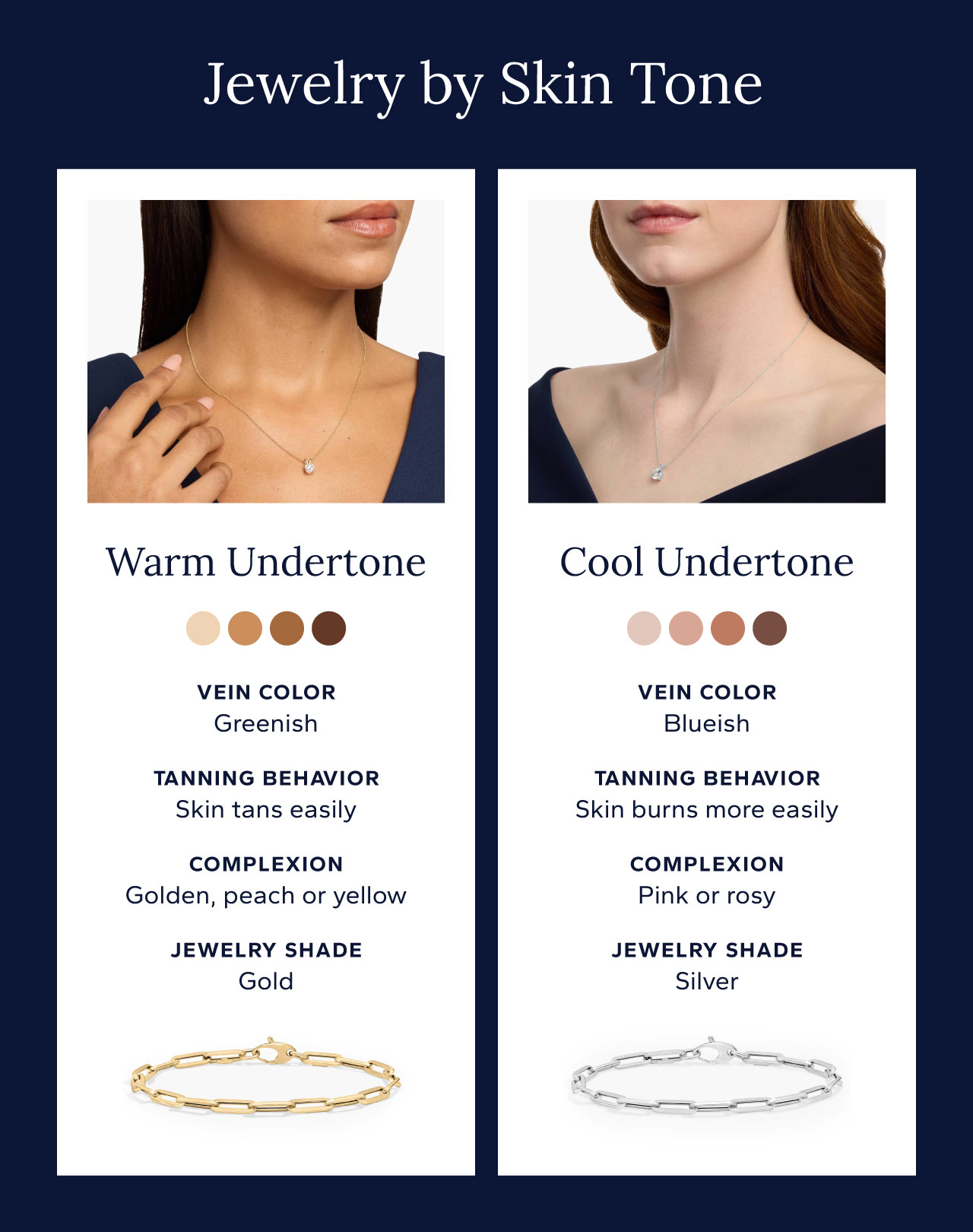
Warm undertones are characterized by yellow, peach or golden hues beneath the skin. In color theory, warm colored metals tend to harmonize with these tones because they reflect similar wavelengths of light, creating a balanced appearance.
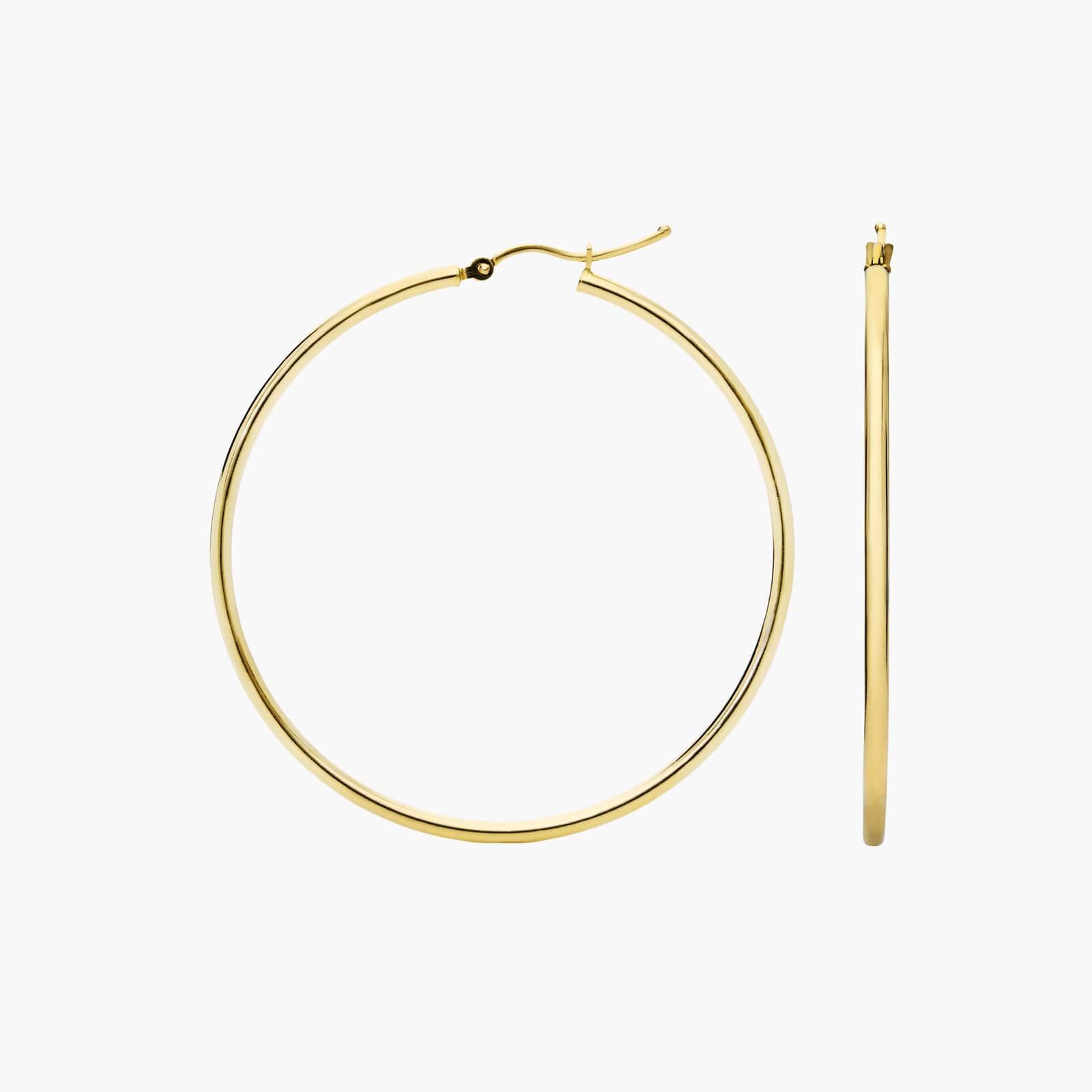
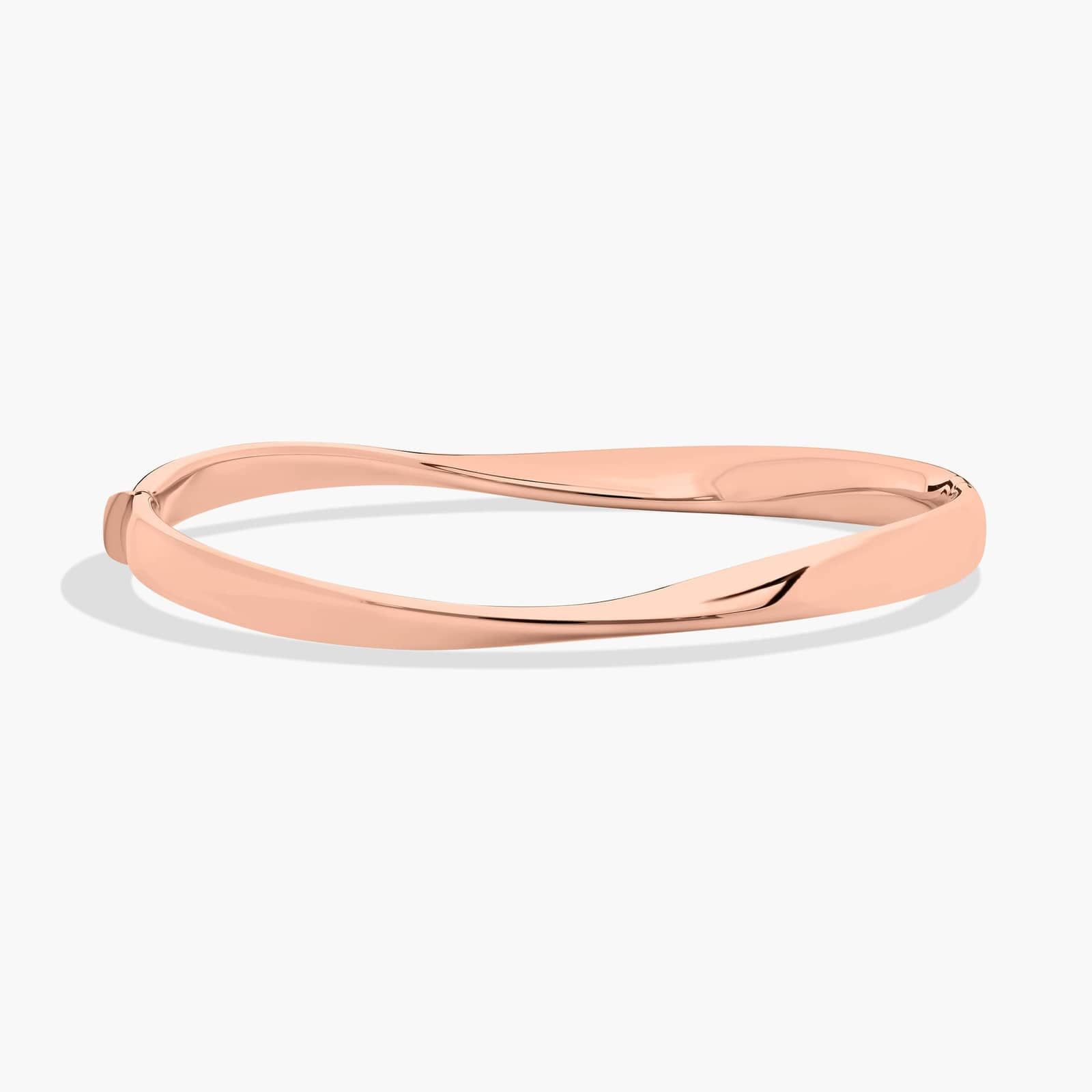
Gold and rose gold jewelry are especially flattering on warm complexions because they enhance the skin’s natural coloring.
Signs of Warm Undertones
If you’re not sure whether you have warm undertones, look for a few common indicators:
- Veins on your wrist appear greener than blue
- Your skin tans easily rather than burning
- Your complexion has a golden, peach or yellow cast
Use these signs only to help guide your decision. They should be considered general indicators rather than strict rules, since how metals look against your skin can vary in real-world settings.
Best Jewelry Metals for Warm Undertones
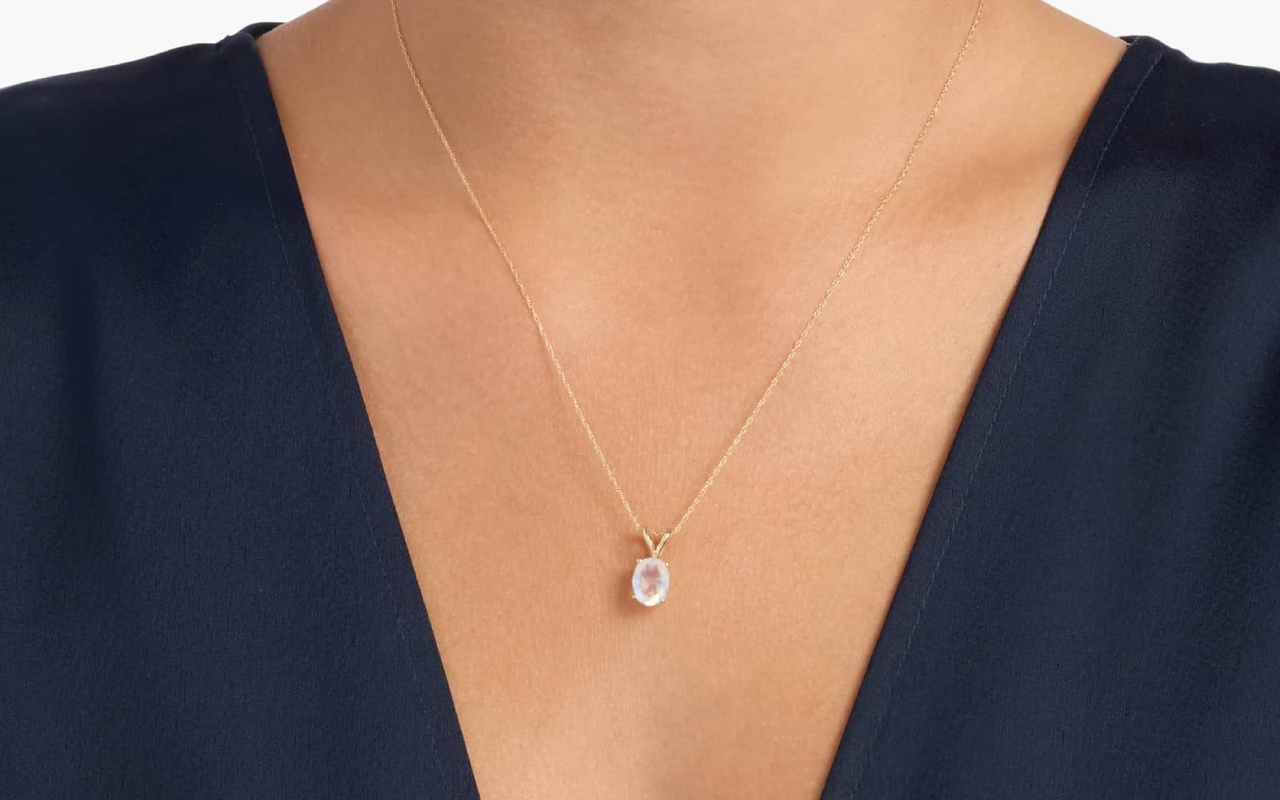
Yellow gold jewelry is often the most flattering choice for warm undertones because it mirrors the natural warmth in the skin. Rose gold and bronze-toned metals can also work well, adding depth while maintaining a cohesive look.
These metals tend to blend seamlessly with warmer complexions, creating a soft, natural effect rather than a sharp contrast.
Styling Tips for Warm Undertones
Warm-toned jewelry pairs well with earthy colors and rich neutrals like cream, olive, brown and warm reds. These combinations create a cohesive palette that feels intentional and balanced.
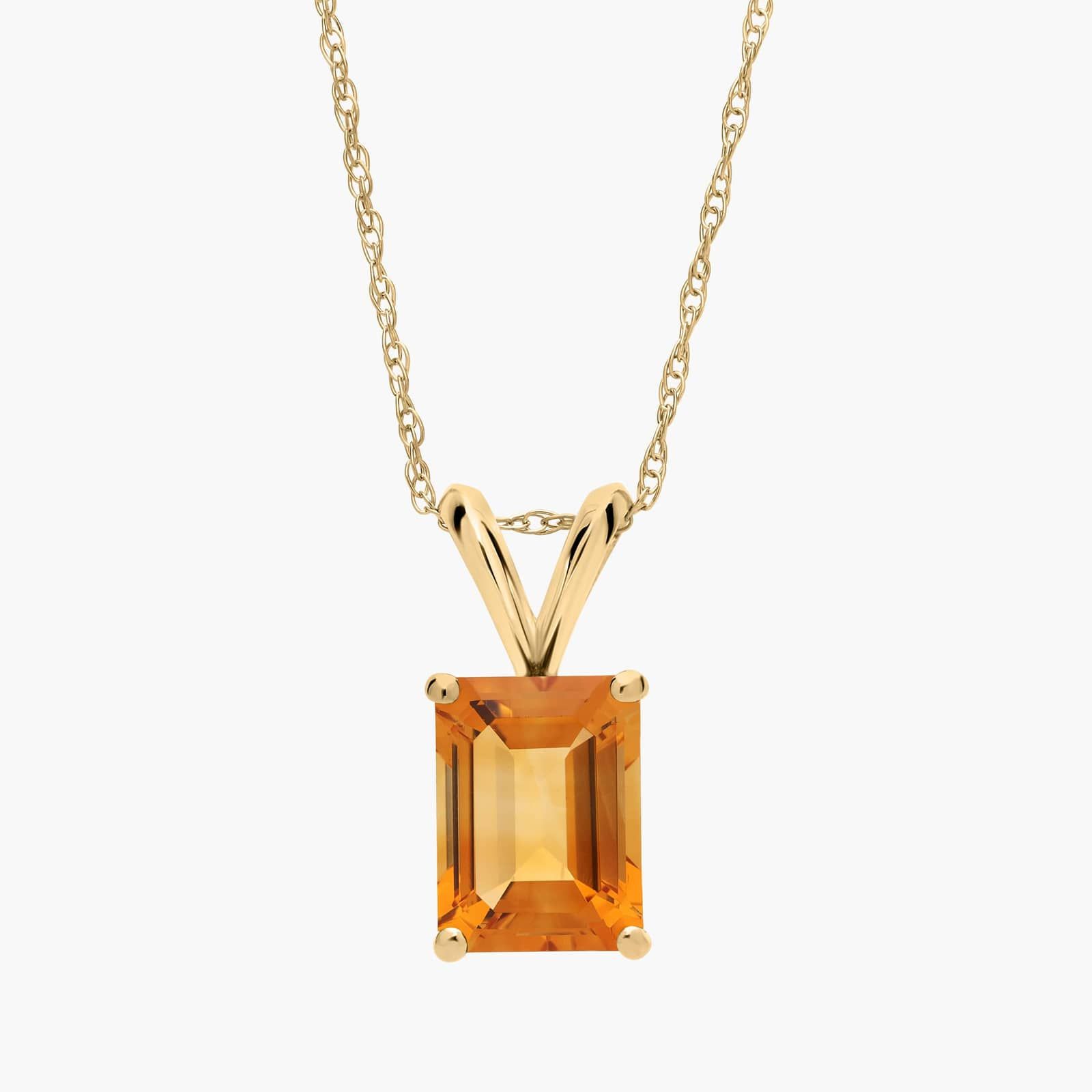
For added dimension, consider gemstones in warm hues such as amber, citrine or garnet, which complement gold-toned settings and enhance the overall warmth of your look.
What Cool Undertones Usually Wear Best
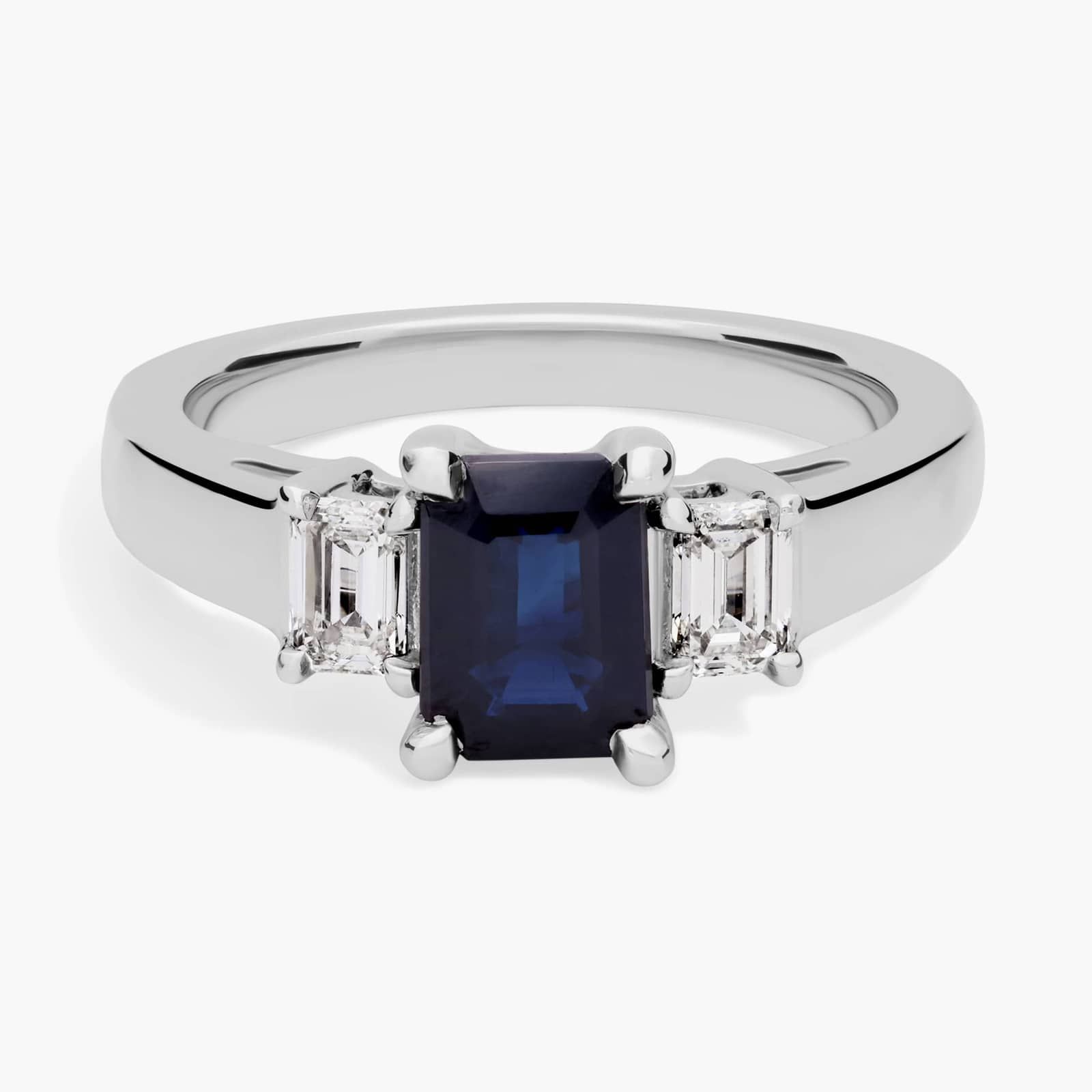
If your skin has hints of pink, red or blue, you’re likely working with cool undertones. Cooler metals reflect light differently, creating contrast against these tones and making the complexion appear more cohesive.
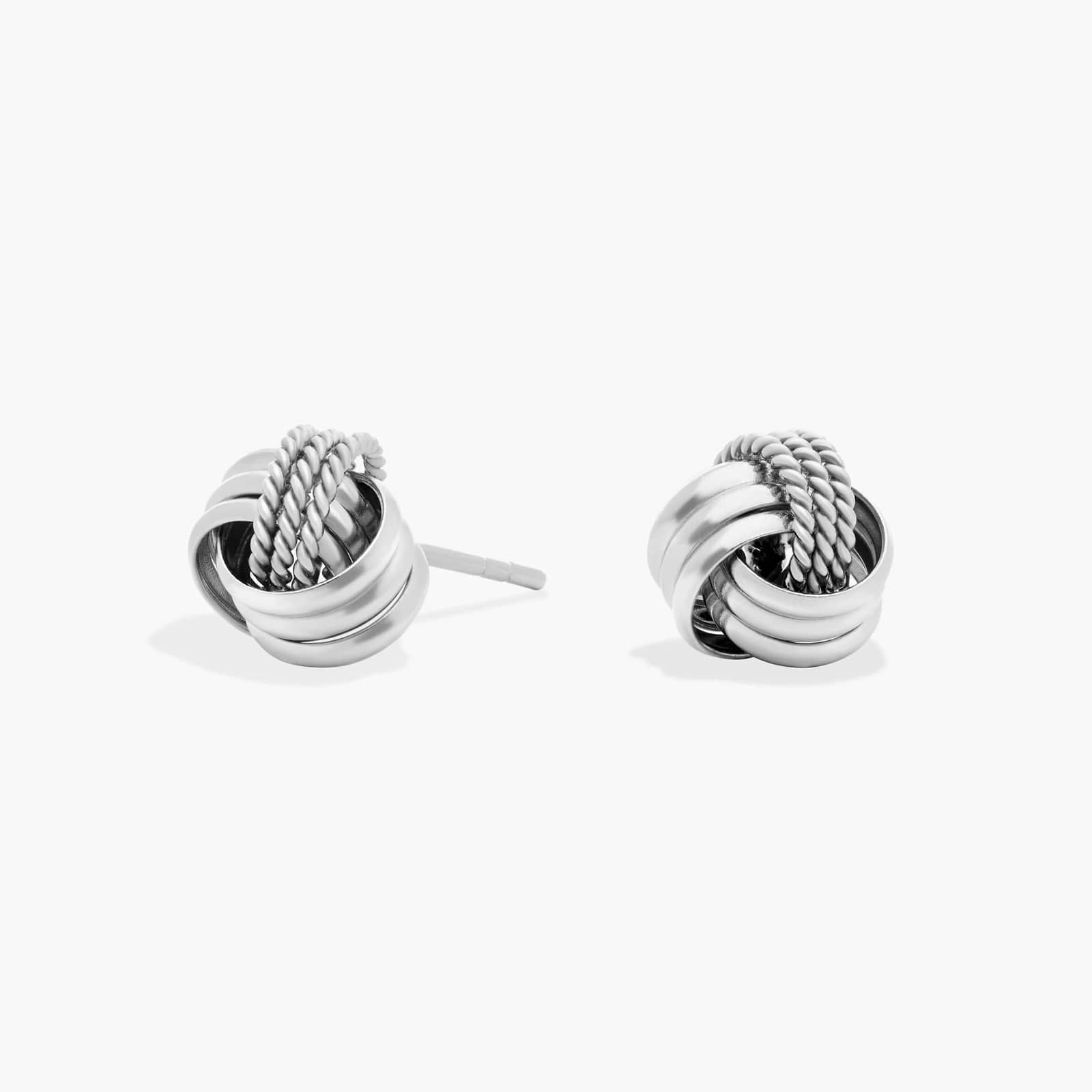
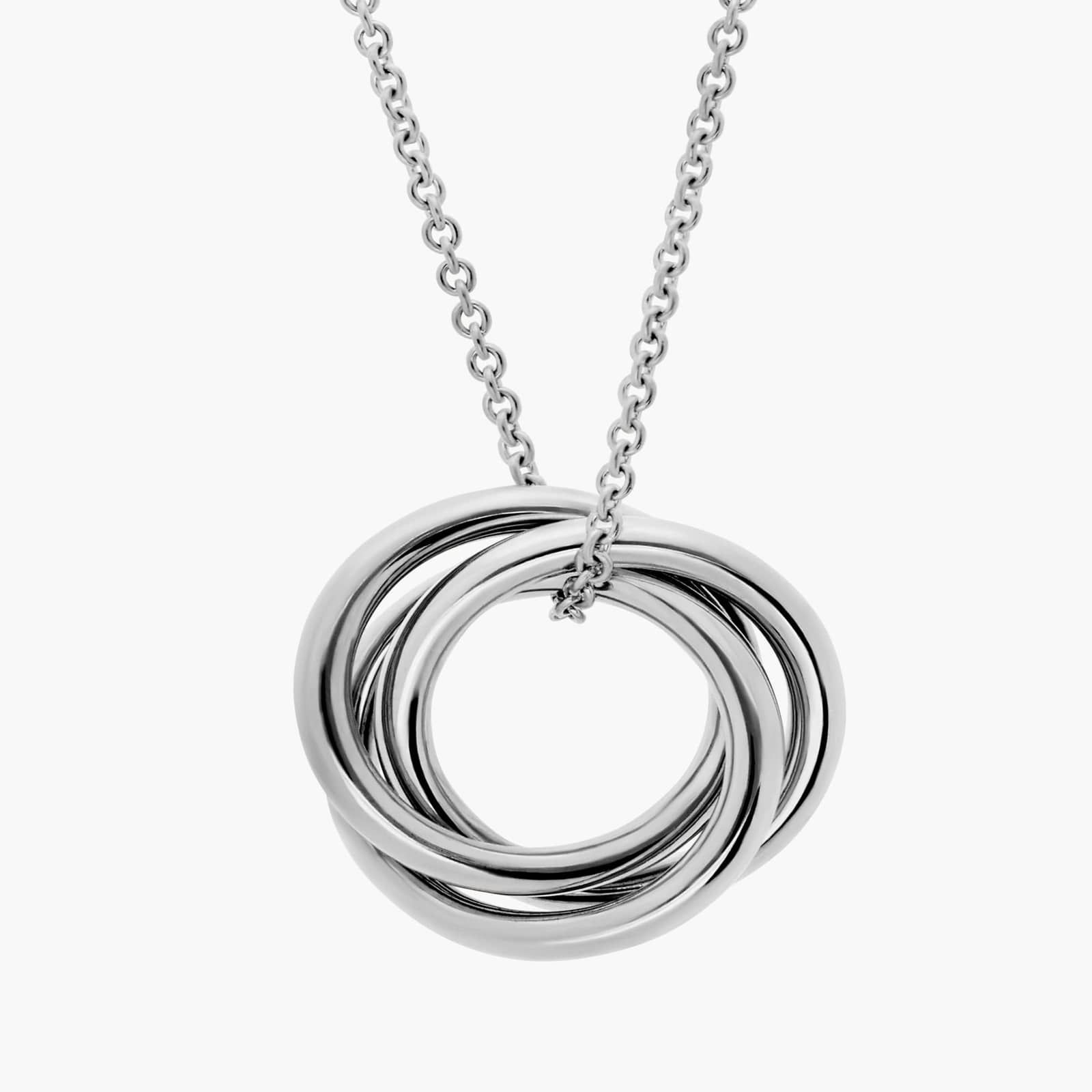
Silver-toned jewelry often stands out on cool complexions, enhancing clarity and creating a more polished finish.
Signs of Cool Undertones
If you think you may have cool undertones, look for these common indicators:
- Veins on your wrist appear blue or purple
- Your skin has pink or rosy tones
- You tend to burn more easily than tan
These cues can point you in the right direction, but they aren’t definitive. The way metals look against your skin in natural light can still vary.
Best Jewelry Metals for Cool Undertones
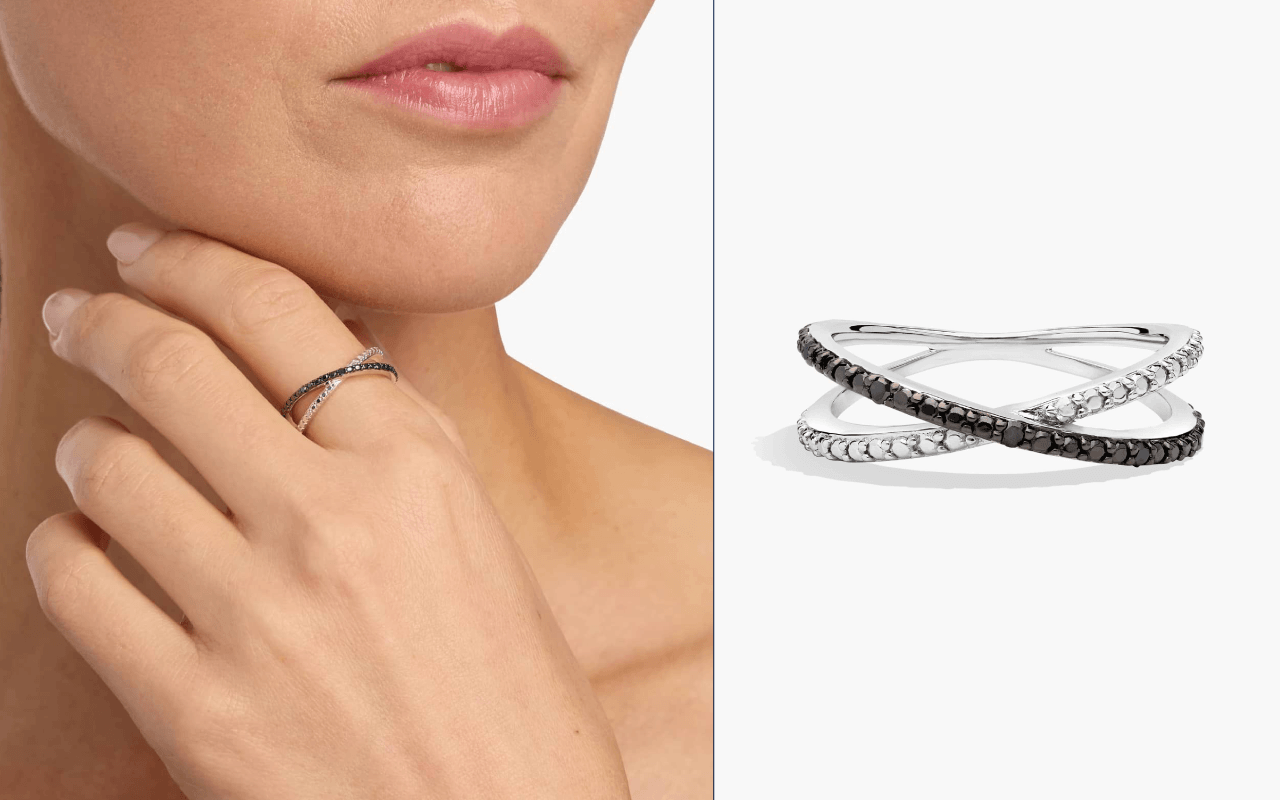
Silver, platinum and white gold are often the most flattering choices for cool undertones. The way these metals reflect light enhances cohesion and clarity, helping the skin appear more even and luminous.
Rather than blending in, cooler metals tend to create a subtle contrast that highlights your natural features.
Styling Tips for Cool Undertones
Pair cool-toned jewelry with crisp neutrals and saturated colors like black, white, navy and jewel tones. These combinations reinforce contrast and create a clean, polished look.
For gemstones, cooler hues such as sapphire, amethyst or aquamarine often complement silver-toned settings and enhance the overall effect.
What Neutral Undertones Usually Wear Best
Some complexions don’t lean clearly warm or cool; instead, they show a balance of both—these are considered neutral undertones. With no dominant color tone, both warm and cool metals can work equally well, giving you more flexibility in how you style your jewelry.
Signs of Neutral Undertones
If you have neutral undertones, you may notice a mix of characteristics rather than a strong lean in either direction:
- Veins appear both blue and green
- Gold and silver jewelry both look flattering on your skin
- Your complexion doesn’t clearly read as warm or cool
These traits can make it harder to categorize your undertone, but they also give you more flexibility when choosing metals.
Best Jewelry Metals for Neutral Undertones
Neutral undertones typically suit both gold and silver, since the skin doesn’t strongly favor one tone over the other. This balance allows you to choose metals based on style, outfit or occasion rather than strict undertone rules.
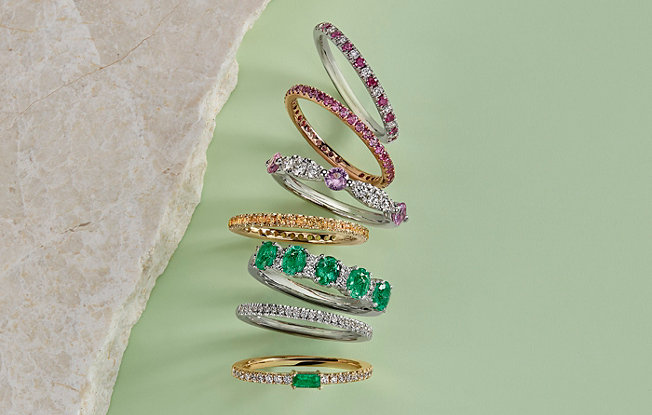
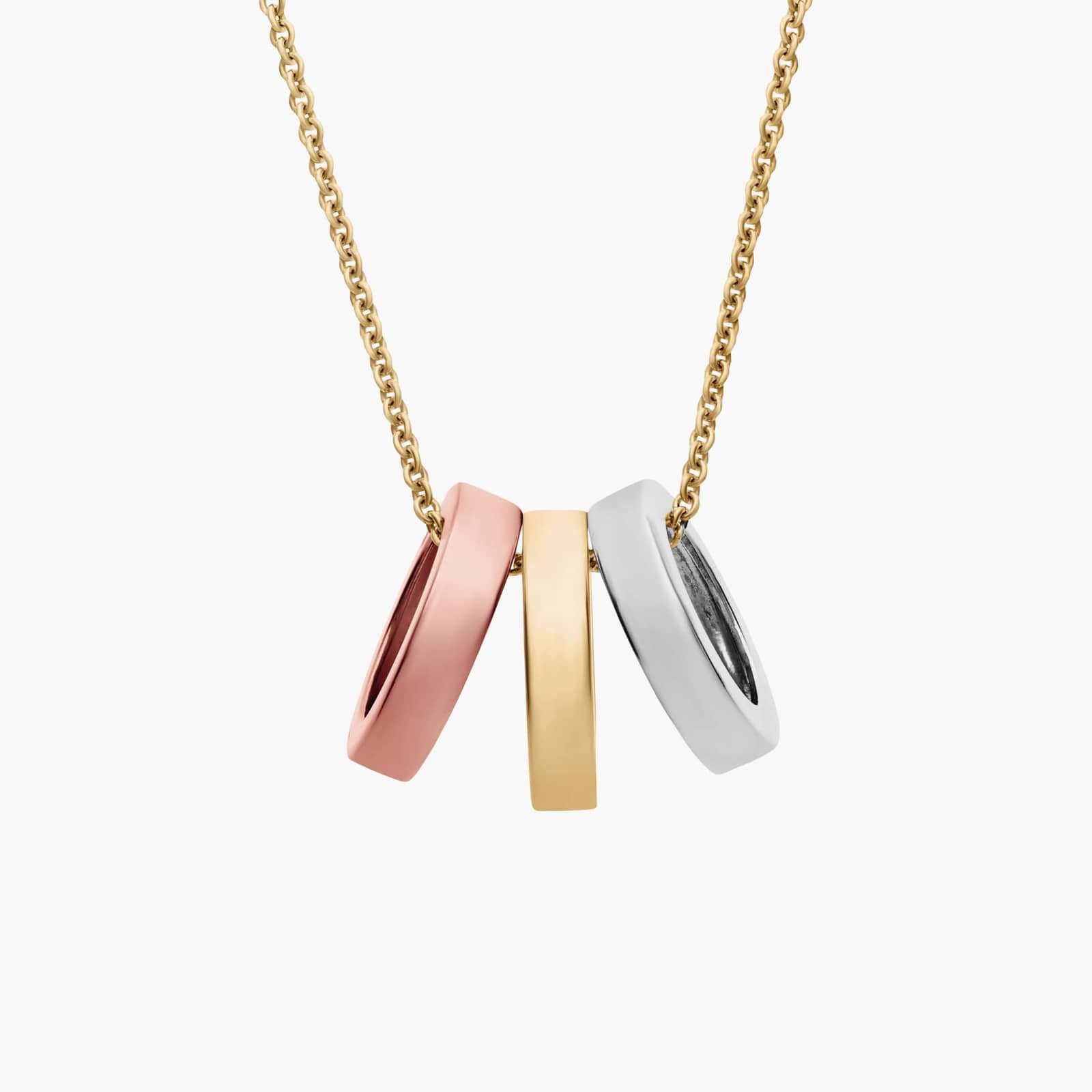
Mixed metals, rose gold and white gold can also work especially well, adding dimension without overpowering your natural coloring.
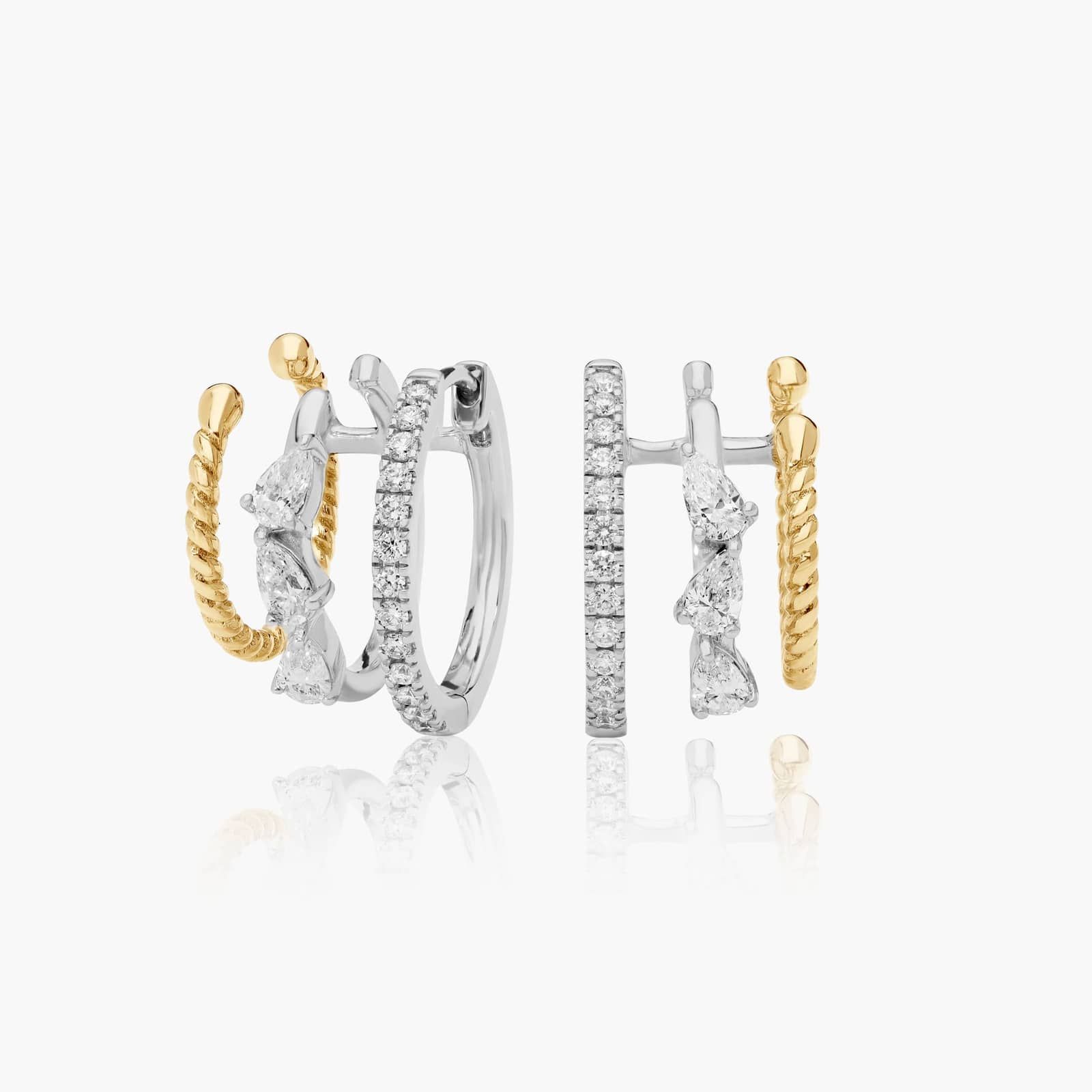
Two-Tone Triple Row Climber Huggie Earrings With Lab-Grown Diamonds In 14K Gold By James Allen
Shop Earrings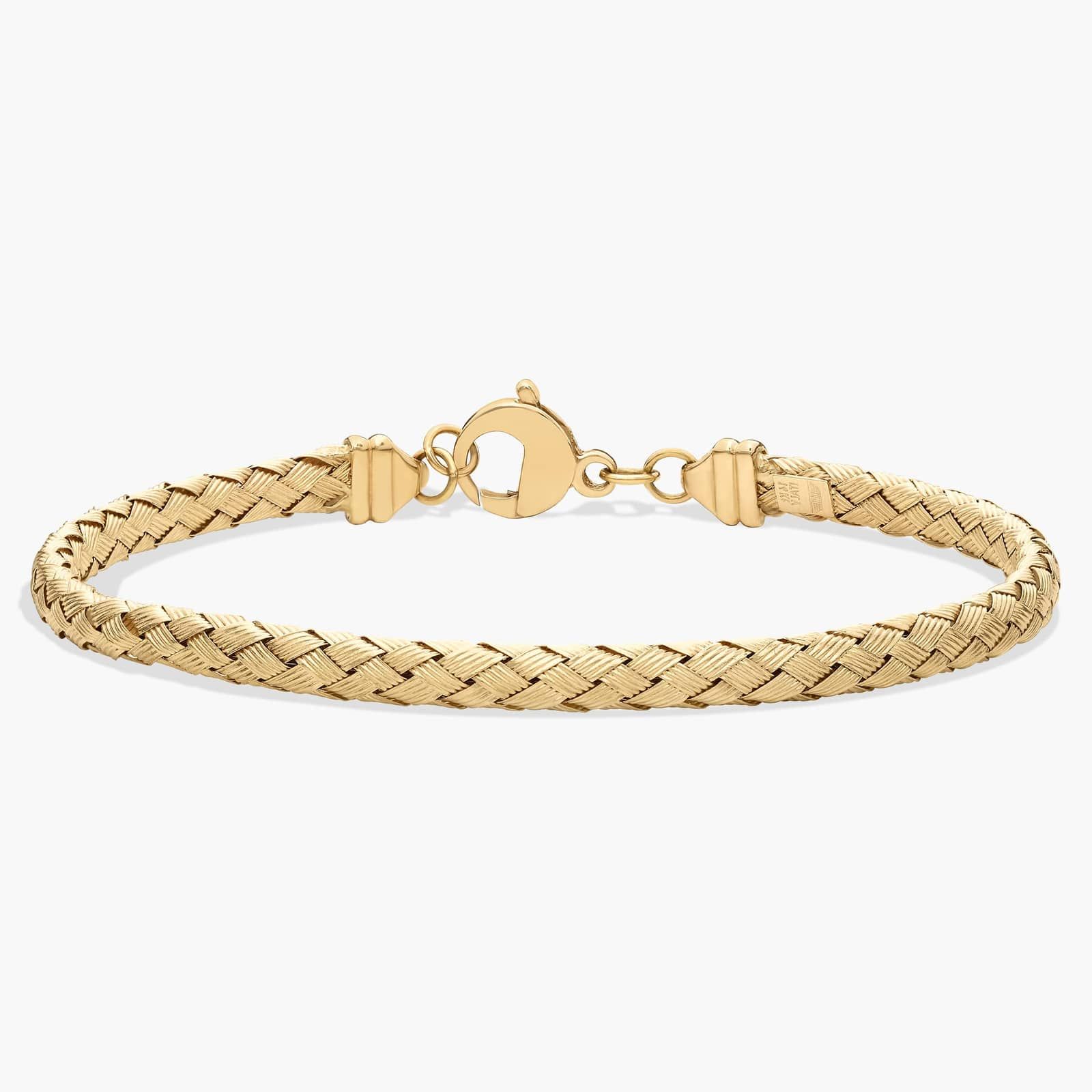
Styling Tips for Neutral Undertones
With neutral undertones, you can rotate metals to create the look you want. Gold tends to add warmth and richness, while silver offers a cooler, more refined finish.
For maximum versatility, consider mixed-metal pieces or layered looks that combine tones. This approach creates contrast while still feeling cohesive, making it easy to adapt your jewelry to different outfits and settings.
Other Factors that Influence the Best Choice
While undertone is a helpful starting point, it’s not the only factor that determines whether gold or silver jewelry looks best on you. Your wardrobe, the type of jewelry you wear and the overall design of each piece can all influence the final effect.
Looking at these elements together can help you choose jewelry that feels cohesive, intentional and aligned with your personal style.
Your Wardrobe
Your wardrobe often provides the clearest clues when deciding whether to wear gold or silver jewelry. The colors you reach for most can guide you toward metals that feel cohesive rather than distracting.
If your closet leans toward earthy tones like rust, mustard, olive and brown, gold jewelry tends to complement those shades by adding warmth without overpowering the look. Wardrobes built around cooler tones such as blue, gray, green and purple reinforce a clean, streamlined appearance.
You have more flexibility if you wear mostly neutrals like white, cream, navy or black. Both gold and silver work well with these colors, so you can switch metals based on your outfit or the look you want to create.
The Type of Jewelry
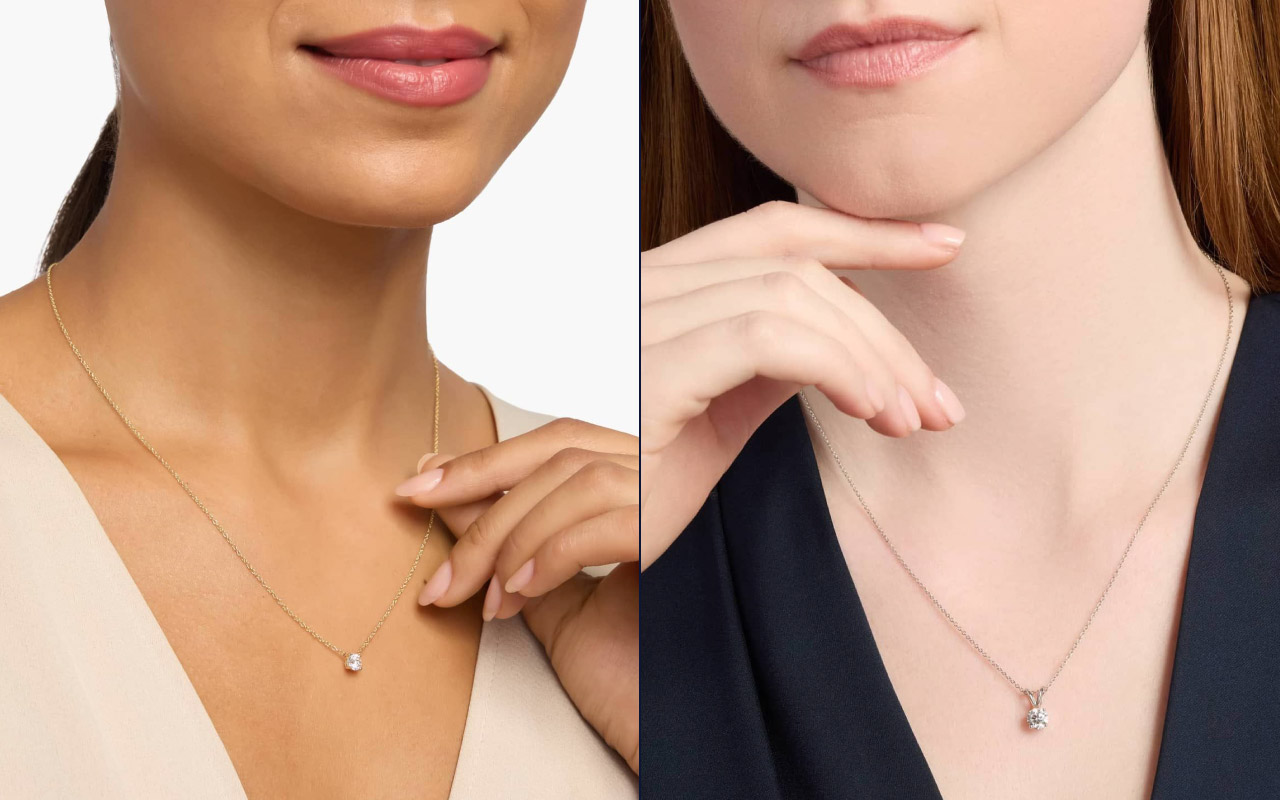
Different types of jewelry can also interact with your features in different ways. Earrings and necklaces sit closest to your face, so their metal tone tends to have the most visible impact on your overall look.
Larger or more prominent pieces can amplify that effect, while smaller, more delicate styles may feel subtle regardless of the metal. This means you may prefer one metal for statement pieces and another for everyday wear.
Gemstone and Design
The color of a gemstone can influence how the metal appears. Warm-toned stones like citrine or garnet can enhance the richness of gold settings. However, cooler stones such as sapphire or aquamarine make silver or white metals appear brighter and more defined.
Design also plays a role. Larger stones or bold settings tend to draw more attention to the metal, while more delicate designs may soften the overall effect.
Ultimately, a well-designed piece can still look great even if it doesn’t follow traditional guidelines. Personal preference and how the jewelry makes you feel should always play a role in the final decision.
Find the Perfect Piece for All Skin Tones
After working through this silver or gold jewelry test, you should have a clearer sense of which metal complements your skin tone and personal style. If you’re leaning toward gold, our gold finder quiz can help you explore different styles and narrow down what suits you best.
Once you’ve identified what works best, the next step is finding pieces you’ll actually wear. Explore Blue Nile’s curated selection of gold jewelry and silver jewelry designed to complement a range of skin tones, from everyday staples to statement pieces.
Frequently Asked Questions
You can tell if silver or gold jewelry looks better on you by comparing both metals against your skin in natural light. The more flattering option will make your complexion appear more even and naturally balanced, while the other may look dull or less harmonious.
Warm undertones look best in gold jewelry. Skin with yellow, peach or golden hues tends to harmonize with gold tones, creating a cohesive and natural appearance.
Cool undertones look best in silver jewelry. Skin with pink, red or bluish hues tends to look more balanced when paired with cooler metals like silver or white gold.
Yes, you can wear both silver and gold jewelry. This is especially true for neutral undertones, but many people also mix metals intentionally to match different outfits and styles.
The vein test can help identify your undertone, but it’s not always fully accurate. Lighting, skin tone depth and other factors can affect how veins appear, so it’s best used alongside other methods, such as comparing metals in natural light.
No, your undertone doesn’t have to determine all of your jewelry choices. Personal style, wardrobe and the design of each piece often play an equally important role in what looks and feels right.


Share