










Key takeaways:
- A well-cut round brilliant diamond generally looks brightest.
- Cut quality affects light performance, so two diamonds with the same shape can look quite different.
- Brilliant cuts produce many flashes of light, while step cuts such as emerald and Asscher create broader, mirror-like reflections.
- Your choice of setting and regular cleaning can help keep a diamond’s brilliance on display.
You might choose a diamond to mark the moment, but you’ll watch it catch the light for years.
If brightness is your priority, start with a round diamond. However, other shapes offer different light effects, such as an emerald cut’s broad, mirror-like flashes. The quality of a diamond’s cut also affects its appearance, so two stones with the same shape can look quite different.
To help you find the look you prefer, we’ll compare popular shapes and explain how to assess cut quality before you buy. Additional setting and care advice will help you keep your chosen diamond looking its best.
Which Diamond Cut Sparkles the Most?
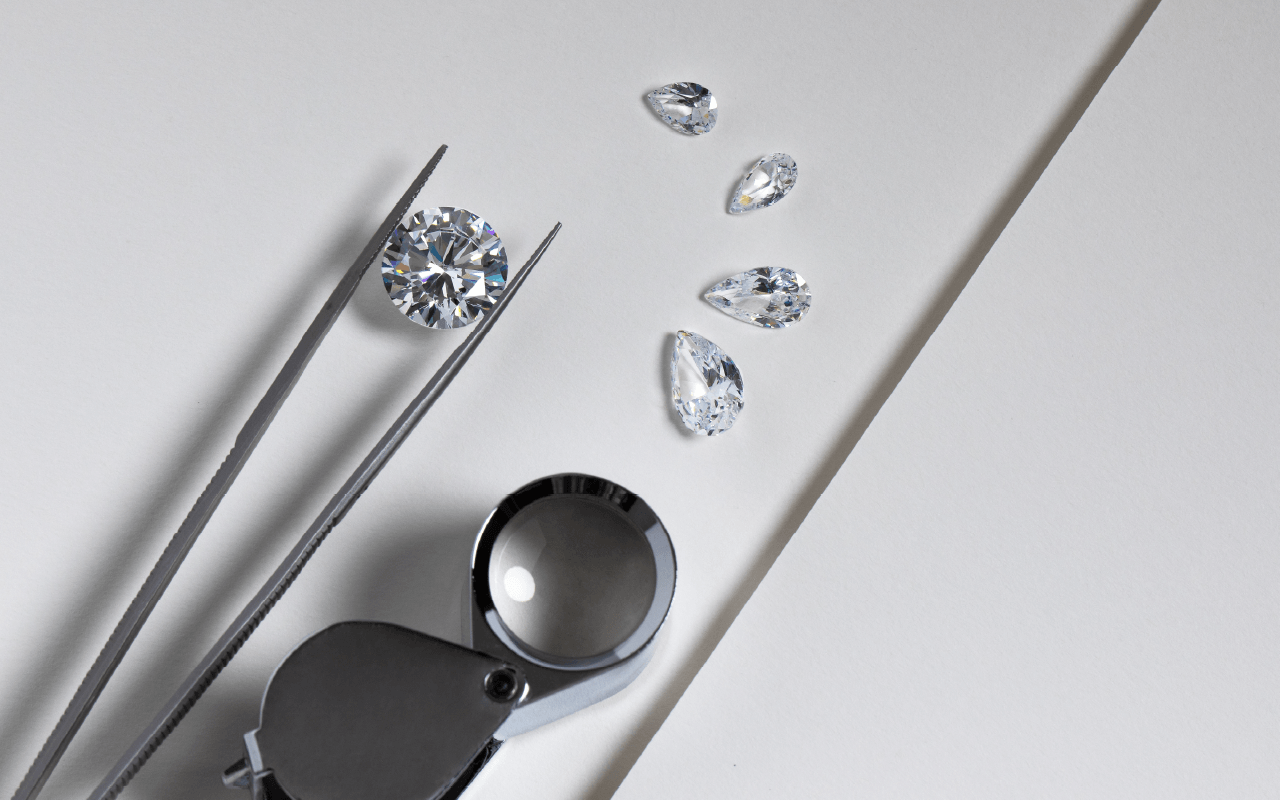
For maximum brightness, a well-cut round is usually considered the shiniest diamond cut. That brightness comes from its 57 or 58 symmetrically arranged facets and cone-shaped lower section, called the pavilion.
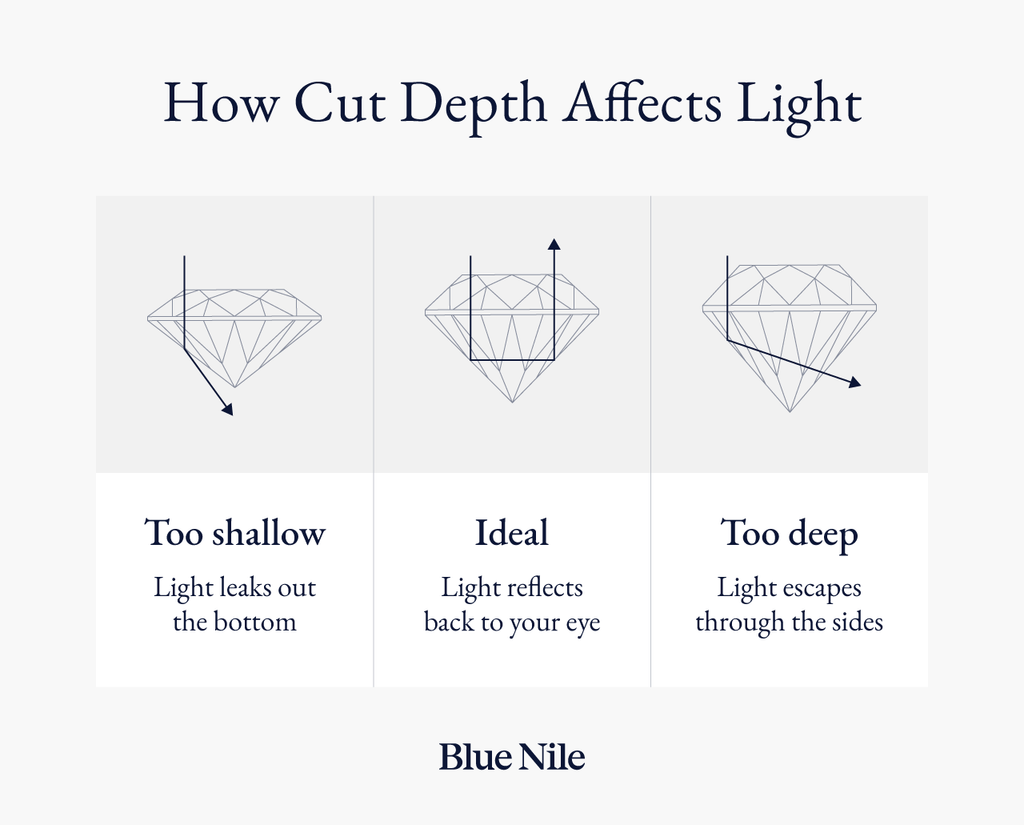
Facets are small, flat surfaces cut into the diamond. When these are correctly angled, the pavilion’s facets reflect light back through the top of the stone. Together with the upper facets, they create a balanced pattern of brightness and frequent flashes as the diamond moves.
What Makes a Diamond Sparkle?
Light entering a diamond can reflect off its interior facets and return through the top toward your eye. As that light travels through the stone, some of it also separates into the colors of the rainbow.
These interactions produce three effects:
- Brilliance: Reflected white light from the diamond’s surface and interior, which gives it a bright appearance.
- Fire: Flashes of rainbow color.
- Scintillation: Changing flashes and patterns of light and dark as the diamond, viewer or light source moves.
The arrangement of the facets influences the light patterns you see. Three common cutting styles produce different effects:
| Cutting Style | How It Handles Light |
| Brilliant | Triangular and kite-shaped facets create many flashes of white and colored light. Round brilliant diamonds use this style. |
| Step | Long facets in parallel rows create broad, mirror-like reflections. Emerald and Asscher diamonds use this style. |
| Mixed | Brilliant and step-cut facets in the same stone. The light effects depend on how the two arrangements are combined. |
Diamond Shapes Ranked by Sparkle
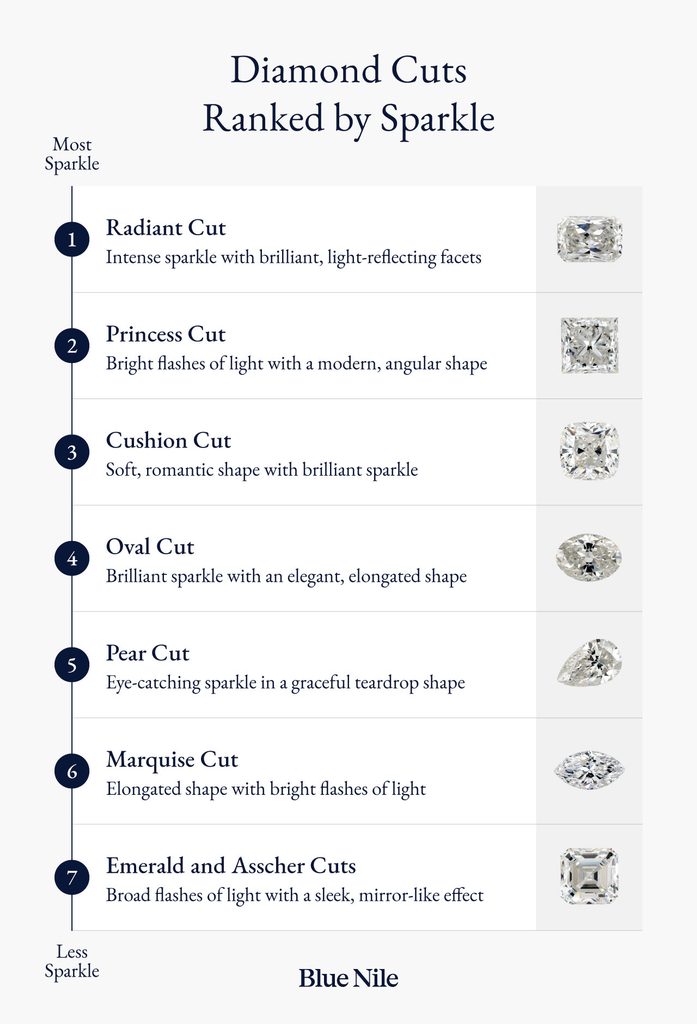
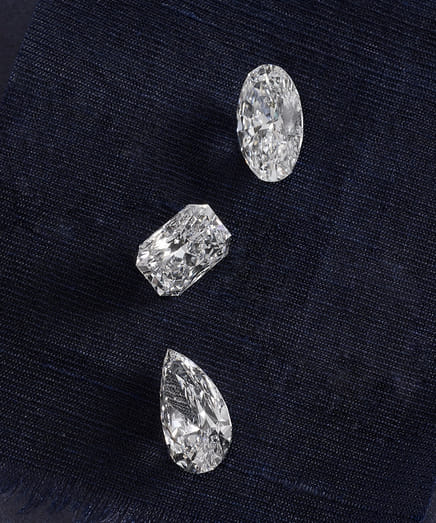
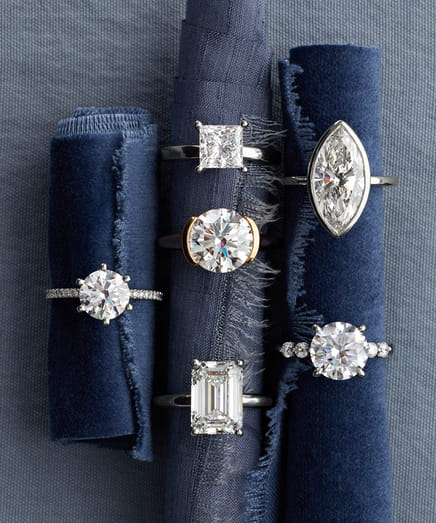
A diamond’s shape, or its outline when viewed from above, influences how its facets are arranged. The table below lists popular shapes by their typical light activity. These are broad comparisons, not cut grades. Individual cut quality can change the order, particularly among fancy shapes.
| Diamond Shape | Facet Style | Light Activity | Good Fit For |
| Round Brilliant | Brilliant | Very high | Solitaire rings, diamond stud earrings and pendants |
| Radiant | Modified brilliant | High | Solitaire and three-stone rings |
| Princess | Modified brilliant | High | Solitaire rings and channel-set wedding rings |
| Cushion | Brilliant or modified brilliant | High | Halo and vintage-inspired rings |
| Oval | Modified brilliant | High | Solitaire and east-to-west rings |
| Pear | Modified brilliant | Moderate to high | Pendant necklaces and two-stone rings |
| Marquise | Modified brilliant | Moderate to high | East-to-west rings and bezel-set pendants |
| Emerald | Step | Subtle | Solitaire and three-stone rings |
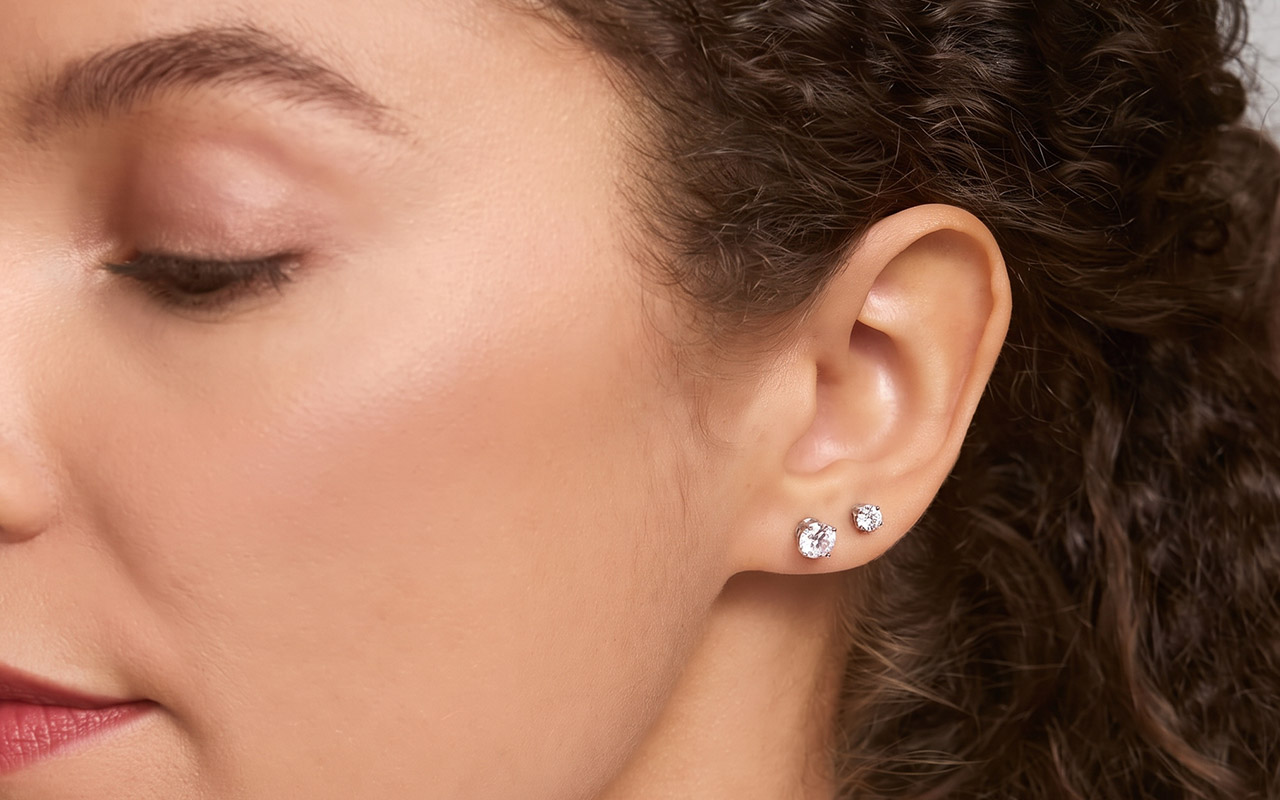
| Asscher | Step | Subtle | Geometric ring designs and diamond stud earrings |
1. Radiant Cut
The radiant cut combines brilliant-style faceting with a square or rectangular outline and trimmed corners. Its lively flashes make it one of the brightest fancy shapes. An elongated radiant offers the straight edges of an emerald cut with a busier pattern of reflected light.
2. Princess Cut
A princess cut pairs a square outline and pointed corners with bright, frequent flashes. Its angular shape creates a crisp, modern look. Princess diamonds often cost less per carat than round diamonds of comparable quality, giving you another option when balancing appearance and budget.
3. Cushion Cut
The rounded corners of a cushion cut diamond can frame quite different light patterns. Chunky styles show larger, more distinct flashes, while crushed-ice styles create a finer, more scattered pattern.
Compare videos of individual stones to decide which effect you prefer, as the cushion outline alone won’t tell you how the diamond will look.
4. Oval Cut
An oval brings brilliant-style flashes to an elongated shape that can appear larger than a round diamond of the same carat weight. Look for an even distribution of brightness. A prominent bow-tie effect, a dark band across the center, can interrupt the light pattern, especially if it stays dark as the stone moves.
5. Pear Cut
A pear combines a rounded end with a pointed tip, using brilliant-style facets to create flashes of light. Its light pattern can vary across the shape, so examine both ends as well as the center. As with an oval, a strong, persistent bow tie can leave a distracting dark area.
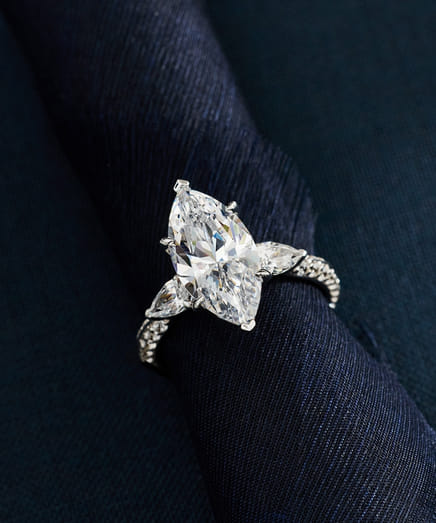
6. Marquise Cut
Among these shapes, a well-proportioned marquise typically looks largest from above for its carat weight. Its long outline and pointed ends create a distinctive silhouette, while brilliant-style faceting provides lively flashes.
Check for brightness along its length and for a bowtie that doesn’t dominate the center.
7. Emerald and Asscher Cuts
Emerald and Asscher diamonds produce fewer, broader flashes than brilliant cuts. Their parallel rows of step-cut facets create a mirror-like effect, with reflections that shift as the stone moves.
An emerald cut usually has an elongated rectangular silhouette, while an Asscher cut has a square silhouette with trimmed corners. Both suit a preference for distinct geometric patterns over a flurry of small flashes.
Why Cut Grade Matters More Than Shape
Cut quality describes how well a diamond’s proportions and craftsmanship work together to return light. It can matter more to a diamond’s brilliance than its shape, so a well-cut oval or radiant can look brighter than a poorly cut round.
Independent labs, such as the Gemological Institute of America (GIA), prepare diamond grading reports that include details about a diamond’s cut. Each Blue Nile loose diamond includes a report you can review before buying to help compare cut quality. Here’s what to look for:
- Cut grade: GIA grades standard round brilliant diamonds in the D-to-Z color range as Excellent, Very Good, Good, Fair or Poor. The overall grade considers light performance alongside design and craftsmanship. Fancy shapes don’t receive the same overall GIA cut grade.
- Polish and symmetry: Polish describes the smoothness and condition of facet surfaces. Symmetry concerns the precision of their shape and alignment. Significant imperfections can interfere with light return. GIA reports assess these separately, including for fancy shapes.
- Depth and proportions: A pavilion that’s too deep or too shallow can let light escape through the sides or bottom, leaving dark or dull areas. Well-balanced proportions help direct more light back through the top toward your eye.
Ideal Proportions for Maximum Sparkle
A diamond’s proportions describe the relative sizes and angles of its different parts. The ranges below can help you compare diamonds, but matching each measurement to a recommended range won’t guarantee a bright stone. How those measurements combine matters more than any one number.
Round Diamond Proportions
For round diamonds, these ideal diamond proportions provide a starting point for comparing measurements:
| Measurement | What It Describes | Starting Range |
| Table percentage | Width of the flat top facet relative to the diamond’s average diameter | 54%–58% |
| Depth percentage | Total height relative to the diamond’s average diameter | 59%–62.5% |
| Crown angle | Slope of the main upper facets | 34°–35° |
| Pavilion angle | Slope of the main lower facets | 40.6°–41° |
These are screening guidelines, rather than GIA’s full criteria for an Excellent cut grade. Review the overall grade, the diamond’s appearance and its measurements.
Length-to-Width Ratios for Fancy Shapes
Divide a diamond’s length by its width to find its ratio. A higher number means a more elongated outline. These ranges provide a starting point for comparing silhouettes; they don’t establish cut quality.
| Shape | Length-to-Width Range |
| Oval | 1.30–1.50 |
| Pear | 1.45–1.75 |
| Marquise | 1.75–2.25 |
| Cushion | 1.00–1.20 for square to slightly rectangular outlines |
More elongated cushions are also available. Your preferred outline may fall outside these ranges.
Check the Diamond in Motion
Watch a video or gently tilt the diamond in person. Look for areas that remain dark as surrounding facets brighten. In ovals, pears and marquise diamonds, pay particular attention to the bow tie across the center.
Some changes in contrast are normal, but a broad band that stays dark can dominate the appearance. Compare diamonds under similar lighting and, when possible, across multiple lighting environments.
Other Factors That Affect a Diamond’s Sparkle
Cut quality has the greatest influence on light performance, but other characteristics can also affect what you see:
- Color grade: More noticeable yellow or brown color within the D-to-Z range can reduce apparent brightness. However, a higher color grade won’t compensate for poor cut quality.
- Clarity and eye-clean appearance: Large or dense inclusions can interfere with light, but many VS1 and VS2 diamonds are eye-clean, so their inclusions aren’t visible without magnification. A higher clarity grade doesn’t automatically mean a visibly brighter diamond.
- Fluorescence: Fluorescence is a glow, usually blue, that some diamonds emit under ultraviolet light. It usually has little effect on how clear a diamond looks, but in rare cases, strong fluorescence can make existing cloudiness more noticeable.
- Carat weight and facet size: A heavier diamond isn’t automatically brighter, and small weight differences may have little visible effect when cut quality is comparable. Larger facets tend to produce broader flashes, while smaller facets create finer patterns of light.
How to Maximize Your Diamond’s Sparkle
After choosing your diamond, a few practical steps can help bring out the brilliance. These include a setting that highlights its light effects and regular cleaning to keep oils and residue from dulling its appearance.
1. Choose a Setting That Lets in Light
Different types of ring settings expose different amounts of the center diamond or add reflections from accent stones:
- Prong: Small metal claws leave much of the diamond exposed, allowing light to reach its uncovered surfaces.
- Bezel: A metal rim surrounds the diamond, covering more of its edge. A well-cut diamond can still look bright in this protective setting.
- Halo: Smaller diamonds surround the center stone, adding their own flashes rather than improving its light return.
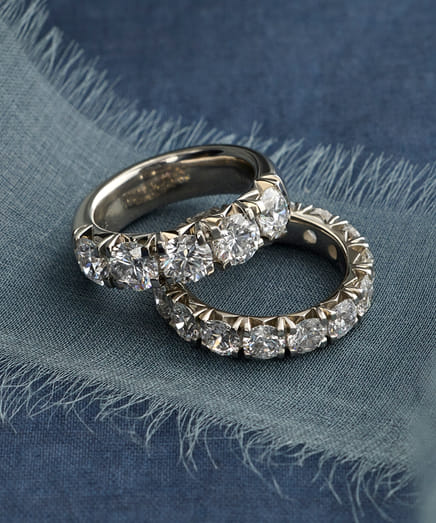
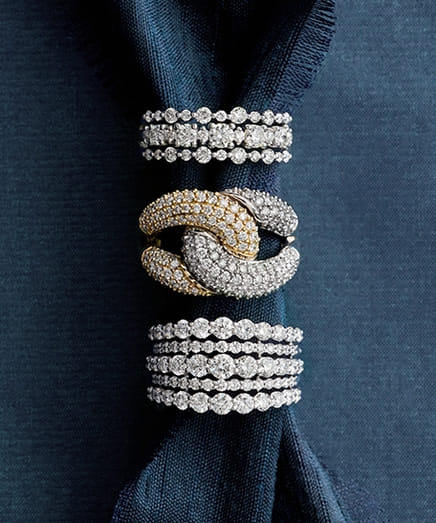
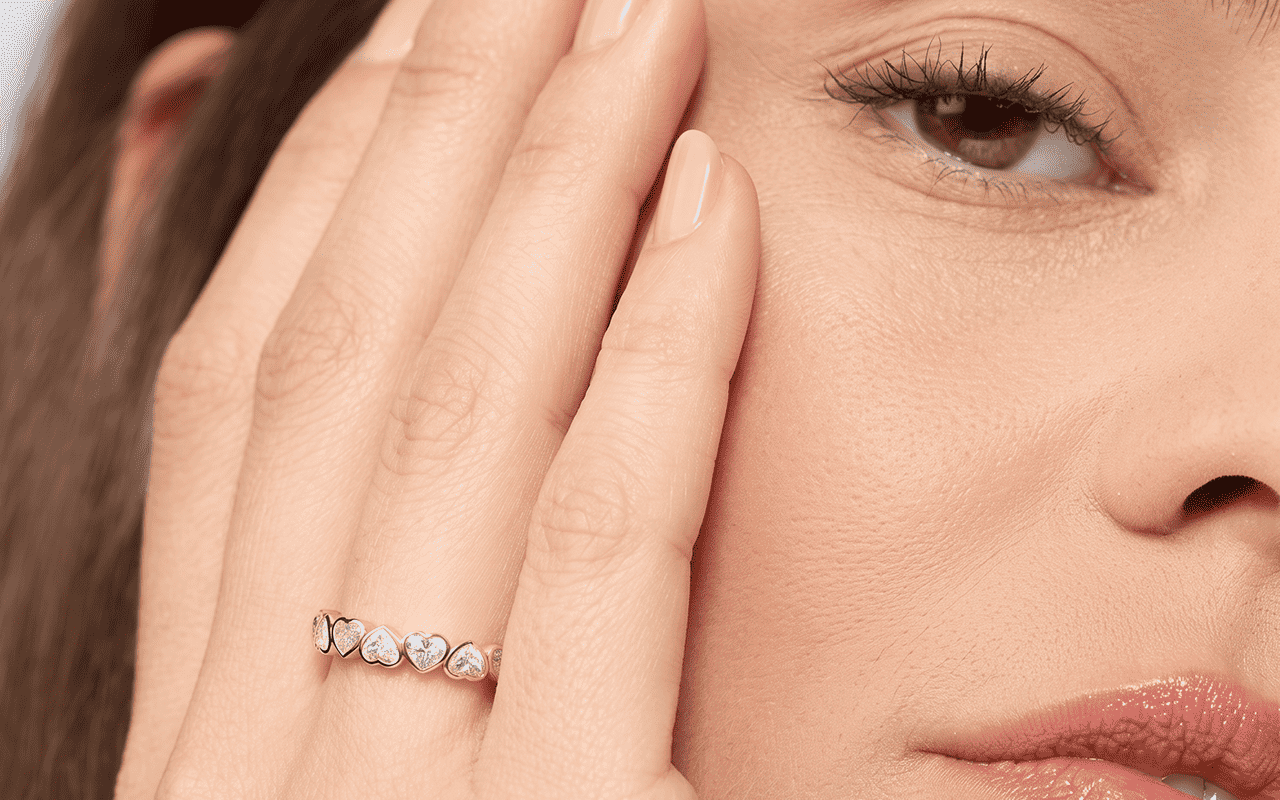
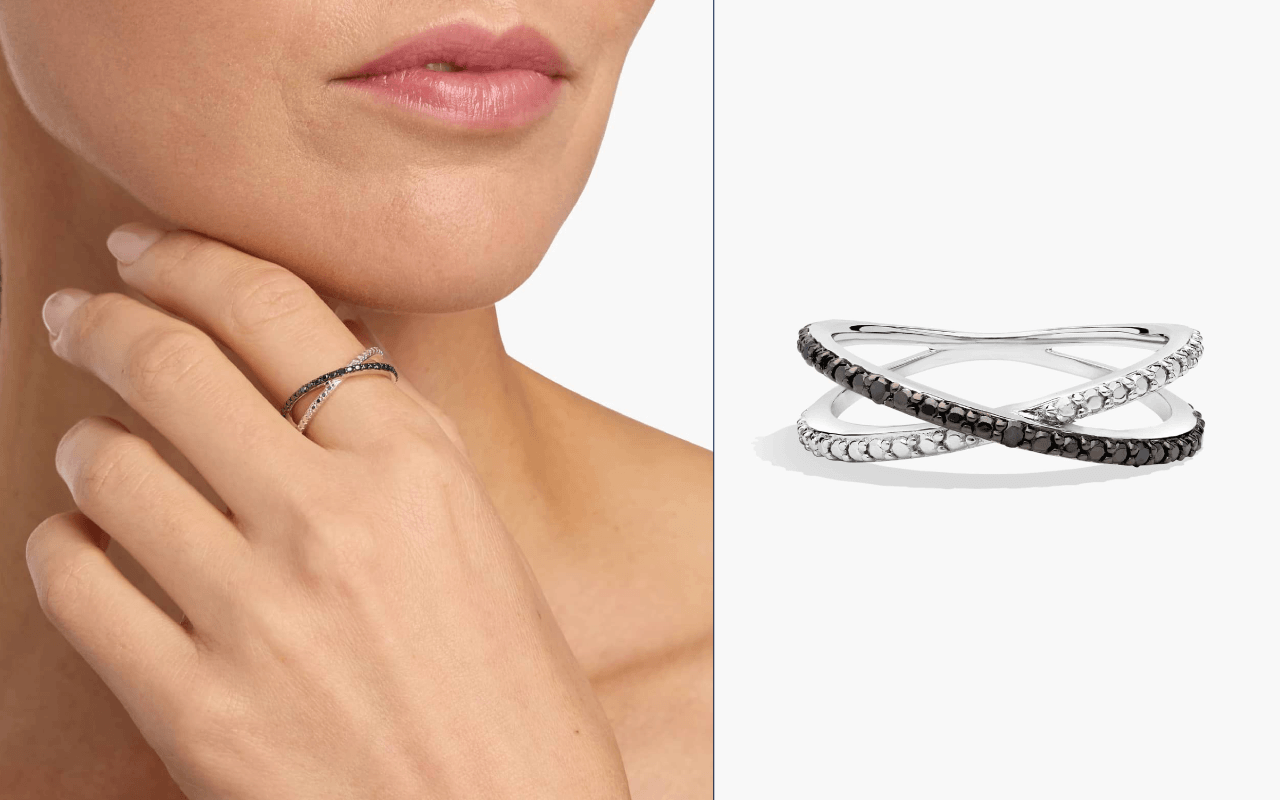
- Pavé: Small diamonds set closely along the band extend the light display beyond the center stone.
2. Pick a Complementary Metal
Both platinum and white gold provide a silvery backdrop that complements colorless and near-colorless diamonds. Yellow or rose gold creates a warmer look, and its color may appear in the diamond’s reflections. If you prefer a warm-colored band, white metal prongs can help limit the warm reflections immediately around the stone.
A polished metal surface adds luster to the overall ring, while the diamond’s own brilliance depends primarily on its cut quality.
3. Keep Your Diamond Clean
Oil from your fingers and everyday buildup can dull a diamond’s brilliance. For routine jewelry cleaning at home, soak the piece in warm water with a few drops of mild dish soap. Gently brush with a soft toothbrush reserved for jewelry, paying attention to the underside where dirt collects. Rinse thoroughly and dry with a lint-free cloth.
Avoid toothpaste and abrasive cleaners, which can scratch the metal. Have loose stones or damaged prongs checked by a jeweler before cleaning, and seek specific care advice for pieces containing other gemstones.
A well-cut round is usually considered the most brilliant diamond cut, but your favorite light display may come from another shape. When buying a diamond, choose the look you enjoy and prioritize cut quality within your budget.
To find that balance, review each stone’s grading report and video to see how its measurements translate into appearance. Shop our extensive collection of diamonds to compare options in your preferred shape and budget.
Frequently Asked Questions
Round brilliant is the most popular choice, though the most desirable cut depends on your preferences. It suits shoppers who prioritize brightness, while other shapes offer different outlines and light patterns. Blue Nile’s diamond experts can help you compare options based on your preferences and budget.
Yes, lab-grown diamonds can produce the same brilliance and fire as natural diamonds. Lab-grown diamonds share natural diamonds’ optical, chemical and physical properties, so cut quality matters more to their light performance than where they formed.
No, a bigger diamond doesn’t automatically produce a brighter light display. When cut quality is comparable, small differences in carat weight may have little visible effect, while larger differences in size can make the flashes more noticeable.
Yes, diamonds can show more noticeable flashes under small, concentrated light sources, such as spotlights. Diffused light, such as light spread across an overcast sky, emphasizes overall brightness rather than distinct colored flashes. Compare diamonds in several lighting conditions to see how they’ll look during everyday wear.
The most reliable way to tell if a diamond is real is to have a qualified jeweler examine it, with gemological laboratory testing if needed. Appearance alone and home methods such as the fog test cannot reliably confirm its identity. Professional testing can distinguish diamonds from look-alikes and determine whether a diamond is natural or lab-grown.


Share



 Live Chat
 +1‑800‑242‑2728
 Email Us


