









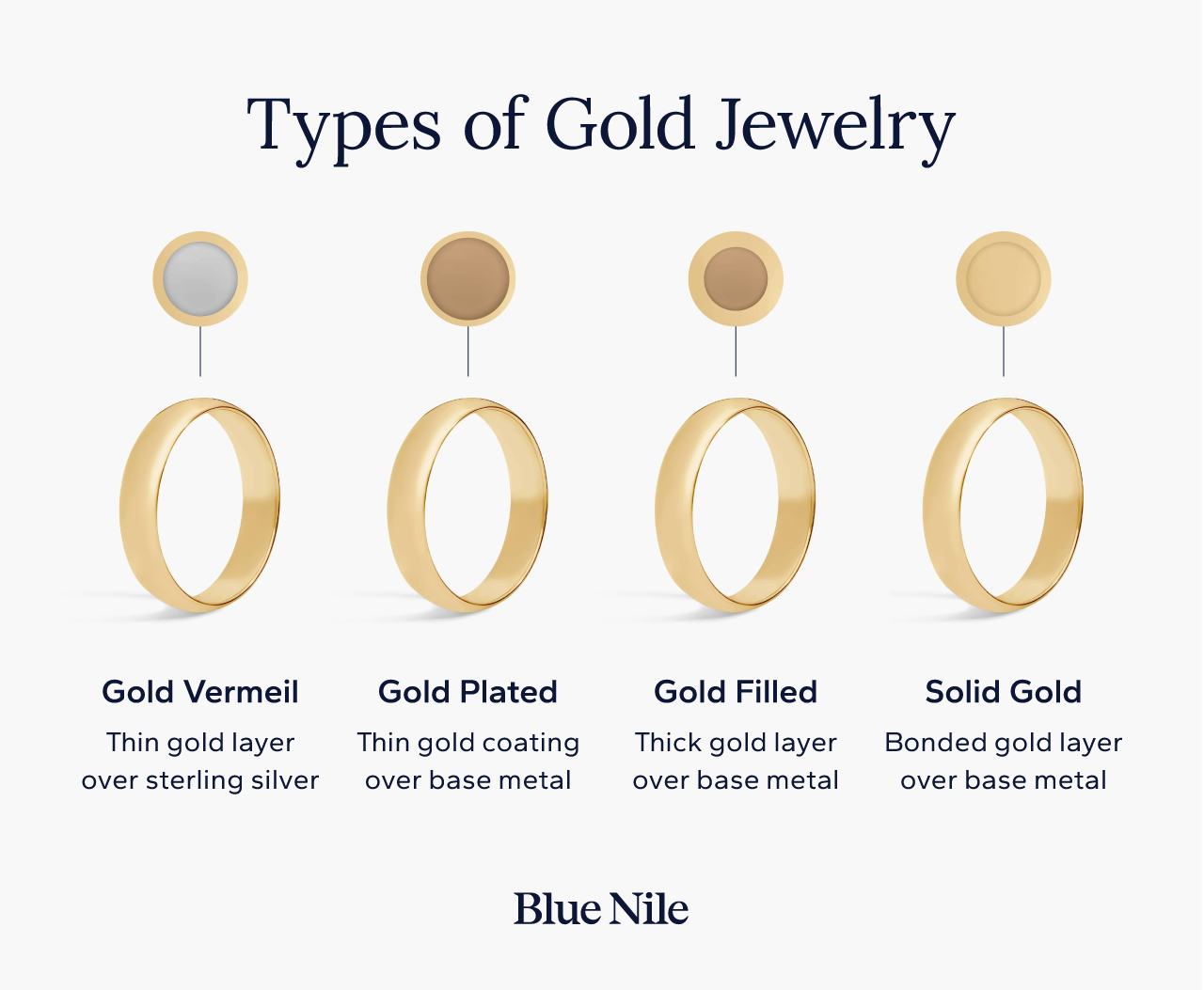
| Gold vermeil is a regulated form of gold plating, not solid gold. Gold vermeil and other types of gold plated jewelry offer a lower-cost gold look, but are less durable and fade over time. Because plating wears over time, gold vermeil and gold plated jewelry are best suited for occasional wear. Solid 14k and 18k gold is the most durable choice for jewelry designed to last. |
Gold jewelry may look similar at first glance, but how it’s made plays a major role in its durability, value and long-term wear. Gold vermeil is a federally regulated gold-plated finish often used to create gold-toned jewelry at a lower price point.
Gold vermeil is just one type of plated gold-finish created using different construction methods. At Blue Nile, we do not offer gold vermeil or other plated jewelry. Instead, we focus exclusively on solid 14k and 18k gold, which retains its appearance and value over time.
This guide offers a closer look at how gold vermeil and other plated options compare to solid gold to help clarify which metal is right for you.
What is Gold Vermeil?
Vermeil in gold is a type of gold-plated jewelry finish made to defined standards under the U.S. Federal Trade Commission. The term refers specifically to jewelry with a sterling silver base coated in a layer of real gold that meets minimum purity and thickness requirements.
While vermeil contains real gold, it remains a surface treatment rather than a solid material. Its construction directly affects its appearance, durability and how it compares to solid gold jewelry over time.
To be legal, gold vermeil jewelry must meet the following requirements:
- Base metal: The underlying metal must be sterling silver, which is 92.5 percent pure silver.
- Gold purity: The gold applied to the surface must be real gold with a minimum purity of 10k. Some jewelry uses 14k or 18k gold vermeil for a deeper color.
- Gold thickness: The gold layer must be at least 2.5 microns thick. This standard helps distinguish gold vermeil from other gold-finished jewelry.
- Finishing: Manufacturers create gold vermeil through an electroplating process that bonds gold to the surface of a base metal.
Understanding what gold vermeil means starts with how it’s made and how it compares to other plated jewelry.
Gold Vermeil vs. Gold Plated Jewelry
Both gold vermeil and other types of gold plated jewelry are created using electroplating. The term electroplated refers to a process that applies a thin layer of real gold to a base metal. In both cases, the gold exists only as an exterior layer rather than throughout the piece.
Standard gold plated jewelry, both modern and vintage styles, typically use less expensive base metals such as brass or copper. They also have very thin gold coatings, often under 0.5 microns. Gold vermeil differs in that it is a legally defined type of gold plating with stricter material requirements including a sterling silver base and a thicker gold layer.
While gold vermeil is generally more durable than standard gold plating, both are surface finishes and do not offer the longevity or value of solid platinum or gold. Ring soldered connections can help reduce stress at joints, but they don’t change the fact that gold vermeil remains a plated finish rather than a solid metal.
Other Types of Gold Plated Jewelry
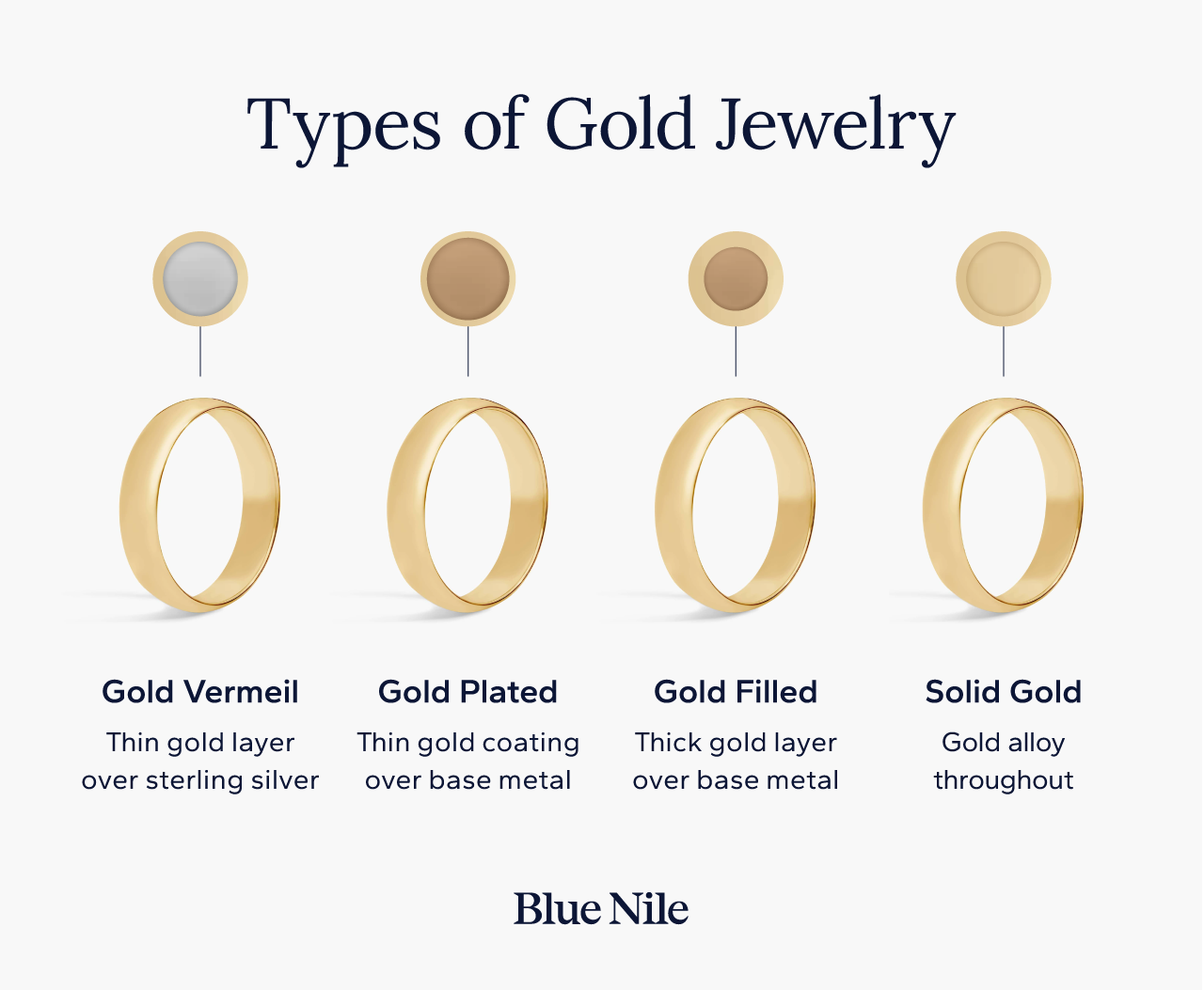
Gold vermeil is just one category within a broader range of gold-finished jewelry. Other types of gold plated jewelry vary based on the base metal used, the thickness of the gold layer and how and how manufacturers bond the gold to the surface. These differences affect how each option compares in terms of durability and wear.
The labels used to describe gold-finished jewelry are widely used across the industry, but they are not always applied consistently. Terms like gold plated and gold electroplated often refer to the same electroplating process. However, gold vermeil and gold filled are more specific classifications tied to defined material and construction standards.
| Type of Gold Plating | Base Metal | Gold Layer | How it’s made | Durability |
| Gold Vermeil | Sterling silver | Minimum 2.5 microns, 10k+ gold | Electroplating | More durable than standard plating, less durable than solid gold |
| Gold Plated | Brass, copper, silver, or other metals | Often under 0.5 microns | Electroplating | Low, prone to wear with regular use |
| Gold Electroplated | Brass, copper or alloy metals | Very thin gold layer | Electroplating | Low |
| Gold Filled | Brass or base metal | Thick gold layer, legally defined as at least 5% of total weight | Heat and pressure bonding | More durable than plating, not solid gold |
Gold Electroplated
Gold electroplated jewelry is essentially the same as gold plated jewelry. In practice, most gold plated jewelry is electroplated.
Key characteristics of gold electroplated jewelry include:
- A very thin layer of real gold coats the surface
- Base metals such as brass, copper or metal alloys
- Gold present only as an exterior coating, not throughout the piece
Because the gold layer applied through electroplating is typically very thin, gold electroplated jewelry is more prone to fading and wear over time. As the surface gold wears away, the underlying base metal often shows through, particularly on pieces worn frequently or exposed to moisture and friction.
Gold Filled
Jewelers use a different construction method to create filled jewelry than gold plating. Instead of depositing gold as a thin surface layer, manufacturers mechanically bond a thick layer of solid gold to a base metal, typically brass, using heat and pressure. Under U.S. standards, the gold must make up at least 5 percent of the item’s total weight.
This thicker gold layer makes gold filled jewelry more durable than standard gold plated or electroplated pieces. However, the gold is still bonded to the surface rather than present throughout the piece, which means gold filled jewelry does not offer the same longevity, value or material consistency as solid gold.
The Pros and Cons of Gold Plated Jewelry and Gold Vermeil
Gold vermeil and gold plated jewelry are often chosen for their lower upfront cost and gold appearance, but each option comes with tradeoffs. Comparing the advantages and limitations of these finishes make sense and when a more durable material may be the better choice.
| Pros | Cons | |
| Gold vermeil | Uses real gold over a sterling silver base | Not solid gold; gold exists only as a surface layer |
| Thicker gold layer than standard gold plating | Prone to wear and fading over time | |
| More durable than typical gold plated jewelry | Limited long-term durability for daily wear | |
| Lower cost than solid gold | Essentially no resale or intrinsic material value | |
| Gold plated | Offers a gold appearance at a lower price point | Very thin gold layer that wears away quickly |
| Widely available across many jewelry styles | Often uses inexpensive base metals | |
| Suitable for occasional or fashion wear | Not designed for long-term or everyday use | |
| Lightweight feel | Often no resale value once plating wears |
How to Care for Gold Vermeil and Gold Plated Jewelry
Gold vermeil and gold plated jewelry require similar care because both rely on applying a thin layer of gold to the surface of another metal. While proper care preserves their appearance, the plating wears off over time, particularly with frequent wear or exposure to moisture, friction and chemicals.
To help reduce wear and maintain the finish, handle these pieces gently and store with care. Gold vermeil and gold plated jewelry are best for occasional wear rather than daily use.
Jewelry Care Tips:
- Gently clean your jewelry with a soft, non-abrasive cloth.
- Store jewelry in a dry pouch or jewelry box, ideally with each piece kept separate to prevent scratching.
- Keep pieces away from humidity and extreme temperature changes.
- Remove jewelry before showering or swimming.
- Avoid contact with lotions, perfumes, sunscreens and soaps.
- Take off jewelry before exercising or activities that cause heavy perspiration.
- Avoid ultrasonic cleaners, steam cleaning and liquid jewelry solutions.
Alternatives to Gold Vermeil and Gold Plated Jewelry
For those looking for jewelry designed to last, solid gold offers a more durable alternative to gold vermeil and gold plated styles. Solid gold retains its appearance over time, making it better suited for everyday wear across a wide range of styles and price points.
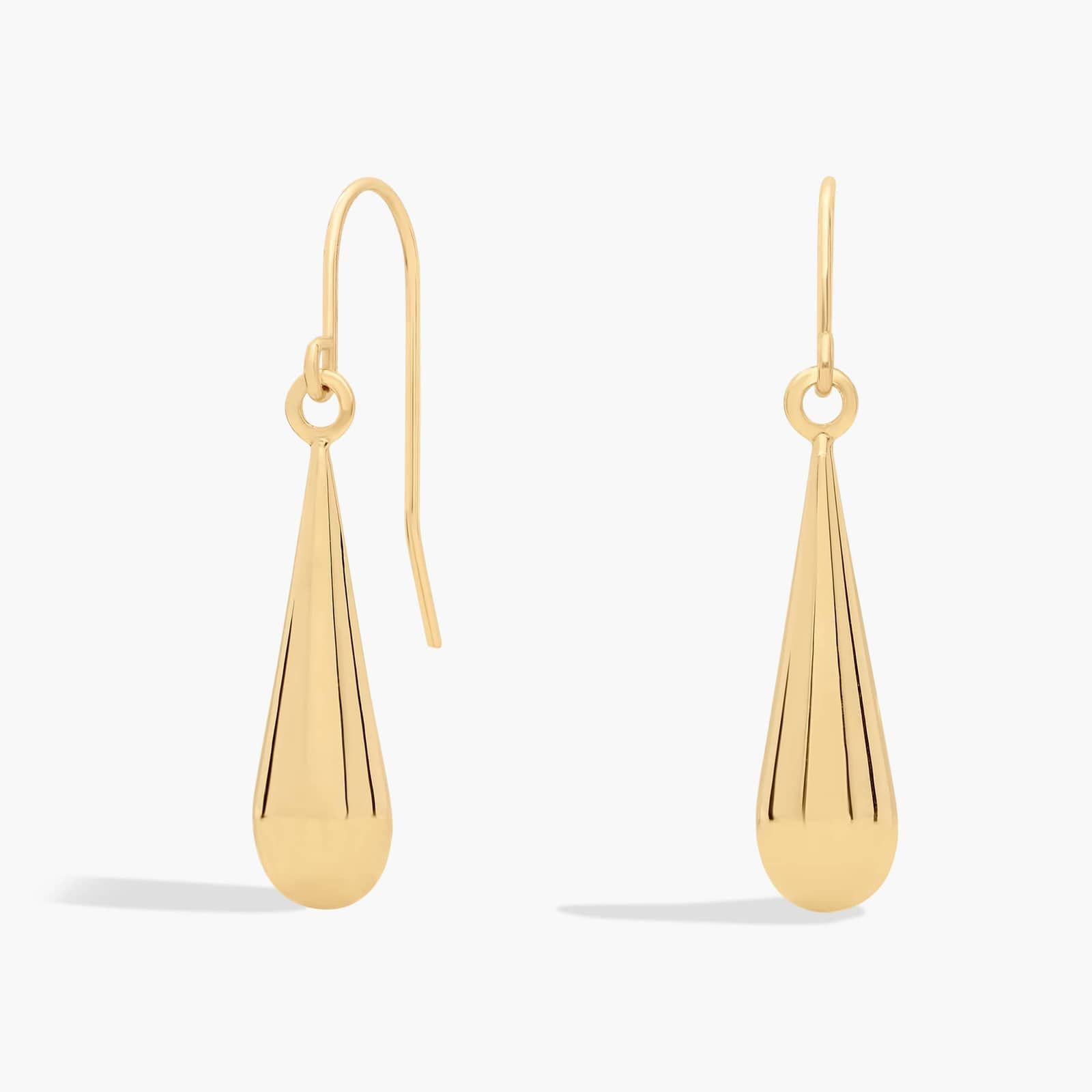
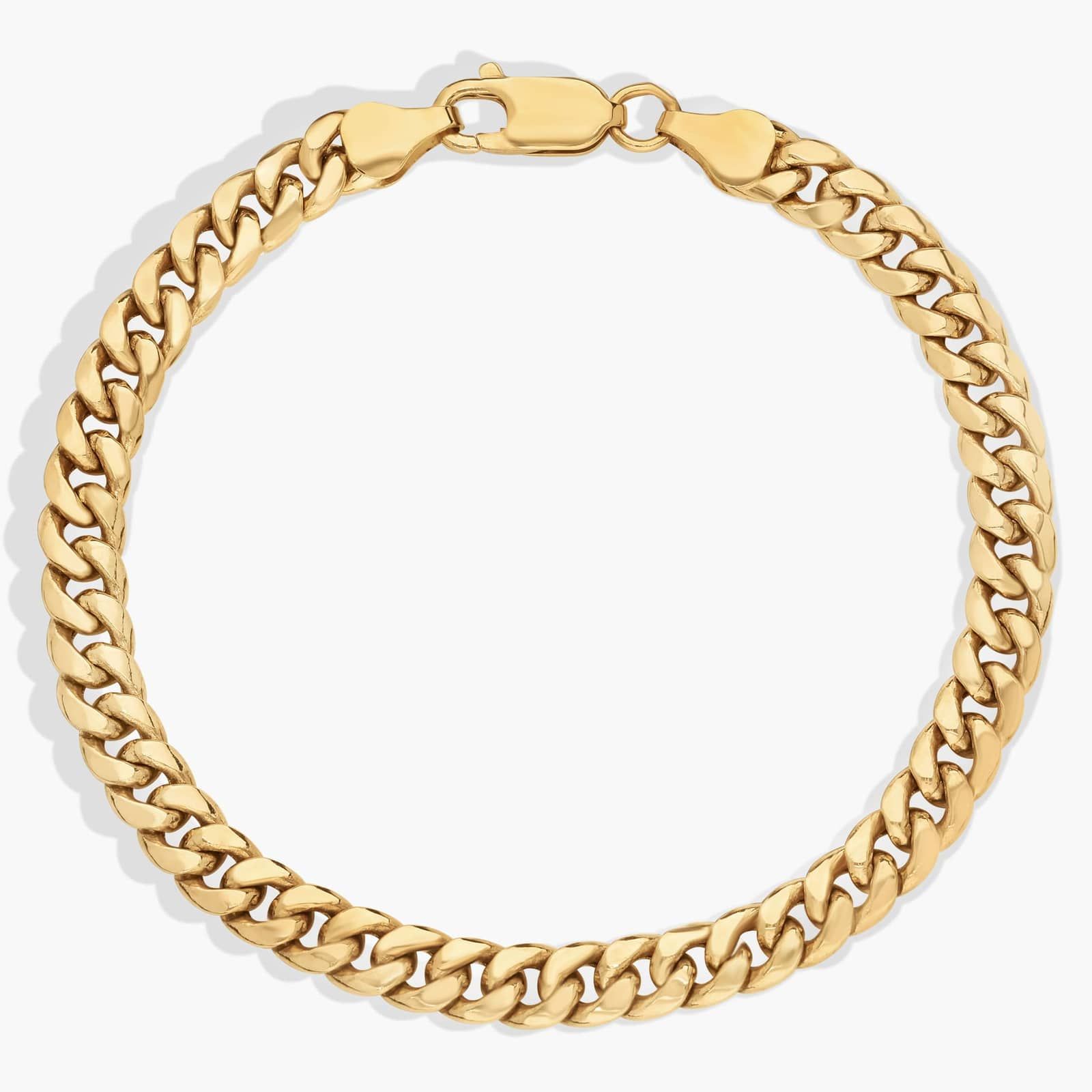
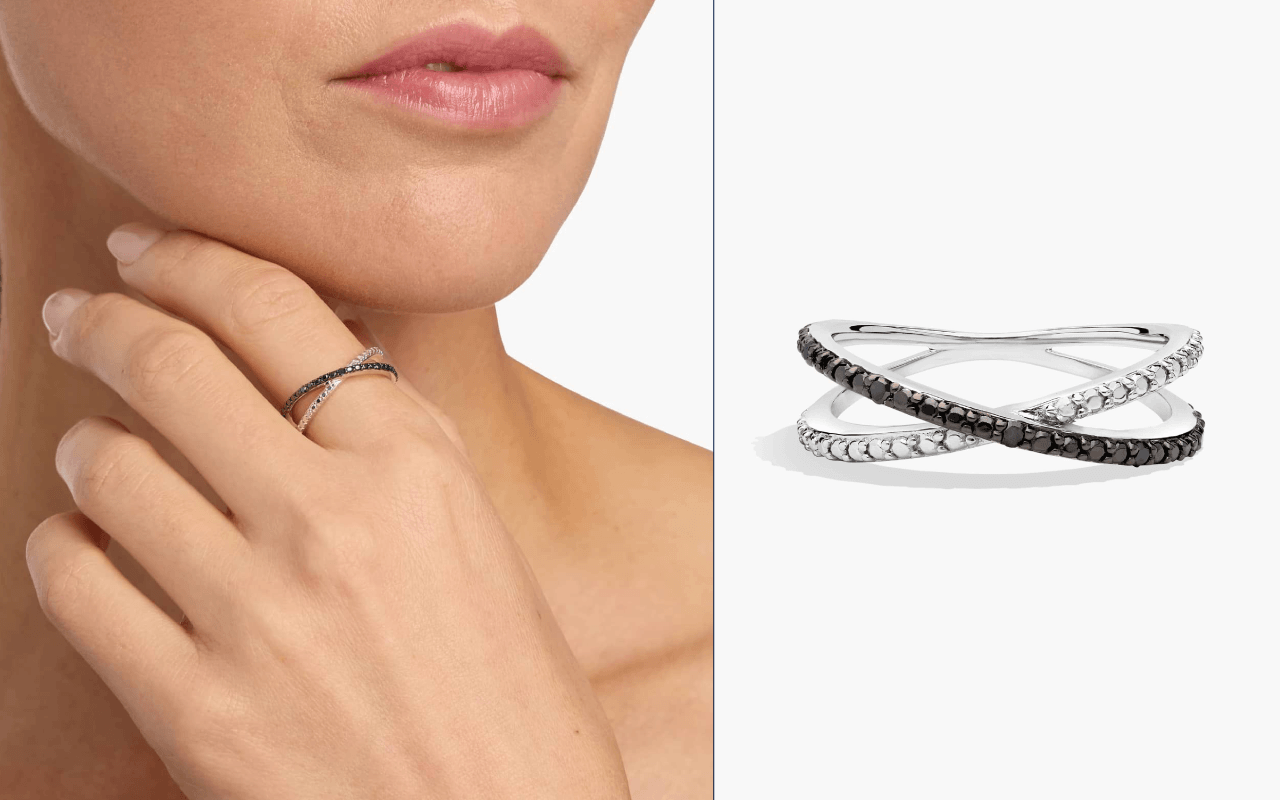
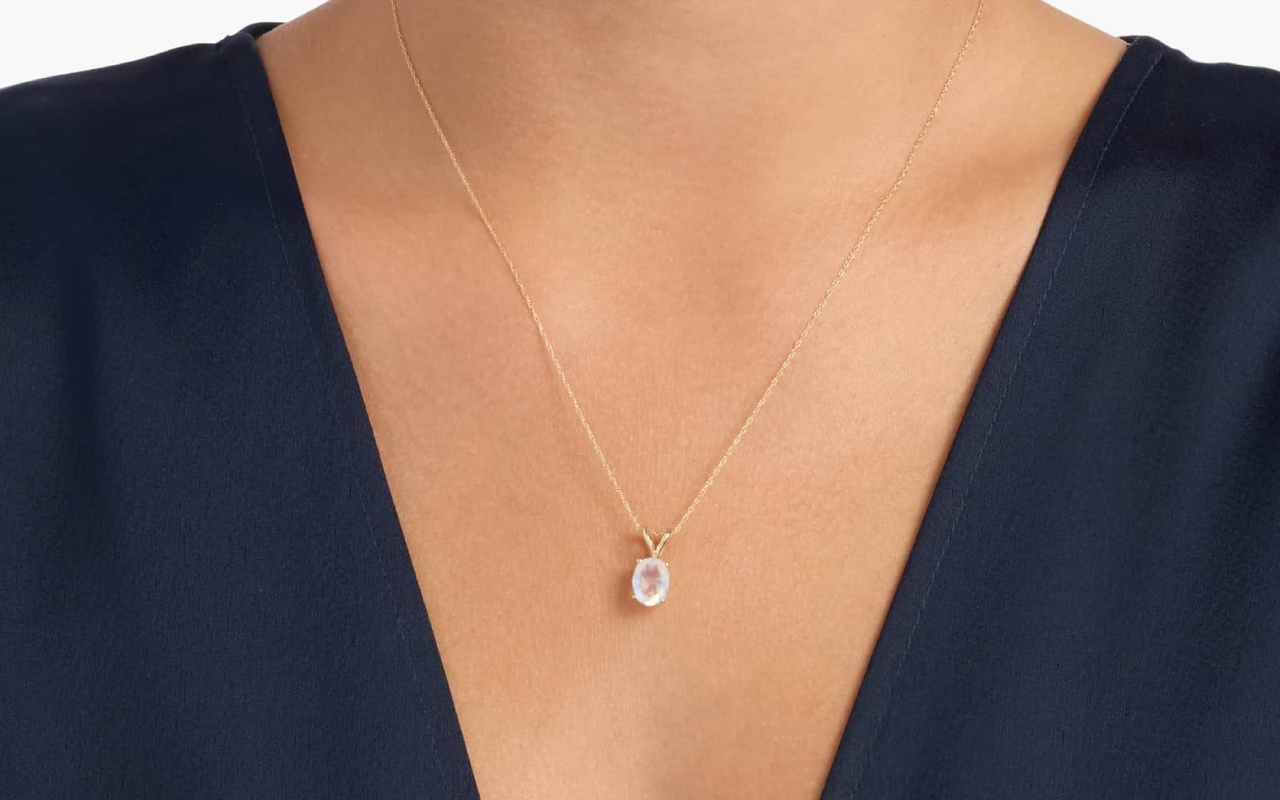
To keep budget in mind, lighter options such as stacking rings and dainty chains provide a delicate look while still delivering durability. Gold bracelets, necklaces and earrings are also available in designs that balance everyday wearability with long-term quality. Solid gold is a reliable choice for meaningful jewelry intended to be worn and enjoyed for years.
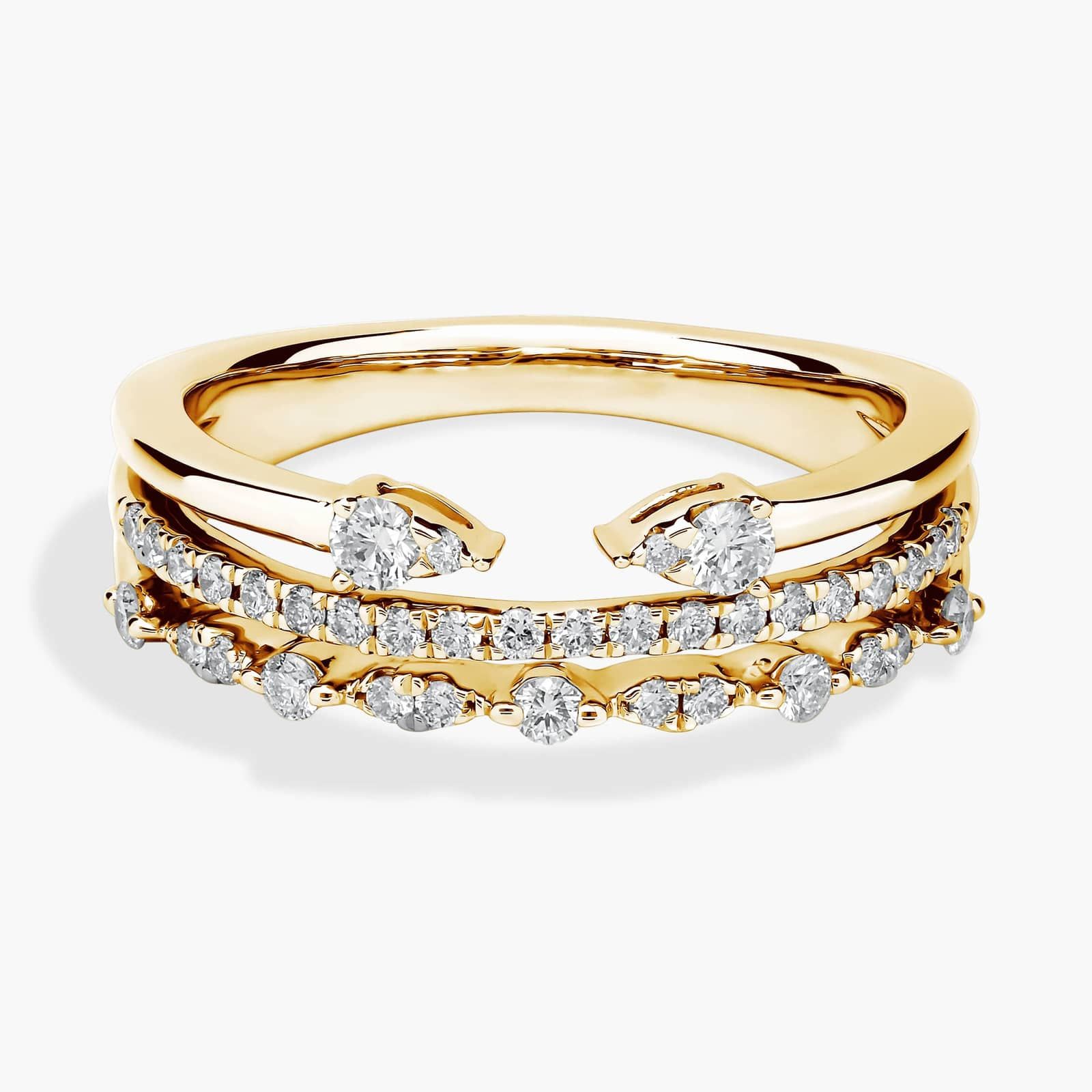
The Lasting Style of Solid Gold From Blue Nile
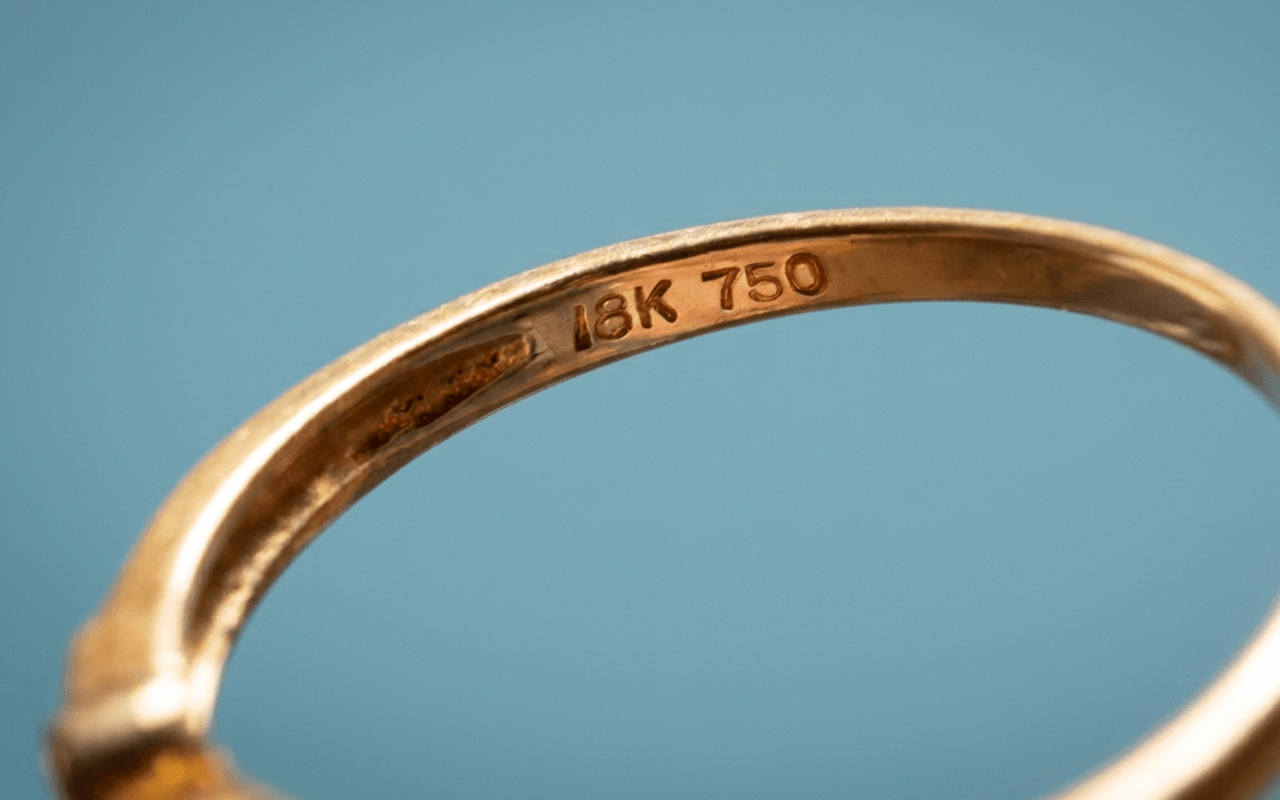
If longevity, enduring style and lasting value are priorities, solid gold remains the most reliable option. At Blue Nile, we focus exclusively on 14k and 18k solid gold, classic choices that balance strength, beauty and everyday wearability.
If you’re ready to invest in jewelry designed to last, explore Blue Nile’s collection of solid gold jewelry. From lightweight stacking styles to timeless everyday pieces, there are options to suit a range of preferences and price points.
Frequently Asked Questions
Yes, gold vermeil contains real gold, but it is not solid gold. Manufacturers apply the gold as a surface layer over sterling silver. This means the piece does not have the same durability or long-term value as solid gold jewelry.
No, plated finishes are not considered waterproof. Water, soap and moisture can accelerate wear and cause the plating to fade faster, which is why these finishes are not as durable as solid 14k or 18k gold.
Gold vermeil and gold plated jewelry typically cost less than solid gold because they use a thin layer of gold over another metal. Prices vary based on design, gold thickness and base metal, but the lower upfront cost reflects their limited longevity.
Gold vermeil and gold plated jewelry typically last from several months to a few years, depending on how often they’re worn and how well they’re cared for. Because the gold exists only as a surface layer, frequent wear, moisture and friction will eventually cause the plating to fade.
Yes, gold vermeil and gold plated jewelry can tarnish or fade over time. As the gold layer wears away, the underlying metal may become exposed, which can affect appearance and color.
Not necessarily. Gold plated jewelry may cause skin irritation depending on the base metals used beneath the gold layer, especially if the plating wears down. Solid gold, particularly higher karat options like 14k and 18k gold, is generally a more hypoallergenic choice.


Share





 Live Chat
 +1‑800‑242‑2728
 Email Us

