Sometimes referred to as “pillow cut,” the cushion cut diamond evokes romance, elegance and old-world charm. Cushion cut diamonds are part of the fancy shape family and come in a variety of styles, from perfectly square to elongated silhouettes. It’s a favorite for vintage-inspired engagement rings and heirloom-style gifts.
Learn more about cushion cut diamonds and how to choose the perfect one with our guide.
The History of Cushion Cut Diamonds
Cushion cut diamonds date back to the 1700s, when they were known as old mine cuts. These diamonds were hand-cut with larger facets and open culets designed to sparkle under candlelight.
As diamond cutting techniques advanced in the 19th and 20th centuries, the cushion cut evolved into a more refined version with improved symmetry and brilliance. Today, it remains a beloved choice for those drawn to its antique roots and softly romantic silhouette.
Key Characteristics of a Cushion Cut Diamond
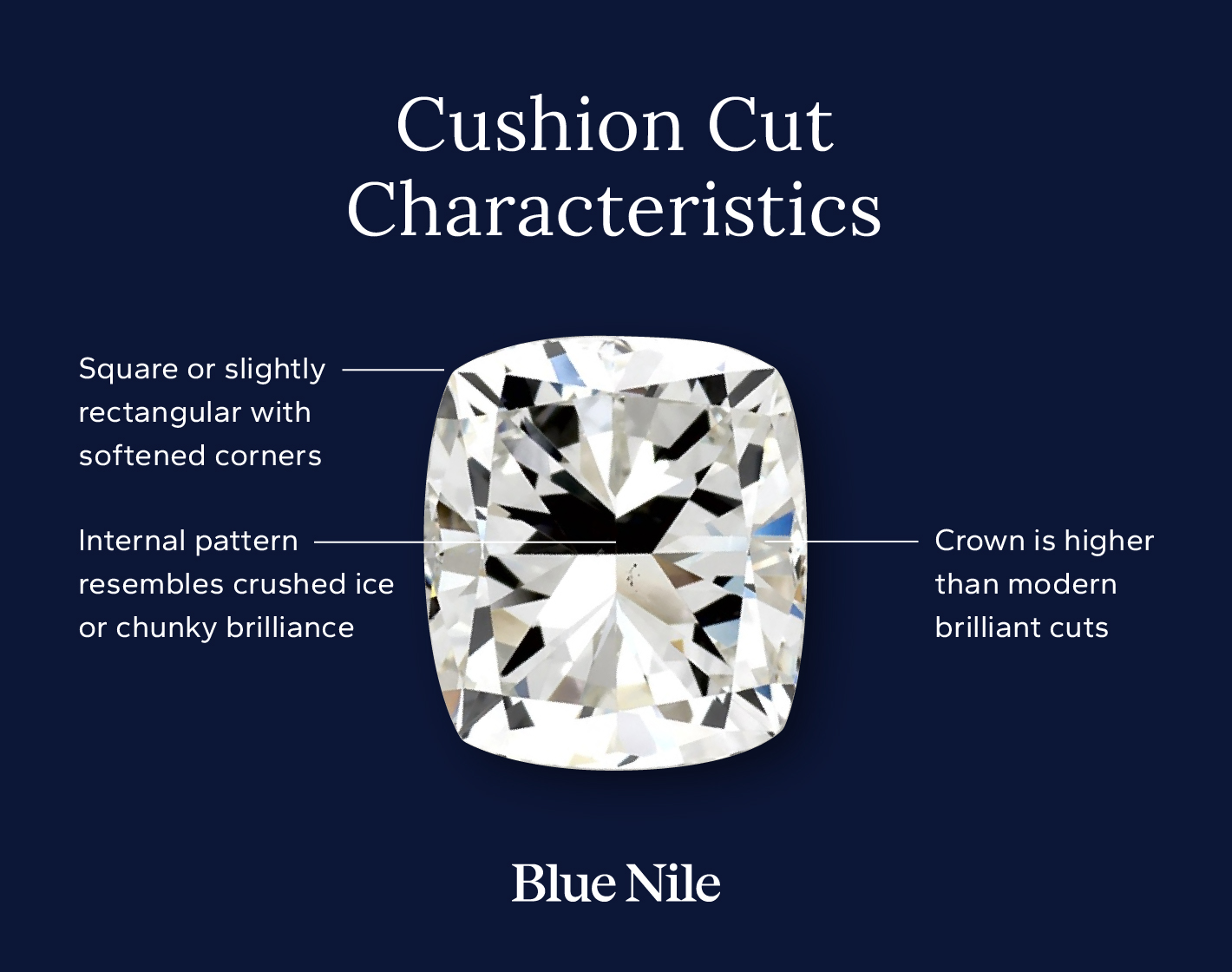
The cushion cut diamond’s charm lies in its distinctive combination of rounded corners and larger facets. These features enhance its brilliance and colorful flashes of light called fire.
Here’s a quick look at key characteristics of this shape:
Cushion Cut Type
Description
Best for…
Square cushion cut
Old mine cut
Cushion brilliant
Cushion modified brilliant
Elongated cushion cut
Types of Cushion Cut Diamonds
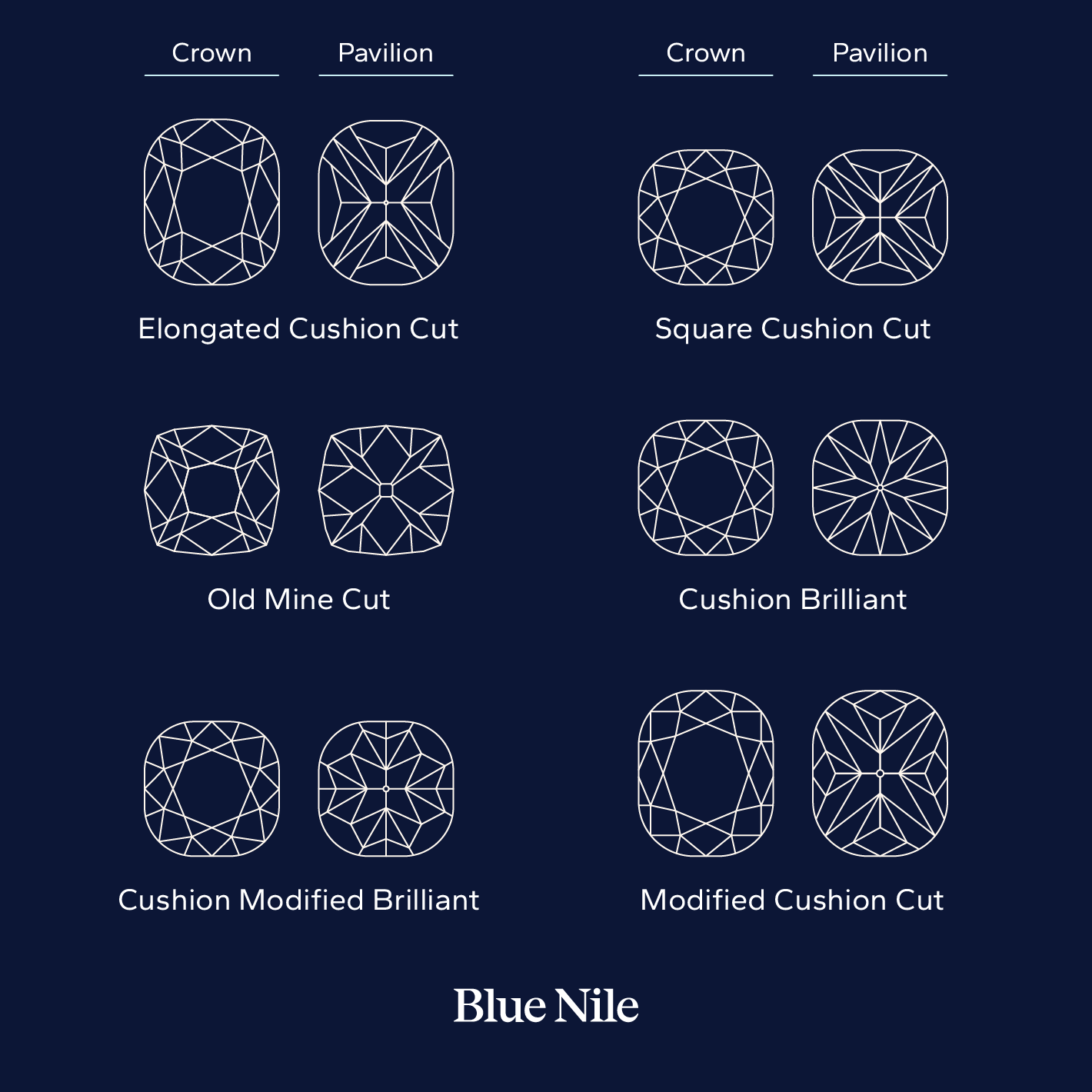
Cushion cuts are known for their soft lines and unmistakable glow. From elongated silhouettes to antique shapes, this versatile cut can take on a variety of styles. Here’s how it stands out from other diamond shapes.
Cushion Cut Type
Description
Best for…
Square cushion cut
Old mine cut
Cushion brilliant
Cushion modified brilliant
Elongated cushion cut
Styling Cushion Cut Jewelry
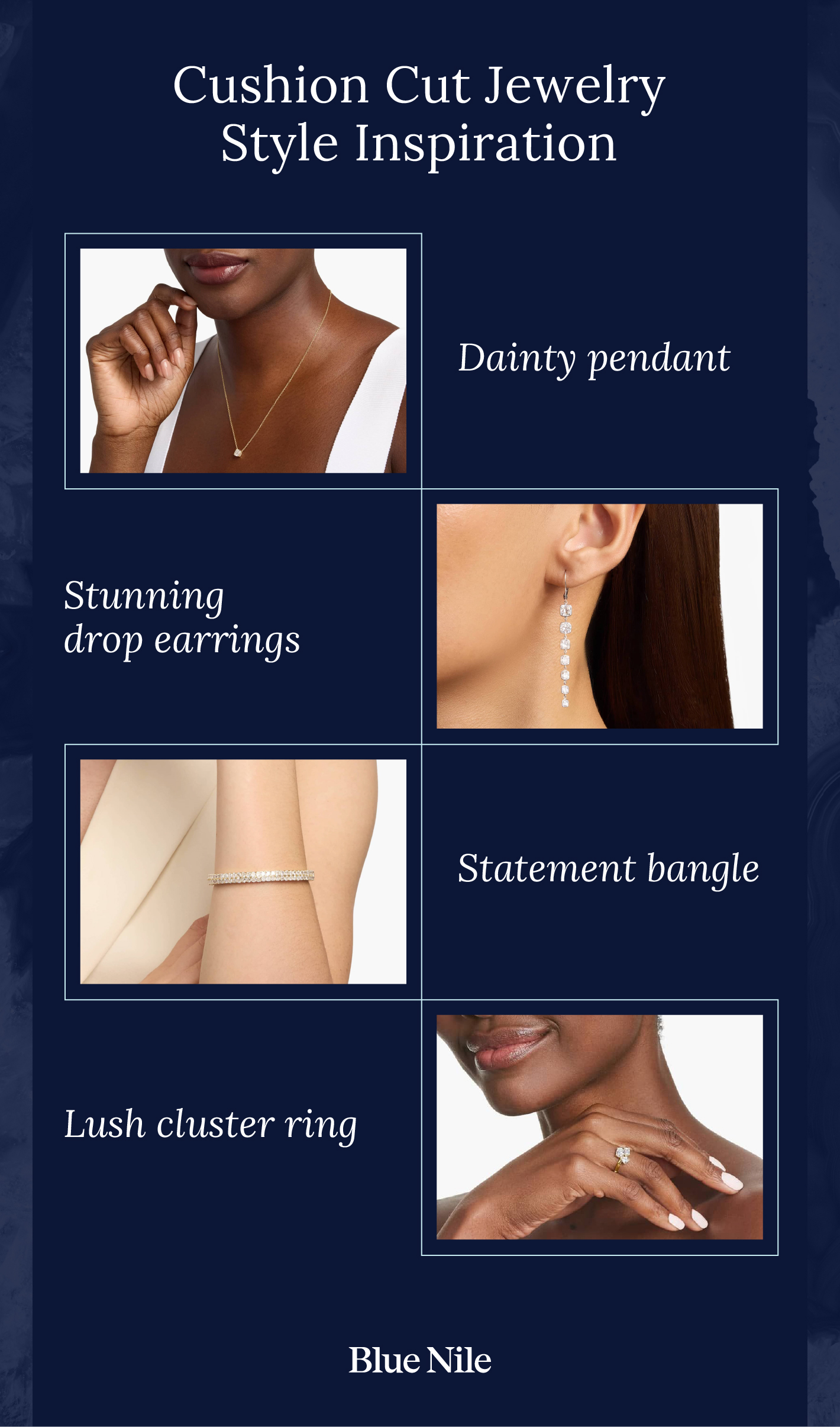
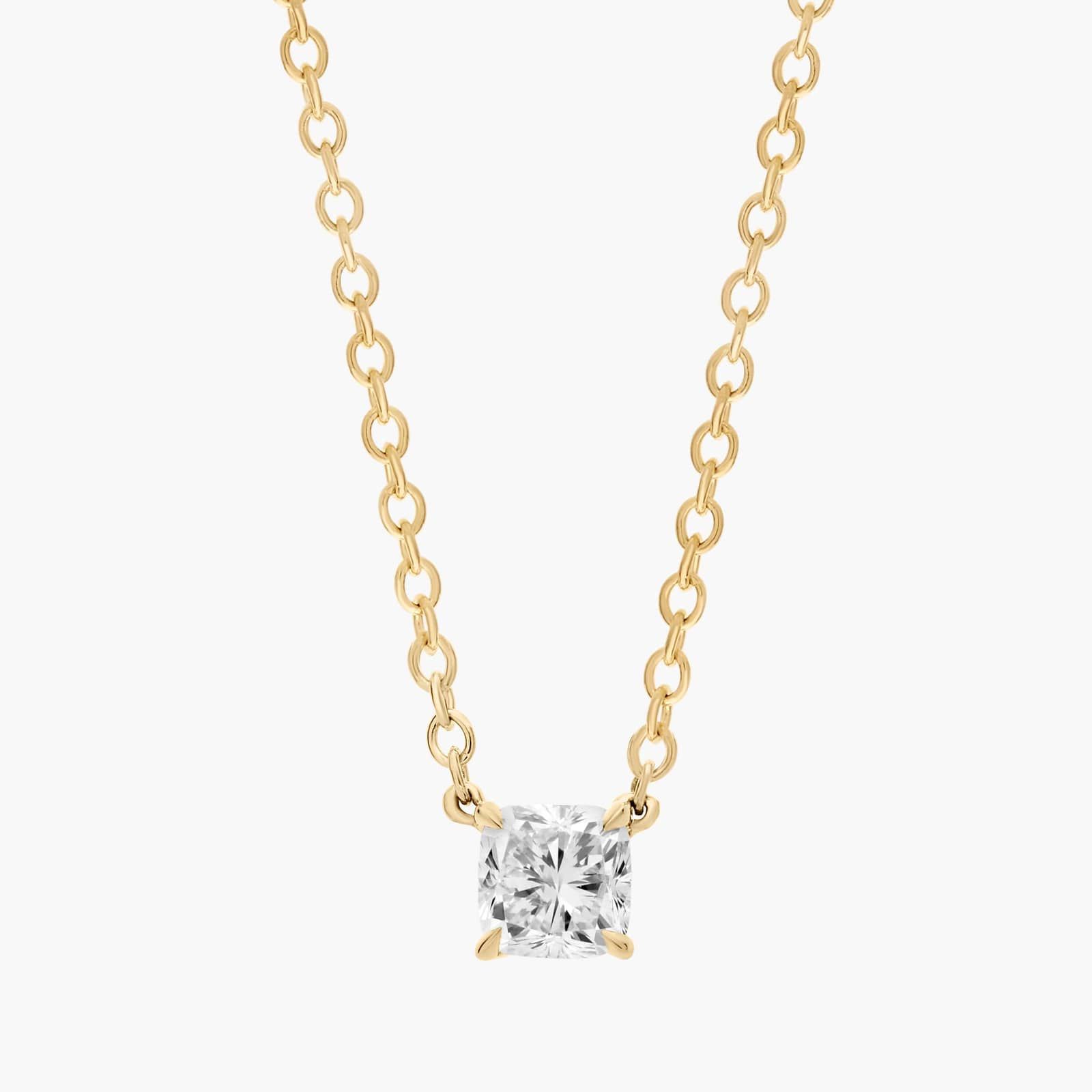
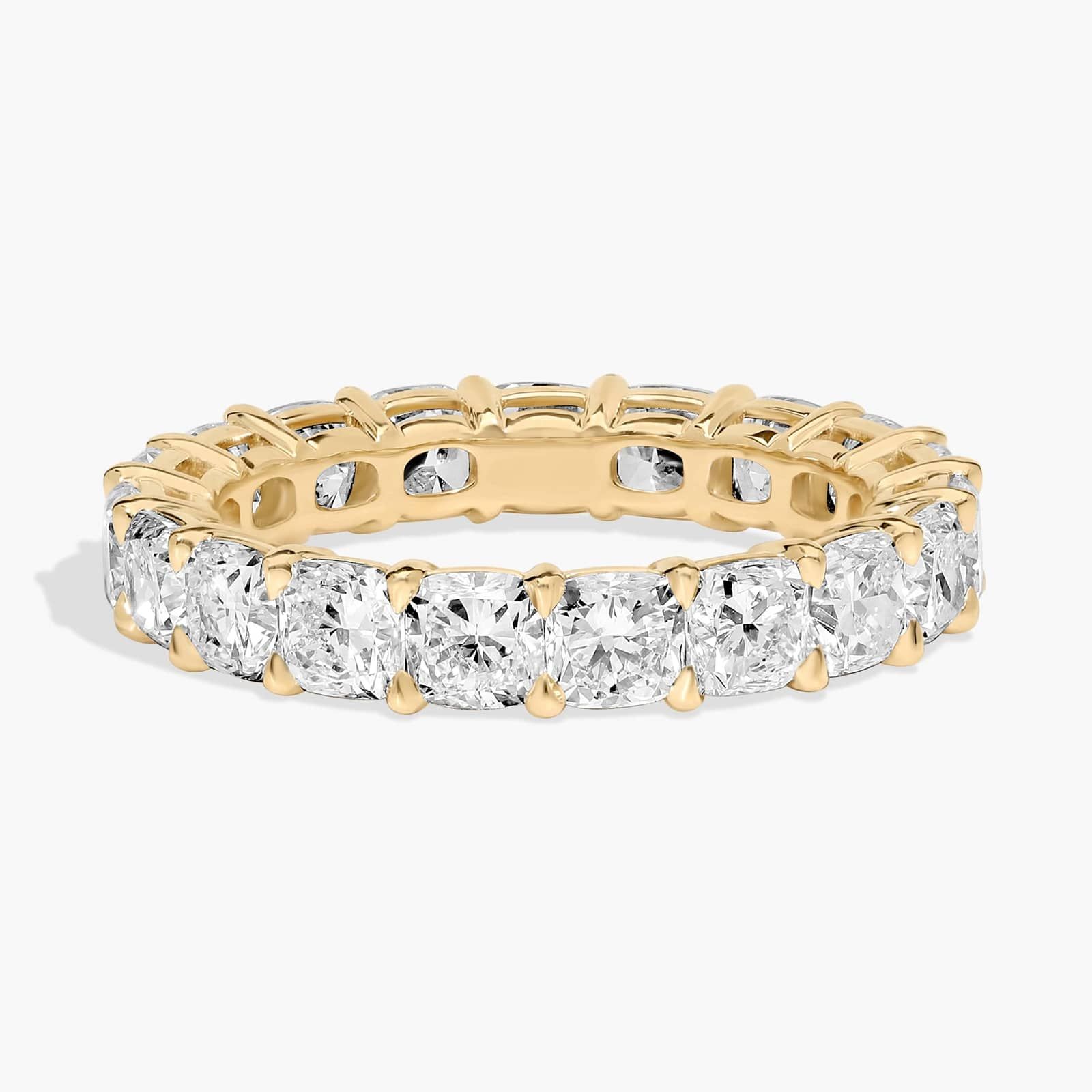
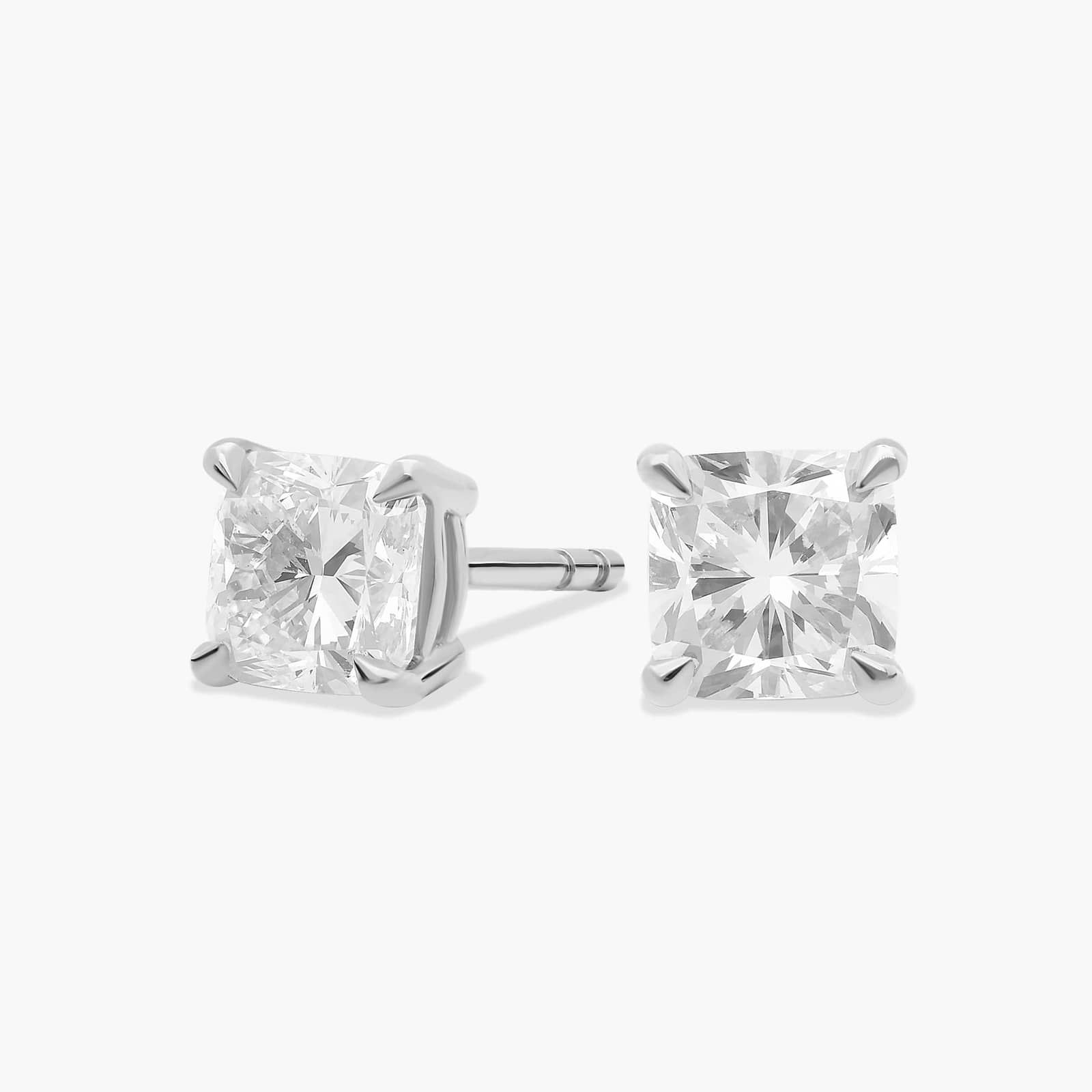
Styling cushion cut diamonds is easy since they’re so versatile. Their soft edges and brilliance make them a standout in any jewelry piece. They work just as beautifully in classic solitaire settings as in modern halo designs.
The sky’s the limit when building a complete look. For example, you can pair a cushion cut diamond ring with some fancy-shaped diamond studs for an elegant look.
Popular cushion cut jewelry styles include:
How to Choose a Cushion Cut Diamond
If you’re considering a cushion cut diamond, start by evaluating the 4Cs. Here’s what to look for:
- Cut: Prioritize symmetry and depth of your diamond cut for optimal light return.
- Color: Cushion cuts show color more than other shapes. Consider H or higher for a white appearance.
- Clarity: Choose a clarity grade that hides inclusions, especially near the center.
- Carat: Cushion cuts retain weight in depth, so they may appear smaller than round cuts of equal carat.
- Shape preference: Choose between a square or elongated cushion cut based on personal style.
- Sparkle: Opt for brilliant or modified brilliant faceting depending on your sparkle preference.
- Setting: Cushion cut engagement ring settings like halos, solitaires and vintage designs complement this shape best.
Find the Ideal Cushion Cut Diamond with Blue Nile
A cushion cut diamond is a timeless fusion of vintage charm and modern brilliance, beloved for its soft silhouette and radiant fire. From old mine cuts to brilliant modern styles, our selection helps you find the perfect fit. We offer a curated collection of cushion cut diamonds to match every style and story, be it an engagement ring or a milestone gift.
Frequently Asked Questions
Cushion cut diamonds offer a unique blend of vintage elegance and modern brilliance. Their rounded corners make them durable for everyday wear, and their versatile style works across many ring settings.
Taylor Swift’s engagement ring is an old mine cut, an antique cushion-style cut. This choice adds timeless charm with a custom twist.
Cushion cut diamonds offer strong fire and brilliance because of their large, open facets and rounded shape, though they don’t outshine round brilliants. Modified cushion cuts with extra facets create a stunning crushed ice sparkle.
Cushion cut diamonds tend to be more affordable than round diamonds due to less rough diamond waste during the cutting process. Other shapes affect diamond price as well, depending on market demand, manufacturing costs and more.


Share