- Ideal diamond proportions are a system of measurements that determine how a stone handles light and how brilliant it appears.
- Even diamonds with identical 4Cs grades can look very different because of small variations in the proportions.
- Round brilliant diamonds have the most defined ideal proportion ranges, while fancy shapes rely on recommended ranges.
- The more ideal the proportions, the more beauty and perceived size the diamond will reflect.
- Diamonds with ideal proportions often command a premium price because they require more precision during the cutting process.
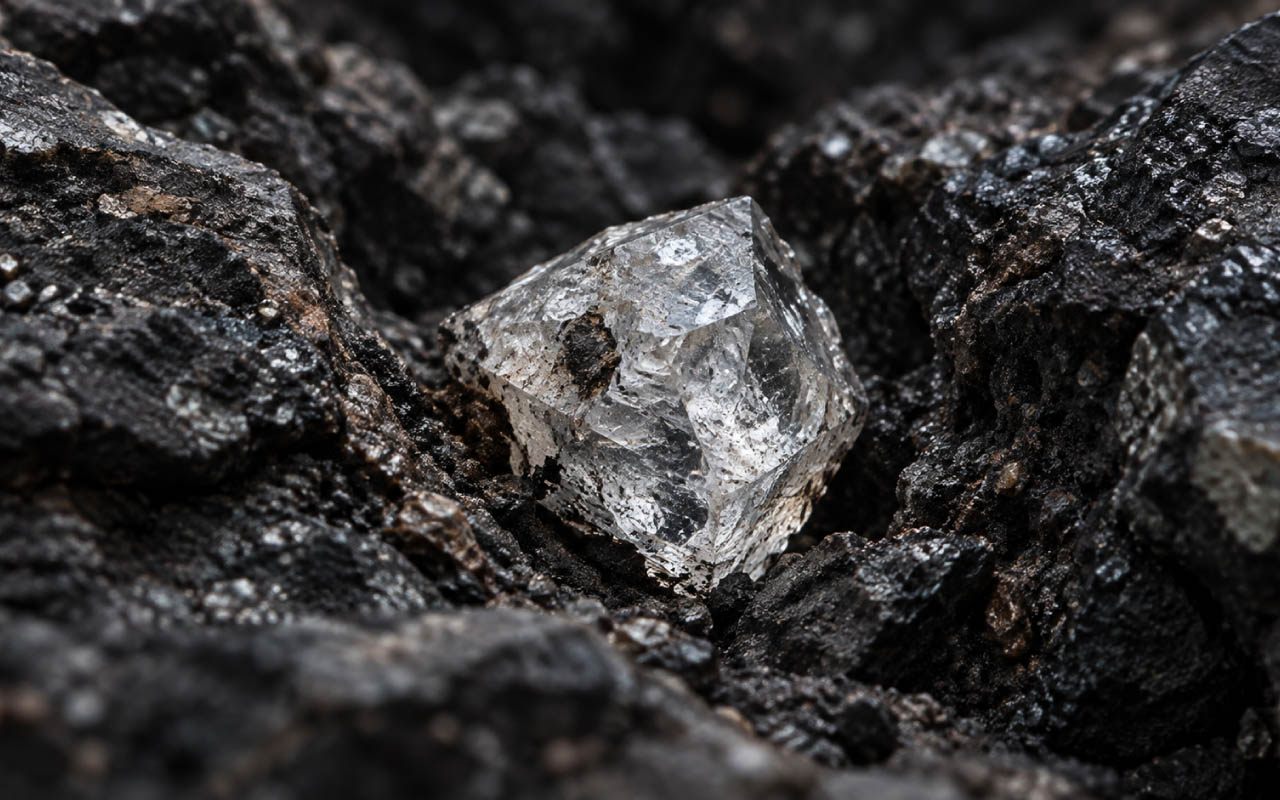
Transforming a diamond in the rough into a polished piece of brilliance takes a bit of art and science. Specifically, it requires the ideal diamond proportions. That means the perfect angles and symmetry to allow the right amount of light to enter the stone, reflect back and catch the eye.
These important diamond specs are why some stones look more dramatic and stunning than others, even when their quality grades are similar on paper.
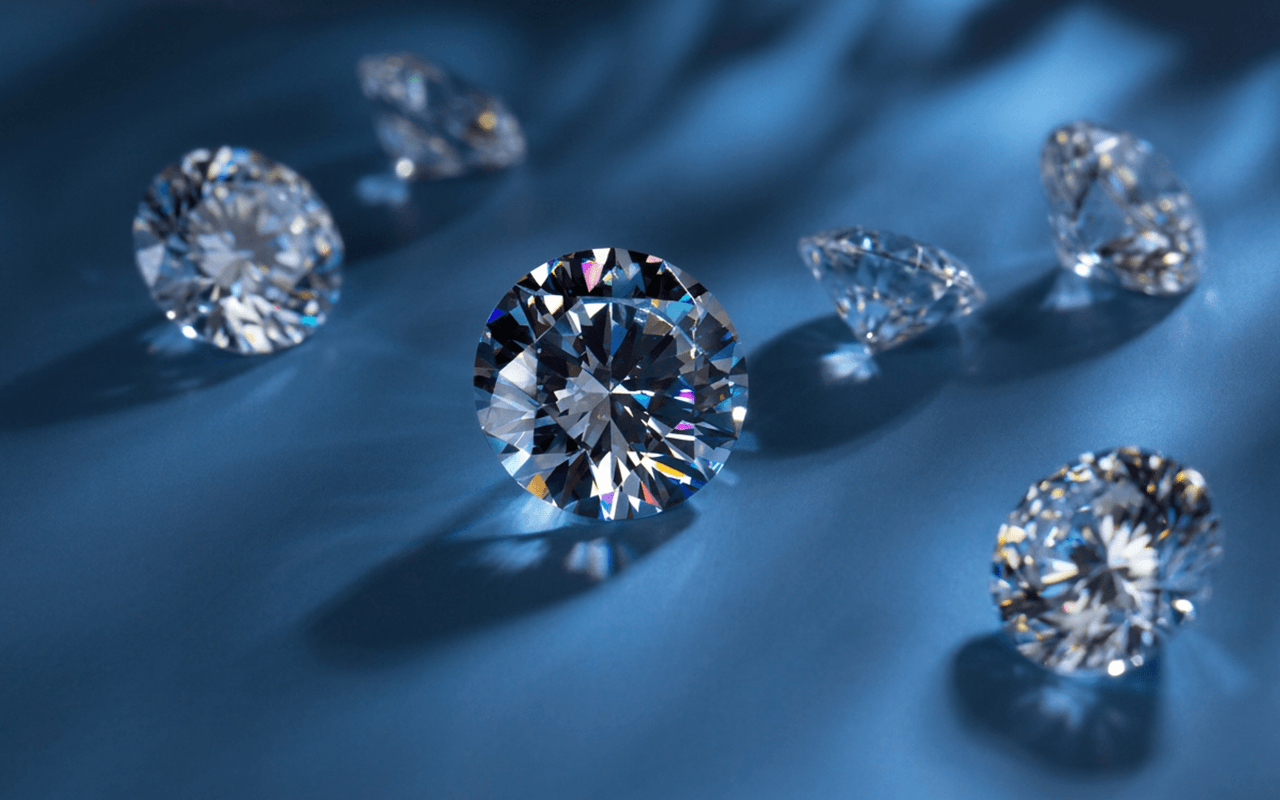
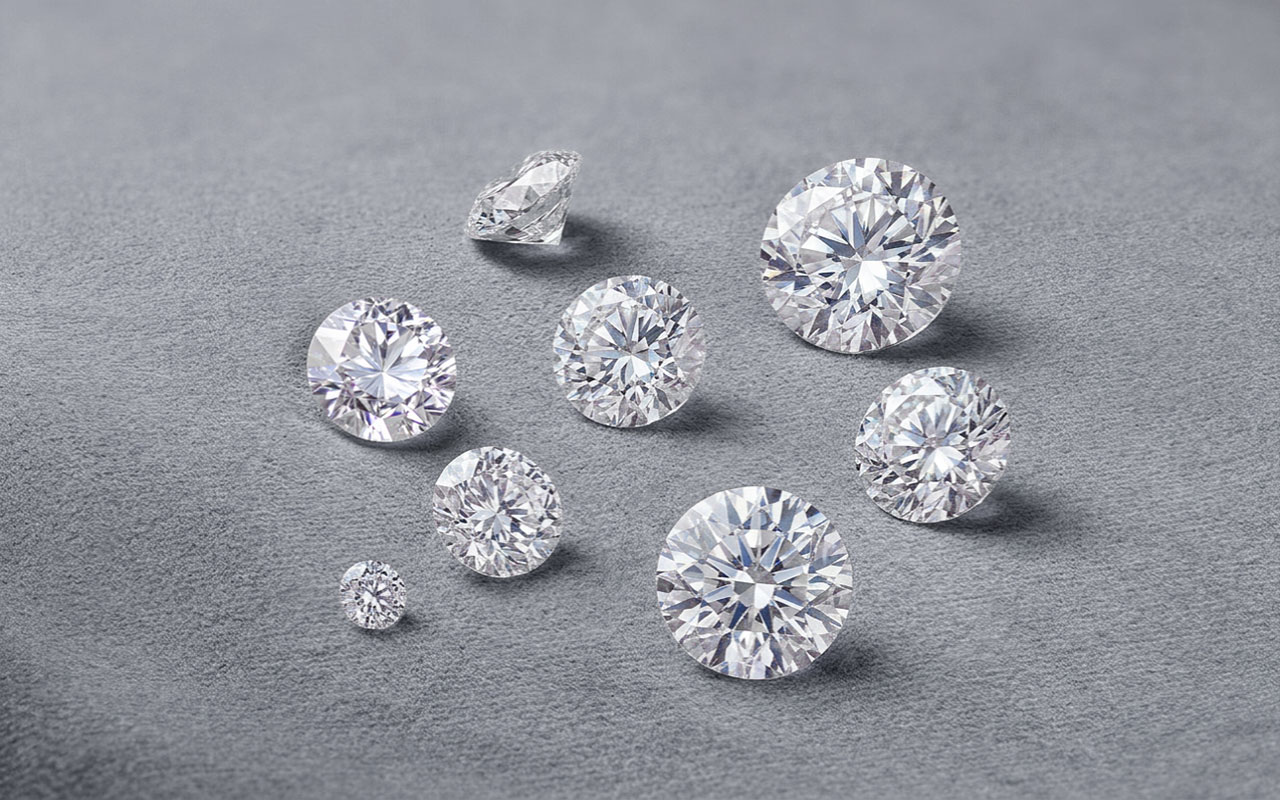
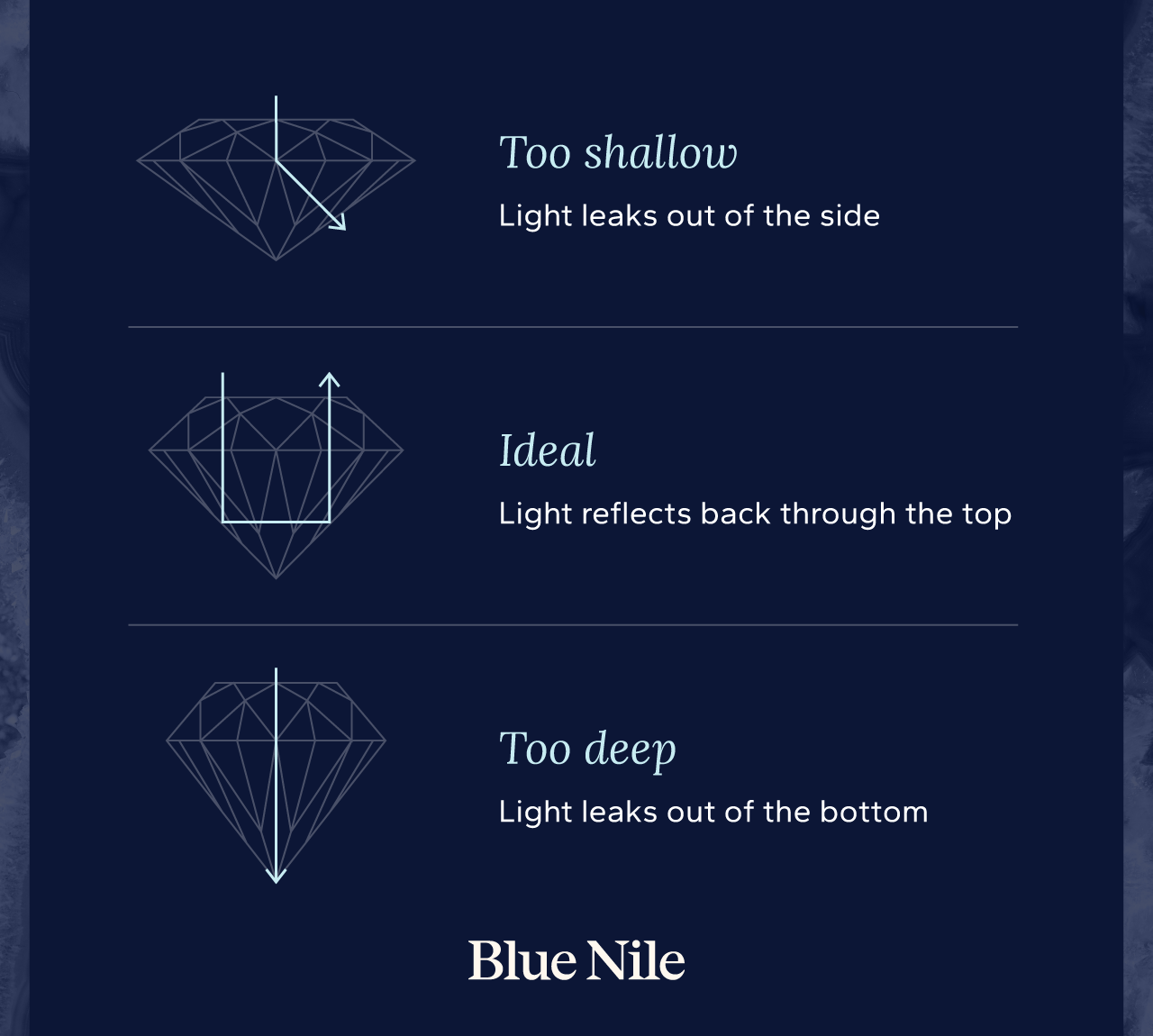
Even if two diamonds share the same color, clarity, and carat weight, one may glow while the other looks dull. It’s not magic, it’s geometry. When the proportions are off, light leaks out of the sides or bottom of the stone, reducing its sparkle.
Below, we’ll look at what diamond proportions actually measure, how they are calculated, the ideal ratios for different shapes, and, ultimately, how these factors influence both beauty and price.
What Diamond Proportions Actually Measure
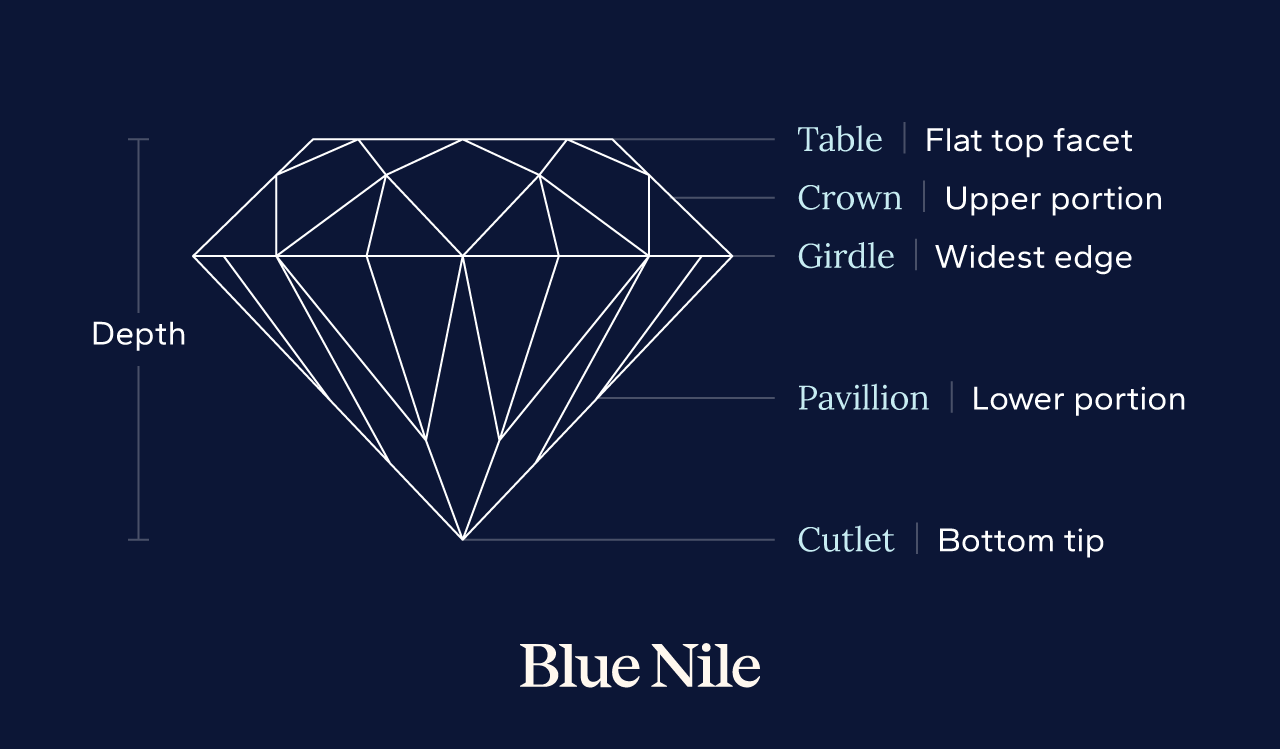
Diamond proportions are specific measurements for a stone’s depth, thickness, diameter and slope. When connected together, these diamond measurements form an important mathematical ratio that determines how the stone handles light.
Each measurement affects the others, so even small variations here or there can significantly alter the stone’s overall brilliance. To calculate the ideal diamond proportions, here is what is measured:
- Table percentage: The width of the flat top facet relative to the overall diameter of the diamond. It influences brightness and the balance between brilliance and fire.
- Depth percentage: How deep the diamond is from table to culet, compared to its width. If it’s too deep, the diamond may look smaller; too shallow, and it may lose brilliance.
- Crown angle: The slope of the upper portion of the diamond. It determines how light disperses into spectral fire.
- Pavilion angle: The angle of the lower portion of the diamond. It is one of the most important indicators of internal light reflection.
- Girdle thickness: The edge of the diamond where the crown meets the pavilion. It affects durability and how the diamond is set in jewelry.
- Culet: The tiny facet at the bottom of the diamond. Ideally, it’s very small or absent to avoid light leakage through the base.
Out of all these figures, the most critical diamond ratio is the relationship between the crown angle and the pavilion angle. When balanced correctly, light is reflected back through the crown, producing an optimal level of brightness. If the pavilion is too steep or too shallow, light can escape through the bottom, creating dark areas or an effect known as “windowing.” This is when it looks like light is reflected on a pane of glass rather than a mirror.
These measurements are typically documented on grading reports from trusted institutions like the Gemological Institute of America (GIA) and American Gem Society (AGS). They can also be independently verified using optical tools such as an Idealscope.
How Are Diamond Proportions Measured?
As mentioned, diamond proportions are primarily evaluated and standardized by grading laboratories, with the GIA and AGS serving as the most authoritative in the industry. While both organizations assess diamond cut quality by measuring depth, table and width, their methodologies differ slightly.
The GIA focuses on proportion ranges and craftsmanship, while AGS is more interested in overall light performance. As a result, a diamond may receive different results depending on which lab evaluates it:
- GIA cut grading: The GIA uses a 0-5 scale, ranging from Excellent to Poor, with each subsequent grade reflecting decreasing combinations of proportions, polish and symmetry.
- AGS cut grading: The AGS uses a 0–10 scale, where 0 represents an ideal cut quality and higher numbers indicate decreasing light performance.
Diamond Depth
Diamond depth is calculated by measuring the distance from the table (or top surface of the stone) to the culet (bottom tip) and dividing it by the diameter. This depth percentage determines how tall or deep a diamond appears relative to its width.
Diamond Table
The diamond table is calculated by dividing the width of the table facet by the overall diameter of the diamond. The table acts as the primary window through which light enters the stone, meaning its size directly influences brightness and sparkle.
Diamond Width
Diamond width refers to the average diameter of the diamond when measured across its widest horizontal points. Width also plays a major role in how large a diamond appears to the eye, independent of carat weight.
Ideal Cut Proportions for Diamonds
Of all the different cuts, round brilliant diamonds have the most defined standards due to decades of research from leading diamond cutter Marcel Tolkowsky. Ideal ranges today are the result of balancing brilliance and distribution of light.
But it’s important to note that a final cut grade is not determined by proportions alone. Polish and symmetry also play critical roles in overall cut grading, influencing how cleanly light travels through and reflects within the diamond.
Blue Nile evaluates diamonds using strict cut quality filters that align with GIA Excellent and AGS Ideal standards, ensuring that our collections only offer high-performing stones.
Below is a helpful diamond chart with the ideal measurements noted by GIA and AGS:
| Ideal GIA Proportion | Ideal AGS Proportion | |
| Table | 54%–58% | 55%–58% |
| Depth | 59%–62.5% | 59%–62.3% |
| Crown angle | 34°–35° | 34°–35° |
| Pavilion angle | 40.6°–41° | 40.6°–41° |
| Girdle | Thin to Medium | Thin to Slightly Thick |
| Culet | None or Very Small | None |
Ideal Proportions for Fancy Shape Diamonds
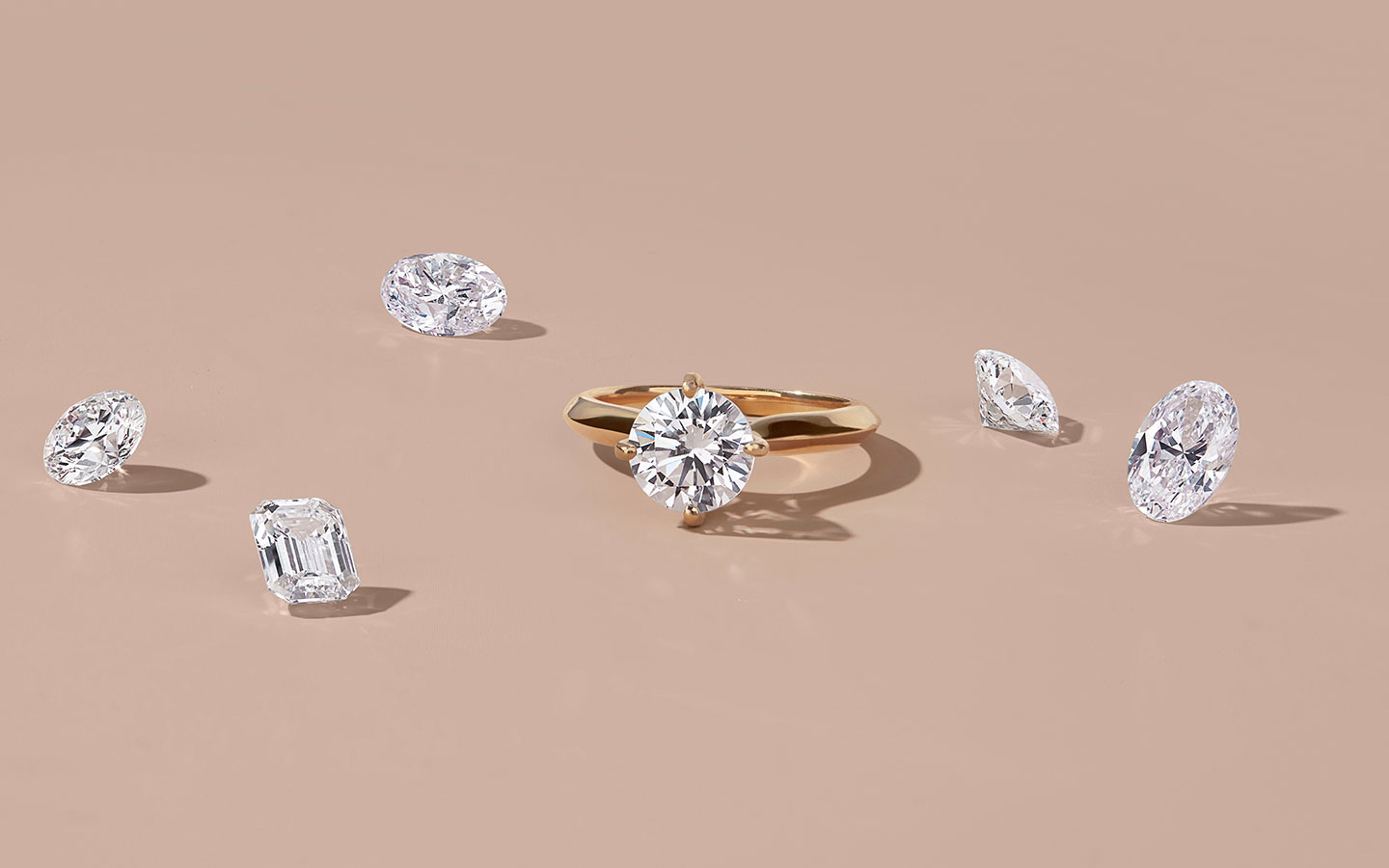
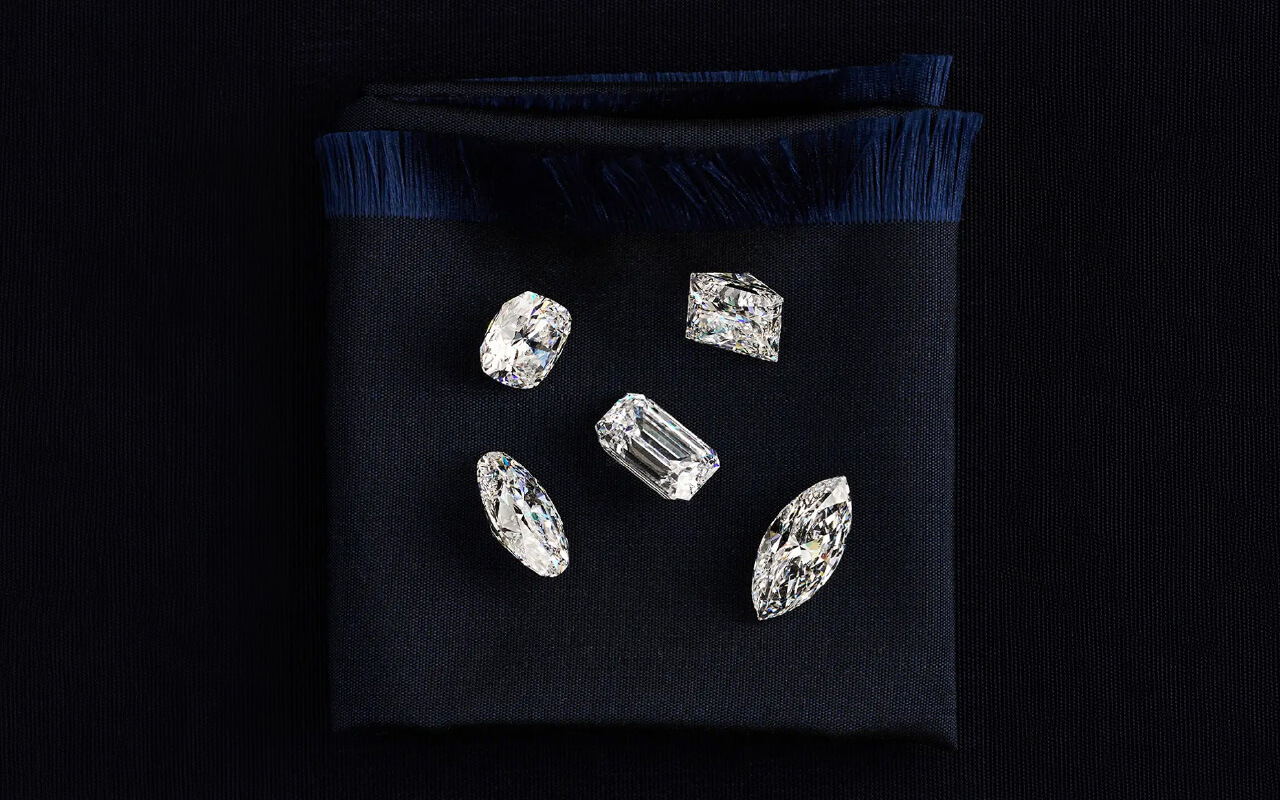
Unlike round brilliants, fancy shape diamonds like Asscher and cushion cut diamonds do not follow a universal ideal standard. Instead, they are measured with proportion ranges that reflect balance, brilliance and face-up appearance. These ranges help ensure beauty while allowing for stylistic variation across shapes.
This is because fancy shapes are more sensitive to cutting style, meaning two diamonds with identical proportions may still appear different depending on facet arrangement and light return efficiency.
Here’s a helpful diamond cuts chart that lists some of the most popular fancy shapes and their ideal proportions:
| Shape | Table | Depth | Length-to-width |
| Asscher | 60–68% | 61–67% | 1.00–1.05 |
| Cushion | 58–65% | 61–69% | 1.00–1.20 |
| Emerald | 60–70% | 61–67% | 1.30–1.50 |
| Heart | 55–62% | 58–64% | 0.90–1.10 |
| Marquise | 53–63% | 58–62% | 1.75–2.25 |
| Oval | 53–63% | 58–62% | 1.30–1.50 |
| Pear | 53–63% | 58–62% | 1.45–1.75 |
| Princess | 63–75% | 68–75% | 1.00 – 1.05 |
| Radiant | 61–69% | 61–67% | 1.00 – 1.20 |
How Diamond Proportions Affect Price
Diamonds with ideal proportions often command a premium price because they require more precision during the cutting process and that increases rough diamond waste. Achieving optimal symmetry and angle balance often means sacrificing more of the original rough stone. As such, well-proportioned diamonds are rarer and more valuable.
From a visual standpoint, proportions can also significantly influence perceived size. A well-cut diamond with ideal proportions reflects more light back to the viewer, creating stronger brilliance and making the stone appear larger and more vibrant. In contrast, a deep or shallow cut can make a diamond appear smaller and duller.
For some buyers, this creates an important trade-off: carat weight vs. cut quality. A slightly smaller diamond with superior proportions often delivers better visual impact than a larger diamond with poorer light performance. But prioritizing cut quality typically provides the most noticeable improvement in beauty.
Find Your Ideal Diamond with Blue Nile
Understanding ideal diamond proportions is key to choosing a timeless piece of jewelry that exceeds grading standards and looks beautiful in everyday life. While carat, color and clarity matter, these important proportions ultimately determine how much life and brilliance a diamond shows when it catches light.
When you shop with Blue Nile, our advanced filters help you narrow down your choice by specifying desired ranges for diamond depth, table, crown angle and pavilion angle.
You can start by comparing diamonds within Ideal or Excellent cut grades, then refine your search by table, depth, and angle preferences to find the right pick for your budget and style.
Frequently Asked Questions
The ideal proportions for a round brilliant diamond typically include a table of 54%–58%, depth of 59%–62.5%, crown angle of 34°–35° and pavilion angle of 40.6°–41°. These are ranges noted by GIA and AGS grading standards for producing the best balance of brightness and sparkle.
No, fancy shape diamonds do not have a set of ideal proportions in the same way round brilliant diamonds do. Instead, shapes like oval, cushion, emerald and pear are evaluated using recommended proportion ranges that help balance brilliance and visual appeal.
You can find a diamond’s proportion data on its grading report from institutions like the GIA or AGS. This will list measurements such as its table and depth percentages, crown angle and pavilion angle.
Blue Nile also displays these specs directly on the product pages.
A diamond grading report will have sections called proportions or cut, where key measurements like table percentage, depth percentage, crown angle, pavilion angle, girdle thickness and culet size are listed.
On reports from the GIA or AGS, these values are typically presented in a diagram and table format that can be checked against ideal ranges to evaluate the overall cut quality.


Share