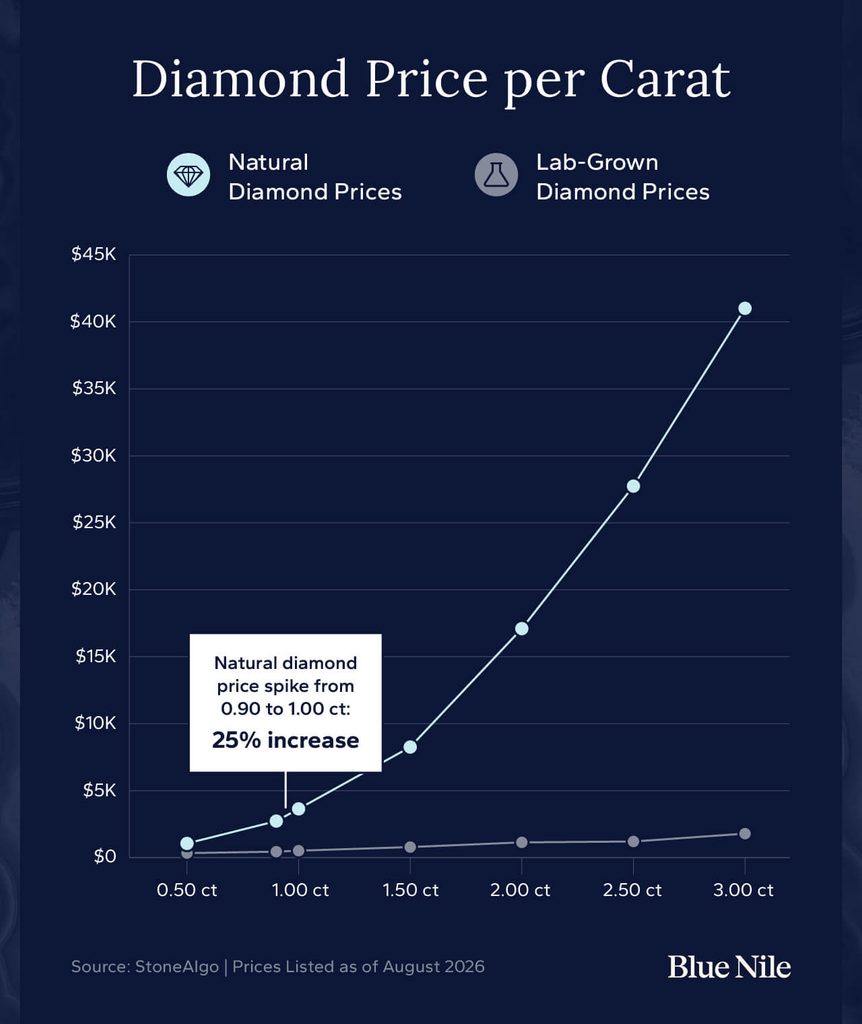
- The diamond price per carat increases nonlinearly, with larger stones becoming exponentially more expensive due to rarity and market perception.
- Origin impacts price, as natural stones cost more than lab-grown diamonds.
- Factors like cut, color, clarity, and shape also affect a diamond’s overall value.
- Strategic choices in shape, quality and source can maximize your budget and help you get more value for your money when buying a diamond.
To find the right diamond, you must understand what you’re paying for.
The diamond price-per-carat chart is a helpful tool, but it can be confusing because prices don’t scale evenly with size.
This breakdown will demystify how diamond prices increase with carat weight. Here, we’ll reveal the main factors that influence cost and offer practical advice to maximize your budget and help you secure the best deal given current diamond price trends.
Explore the price dynamics at different sizes and see how much diamonds are worth.
A Diamond Price Chart: What You’re Really Paying For
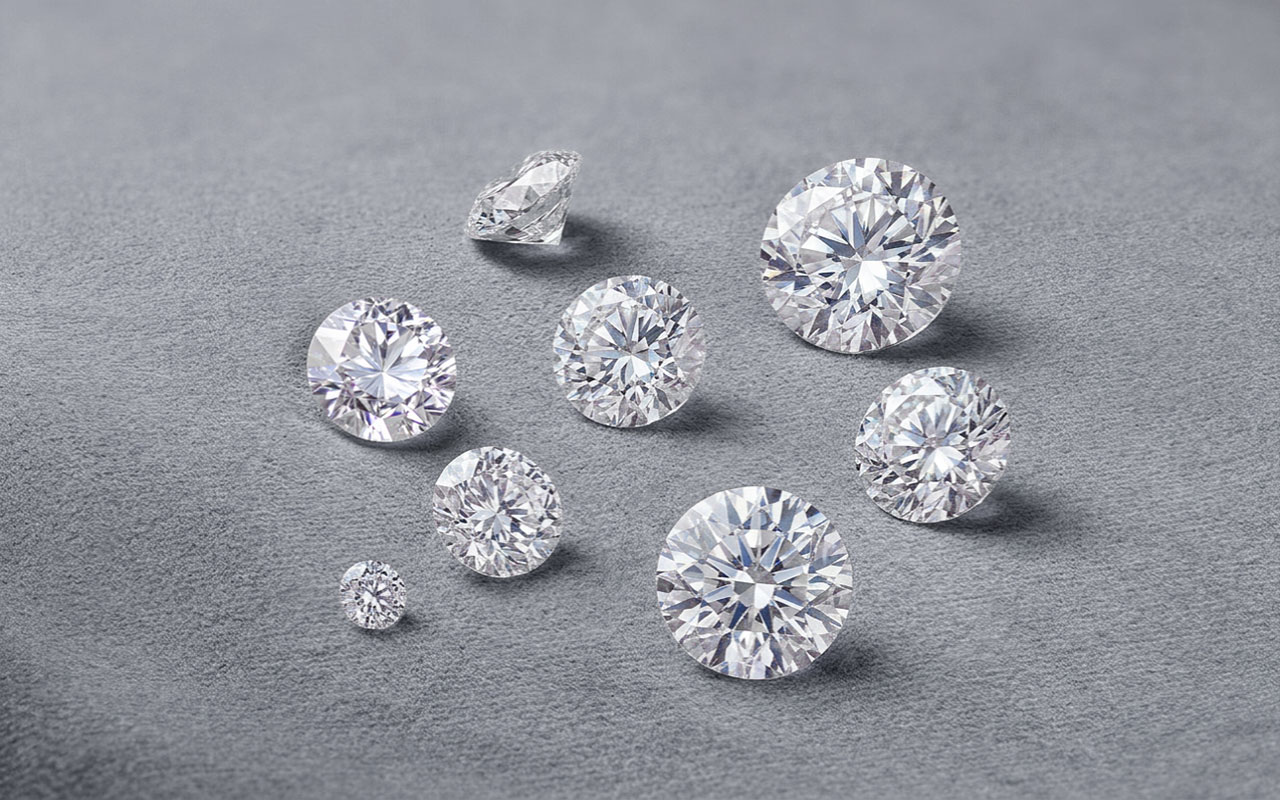
As diamonds grow larger, their rarity increases, making bigger stones far less common than smaller ones. That scarcity is why the price per carat accelerates rather than climbing in a straight line.
The diamond’s origin also plays a role. Lab-grown diamonds are more affordable, while natural diamonds remain the more timeless and enduring option.
You can see how these dynamics come together at different carat weights in the diamond price chart below.
| Carat Weight | Average. Natural Diamond Price | Average. Lab-Grown Diamond Price |
|---|---|---|
| 0.50 ct | $1,059 | $337 |
| 0.90 ct | $2,727 | $445 |
| 1.00 ct | $3,640 | $518 |
| 1.50 ct | $8,255 | $788 |
| 2.00 ct | $17,096 | $1,140 |
| 2.50 ct | $27,738 | $1,204 |
| 3.00 ct | $41,015 | $1,792 |
| Source: StoneAlgo | Prices Listed as of August 2026 | ||
There is a significant jump from 0.90 to 1.00 carats, with the diamond price increasing from $2,727 to $3,640. This 25% rise is an example of a “magic size” price spike, where certain carat weights command disproportionately higher prices due to rarity and market perception. The jump from 1.5 carats to 2 carats is even more dramatic, with the price doubling from $8,255 to $17,09.
It’s also striking how wide the natural-versus-lab-grown gap can be. For example, a 2.5-carat natural diamond costs around $27,738, while a lab-grown diamond of the same size is only about $1,204. This stark difference highlights how origin impacts the overall price landscape.
What Other Factors Determine a Diamond’s Price?
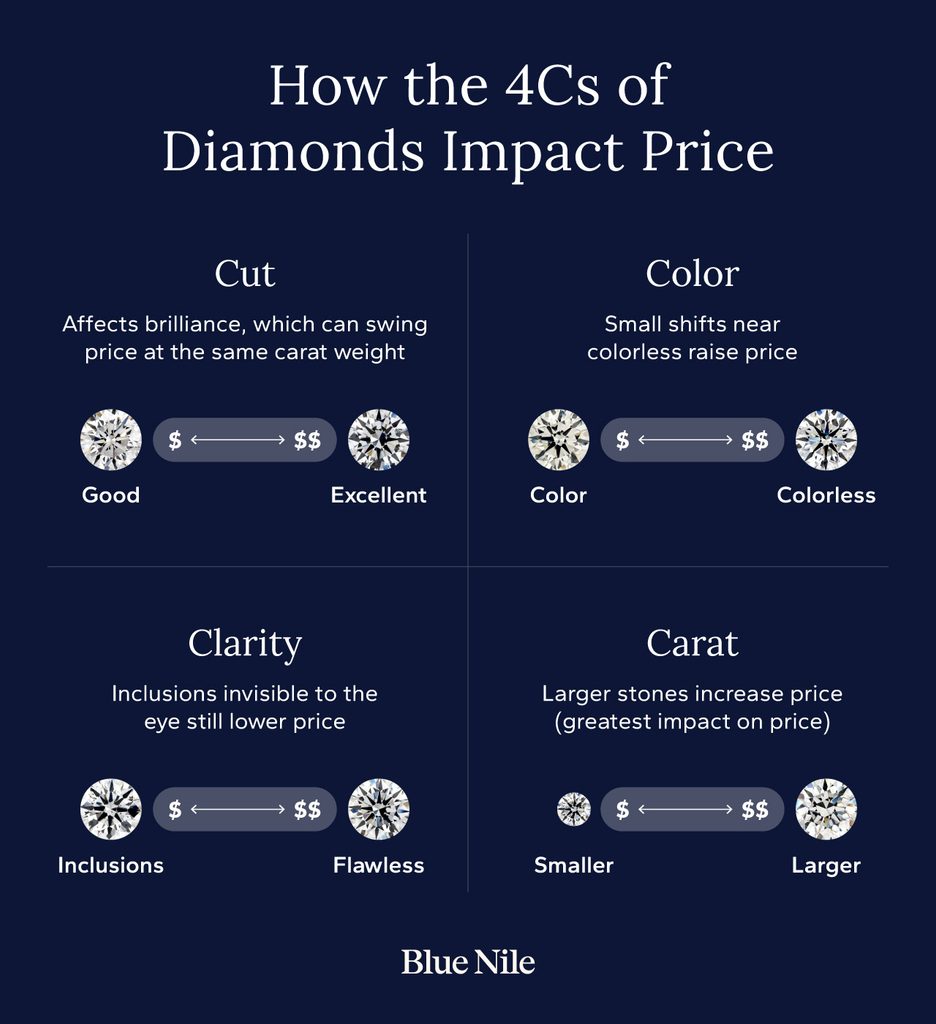
While carat weight plays a big role in diamond pricing, it’s just one piece of the puzzle. Two diamonds of the same size can vary greatly in price depending on other qualities. The other three factors in the 4Cs of diamonds (cut, color and clarity) are key to a diamond’s value.
Cut Quality
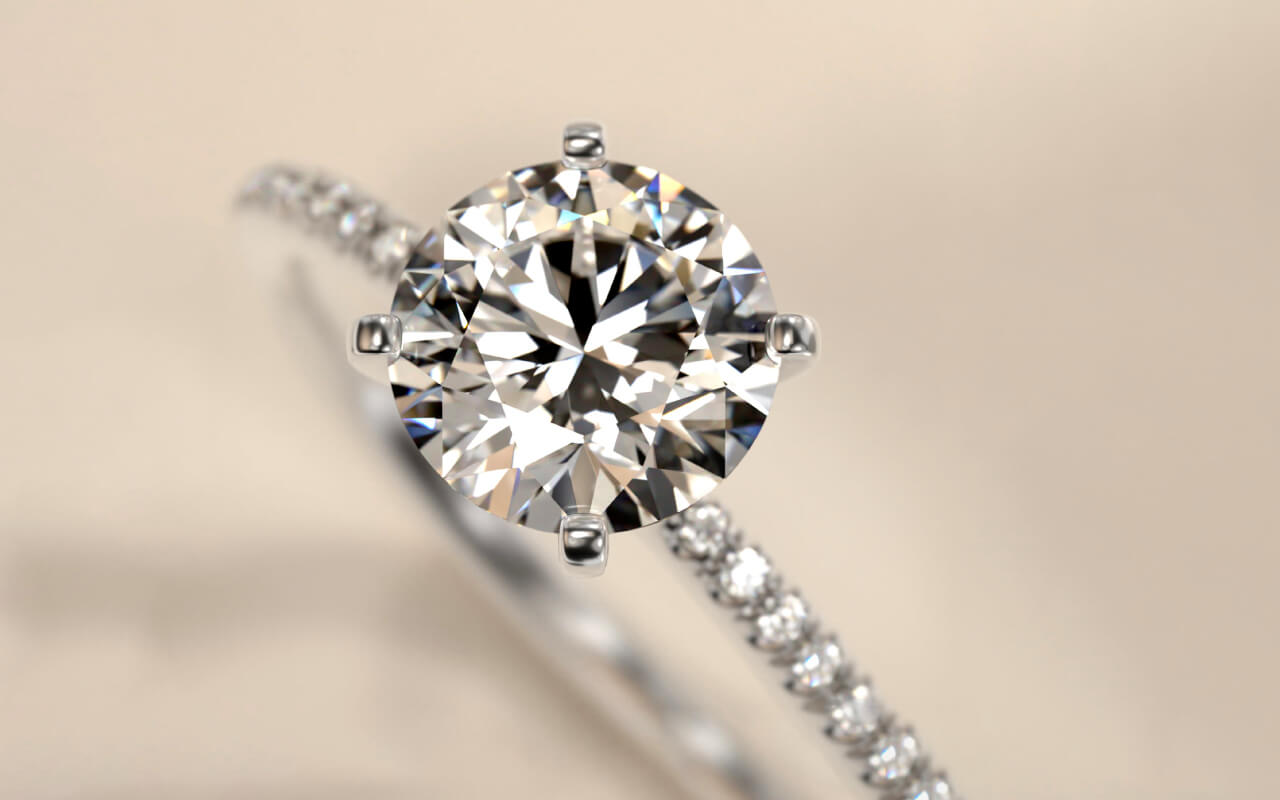
Cut quality determines how well a diamond interacts with light. A well-cut diamond reflects more light, creating a striking, intense shine that catches the eye. Differences here can impact the final price due to the artistry and technical expertise required to optimize light performance. Premium cuts command higher prices because they enhance visual appeal, while lower cuts reduce brilliance and value.
Color Grade
The diamond color scale runs from D (perfectly colorless) to K (light yellow). Diamonds in the D–F range are the rarest and most valuable types with an icy appearance. As you move to G–J, the stones show subtle warmth and become more budget-friendly. Since higher grades are rarer and more sought after, they cost more even at the same carat weight.
Clarity Grade
Diamond clarity, graded by IGI or GIA, assesses the presence of inclusions or blemishes inside or on a diamond’s surface. Diamonds with fewer inclusions, especially those invisible to the unaided eye, fetch higher prices. Visible inclusions, even if minor, can lower the value by making the stone appear less pure.
Diamond Shape
Diamond price changes by shape. Round stones, the most popular and in-demand diamond shapes, cost more due to market preference, higher manufacturing loss and superior light performance.
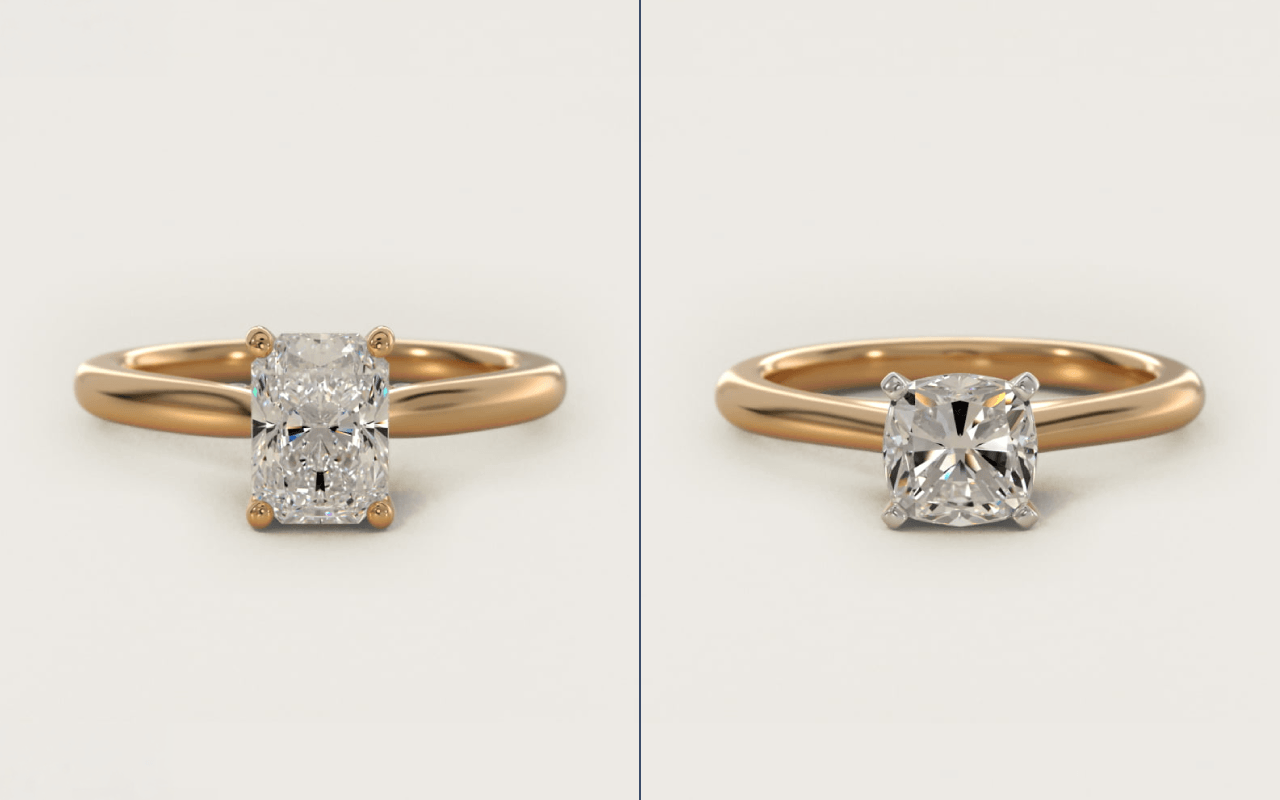
Non-round or fancy shapes like marquise, oval or pear are less expensive and can appear larger due to their elongated forms. Choosing a fancy shape can save you over 25% compared to a round of similar carat weight.
Origin
As mentioned before, natural vs. lab-grown diamonds vary in origin and market perception. Natural stones are more expensive due to rarity, whereas lab-grown diamonds offer a cost-effective alternative with similar beauty.
How to Get More Diamonds for Your Budget
Getting the most from your diamond budget involves making smart choices. Slight adjustments in quality or shape can significantly affect diamond prices, allowing you to buy larger or more beautiful stones without overspending.
Practical tips to help you maximize your investment when buying a diamond:
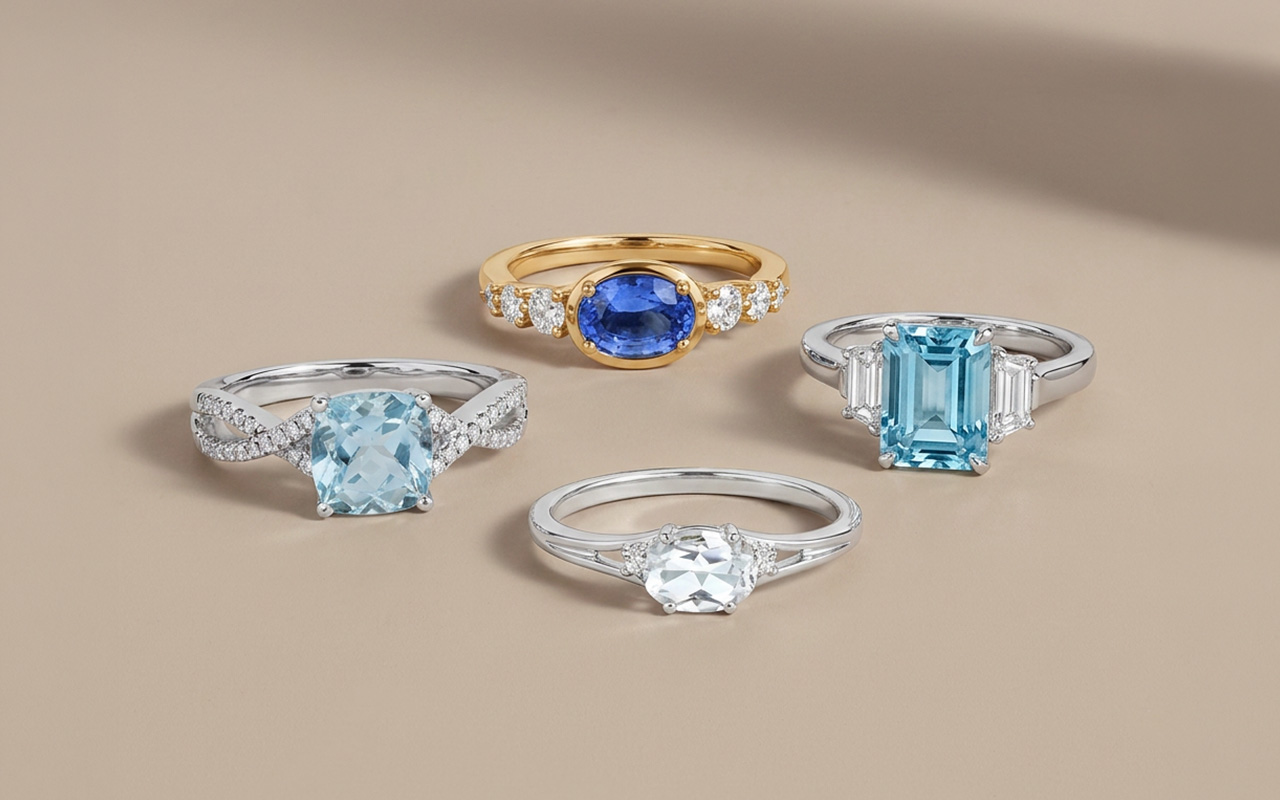
- Select fancy shapes like oval or cushion, which often have a lower price per carat than round diamonds.
- Opt for slightly lower color grades in the G–J range, which still appear colorless to the unaided eye but cost less.
- Look for diamonds with inclusions that are only visible under magnification.
- Prioritize a high cut grade to maximize brilliance.
- Explore lab-grown diamonds, which have the same optical properties but cost a fraction of natural stones.
- Buy from a reputable seller that offers certification, as it guarantees quality and protects your investment.
Find a Diamond That Fits Your Budget and Style
The diamond price-per-carat chart makes it easier to find a stone that fits your budget without sacrificing beauty. When selecting the right carat weight for your finger, think about how size, shape and quality come together to create the ideal ring.
If you’re ready to purchase, Blue Nile has an extensive array of natural and lab-grown diamonds for every budget. Explore our collection today and shop diamonds that match your vision.
Frequently Asked Questions
Blue Nile is a trusted source for diamonds, with a wide selection of high-quality stones and transparent pricing. Shopping from a reputable source ensures you receive certified diamonds and the best value for your budget.
A fair price depends on the diamond’s quality and carat weight, but most buyers spend between $5,000 and $7,500 for a diamond engagement ring. Working with a reputable seller helps you find the right balance of quality and value within your budget.
The 1-carat diamond price starts at around $518 for lab-grown diamonds and $3,640 for natural stones, depending on factors like cut, color and clarity. Prices increase with higher quality grades and certification, making it essential to compare options carefully.
A 2.5-carat diamond starts at about $1,204 for lab-grown diamonds and $27,738 for natural stones. Higher grades and excellent cuts will push the cost toward the upper end of the diamond price ranges.
A natural 3-carat diamond costs around $41,015, while a lab-grown diamond of the same carat weight costs $1,792. These diamonds are among the costlier options. Shoppers choosing these often want to go all out as gift-givers or are looking for long-term investments and heirloom pieces.
A $30,000 ring could feature roughly 1.5 to 2.5 carats of high-quality diamonds, depending on their cut, color, clarity and shape. The exact size varies based on the diamond quality you select and the ring’s design.
Diamond prices today fluctuate with market demand and other factors, but they’ve remained stable or slightly declined. If you’re planning to buy, now is a good time to secure a favorable deal before prices shift.


Share