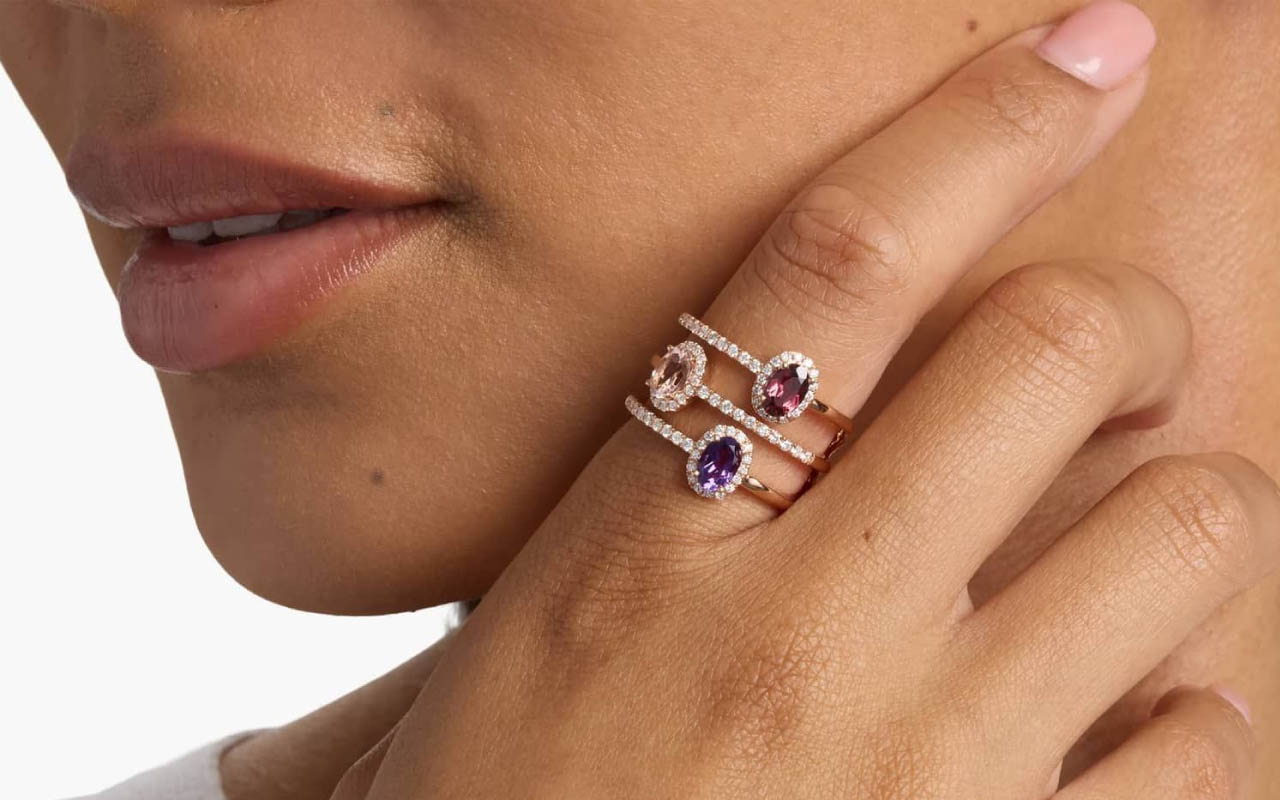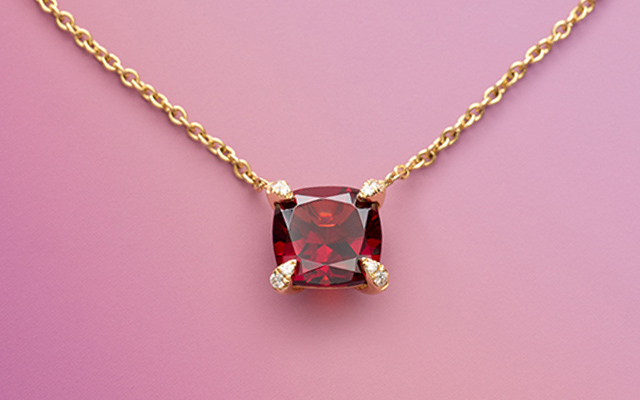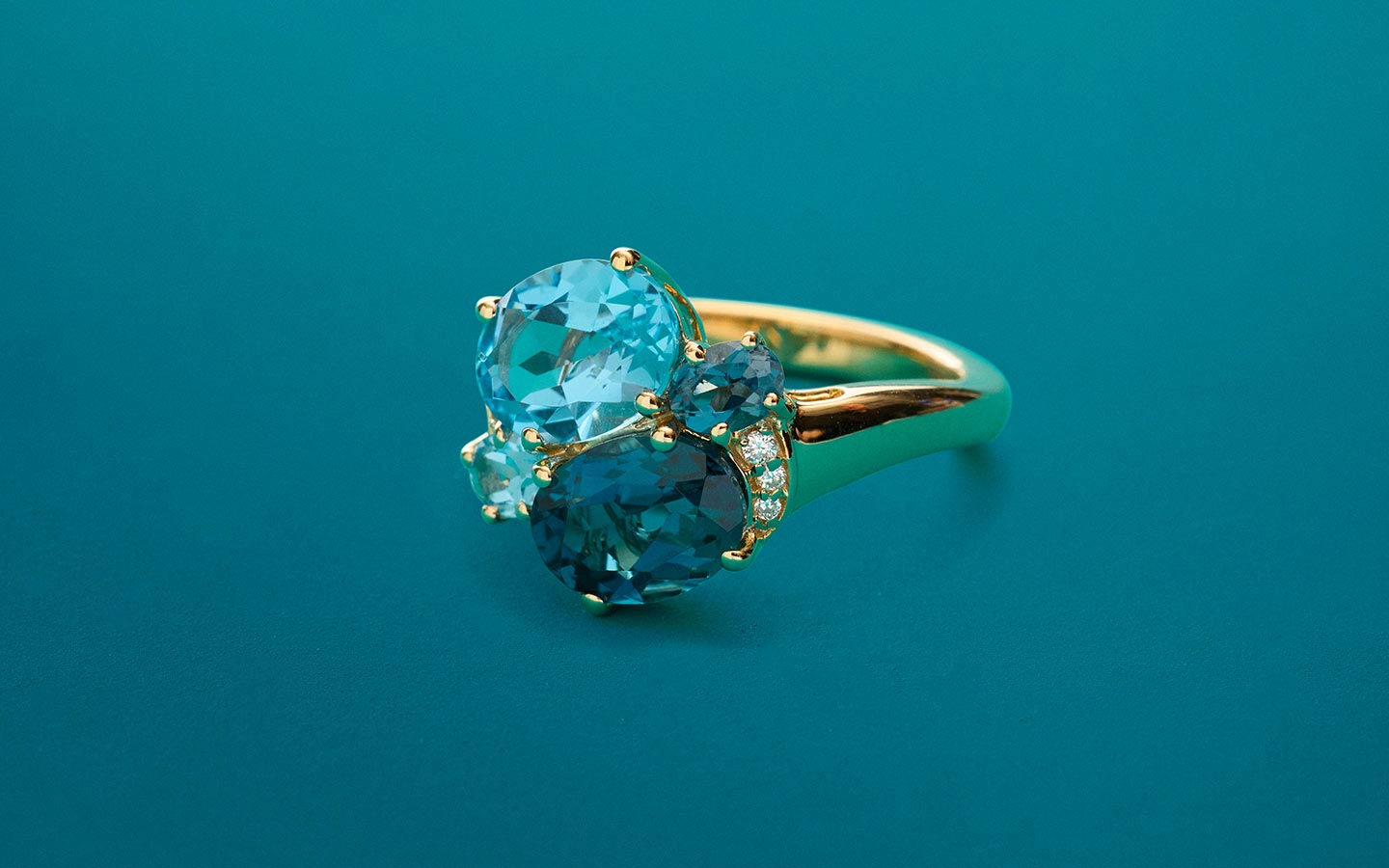
Montana sapphires are rare, American-mined gemstones known for their naturally varied color range, spanning teal, blue-green, green and parti-color, with traceable domestic origin. No two stones are identical.
Not all sapphires are created equal, and none are quite like the ones pulled from the mountains of Montana.
If you’ve been asking what a Montana sapphire is, the answer starts with geography. These are gemstones found exclusively in a handful of deposits across Big Sky Country, and their American origin is only one aspect of what sets them apart.
This guide covers everything you need to know before you shop: how Montana sapphires compare to traditional sapphires, what drives their value and why they’ve become one of the most sought-after colored stones in fine jewelry today.
Montana Sapphire vs. Sapphire: What’s the Difference?
Both Montana sapphires and traditional sapphires belong to the corundum family and share the same exceptional hardness, but their origins, color profiles and cultural significance set them meaningfully apart. Here’s a closer look at how they compare.
| Montana Sapphire | Sapphire | |
| Origin | Mined exclusively in Montana, USA | Found worldwide, with major sources in Sri Lanka, Madagascar, Kashmir and Burma |
| Common Colors | Blue, teal, green and parti-color; natural color variation means no two stones are identical | Predominantly blue; also available in pink, yellow, white and other fancy colors |
| Hardness | 9 on the Mohs scale | 9 on the Mohs scale |
| Ethical Sourcing | American-mined with traceable domestic origin and a focus on responsible practices | Sourcing transparency varies widely by mine and region |
| Availability | Rare; limited to specific Montana deposits | More widely available due to global mining operations |
| Popularity for Engagement Rings | Growing rapidly, especially among buyers seeking unique color and American-sourced stones | Long-established as a top diamond alternative, particularly in blue |
Montana Sapphire Colors
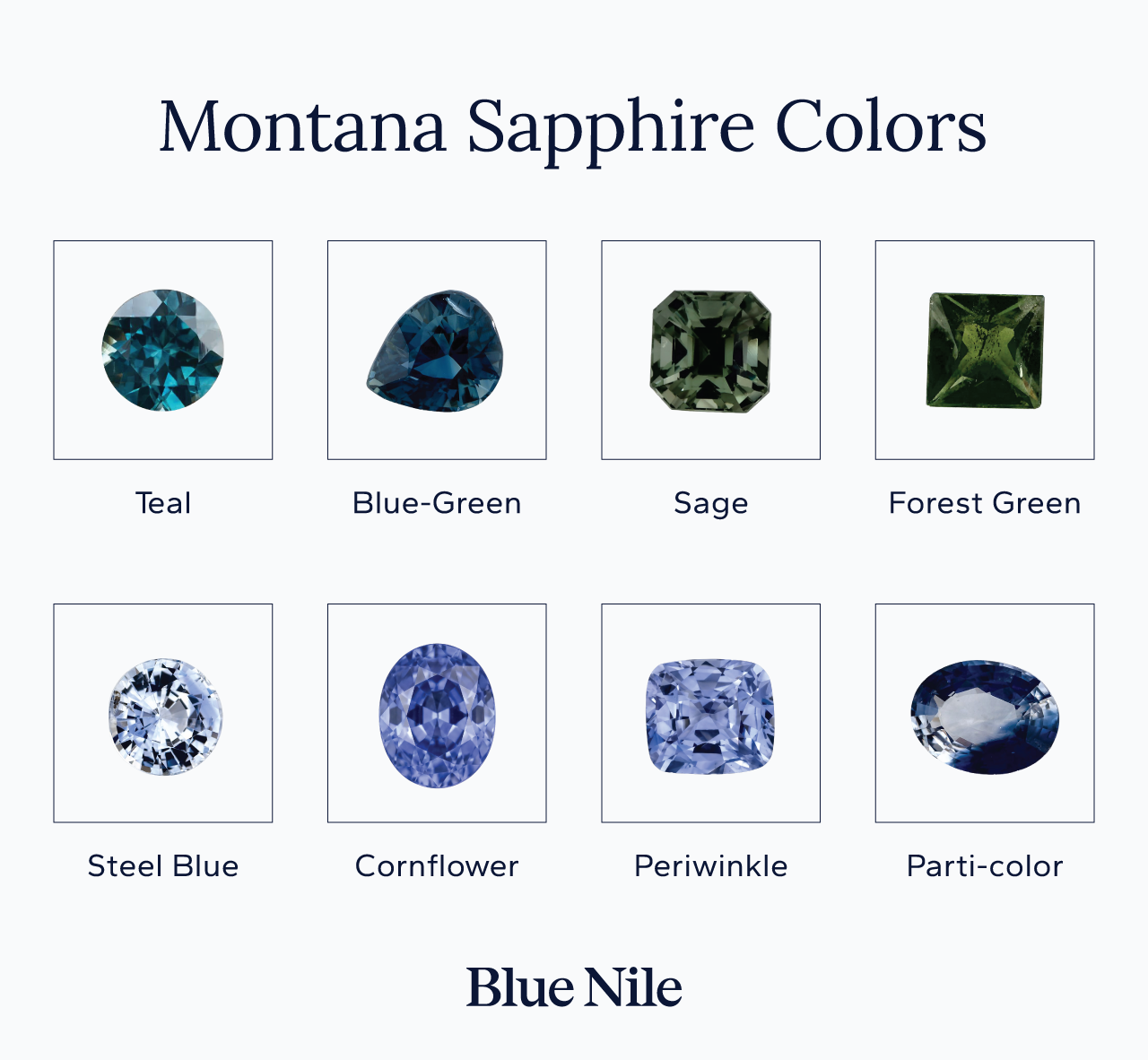
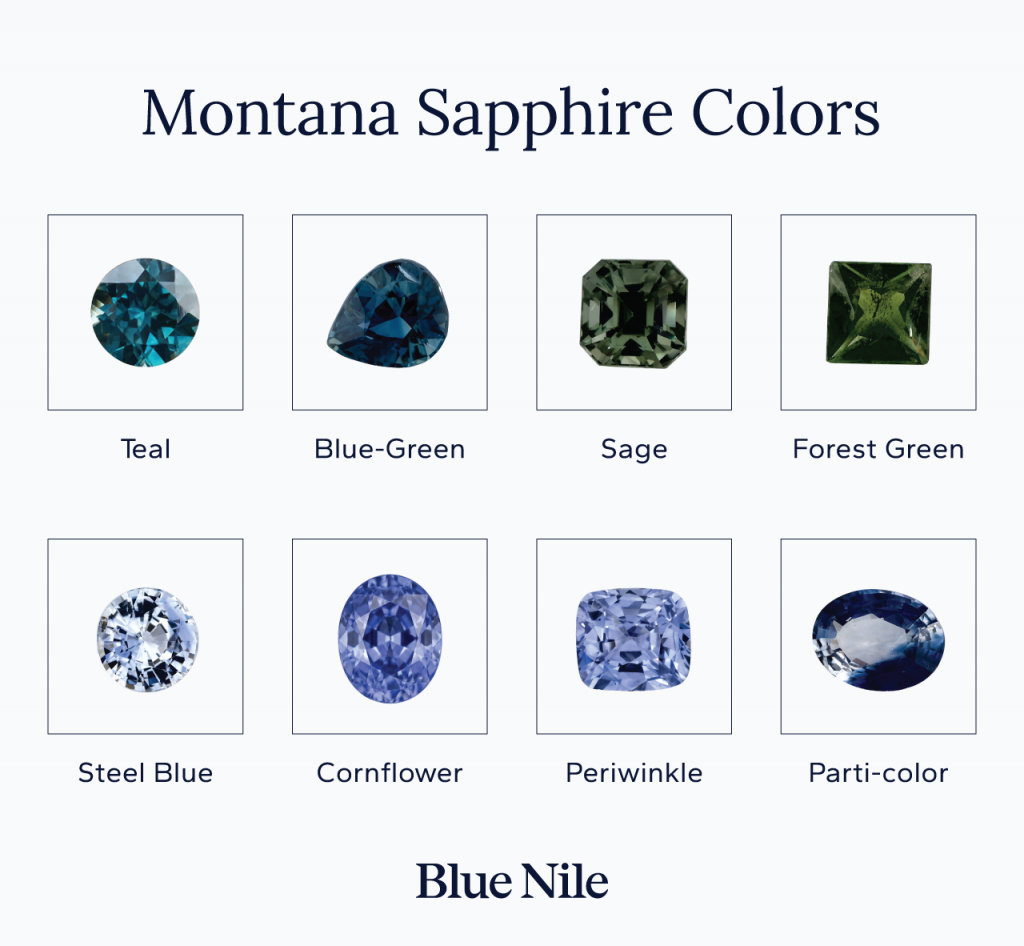
Montana sapphires span a color range unlike any other sapphire source in the world. While classic sapphires are defined by their blue, Montana stones include:
- Vivid teal and blue-green: The most iconic Montana hues, often with a cool, nature-inspired quality
- Sage and forest green: Earthy tones are increasingly sought after for alternative engagement rings
- Steel blue and periwinkle: Closer to traditional sapphire color, but with a distinctly American origin
- Parti-color: Stones that shift between two or more hues within a single gem, making each one genuinely unique
No two Montana sapphires are exactly alike, and much of this diversity traces back to the specific mineral conditions of each deposit. Yogo Gulch is known for consistent cornflower blue, while Rock Creek produces an abundance of teal and parti-color stones prized for their organic tones.
Montana Sapphire Hardness
Montana sapphires rank 9 out of 10 on the Mohs hardness scale, a system devised in 1812 to measure a mineral’s scratch resistance, which is the same as any sapphire, regardless of origin. That places them just below diamond and well above most other gemstones, including emerald, opal and pearl. For everyday jewelry like engagement rings and stacking pieces, it’s one of the most durable options available.
A stone rated 9 on the Mohs scale resists scratching from nearly any material it’s likely to encounter in daily wear. Combined with the natural rarity and color variation Montana sapphires are known for, hardness is one of the reasons they’ve become a serious alternative to diamonds for buyers who want both longevity and individuality in a single stone.
Heated vs. Unheated Montana Sapphires
Montana sapphires are sold in two forms, and understanding the difference can help you shop with confidence.
| Treatment | Value & Pricing | Best For | |
| Heat-treated Montana sapphires | Controlled heating boosts color and clarity; stable, permanent, and industry-accepted.Controlled heating boosts color and clarity; stable, permanent, and industry-accepted. | More accessible price point | Buyers prioritizing vibrant, consistent color at a lower cost |
| Unheated Montana sapphires | Sold exactly as they came from the earth, with no enhancement of any kind | Considerably rarer and typically command a premium price | Collectors and buyers who prioritize provenance and natural purity |
When shopping for either, look for a reputable gemological certificate that specifies treatment status so you know exactly what you’re getting.
The History of Montana Sapphires
Montana sapphires were first discovered in the 1860s during the gold rush near Helena, Montana. Early miners panning for gold repeatedly encountered small blue pebbles in the riverbeds and repeatedly set them aside. It wasn’t until the stones were identified as sapphires that their value became clear, and commercial mining soon followed.
By the late 19th century, Montana sapphires had earned international recognition. Stones from Yogo Gulch were shipped to London for cutting and attracted attention for their natural clarity and consistent cornflower blue color: qualities rare enough to draw serious interest from the gemstone trade.
Today, Montana remains the only commercially significant sapphire source in the United States, and the stones’ American origin has become as much a part of their appeal as the gems themselves.
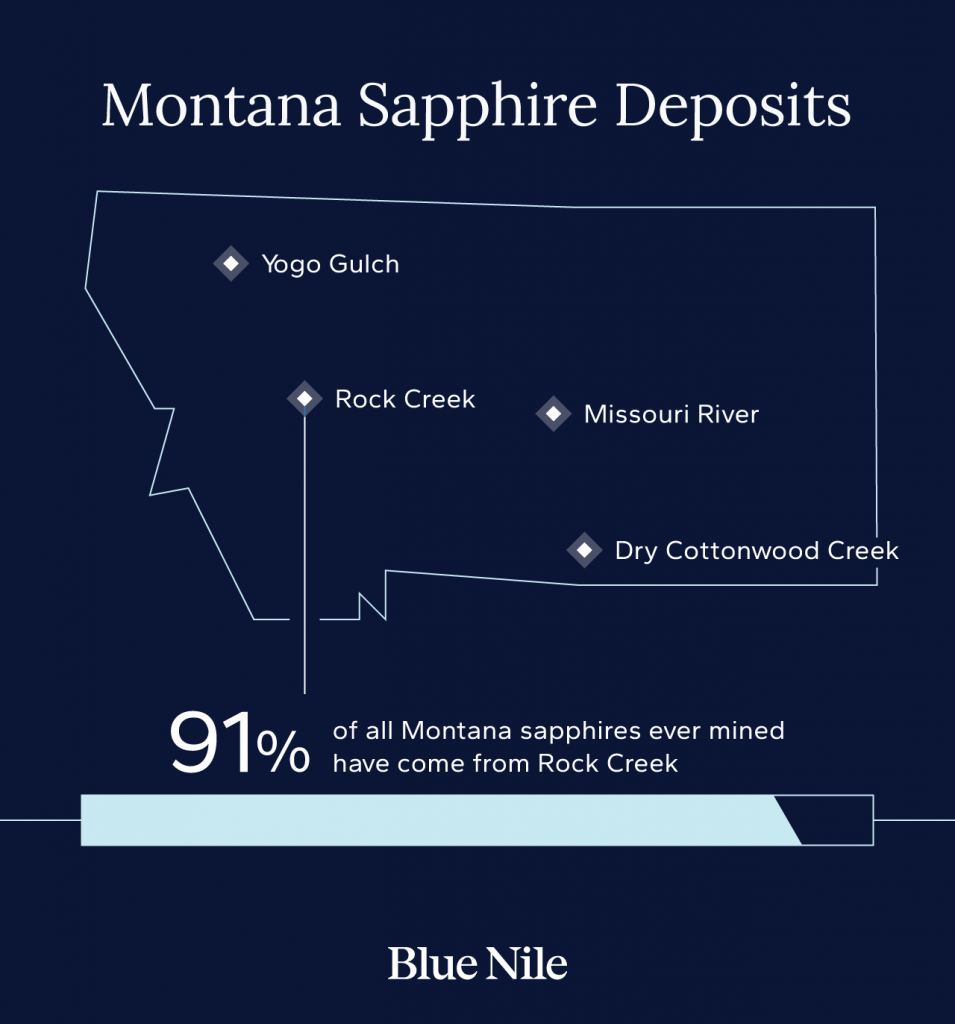
The Four Main Montana Sapphire Deposits
Montana sapphires are found in four distinct regions across the state, each with its own geological character and color profile. Here’s what makes each one unique:
- Yogo Gulch: Widely considered the most prestigious Montana source, Yogo stones are prized for their natural clarity and consistent cornflower blue color. Unlike sapphires from other deposits, they rarely require heat treatment to achieve their characteristic hue.
- Rock Creek: Known for producing an abundance of “fancy” colors, including vivid teals, greens and parti-color stones. Rock Creek is the source of much of the color diversity that makes Montana sapphires celebrated.
- Missouri River: The alluvial deposits along the Missouri River tend to yield larger stones than other Montana sources, making this region particularly notable for buyers seeking more substantial gems.
- Dry Cottonwood Creek: Originally mined for industrial-grade corundum, it has since become a recognized source of gem-quality Montana sapphires, adding to the state’s rich mining legacy.
Are Montana Sapphires Valuable?
Yes, Montana sapphires are considered genuinely valuable, and their worth is driven by factors that go beyond typical gemstone pricing.
Several factors influence the value of an individual stone:
- Rarity: Unlike sapphires sourced from large-scale global mining operations, Montana stones come from a limited number of deposits in a single U.S. state, thereby constraining supply
- Color: Vivid, saturated teal and blue-green stones command the highest premiums, as do stones with exceptional parti-color variation
- Treatment status: Unheated stones are rarer and typically priced higher than heat-treated equivalents
- Clarity: Yogo Gulch stones are particularly prized for their natural clarity, which is uncommon for sapphires that haven’t been treated
- Origin: American-sourced stones carry an added premium for buyers who prioritize traceable, domestically mined gemstones
- Carat weight: Larger stones are significantly rarer, particularly from Missouri River deposits, and are priced accordingly
Montana Sapphire Popularity
Interest in Montana sapphires has grown steadily in recent years, driven by a shift toward gemstones that feel personal, traceable and distinct. Their naturally varied color range makes them a compelling alternative to more traditional options, and their American origin resonates with buyers who want jewelry that carries a sense of place and story.
Today, Montana sapphires appear across a wide range of fine jewelry styles:
- Engagement rings: The most popular application, particularly among buyers seeking a non-diamond or colored stone center.
- Earrings: Stud and drop styles showcase the color variation of Montana sapphires particularly well, making them a versatile choice for both everyday wear and special occasions.
- Necklaces: Solitaire pendants and bezel-set styles let the stone’s natural color take center stage, making them a strong option for self-purchase and gifting alike.
- Bracelets: Tennis and stacking styles featuring Montana sapphires offer a subtler way to incorporate the stone into an everyday jewelry wardrobe.
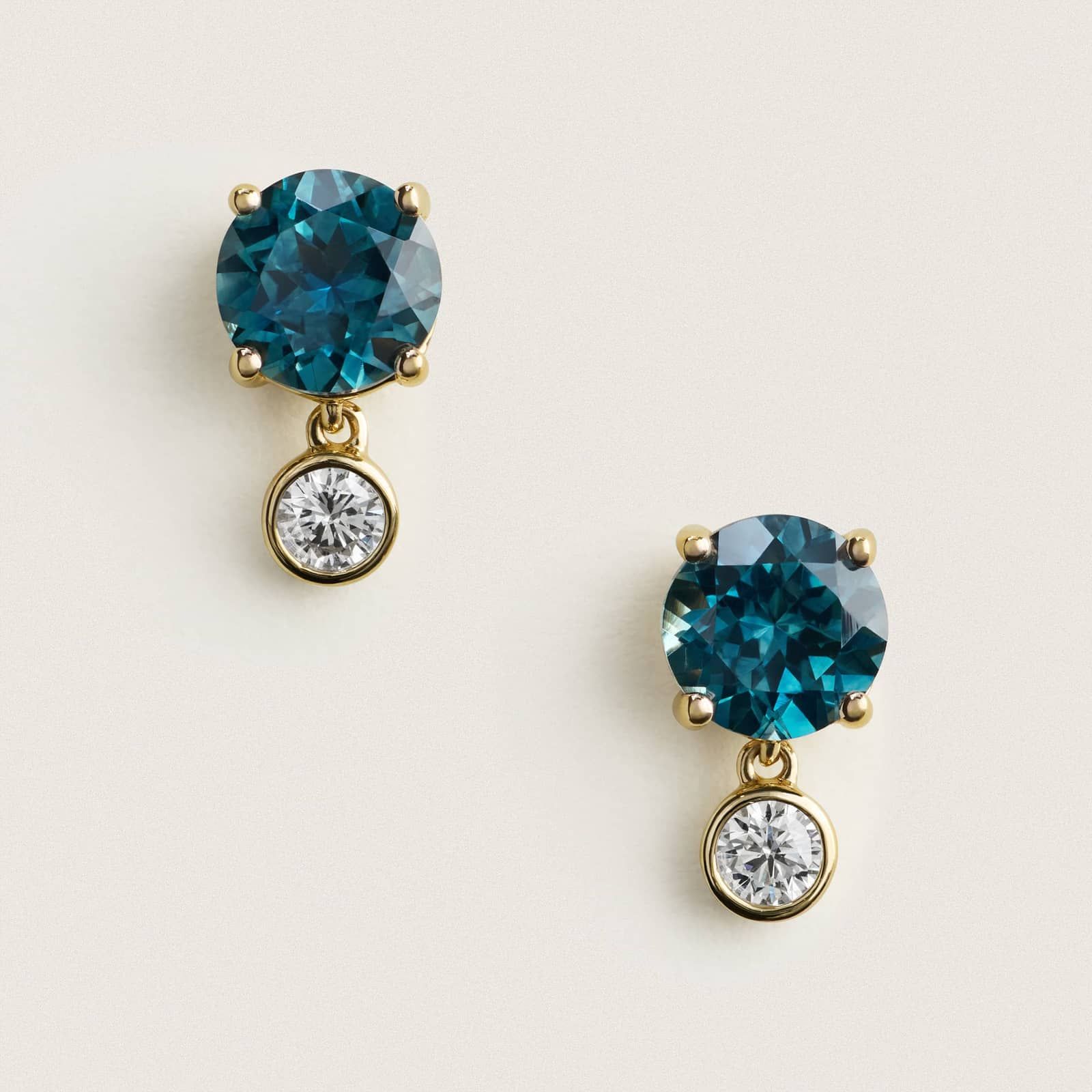
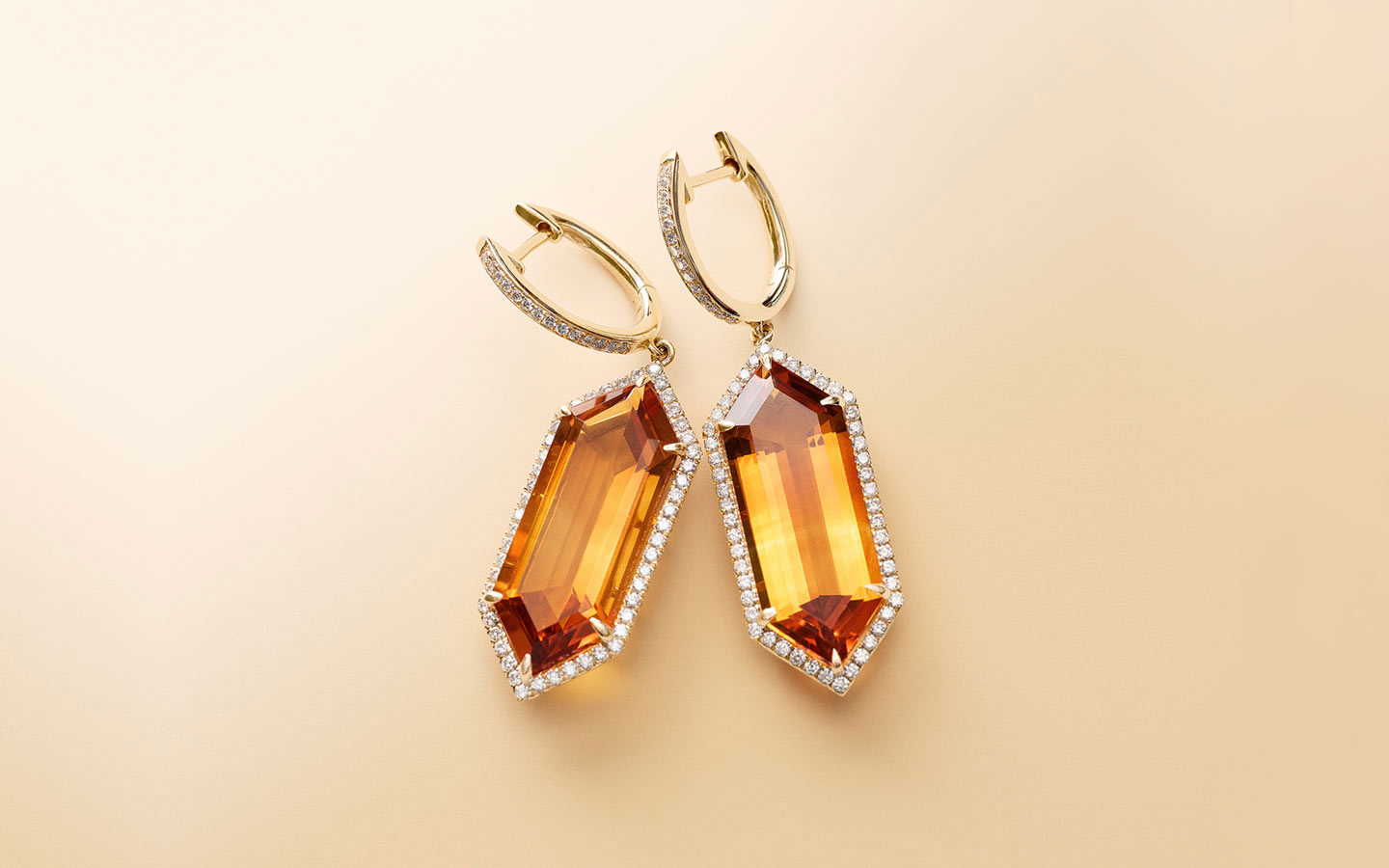
Montana Sapphire & Round Diamond Bezel & Prong Earrings in 14K Yellow Gold
Shop Montana Sapphire Earrings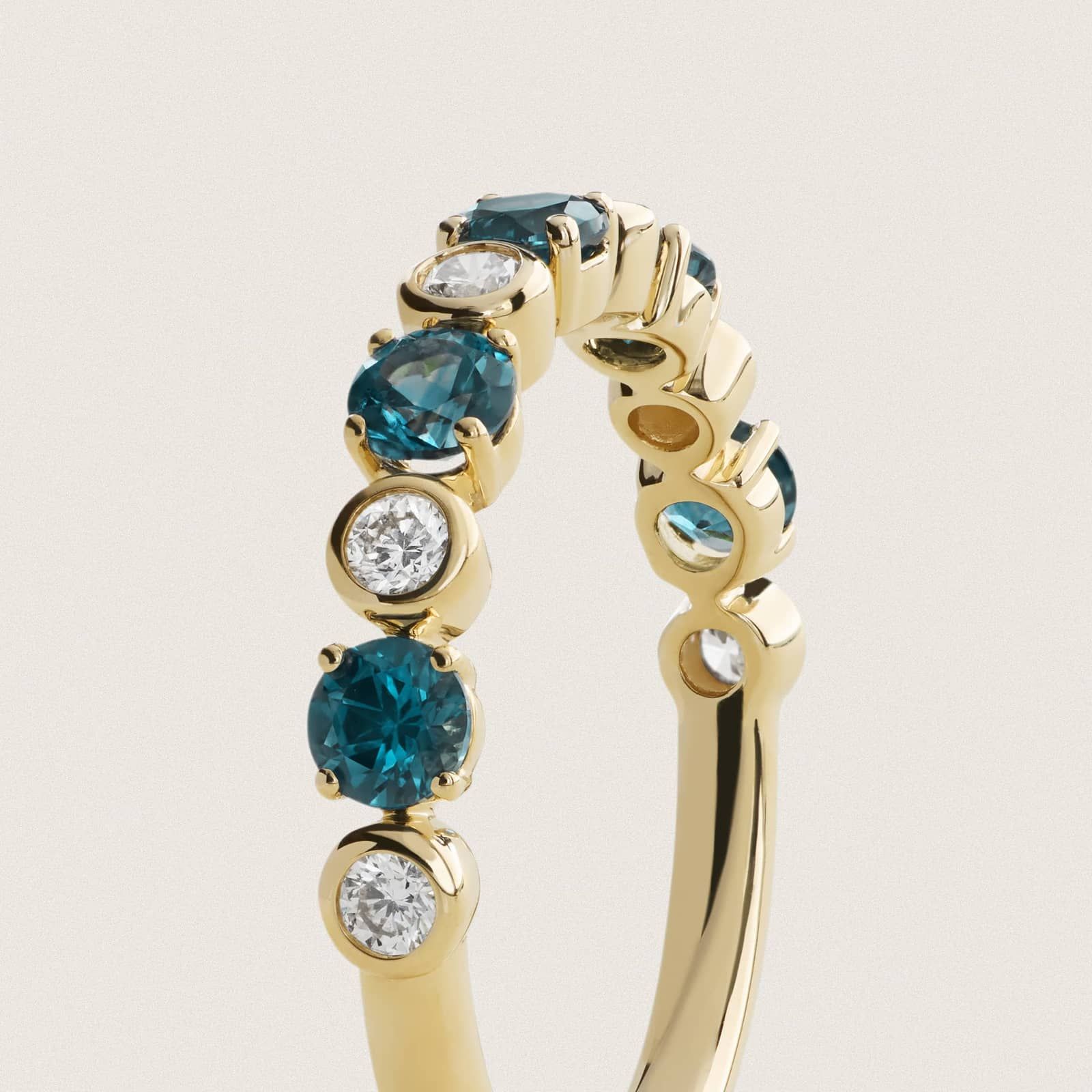
Montana Sapphire & Round Diamond Alternating Bezel & Prong Ring in 14K Yellow Gold
Shop Montana Sapphire Rings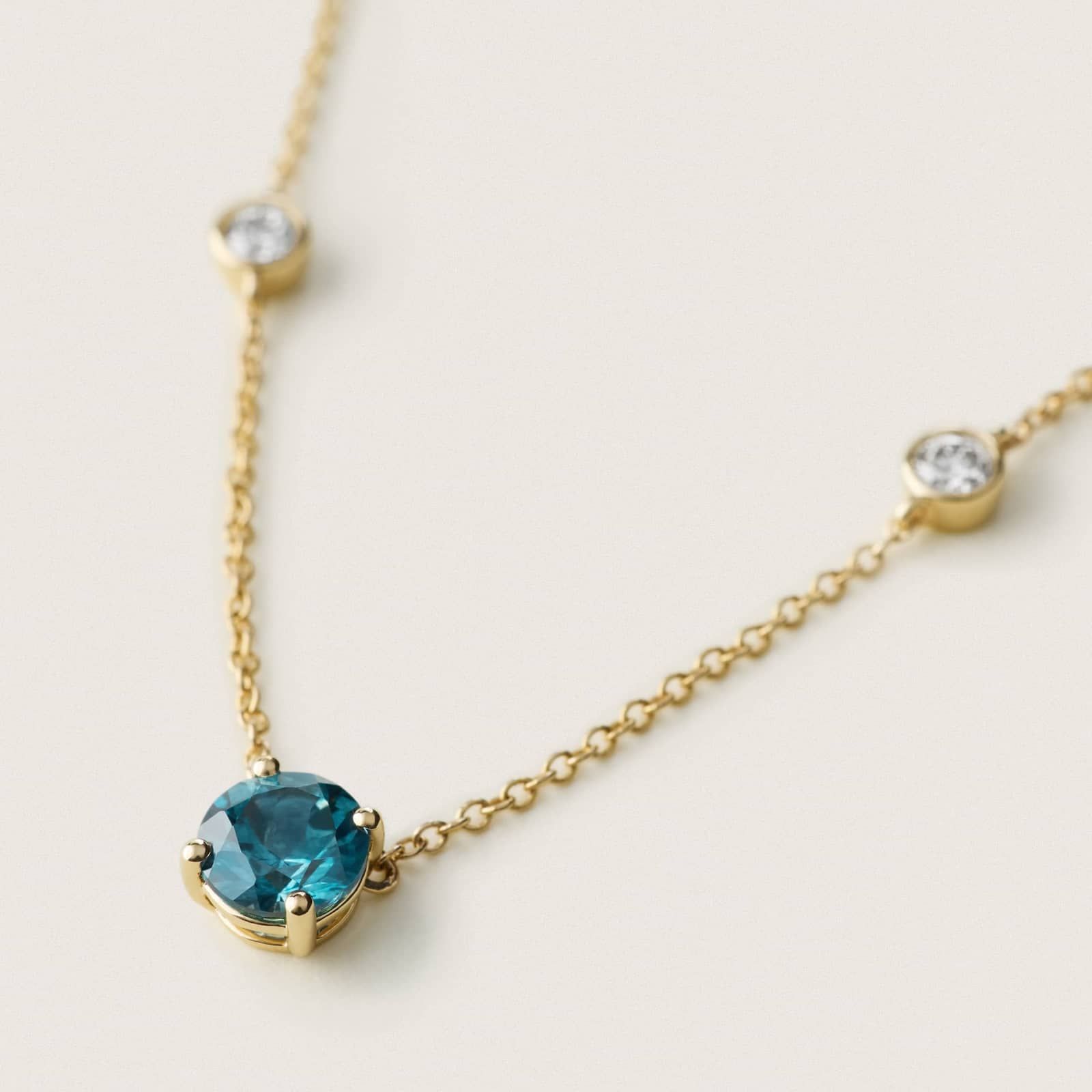
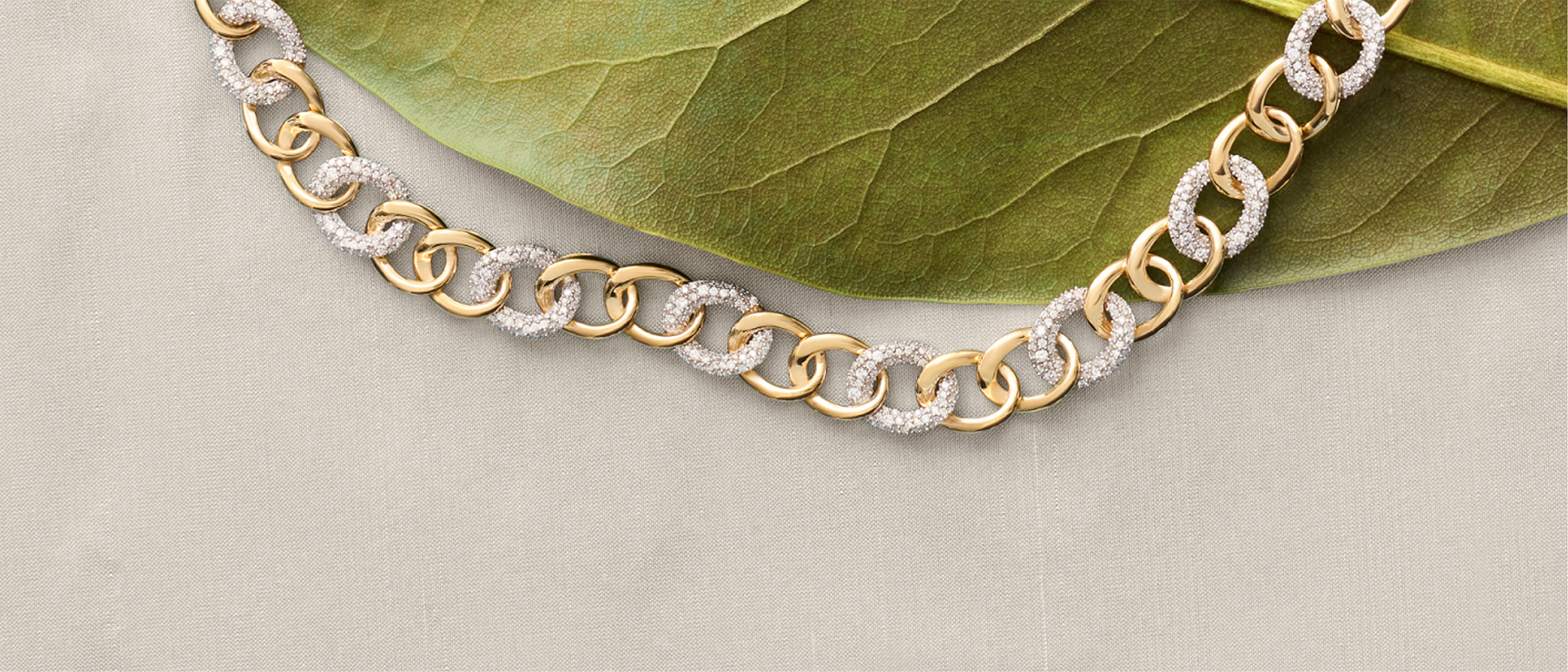
Montana Sapphire & Round Diamond Bezel & Prong Station Necklace in 14K Yellow Gold
Shop Montana Sapphire NecklacesDiscover Unique Montana Sapphires from Blue Nile
A Montana sapphire is a distinctly American gemstone with the durability and individuality to earn its place in both everyday and collectible heirloom jewelry. They are among the few gemstones that offer genuine rarity, a traceable American origin and a naturally varied color range, all in one stone.
Whether you’re drawn to a vivid teal, a soft blue-green or a parti-color gem that shifts between hues, no two are exactly alike. Pieces are designed for everyday wear, meaningful gifting and everything in between.
Find yours with Blue Nile’s Montana Sapphire collection.
Frequently Asked Questions
Unheated Montana sapphires, particularly those from Yogo Gulch, tend to hold value best due to their natural clarity and untreated color. For investment purposes, stones with strong color saturation, documented provenance and a reputable gemological certificate are the most desirable.
That said, any piece in a timeless setting, like a solitaire or three-stone ring, is a strong long-term choice.
Montana sapphires are a variety of sapphire from the same mineral family and with the same hardness as regular sapphires. They are distinguished by their American origin and uniquely varied color range.
While traditional sapphires are predominantly blue and sourced globally, Montana stones span teal, green, blue-green and parti-color, with each gem varying naturally from the next.
Yes, a Montana sapphire is a real sapphire. Their distinction lies in their geographic origin and color profile, not their classification.
Montana sapphires are special because they are the only commercially significant sapphire source in the United States, making them genuinely rare by definition. They also have a naturally varied color range, spanning teal, green, blue-green, and parti-color, meaning no two stones are identical.
A 1-carat Montana sapphire typically ranges from a few hundred to several thousand dollars, depending on color, clarity, treatment status and origin. Unheated Yogo Gulch stones command the highest prices, while heat-treated stones in softer colors are generally more accessible.


Share