A mother’s ring includes the birthstones of all her children. They may sometimes also include the birthstones of other family members, like a spouse, siblings or grandchildren.
A mother’s ring is a cherished piece of jewelry that reminds a mother of her children’s love every time she wears it.
Traditionally, these rings feature the birthstones of her children, though they can also include stones representing other family members if she prefers.
These deeply personal rings make especially thoughtful gifts for Mother’s Day, birthdays and anniversaries. Below, we’ll cover the history of mother’s rings, popular styles and tips for further customizing them to help you choose the perfect one for a mother in your life.
What Is a Mother’s Ring?
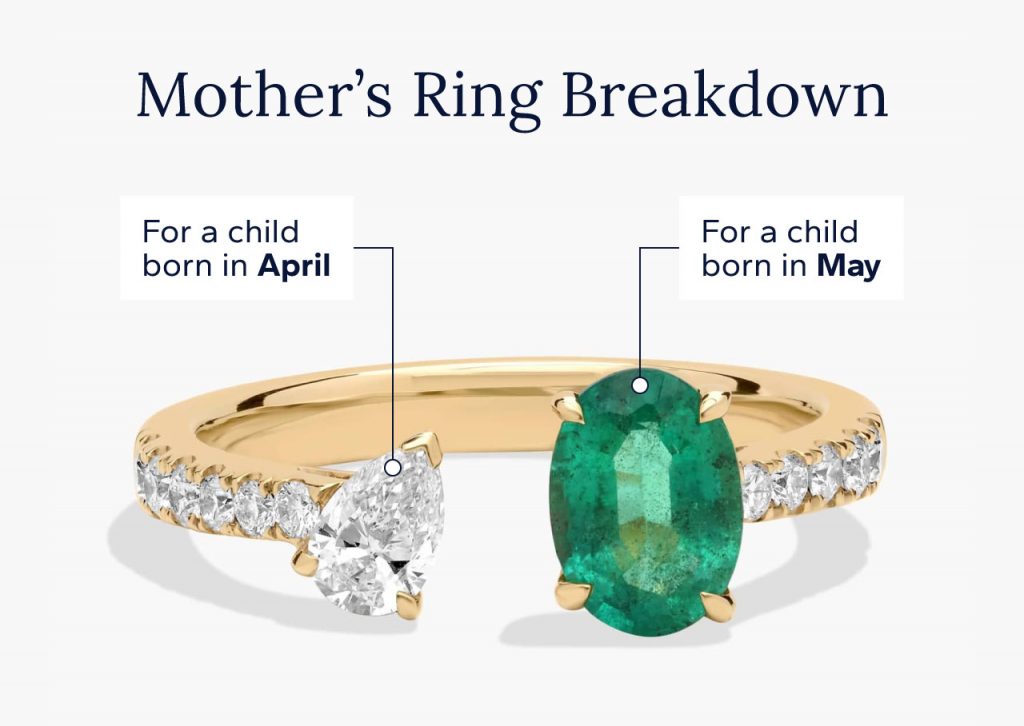
A mother’s ring is a custom ring featuring the birthstones of each of the mother’s children. For example, if a mother has children born in January, May and September, their ring may sport a symbolic garnet, an emerald and a sapphire. These colorful pieces of jewelry showcase family pride and symbolize a mother’s love.
Some also choose to include the birthstones of siblings, parents and spouses, making them more of a family ring. Other designs include engraved names or birthdates on the inner ring. Traditionally, many grandmothers also wear them to represent their grandchildren.
The History and Symbolism of Family Jewelry
The history of the mother’s ring is intertwined with that of Mother’s Day and evolving twentieth-century jewelry trends. Here’s an overview of how they came to be:
- 1912: The National Association of Jewelers released its list of modern birthstones in 1912.
- 1914: Thanks to the work of Anna Jarvis, President Wilson declared the first national Mother’s Day
- Mother’s rings gradually grew in popularity as Mother’s Day gifts
- 1960s: These rings gained even more traction when jewelers released designs featuring two wedding rings joined together by the children’s birthstones
Today’s mother’s rings symbolize the bond of family and the connection between a mother and her children. Because they are so sentimental, such rings are often kept within families and passed down for generations.
How Are Mother’s Rings Worn?
Usually, a mother’s ring is worn on the ring finger of the right hand. However, if you want to wear your mother’s ring every day, you can instead stack your mother’s ring with your engagement and wedding ring on your left hand. However, it’s entirely up to you where and how you wear your ring.
Popular Styles for Mother’s Rings
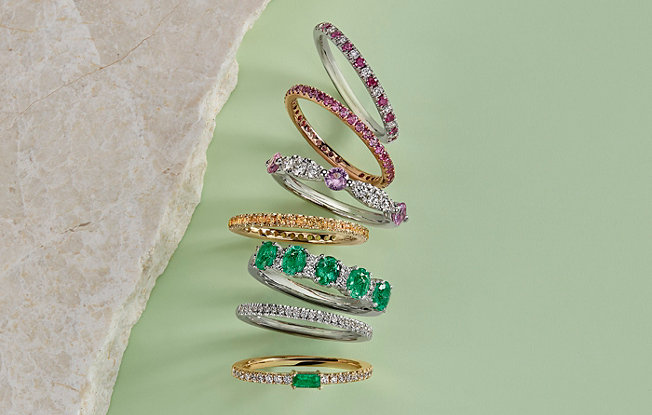
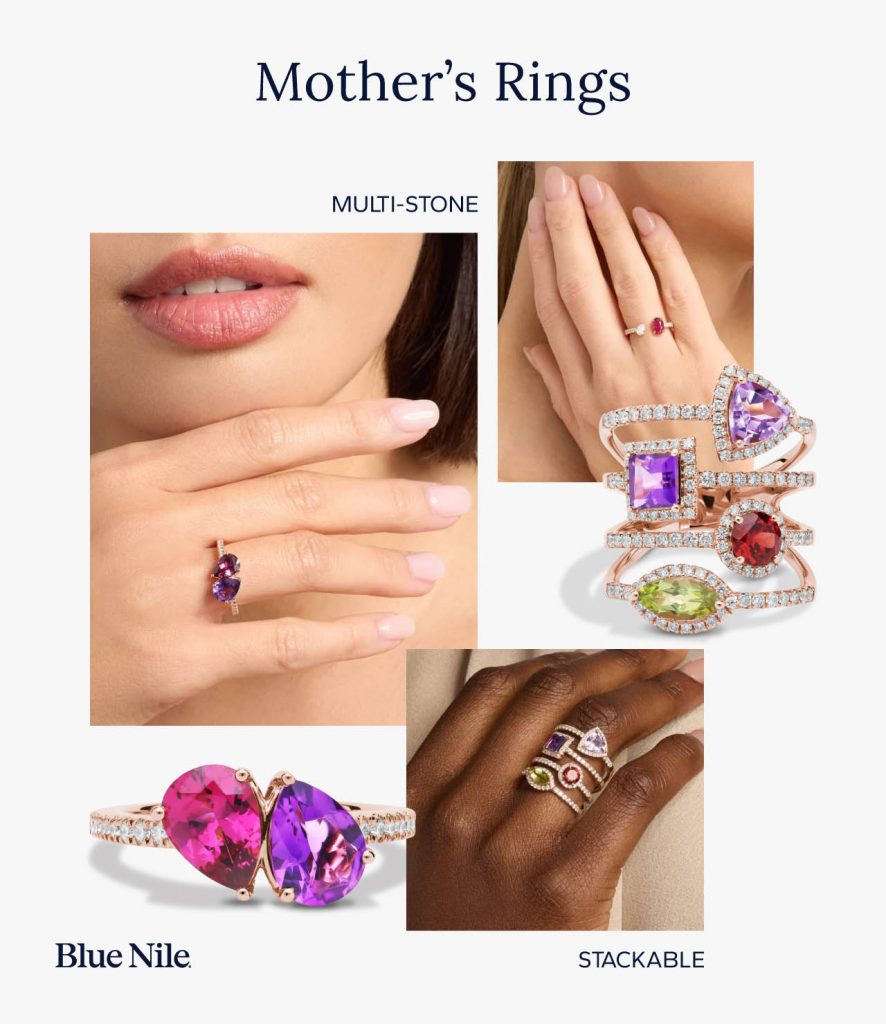
While there are no rules when it comes to buying birthstone rings for mom, two styles lend themselves to mother’s rings exceptionally well. These are stackable and multi-stone rings, both customizable but with distinct aesthetic designs.

Stackable rings
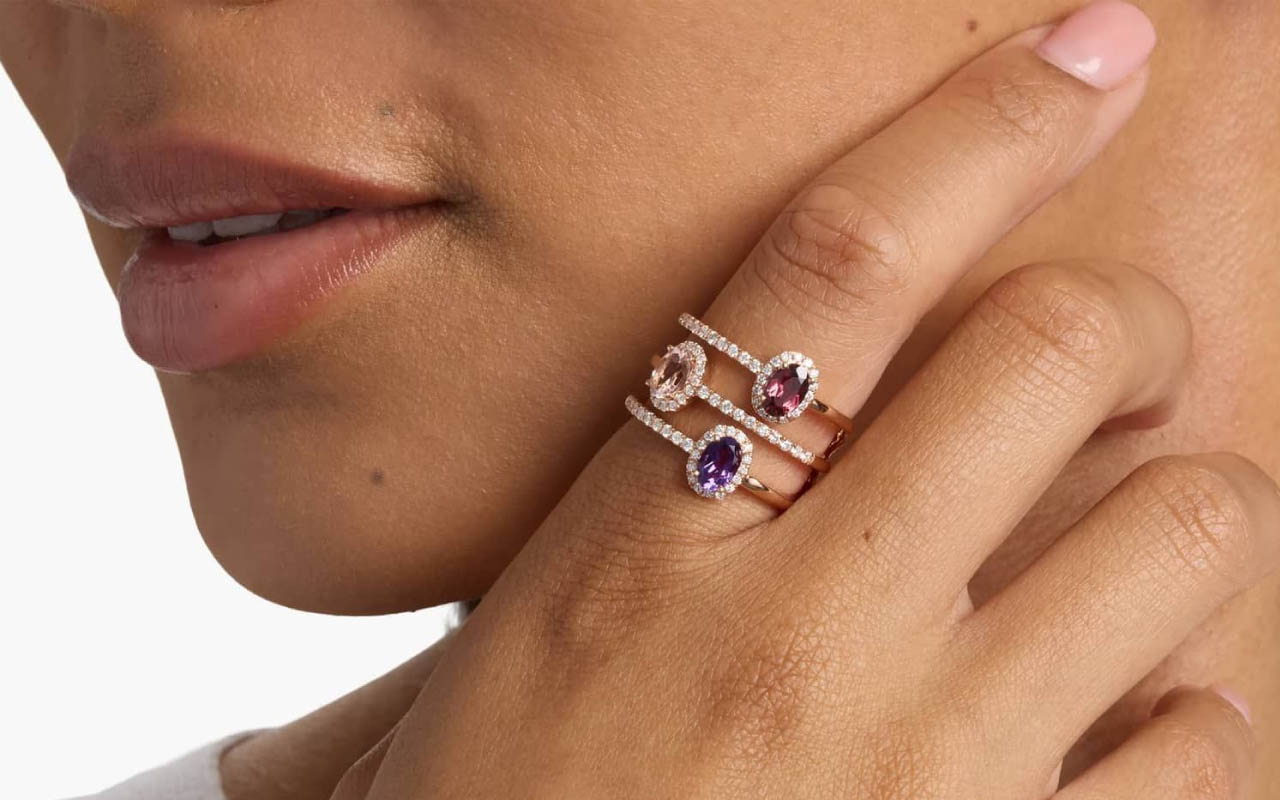
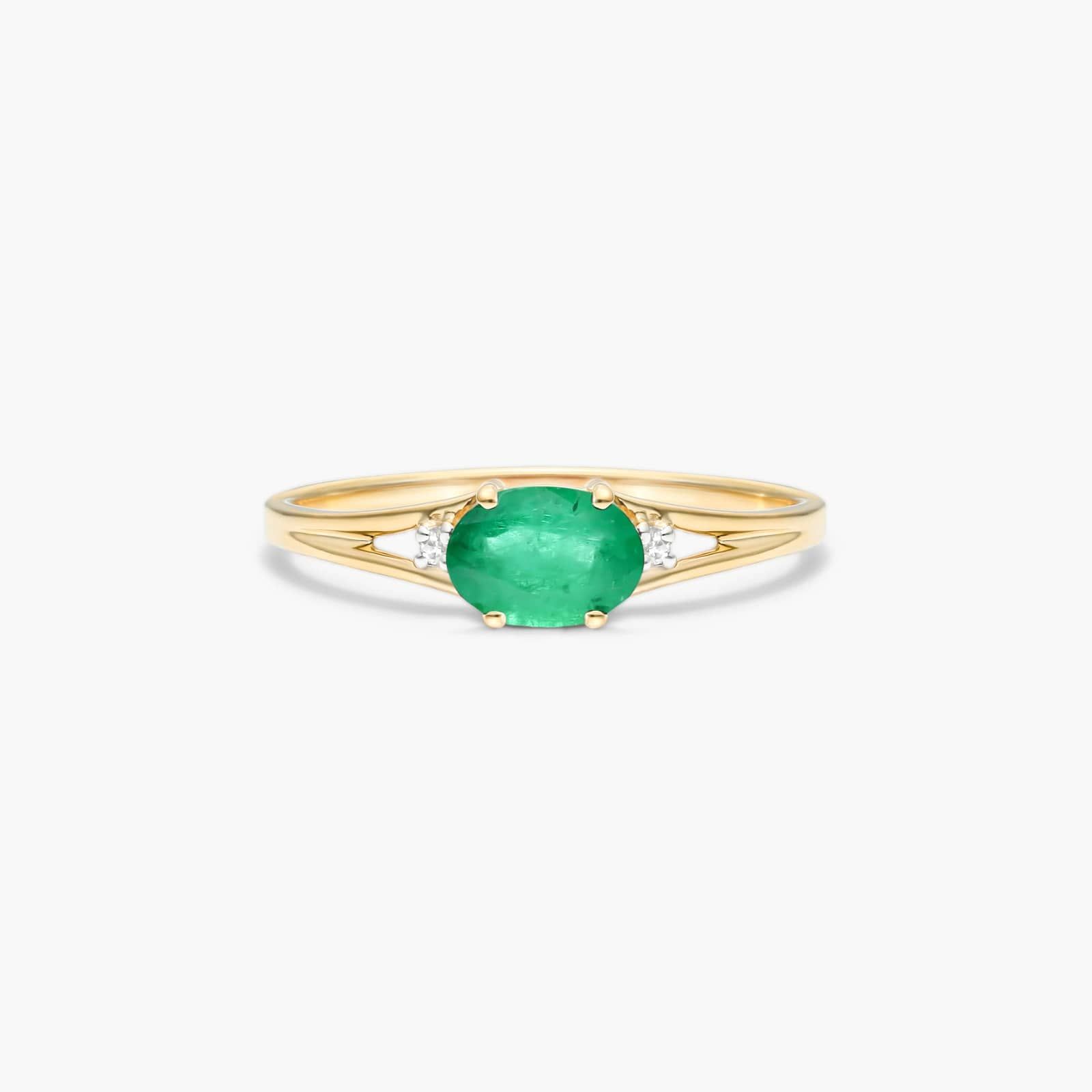
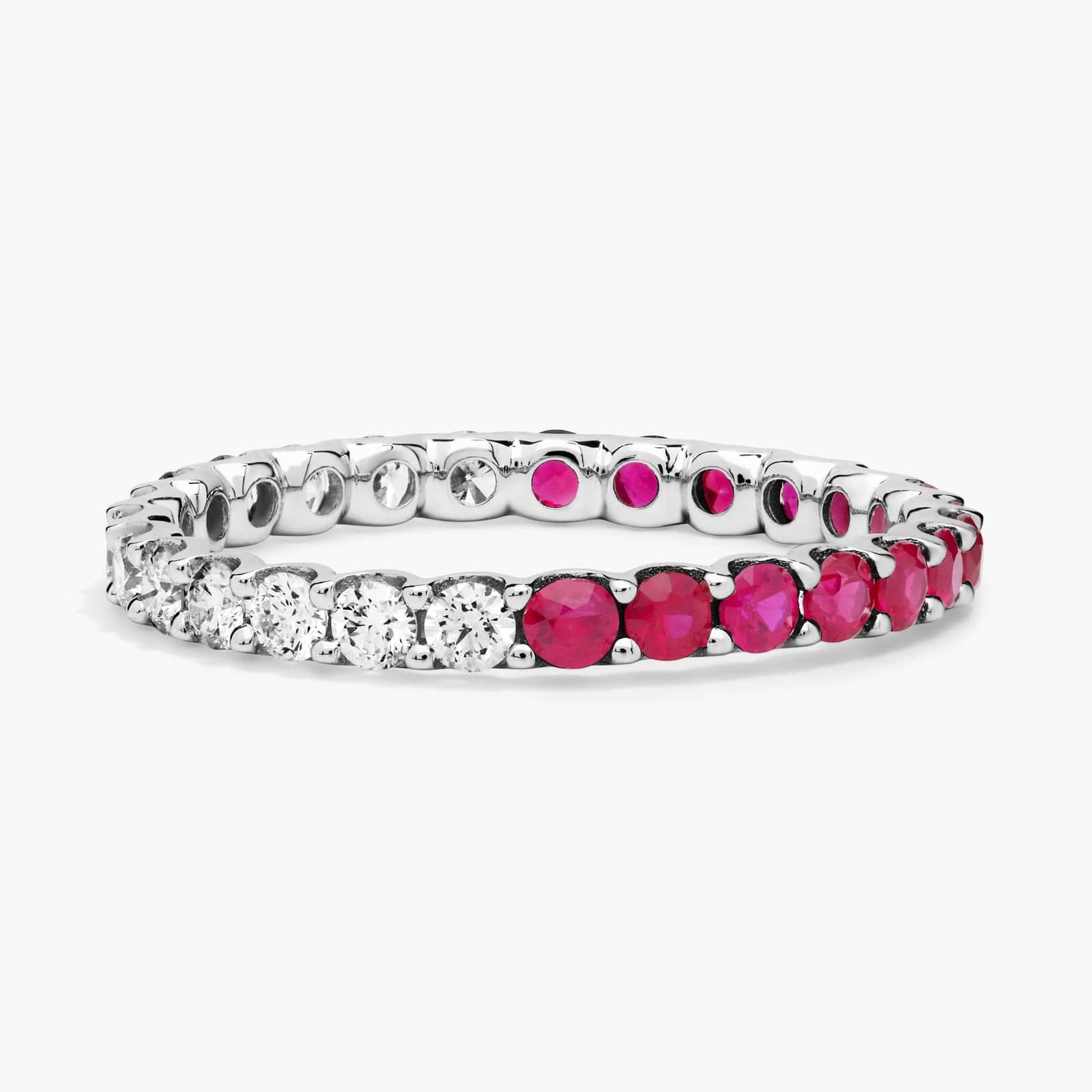
Stackable rings let you add a new ring for each family member over time. These suit mothers who are still having children or grandmothers who want to add new grandchildren without having to redesign their ring each time. With each new child, the mother can add a brand-new ring with the child’s birthstone to the stack.
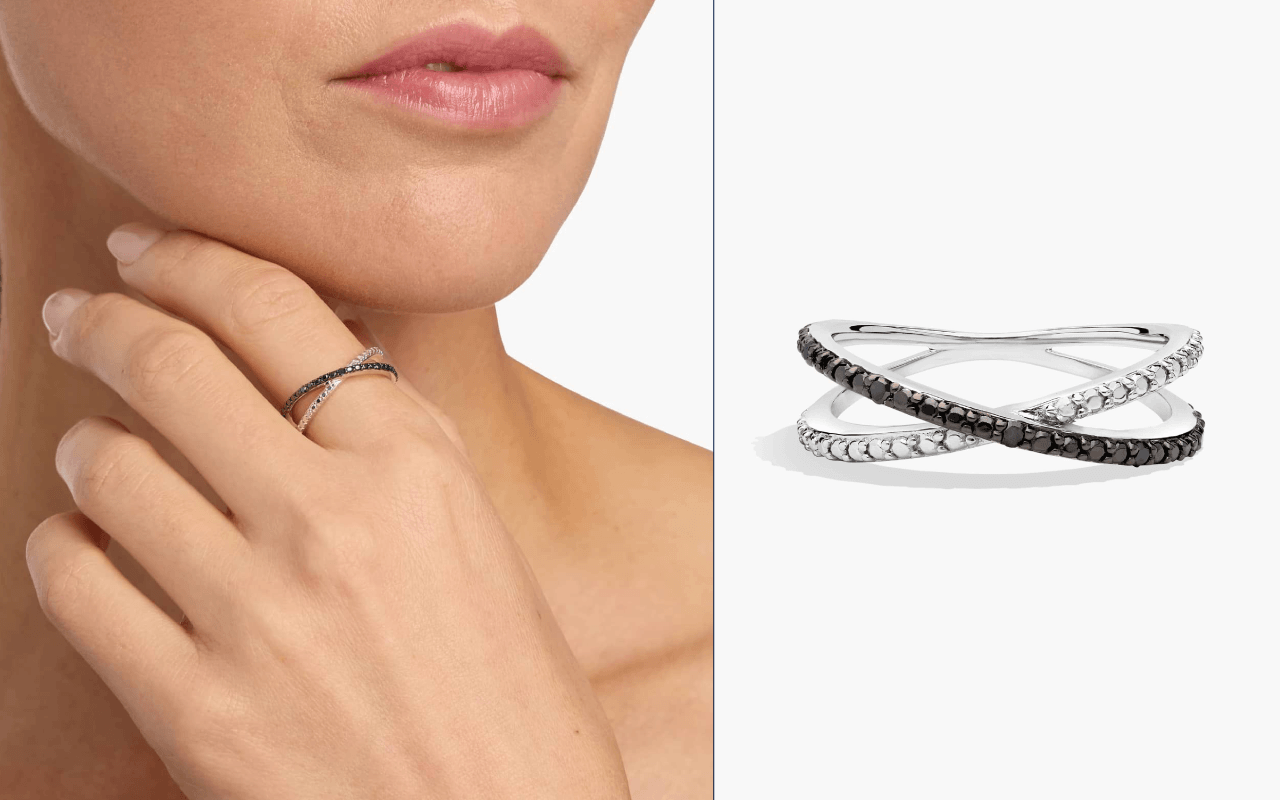
This style works for those who prefer a minimalist look or want to mix metal colors like yellow and white gold. Wear individual rings alone or stack them together for a more prominent, opulent look.
Multi-stone settings
Multi-stone rings place all birthstones on one ring, often in a row or a cluster. These rings offer a traditional yet bold appearance on the hand, sometimes using different gemstone cuts, like round or princess, to create a balanced look.
These are common gifts for mothers who have finished having children, so all the stones can be incorporated into the design at once. Sometimes, it is also possible to add more stones to multi-stone rings, especially if the original design was created with extra space for future stones in mind.
How to Customize a Mother’s Ring
If you’re purchasing a mother’s ring with birthstones, either for yourself or for a mother in your life, designing custom jewelry can be daunting. You will need to make decisions on the design, stone arrangement, metal and setting. We’ll run through each decision below.
Choosing and arranging birthstones
Decide who will be included in the ring. Will it be children only, or will more family members be represented? Linear designs can typically fit up to five stones, while circular and cluster ring arrangements may fit more.
Most people prefer to arrange the stones in chronological order from oldest to youngest. If the birthstone colors don’t naturally coordinate, use a symmetrical layout to balance the design with alternating light and dark stones. For a more eclectic look, consider buying gemstones of mixed shapes (ex. round and rectangular).
Here are several common arrangements:
- Birthstones arranged left to right by birthdate
- Mother’s birthstone surrounded by partner’s and children’s birthstones
- The largest stone for the oldest child
- Stones arranged in a bouquet-like cluster
- Adding diamonds to create space between colored gemstones
- Open spaces are left on the ring for future stones if more children or grandchildren are added later
Metal and setting considerations
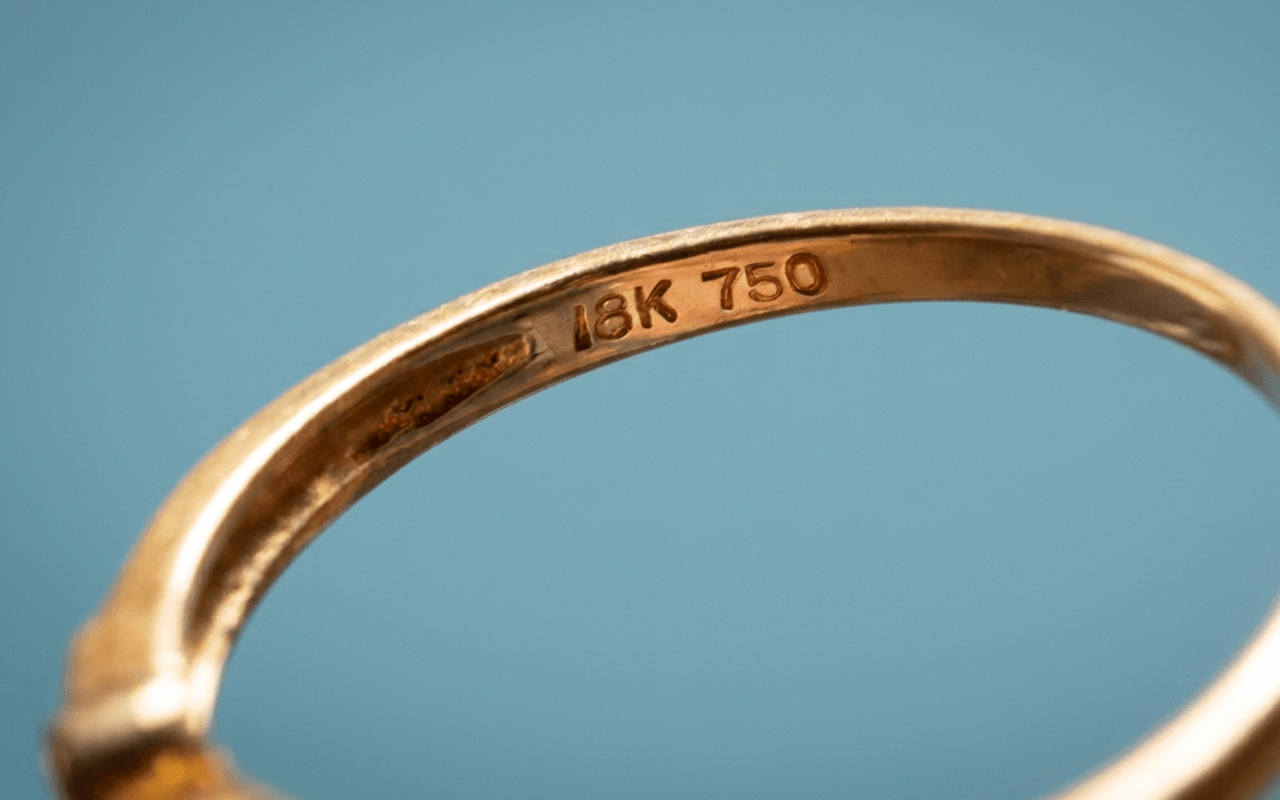
Opt for durable metals like 14k or 18k gold or platinum for everyday rings. Make sure to choose a metal color that matches the recipient’s existing everyday jewelry.
Here’s what to consider with each metal:
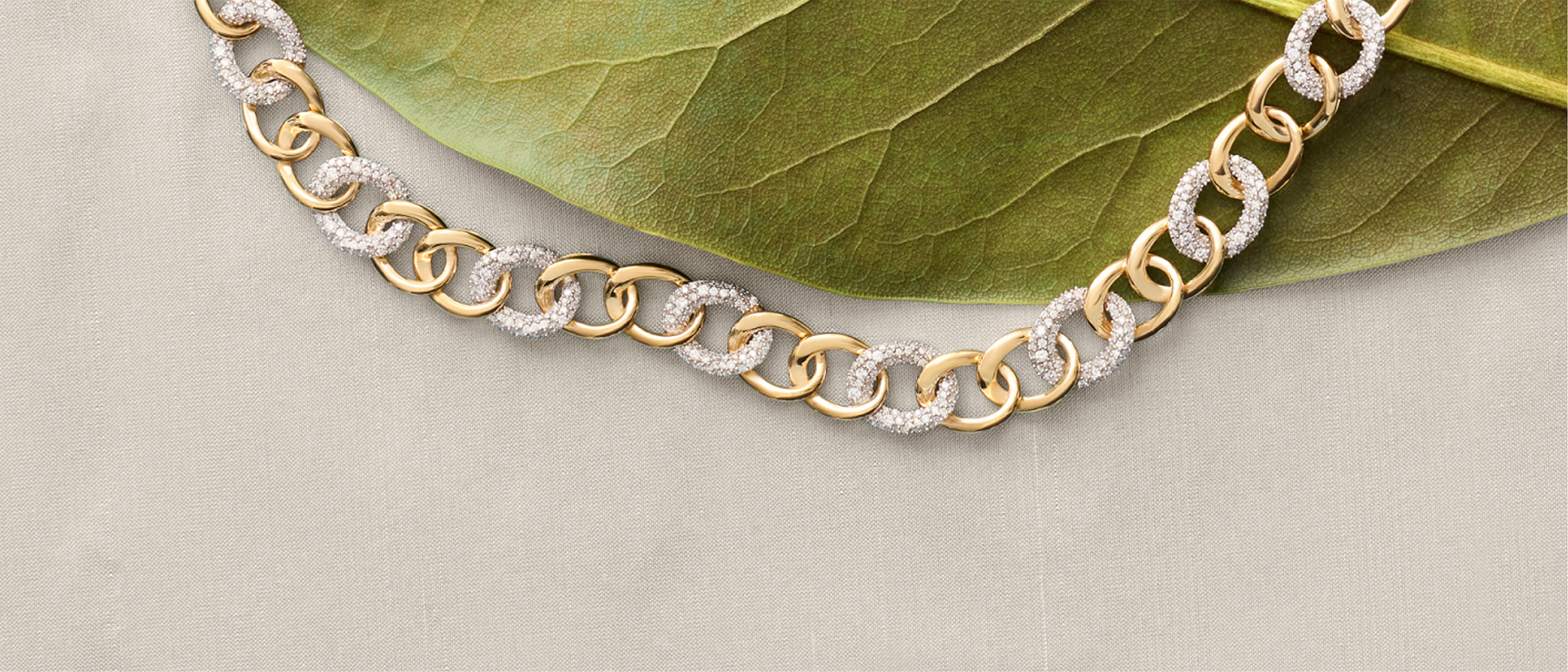
- Yellow gold: Classic shine that complements warm stones (garnet, ruby, tourmaline and topaz)
- Rose gold: Romantic, soft alternative to yellow gold
- White gold: Modern and cool-toned metal that complements cool stones (aquamarine, sapphire, emerald and peridot)
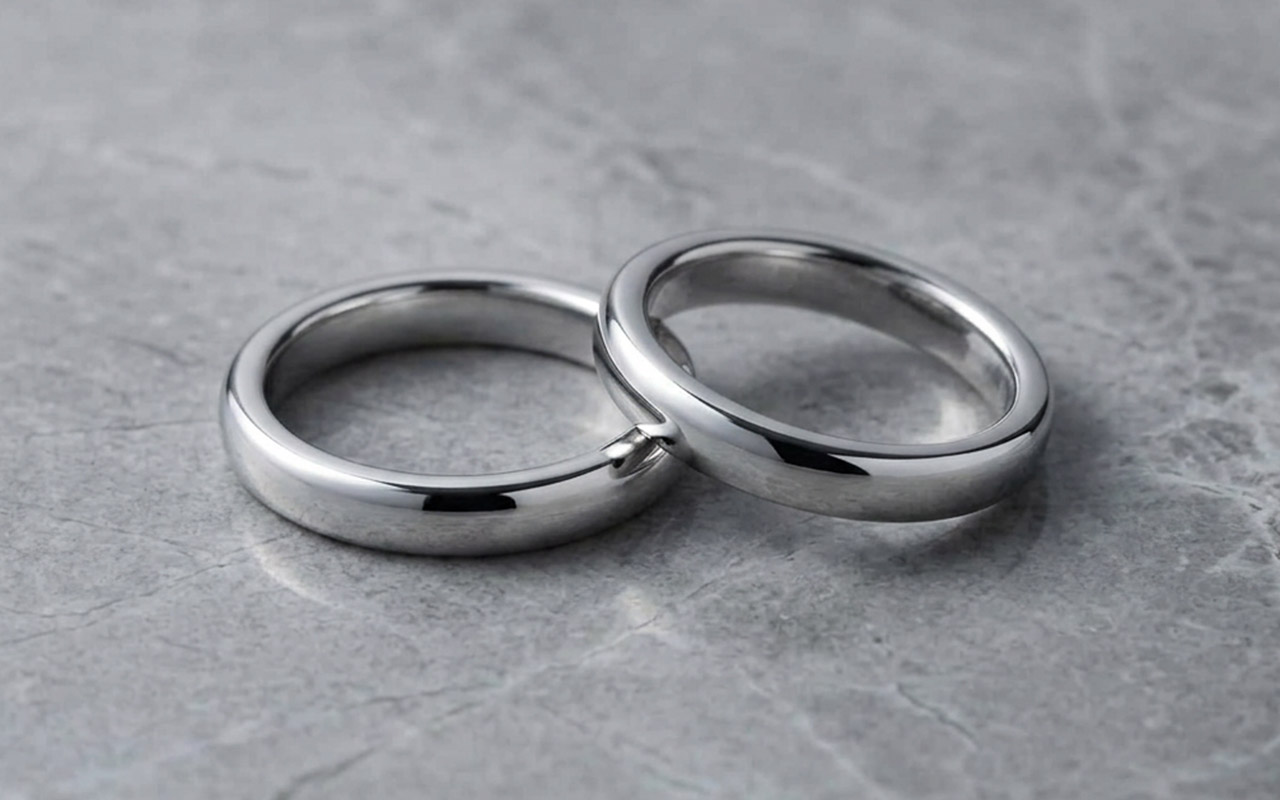
- Platinum: Naturally durable and hypoallergenic, making it ideal for those with sensitive skin
Select a bezel or prong setting to keep the gemstones secure during daily wear. Prongs expose more of the stones’ shine, and bezels surround them with metal rims for extra security.
Celebrate Mothers with Custom Jewelry
After exploring what mother’s rings are and the meaning they hold, you’re ready to pick out a timeless reminder of the bond between a mother and her family. Whether it’s a Mother’s Day ring or a piece you’re putting together for yourself, a mother’s ring is one of the most personal pieces of jewelry you can own.
Discover our collection of mother’s rings at Blue Nile, expertly crafted and customizable to reflect the ones she loves most. Each piece is designed to become a timeless treasure she will cherish for life.
Frequently Asked Questions
It is most common to wear a mother’s ring on the right ring finger. However, there are no strict rules around birthstone rings for mothers, so you can wear them on any finger you choose.
Yes, you can add more stones to a mother’s ring later, especially if the ring was designed with space for future stones in mind. Occasionally, however, if the design does not allow for more stones, a mother might have to have her ring melted down and completely redesigned from scratch.
If a child has an April birthday and thus a diamond birthstone, their birthstone will fit well into birthstone jewelry for their mom. Diamonds are durable and add extra sparkle to a mother’s ring. They can also visually help break up the colors of other gemstones.
Some may choose to include small diamonds or lab-grown diamonds to make the ring more affordable.
Different gemstones have different durabilities, so it’s important to err on the side of caution and clean a mother’s ring as gently as possible. Soak the ring in a bowl of water and mild soap. Then, gently scrub around the stones with a very soft brush.
A mother’s ring can cost between $100 and over $2,000. Sterling silver rings with semi-precious stones can cost between $100 and $300. Gold rings can range from $300 to $1,500. Platinum rings with precious gemstones like diamonds, rubies and sapphires can cost over $2,000. The stone quality and the intricacy of the design also affect prices.
A mother’s ring is usually a thoughtful gift from her child or children. However, her husband or partner can also gift it to her. If she wants, a mother can also design and buy one for herself.


Share