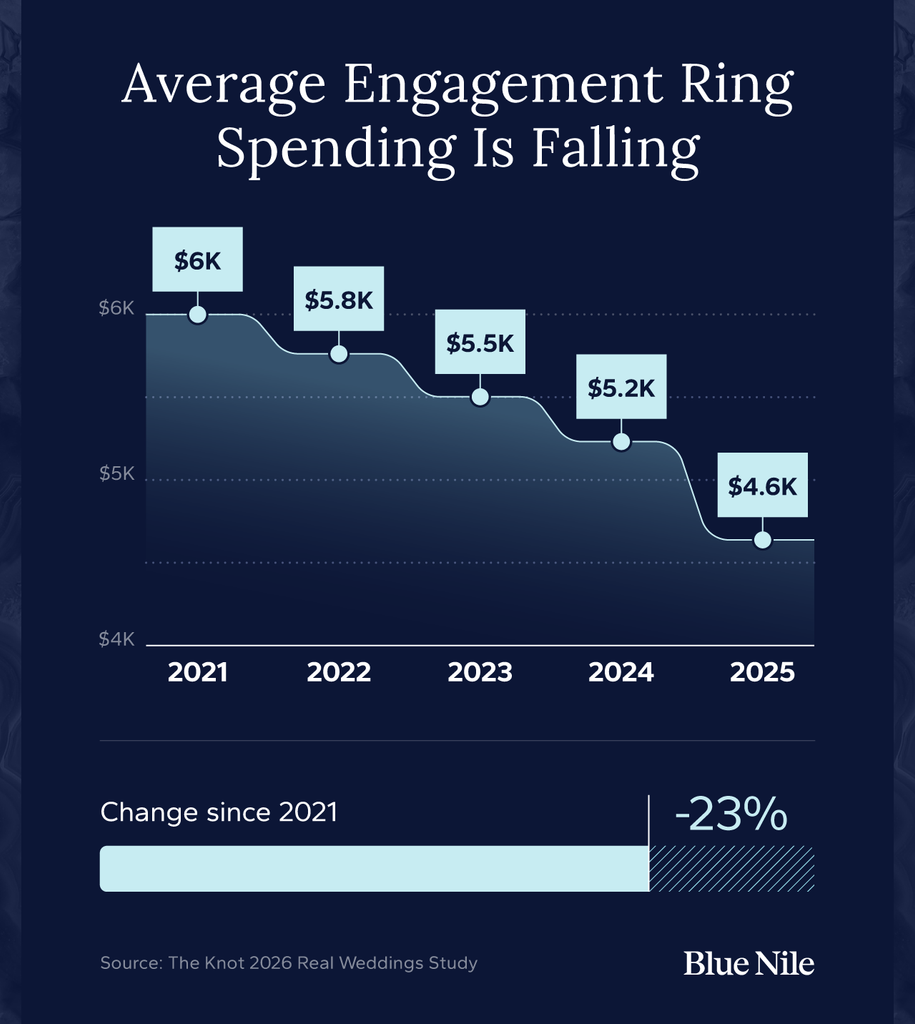
The average engagement ring cost was $4,600 in 2025, which was $600 less than the 2024 average of $5,200.
The average cost of an engagement ring is falling—but the latest $4,600 benchmark is only a starting point.
Couples who married in 2025 reported spending an average of that figure, according to The Knot 2026 Real Weddings survey. Behind that average, individual choices about the center stone’s type, quality, and carat weight, along with the setting, accent stones, and metal, shape each ring’s price.
This guide explains what drives ring prices so you can compare your options and approach the engagement ring buying process with confidence.
The Average Engagement Ring Cost by Location and Over Time
Where and when an engagement ring is purchased can influence the amount couples spend. Differences in income, living costs and shopping preferences may help explain geographic variation, while diamond prices, consumer priorities and broader economic conditions can shift spending over time.
Blue Nile’s earlier state-level sales analysis and The Knot 2026 Real Weddings Study offer context for how engagement ring spending varies by location and over time:
- Costs vary across the country: A Blue Nile sales analysis revealed that average engagement ring spending by state ranged from $3,406 in Wyoming to $9,329 in Vermont—a nearly threefold difference.
- Spending has declined for four consecutive years: The Knot’s reported figure fell from $6,000 in 2021 to $4,600 in 2025, a decrease of about 23%.
- The decline accelerated in the latest study: The Knot’s study also found that average spending dropped by $600 between 2024 and 2025. This is compared with annual decreases of $200–$300 during the preceding three years.
- Averages do not necessarily represent typical spending: These figures are means rather than medians, so a relatively small number of high-priced purchases can raise the reported average.
These broad patterns explain how engagement ring spending varies, but the characteristics of an individual ring ultimately determine its price. The sections ahead examine how diamond color and other design choices affect cost, then offer practical guidance for establishing a budget and comparing engagement ring styles.
Average Engagement Ring Cost by Diamond Color
Diamond color is one of several characteristics associated with engagement ring price. On the D-to-Z scale, colorless grades command higher prices than diamonds with more noticeable color when their other characteristics are comparable.
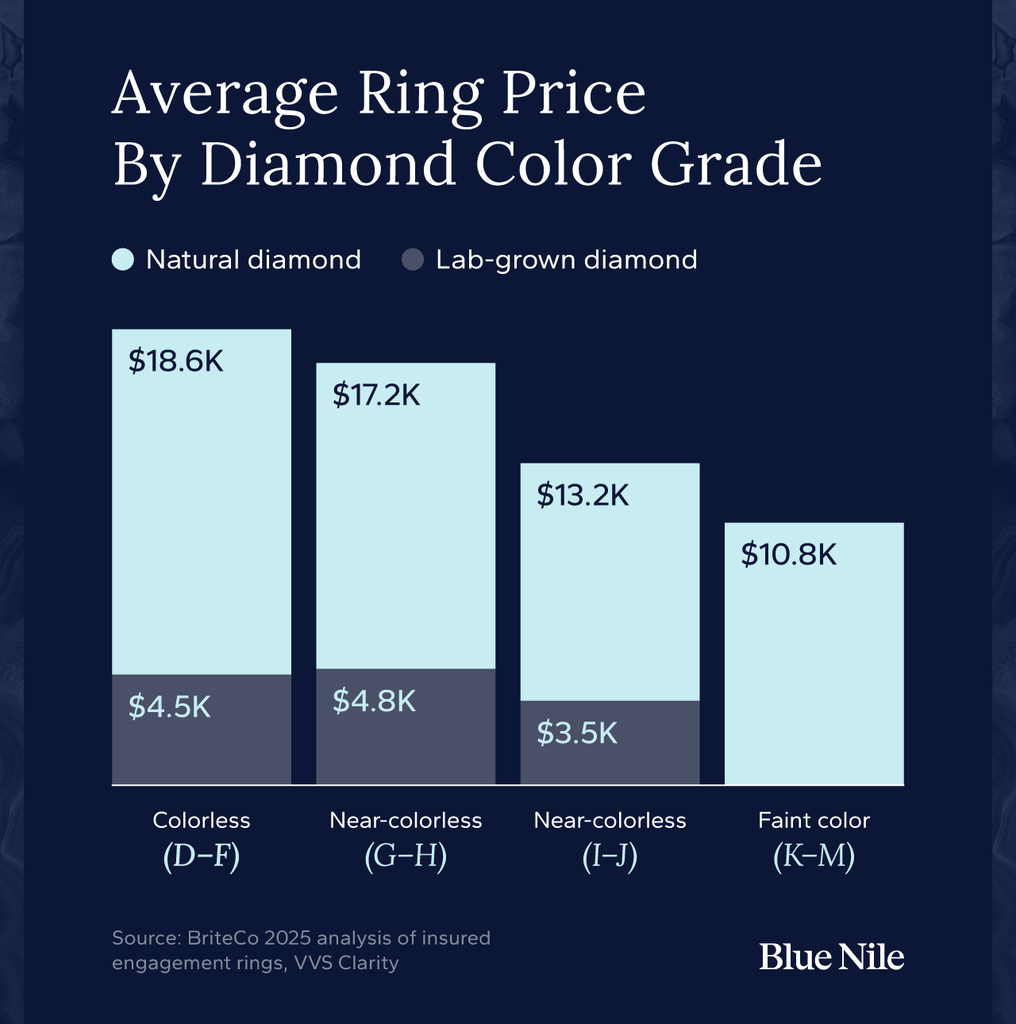
BriteCo’s 2025 analysis of insured engagement rings provides complete-ring averages across several color categories. The D-to-Z comparisons below use VVS clarity to distinguish natural from lab-grown diamonds. The rings may still differ in carat weight, cut, setting and metal, so the figures illustrate broad patterns rather than the effect of color alone.
| Category | Average Appraised Ring Value |
| Insured-ring appraisal value | $6,504 |
| Colorless (D–F) average, VVS | Natural diamond: $18,581 Lab-grown diamond: $4,553 |
| Near-colorless (G–H) average, VVS | Natural diamond: $17,213 Lab-grown diamond: $4,812 |
| Near-colorless (I–J) average, VVS | Natural diamond: $13,166 Lab-grown diamond: $3,471 |
| Faint color (K–M) average, VVS | Natural diamond: $10,779 Lab-grown diamond: Not reported |
Fancy color diamonds fall outside the D-to-Z scale and are evaluated based on hue, tone and saturation. Across all reported clarity grades, BriteCo found an average appraised value of $23,525 for insured fancy-color diamond rings. Rarer or more intense colors can command higher prices.
What Factors Determine the Price of an Engagement Ring?
An average can’t capture the enormous range in engagement ring prices. Your engagement ring cost is determined by a combination of choices rather than a single formula.
The price drivers listed below can help you decide where to prioritize your budget.
The 4Cs
- Carat weight: Price often rises disproportionately as carat weight increases because larger, high-quality diamonds are rarer. A diamond’s carat weight and its visible size aren’t the same thing. Diamonds with the same carat weight may have different dimensions.
- Color: On the D-to-Z scale, diamonds with less noticeable color command higher prices when their other characteristics are comparable. Even small differences between color grades can affect price.
- Clarity: Clarity grades reflect the number, size, location and visibility of a diamond’s inclusions and blemishes. Diamonds with fewer clarity characteristics cost more, although differences between adjacent grades may be difficult to distinguish without magnification.
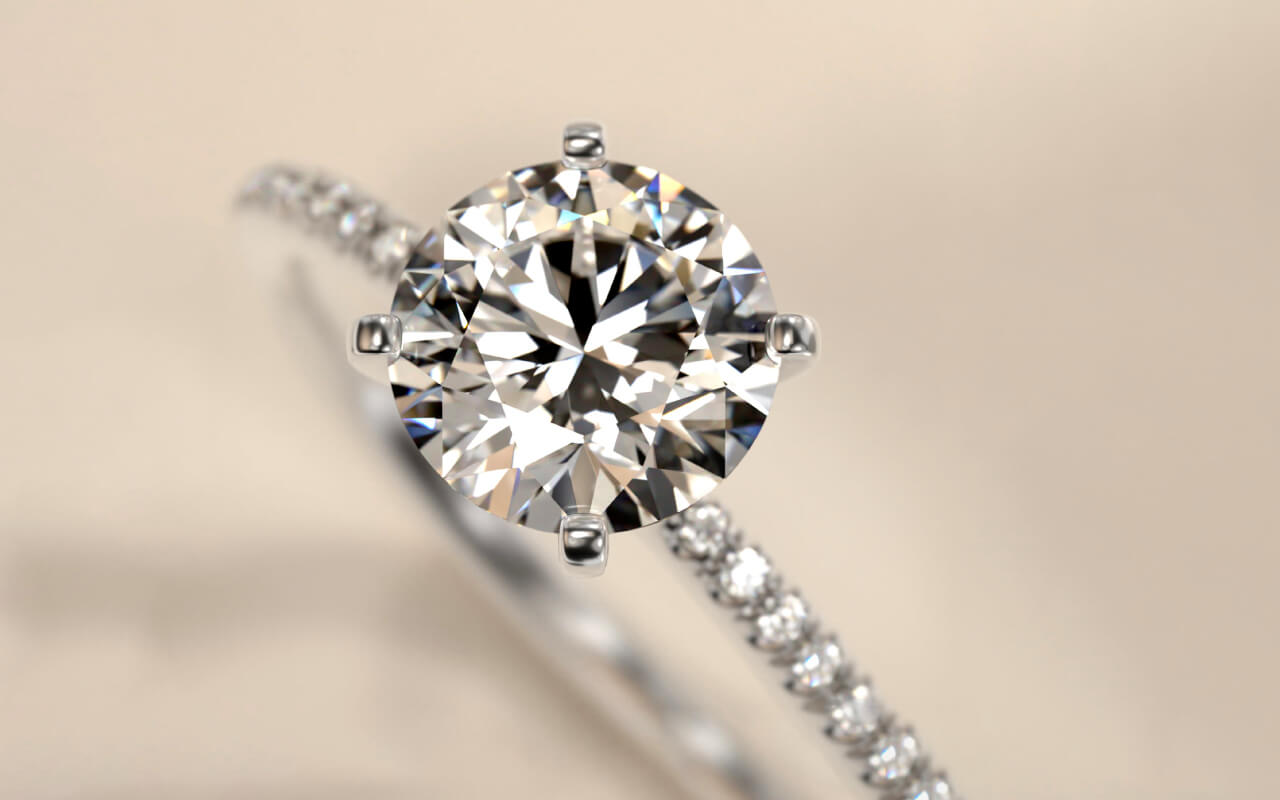
- Cut quality: A diamond’s proportions, symmetry and polish determine how effectively it interacts with light. A well-cut diamond can appear brighter and have greater visual presence, while a diamond cut too deeply may look smaller from above than another diamond of the same carat weight.
Shape and Cutting Style
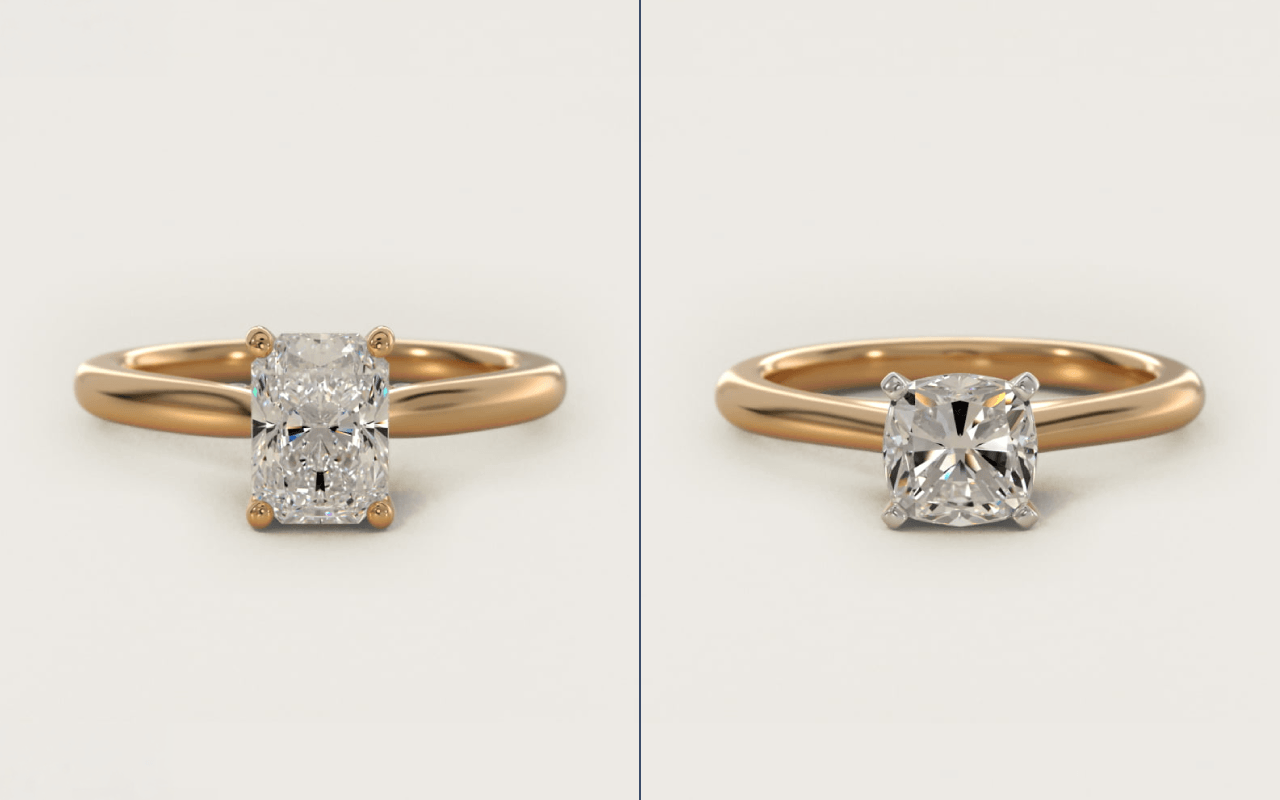
The outline and facet arrangement of a diamond affect its dimensions, appearance and price. Elongated shapes such as oval, marquise and pear can appear larger from above than round diamonds of the same carat weight, while round brilliant diamonds often command a higher price per carat.
Natural or lab-grown diamond
Natural and lab-grown diamonds differ in origin and rarity. Natural diamonds form within the earth, while lab-grown diamonds are produced in controlled laboratory environments.
Lab-created diamonds have the same optical, chemical and physical properties as natural diamonds. However, because lab-grown diamonds can be produced in greater quantities, they are less expensive, making larger-sized diamonds more affordable. Their relative abundance may not ensure that they will hold value over time.
Type of Metal and Setting
Platinum costs more than gold, while 18k gold typically costs more than 14k because it contains a higher proportion of pure gold. Wider or heavier settings may also cost more because they use additional metal.
Additional diamonds, intricate metalwork and the labor required to create a setting can also increase its price. A simple solitaire requires fewer accent diamonds and less stone-setting work than a halo, pavé or three-stone design.
How to Set a Realistic Engagement Ring Budget
The questions “How much are engagement rings?” and “What can I comfortably spend?” don’t necessarily have the same answer. National figures describe the market, while your budget should reflect your finances, priorities and other goals.
An engagement ring calculator can help you explore different totals, but its result is a planning tool rather than a spending requirement. The following steps can help you turn that estimate into a practical shopping range.
- Set a range before you shop. Establish a preferred range and a firm upper limit based on the complete ring price, including the center stone and setting. This provides flexibility without losing sight of what feels manageable.
- Identify your priorities. Decide which one or two of the 4Cs matter most to you, then remain flexible on the others. You might prioritize cut and carat weight, for example, while considering a broader range of color or clarity grades.
- Compare natural and lab-grown diamonds. Compare diamonds with similar cut, color, clarity and carat weight to understand the price difference.
- Consider how you will pay. Paying in full may avoid interest or financing fees, while installment options can spread the cost over time. Before choosing one of Blue Nile’s payment options, review the total amount due, interest or fees and repayment schedule.
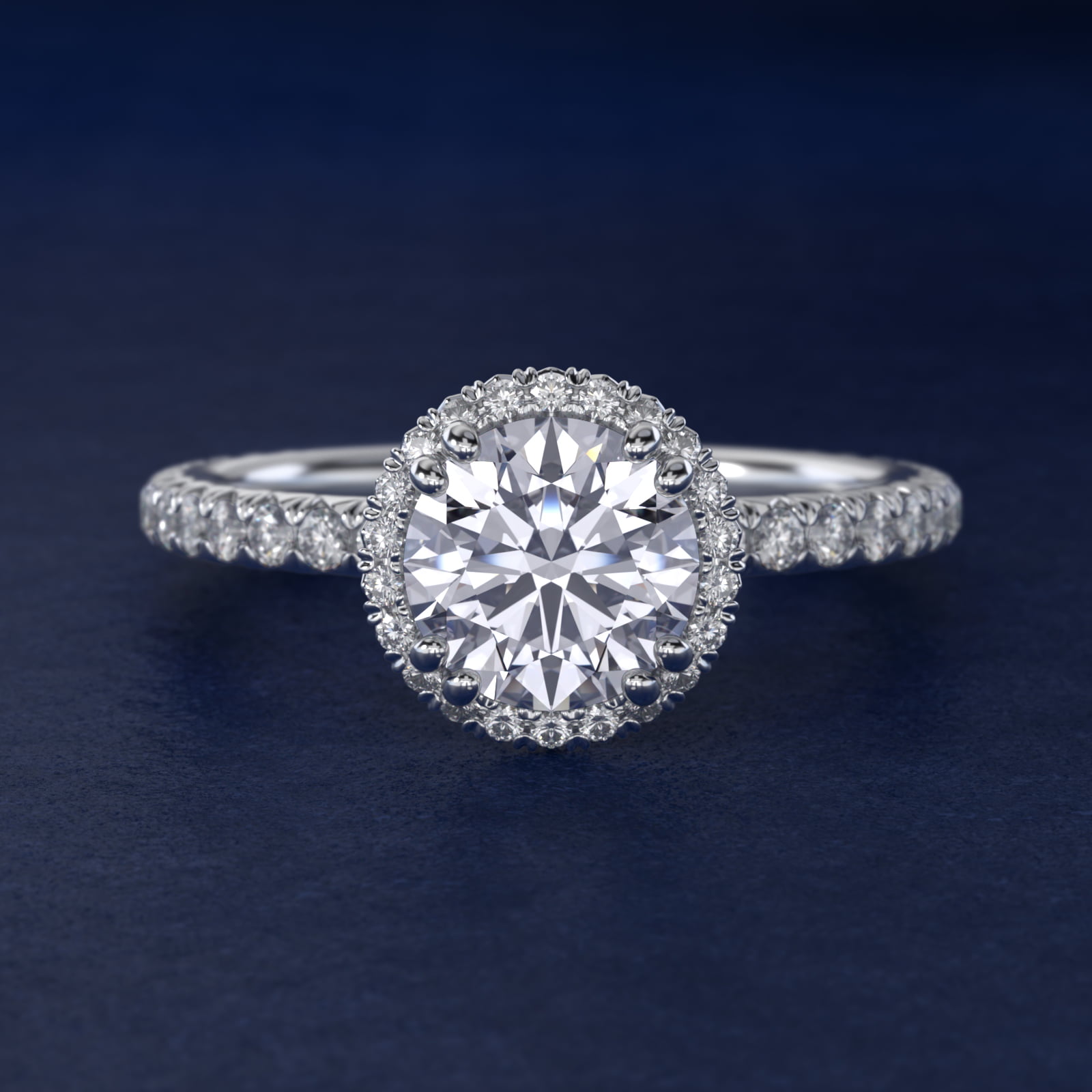
Blue Nile Studio Heiress Halo Diamond Engagement Ring in Platinum (3/8 ct. tw.)
Shop engagement rings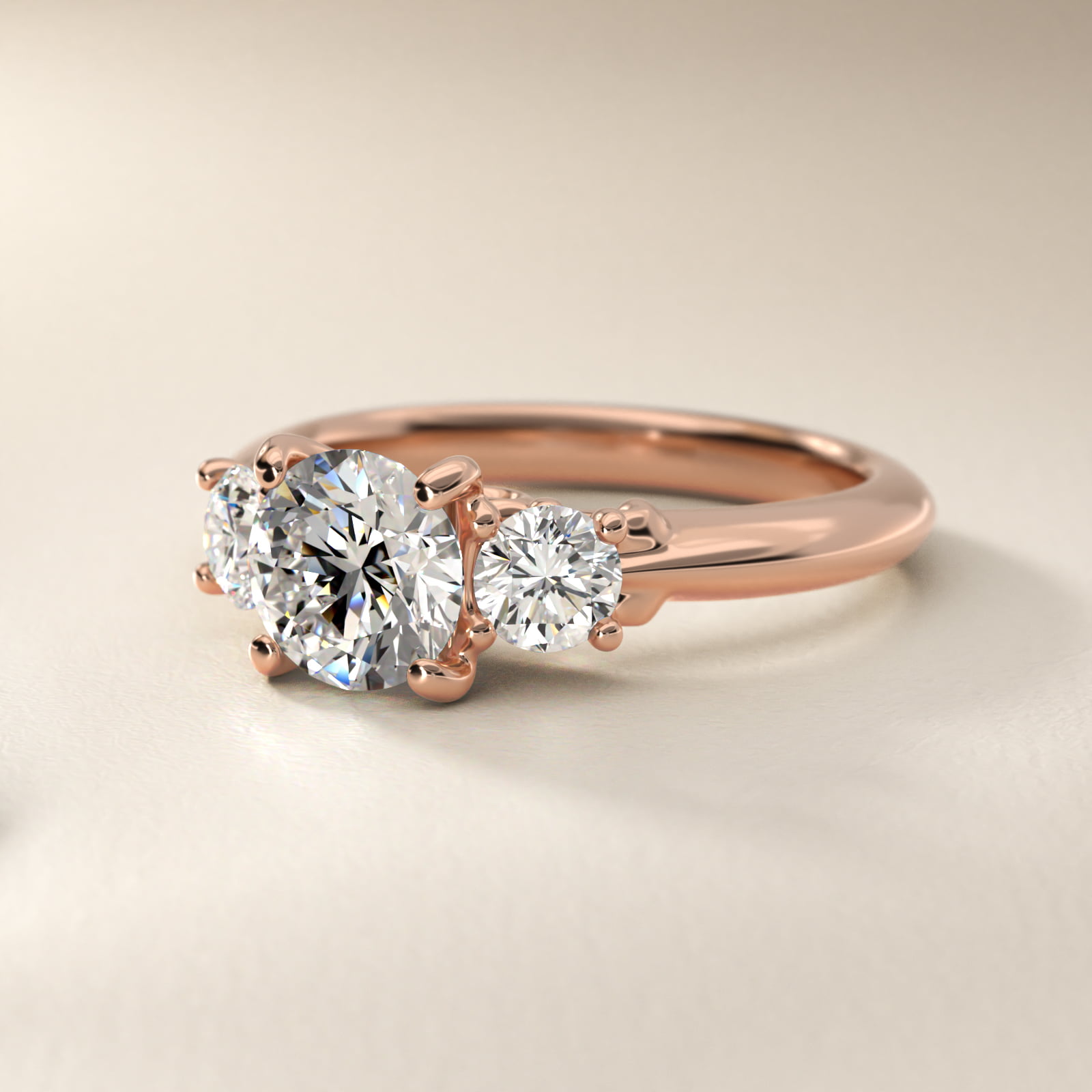
Diamond Three Stone Engagement Ring With Scroll Undergallery In 14K Rose Gold By James Allen
shop engagement rings
Explore Engagement Ring Styles for Every Love Story
The average engagement ring cost can help you establish a benchmark, but the final choice should reflect your budget, preferences and the meaning behind the ring. Before making your choice, consider how you will wear your engagement and wedding rings and how they may look together.
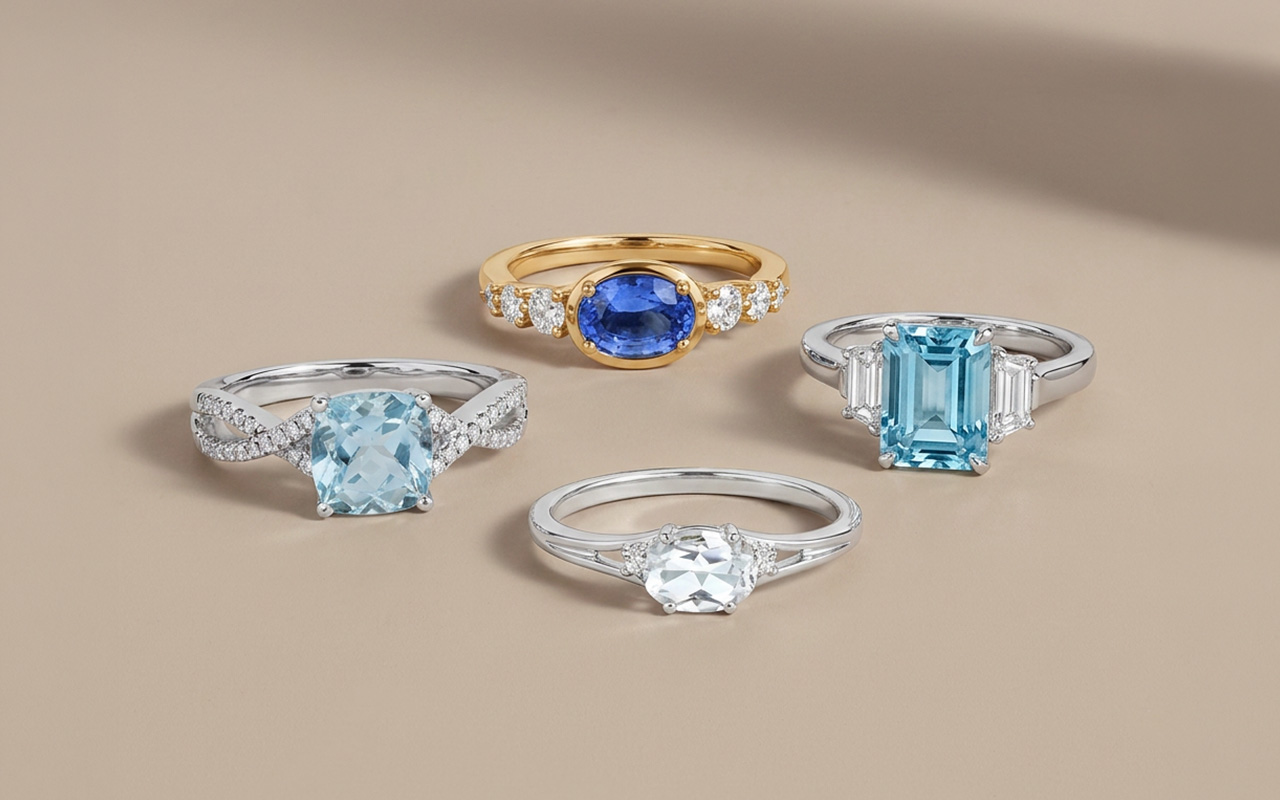
When you’re ready, explore Blue Nile’s extensive collection of engagement ring styles ranging from streamlined solitaires to detailed halos and symbolic three-stone designs. Experiment with different settings, metals and center stones to find the right combination for your story and budget.
Frequently Asked Questions
The best place to buy an engagement ring is a reputable jeweler that provides the information and support you need to make an informed decision. Look for detailed product information, independent diamond grading reports and clear return, resizing and warranty policies. You should also be able to examine the ring or consult with an expert before buying.
No, $3,000 is not too little for an engagement ring. A defined budget can help you focus on the qualities that matter most and compare center stones, settings and metals that fall within your range.
There is no required engagement ring budget for someone earning $100,000 a year. Consider your regular expenses, savings, debt and shared financial goals instead of calculating the budget from salary alone.
Yes, lab-grown diamonds generally cost less than natural diamonds with comparable characteristics. Because lab-grown stones share a diamond’s chemical makeup and hardness, the price gap comes down to supply rather than quality.
No, the three months’ salary rule is not a meaningful modern budgeting standard. Choose an amount based on your financial circumstances and priorities rather than a predetermined portion of your income.


Share