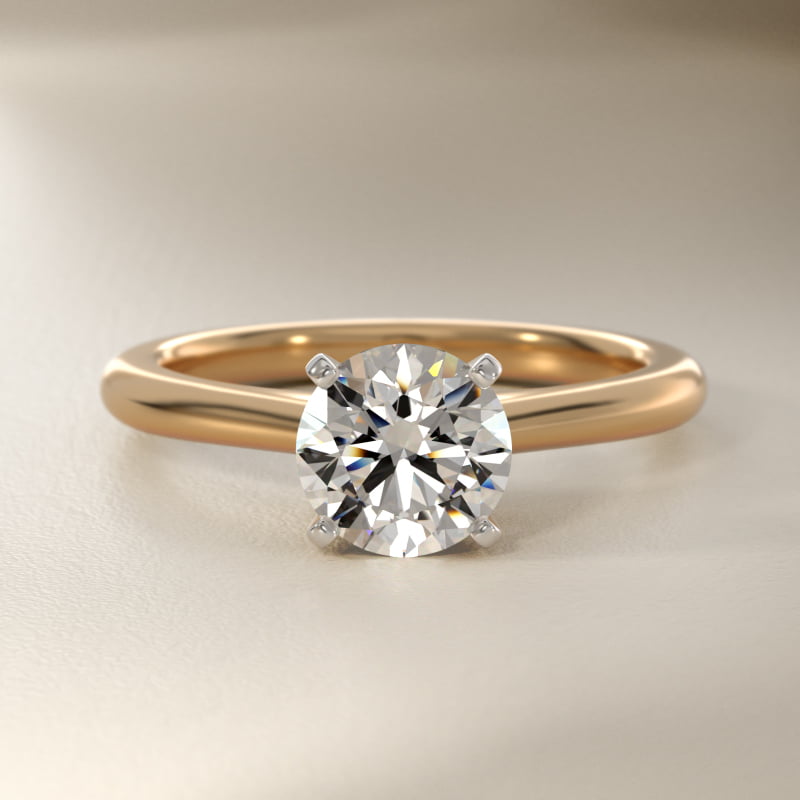
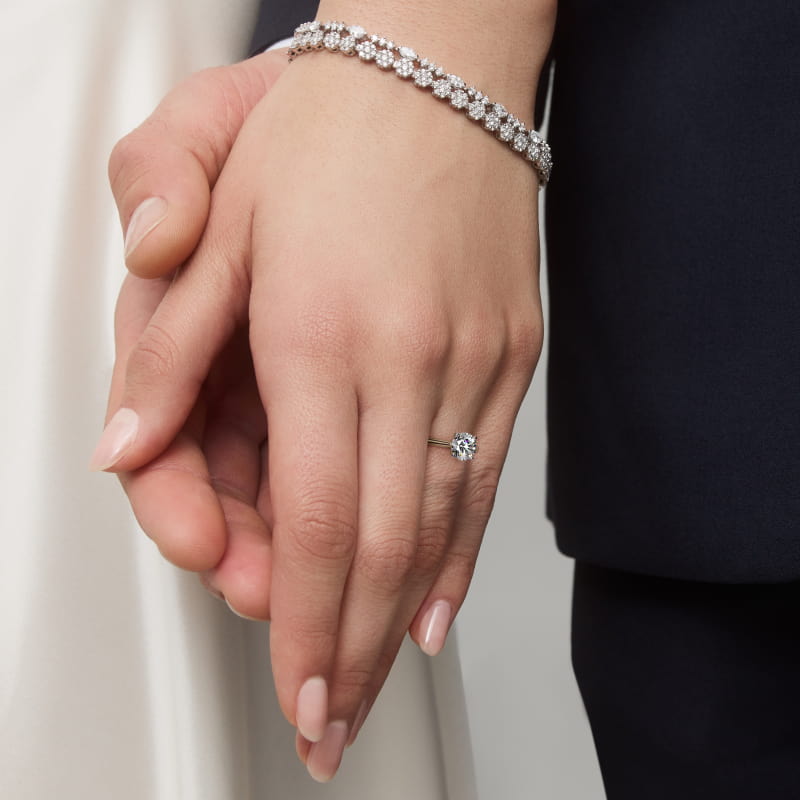
Up to 25% Off* Engagement Settings
Design your own
Ready to Ship
1
2
3

Engagement Setting Sale Up To 25% Off*

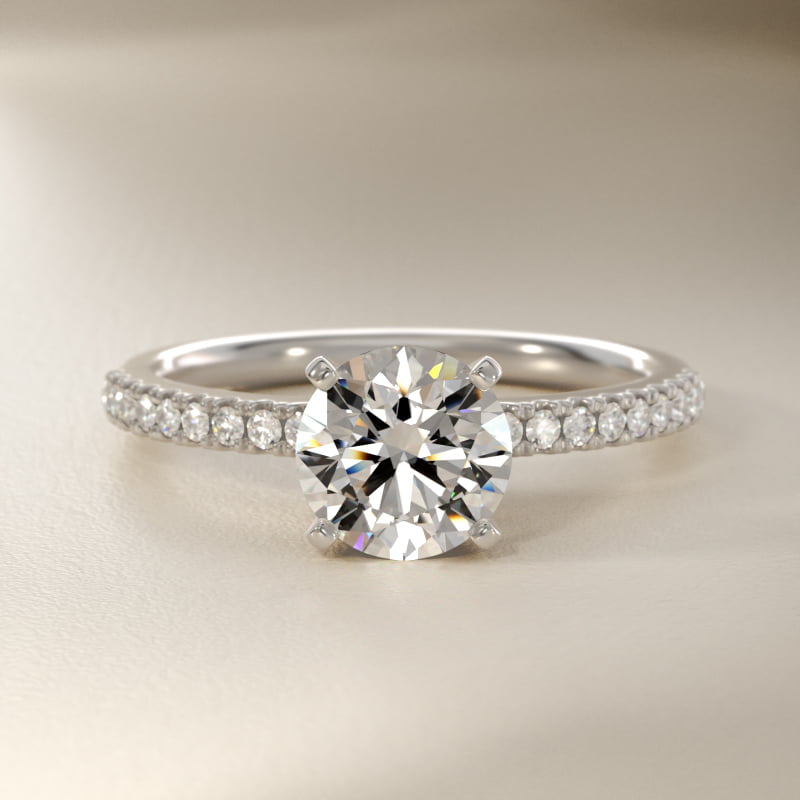
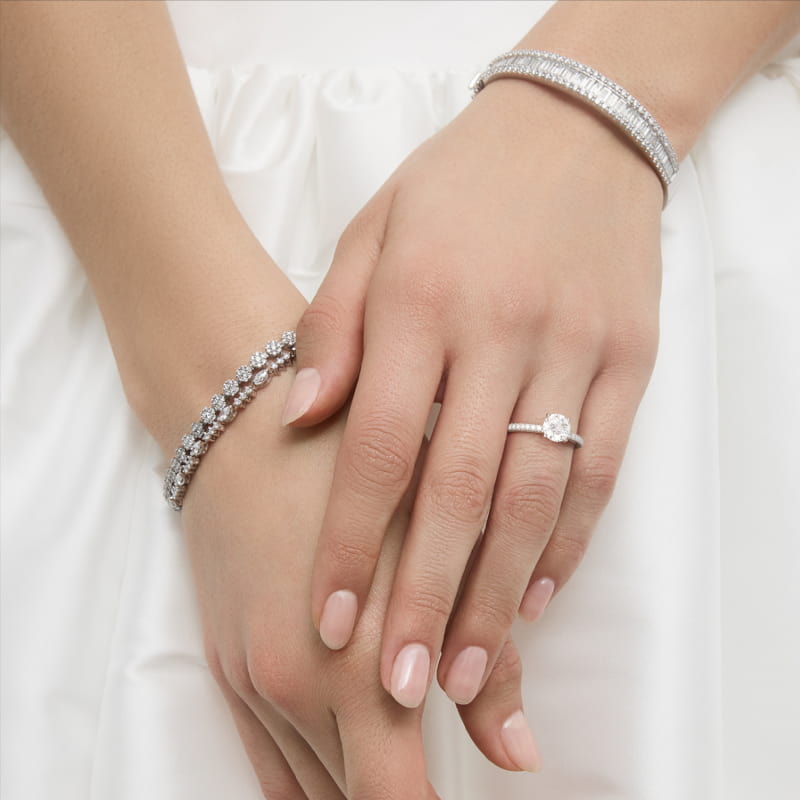
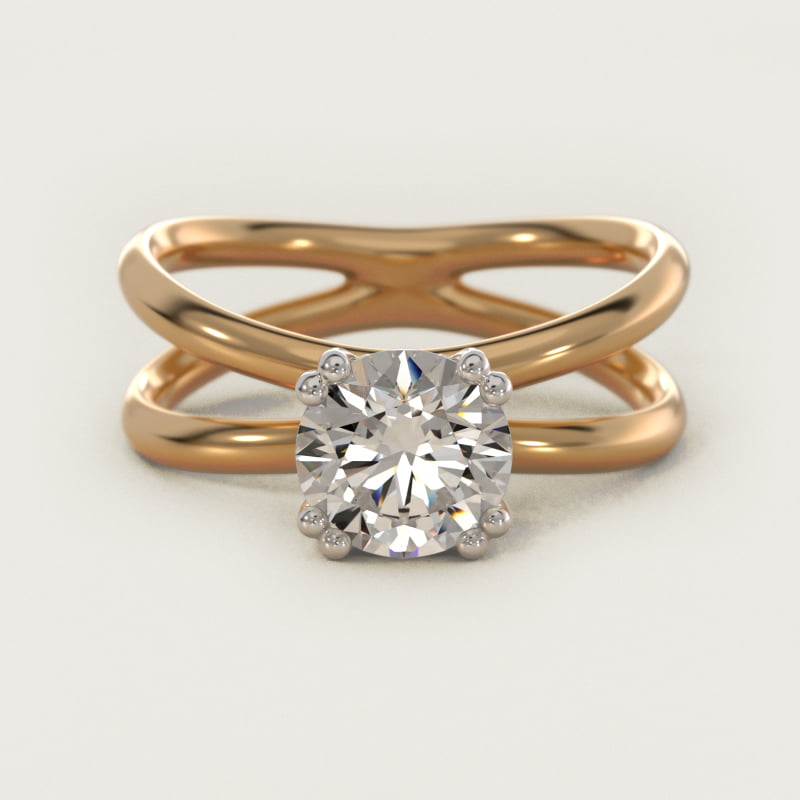
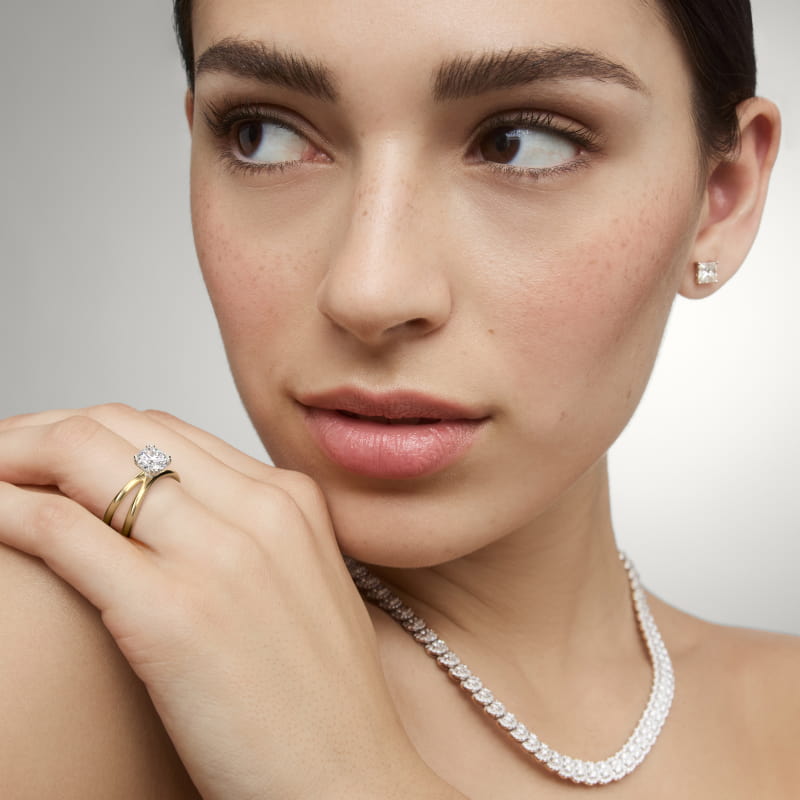
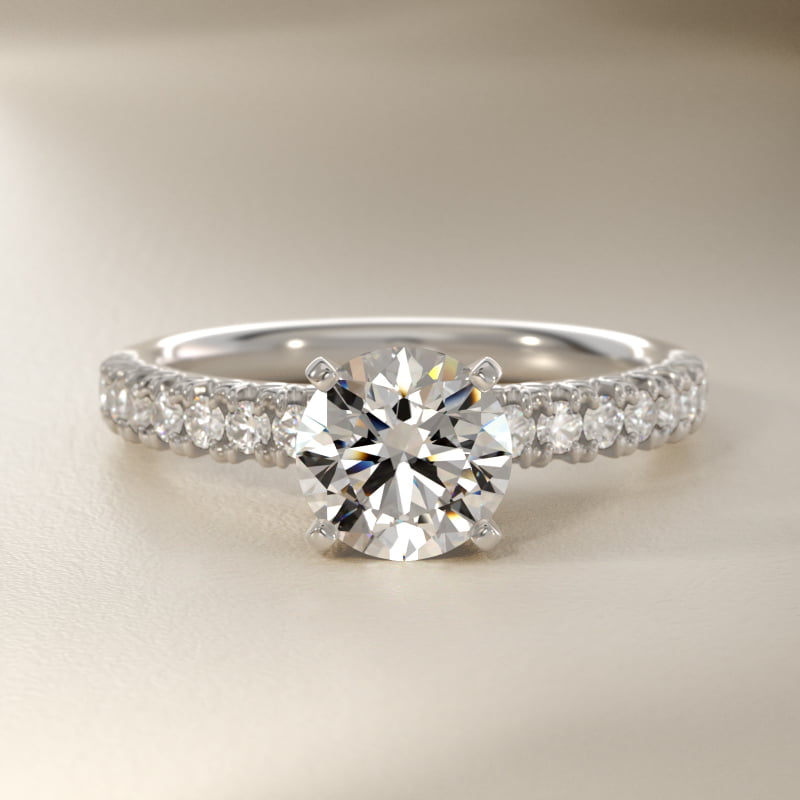
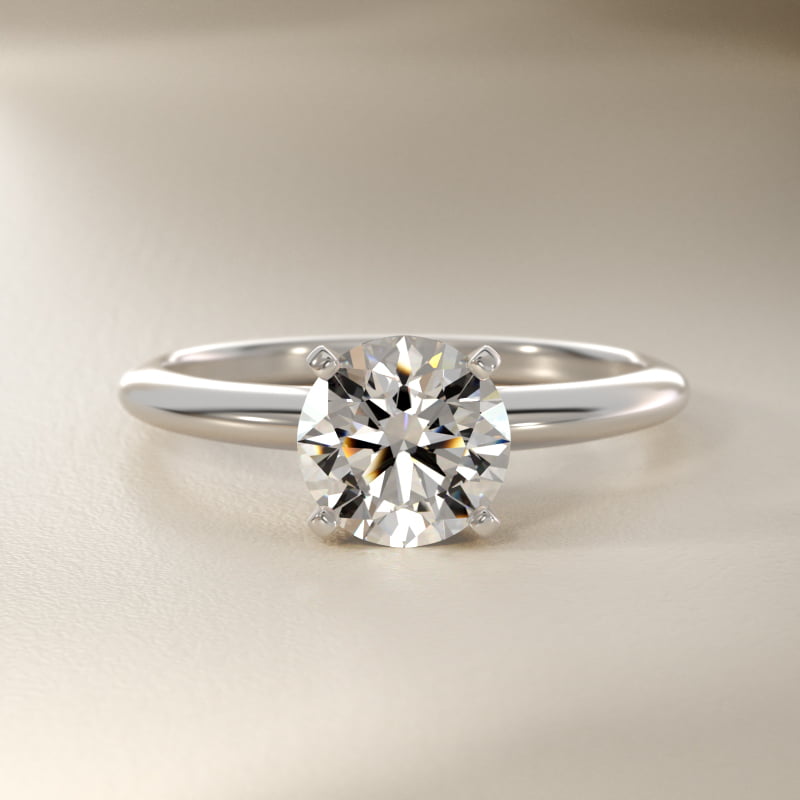
Discover a stylish curation of timeless engagement ring settings with limited-time savings up to 25% off*. Choose from a wide selection to find the perfect one for your proposal.
On Sale
Engravable
1,203 Results
Sort By
Shipping Date by

Frequently Asked Questions

Welcome to the Blue Nile Engagement Ring FAQ, featuring everything you need to know to maximize sparkle—and your budget. As the largest online retailer of certified diamonds and fine jewelry, we can say with confidence that you’ve come to the right place to buy an engagement ring. Our selection, quality, and expertise are unsurpassed. We’re here to help you find or design an engagement ring that reflects your intentions, your budget, your relationship, and basically everything and anything that matters most to you.

How many carats should an engagement ring be?

Diamond carat refers to the weight of a diamond, though there is a widely understood link between a diamond’s carat weight and its size. You can refer to our diamond carat size chart to learn more about the general carat weight and size correlations for the most popular diamond shapes. 

A classic diamond engagement ring with one elegant center stone often weighs about one carat, while a slightly larger, two-carat diamond is also a popular weight. But there is no "right" size for a diamond or gemstone engagement ring. The best engagement ring carat size depends on your budget and the wearer’s unique personal style. 

We offer a wide variety of natural and lab created diamond rings, making it easy to find the perfect fit for your special someone.

How much should I spend on an engagement ring?

The amount you spend on an engagement ring is a personal choice that should take your finances and priorities into account. Beautiful men’s and women’s engagement rings are available for a range of budgets, and our experts are happy to help you find the best value at a price you're comfortable with.

What should I know before buying an engagement ring?

When shopping for a gemstone or diamond engagement ring, keep in mind that the shape and cut of a stone are more important than its size. Understanding the 4Cs of diamonds and the details about gemstone qualities can help you create the perfect ring for your partner. 

Even more important is the wearer's personal style and lifestyle. Choose a gemstone or diamond ring that fits the wearer’s personality, whether that's a pink cushion diamond in a vintage gold setting, a lab-grown diamond ring or a classic round diamond in a sleek and modern platinum setting. And if the wearer is very active, choose an engagement ring with a low profile.

What are the benefits of buying an engagement ring online?

In 1999, we revolutionized the process of buying an engagement ring by making it easy to find the perfect ring online. Today, “I do” starts by shopping for gemstone and diamond rings online. With endless selection, easy customization, and low-pressure browsing, our collection is your destination for finding the right ring. 

When you browse our catalog of engagement rings online, you can shop without worry. You can sort our gem and diamond rings by metal type, price, popularity, diamond shape, and more. If you have any questions during your engagement ring journey, our experts are available to help

With fast and free shipping, discreet packaging, free returns, and exceptional warranties, it’s easy to buy a high-quality engagement ring online without worry.

What's the difference between an engagement ring and a wedding ring?

Traditionally, an engagement ring is what’s presented during a marriage proposal and a wedding ring is what partners give to each other during the wedding ceremony. It’s also common for an engagement ring to be more ornate than a wedding ring

One of our best-selling combinations is a round diamond solitaire engagement ring paired with a diamond pavé wedding band. On the flip side, we have many customers who love to turn tradition on its head: some customers forgo the engagement ring altogether and choose matching bands. Other couples double up on sparkle, with stacking rings that bookend the engagement ring. Some couples take an updated approach, choosing lab grown engagement rings for a different pairing.

What are certified engagement rings?

We offer engagement rings accompanied by diamond grading reports that attest to the center diamond’s 4Cs and any additional qualities of note. The most popular diamond grading institutions are GIA and IGI, offering unbiased reports about the main stones in diamond engagement rings. Enjoy true peace of mind during your engagement ring shopping journey by choosing our rings with certified diamonds.

What are the different diamond shapes for engagement rings?

Diamonds for engagement rings and other jewelry come in round and fancy shapes. With nearly 60 facets to reflect light, round-cut diamonds have unsurpassed brilliance. Each of the fancy shapes—princess, emerald, Asscher, marquise, oval, radiant, pear, heart and cushion—is beloved for its own, distinctive look and style. There is no single best diamond shape for an engagement ring—choose the shape that speaks to your heart.

What metals are used in engagement rings?

A popular engagement ring metal among Blue Nile customers is platinum (or white gold for people who want a platinum-look at a lower cost). Over the last few years, however, rose gold engagement rings have been a fast-rising trend. Rose gold was often used in settings in the late nineteenth century and is appreciated today for its naturally romantic appeal that particularly suits rings with vintage-inspired styles. Most recently, yellow gold engagement rings are capturing the attention of people who appreciate the way this metal’s beautiful, warm glow complements engagement ring settings with colored gemstones.

What are the 4Cs?

The 4Cs are the four main quality factors that determine the value of a diamond: color, cut, clarity and carat. The sparkle of a diamond comes from its cut and symmetry, while the carat size determines how big it will look on the wearer's finger. Use the 4Cs to help guide your engagement ring choice, but—as always—the "right" ring is the one that reaches out to you, whether it's deemed a "perfect" stone by experts.

How do I find the right ring size?

You can find out how to measure ring size at home using household items with our guide. You can also request a free plastic ring sizer through our website. When measuring a ring size, do so at the end of the day when the fingers are warm. Don’t forget to measure a few times for accuracy.

How do I find a ring that matches my partner’s style?

Start by looking at the jewelry they already wear — it reveals a lot about their preferred metals, styles, and even sizing. If you need more guidance, discreetly ask a trusted friend or family member who knows their taste well.

What kinds of engagement ring styles are popular today?

Popular styles include engagement rings for women that feature a prominent center stone, such as a solitaire and halo rings. Pavé, twist band, and milgrain designs are also in-demand styles. Lab-created diamond engagement rings are also growing in popularity. 

Many of today’s emerging women’s engagement ring trends feature non-traditional takes on this symbolic jewelry style. This includes two-stone engagement rings, hidden halo rings, and unique engagement ring settings.

How much does the average person spend on an engagement ring?

There is no set rule for how much to spend on an engagement ring. You should focus on purchasing a ring that fits your partner and your budget. Our top engagement rings can help you see what options are most popular.

Who traditionally wears an engagement ring?

Traditionally, engagement rings are worn by the person being proposed to. Today, many couples are redefining that tradition — with some partners on both sides choosing to wear one. With a wide selection of women's and men's engagement rings, you can choose whatever approach feels right for you. 

Engagement rings are typically worn alone until the wedding ceremony, when they're paired with a wedding band. They can also be worn alongside anniversary rings.

Who buys the engagement ring?

Traditionally, the proposing partner purchases the engagement ring. Today, many couples take a different approach — some choose together, split the cost, or each buy their own. Ultimately, there's no right or wrong way; what matters most is what works best for you and your partner.

Where can I hide the engagement ring before proposing?

If you’re keeping your engagement ring a surprise, there are many ways to keep it hidden until you propose. At home, engagement rings can be hidden in areas where your partner doesn’t often look. This may be up high, in a sock drawer or in other areas they may not visit frequently. Some people opt to hide their engagement ring in a safety deposit box or at a trusted friend or family member’s house.

Does Blue Nile sell lab-created diamond rings?

Yes, Blue Nile offers a wide selection of lab-created diamond rings across all of our most popular engagement styles. Whether you prefer a lab diamond or a natural diamond, you'll find the perfect ring to suit your style and budget.

Are there any extra considerations when buying lab-grown engagement rings?

Lab-created diamonds share identical optical, chemical, and physical properties with natural diamonds, but typically cost 20-40% less, making larger sizes more accessible within budget. Apply the same 4Cs criteria—cut, carat, color, and clarity—when evaluating lab-grown diamonds, prioritizing excellent cut for maximum brilliance. Always verify certification from reputable labs like GIA or IGI before purchase. Keep in mind that lab-created diamonds' relative abundance may not ensure they hold value over time the same way natural diamonds do, so focus on personal preference rather than investment potential.

How can I make a ring more affordable?

Maximize value by choosing excellent cut quality in lower color grades (G-H) or clarity grades (VS2-SI1), where differences are invisible to the naked eye but offer significant savings. Opt for fancy shapes like oval, pear, or cushion cuts, which typically cost 20-30% less than round diamonds of equal carat weight. Select 14k gold over 18k or platinum for durable metal at a lower cost, or consider lab-grown diamonds for 20-40% savings while maintaining identical beauty and brilliance.

Are lab diamonds good for engagement rings?

Yes, lab-created diamonds make excellent engagement rings and are identical to natural diamonds in brilliance, durability, and chemical composition. We offer a large selection of both earth-created and lab-grown diamond rings to suit different preferences and budgets. The choice between lab-grown and natural diamonds comes down to personal values—lab-grown provides larger sizes at accessible prices, while natural diamonds offer geological rarity and traditional value retention.

Can an engagement ring be upgraded in the future?

Yes, with our diamond upgrade program, you can exchange your original diamond for a larger or higher-quality stone in the future. Review the program details to learn which diamonds qualify and how the upgrade process works.

Do engagement rings have to feature a main diamond or gemstone?

Women’s engagement rings with a center diamond or gemstone are the most classic design, but many beautiful alternatives exist. Two-stone, three-stone, and five-stone engagement rings feature multiple similarly-sized gems sharing equal prominence. Cluster engagement rings create distinctive looks with varying carat weights and shapes arranged together, offering unique styles without a single focal stone.

How quickly can I get an engagement ring?

We offer fast shipping on our engagement rings. Should you need your ring in a hurry, consider our ready to ship engagement rings.