


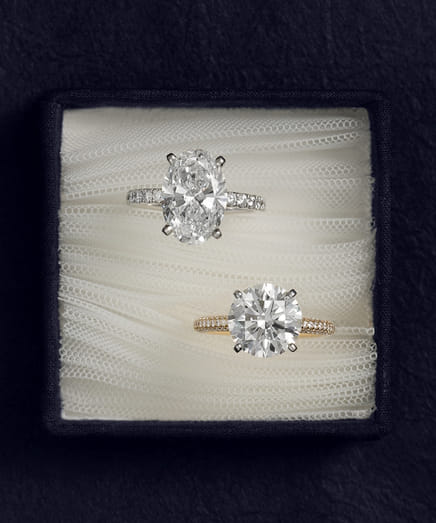
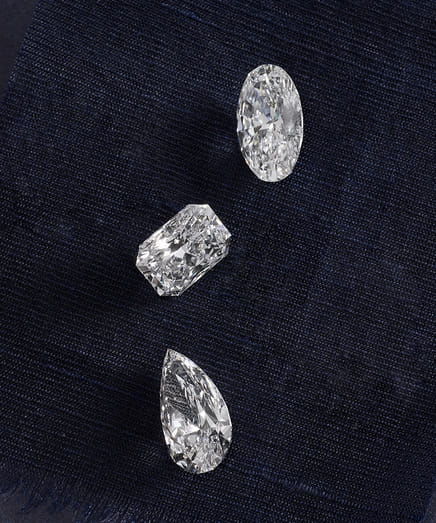


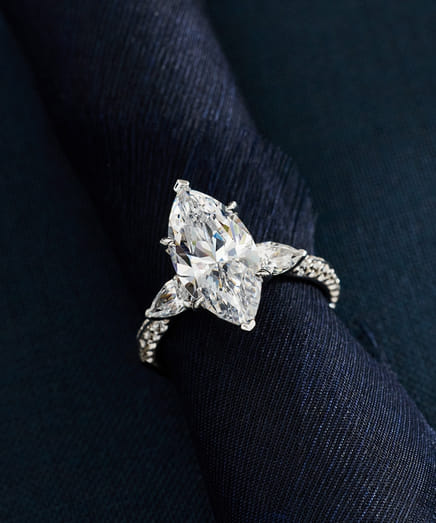


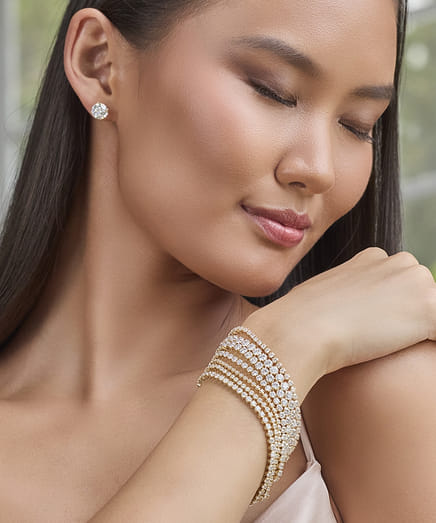


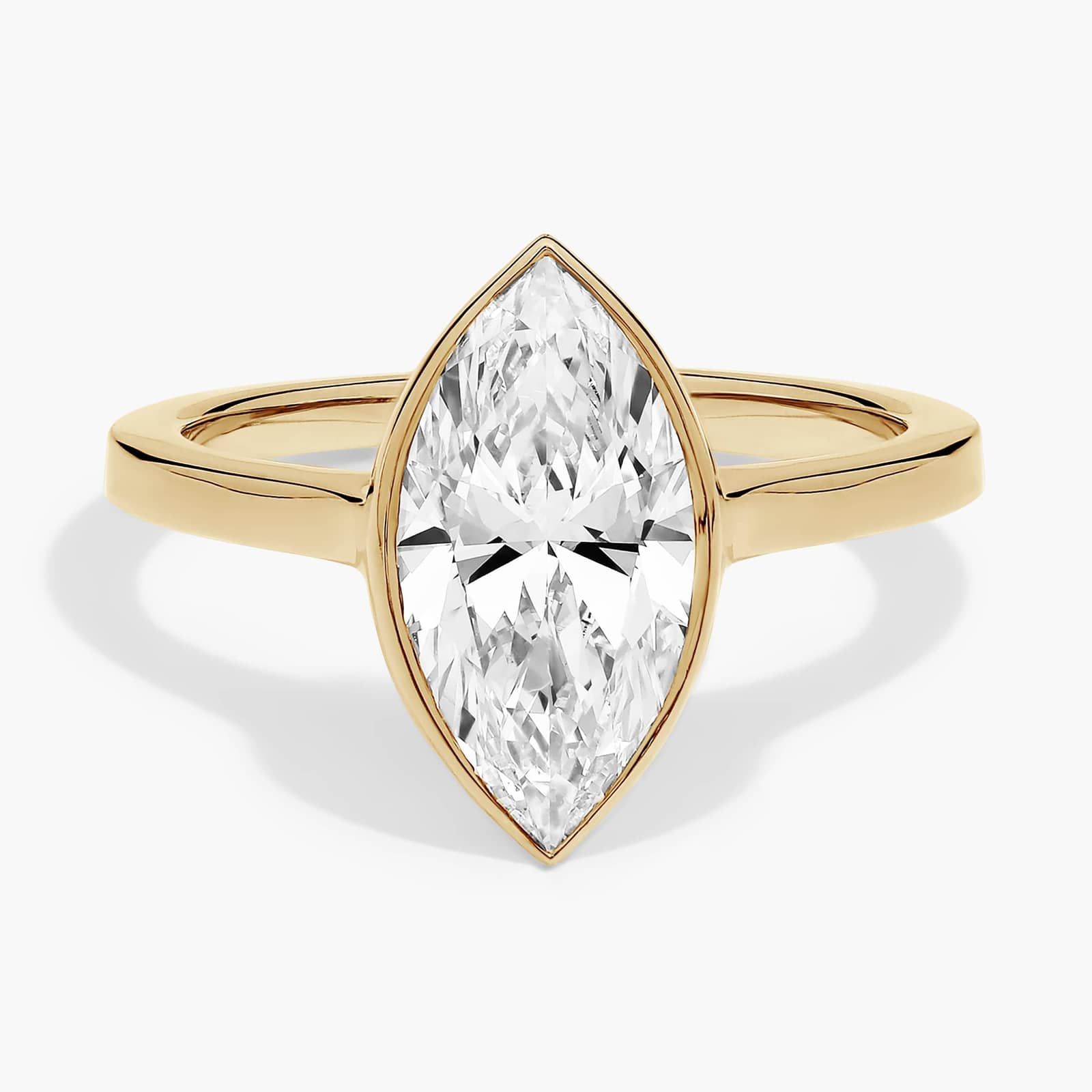
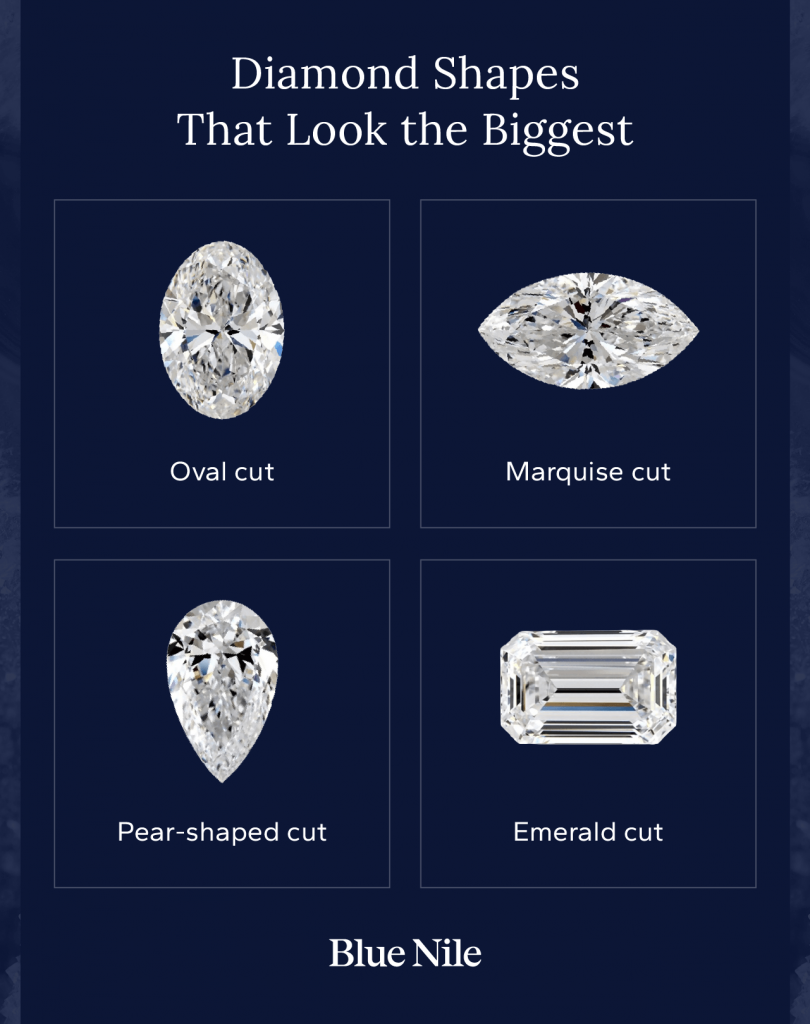
Marquise diamonds tend to look the biggest, as do oval, pear-shaped and emerald-cut diamonds. Factors like setting, band width and prongs can also impact the apparent size.
The diamond you choose says a lot, but so does how large it looks on the finger.
When it comes to buying a diamond, carat weight gets most of the attention. But knowing what diamond shape looks the biggest can be just as valuable, especially when you’re working within a budget and want to maximize visual impact. The secret lies in how a diamond’s shape distributes weight across its surface, and some shapes are far better at this than others.
This guide covers the shapes that deliver the largest face-up appearance, the factors that influence perceived size and the practical steps you can take to make any diamond look its best.
1. Marquise Cut Diamonds
Of all the diamond shapes available, the marquise consistently delivers the largest face-up appearance per carat. Its elongated body and two pointed ends maximize surface area. This means a more visible diamond on the finger, even at a lower carat weight than you might expect. Here’s why:
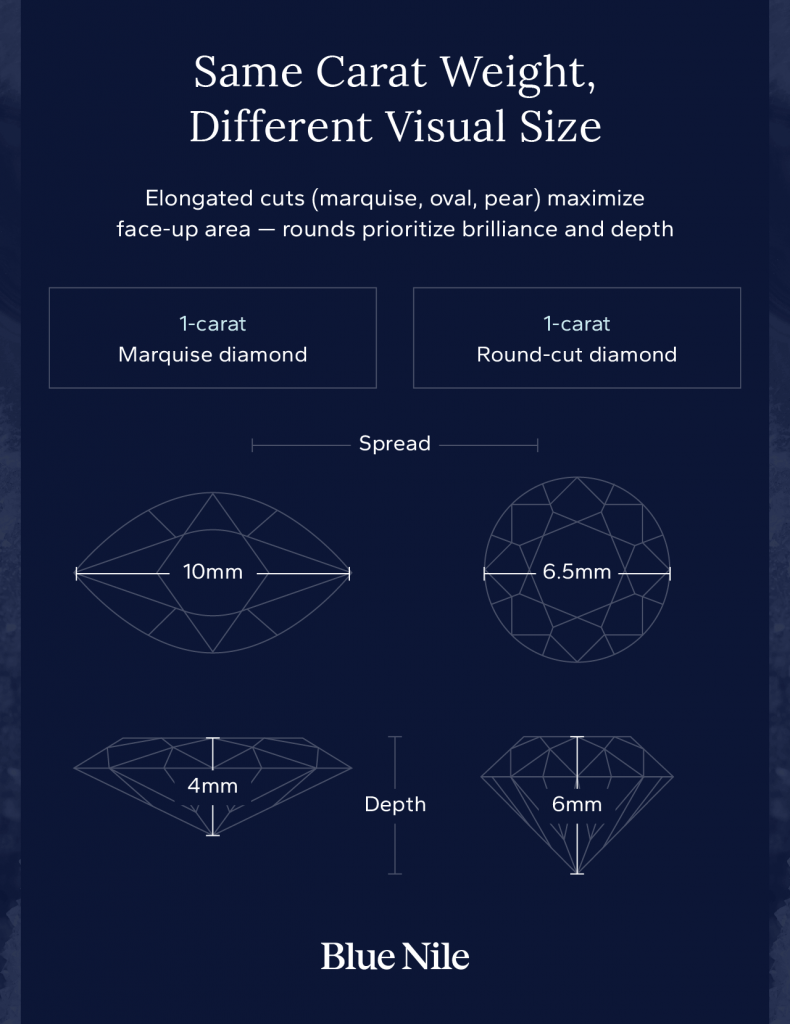
- Silhouette: The marquise shape’s elongated outline spans more finger space than rounded or square alternatives of the same carat weight. At 1 carat, a marquise can measure roughly 10mm x 5mm, while a round diamond of the same weight typically comes in around 6.4mm in diameter.
- Finger effect: The pointed ends draw the eye along the length of the finger, creating a slimming and lengthening effect that makes both the stone and the hand appear more elegant.
- Proportions: Look for a length-to-width ratio between 1.75 and 2.15mm. Stones in this range are wide enough to show off that impressive surface area without looking too narrow or bulky.
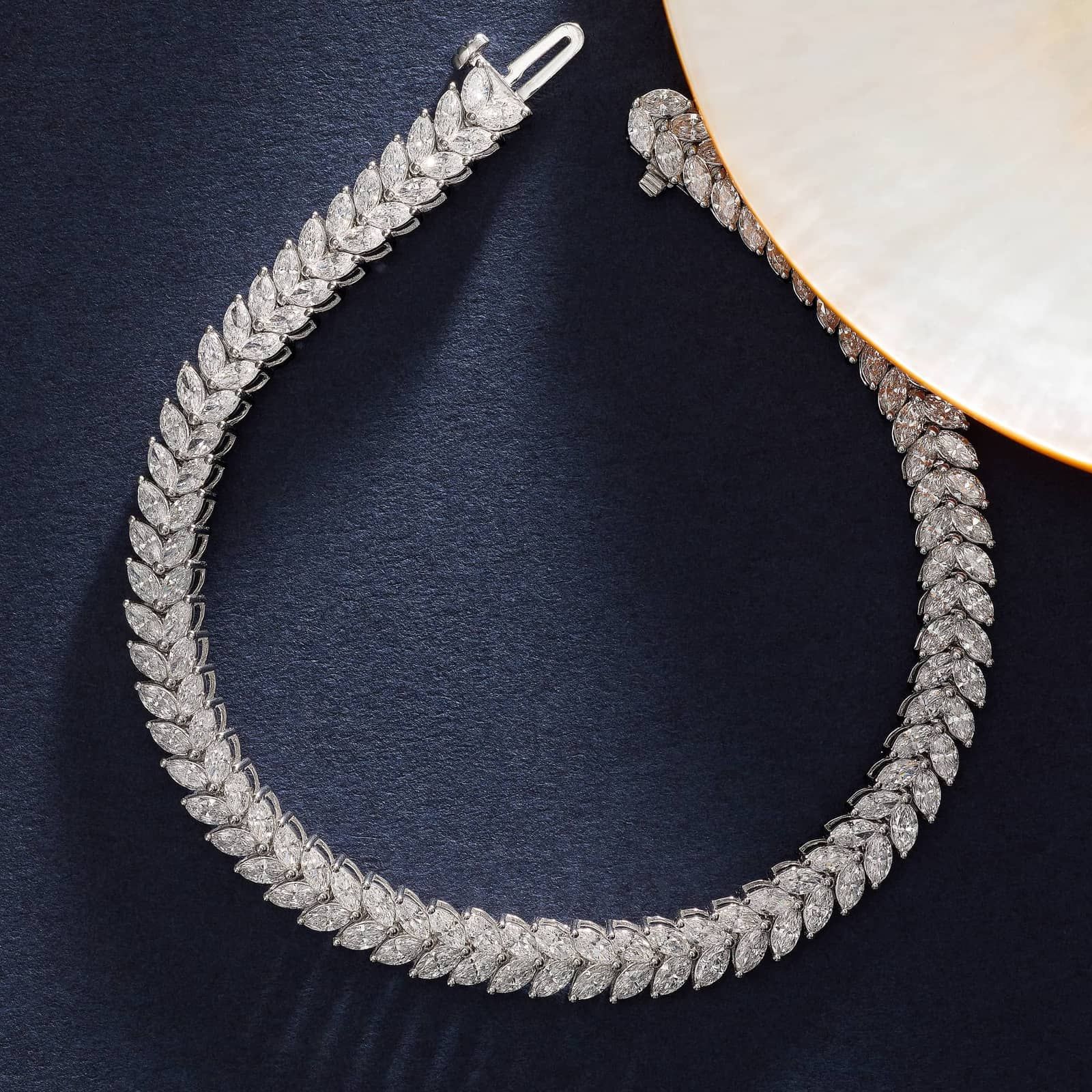
Two Row Tennis Bracelet With 7 CTW Marquise Cut Lab-Grown Diamonds In 14K White Gold
Shop Marquise Bracelets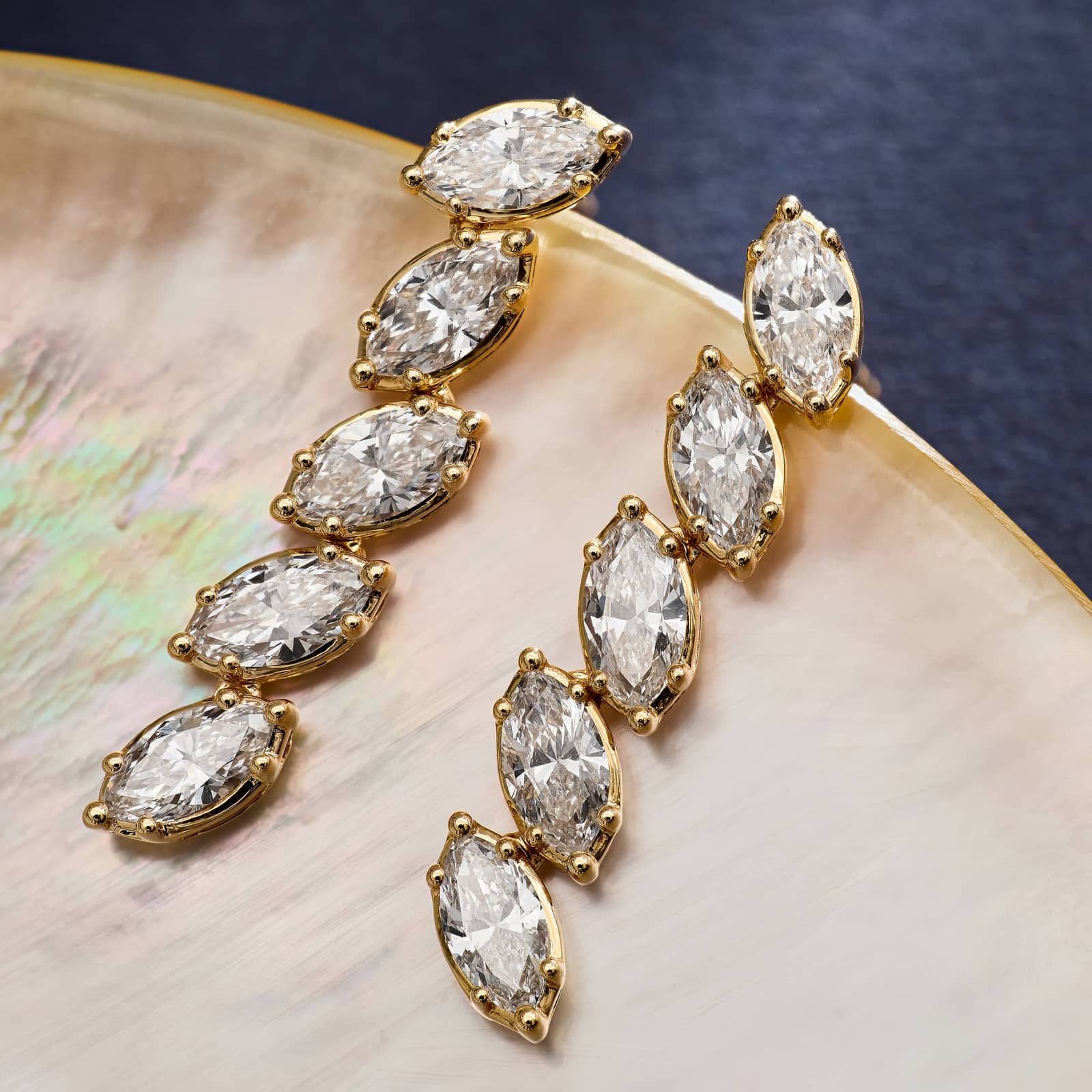
Drop Earrings With 1.70 CTW Marquise Cut Lab-Grown Diamonds In 14K Yellow Gold
Shop Marquise Earrings2. Oval Cut Diamonds
The oval diamond is one of the most popular shapes for a reason. It delivers the brilliance of a round diamond with a larger visual footprint. The elongated outline covers more finger surface area than a round of the same carat weight, making it an excellent choice for those who want maximum presence without sacrificing sparkle. Here’s how:
- Visual impact: An oval diamond’s elongated silhouette gives it a face-up size advantage over round diamonds of the same carat weight. That extra spread, combined with its brilliant faceting, makes it one of the most light-catching shapes available.
- Durability: With no sharp corners or points to protect, the oval is a naturally resilient shape. You get the elongated look of a marquise or pear with less vulnerability to chipping over time.
When shopping for oval diamonds, watch for the bow-tie effect: a dark, shadow-like band that can appear across the center of the stone. A well-cut oval minimizes this.
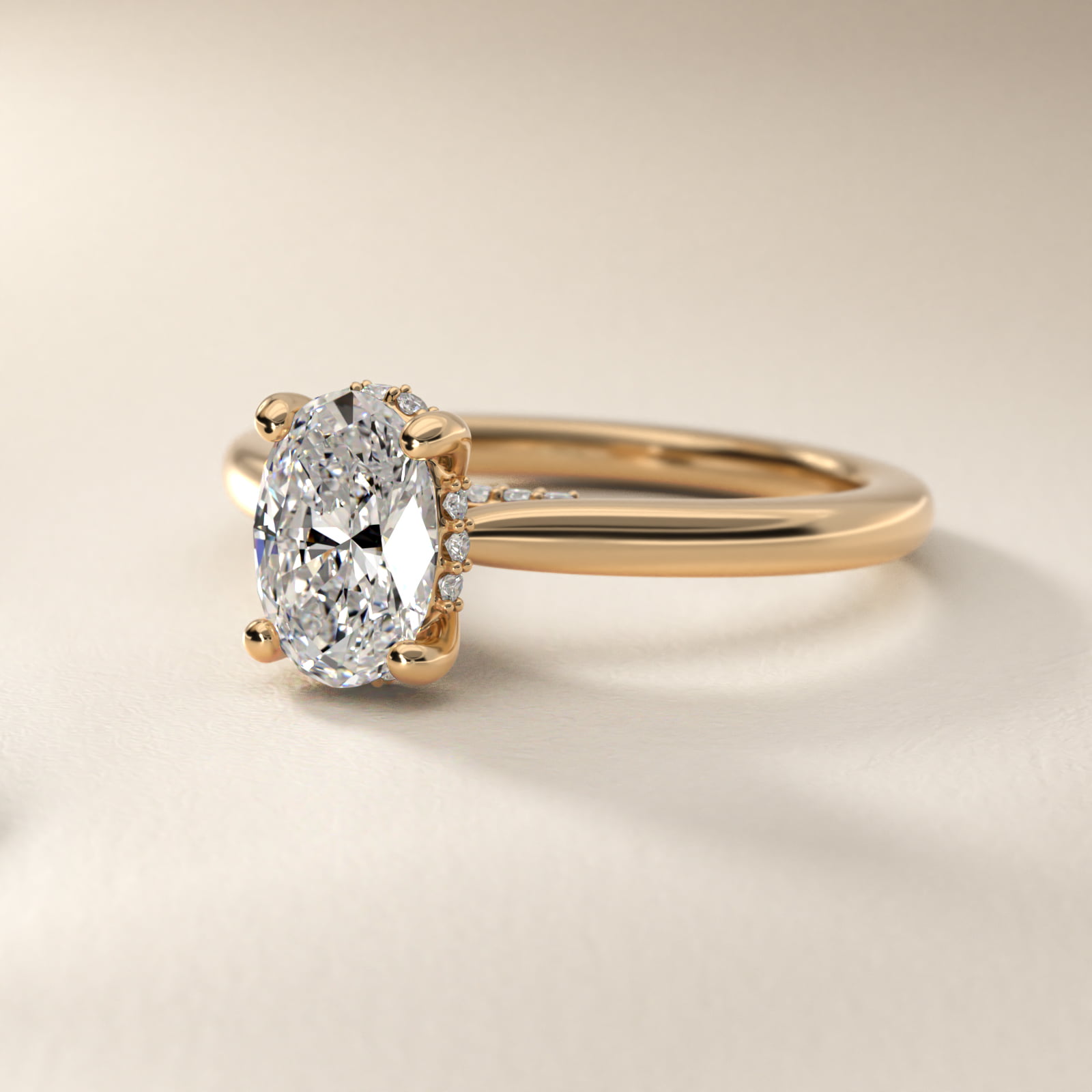
Petite Hidden Halo Solitaire Plus Diamond Engagement Ring in 14k Yellow Gold
Shop Oval Engagement Rings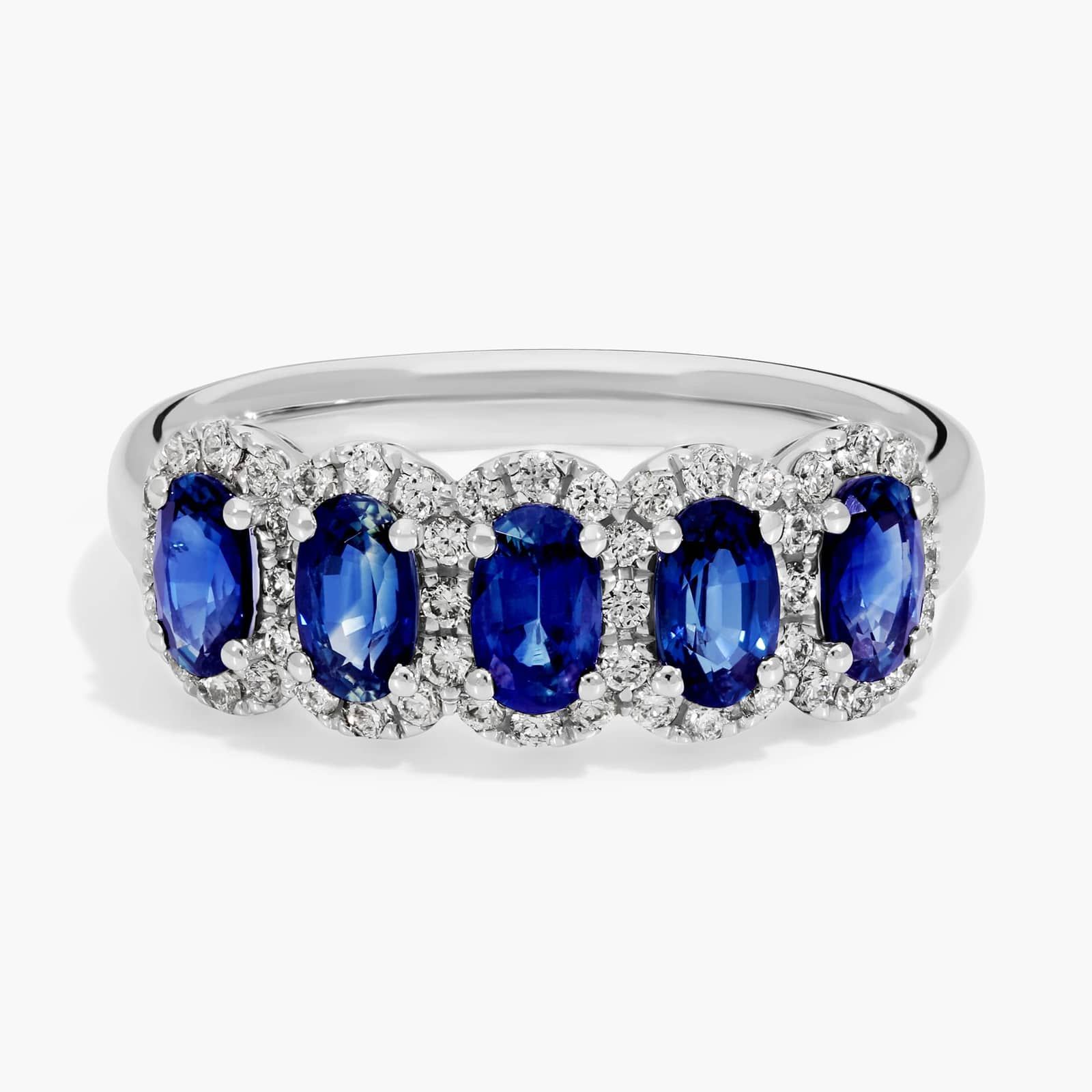
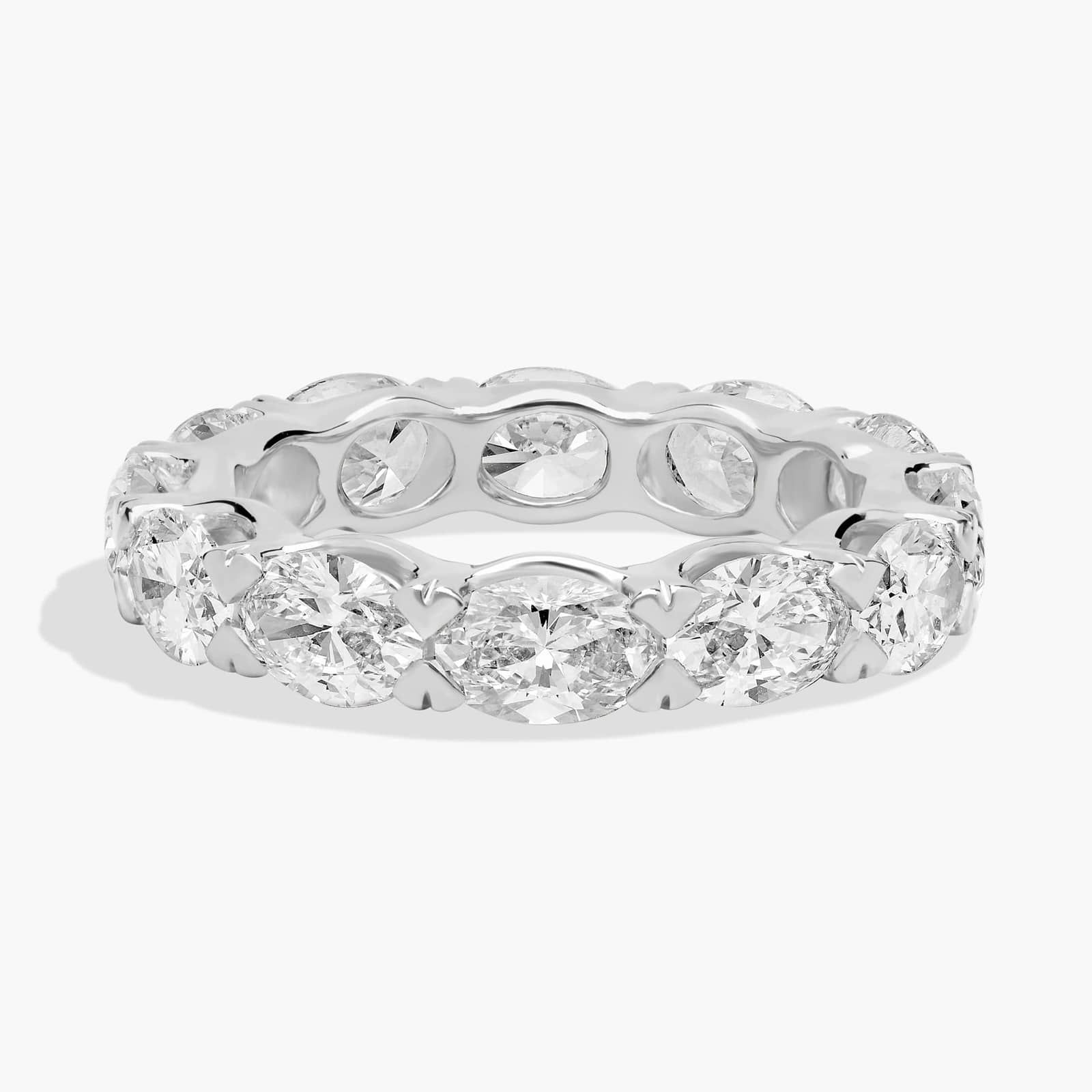
3. Pear-Shaped Diamonds
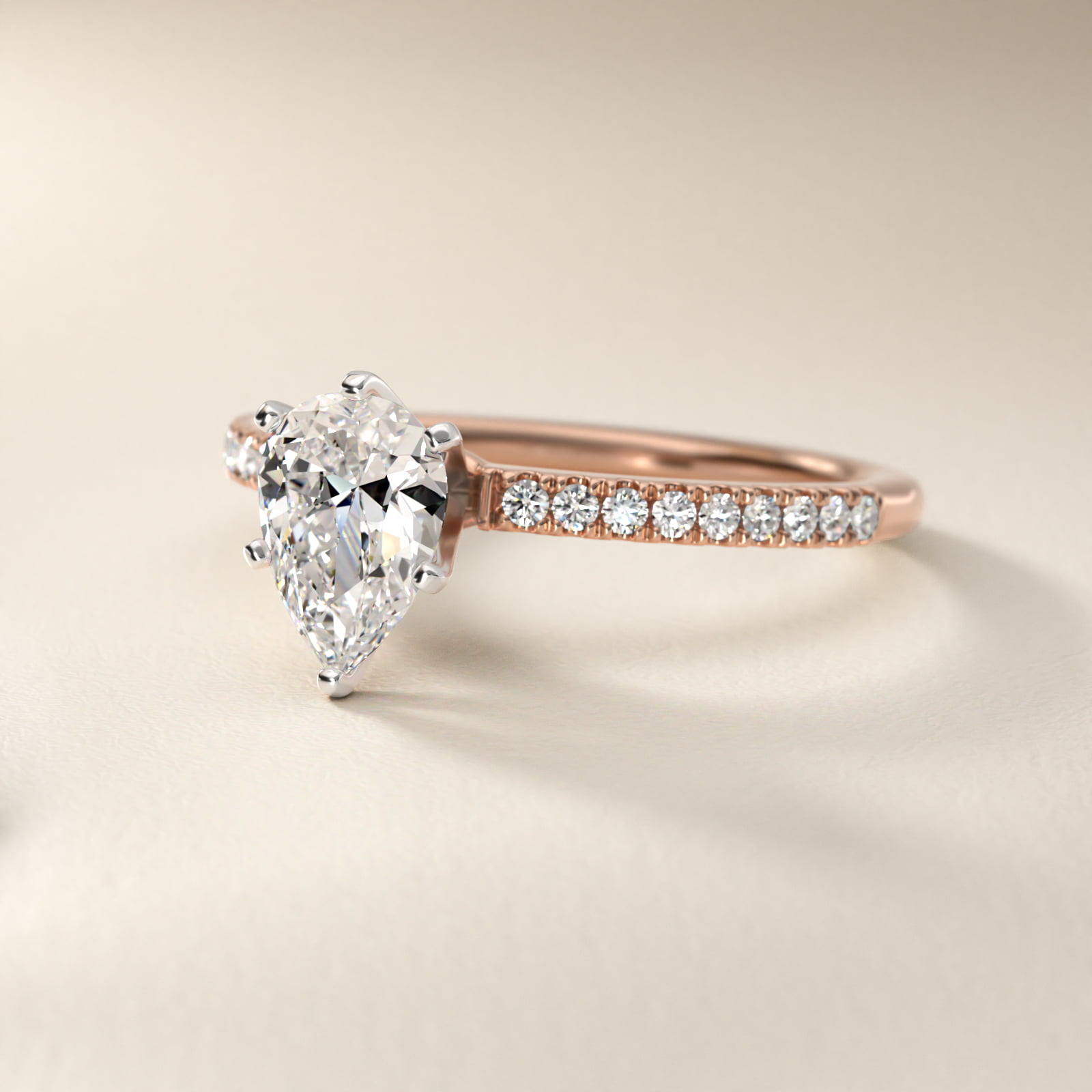
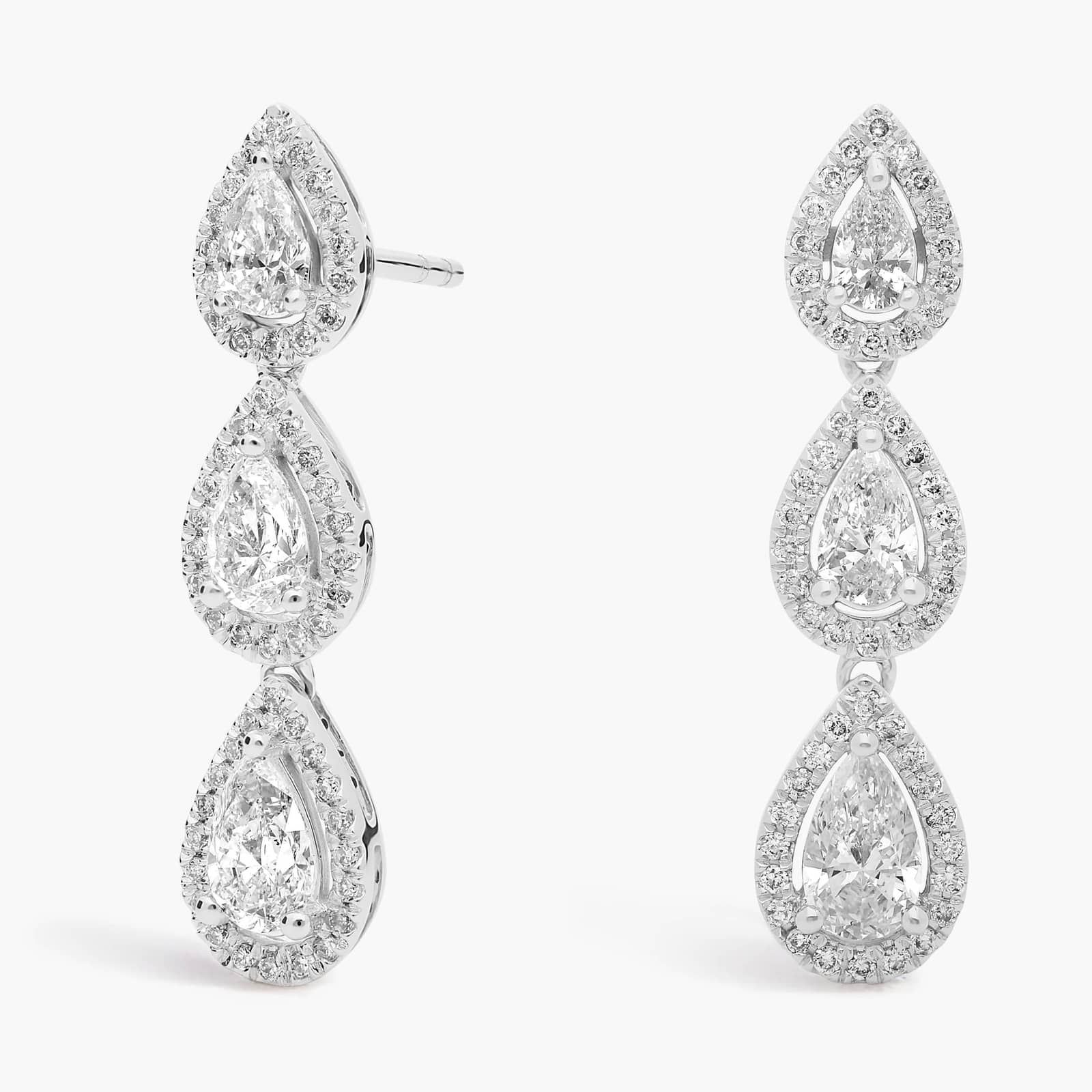
The pear-shaped diamond combines the best of two worlds: the rounded brilliance of an oval and the dramatic point of a marquise. Its wide base and tapered tip create a distinctive teardrop silhouette that reads as larger than many shapes at the same carat weight. Here are some of the reasons:
- Silhouette: The pear’s wide base spreads across the finger, while the pointed tip extends the stone’s visual length. Together, these features create a generous face-up footprint that maximizes perceived size.
- Finger effect: The pointed end adds length to the finger, similar to the marquise. Worn with the tip toward the fingernail, a pear shape creates an elegant, elongating effect on the hand.
- Orientation: For a more flattering look, wear the point facing the fingernail. This orientation draws the eye upward and makes the most of the shape’s natural length advantage.
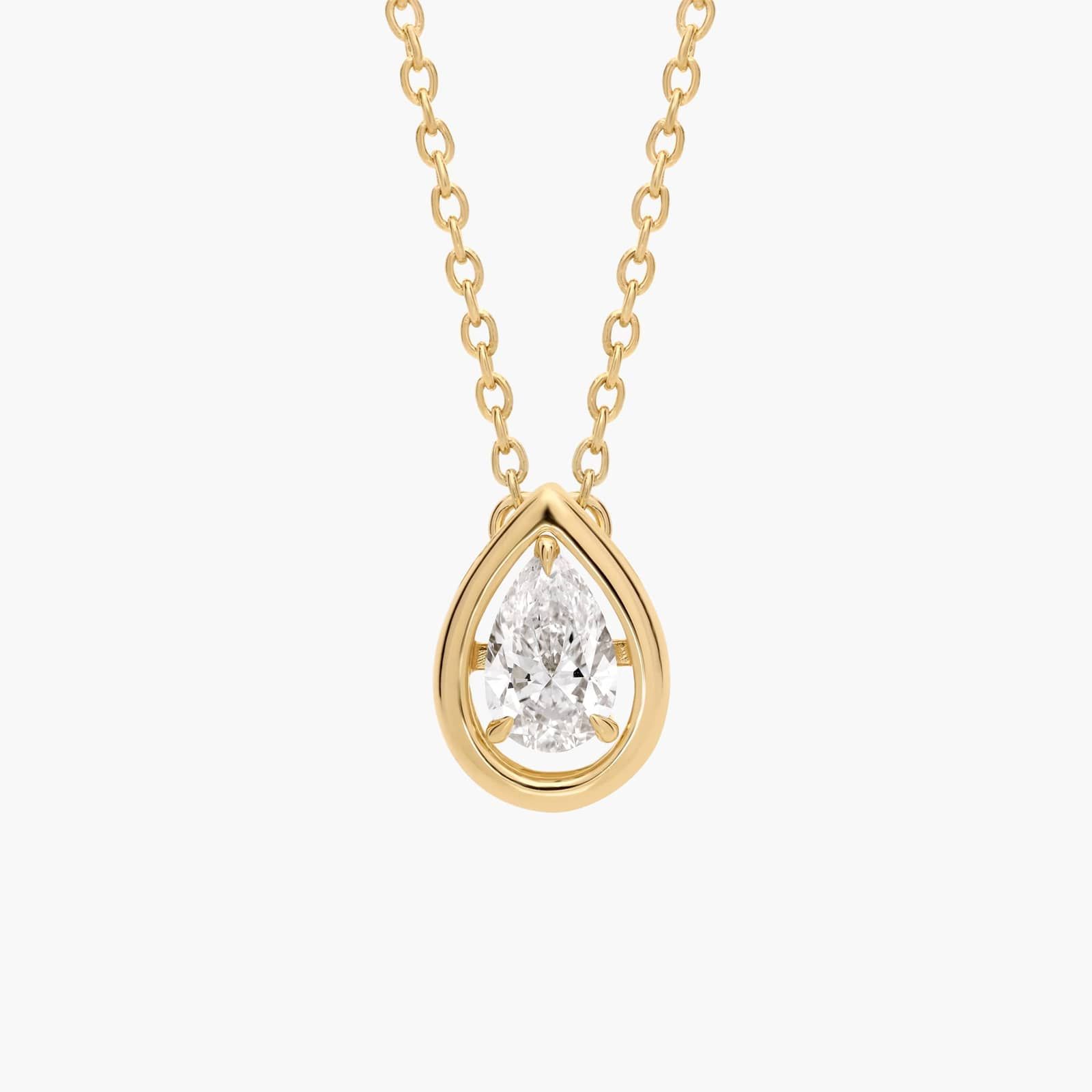
Lab Grown Diamond Pear Cut Floating Solitaire Pendant in 14K Yellow Gold (1/2 Ct. Tw.)
Shop Pear Necklaces4. Emerald Cut Diamonds
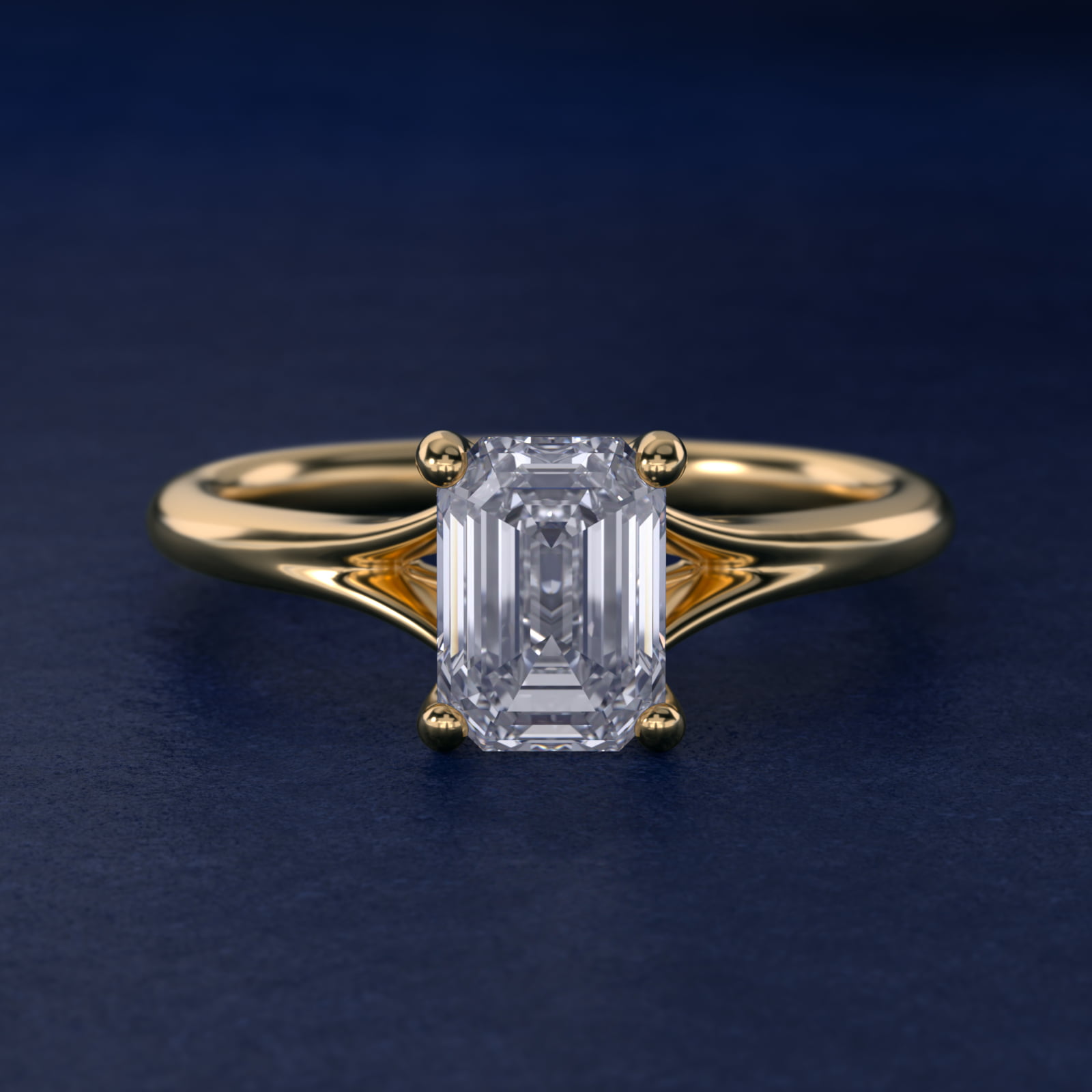
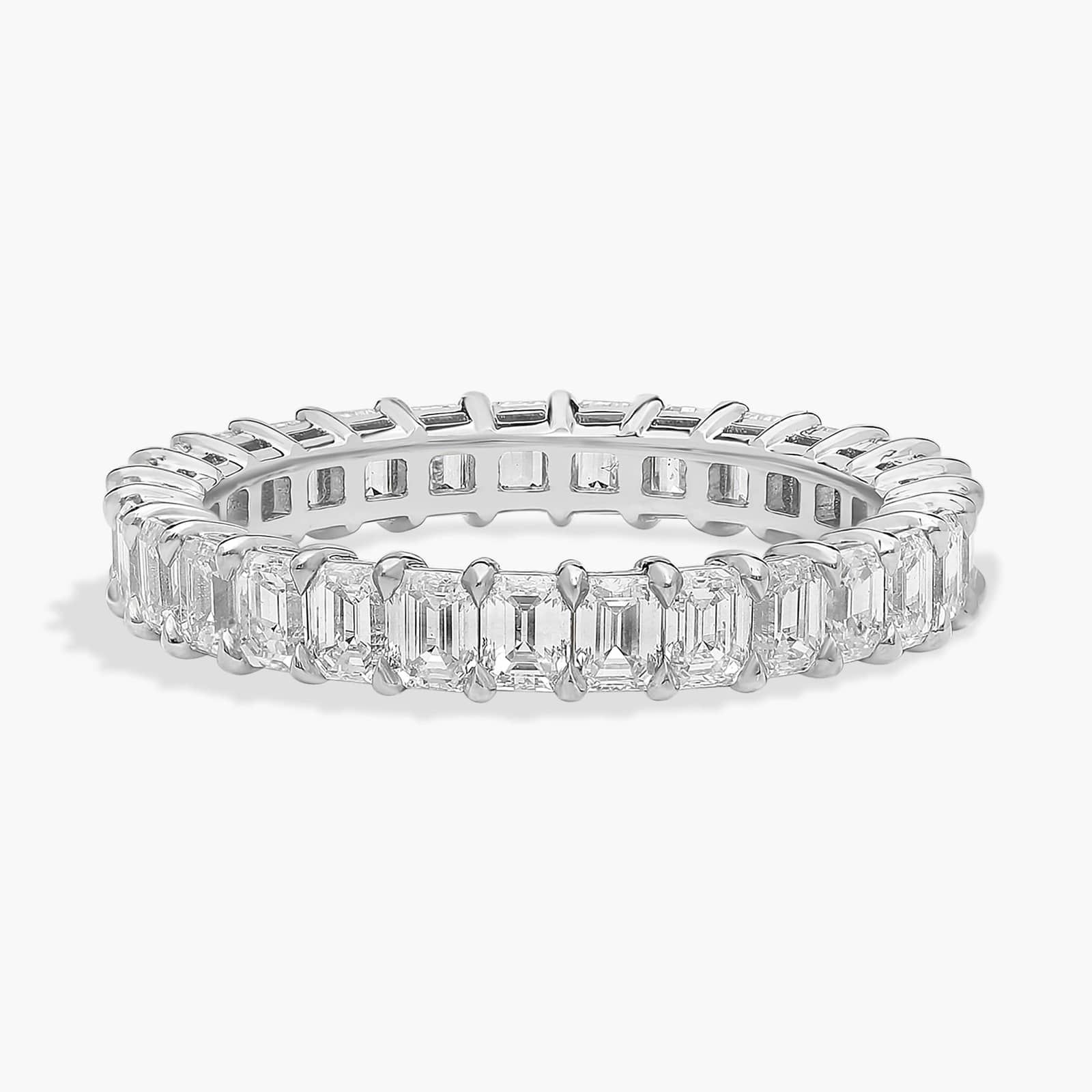
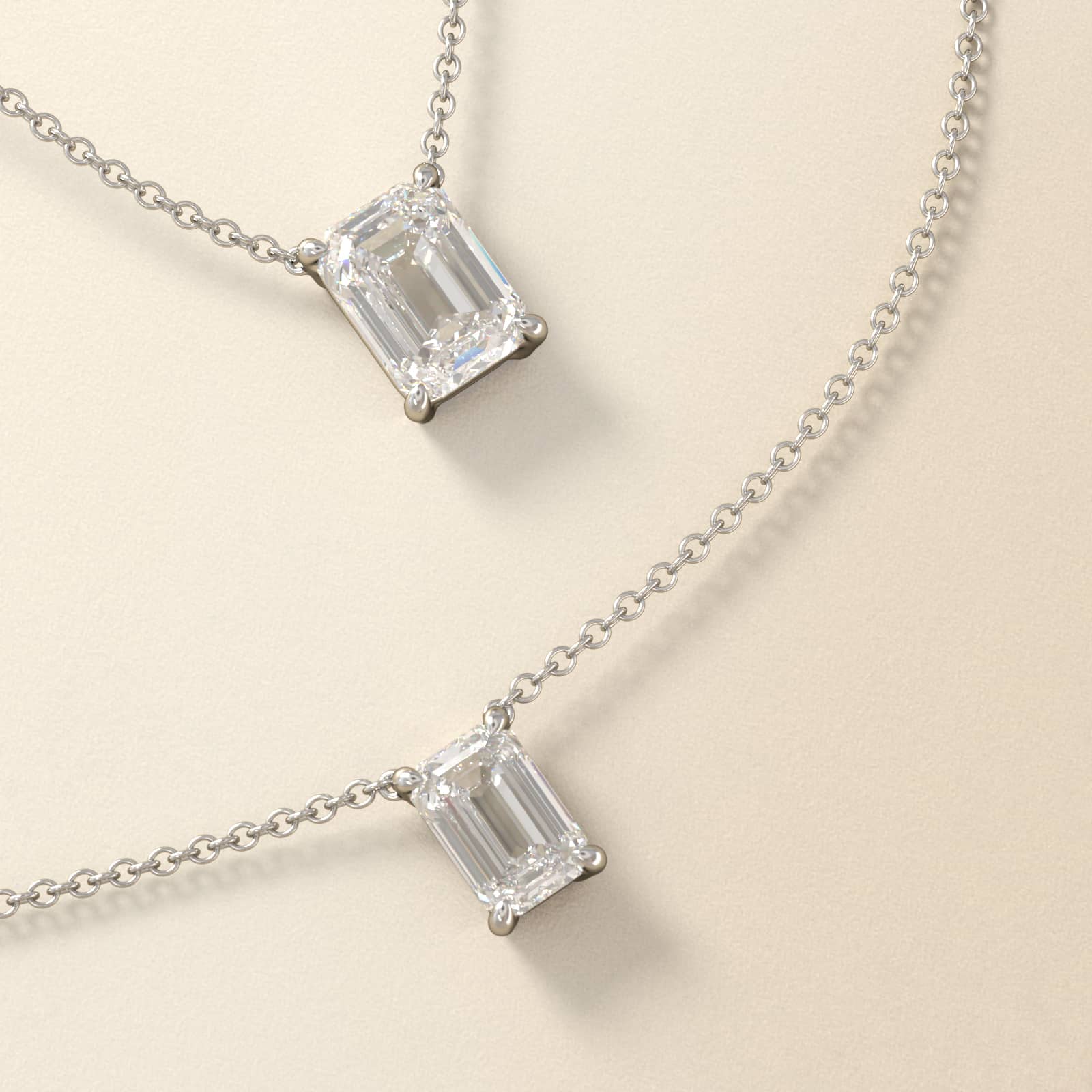
The emerald shape takes a different approach to size than the other shapes on this list. Its long rectangular silhouette and large open table create a broad, unobstructed surface that reads as remarkably spacious, even at modest carat weights. Here are some of the reasons why:
- Visual impact: The emerald shape’s long, flat facets and wide table give it one of the largest face-up appearances among square and rectangular shapes. That open surface draws the eye across the stone, making it look substantial and commanding on the finger.
- Luster vs. sparkle: Unlike brilliant-cut shapes, the emerald’s step-cut facets produce a sophisticated hall-of-mirrors effect rather than intense sparkle. This understated luster highlights the stone’s clarity and gives it a distinctly elegant look.
- Aesthetic: The emerald shape occupies a significant amount of finger space, with a clean, architectural silhouette. Its vintage-inspired appeal and refined proportions make it a strong choice for those who prefer understated glamour over flash.
Factors that Impact How Large a Diamond Looks
Shape is just the starting point. Several other factors influence how large a diamond appears on the finger and, therefore, which stone you choose. From the setting style to the band’s width, small decisions can make a meaningful visual difference.
Settings
A halo border of smaller pavé diamonds surrounding the center stone creates the illusion of a single, much larger diamond. It’s one of the most effective ways to amplify perceived size without increasing your center stone budget.
Additionally, adding side stones increases the overall width of the ring head, giving the appearance of a more substantial diamond presence without the cost of a larger center stone.
Band Width
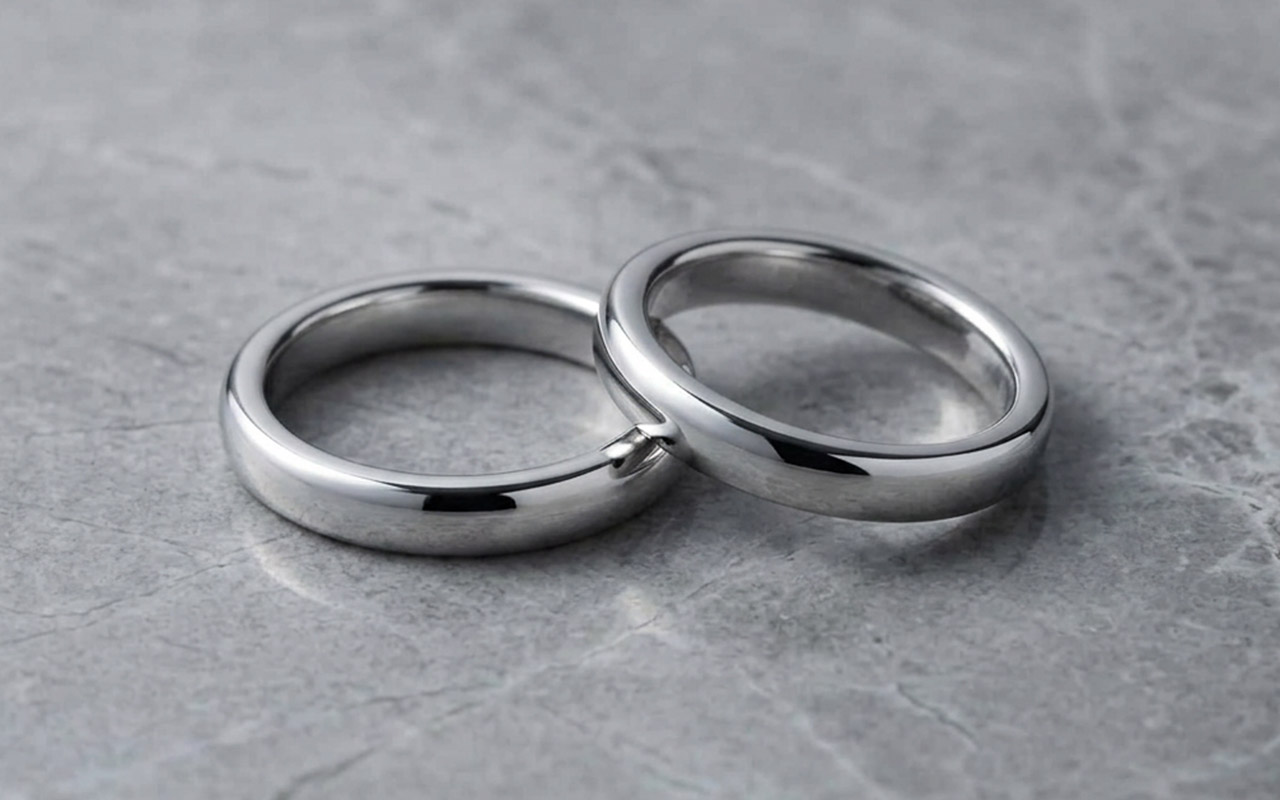
A thin, tapered metal band makes the center diamond look larger by contrast, much as a narrow waist makes everything around it appear more prominent. The slimmer the band, the more the stone commands attention.
Prong Selection
Choosing four prongs instead of six leaves more of the diamond’s surface visible and unobstructed. Less metal coverage means more stone on display, which directly contributes to a larger face-up appearance.
Cut Quality
A diamond’s cut quality directly affects how large it appears. A well-cut stone reflects light efficiently, creating brightness and contrast that draw the eye outward across the stone’s surface. A poorly cut diamond, even at a higher carat weight, can appear dull and smaller than its measurements suggest.
Length-to-Width Ratio
Elongated shapes—like the marquise, oval and pear—naturally appear larger than square or round shapes of the same carat weight. This is because their spread covers a larger area of the finger. When comparing shapes, the length-to-width ratio is one of the clearest indicators of how much visual space a diamond will occupy.
Metal
Some believe that white gold and platinum can make a diamond appear larger by creating a seamless visual transition between the metal and the stone. Their bright, reflective finish bounces light back through the diamond, enhancing both brilliance and perceived size.
How to Make Diamonds Appear Larger
Knowing what affects perceived size is one thing; putting it into practice is another. These are some of the most effective ways to make your diamond look as large as possible on the finger:
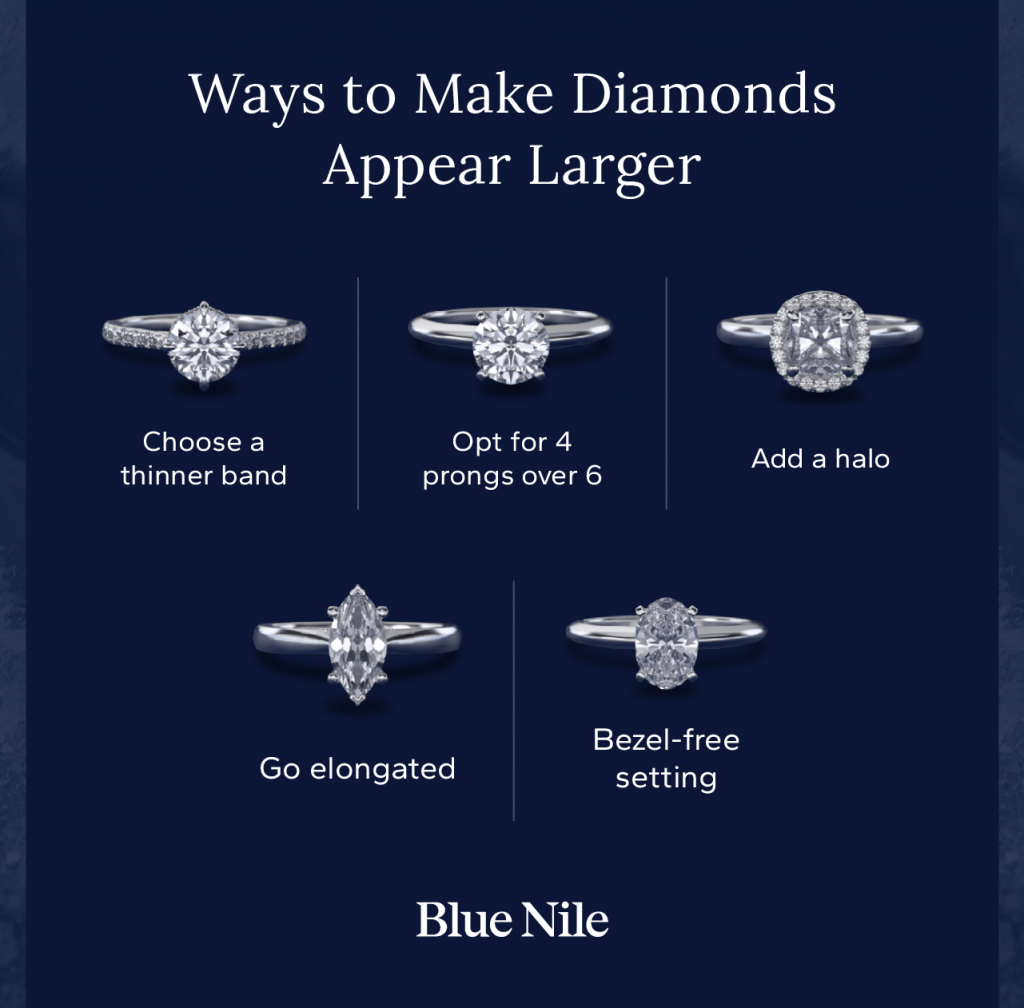
- Choose a thin band: A slender or tapered band creates a strong visual contrast that lets the center stone dominate. Even a modest diamond looks more impressive against a minimal metal profile.
- Opt for four prongs over six: Fewer prongs mean less metal obscuring the stone. Four-prong settings expose more of the diamond’s surface, letting it take center stage.
- Add a halo: A ring of small pavé diamonds around the center stone can significantly increase its perceived diameter, often making it appear a full carat size larger than it actually is.
- Go elongated: If size is the priority, choose a marquise, oval, or pear shape. Their length-to-width ratios give them a larger face-up appearance than round or square shapes at the same carat weight.
- Consider a bezel-free setting: Open settings like solitaires or cathedral styles allow light to enter the diamond from multiple angles, maximizing brilliance and making the stone appear more prominent.
Diamond Shapes That May Appear Smaller
Some diamond shapes aren’t designed to maximize face-up size, and that’s not necessarily a drawback. Some shapes prioritize light performance or depth over spread, resulting in a smaller visual footprint. Here’s what to know before you shop.
Round Brilliant Cut Diamonds
The round brilliant is the world’s most popular diamond shape, but it doesn’t lead in face-up size. Two key reasons explain why:
- Cut depth: Round diamonds are often cut deep to maximize light performance. That extra depth pushes weight toward the bottom rather than the spread, resulting in a smaller diameter than elongated shapes of the same carat weight.
- Light performance: What round diamonds lack in spread, they more than make up for in brilliance. Their precisely engineered facets produce unmatched sparkle.
Asscher and Cushion Cut Diamonds
Both the Asscher and cushion shapes tend to carry more of their weight below the surface, which can reduce their face-up footprint compared to elongated shapes. This is because of:
- Weight distribution: A significant portion of the carat weight sits in the bottom portion of the stone, rather than spreading across the face. This is a natural result of how these shapes are cut.
- Surface area: The rounded corners of a cushion and the deep step-cuts of an Asscher naturally reduce the visible surface area, making both shapes appear slightly smaller than their carat weight might suggest.
Why Diamond Cut vs. Weight Makes All the Difference
Carat weight is one of the most commonly cited factors when shopping for a diamond, but it only tells part of the story. Two diamonds can share the exact same carat weight and look dramatically different in size on the finger, simply because of how they’re cut.
Cut determines how a diamond’s weight is distributed. A stone cut with a deeper bottom (or pavilion) carries more of its mass below the surface, where it isn’t visible. That weight is still there, but it doesn’t contribute to the face-up appearance you actually see. A diamond cut with a shallower, wider profile spreads that same weight across a larger surface area, making it appear noticeably bigger.
This is why shape and cut quality matter as much as carat weight when size is a priority. An elongated shape, like a marquise or oval, cut to ideal proportions, can appear significantly larger than a round diamond of the same or even higher carat weight.
Maximize Your Diamond Size with Blue Nile
Knowing what diamond shape looks the biggest is only the beginning. How you put that knowledge to work is what makes the difference.
Whether you’re drawn to the dramatic length of a marquise, the balanced brilliance of an oval or the architectural elegance of an emerald shape, the right combination can make any diamond look strikingly larger on the finger.
Find your perfectly-sized diamond with Blue Nile.
Frequently Asked Questions
Elongated shapes like the oval, marquise and pear are widely considered the most flattering, as their length creates a slimming effect on the finger. The best shape ultimately depends on personal style and hand proportions.
An oval diamond looks bigger than a round diamond of the same carat weight. Its elongated silhouette covers more finger surface area, giving it a larger face-up appearance while still delivering comparable brilliance.
Round brilliant, Asscher and cushion shapes tend to appear smaller than their carat weight suggests. These shapes are cut for depth and light performance rather than spread, which reduces their face-up footprint.
Visual size is determined by cut and carat weight, not a diamond’s origin.
A length-to-width ratio between 1.35 and 1.50mm is generally considered ideal for an oval diamond. This range maximizes the elongated look without making the stone appear too narrow or finger-like.
Yes, the setting can significantly affect a diamond’s apparent size. A halo setting can make a center stone appear up to a full carat size larger, while a thin “whisper” band creates contrast that lets even a modest diamond command attention.
Elongated shapes like the oval, marquise and pear are the most flattering for shorter fingers. Their length draws the eye along the finger, creating the illusion of greater length and slimmer proportions.


Share




 Live Chat
 +1‑800‑242‑2728
 Email Us

