Sapphires are corundum in every color except red. Blue, pink, yellow, white, green and purple are the most common shades, alongside rarer finds like padparadscha. Gemologists reserve the name ruby for red corundum instead
When you think of the gemstone sapphire, a very specific shade comes to mind. But blue is just the beginning for this gem.
Sapphires come in a wide range of additional colors including pink, yellow, white, green and purple. These different sapphire colors are the result of trace elements such as iron, titanium, magnesium and chromium in the gem’s base mineral corundum. Different elements result in unique sapphire stone colors, each bringing their own beauty and meanings.
With so many different shades of this popular gemstone, sapphire jewelry makes the perfect addition to any jewelry collection. Discover more about different sapphire colors, their meanings and how to find the perfect shade for your jewelry.
What Color Are Sapphires?
Sapphires come in nearly every hue, including blue, pink, yellow, white, green and purple, as well as rarer varieties like padparadscha sapphires, which feature a pink-orange color. Red-colored corundum, the same mineral family as sapphires, is called ruby.
Blue is the most popular sapphire color, but every shade of this September birthstone has its own appeal. Gemologists evaluate sapphire color based on hue, tone and saturation, with richer, more saturated colors typically commanding higher value.
| Color Range | Visual Properties | |
| Blue | Deep, velvety royal blue to pale, icy blue | Rich, saturated color with a velvety depth; medium to medium-dark tones show the most intense saturation |
| Pink | Soft blush pink to vivid hot pink, often with purple or orange secondary tones | Bright, romantic hue; darker, more saturated pinks edge closer to ruby coloring |
| Yellow | Pale, sunny yellow to intense golden or canary yellow, sometimes leaning orange | Warm, bright color often compared to yellow diamonds; tends to show high clarity |
| White | Colorless to near-colorless | Diamond-like brilliance and luster without body color; less fire and dispersion than a diamond |
| Green | Yellowish-green to bluish-green, rarely a pure grass green | Muted, often mossy or olive undertone; softer and less saturated than emerald |
| Purple | Light lavender to deep, reddish-violet | Purple stays the dominant hue at every saturation level; it can flash pink or blue in certain light |
| Star | Most often blue or gray, though any sapphire color can show the effect | Cut with a rounded surface to display a six-rayed star pattern created by tiny needle-like inclusions called rutile. |
| Padparadscha | Delicate pink-orange blend, from soft salmon to vivid sunset tones | Rare two-tone blend unique to this sapphire; no other color shows this exact combination |
Blue Sapphires
Blue is the quintessential sapphire color, with shades ranging from deep velvety tones to lighter, icy blues. Medium to medium-dark blue sapphires with rich, even saturation are typically the most valuable.
When buying blue sapphires, look for gems with even color saturation and a velvety depth of color. Montana sapphires are another option to consider, offering the beauty of a classic blue sapphire with a distinctly American origin. Their color, origin and unique characteristics all contribute to what makes each sapphire different.
The right metal and accent stones can influence how sapphire’s blue tones stand out. Yellow gold and rose gold bring warmth to the gemstone, while white sapphire or diamond accents create a classic, balanced look.
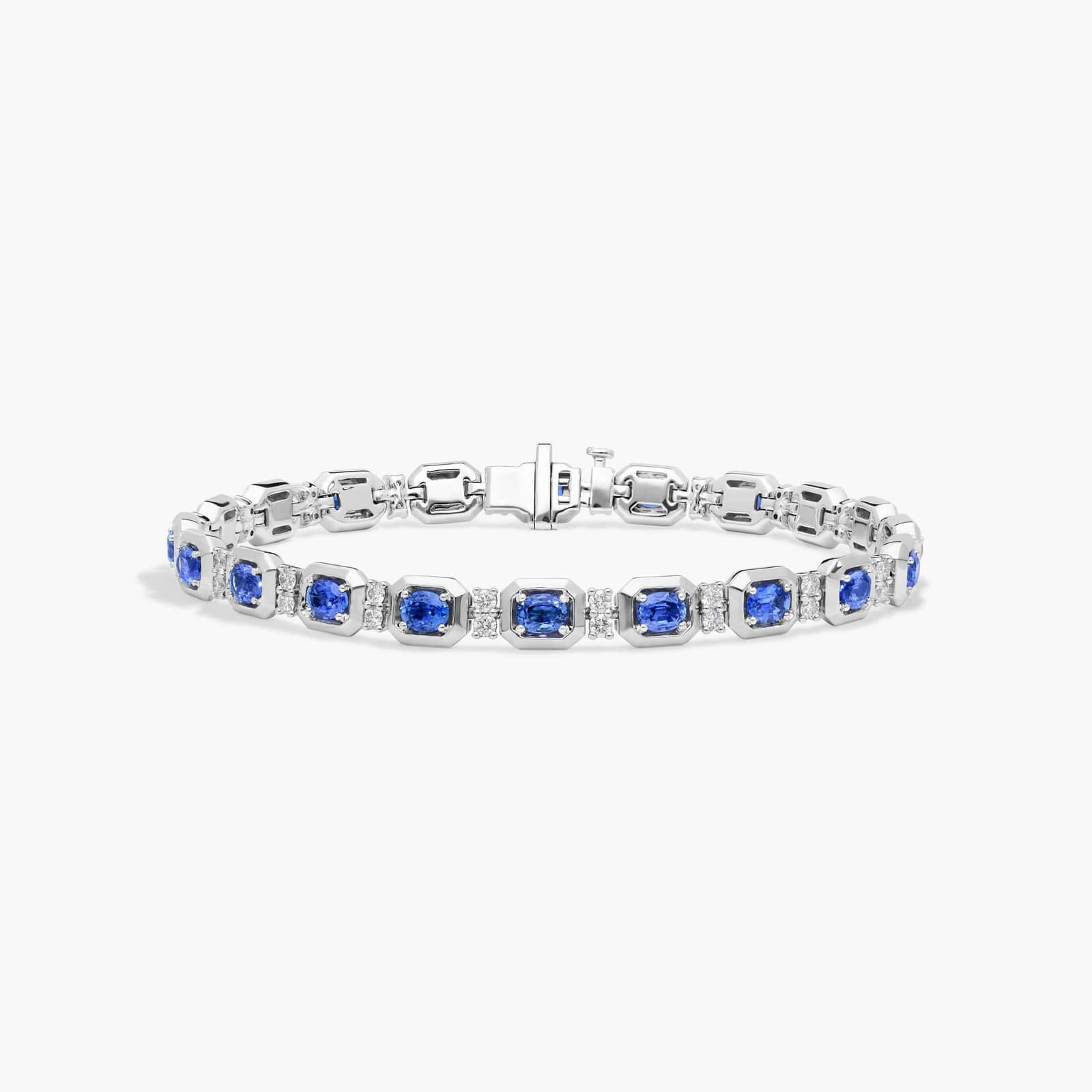
Oval Cut Blue Sapphire and Diamond Alternating Tennis Bracelet In 14K White Gold
Shop Blue Sapphires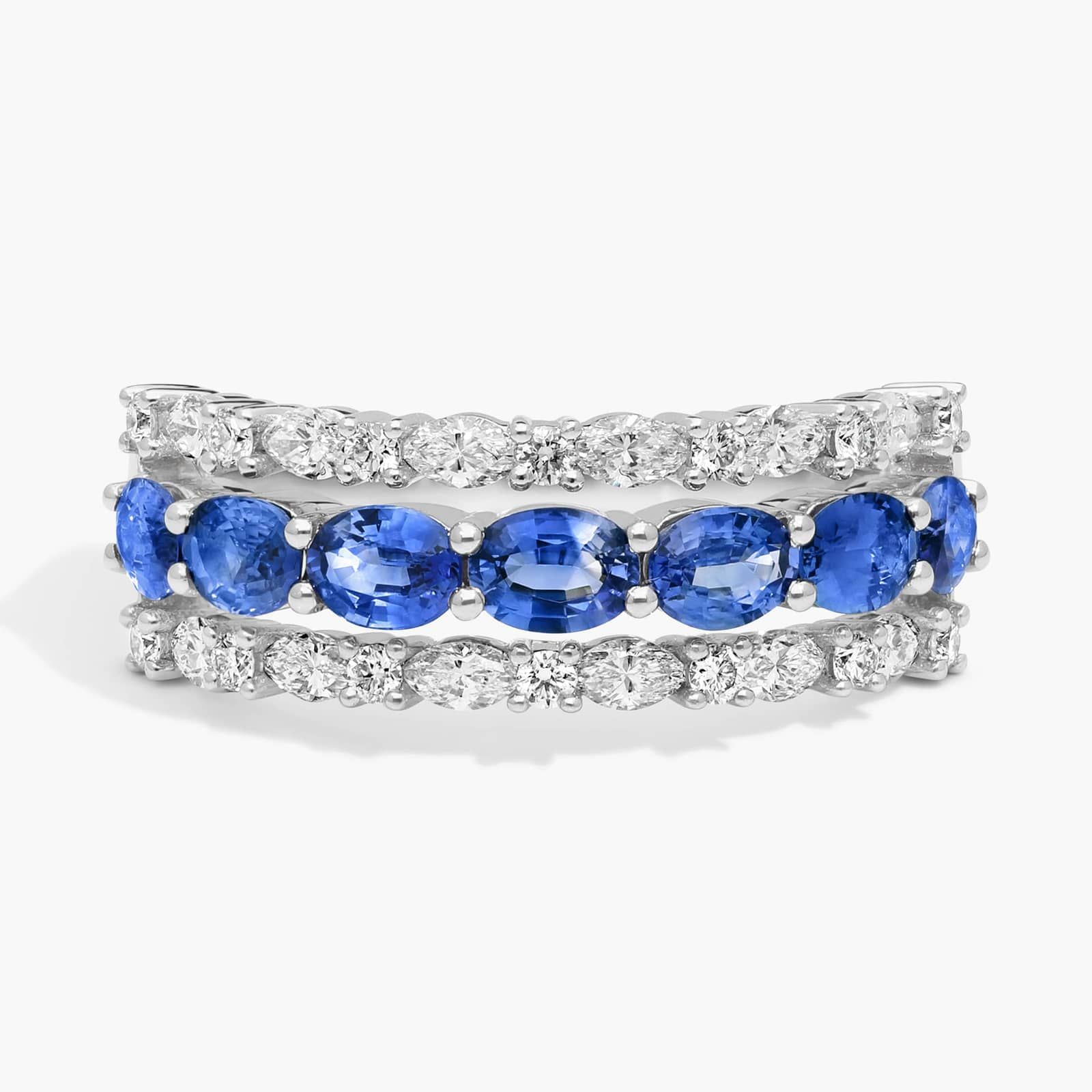

Pink Sapphires
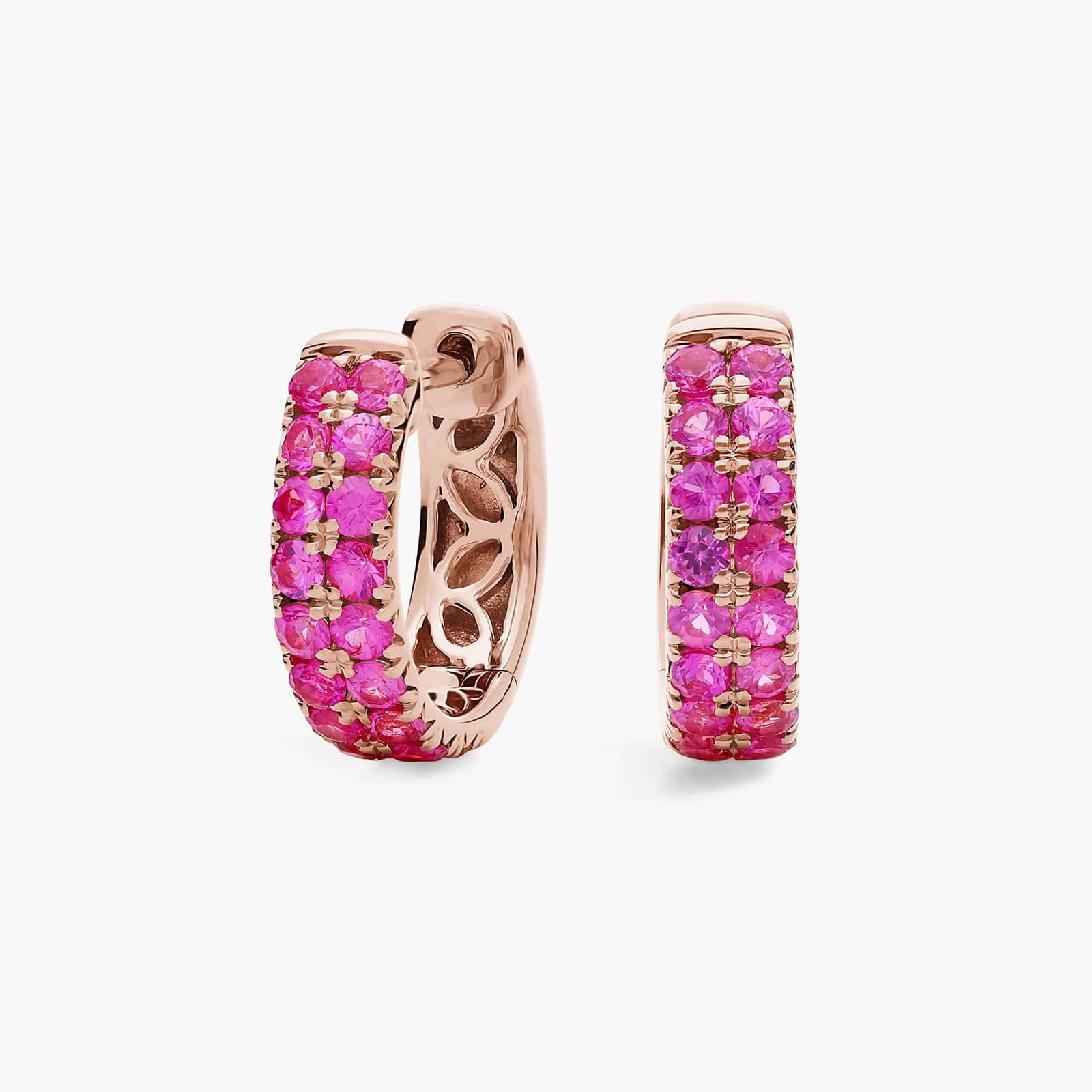
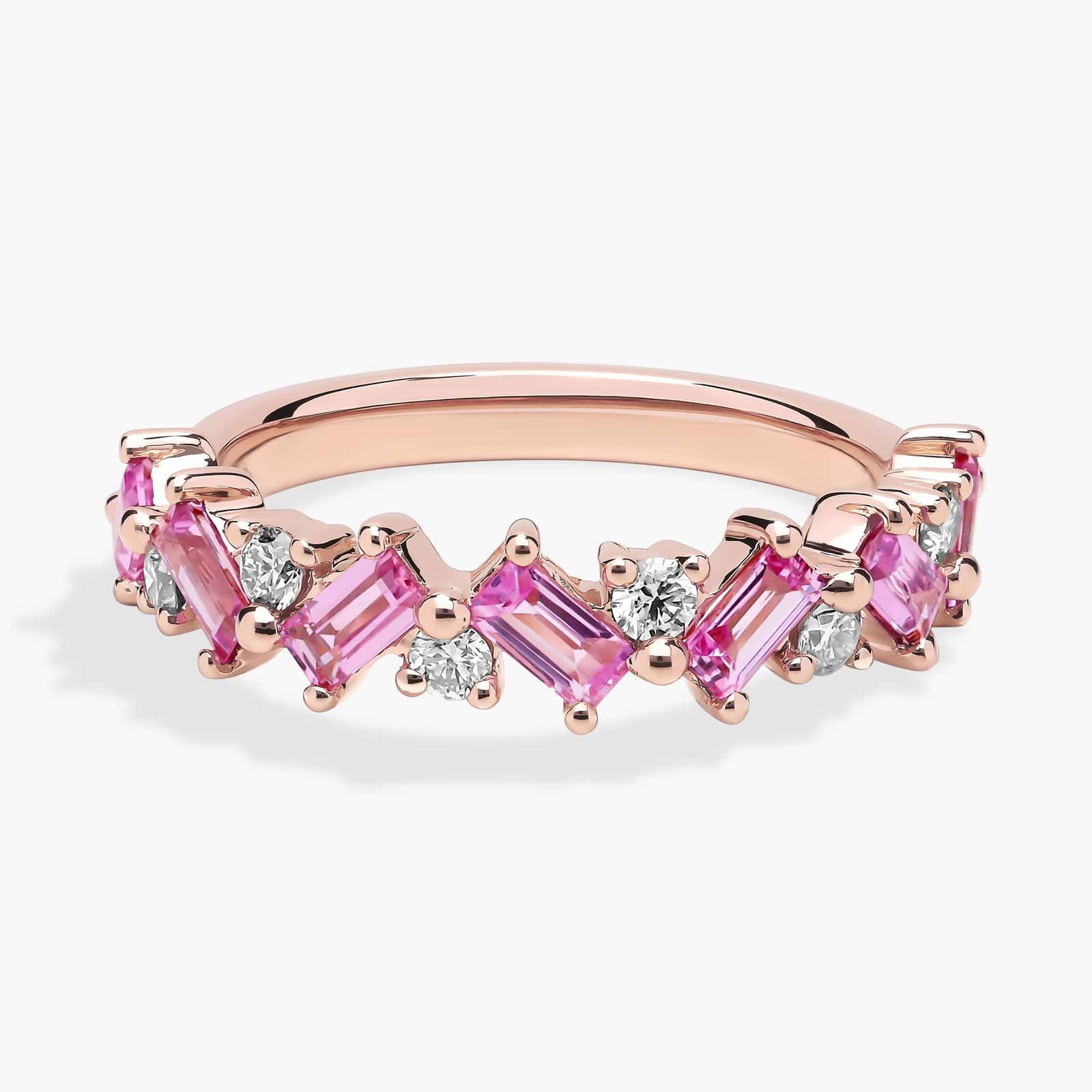
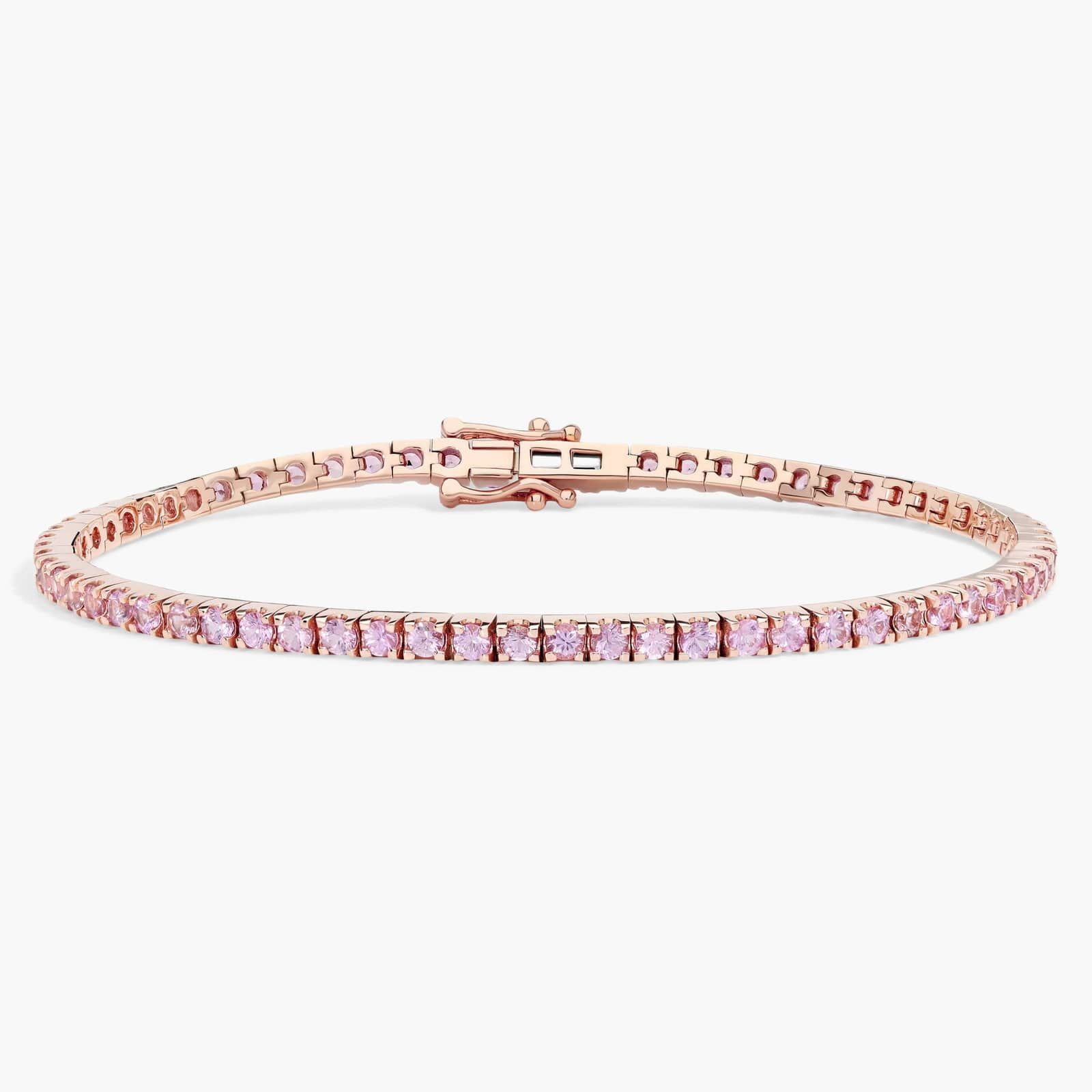
Pink sapphires get their color from trace amounts of chromium. Typically, pink sapphires carry secondary colors like purple or orange. In darker tones, they can look close to rubies. Lighter pink sapphires are popular for romantic jewelry and meaningful gifts, adding a soft, elegant touch to any piece. You can learn more about pink sapphires to discover the range of shades this gem offers.
Yellow Sapphires
After blue, yellow is one of the most popular sapphire colors. Their vivid color can resemble yellow diamonds, producing bright canary tones that are especially popular in jewelry. The color intensity of yellow sapphires can range from light sunny tones to more intense yellows and even orange hues. Yellow sapphires are popular in fashion rings and engagement rings alike.
White Sapphires
When the mineral corundum has no inclusions or added materials, it produces white sapphires. These colorless sapphires bring the same durability as colorful versions of the gem, but in an appearance that more closely resembles diamonds. Although they differ from diamonds in brilliance and dispersion, white sapphires are a popular choice for halo engagement rings, earrings, necklaces and bracelets.
Green Sapphires
Offering similar hues to emeralds, green sapphires are rare gems. They usually have added tones of blue or yellow, which create the green color you see when looking at these gems. Green sapphires work well in both women’s and men’s jewelry.
Purple Sapphires
Purple sapphires get their violet and lavender hues from trace amounts of chromium. These gems can come in a variety of saturation levels, although purple is always the dominant color. Purple sapphires can come in dark reddish purple to lighter violet shades.
Star Sapphires
Some sapphires and rubies have a unique phenomenon called asterism. These rare gems are cut in a rounded cabochon style to highlight this star effect.
Asterism occurs when tiny needle-like inclusions are present in specific orientations in a gemstone, creating a star-like reflection in the finished gemstone. Cabochon cuts highlight this effect, creating a distinctive appearance.
Padparadscha Sapphires
Padparadscha sapphires are among the rarest sapphire colors, prized for their delicate blend of pink and orange, a combination named after the lotus blossom. Because true padparadscha color is so rare in nature, these stones often command a premium over more common sapphire shades.
Parti-color and color-change sapphires add even more variety to this gem’s range. Parti-color sapphires show two or more distinct colors within a single stone, often in bands or patches, while color-change sapphires shift hue depending on the light source they’re viewed under. Both are collector favorites for shoppers looking for a truly distinctive sapphire.
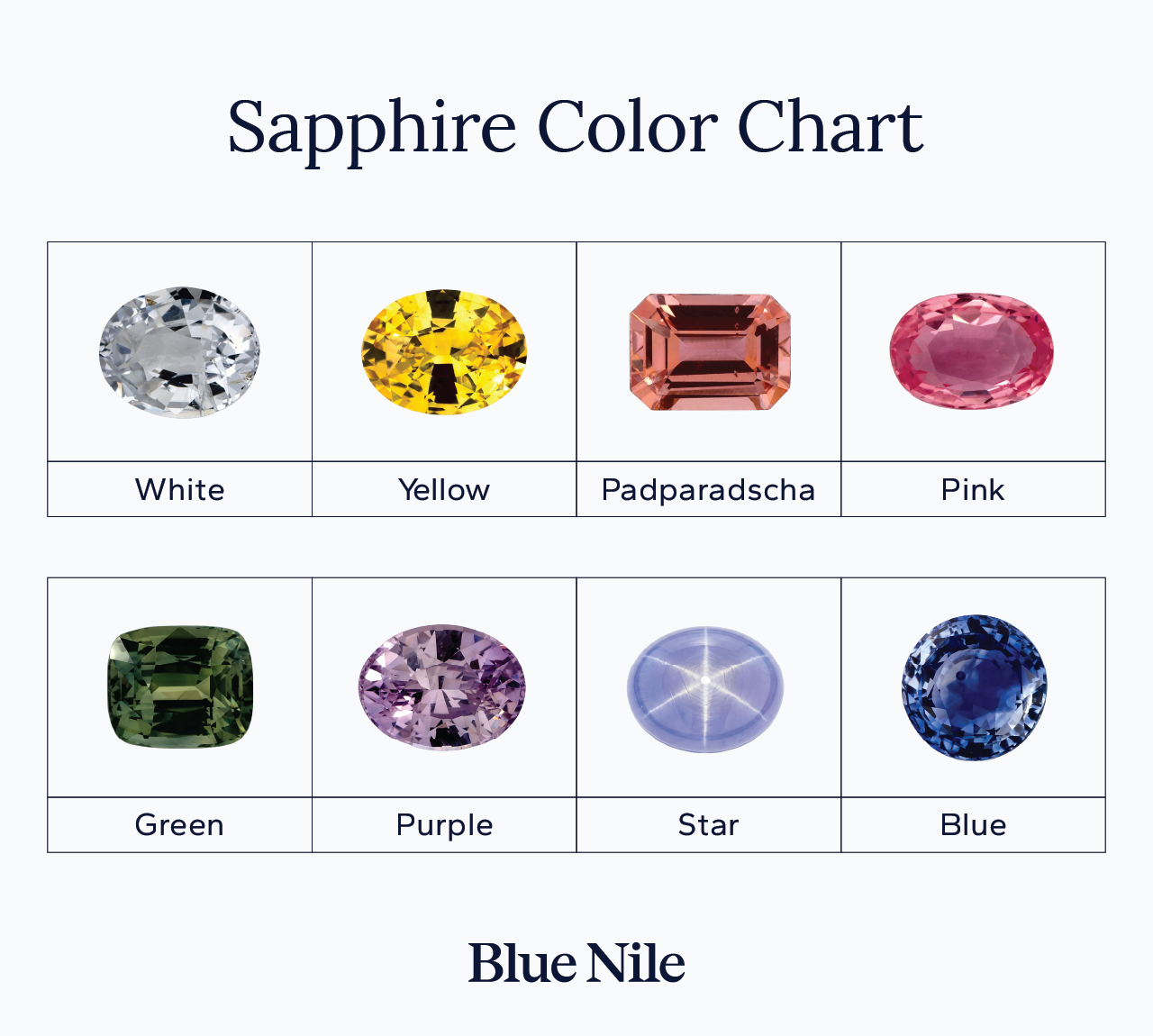
Sapphire Color Chart
Use the sapphire color chart below to compare every sapphire color side by side, from the deep velvet blues to the softest pinks and the rare padparadscha blend. Each hue is labeled, making it easy to compare shades and identify the sapphire color you prefer.
Sapphire Color Grading: An Overview
Like most colored gemstones, a sapphire’s color is graded on three factors: hue, tone and saturation. Together, these three qualities determine both the value and the visual appeal of a given sapphire.
- Hue: Hue is the sapphire’s dominant color family, such as blue, pink or yellow, along with any secondary color present. A sapphire described as “violetish blue,” for example, is primarily blue with a hint of violet.
- Tone: Tone describes how light or dark a sapphire’s color appears, on a scale from very light to very dark. Medium to medium-dark tones tend to show off a sapphire’s color most vividly.
- Saturation: The intensity or purity of a color. Higher saturation means a richer, more vivid color with less brown or gray, which is one of the biggest drivers of a sapphire’s price.
Which Sapphire Colors Are Rarest and Most Valuable?
Padparadscha sapphires, certain color-change sapphires, and fine Kashmir or Burmese blue sapphires are among the rarest sapphire colors you’ll find on the market.
A sapphire’s value depends largely on the three grading factors: hue, tone and saturation. Vivid, evenly saturated color in a medium to medium-dark tone typically commands a premium, regardless of which sapphire color you’re shopping for.
Unheated sapphires are rare, natural gemstones that have not undergone high-temperature enhancement. Unheated sapphires with exceptional natural color can also carry a higher price, since color this fine occurs naturally in only a small percentage of stones.
Find Your Ideal Sapphire Hue with Blue Nile
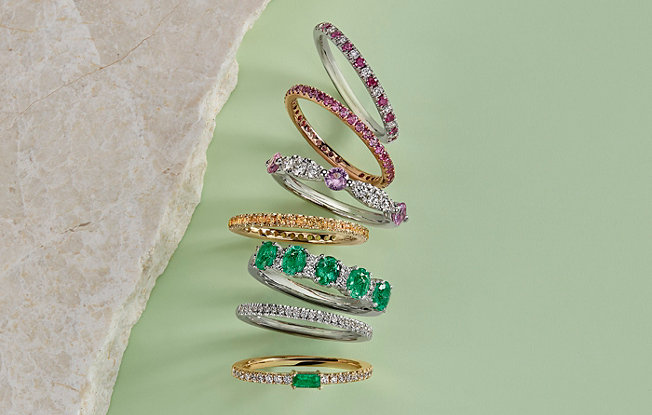
Ready to add some color to your jewelry collection? sapphire earrings, bracelets, necklaces and rings, available in a variety of hues. With their exceptional durability and timeless appeal, sapphires are a beautiful choice for everyday jewelry as well as wedding and engagement rings.
Frequently Asked Questions
Look for a retailer that provides clear sourcing information and lets you compare color, shape and setting before you buy. Blue Nile is a strong choice for buying sapphires online, offering a wide range of sapphire colors alongside detailed gemstone information for each piece.
Ruby and sapphire are both varieties of the same mineral, corundum. Red corundum earns the name ruby, while every other color earns the name sapphire. That’s why red never shows up on a sapphire color list.
Ruby jewelry showcases this durable gemstone in a variety of crimson shades. Lighter reds, meanwhile, often turn out to be pink sapphires.
Unique sapphire stone colors occur when the base mineral corundum has trace inclusions of elements such as iron, titanium, magnesium and chromium. Different inclusions result in different sapphire colors.
Yes, many sapphire colors carry their own symbolism. Blue sapphires are often associated with wisdom and loyalty, pink sapphires with romance and affection and yellow sapphires with prosperity. That said, meanings can vary depending on the culture or tradition you’re drawing from.
Blue is the most common and recognized color of sapphire. Beyond classic blue, sapphires are available in a wide range of colors, giving buyers plenty of options.
Once corundum turns red, gemologists call it ruby. Sapphire covers every other color of corundum, which is why the sapphire family spans such a wide range of shades.
Sapphires come in nearly every color of the rainbow, including blue, pink, yellow, white, green, purple and the rare padparadscha. Red corundum is called ruby.


Share