











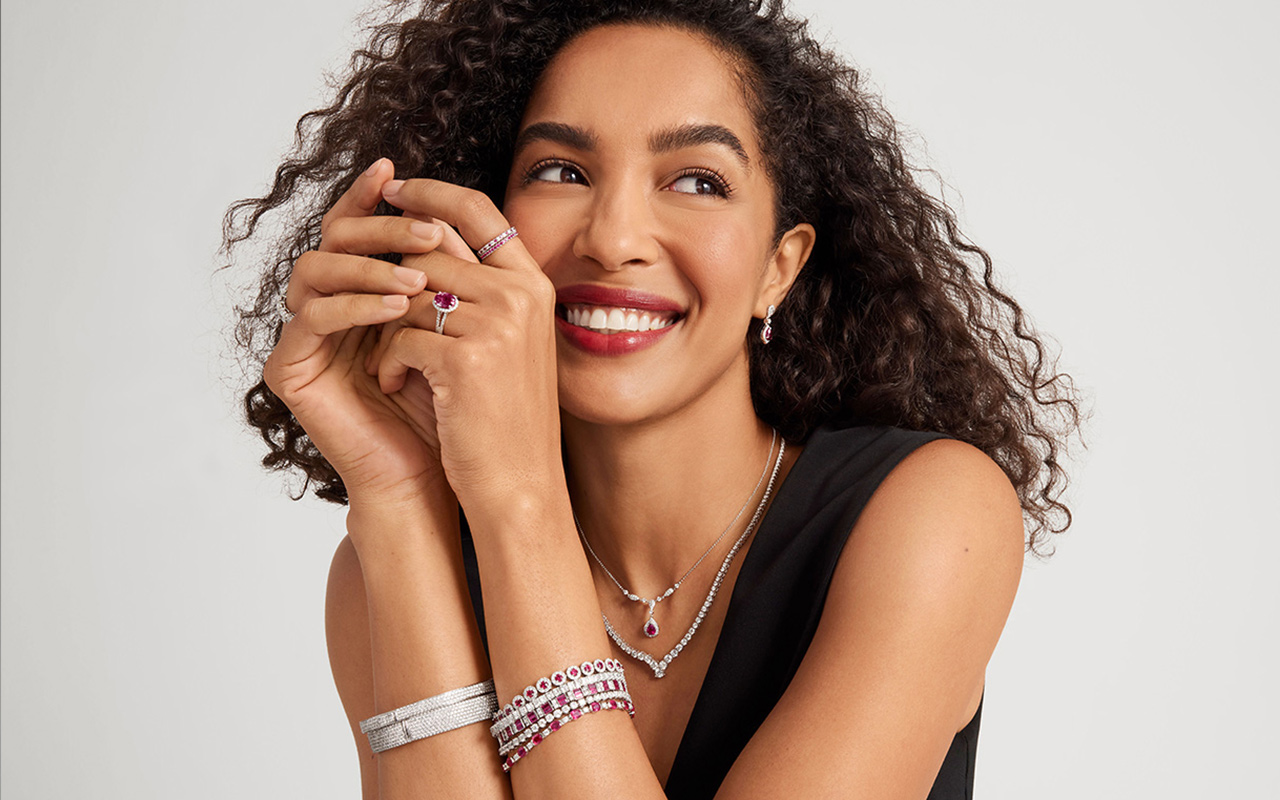
Key takeaways:
- Fine jewelry, such as necklaces or bracelets, is a practical wedding ring alternative.
- Gemstones and birthstones allow couples to customize their jewelry choices with meaningful colors and stones.
- Non-traditional metals, textures, and carved patterns provide a unique aesthetic in contrast to classic styles.
- Repurposing heirloom stones or styles can create personalized pieces while maintaining a premium feel.
While the exchange of rings is a longstanding marriage tradition, many couples explore wedding ring alternatives that better suit their daily lives or personal aesthetics.
Whether accommodating sensory preferences, professional requirements or the desire for a unique symbol of commitment, wedding ring alternatives and non-traditional engagement rings can extend far beyond traditional ones. Choosing alternative jewelry does not diminish the significance of the gesture, and these pieces may still fulfill classic wedding traditions with a twist.
In our guide, we dive into many of the alternative options available to couples, including the high-quality materials and thoughtful craftsmanship that allow these pieces to remain enduring symbols of love and connection.
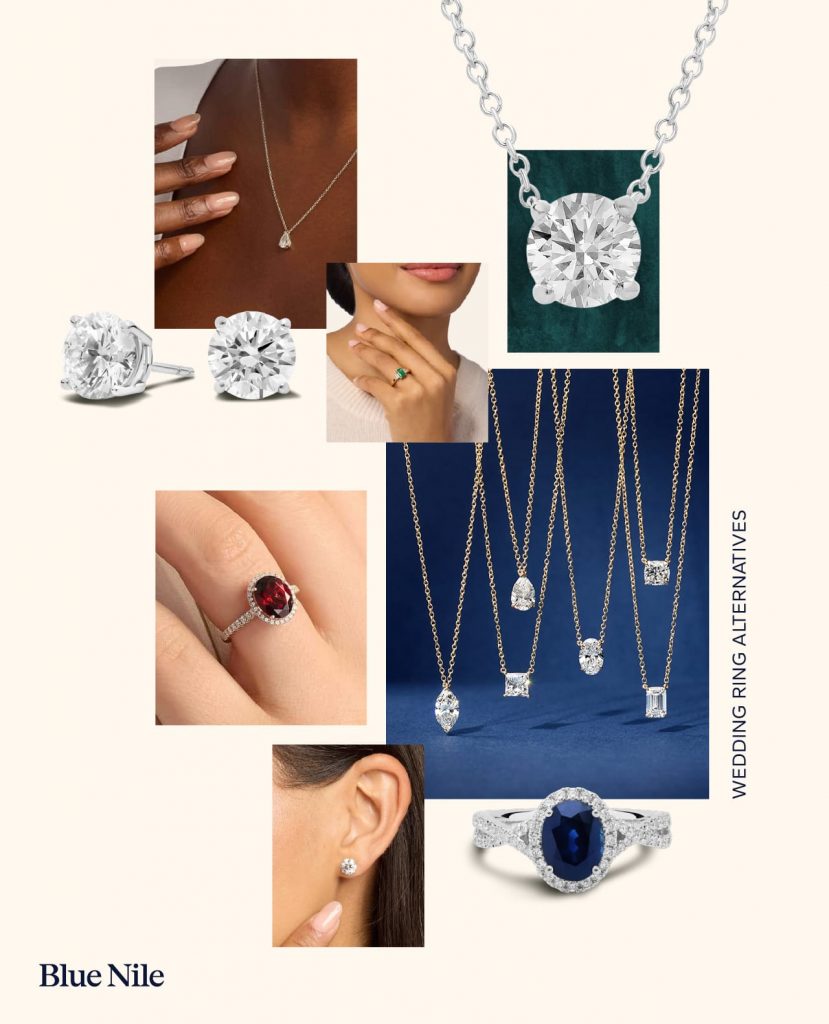
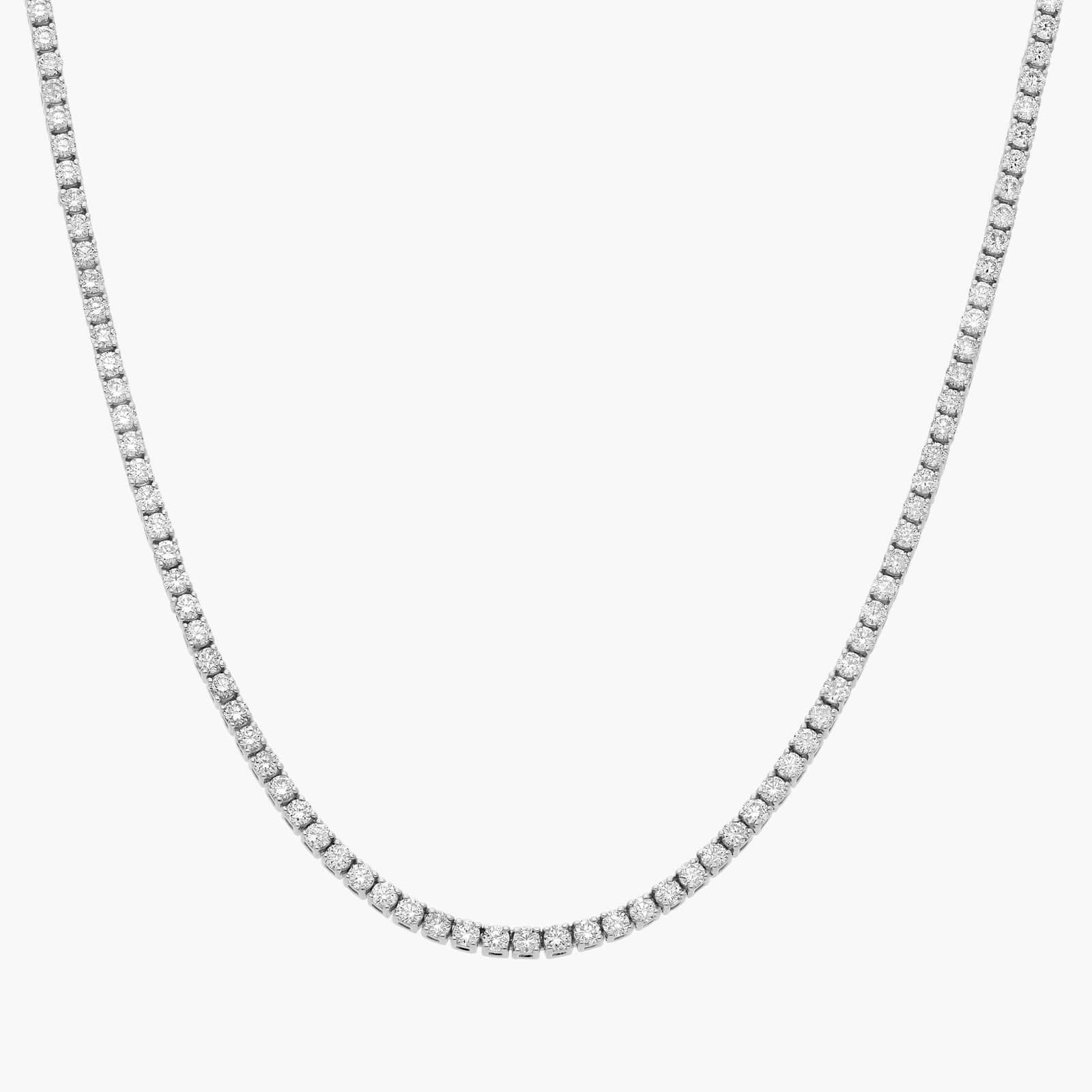
1. Diamond Necklaces & Pendants
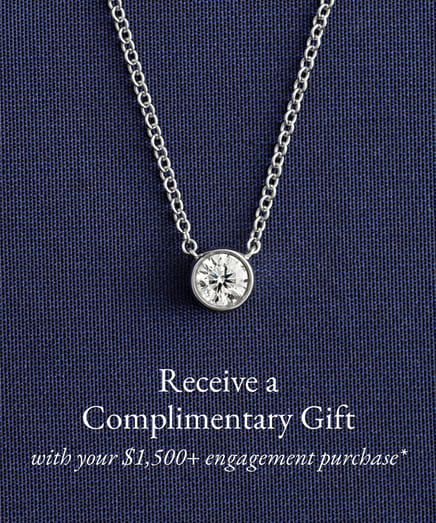
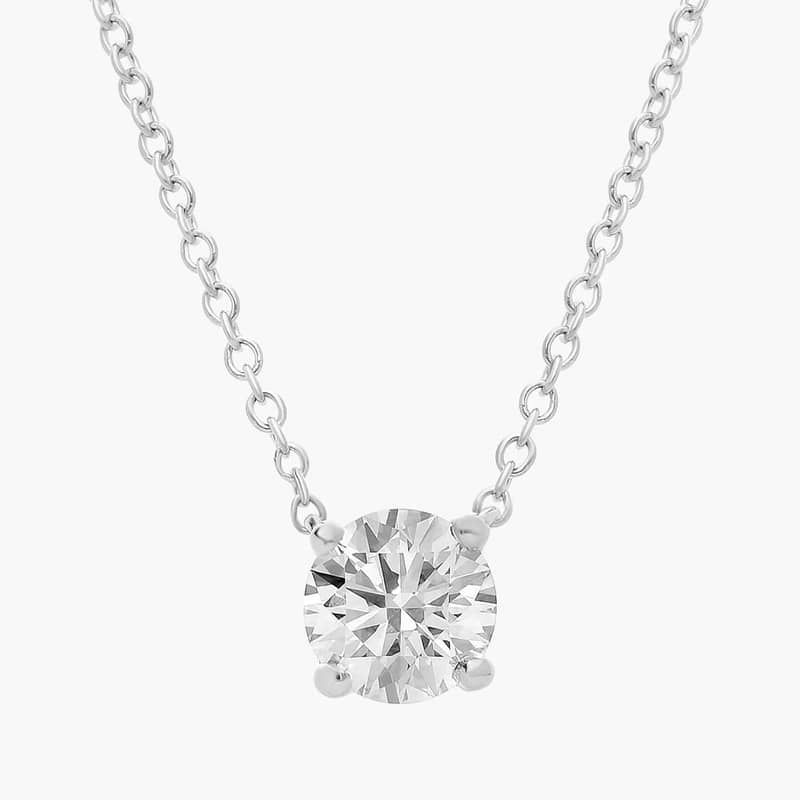
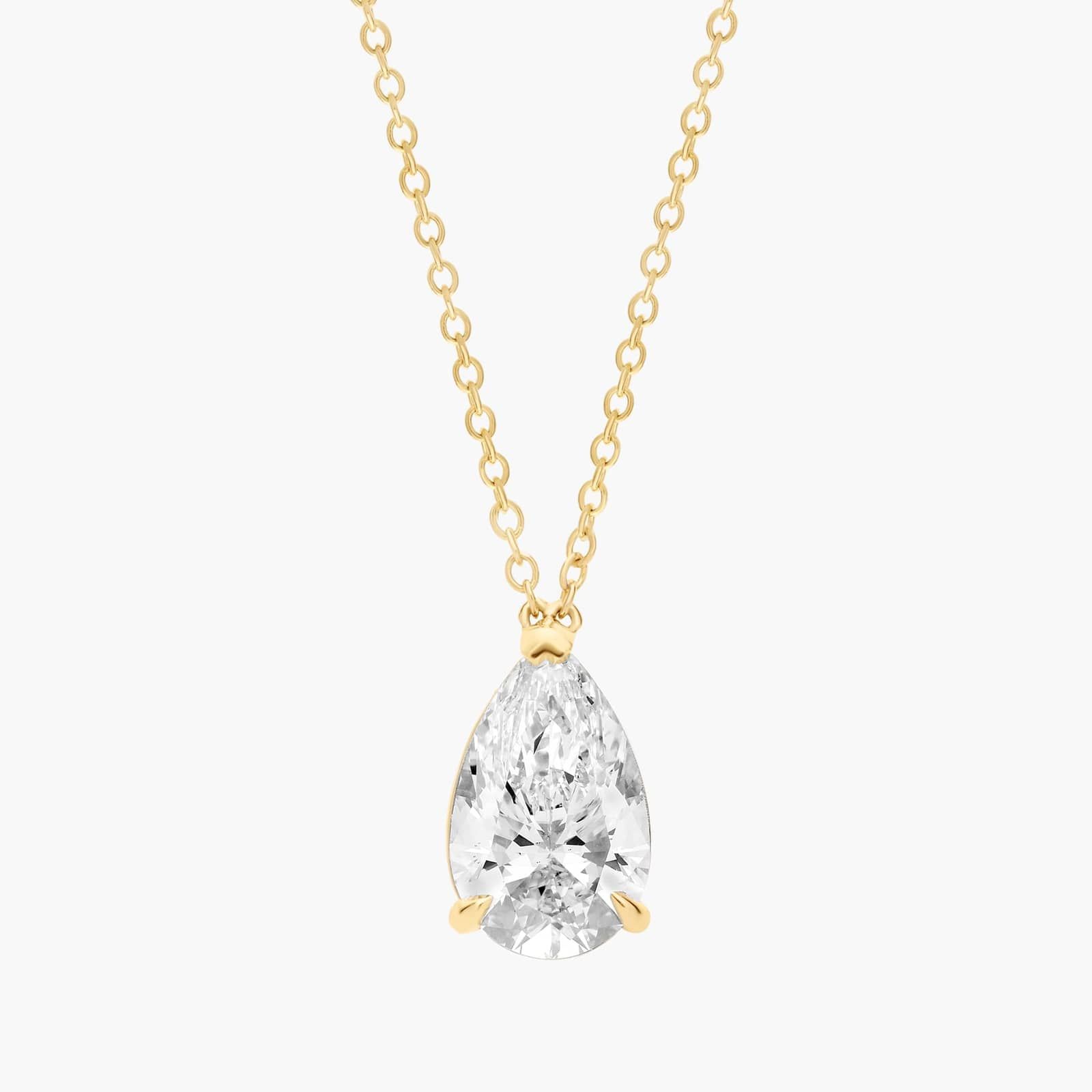
For many individuals, jewelry worn on the hands can be cumbersome, impractical or restricted for safety reasons. Statement jewelry, like a diamond necklace or pendant, offers a sophisticated way to mark commitment, keeping the symbol of one’s union close while protecting it from daily wear and tear.
For example:
- A classic solitaire pendant may echo the singular focus of a traditional engagement ring
- A lab-grown or responsibly sourced natural diamond may carry the same weight and significance as a band
Shopping for a diamond necklace and investing in alternative commitment jewelry offers the wearer an opportunity to wear—and appreciate—quality pieces while maintaining peace of mind and limited maintenance.
2. Bracelets
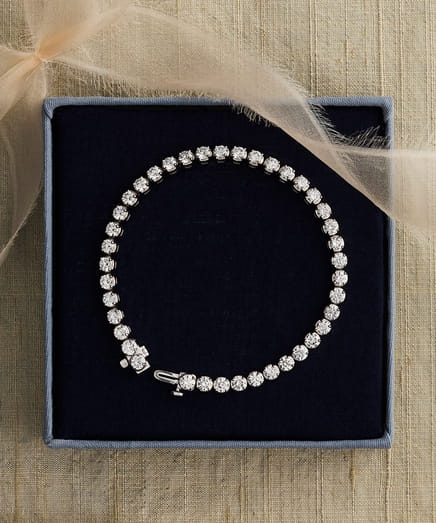
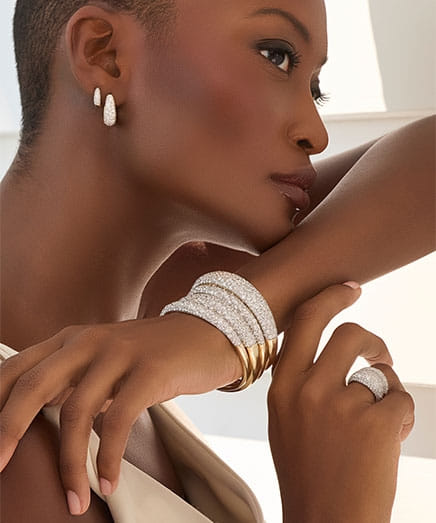
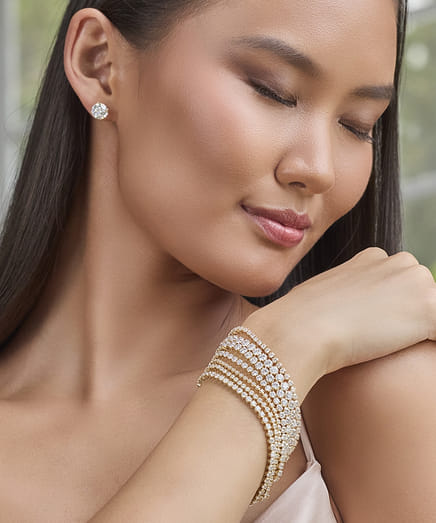
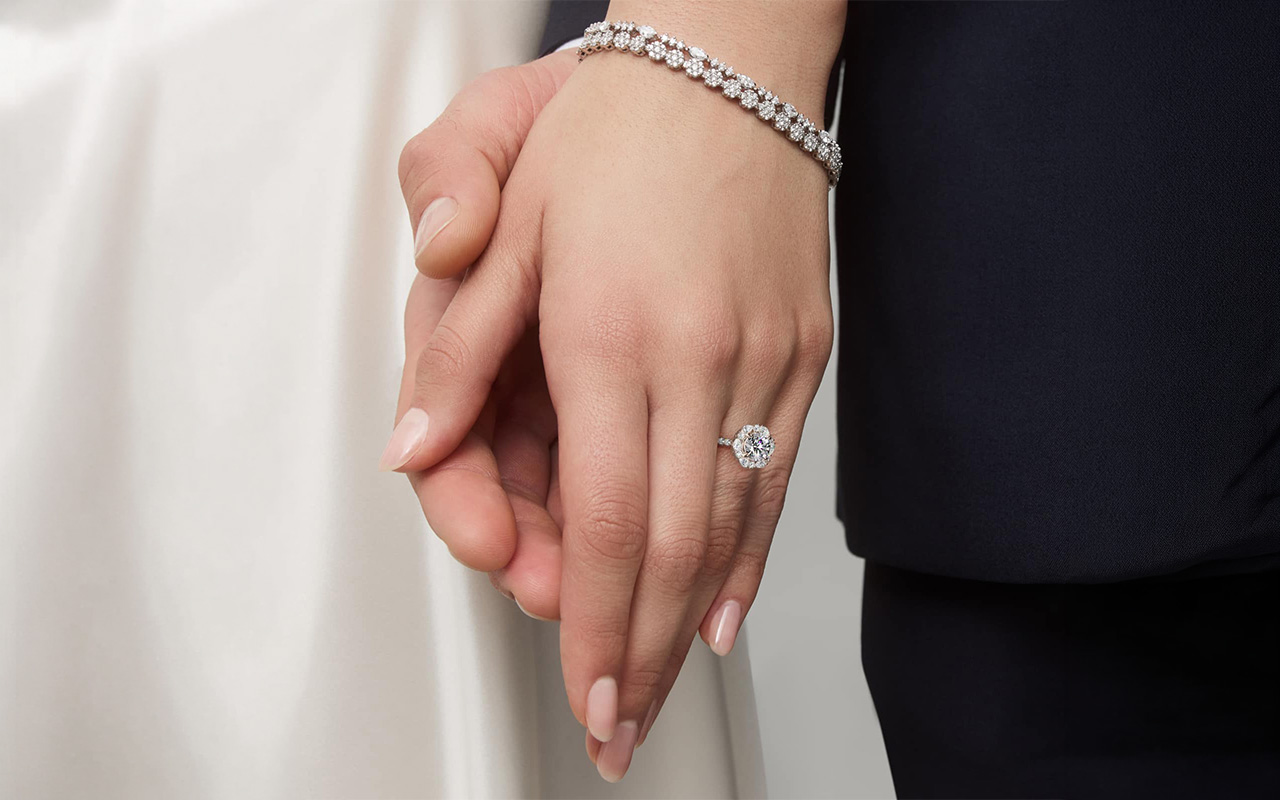
Diamond bracelets represent another meaningful alternative to wedding rings. Because bracelets do not interfere with grip or finger movement, they are often favored by those who find rings restrictive or uncomfortable.
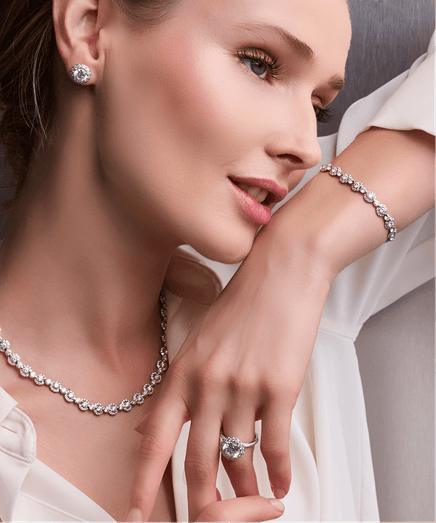
This alternative also provides a constant, visible reminder of a partner’s commitment. Plus, certain bracelet styles, like tennis bracelets, may also represent an unbroken bond, much like a traditional eternity ring.
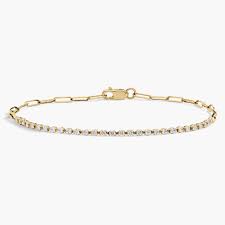
Mini Half Tennis Bracelet With 0.50 CTW Partial Bezel Round Lab-Grown Diamonds In 14K Yellow Gold
Shop bracelets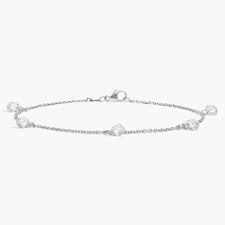
Pierced Diamond Station Bracelet with 1.25 CTW Round Cut Lab-Grown Diamonds in 14K White Gold
Shop bracelets3. Diamond Earrings
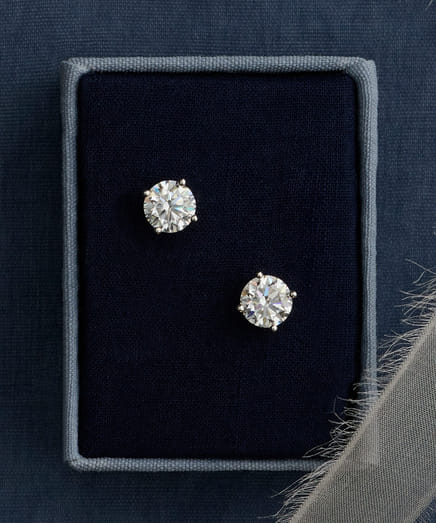
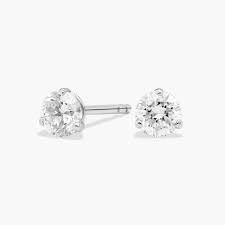
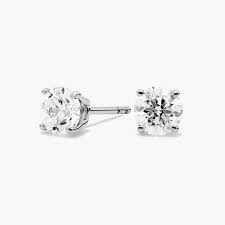
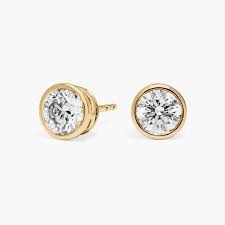
Diamond stud earrings are an understated yet premium way to celebrate a union. As a wedding ring alternative, earrings may provide a sense of permanence while matching classic styles that transcend jewelry trends.
Plus, earrings may also:
- Remain safely away from hands and equipment, improving safety and sanitation
- Not be subjected to the constant contact, friction and chemicals that rings encounter, maintaining finish and increasing longevity
- Be hypoallergenic and lightweight enough for continuous wear, including during sleep or exercise
Additionally, purchasing diamond stud earrings could be an ideal choice for the minimalist who prefers a low-maintenance approach to their jewelry.
4. Diamond Alternatives: Gemstone Rings
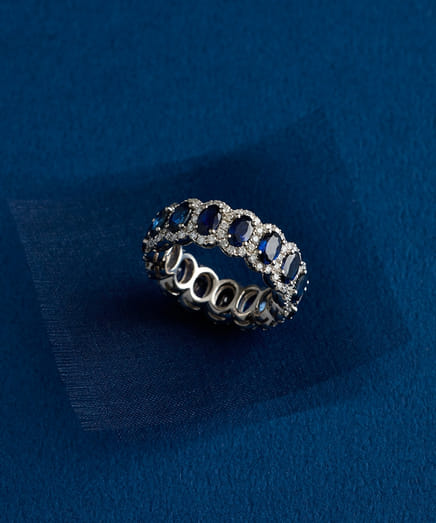
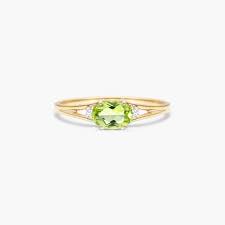
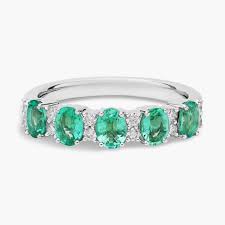
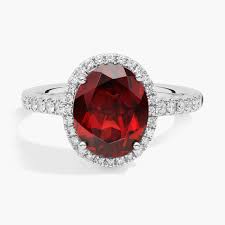
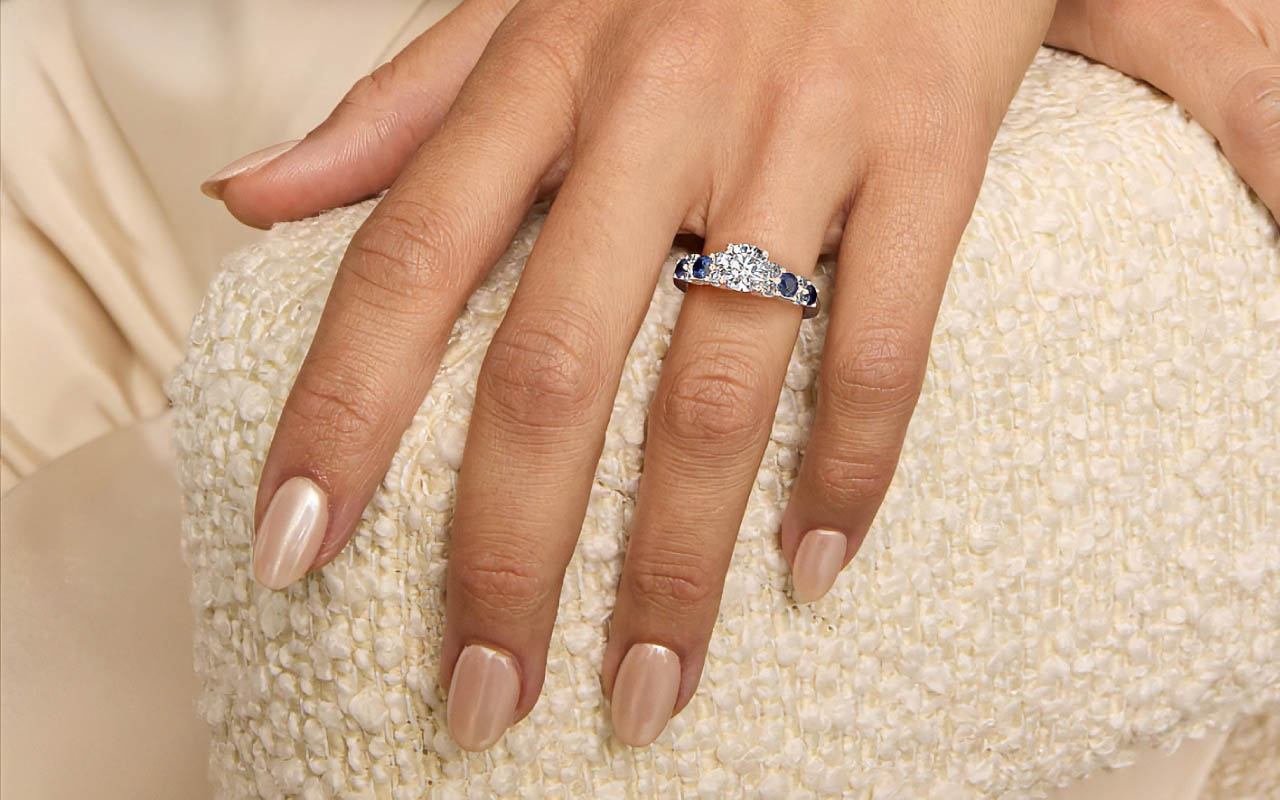
For those who appreciate the tradition of a ring but want a non-traditional option, colored gemstones provide a vibrant substitute. Alternative engagement and wedding stones also allow couples to infuse their jewelry with personal history and unique commemorations.
Birthstones and other diamond alternatives may have special meanings for wearers, like:
- Sapphire: Associated with loyalty and integrity
- Ruby: Represents passion and courage
- Emerald: Symbolizes rebirth and love
- Garnet: Stands for commitment and consistency
Couples may choose to exchange birthstone rings, representing the other partner and creating a deeply personal connection that feels distinct from standard bridal sets. Or, partners may consider a gemstone ring by considering the stone’s hardness to ensure it’s suitable for activity levels.
5. Repurpose an Heirloom
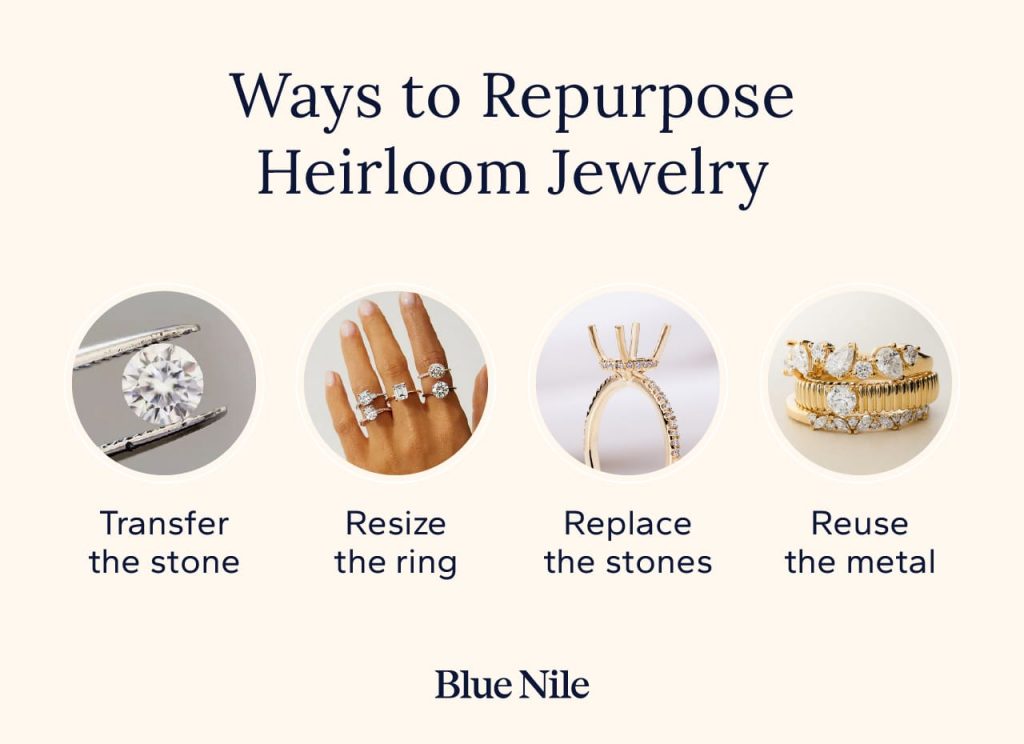
Using a family heirloom is an excellent way to honor the past while looking toward the future. This approach allows couples to maintain a connection to their heritage while maintaining updated wedding traditions with a piece that fits their modern lifestyle.
Repurposing may involve taking a diamond from an antique setting and creating a more timeless jewelry piece, or even melting down the metal from a relative’s ring to cast a new design. By refreshing an older piece, you ensure the sentimental value remains intact while the aesthetic becomes your own.
6. Plain Metal Rings
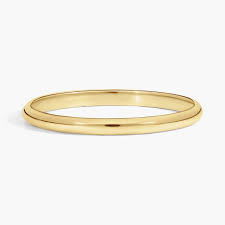
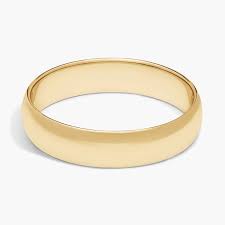
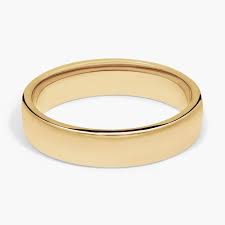
The rise of gender neutral engagement rings has led many to return to the elegance of plain metal bands as a wedding ring alternative. These rings rely on the quality of the precious metal rather than the presence of a stone.
Without prongs to snag or stones to lose, metal bands are highly practical. These alternatives also often offer a clean, architectural look that appeals to those with an uncomplicated style. Plus, various widths and metal options allow for a customized look and feel for each wearer.
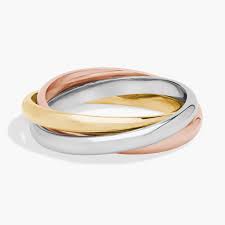
7. Mixed Metal Bands
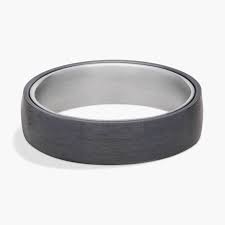
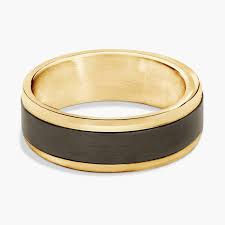
To create visual interest, some alternative wedding bands utilize a combination of metals. Mixing tones, like white and yellow gold, or industrial metals like titanium and tantalum, is one of the more contemporary wedding band styles gaining popularity today.
This style is particularly helpful for individuals who wear a variety of other pieces, as mixed-metal jewelry coordinates easily with both silver and gold accessories. Additionally, the contrast between metals highlights the craftsmanship of the ring without the need for additional ornamentation.
8. Textured and Inlaid Bands
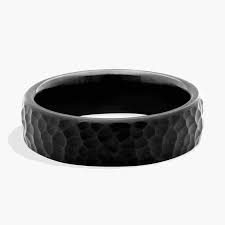
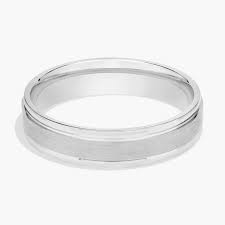
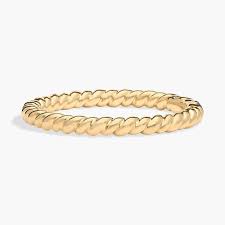
Texture can transform a simple band into a statement piece. Techniques such as hammered, brushed or satin finishes provide a tactile quality that differs from the standard high-polish look.
Additionally, wearers can customize alternative wedding bands with inlays. Materials like brushed platinum or rope-patterned gold add depth and character, ideal for those who want a piece that feels well-loved or artisanal rather than traditional.
9. Carved Metal Wedding Bands
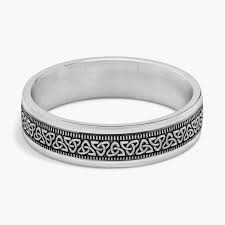
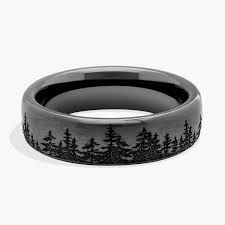
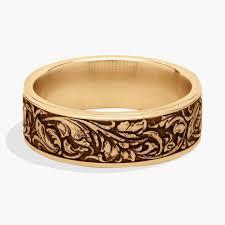
As an alternative to diamonds, intricate carvings allow for personalized storytelling in a piece of jewelry. From Celtic knots representing eternity to nature-inspired vine patterns or treeline motifs, carved bands and wedding ring engravings are a distinctive non-traditional option.
These designs provide visual detail through the metal itself, ensuring the ring remains low-profile while still offering a high level of artistry. This makes them a favored choice for those seeking non-traditional wedding rings that reflect their personal interests or heritage.
Find Wedding Jewelry that Reflects Your Unique Relationship
Selecting a symbol of commitment is a deeply personal decision that should reflect your lifestyle, values and aesthetic, rather than simply following traditional expectations.
Whether you’re planning a grand ceremony or a modern micro-wedding, your jewelry will be a lasting reminder of your union. Plus, prioritizing quality materials and expert craftsmanship can establish your symbol of commitment as a treasured heirloom for years to come.
If you’re ready to find the wedding ring alternative that breaks from convention and truly resonates with your partnership, explore our extensive ring selection.
Frequently Asked Questions
The tradition of exchanging rings dates back over 3,000 years to ancient Egypt, where the circle symbolized eternity. These early rings were often made of braided reeds or hemp before evolving into more durable metals like iron and gold in ancient Rome.
A ring is not a legal requirement of a wedding ceremony, though it is a traditional symbol of marriage. Couples may exchange any object that holds significance to them, or simply rely on their legal vows to formalize their commitment.
Commitment can be shown in many ways, including through other forms of wearable jewelry, like necklaces, bracelets or watches. Some couples also choose shared experiences, tattoos or other meaningful investments—such as a home—as symbols of their bond.
Non-traditional wedding ring options may include:
- Rings with colorful gemstones
- Bands made from industrial metals
- Rings with unique textures or carvings
Couples could also opt for gender-neutral bands or repurposed heirlooms that offer a more personalized aesthetic than a standard wedding ring.


Share






 Live Chat
 +1‑800‑242‑2728
 Email Us

