


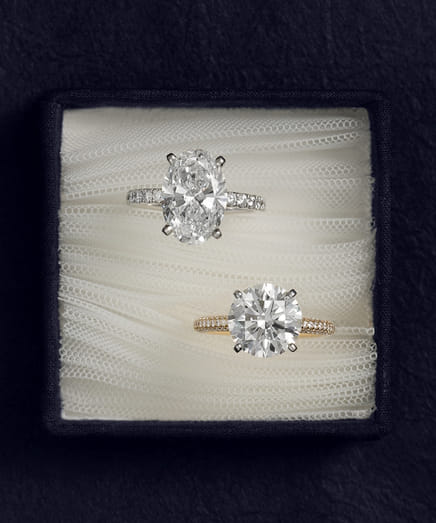
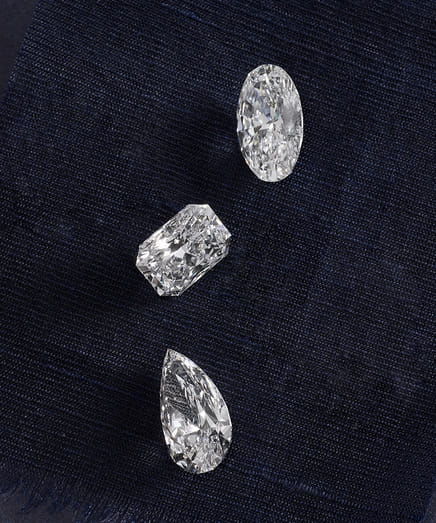


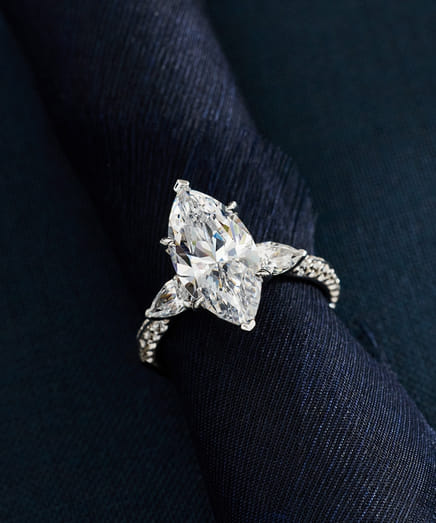







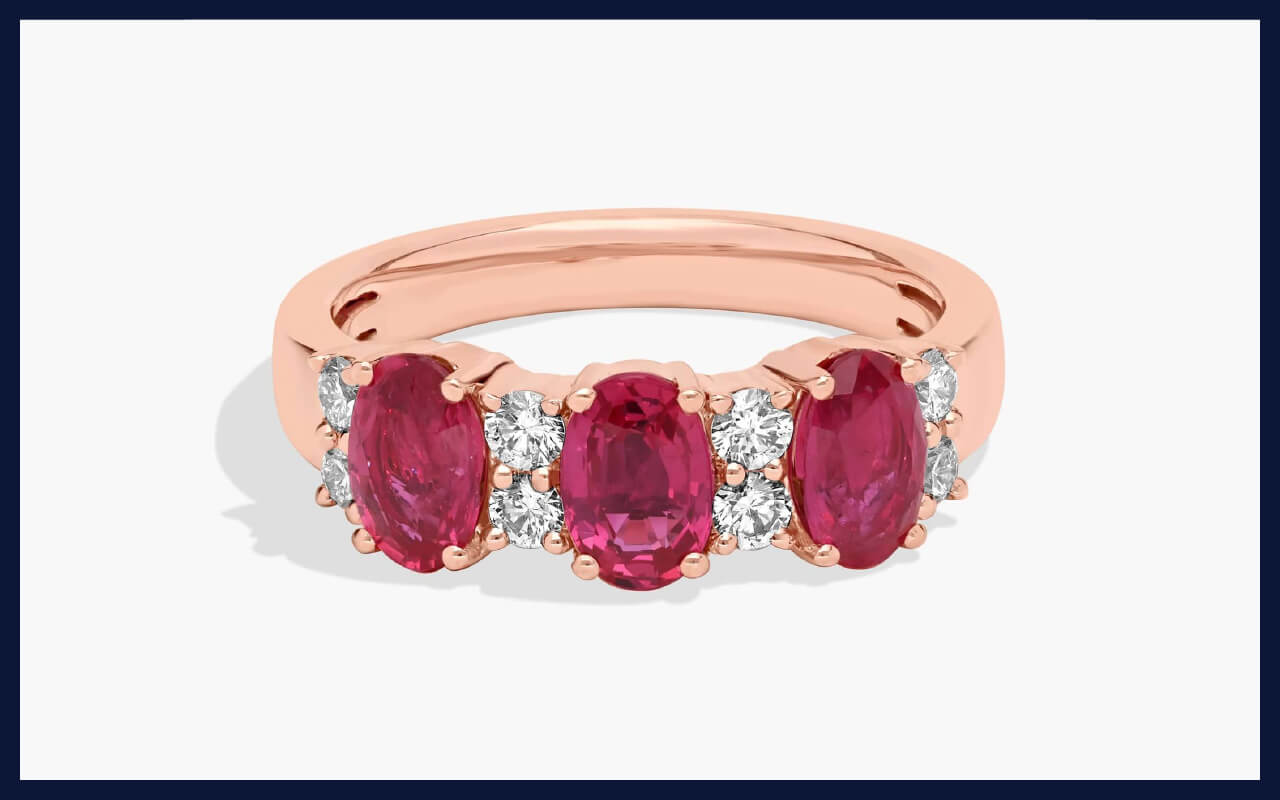
Choosing alternative engagement stones is a thoughtful way to express a love story that’s anything but expected. These gems offer color, character and symbolism that help a ring reflect your unique story rather than tradition alone.
These stones also appear throughout many engagement ring alternatives, giving modern couples more freedom to choose a ring that reflects their style. Below, we highlight 10 beautiful choices worth considering for your gemstone engagement ring in 2026.
1. Blue Sapphire
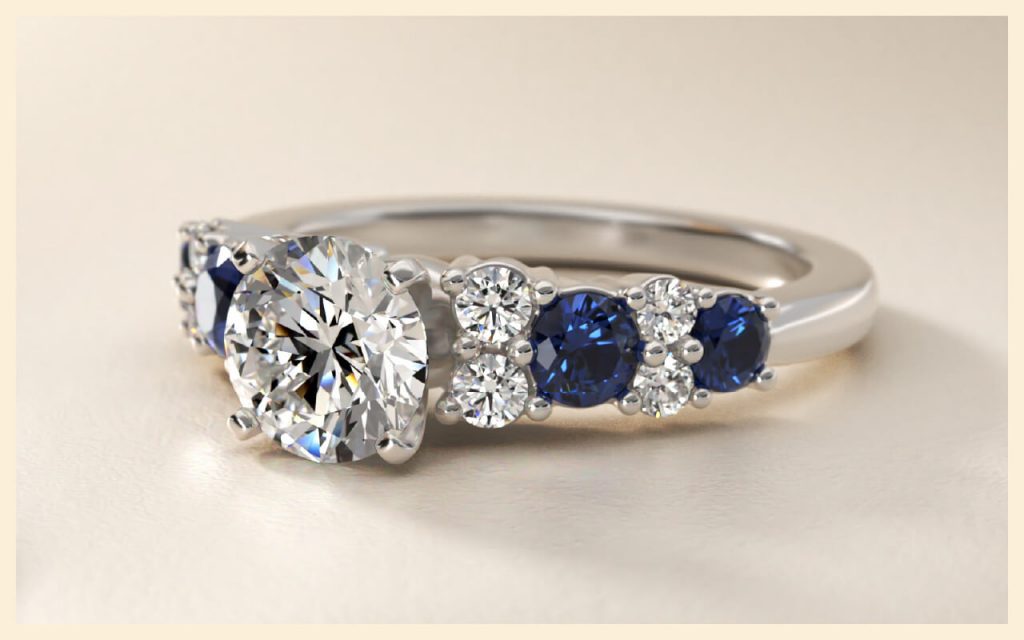
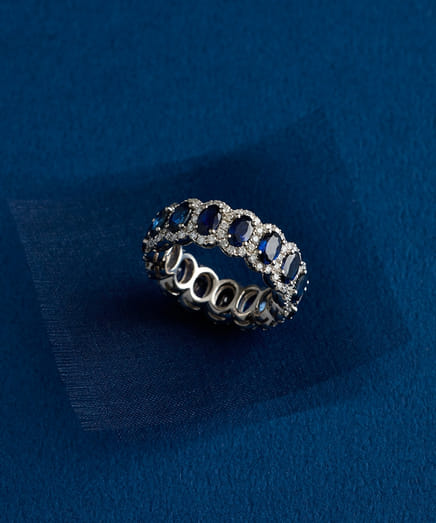
Blue sapphires offer brilliant depth of color and an enduring association with sophistication and loyalty. Sapphires are also a 9 on the Mohs Scale of Hardness, meaning they’re exceptionally strong and ideal for everyday wear.
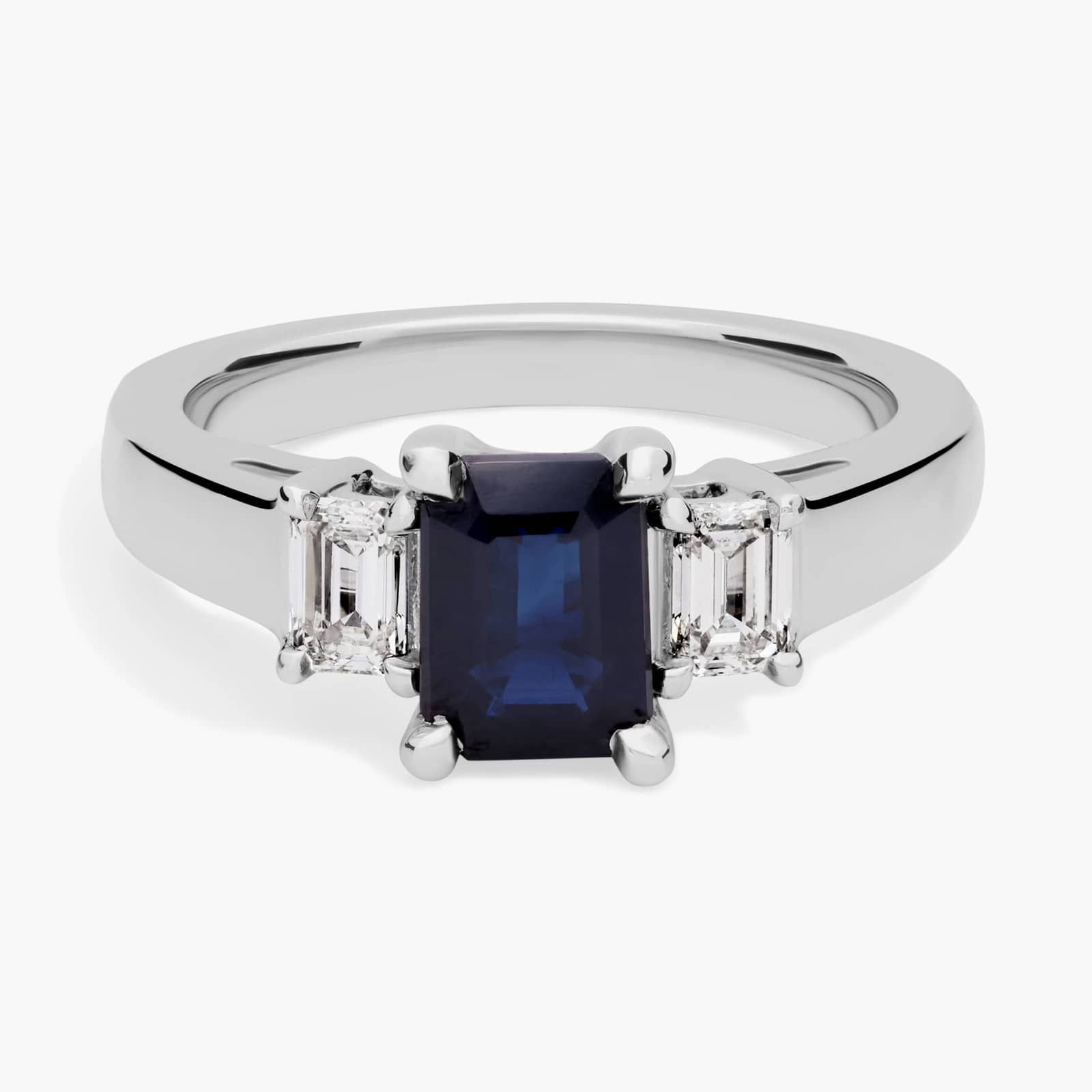
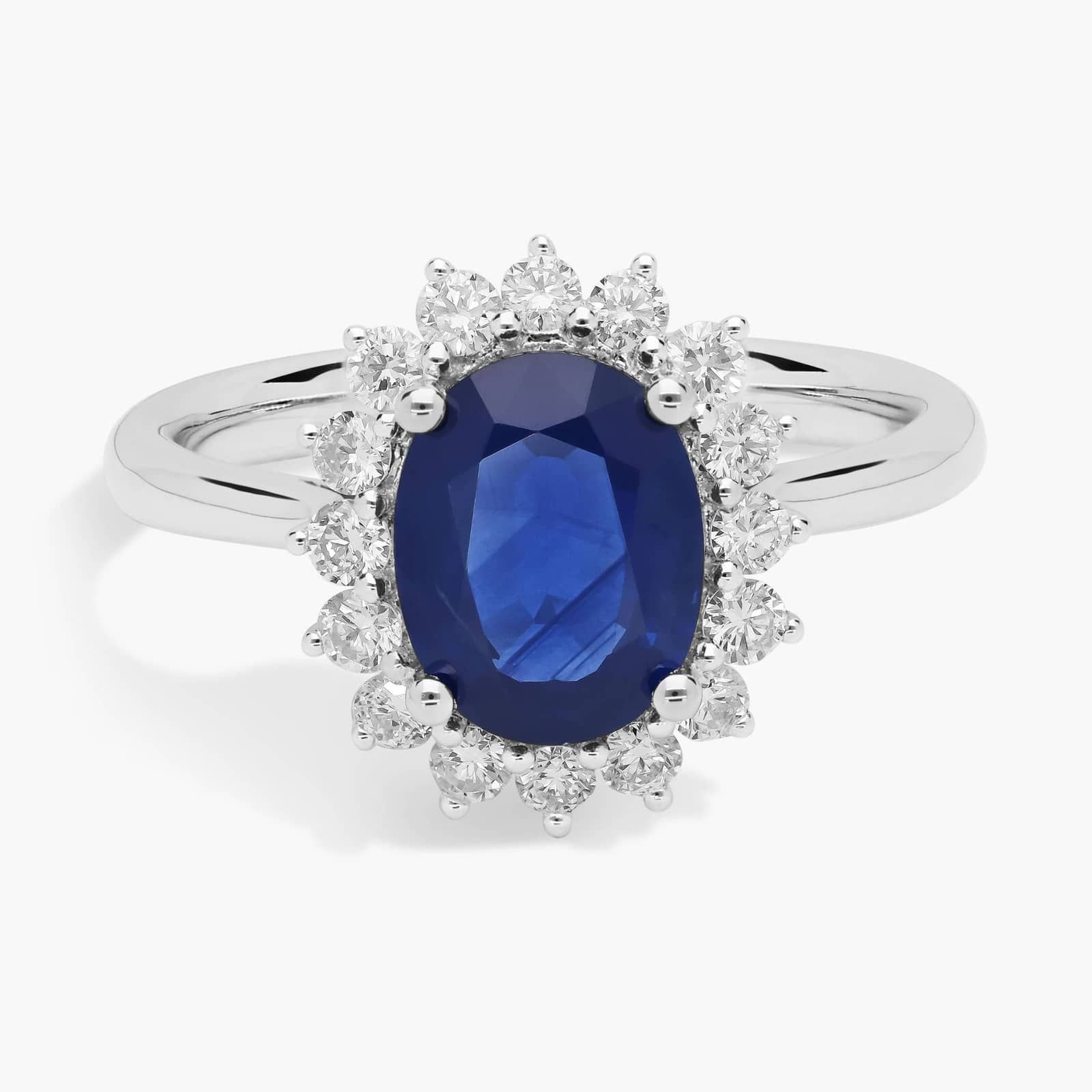
Even though you can find sapphires in many colors, the vivid blue is one of the most recognizable gemstone hues. It brings both contrast and elegance to engagement rings, especially when paired with diamond accents that enhance its natural radiance. Whether you’re drawn to vintage designs or classic solitaires, sapphires are one of the best stones for engagement rings.

2. Emerald
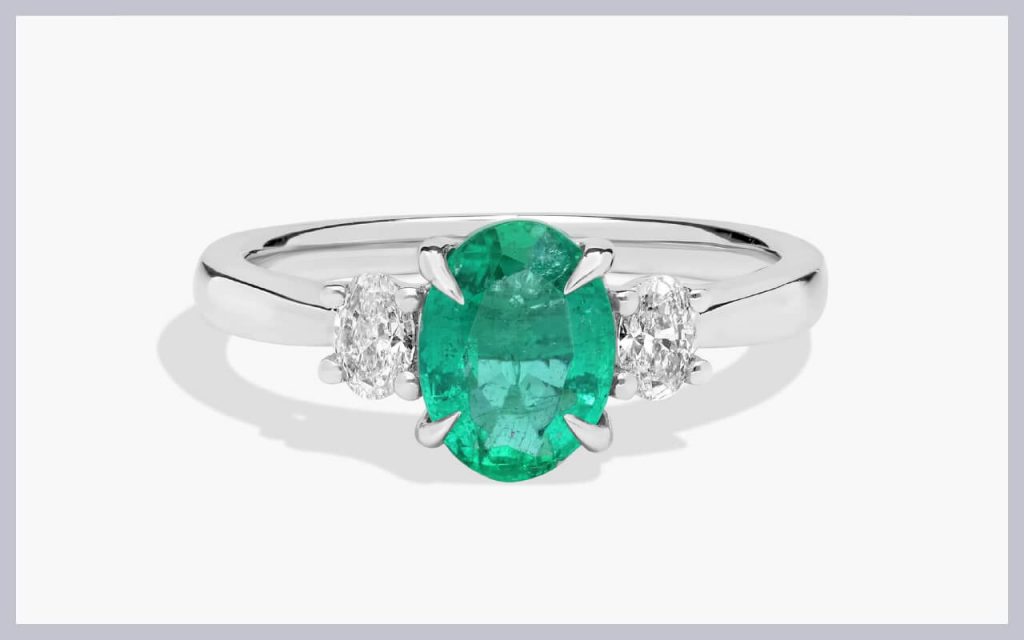
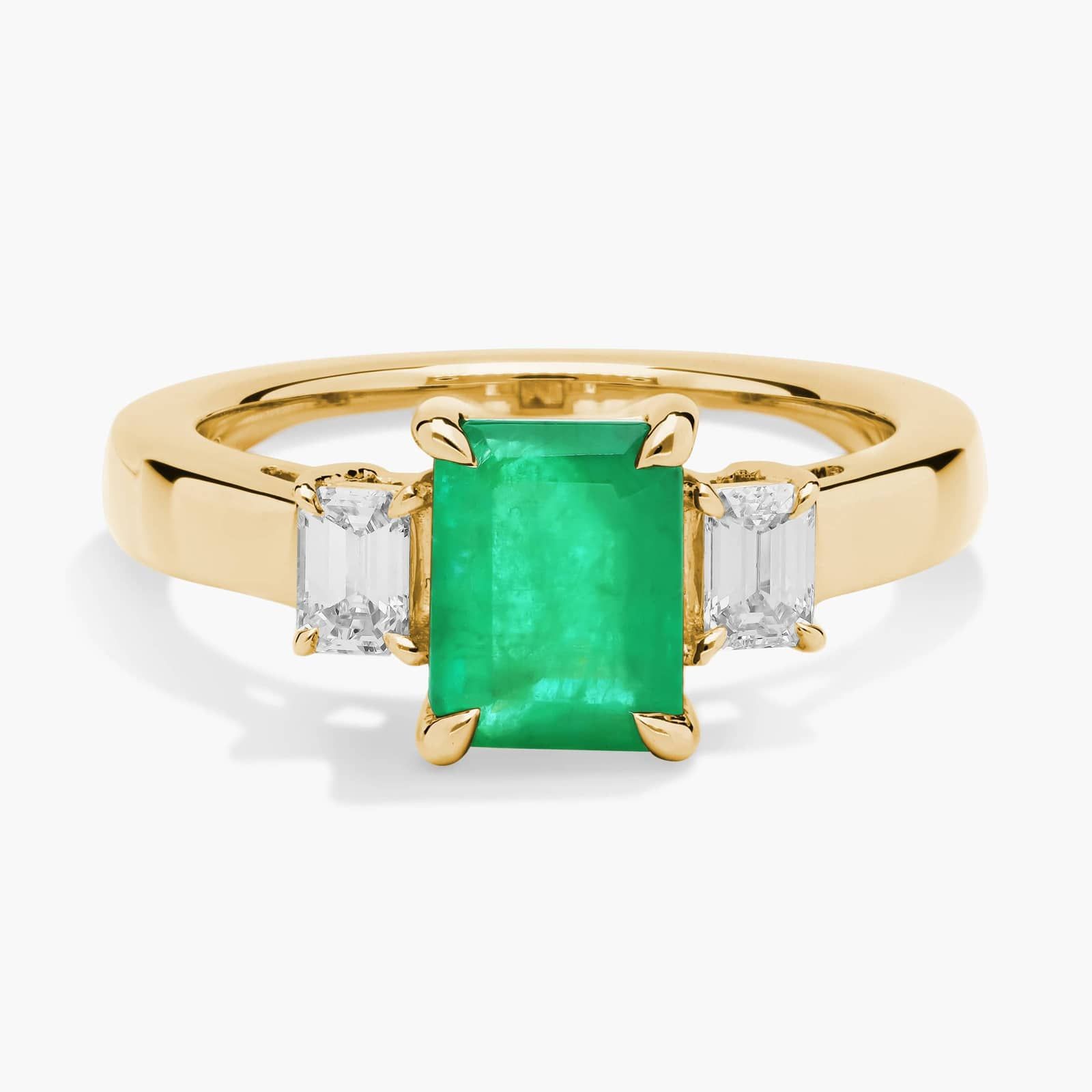
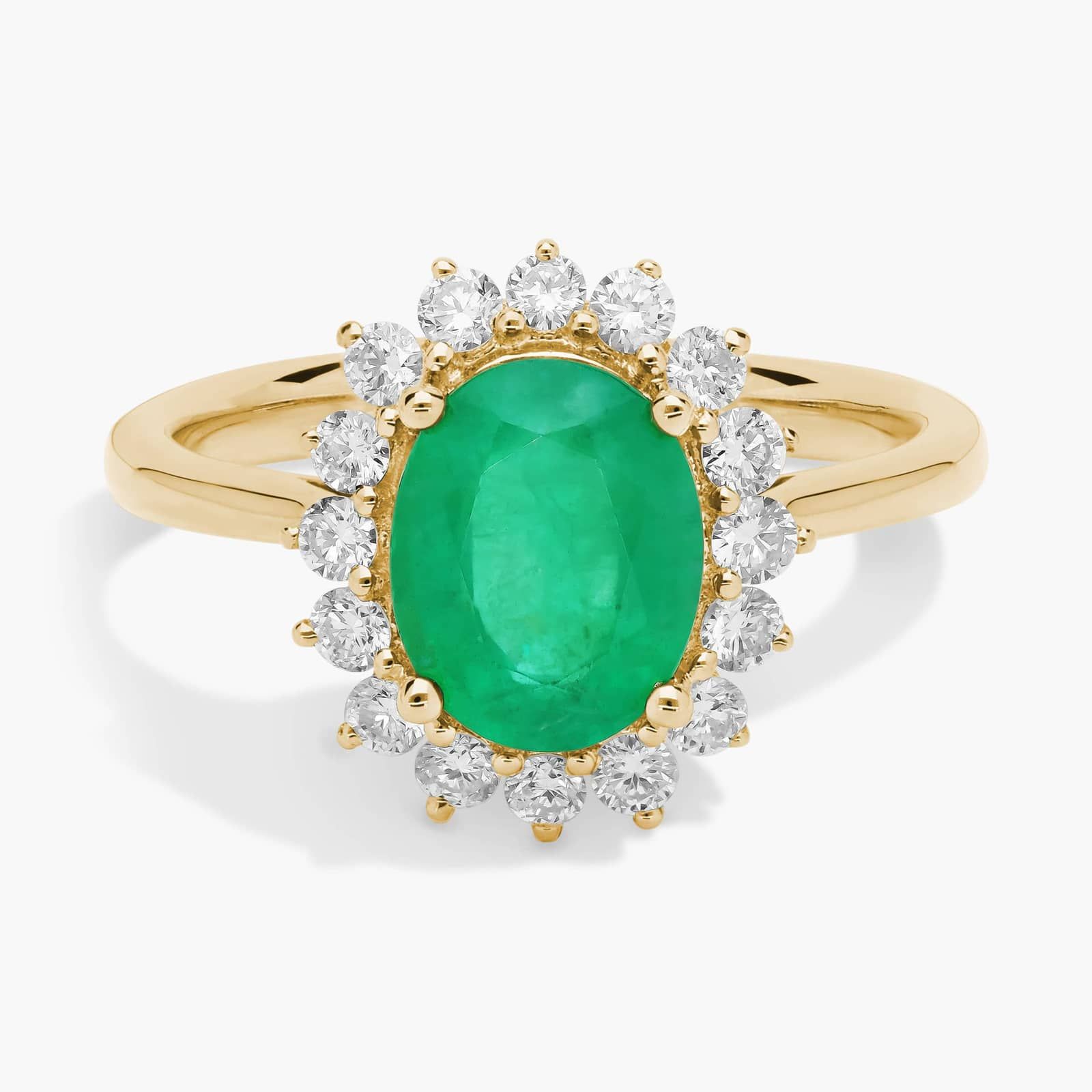
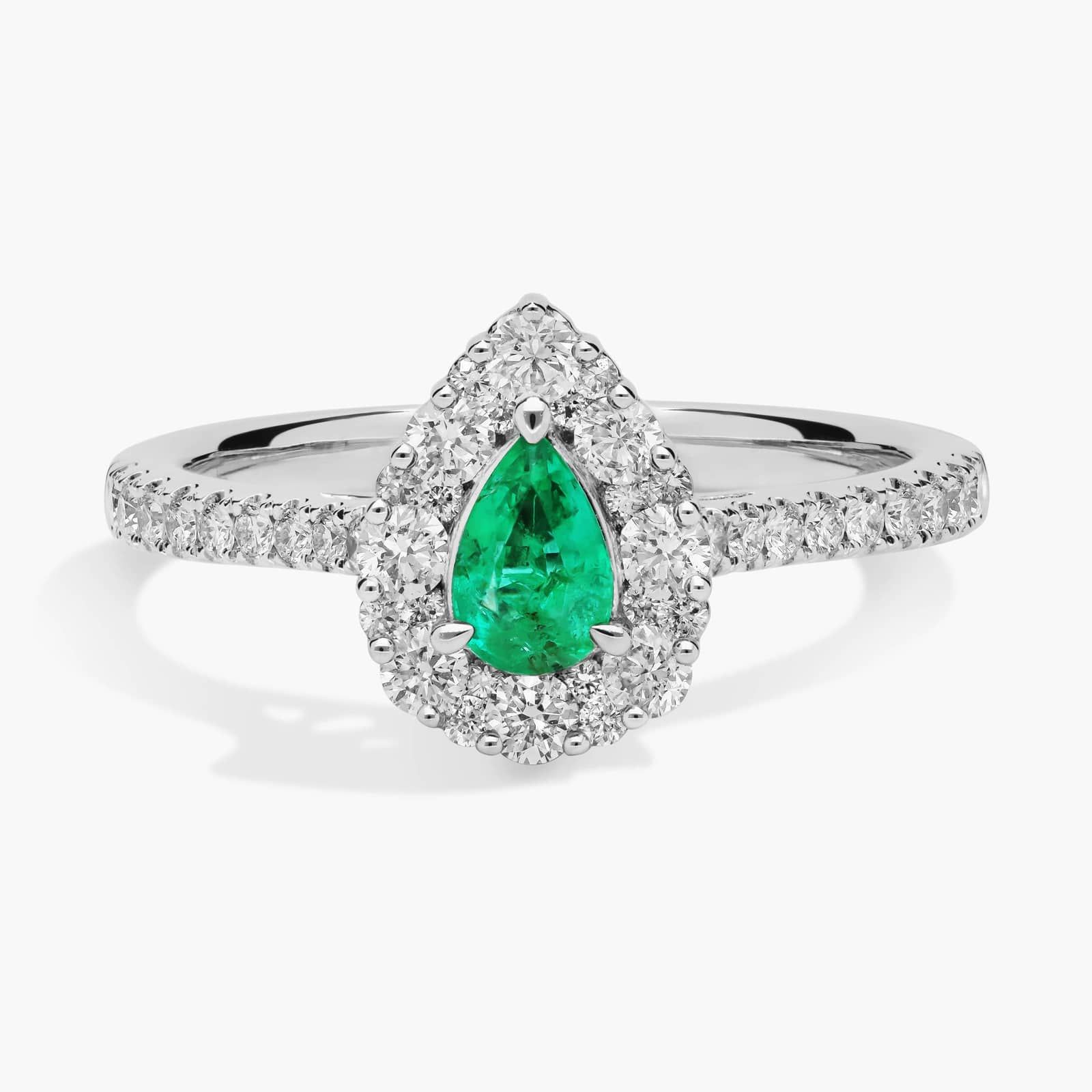
Emeralds rank between 7.5 and 8 on the Mohs Scale of Hardness, offering dependable durability with attentive care. Its popularity comes from its intense green color, long linked to romance, renewal and timeless elegance.
No two emeralds look exactly alike. Their internal characteristics give them individuality, making them appealing if you want a stone with natural personality. Emeralds shine most in simple designs that let their striking color take center stage, though halo and side-stone settings also enhance their vibrant glow.
3. Ruby
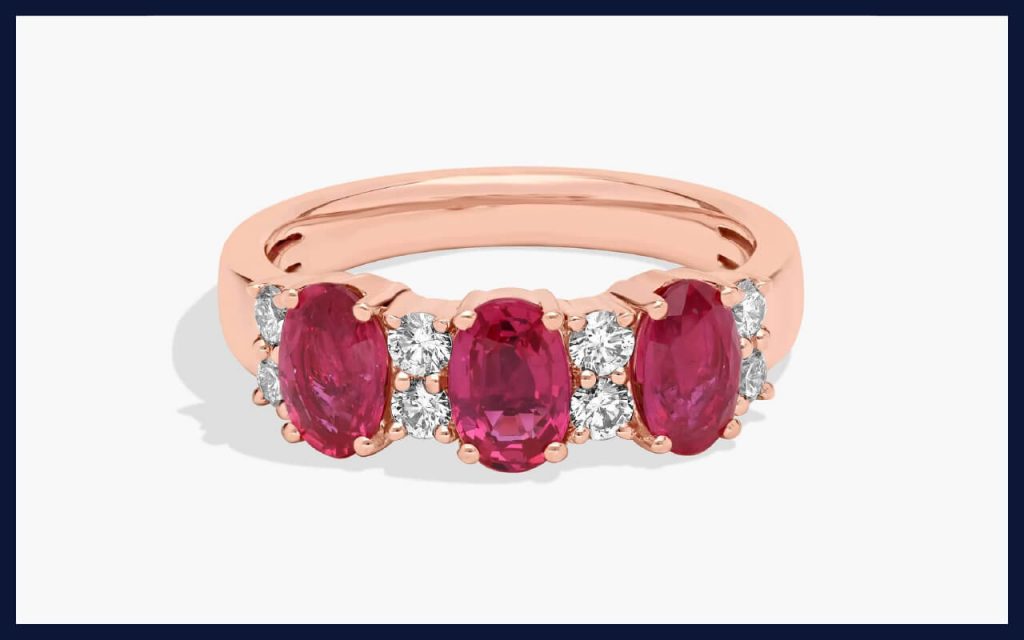
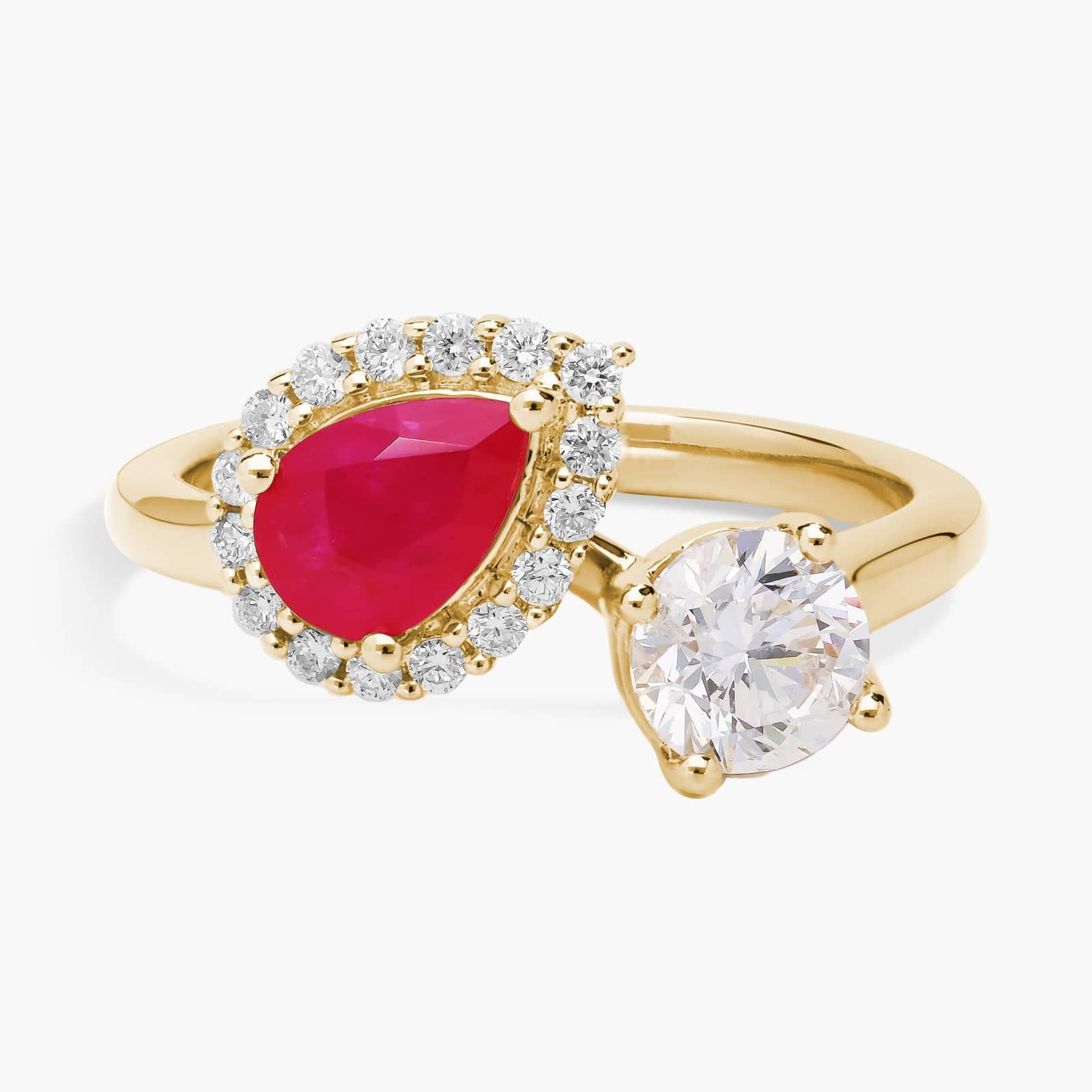
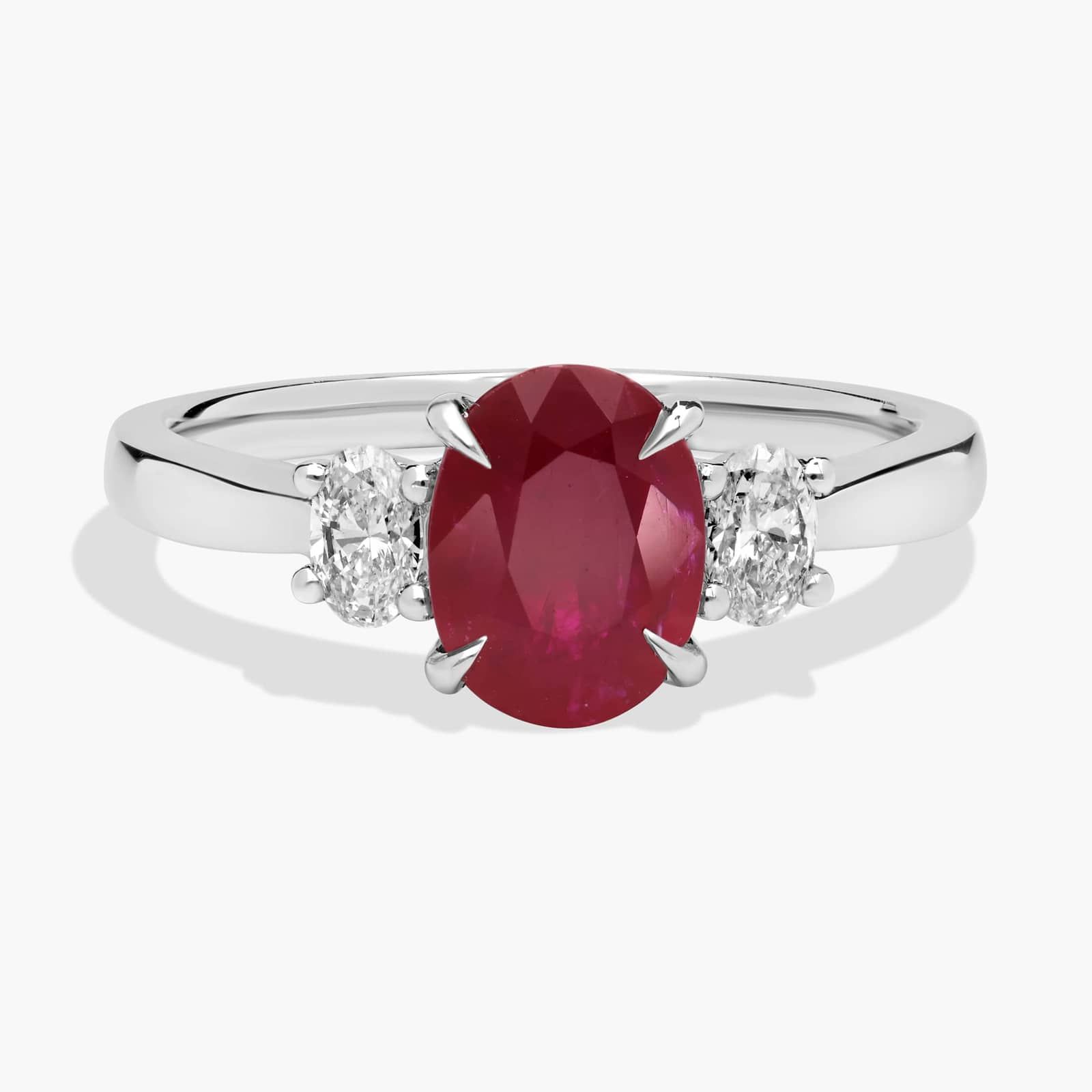
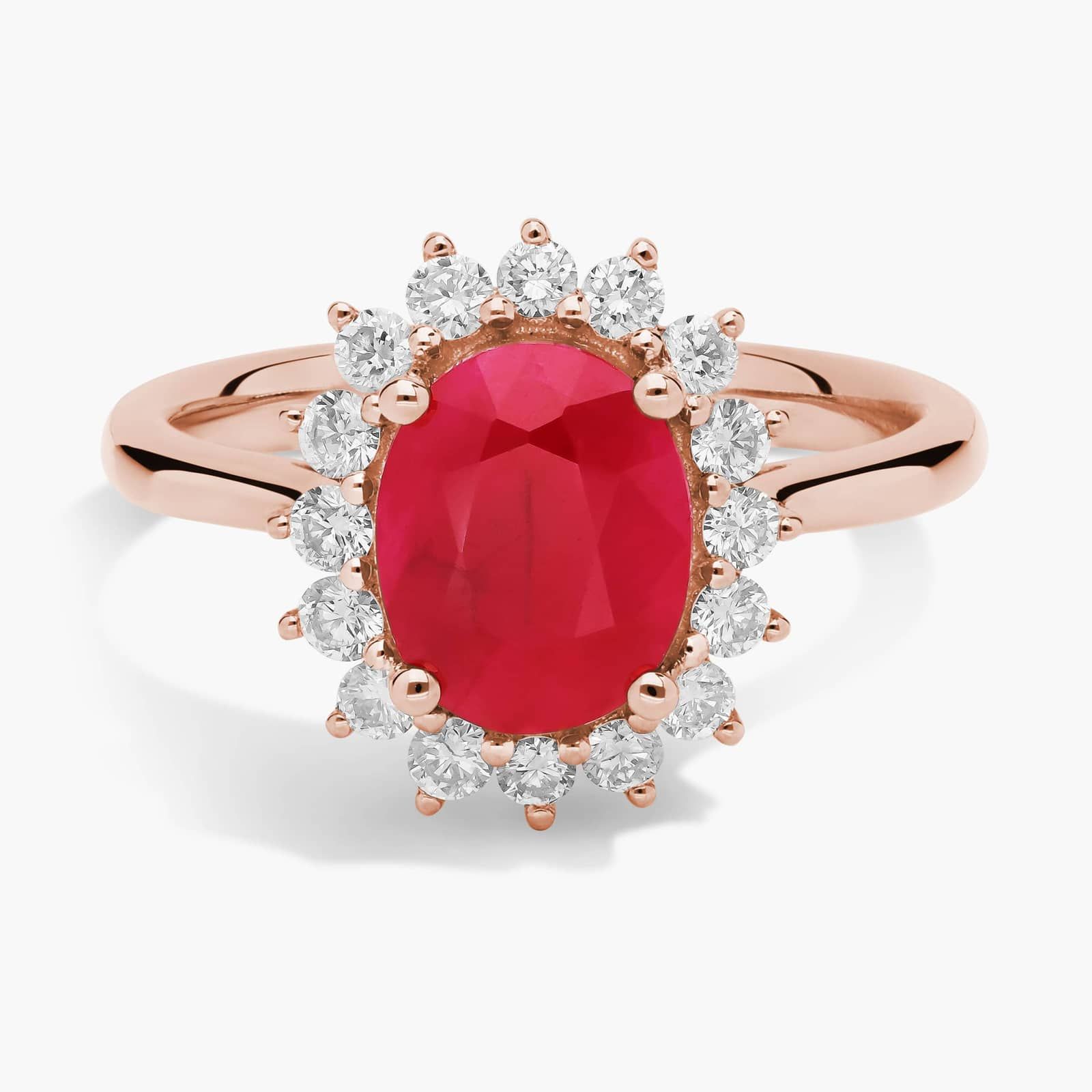
Ruby makes a confident statement on the hand. Whether paired with diamonds or set atop a simple band, its vivid hue adds drama in a way that feels timeless. It’s cherished for its bold red color, which symbolizes passion and protection.
Ruby ranks 9 on the Mohs Scale of Hardness, giving it long-term resilience and exceptional wearability. Because of its durability, ruby works beautifully for people with active lifestyles who still want a gemstone with personality.
4. Morganite
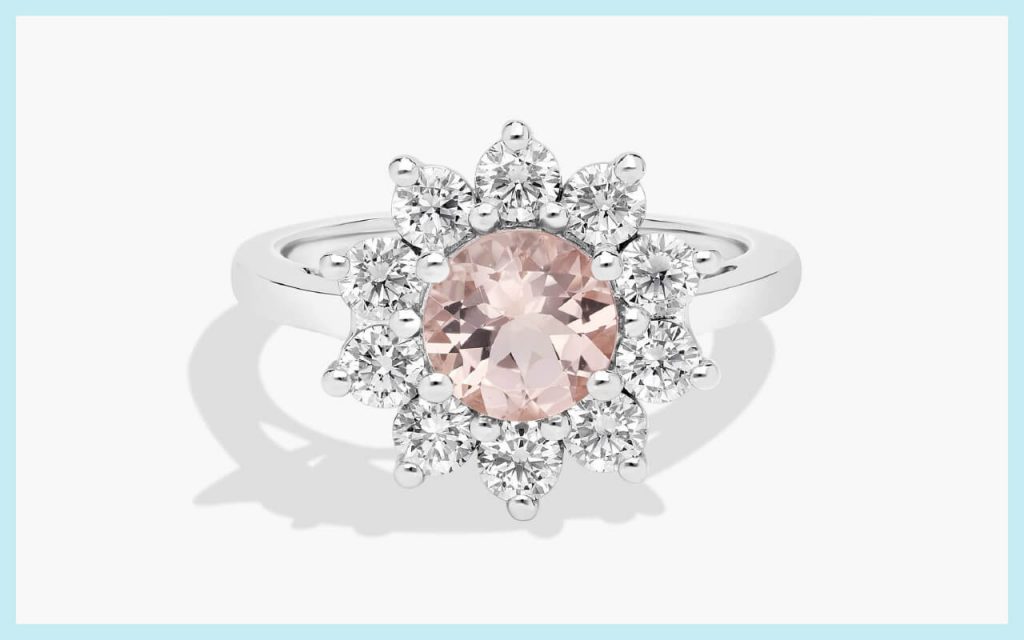
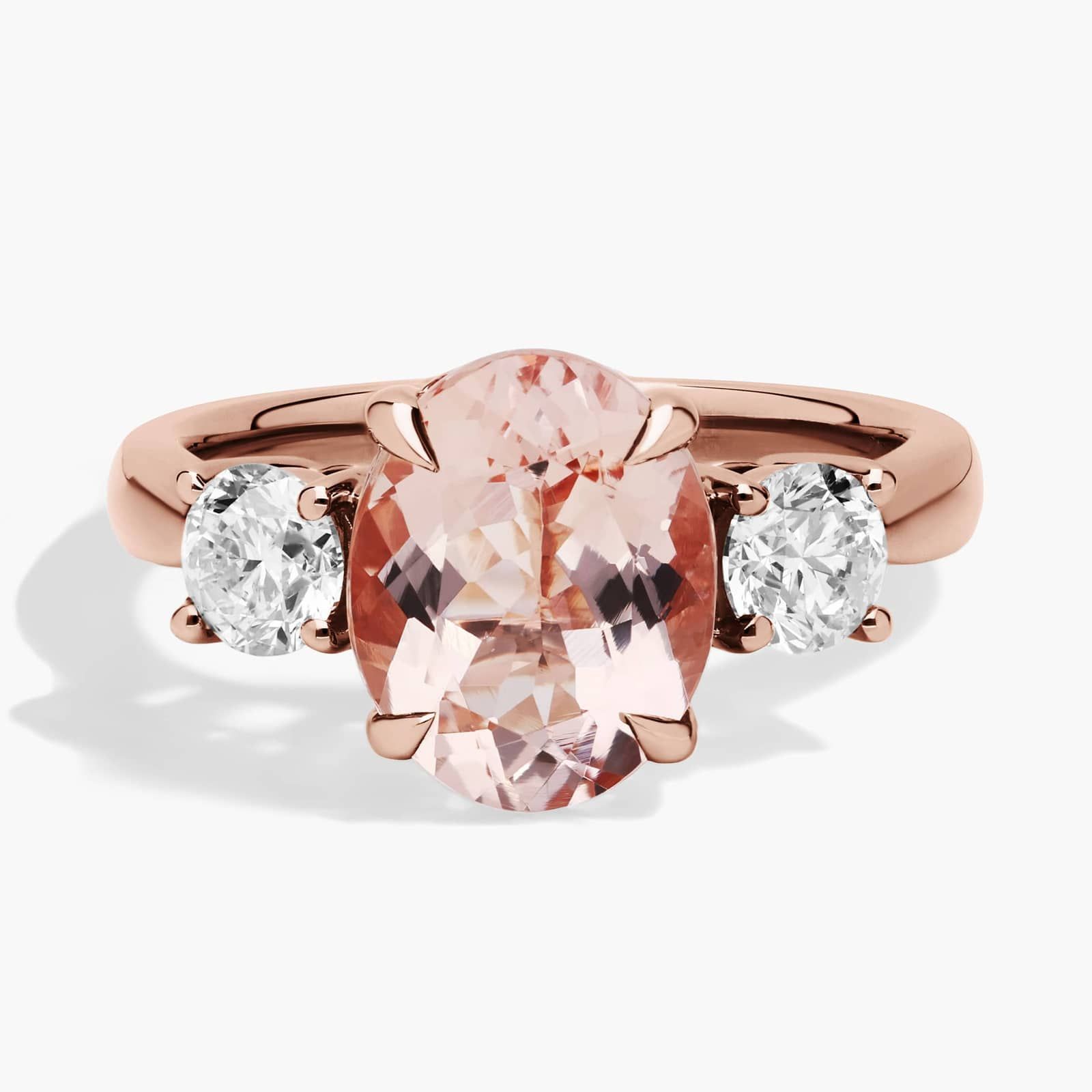
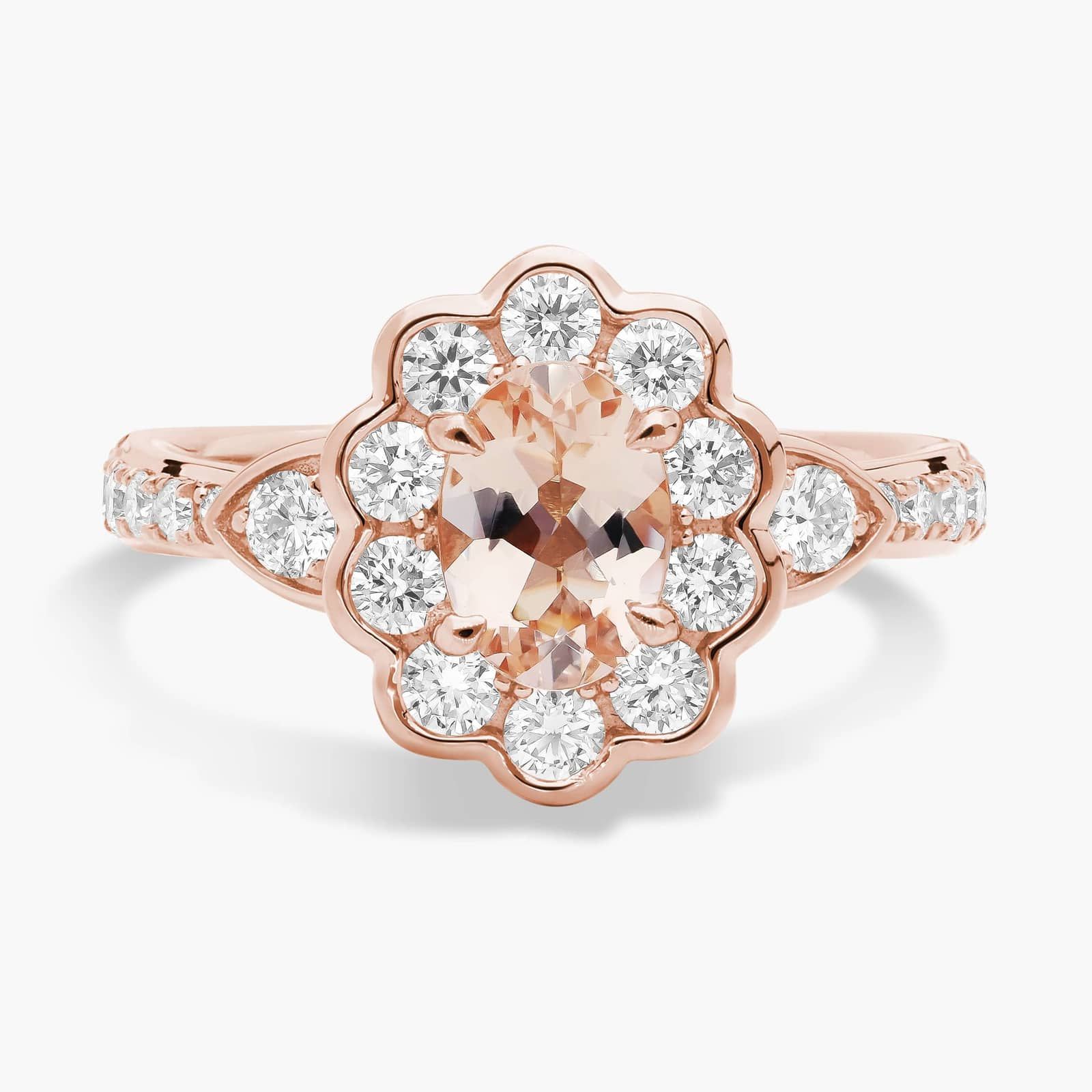
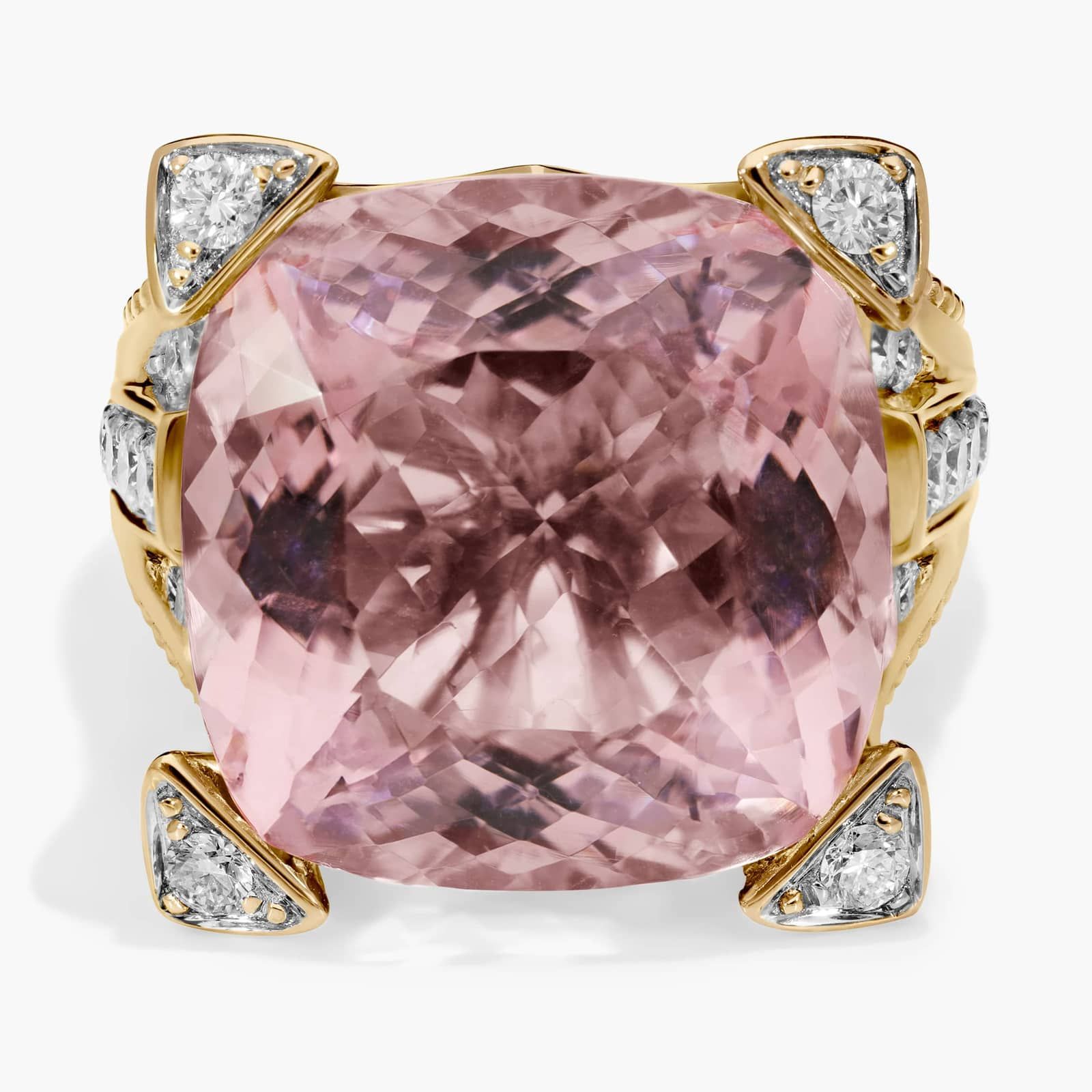
Morganite is beloved for its soft peachy-pink color. This stone creates a warm, romantic glow. Its pastel color creates a dreamy effect without being overly bold.
This stone pairs effortlessly with rose gold, and the combination has become a favorite among people wanting a ring with understated elegance. Additionally, Morganite ranks between 7.5 and 8 on the Mohs Scale of Hardness, making it suitable for engagement rings with gentle care.
5. Tanzanite
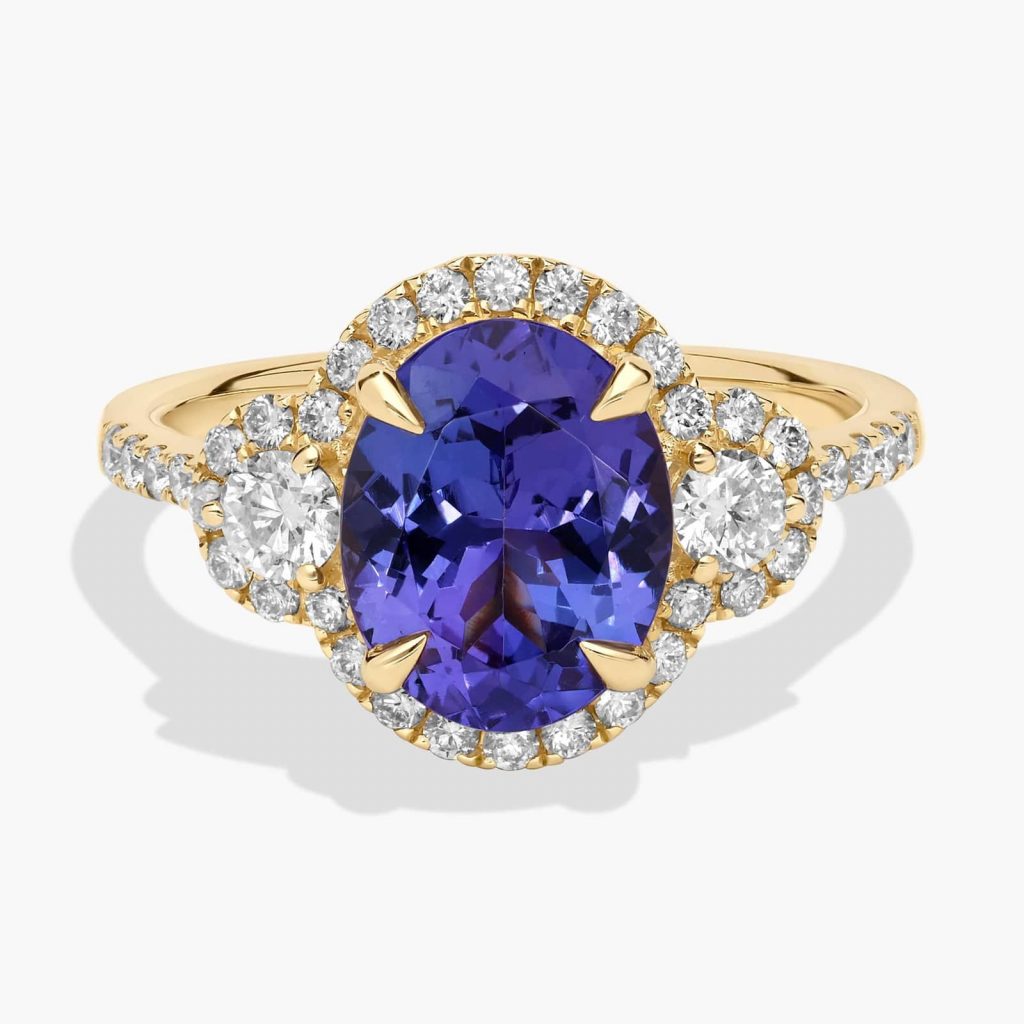
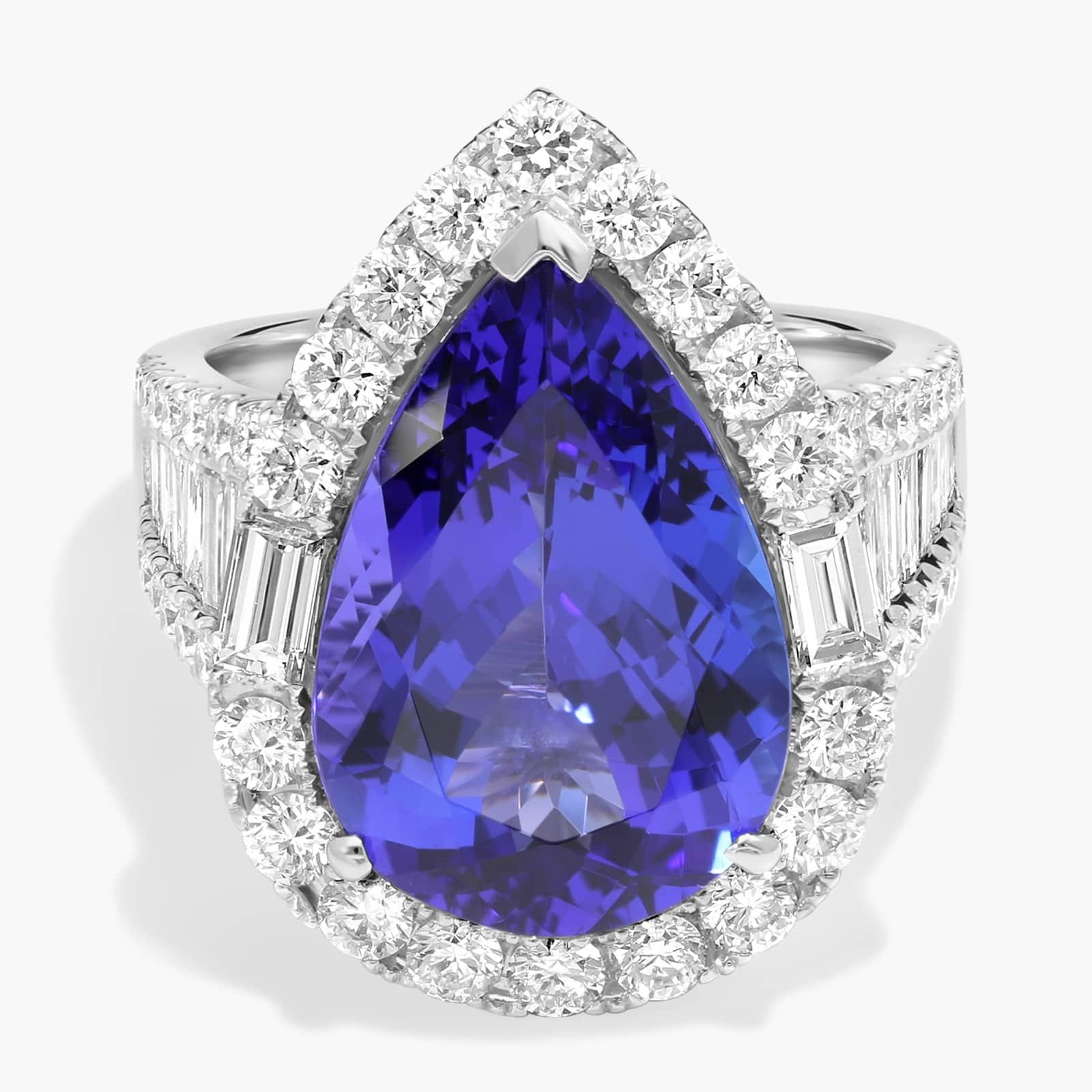
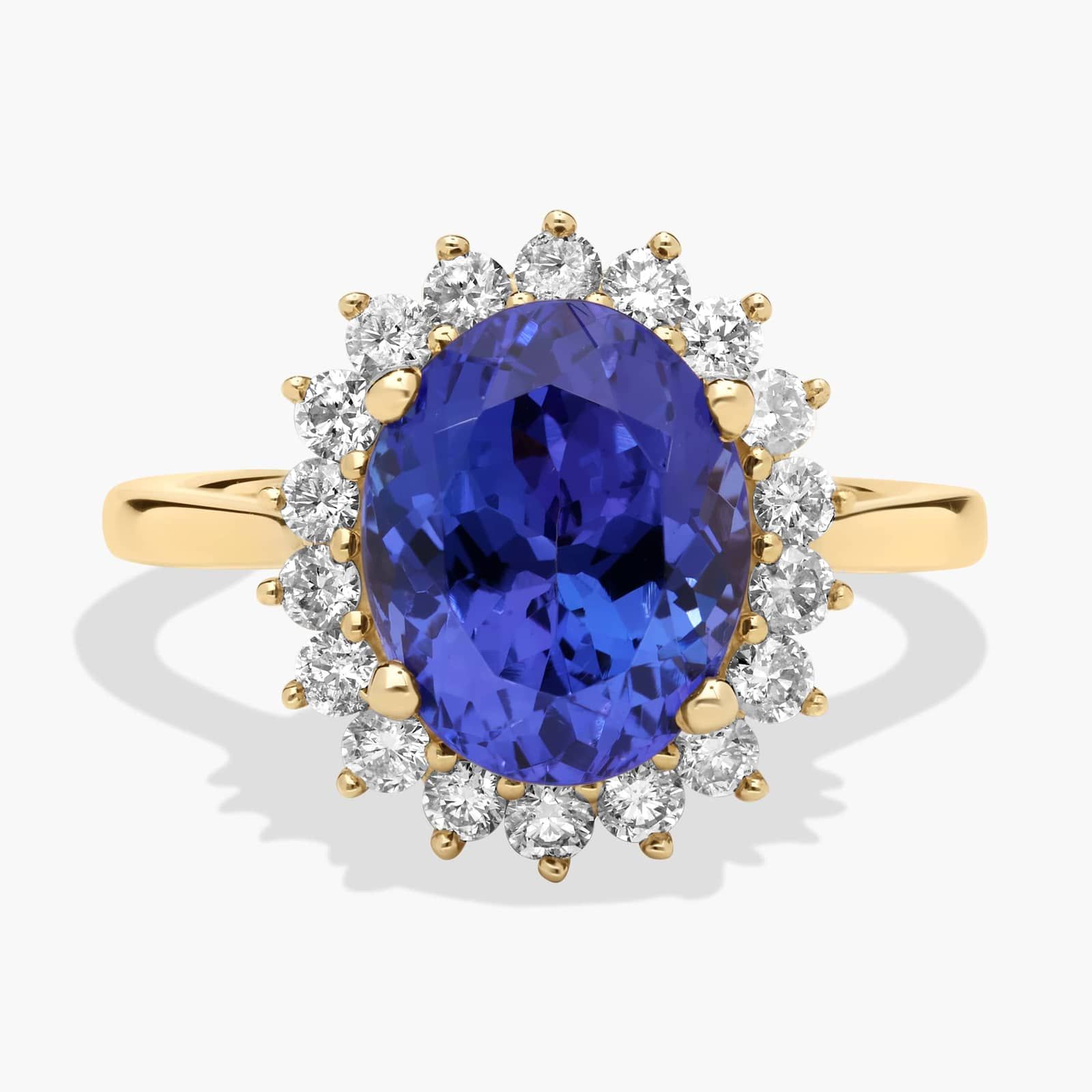
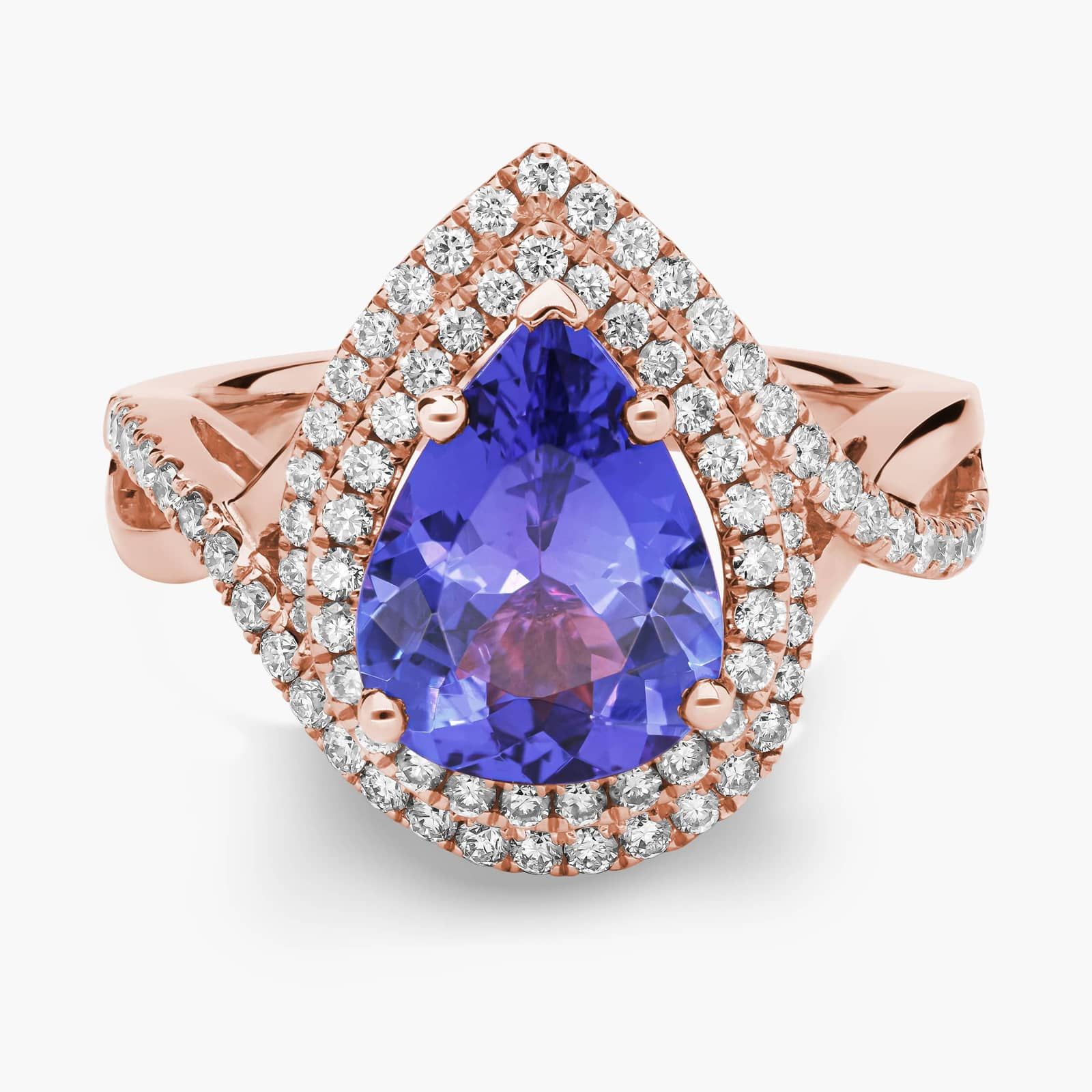
Tanzanite is one of the most distinctive gemstones on the market because it comes from a single source: a small area in the Merelani Hills of northern Tanzania, near the foothills of Mount Kilimanjaro. Its rarity adds to its appeal, making it an exciting choice for anyone wanting a ring with a sense of exclusivity and depth.
It’s also popular for its unusual and gorgeous shifting color that moves between rich blue and violet. Keep in mind that tanzanite ranks 6 to 7 on the Mohs Scale of Hardness, which means it benefits from mindful everyday wear.
6. Topaz
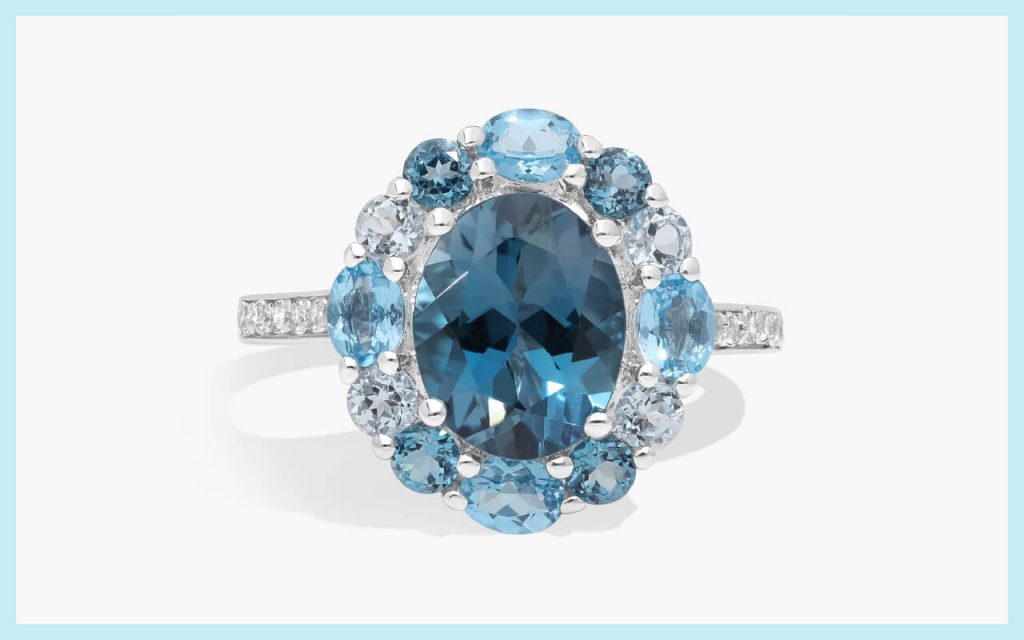
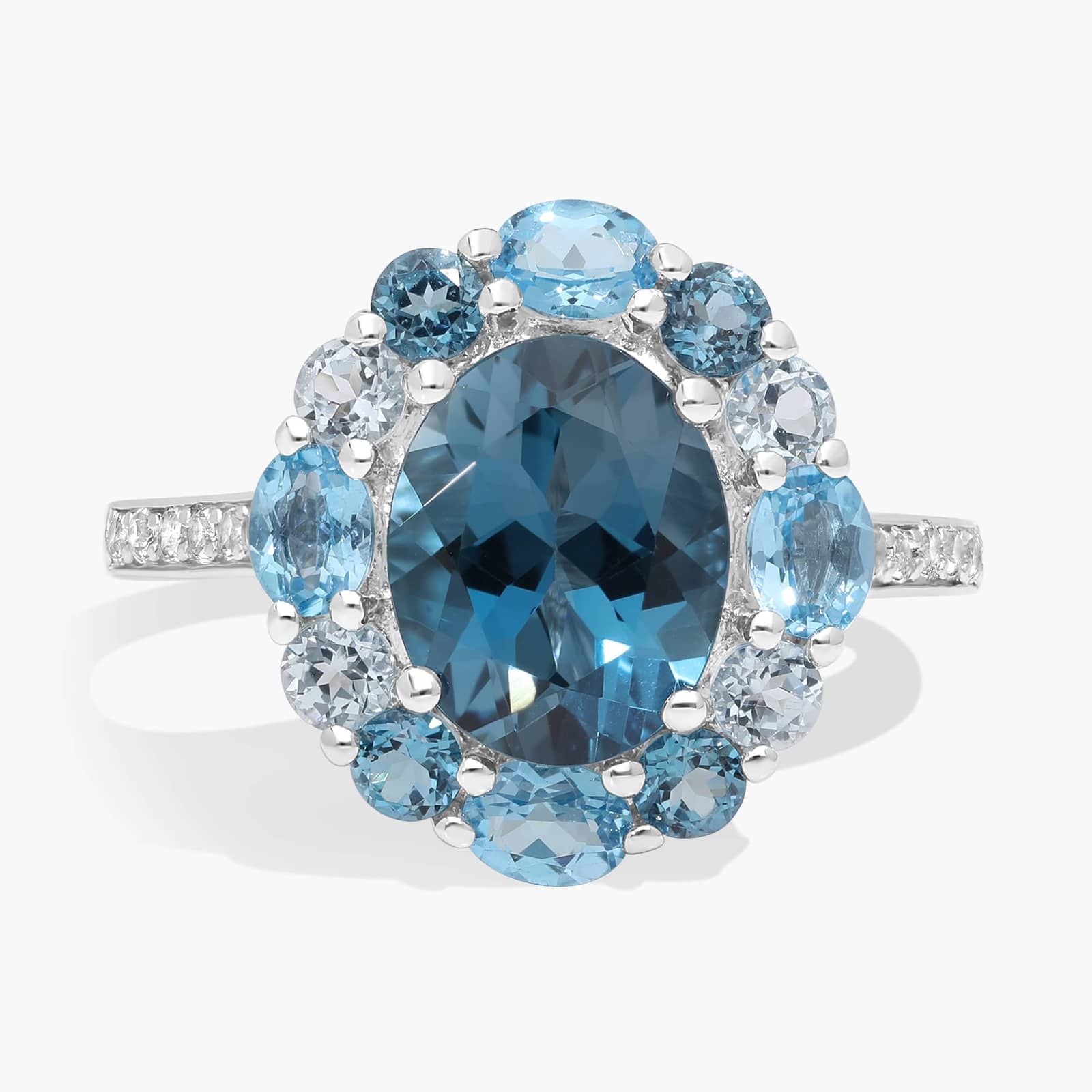
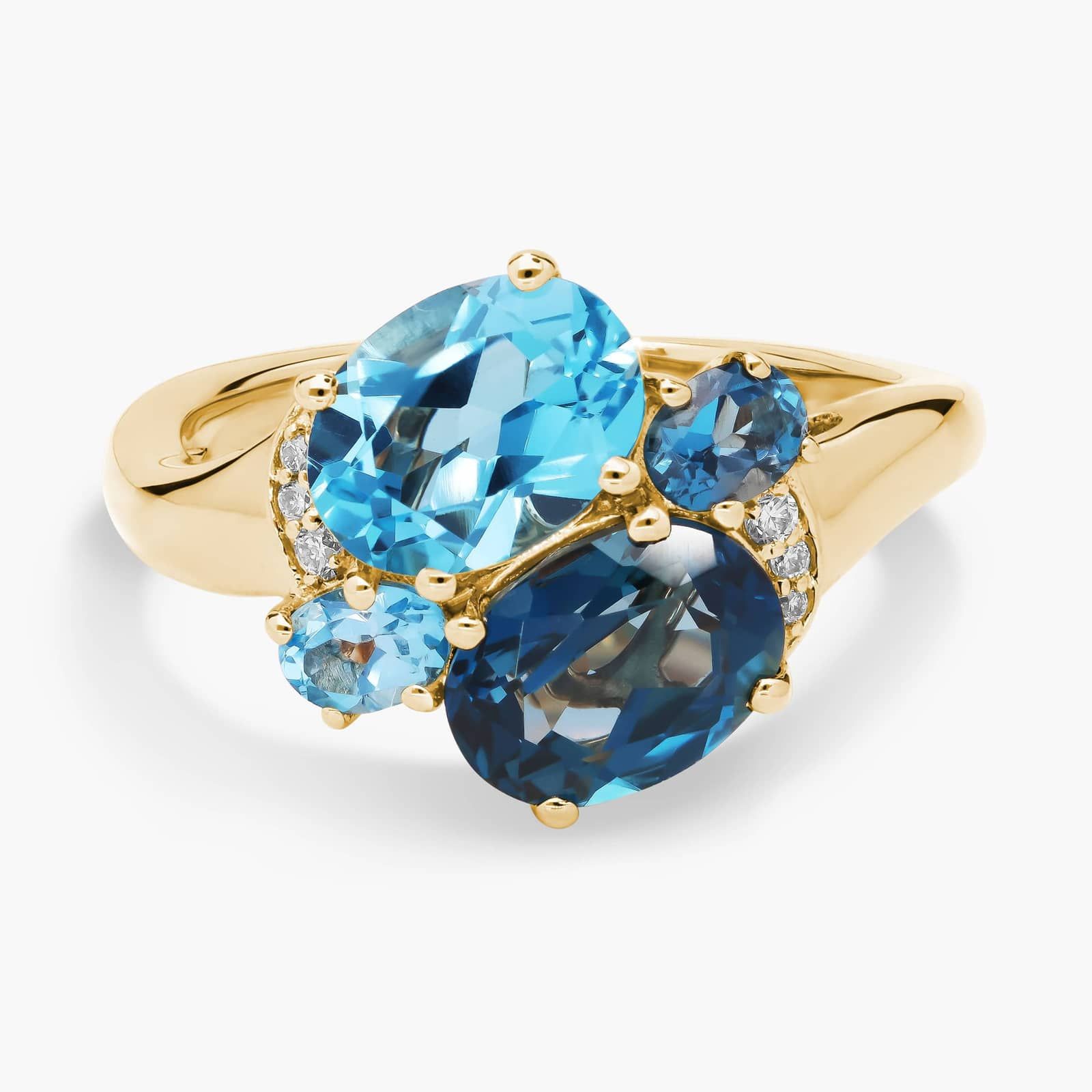
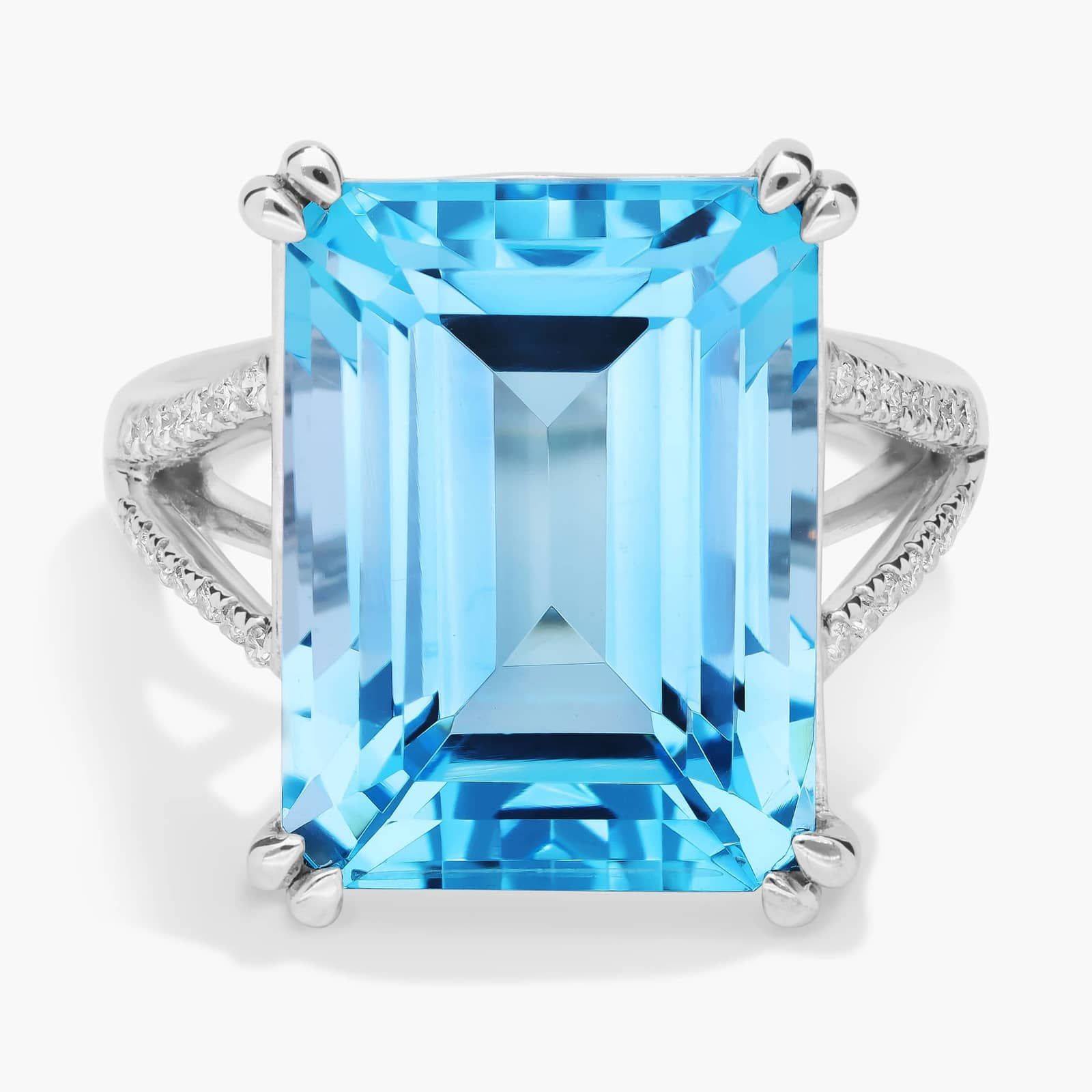
Topaz ranks an 8 on the Mohs Scale of Hardness, giving it durability and versatility across a range of ring styles. It’s admired for its broad color spectrum, available in yellows, pinks, reds, purples, greens and browns. Yet, the bright blues are the ones that continue to trend.
From London blue to sky blue, topaz offers striking shades that feel modern and vibrant. If you’re browsing unique stones for engagement rings, this gemstone opens the door to colorful and expressive designs.
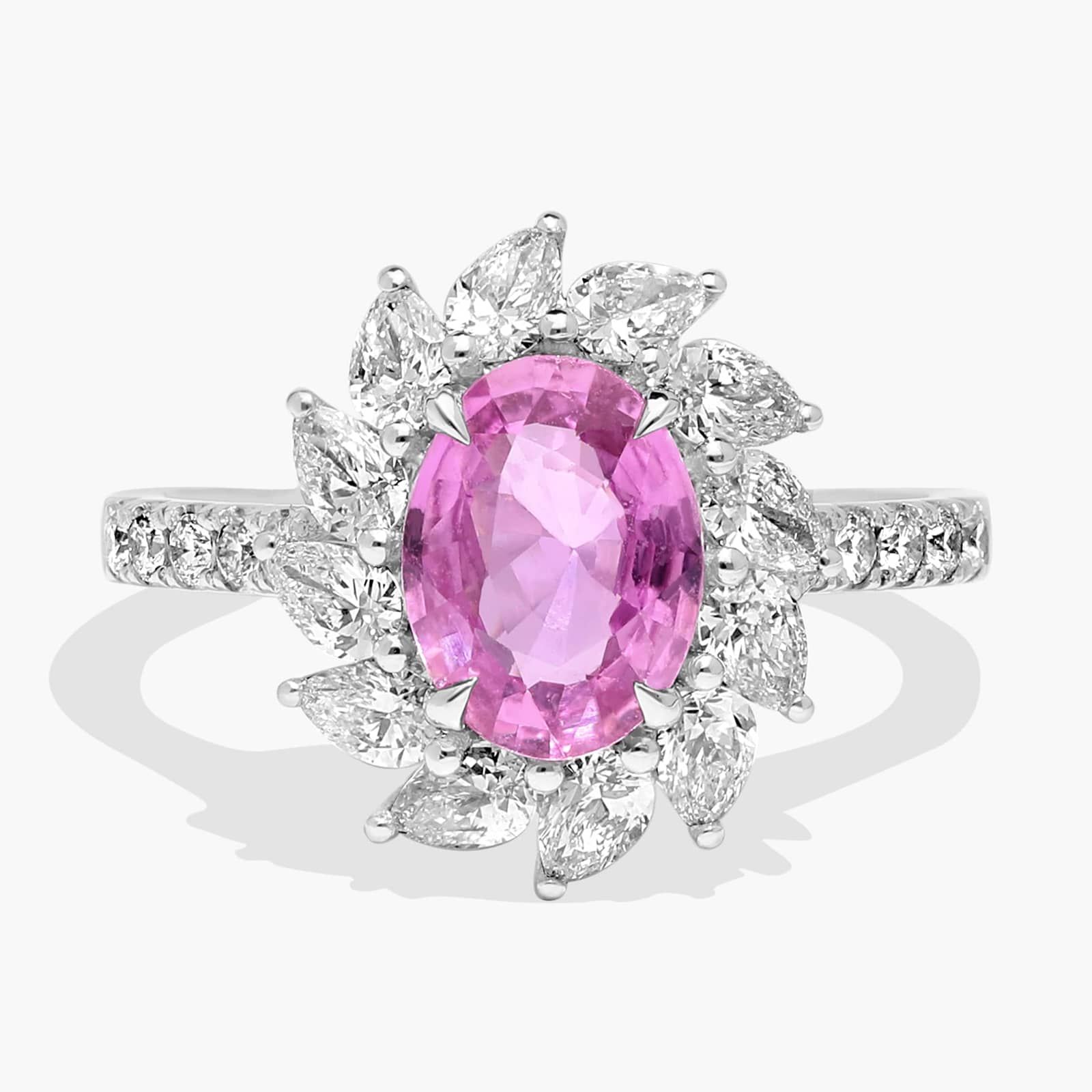
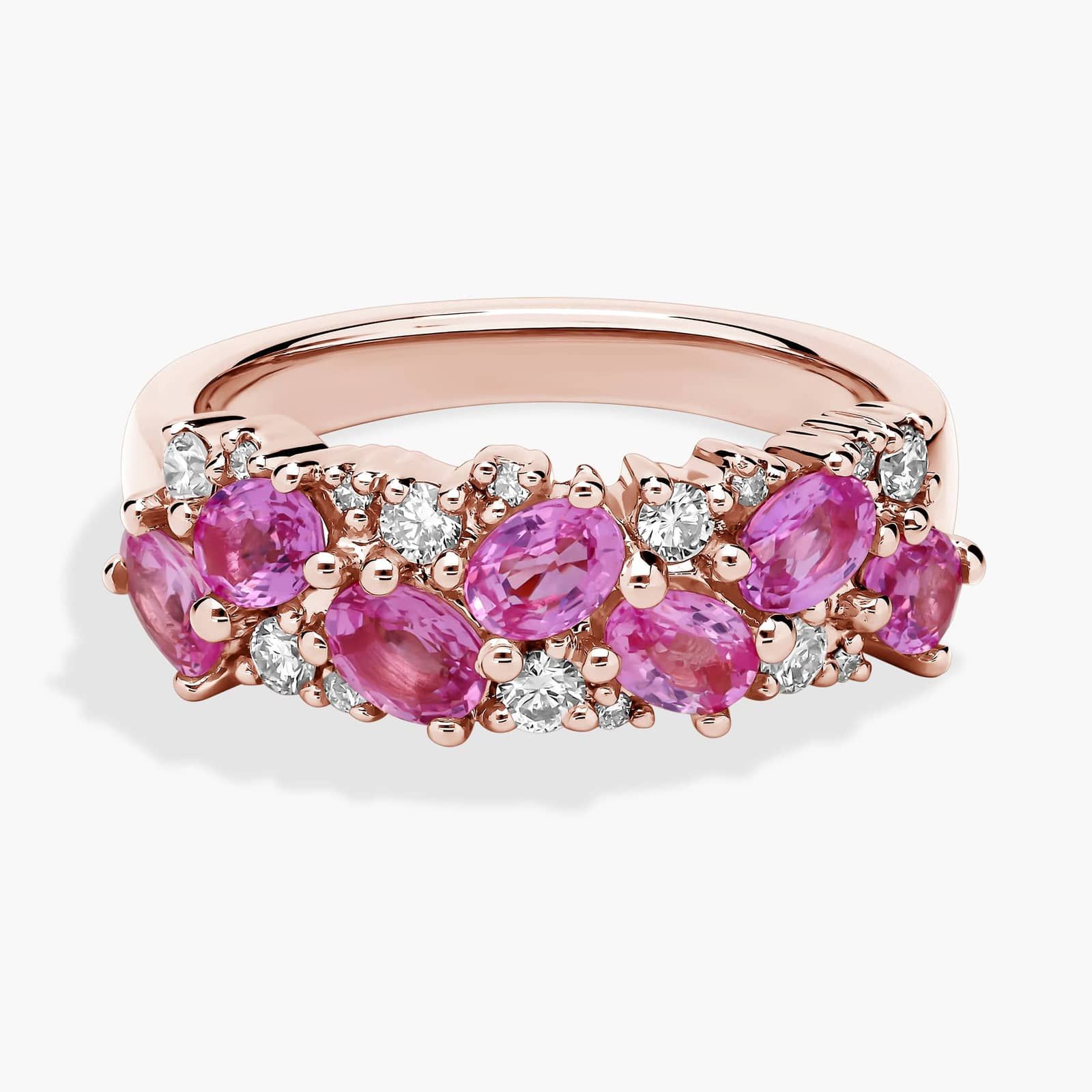
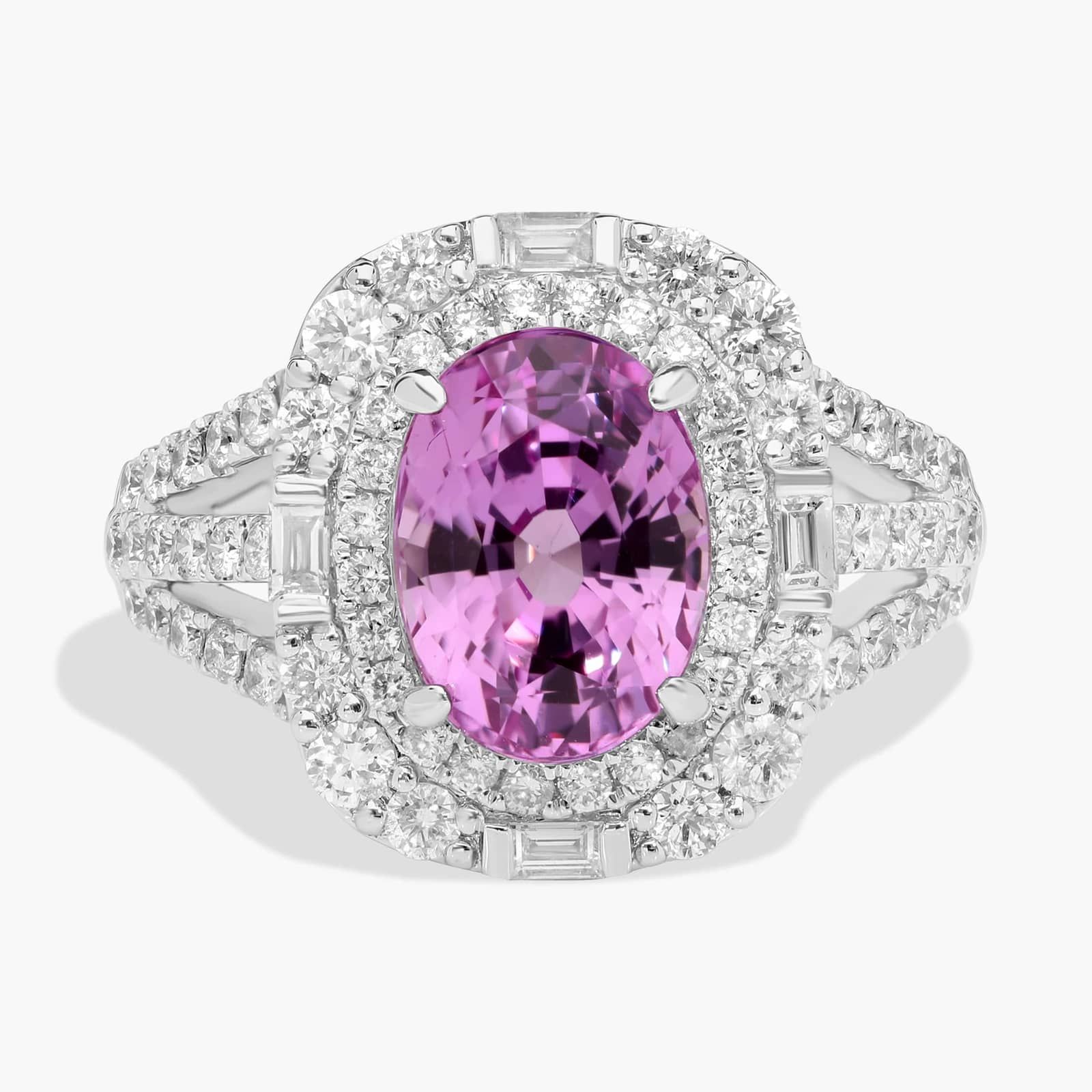
7. Pink Sapphire
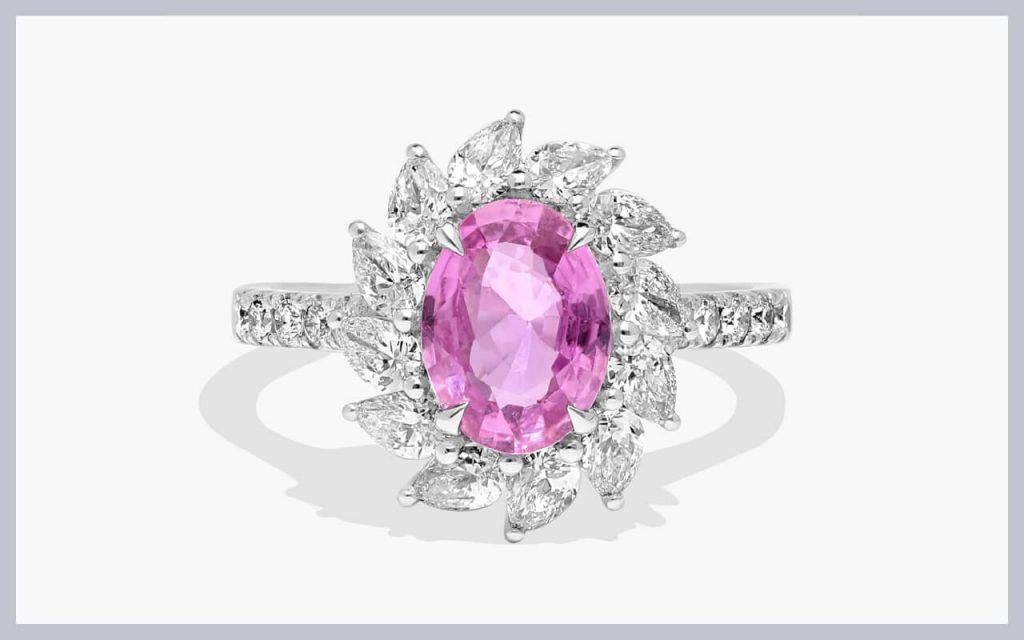
Like blue sapphire, pink sapphire ranks a 9 on the Mohs Scale of Hardness, making it an excellent choice for vivid style and practical wearability. Its romantic, colorful presence and its ability to stand up to daily life draw jewelry lovers.
Pink sapphire ranges from barely-there blush to bright magenta. It offers the same durability of a traditional blue sapphire with a look that feels lighthearted and expressive. Couples seeking non-traditional engagement ring stones often gravitate to this uplifting shade.
8. Aquamarine
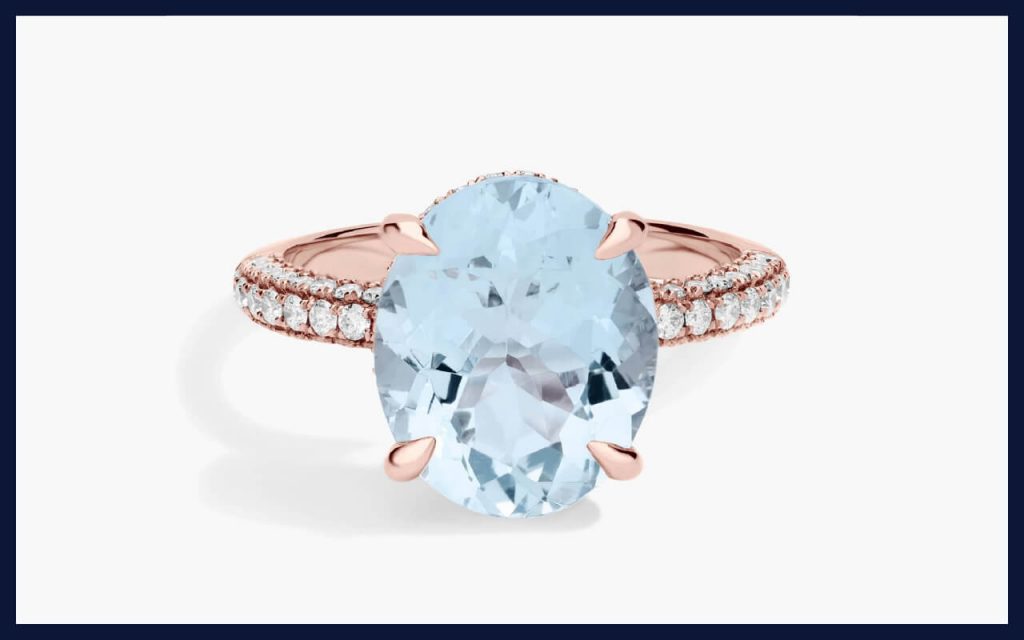
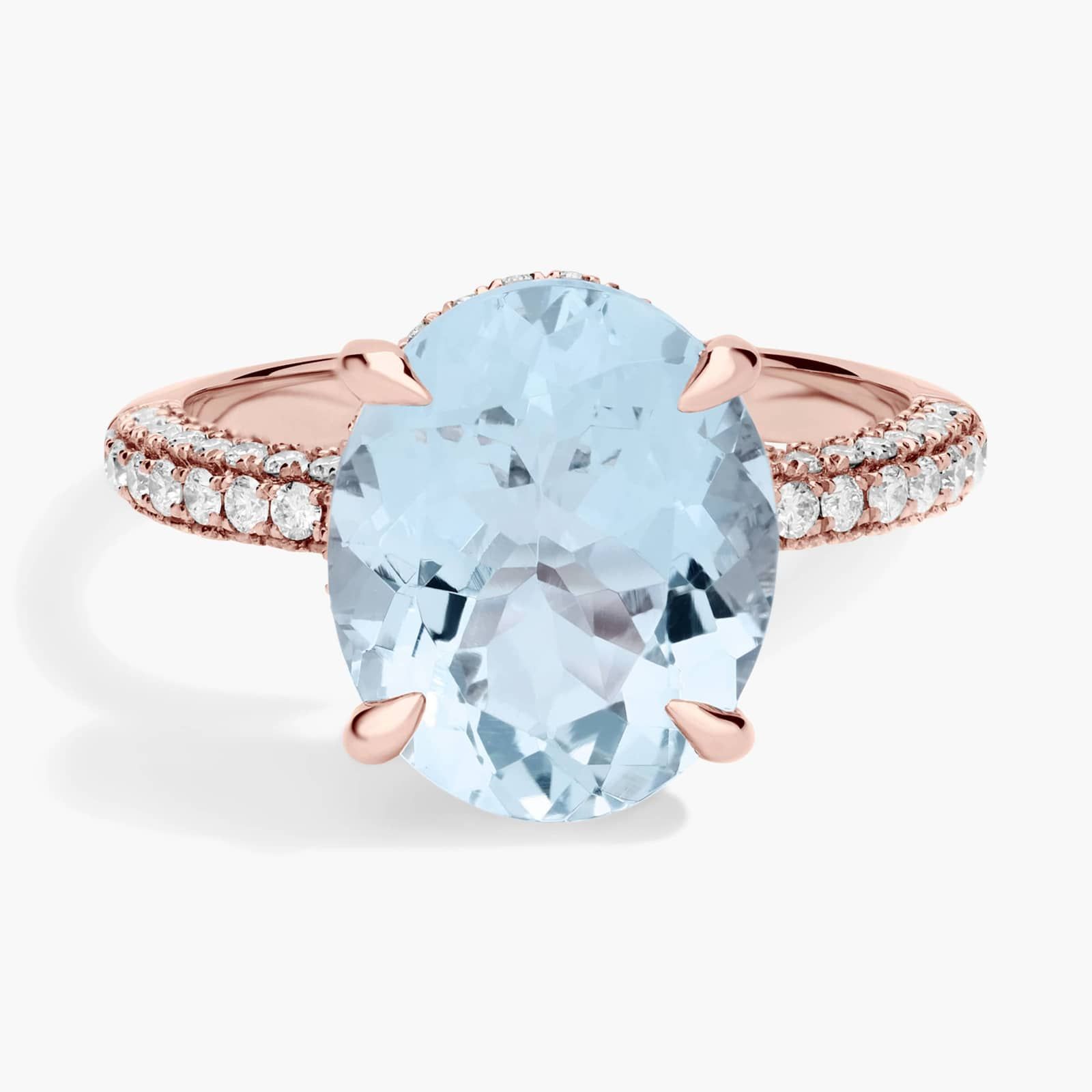
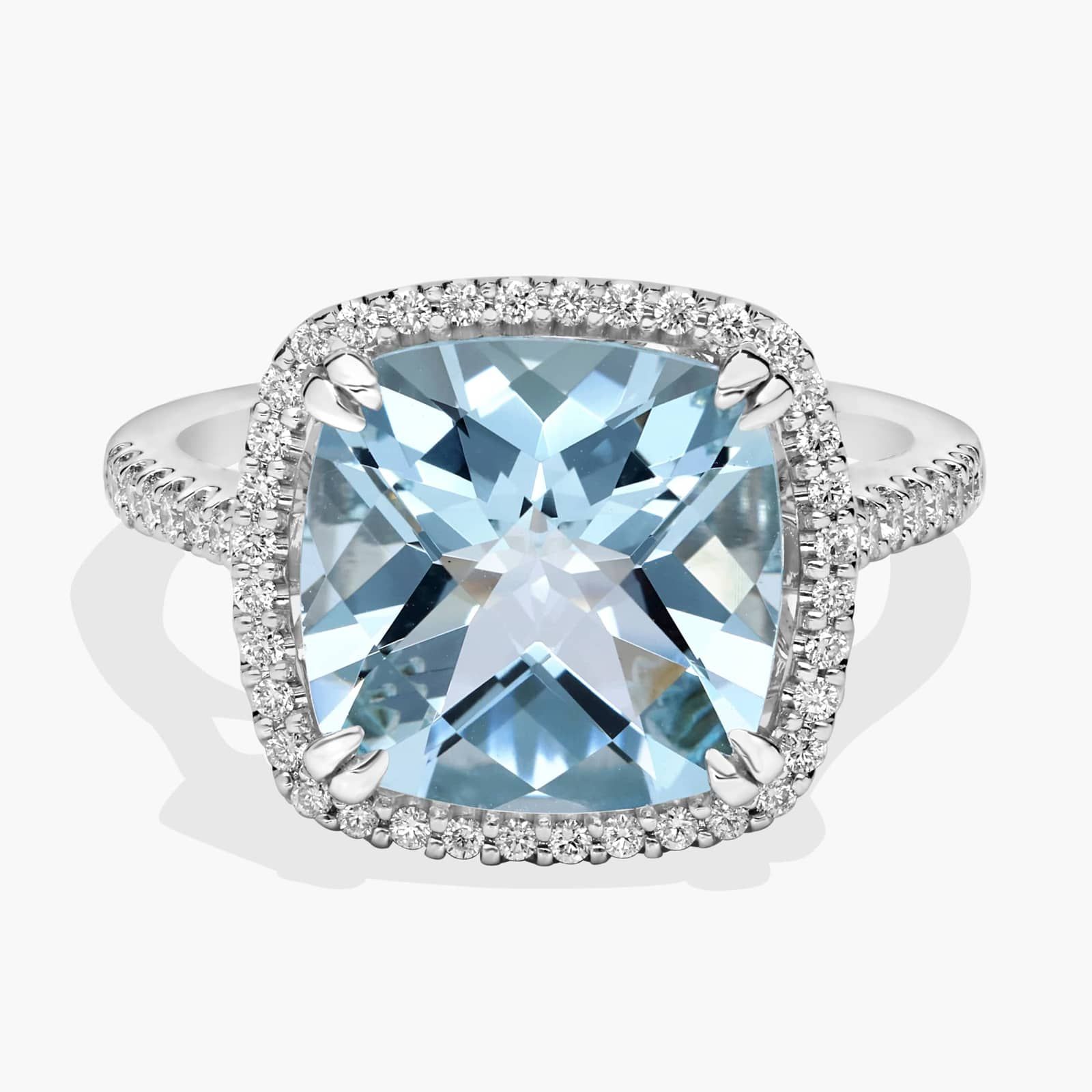
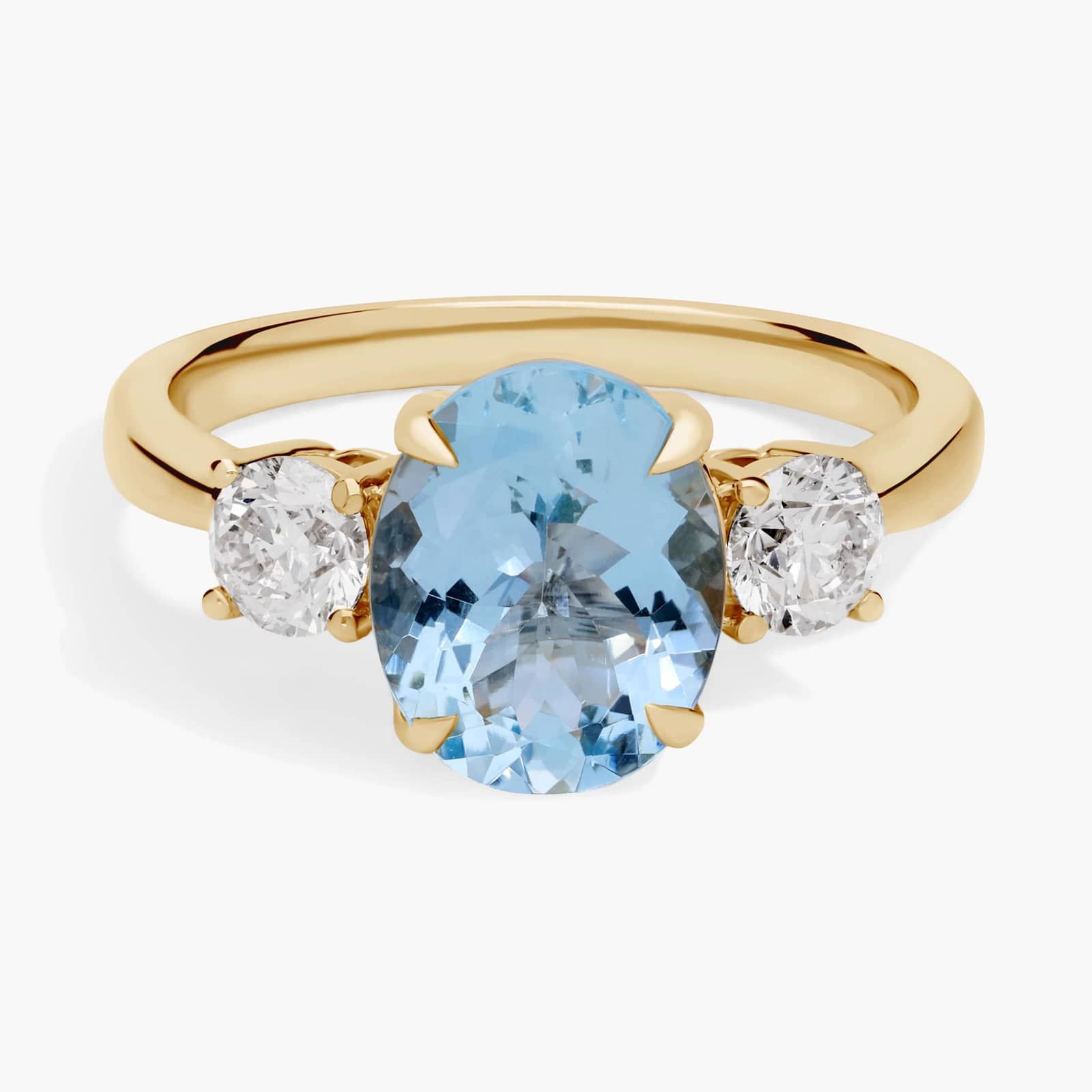
Many couples choose aquamarine because it provides a soft color without overwhelming the design. This makes it a beloved option among today’s diamond alternatives, especially for those who want something light and airy.
Aquamarine ranks 7.5 to 8 on the Mohs Scale of Hardness, making it a dependable choice with proper care. Its pale blue tone offers a calm, icy look that serves as a subtle alternative to diamonds.
9. Amethyst
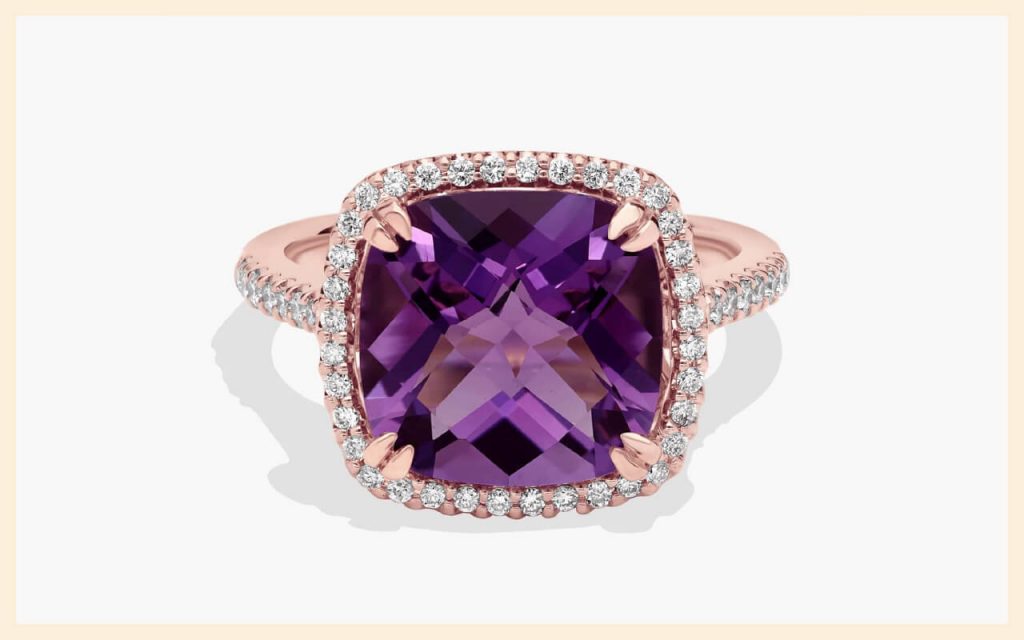
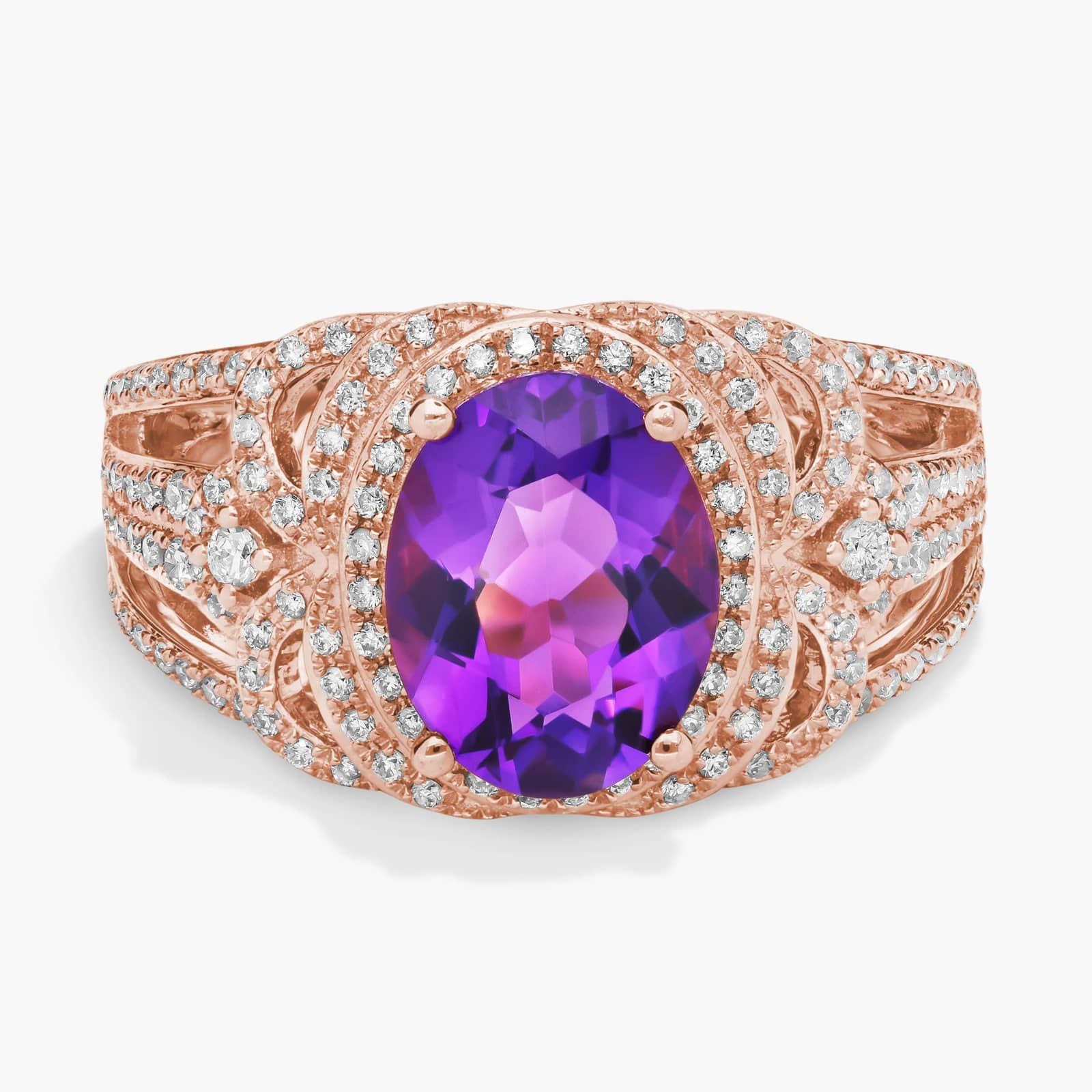
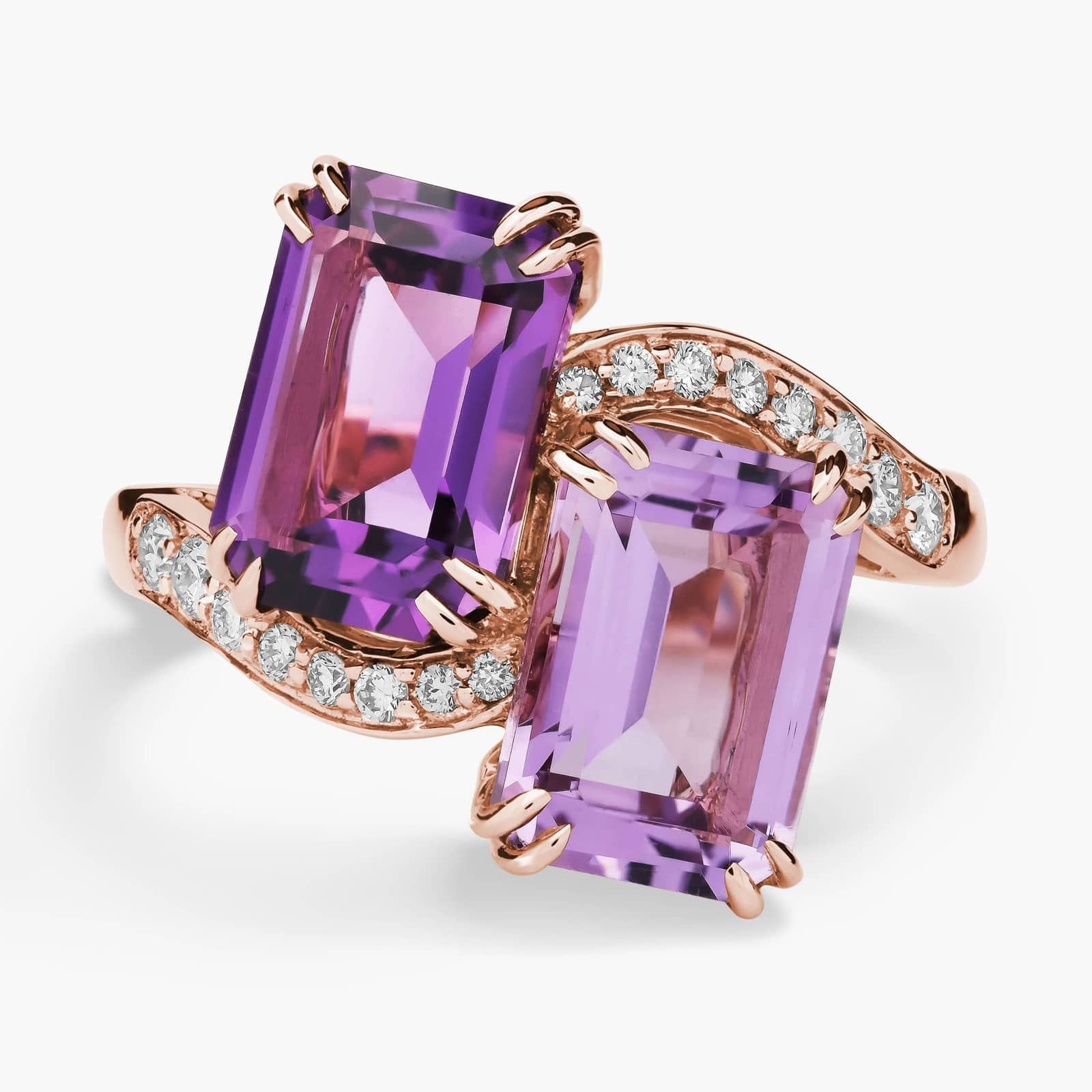
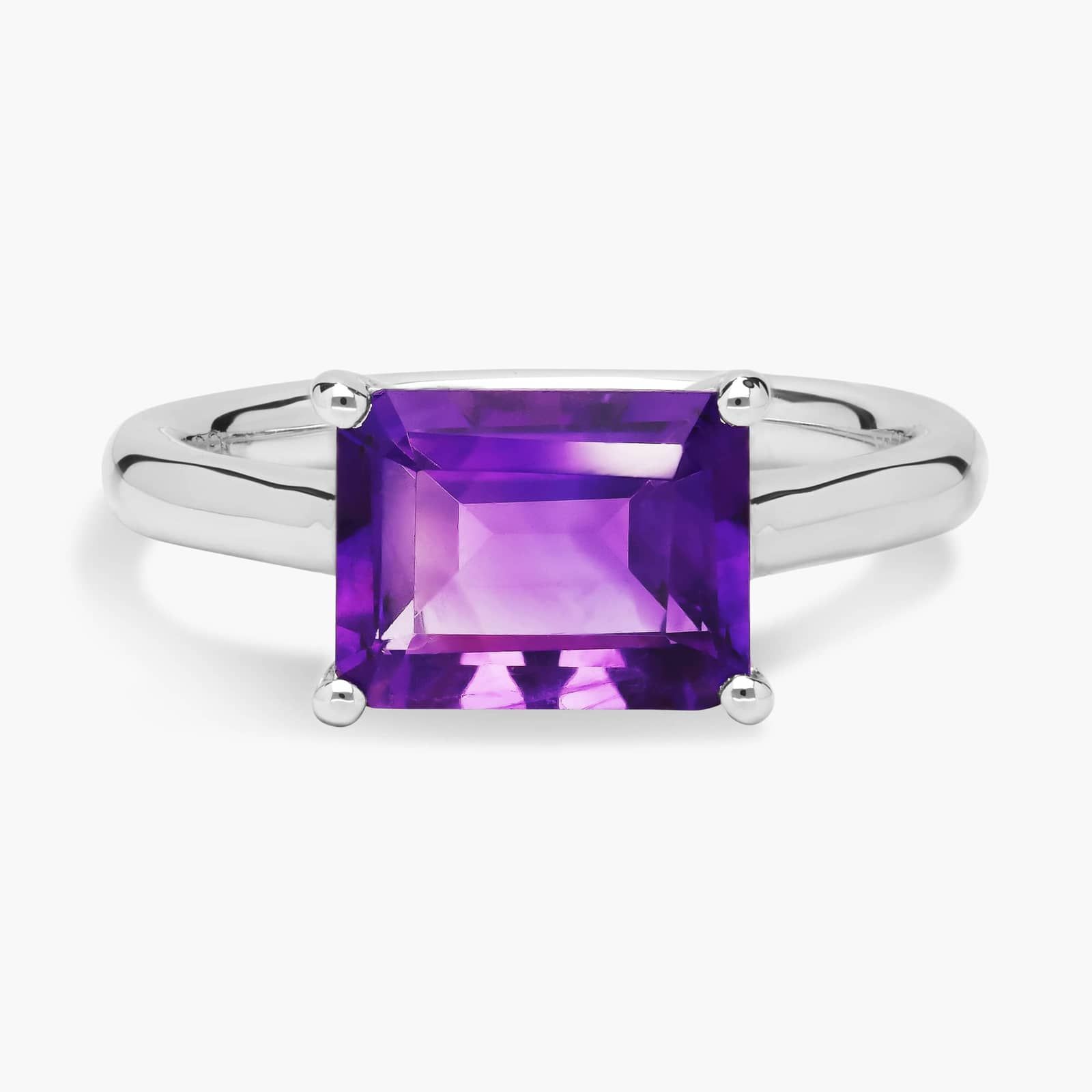
Amethyst ranks a 7 on the Mohs Scale of Hardness, offering moderate durability for engagement rings worn with care. It’s popular for its rich purple color, which makes any ring feel expressive and distinctive.
From deep plum to soft lavender, amethyst provides a wide range of purple hues to explore. Its versatility makes it appealing for people who want a gemstone that stands out without feeling overly bold. For a regal look, consider a setting in your perfect shade of gold.
10. Garnet
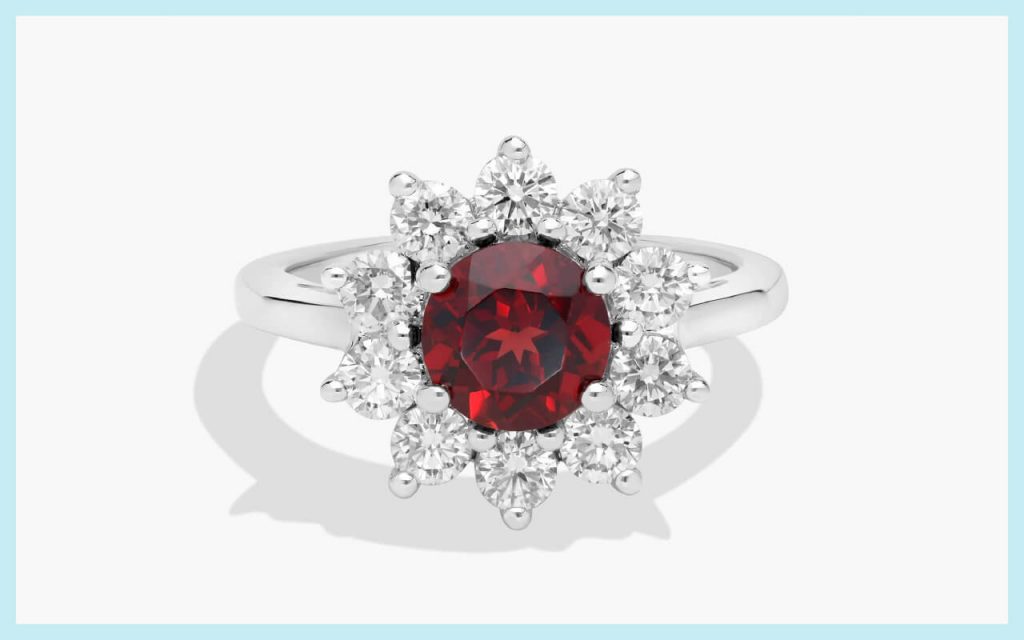
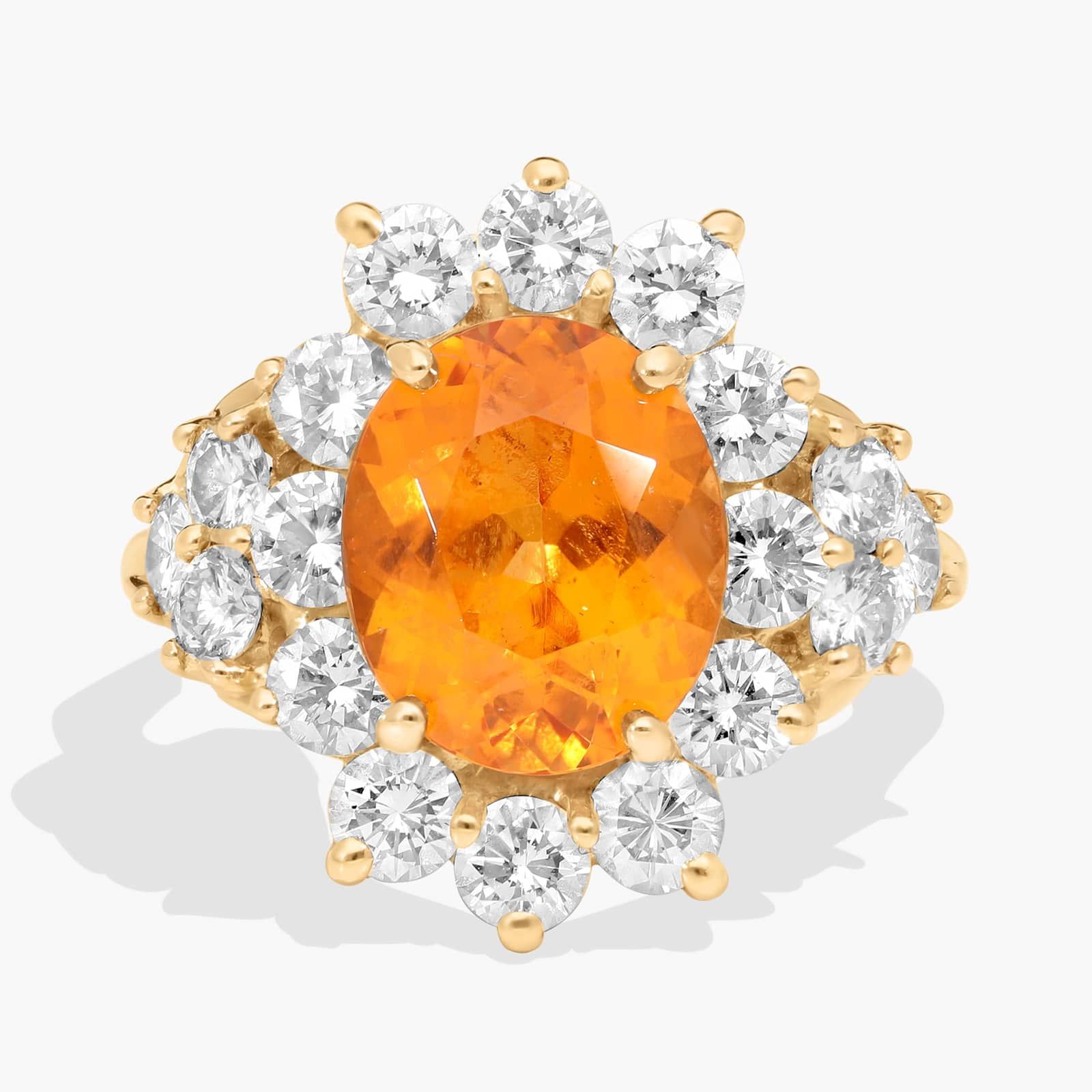
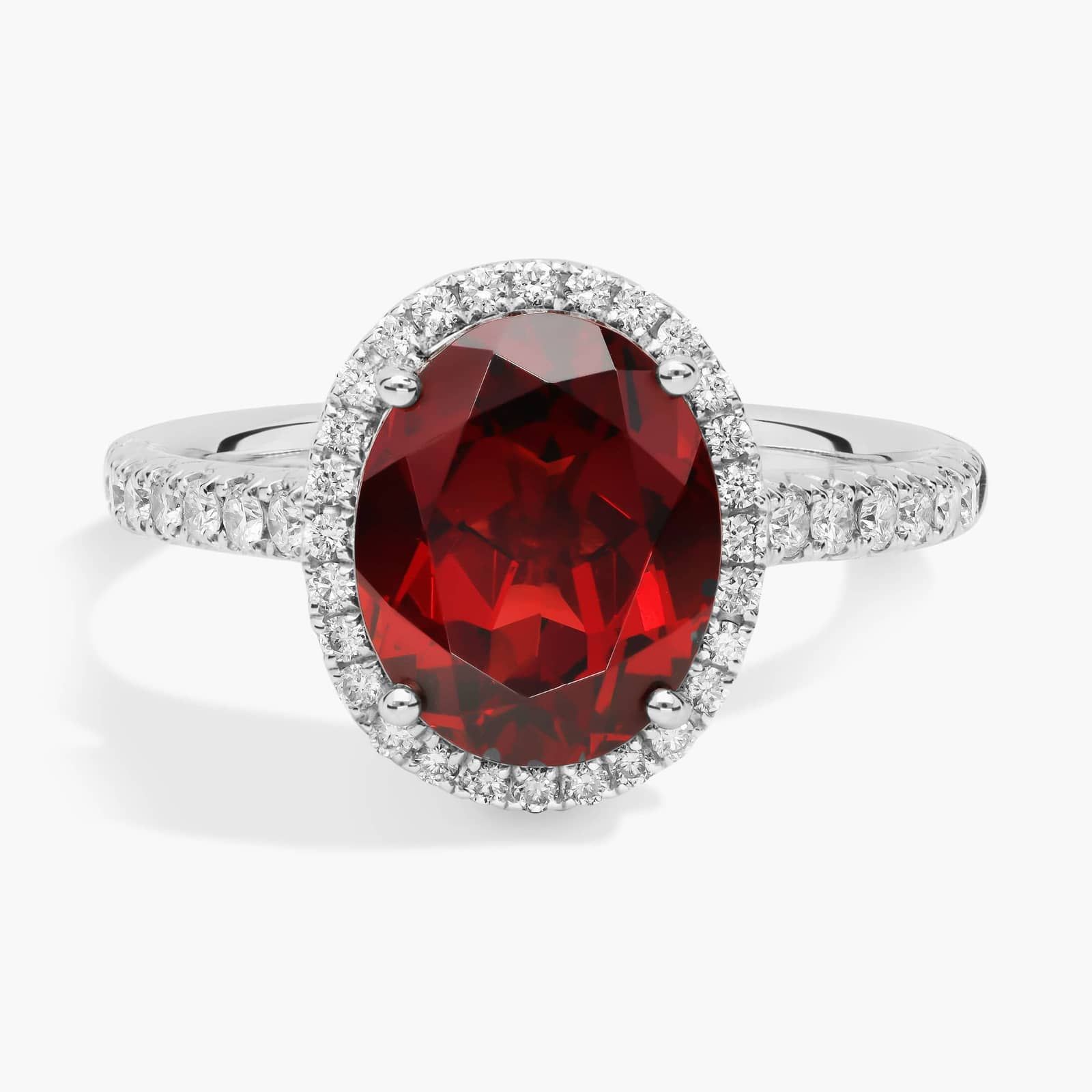
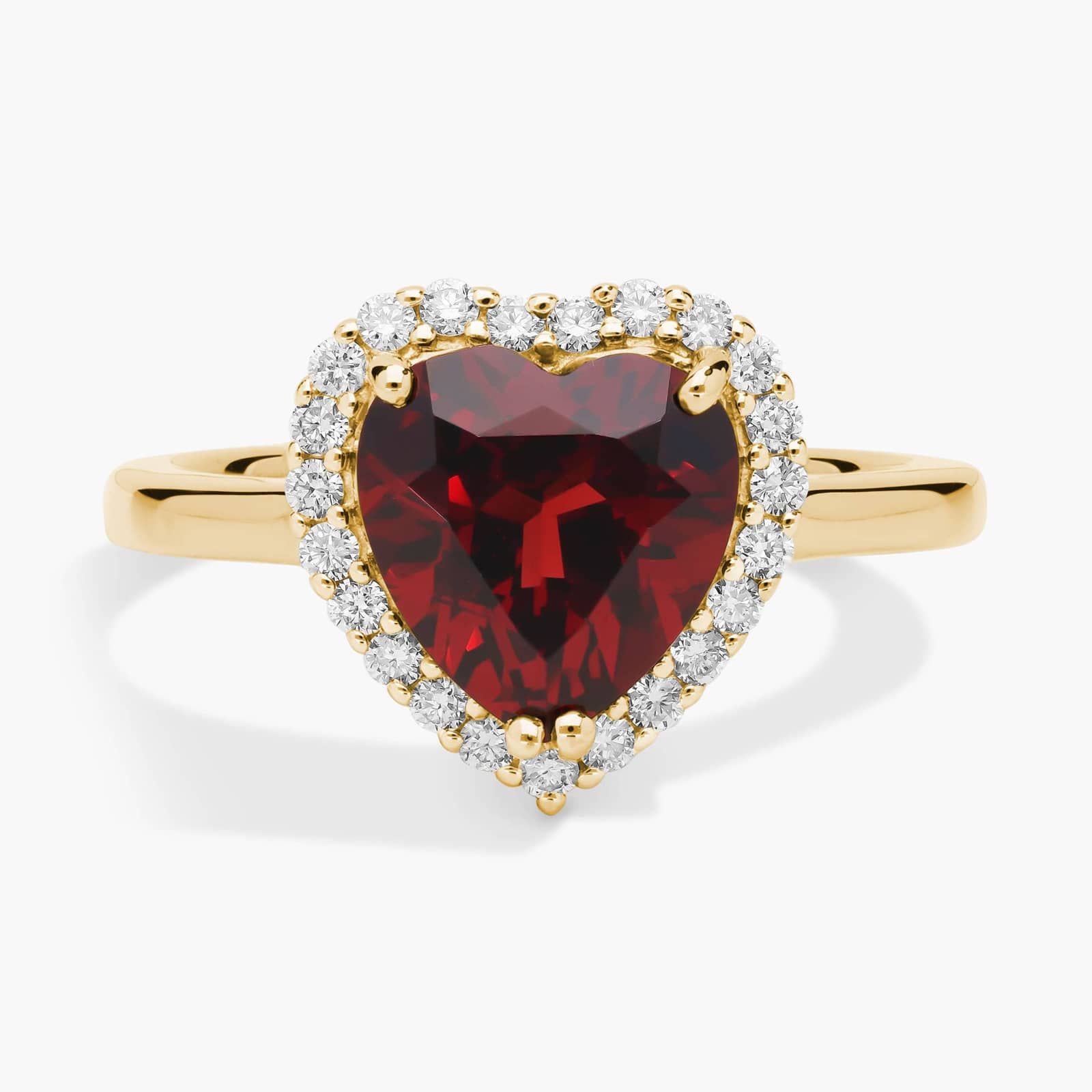
Garnets are popular for their warmer and moodier tones—from deep red to vivid orange—as well as their affordability when compared to rubies. They rank 6.5 to 7.5 on the Mohs Scale of Hardness, offering moderate durability with a wide range of bold, deep colors.
Garnet adds an earthy richness to engagement rings. Its color options allow you to choose between dramatic intensity or something softer, depending on your style. Garnet is especially fitting for those wanting alternative stones for engagement rings that feel classic yet vibrant.
Find Alternative Engagement Stones as Unique as Your Love Story with Blue Nile
Alternative engagement stones bring individuality, color, and personal meaning to your ring, making them a thoughtful choice for a one-of-a-kind proposal. Whether you prefer soft pastels, vivid hues or something in between, there’s a gemstone ring ready to match your vision.
When you’re ready to shop for the perfect pick, browse our curated collection of beautiful gemstone engagement rings.
FAQ
You should buy an alternative engagement stone if you want a ring with distinctive color, symbolic meaning or a look that feels different from traditional diamonds. These gemstone engagement rings can make your proposal feel more personalized for you and your partner.
The best alternative engagement ring stones include sapphire, emerald, ruby, aquamarine, morganite, amethyst, garnet, topaz and tanzanite because they offer durability, beauty and versatility across many styles.
Gemstones such as opals and pearls should generally not be used for engagement rings intended for daily wear because they’re more prone to scratching and damage. These stones are better suited for occasional pieces like earrings or necklaces.
You can know if your partner would like an engagement ring with an alternative stone by paying attention to the jewelry they already wear and the styles they naturally gravitate toward. Notice whether they prefer color over neutrals, vintage designs over classic ones or unique pieces over traditional settings.
If you’re still unsure, you can look at their saved posts on social platforms, browse rings together casually or ask a trusted friend or family member who knows their taste well.


Share




 Live Chat
 +1‑800‑242‑2728
 Email Us

