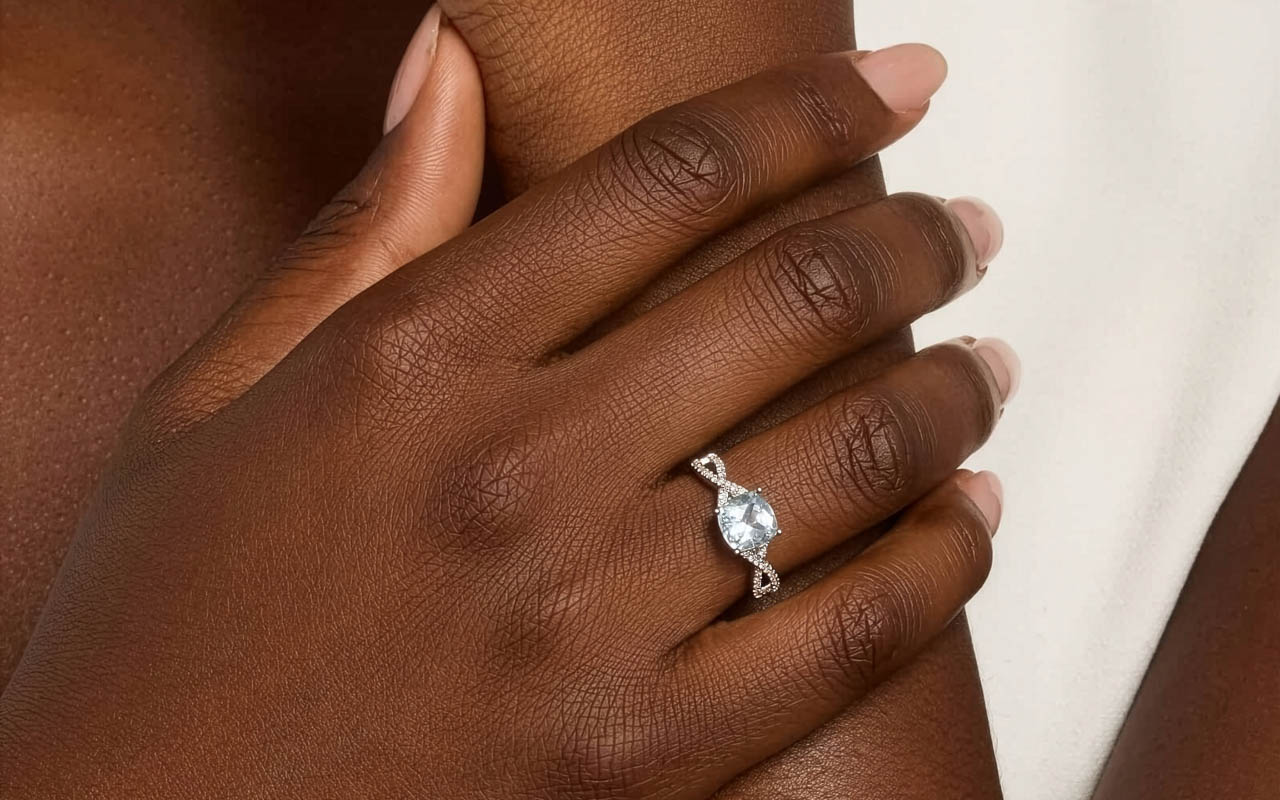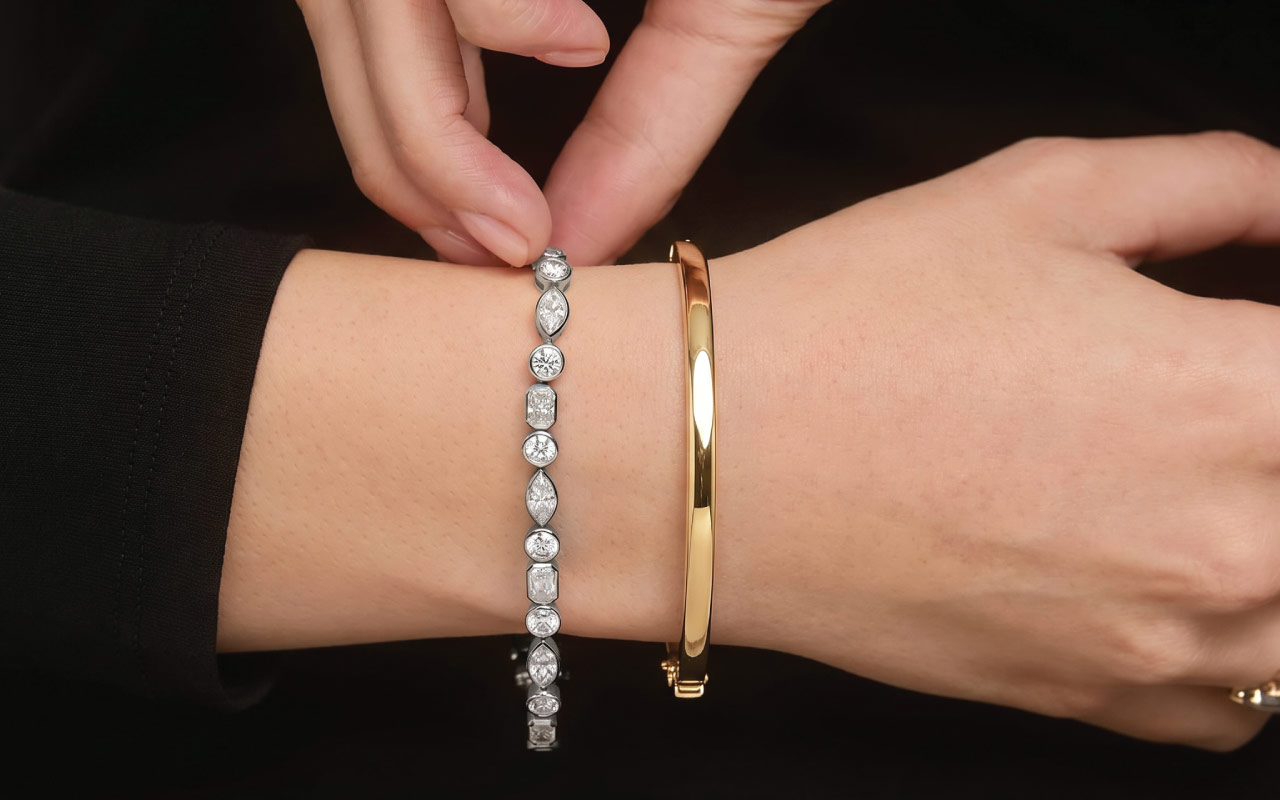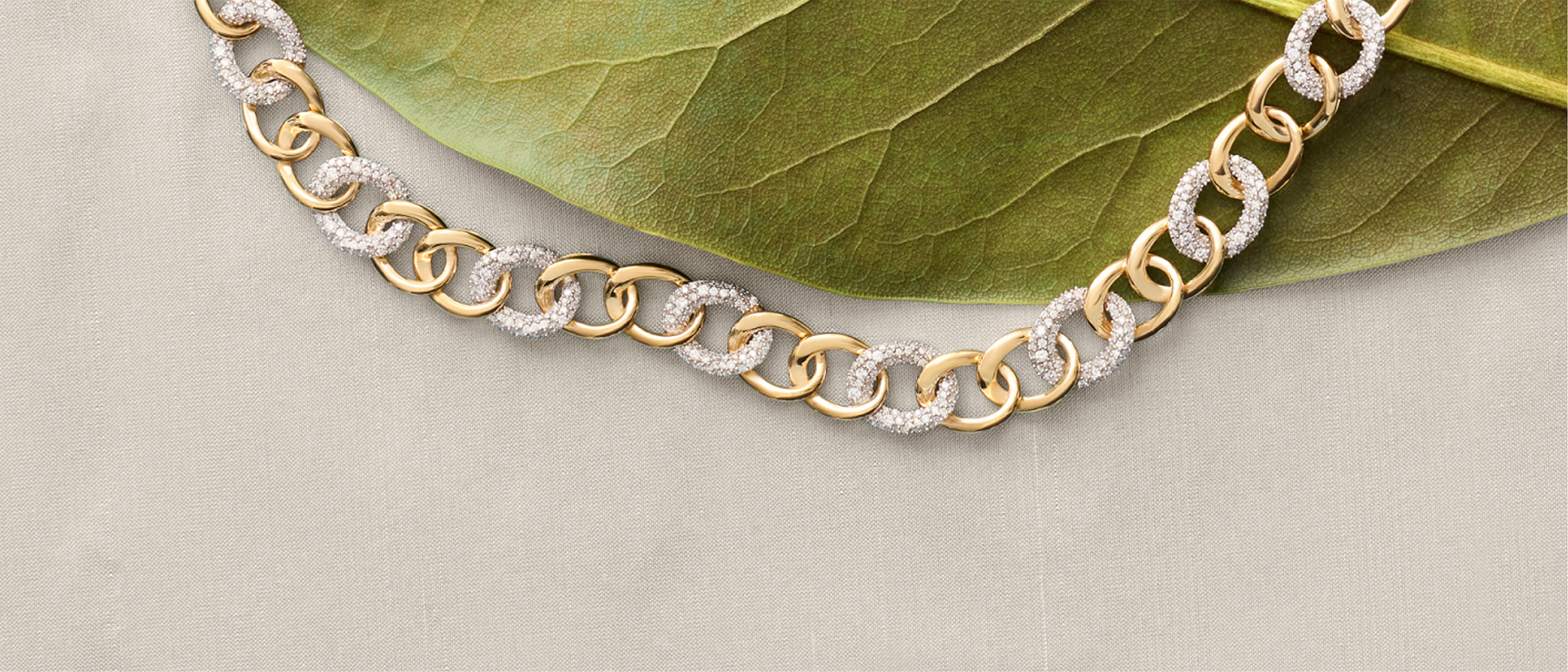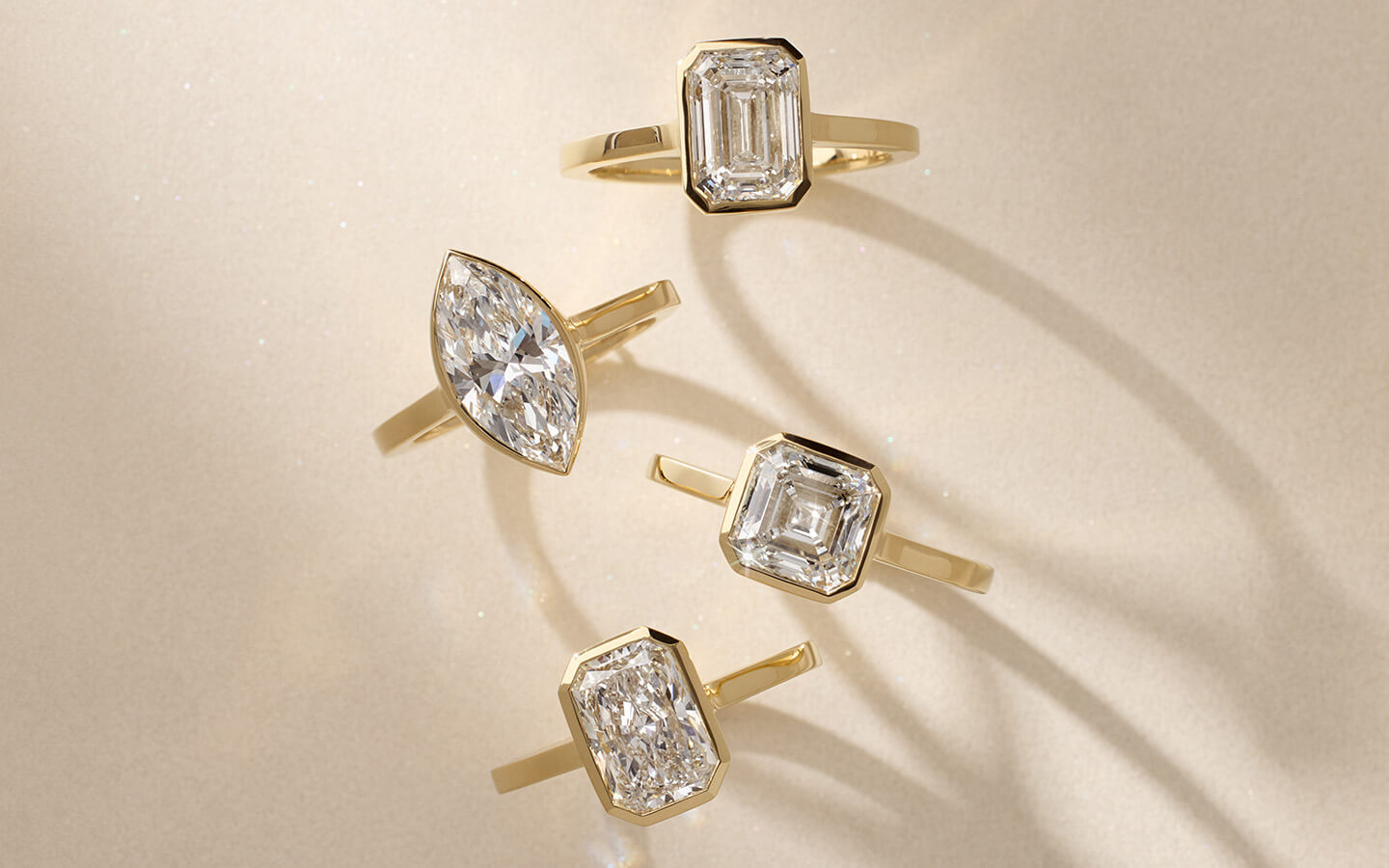
A bezel setting is a wraparound metal band, called a bezel, that encircles a diamond or gemstone instead of holding it in place with prongs. The full metal rim protects the stone’s edges and sits low enough for daily wear, though it covers more of the stone than prongs do, which lets in less light.
Bezel settings put a distinctive frame around a diamond or gemstone, giving jewelry a sleek look while keeping the stone securely in place. Bezel designs appear on engagement rings, necklaces, earrings, and bracelets, in styles ranging from full metal rims to half bezels.
Knowing how a bezel holds a stone makes it easier to choose a ring you can wear every day without worrying about a loose prong or a chipped edge. Whether you’re shopping for a gift or for yourself, we’ll walk you through the main bezel types, their pros and cons and what to consider when choosing one.
What is a Bezel Setting?
To define bezel settings simply, they are thin metal rims that wrap around the edge of a diamond or gemstone. In addition to changing a stone’s visual presentation, bezel settings also hold the stone in place and reduce the likelihood of damage from chips or cracks.
Types of Bezel Setting
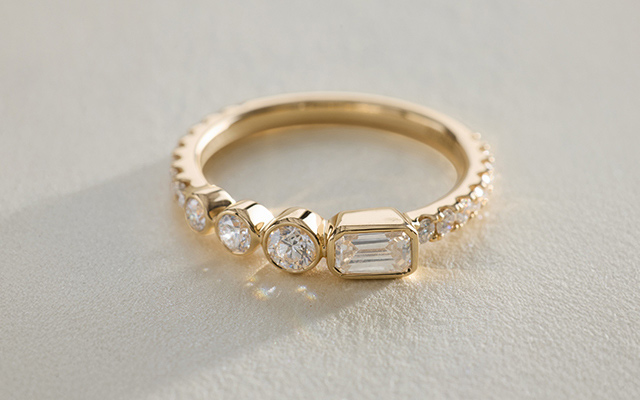
Ring settings come in several styles, each designed to hold and showcase a center stone differently. Bezel settings are one of them, and they can fully surround the stone or leave part of it exposed. Here are the two main bezel styles you’ll come across:
A full bezel wraps a continuous band of metal completely around the edge of the center stone. A half bezel (partial bezel) covers only part of the stone’s edge, leaving the rest of the stone exposed.
You may also see terms like flush, low-profile, channel or bar setting mentioned alongside bezel settings. These styles use a similar embedded or wraparound technique.
Pros of Bezel Setting
The continuous metal band in bezel settings brings several benefits. Key advantages of bezel jewelry include:
- Added security that keeps center stones in place
- Lower risk of damage from snags or hard knocks
- Extra protection for softer gemstones
- A low profile that’s comfortable for everyday and active wear
- A streamlined, sleek look
- Simple upkeep compared to other setting styles
Low-profile comfort and stone protection are the most commonly cited benefits of bezel settings. Since bezel settings skip prongs, they’re less likely to snag or bend during daily wear, and the metal band helps guard softer gemstones against everyday bumps.
Cons of Bezel Setting
Bezel settings come with a few tradeoffs worth keeping in mind. Potential considerations include:
- Less brilliance compared to prong settings
- Higher costs in some cases due to added metal
- Limited options for resizing
Which tradeoffs matter most depends on what you’re looking for. If durability and a low profile are priorities, a bezel setting is worth considering. If maximum sparkle or easier resizing matter more, another setting style may be a better fit.
Where Did Bezel Settings Come From? A Quick History
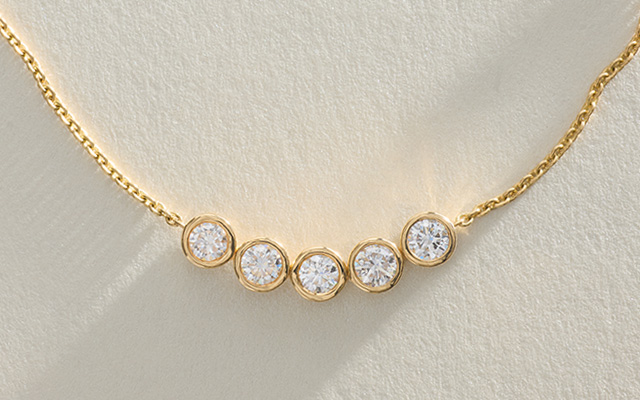
Bezels are one of the oldest setting styles, dating back to Ancient Egypt and Greece, where wraparound metal secured gemstones in some of the earliest known jewelry designs.
Bezel settings appeared throughout jewelry history, from Victorian pieces to Art Deco designs. Wraparound bezels were especially common for the cabochon gemstones and paste gems in fashion during the 18th and 19th centuries.
Trends have shifted over time, but bezel settings have remained in continuous use. Today, they continue to appear in engagement rings and other fine jewelry designs.
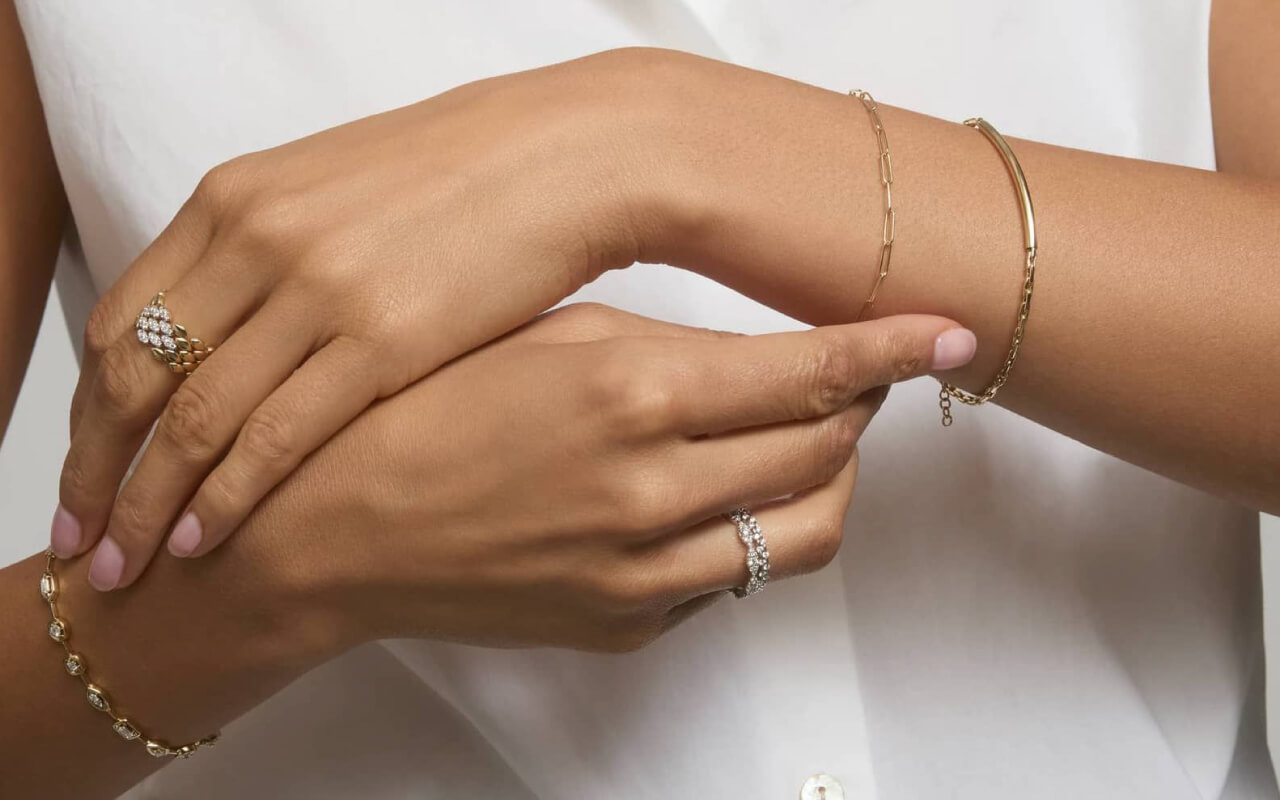
You’ll find bezel settings used across engagement rings, wedding bands, tennis bracelets, stacking rings and diamond jewelry of many kinds.
Popular Bezel Setting Designs
Bezel settings are popular for engagement rings, necklaces and earrings, with designs ranging from fully enclosed stones to more open styles. The metal can also vary, with yellow gold, white gold and platinum offering different looks.
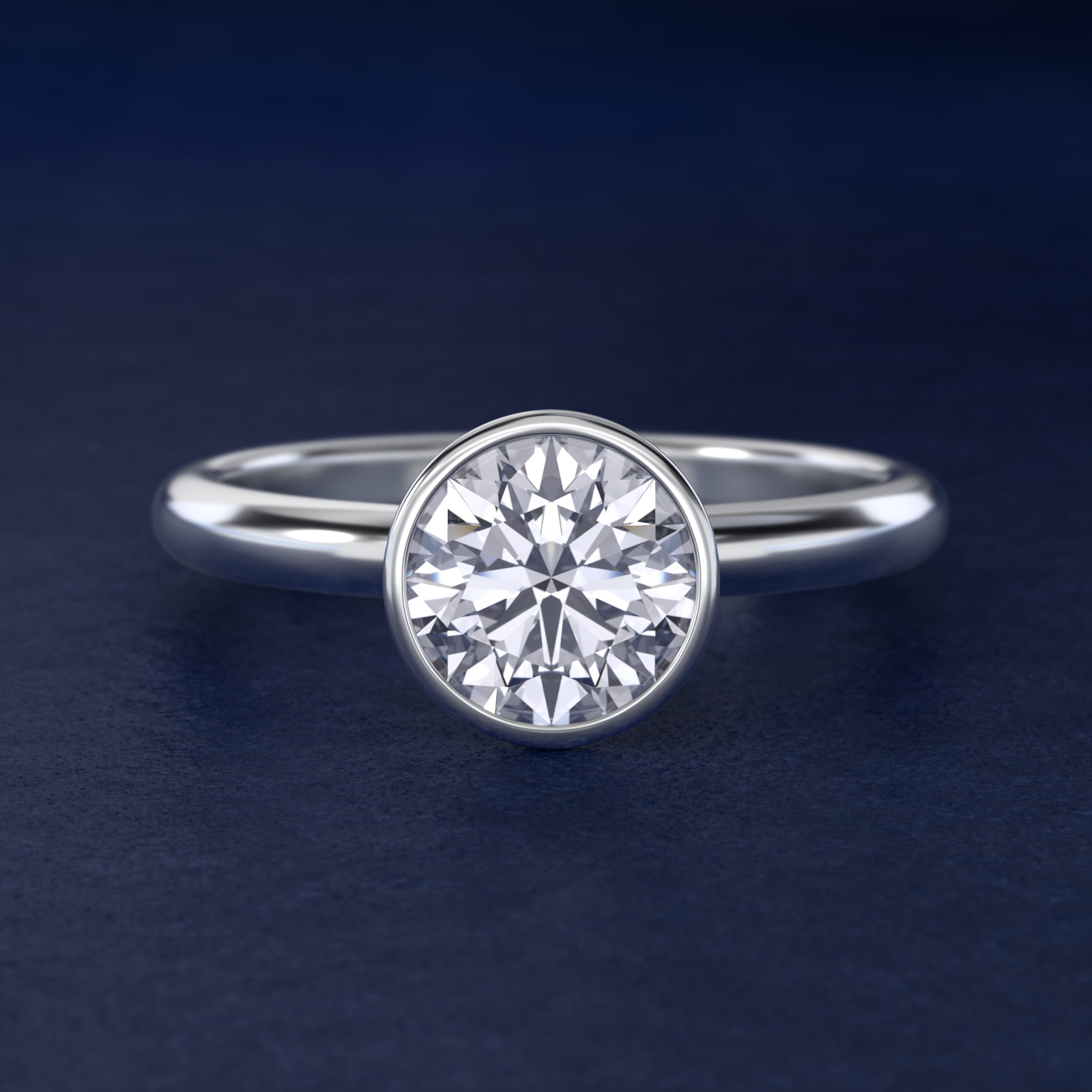
Bezel setting engagement rings are a common choice, often featuring a solitaire diamond surrounded by a smooth metal rim. The style also works with vintage-inspired designs and men’s engagement rings. Compared with prong settings, bezels provide more coverage around the stone and a more streamlined look.
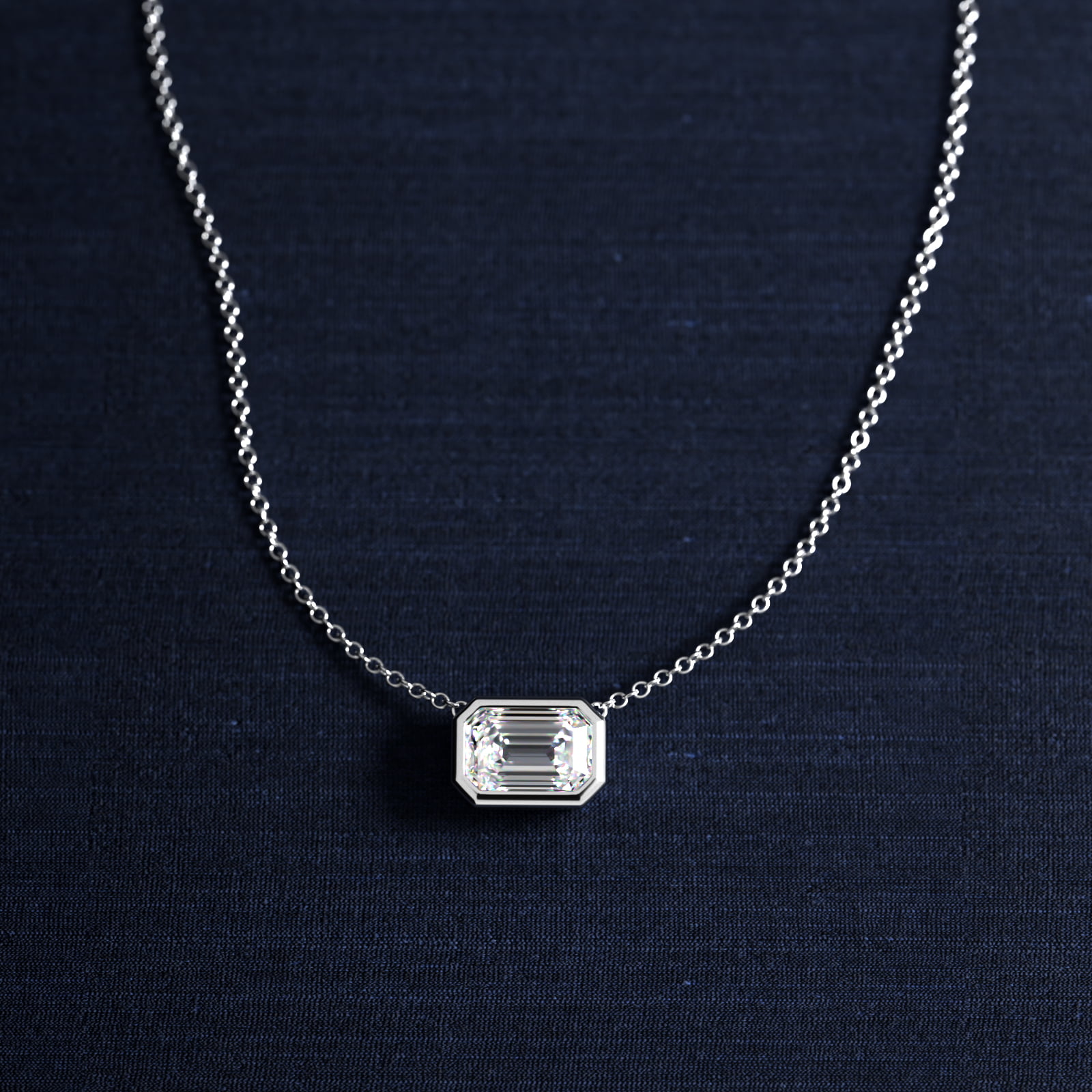
Bezel necklaces often feature a round diamond in a classic pendant design, while an east-west emerald cut diamond can give the setting a more contemporary feel.
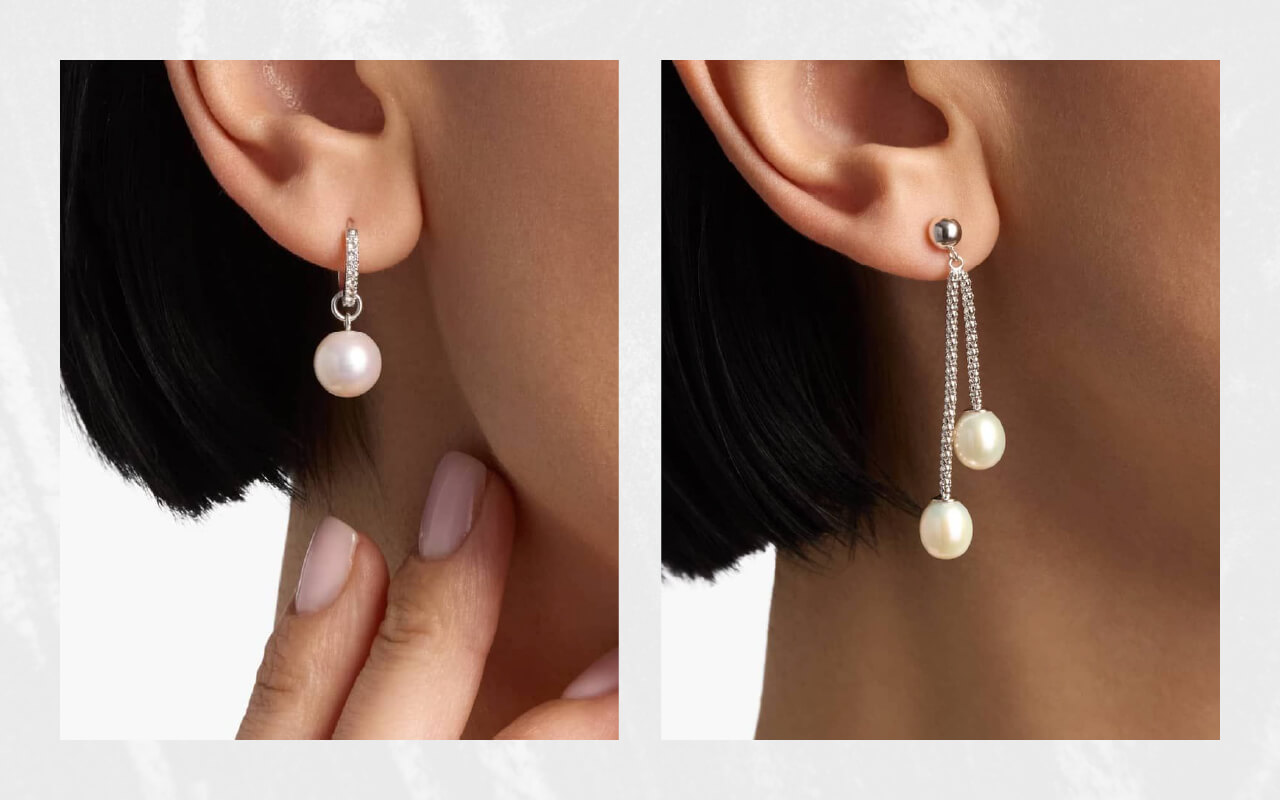
Bezel earrings are another popular option. Diamond studs with white gold, yellow gold or platinum bezels offer a secure, everyday design.
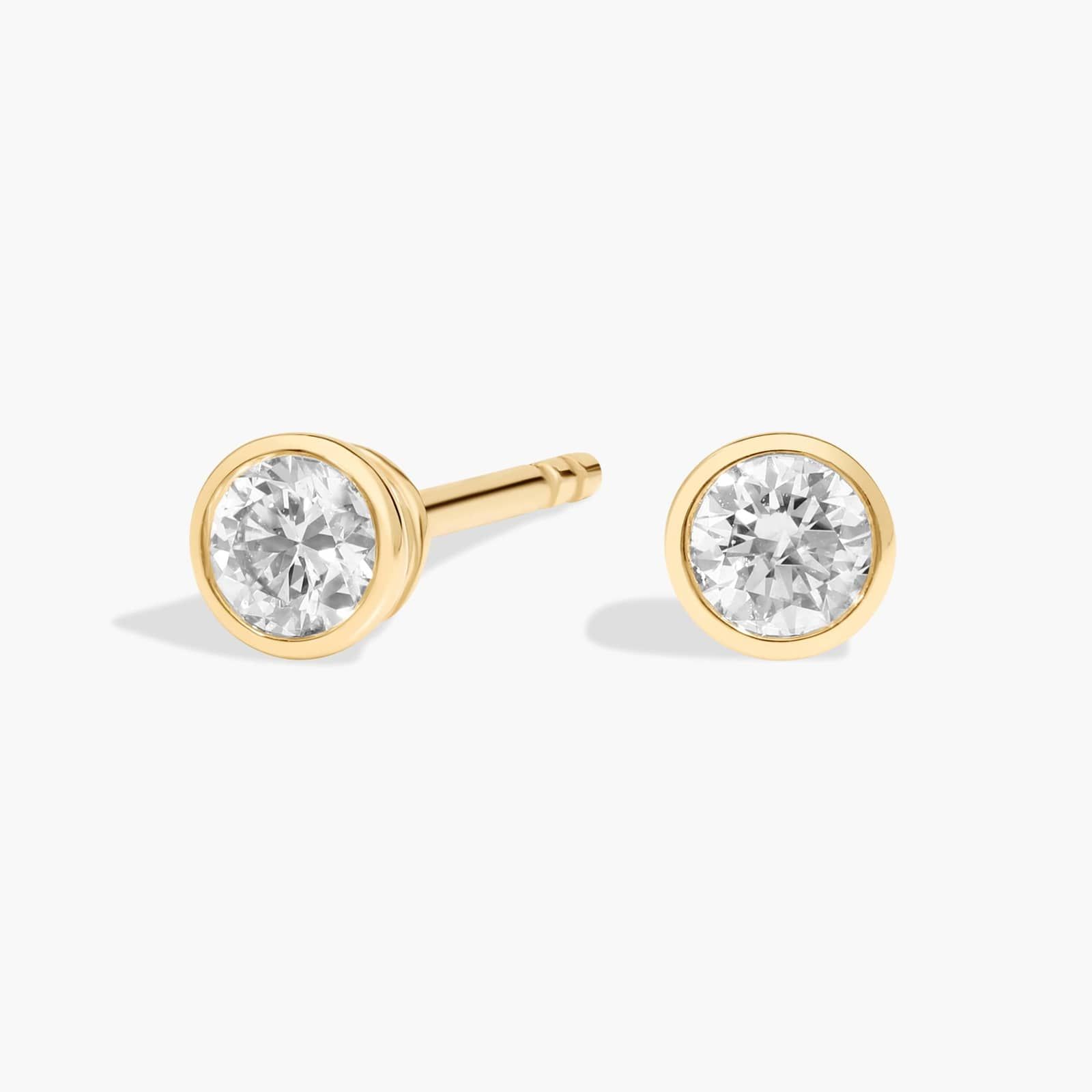
Bezel Set Diamond Stud Earrings In 14K Yellow Gold (1/4 Ct. tw. – H-I / SI1-SI2)
Shop Bezel EarringsFind Artisan Bezel Jewelry at Blue Nile
The right bezel setting can change the entire feel of a piece, from the clean, sculptural look of a full bezel to the lighter profile of a half bezel. The easiest way to decide is to see the two side by side in the metal and stone shape you’re actually considering.
Explore Blue Nile’s collection of bezel set jewelry to find a style that suits your stone, metal and budget, then shop online or visit one of our stores to see the settings in person.
Frequently Asked Questions
A bezel setting is a strong fit if you want a secure, low-profile design that protects more of the stone’s edges. It also creates a clean, streamlined look that works well for everyday wear. If you prefer more visible stone and maximum light exposure, a prong setting may be a better match.
Yes. Bezel settings are a popular choice for engagement rings and everyday jewelry, particularly for their secure, streamlined design. They are leading the design of women’s and men’s engagement rings.
A bezel setting holds a diamond or gemstone in place with a rim of metal that surrounds its edges. The metal can fully encircle the stone or partially frame it, creating a secure setting with a smooth, low-profile look.
Yes, some bezel settings can cost more than other engagement rings. This is due to the higher metal content and more nuanced design of these rings. Still, there are many bezel engagement rings available for a variety of budgets.
The 4Cs of diamonds are color, cut, carat, and clarity. Each influences a bezel engagement ring’s beauty, brilliance and price.
You can use our ring sizer and size conversion chart.
The bezel setting fits many diamond and gemstone shapes, including round, marquise, emerald, radiant, and cushion. The best shape is one that matches the wearer’s style.
Yes, bezel engagement rings can be customized in several ways. You can choose the diamond or gemstone, metal, bezel style and overall ring design to create a setting that fits your preferences.
A half bezel engagement ring uses the bezel wrap for only a portion of the center gemstone instead of encircling the entire gemstone. Half bezel ring designs vary from open bezels to bezels only on the corners of the center gemstone.0


Share