


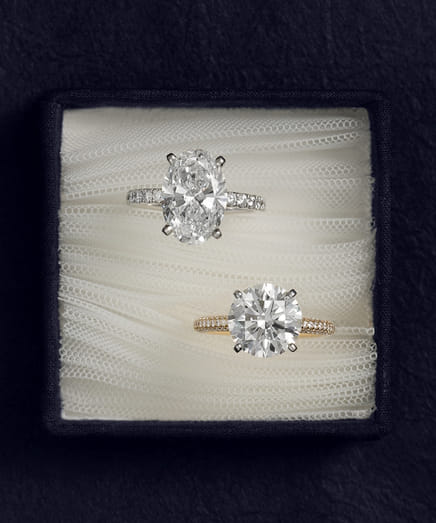




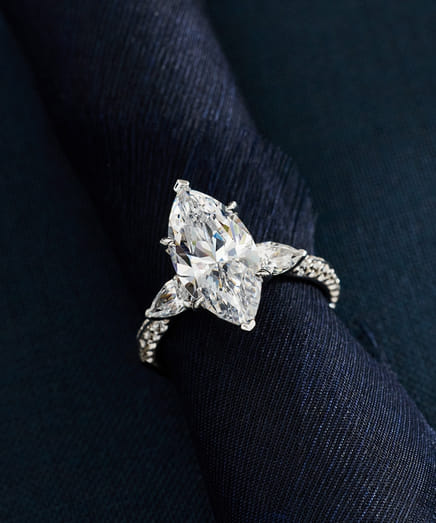
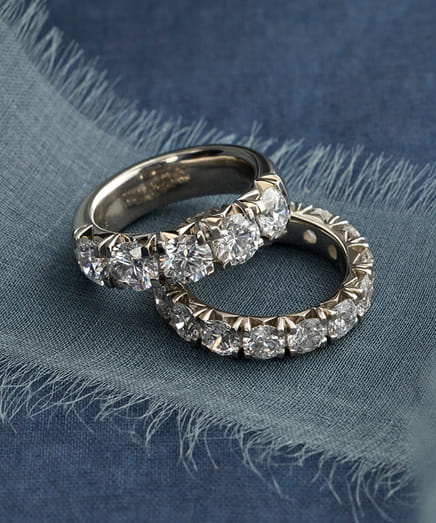
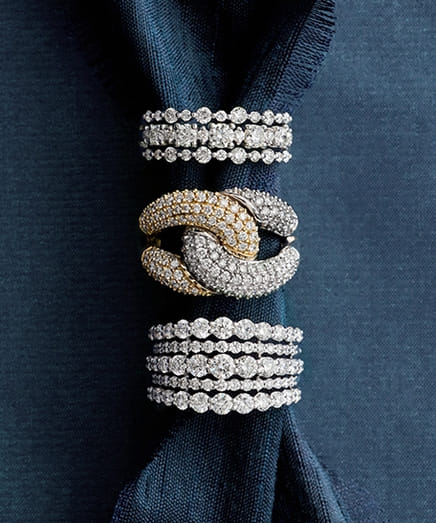










A cathedral ring setting is an engagement ring design in which the band arches upward to elevate the center diamond or gemstone, creating a graceful structure reminiscent of cathedral architecture. The most common types of cathedral ring settings include classic, halo, vintage-inspired and pavé designs.
You can bring the beauty of cathedrals to meaningful jewelry with a cathedral ring setting for your main stone. A cathedral engagement ring draws inspiration from classic architecture, using a raised setting to raise the height of diamonds or gemstones. It often has arches that rise around the setting, emulating the features of classic cathedral ceilings.
There are many types of ring settings, particularly in the cathedral style, each offering a different look and level of stone security. This guide will walk you through nine cathedral settings; one might be your perfect choice for the unique engagement ring you have in mind.
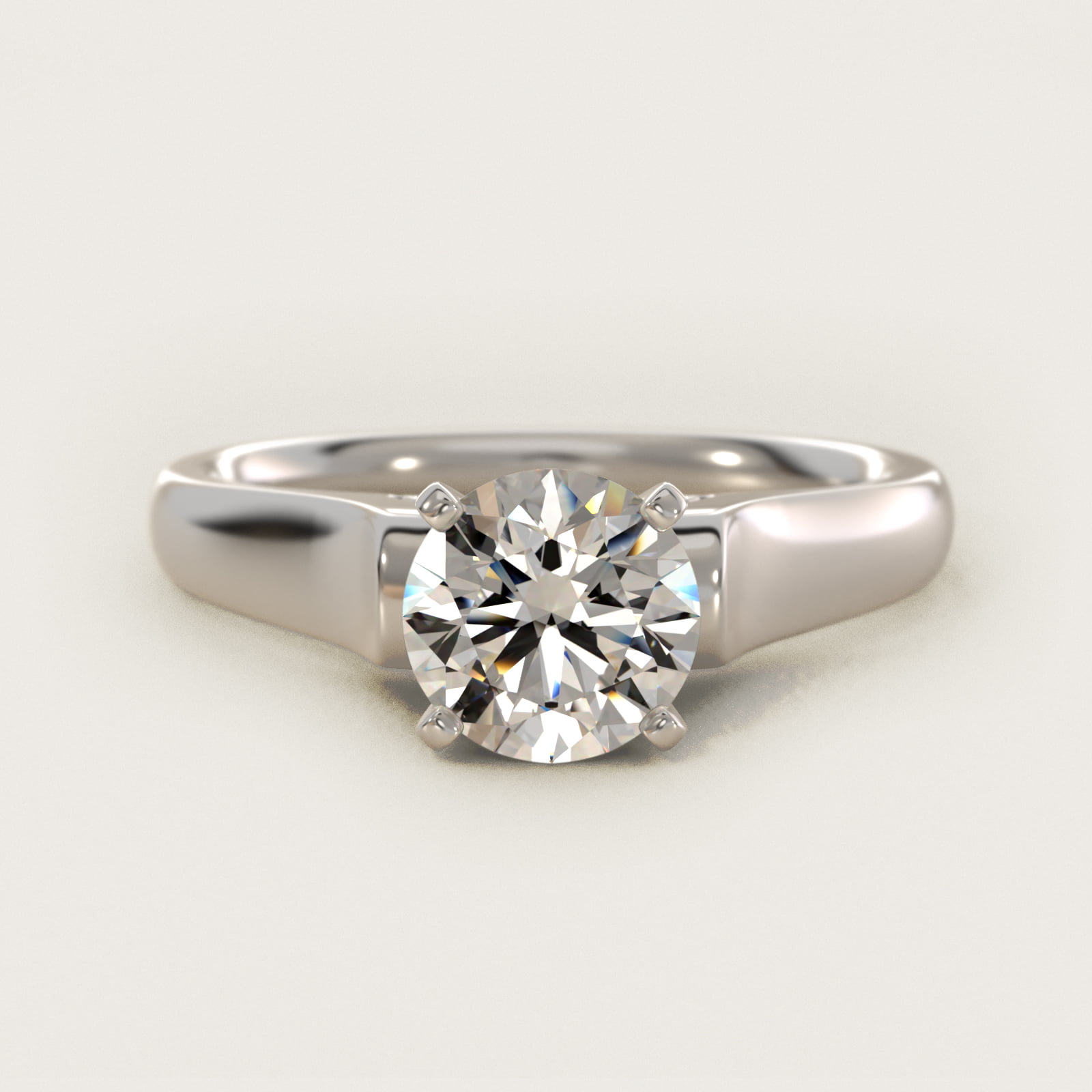
ZAC ZAC POSEN Cathedral Solitaire Plus Diamond Engagement Ring in 14k White Gold
Shop Cathedral Rings
1. Classic Cathedral
The classic cathedral setting features smooth arches rising from both sides of the band to support the central stone. These graceful curves create a balanced, symmetrical look that draws attention upward toward the diamond.
Traditional prong settings are often used with this design, allowing light to reach the diamond from multiple angles. The result is a refined engagement ring style that feels timeless without appearing overly ornate.
With its simplicity and structural strength, it’s no wonder the classic cathedral engagement ring style is among the most widely chosen.
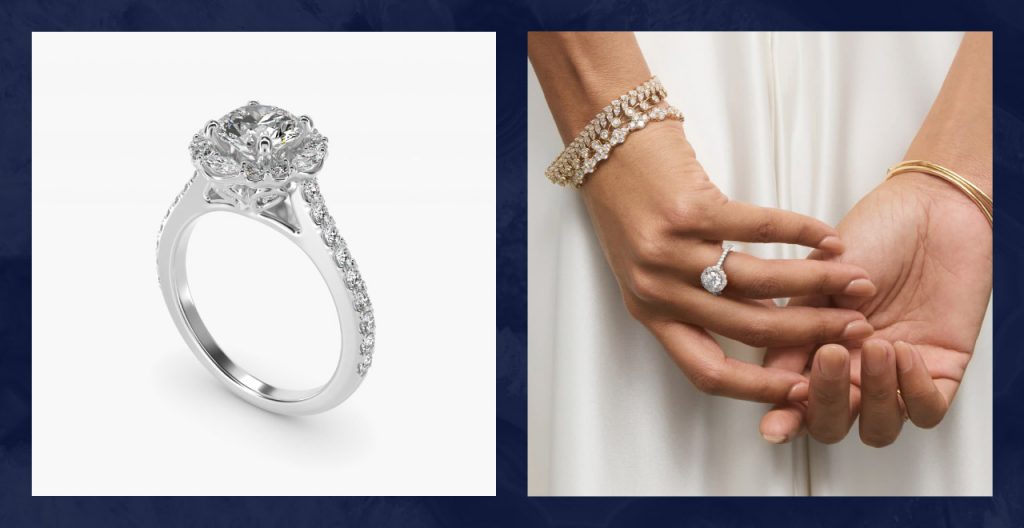
2. Halo Cathedral
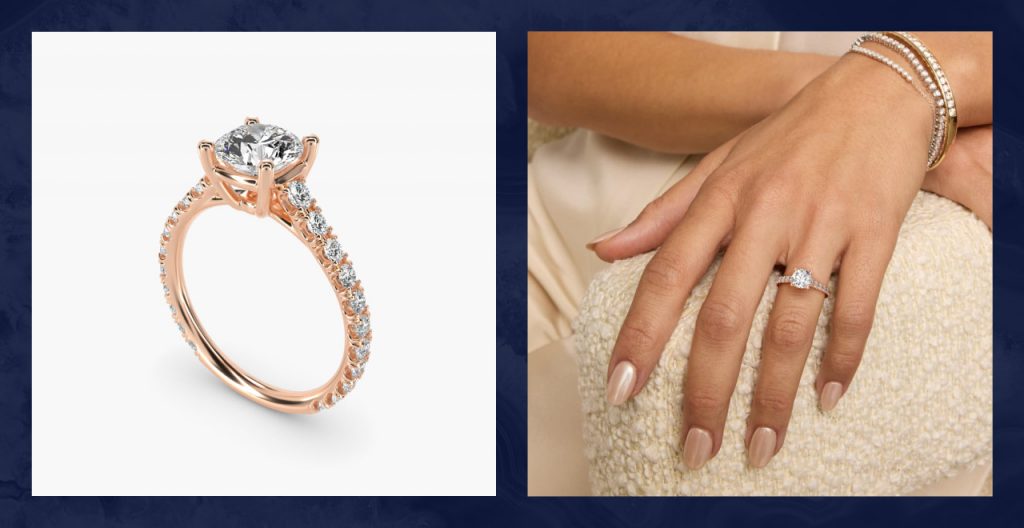
A halo cathedral combines raised cathedral arches with a halo of smaller diamonds surrounding the center stone. The halo amplifies the visual presence of the center diamond, while the cathedral arches lift the design for added dimension.
This type of cathedral setting engagement ring is ideal for those who want extra brilliance and a slightly more decorative look. The halo frame also makes the center diamond appear larger when viewed from above.
The result is a ring that blends architectural elegance with high visual impact.
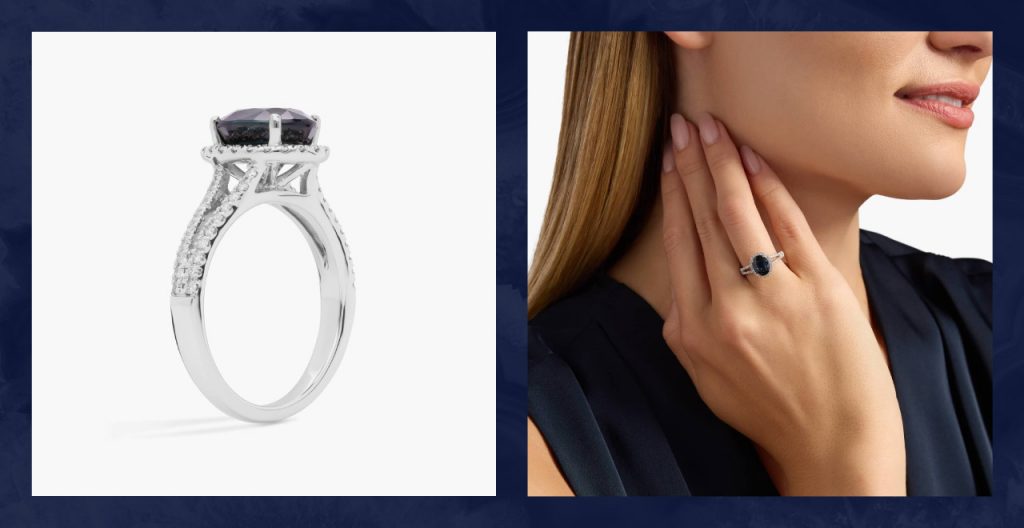
3. Split-Shank Cathedral
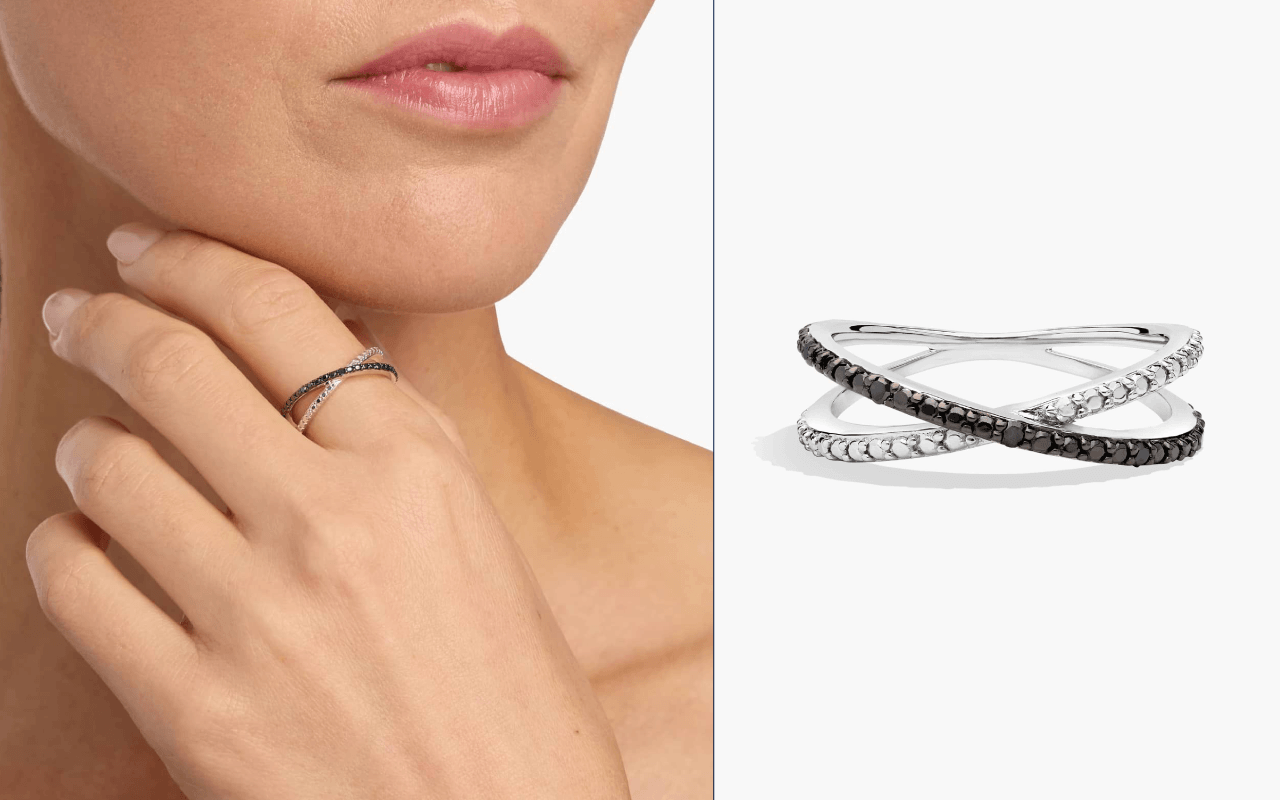
A split-shank cathedral setting features a band that divides into two strands as it approaches the center stone. These split strands often connect with the cathedral arches, creating an open, sculptural design.
This structure adds visual interest while still supporting the elevated center stone. Some split-shank cathedral rings also incorporate pavé diamonds along the band for added radiance.
The split shank style offers a contemporary interpretation of a cathedral style engagement ring, making it popular among those seeking a modern twist on a classic setting.
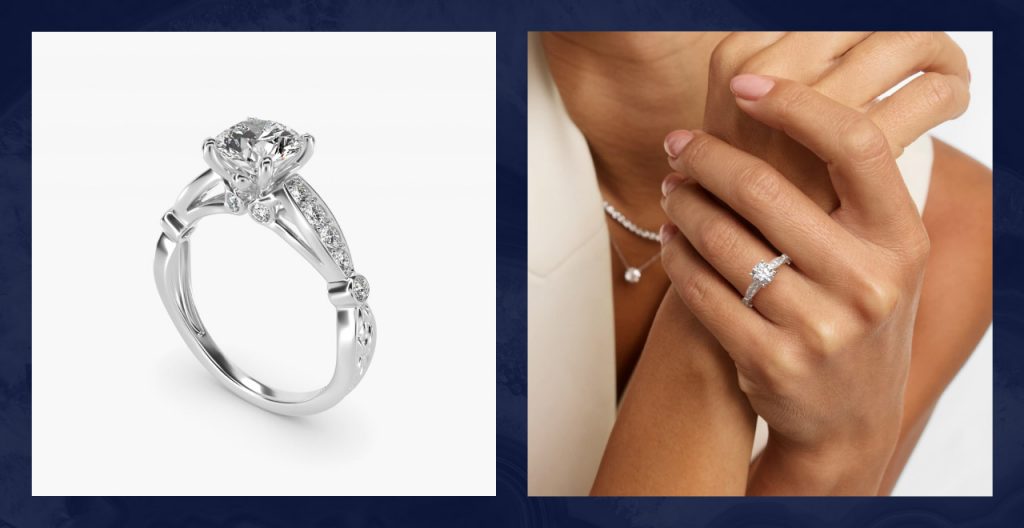
4. Vintage-Inspired Cathedral
A vintage-inspired cathedral setting incorporates antique details such as milgrain edges, filigree patterns, engraved bands and pavé gemstones. These decorative elements echo ring designs from earlier eras, including Victorian and Art déco periods.
The cathedral arches complement these vintage elements by elevating the center stone and adding graceful structure to the design. Together, they create a romantic aesthetic that feels both historic and timeless.
This style appeals to those drawn to heirloom-inspired jewelry and intricate craftsmanship.
5. Basket Cathedral
The basket cathedral setting includes a basket-shaped structure beneath the center diamond. The basket typically consists of multiple prongs that connect beneath the stone, providing extra support.
When combined with cathedral arches, the basket design enhances stability while allowing light to enter the diamond from the sides. This can improve the stone’s light performance and overall brilliance.
For many buyers, the basket cathedral provides a strong balance between elegance and durability.
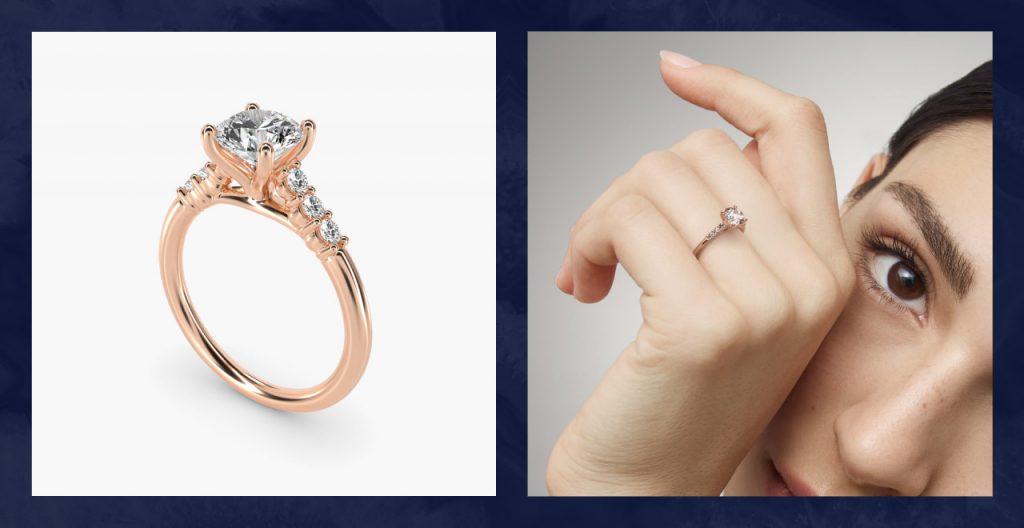
6. Solitaire Cathedral
A solitaire cathedral focuses entirely on a single center stone without additional side diamonds. The cathedral arches elevate the diamond and naturally guide the eye toward it.
Because the design is minimal, the diamond’s cut, clarity and carat weight become the central visual features. This simplicity makes solitaire cathedrals one of the most enduring engagement ring styles.
For buyers who want a refined and understated look, the solitaire cathedral offers classic appeal.
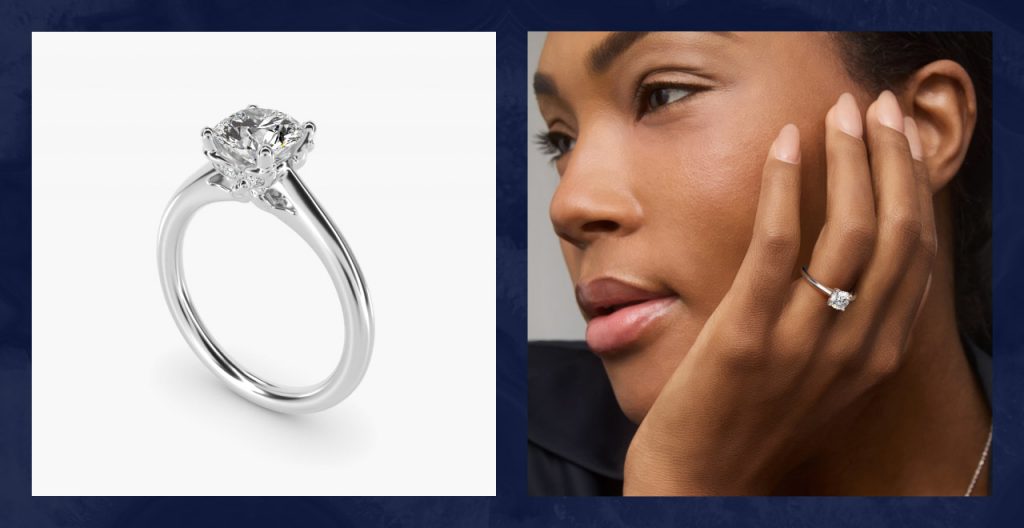
7. Bezel Cathedral
A bezel cathedral setting surrounds the center stone with a thin metal rim instead of prongs. The bezel secures the diamond while the cathedral arches still elevate it above the band.
This combination creates a sleek and contemporary look while providing excellent protection for the stone. Bezel settings offer high security because the metal rim shields the diamond’s edges.
As a result, those who prioritize durability and modern design are partial to this style.
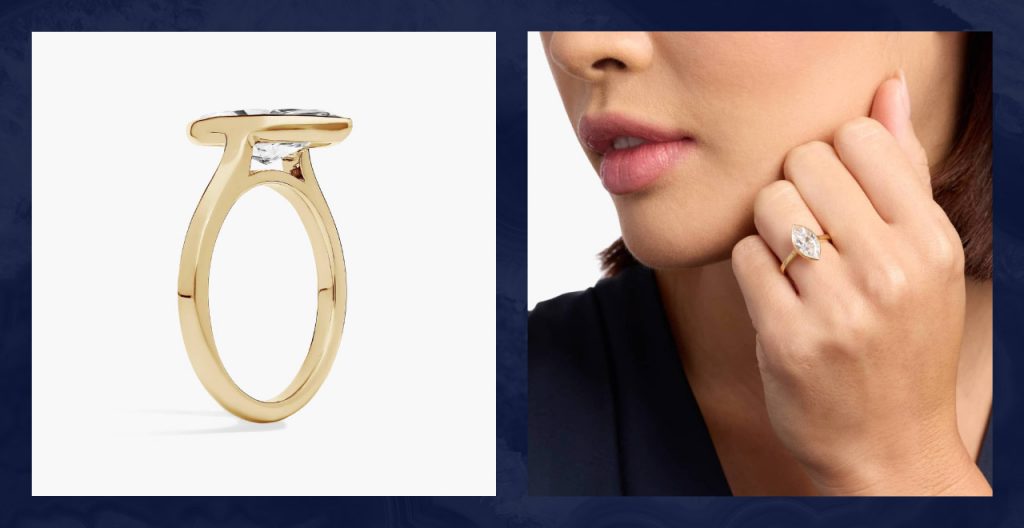
8. Pavé Cathedral
A pavé cathedral setting includes small diamonds set closely together along the band, creating a continuous surface of gems. The word pavé comes from the French term for “paved,” referring to the appearance of diamonds covering the metal.
In a cathedral design, the pavé diamonds enhance the arches as they rise toward the center stone. This creates a cohesive design in which brilliance flows from the band to the main diamond.
For buyers who love detailed craftsmanship and extra flare, pavé cathedral rings offer a striking option.

9. Channel-Set Cathedral
A channel-set cathedral incorporates diamonds embedded within the band between two strips of metal. Unlike pavé settings, channel-set stones sit flush with the band’s surface.
When paired with cathedral arches, the channel setting adds structure and clean lines to the design. This style offers a polished appearance while protecting the side diamonds from everyday wear.
The result is a balanced engagement ring that combines architectural elegance with secure stone placement.
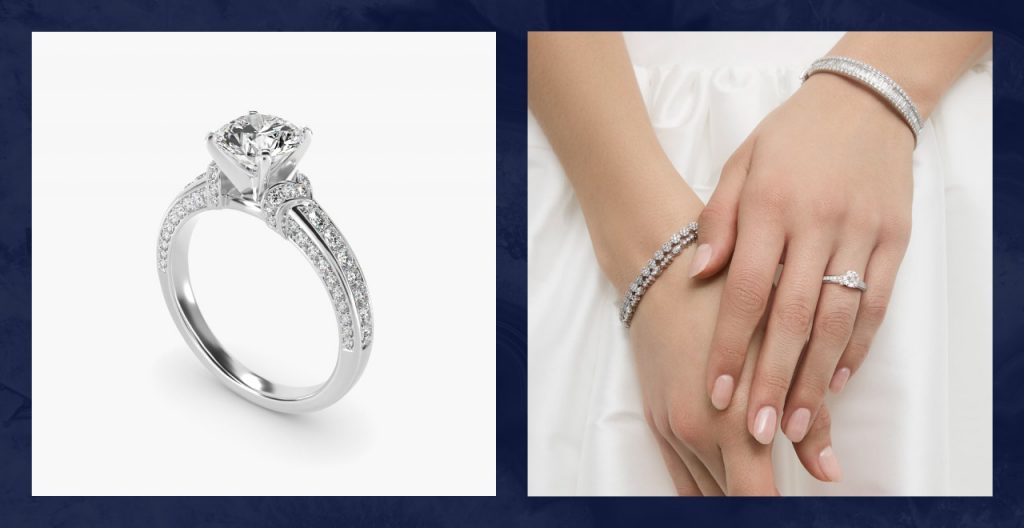
Cathedral Ring Settings vs. Other Setting Types
Cathedral settings offer a distinctive structure compared with other ring designs. The raised arches not only elevate the center stone but also influence durability and visual style.
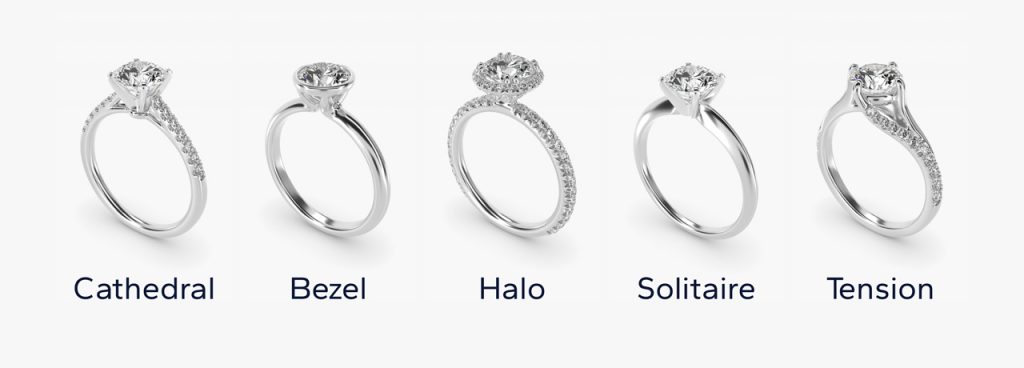
Below is a simplified comparison of cathedral rings vs. non-cathedral ring settings:
| Maintenance | Durability | Stone Security | Snag | |
| Cathedral | Moderate | Strong | High | Moderate to High |
| Bezel | Low | Very strong | Very high | Low |
| Halo | Moderate | Moderate | High | Moderate |
| Solitaire | Low | Moderate | Moderate | Moderate |
| Tension | Low to moderate | Variable | Moderate to High | Low |
Cathedral vs. Bezel Settings
A cathedral setting is usually the more elevated one. Cathedral rings raise the diamond using arches, while bezel rings surround the stone with metal.
Bezel settings offer excellent protection for the diamond’s edges, while cathedral settings emphasize height and visual prominence.
Cathedral vs. Halo Settings
Halo settings surround the center diamond with smaller stones, increasing the ring’s brilliance. Cathedral designs focus more on structural elevation than additional diamonds.
Some rings combine both elements, creating halo cathedral designs that feature both brightness and height.
Cathedral vs. Solitaire Settings
A solitaire ring features a single diamond with minimal embellishment. A cathedral solitaire uses arches to elevate the stone while maintaining the clean simplicity of the solitaire style.
This subtle difference can transform the ring’s profile and visual impact.
Cathedral vs. Tension Settings
Tension settings hold a diamond in place through pressure between the band ends. While this creates a striking floating appearance, cathedral settings rely on arches and prongs for support.
For many buyers, cathedral designs offer a more traditional and structurally familiar look.
Pros and Cons of Cathedral Ring Settings
Cathedral engagement rings offer a combination of beauty and structural support. However, like any design, they come with advantages and considerations.
| Pros | Cons |
| Elegance: The elevated arches create a graceful profile inspired by architectural cathedrals. | Maintenance: The elevated structure can collect dust and debris over time. |
| Stone appearance: The raised center stone allows more light to reach the diamond. | Snagging: Higher settings may catch on clothing if the prongs are exposed. |
| Security: Additional arches help support the center stone structure. | Resizing: Some complex cathedral designs can be more challenging to resize. |
| Details: The elevated structure allows space for hidden halos or decorative elements. |
There are numerous benefits to cathedral engagement ring designs beyond their beauty. This popular engagement ring style provides:
- Elegant center-diamond or gemstone appearance: The elevated cathedral setting draws more attention to the center gem, often making it appear larger. Many cathedral settings have more open sides for the center stone, allowing greater light to enter the stone and improve its appearance.
- Added security for settings: The extra arches in many cathedral rings add additional points of contact between the setting and the rest of the ring. This improves the ring’s security, making it stronger and more stable.
- Easy wedding ring pairing: Cathedral ring settings pair well with many types of wedding rings. The elevated height of cathedral rings makes them easy to wear in ring stacks without large gaps.
- Space for added details: While many cathedral settings support the classic look of solitaire engagement rings, the elevated cathedral settings also add room for extra details and surprises. Many hidden halo engagement rings use cathedral settings, and there are additional bonus details that can fit in ring cathedrals.
There are also some considerations to keep in mind when shopping for cathedral engagement rings. While there aren’t exact cons to cathedral ring settings, there are considerations:
- Greater need for regular cleaning: The cathedral-like setting and any added details can collect dirt or debris over time. It’s best to regularly clean cathedral rings to keep them looking their best.
- Snagging potential: Elevated settings carry a greater risk for snagging on clothes. This is especially notable for cathedral setting rings with claw prongs rather than bezel settings. With extra precautions, these rings can remain safe.
With a little care and regular cleaning, cathedral engagement rings can remain beautiful for decades.
Cathedral Engagement Ring Buying Tips
Choosing the right cathedral engagement ring involves practicality and overall design. It’s worth considering how the ring’s height, prong style, band width and personal style will affect comfort and durability for everyday wear.
Consider these aspects when you’re making your selection:
- Personal style: Consider whether you prefer a classic look, a vintage-inspired design or something more modern, like a bezel cathedral.
- Durability: Look for sturdy prongs or protective features, such as basket or bezel settings, for everyday wear.
- Finger shape and size: Cathedral rings naturally elongate the finger due to their elevated center stone, which can be flattering on many hand shapes.
Explore The Right Cathedral Ring Setting For You
Understanding the different types of cathedral ring settings can make choosing an engagement ring far easier. From classic solitaire styles to intricate vintage-inspired designs, cathedral settings offer versatility while highlighting the center stone.
If you’re exploring cathedral setting engagement rings, browsing different styles can help you find the design that best matches your aesthetic and lifestyle.
You can find your perfect ring by taking our Engagement Ring Finder Quiz.
Frequently Asked Questions
A cathedral setting is defined by arches that rise from the band to support and elevate the center stone. These arches resemble cathedral architecture, lifting the diamond higher above the band.
The main difference is elevation. Cathedral rings use arches to raise the center stone, while non-cathedral settings typically position the diamond closer to the band.
Yes, cathedral settings can make diamonds appear more prominent. The center stone sits higher and receives more light from multiple angles.
Cathedral settings aren’t inherently more expensive than other ring settings. The overall cost usually depends on factors such as metal type, design complexity and the center diamond’s carat weight.
Yes, cathedral setting engagement rings should be cleaned regularly to maintain their appearance and brilliance. The elevated design can collect dust or oils beneath the center stone. Gentle cleaning with warm water, mild soap and a soft brush helps keep the diamond looking its best.
Yes, cathedral ring settings are considered timeless, combining classic structure with elegant design. The signature arches that lift the center stone have graced engagement rings for decades, continuing to complement both traditional and modern styles.
Women’s engagement rings, men’s engagement rings and gender-neutral engagement rings are all personal choices that should reflect the wearer’s tastes. The arches add structure and visual height, creating a refined profile that complements many styles.


Share







 Live Chat
 +1‑800‑242‑2728
 Email Us

