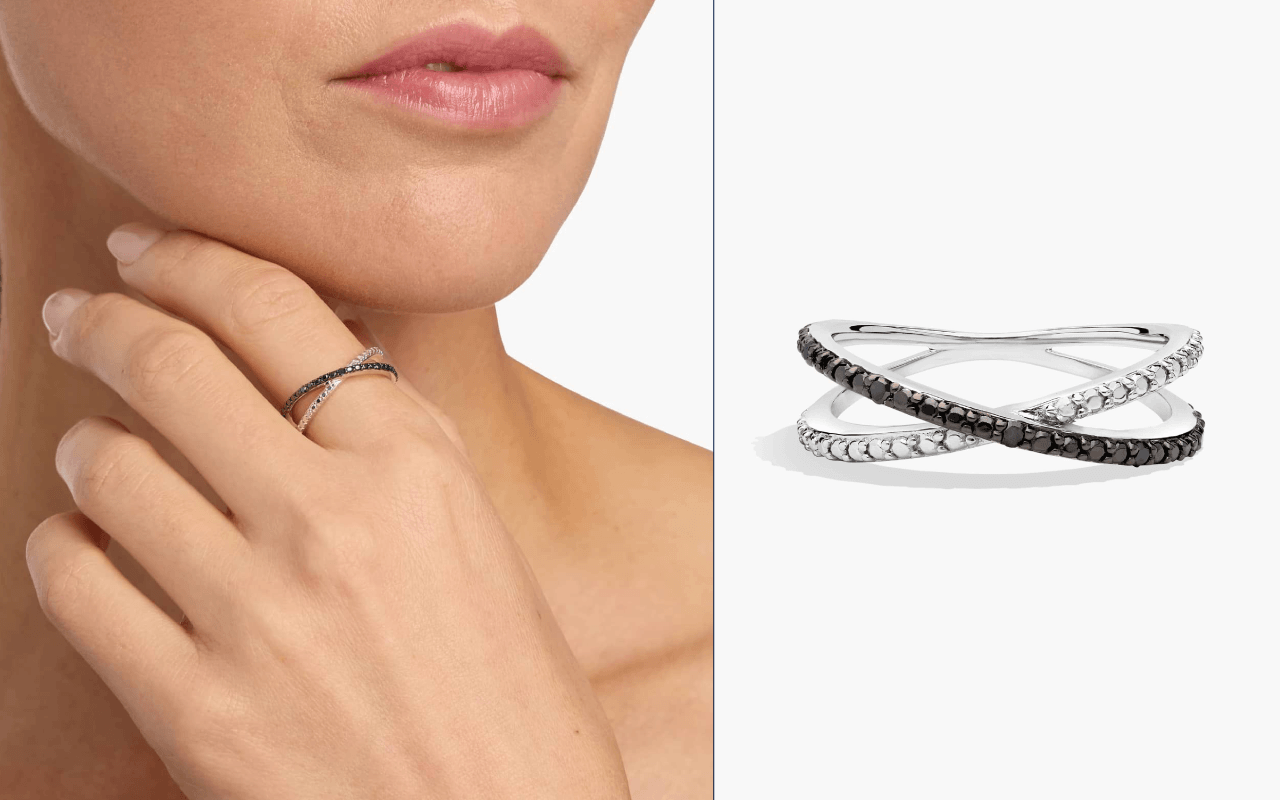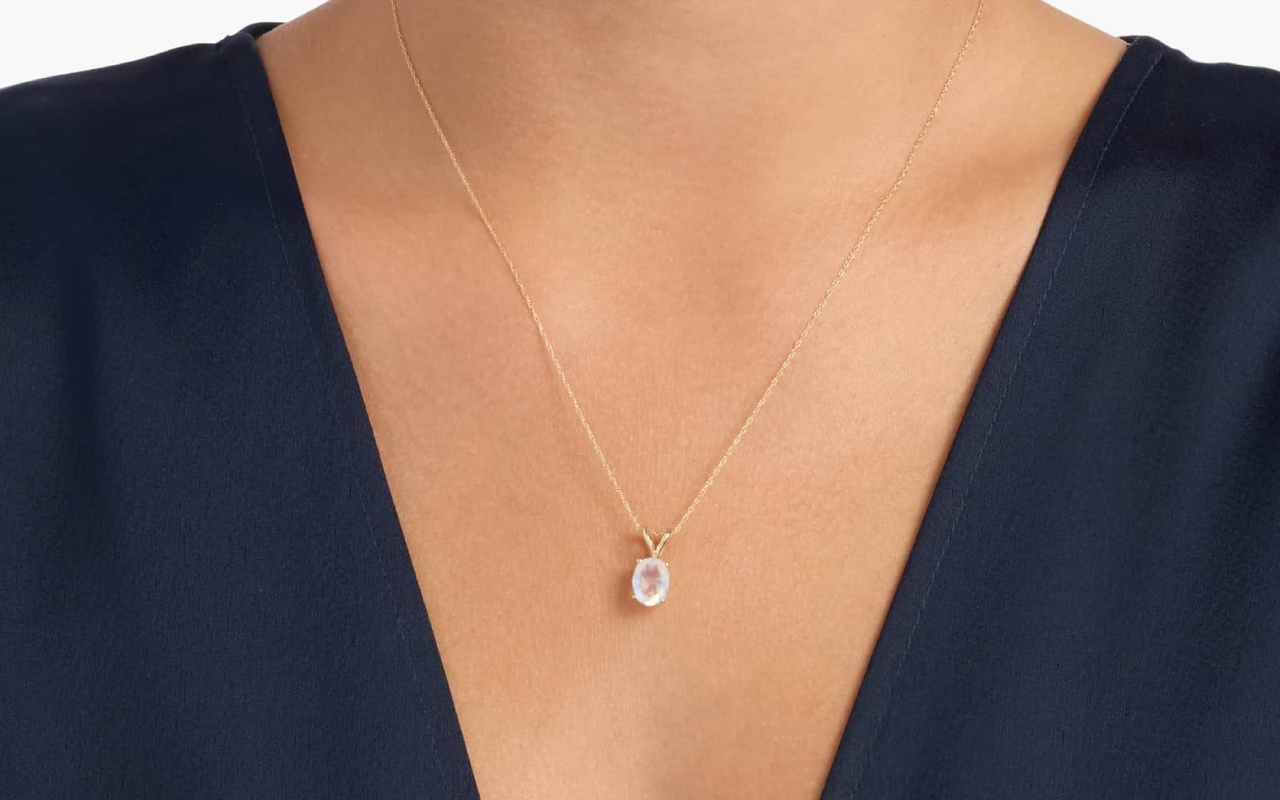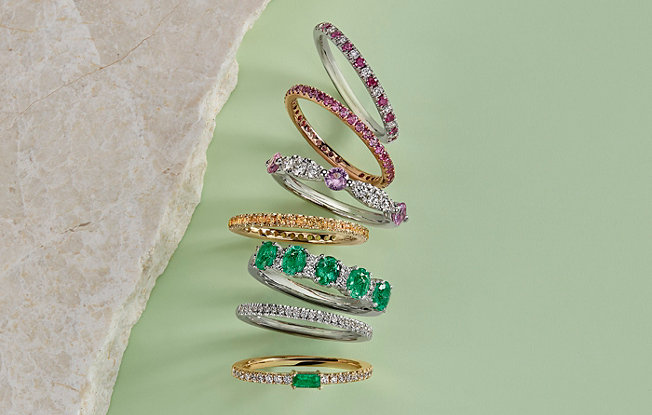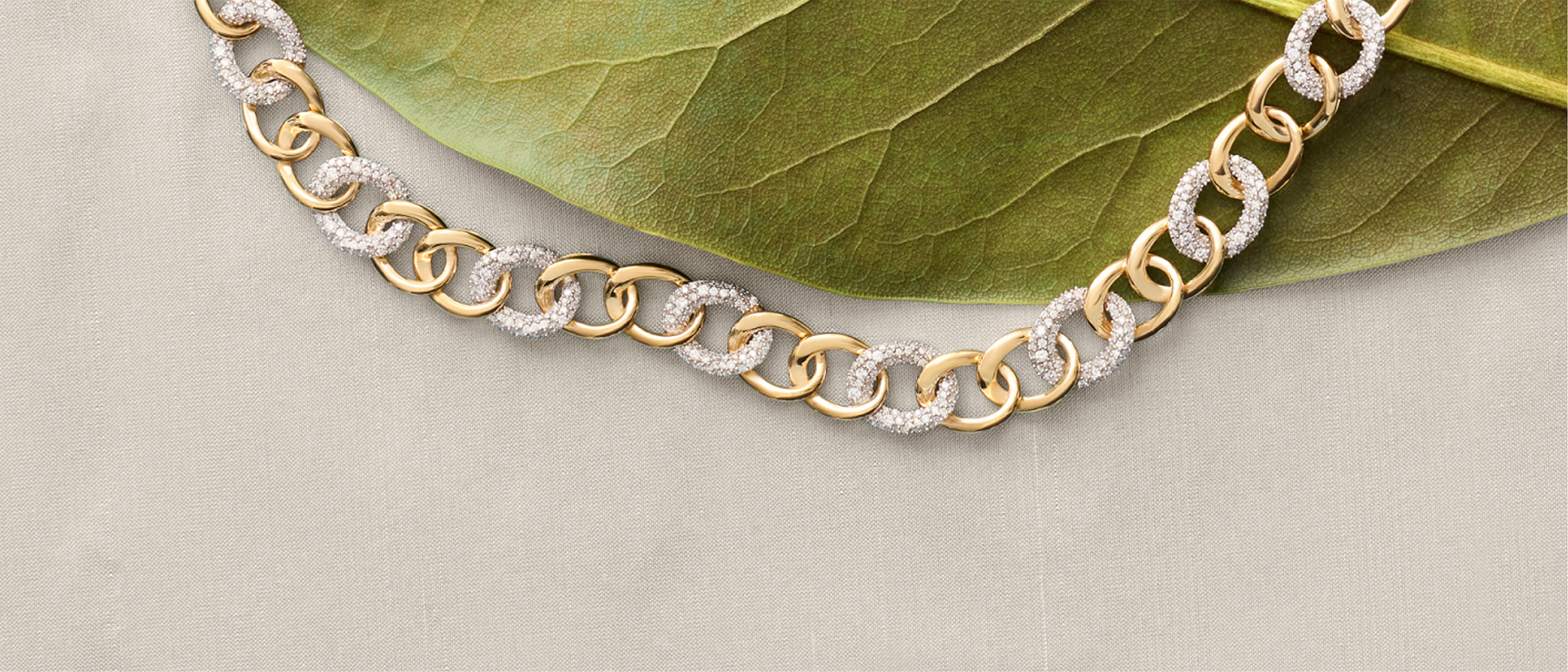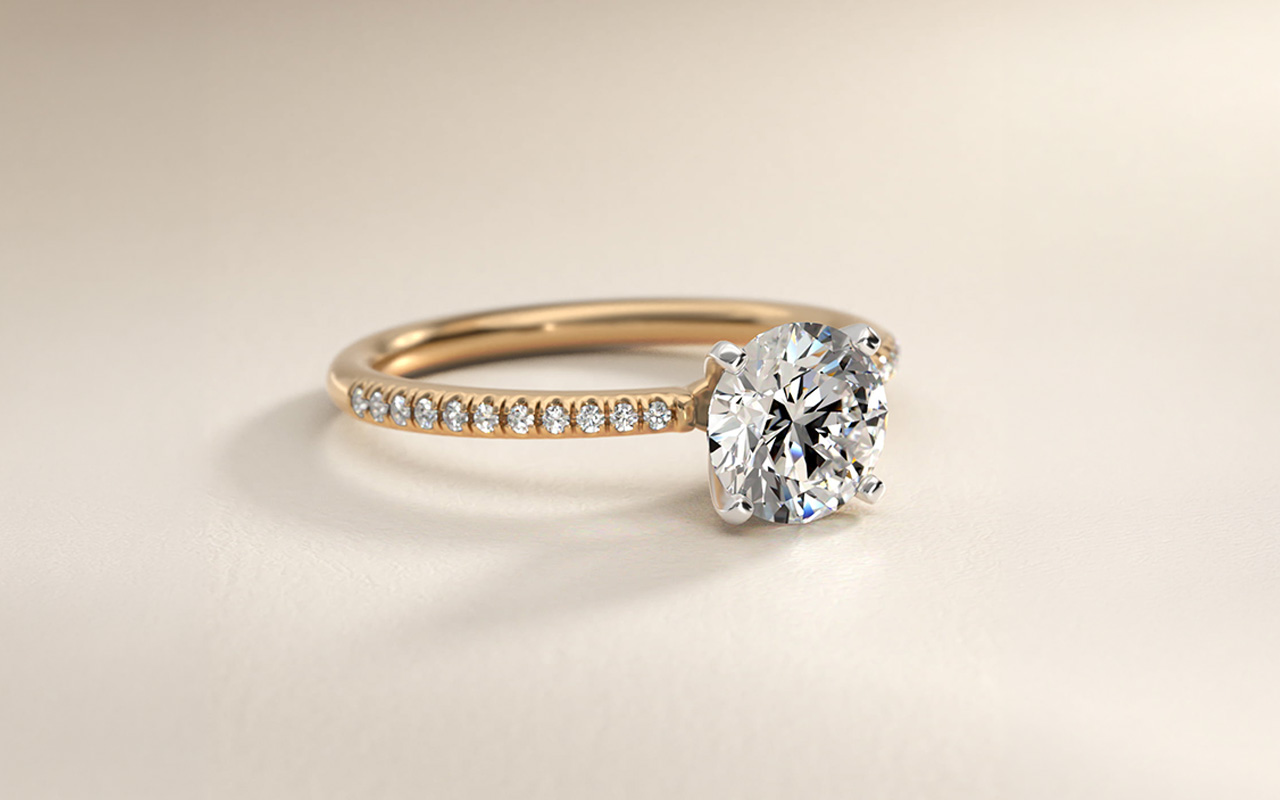
Pavé diamonds are small accent diamonds set closely together in a ring’s surface to create the look of continuous light. Minimal visible metal allows the diamonds to take visual priority while adding texture and brilliance.
If you’re comparing jewelry settings, you may be wondering: what are pavé diamonds?
They’re small accent diamonds that line a ring’s surface, creating a refined, light-catching finish. Because the stones sit close together with minimal visible metal, pavé diamonds enhance light performance without drawing focus away from your center diamond.
This style pairs especially well with center shapes known for strong light performance. Round and oval diamonds, in particular, gain subtle depth from the added surface detail. Explore how pavé settings look and compare them to other designs to see if this style fits your preferences.
What Does “Pavé” Mean?
In jewelry, pavé typically refers to the technique of setting tiny diamonds side by side so the metal beneath them becomes nearly invisible. These accent diamonds are typically very light in carat weight and set closely together to create the appearance of a continuous surface of brilliance.
The term pavé comes from the French word for “paved,” a reference to the way closely set diamonds appear to cover a ring’s surface like stones laid across a street.
How Pavé Is Used in Ring Designs
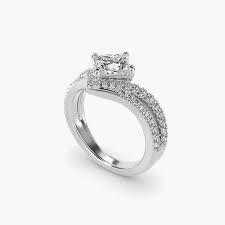
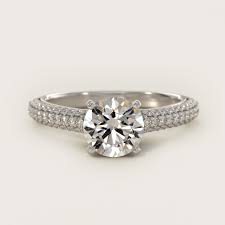
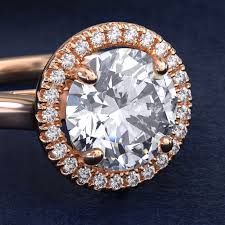
While pavé appears across many types of jewelry, it is most commonly associated with ring settings. In pavé engagement rings, accent diamonds often line the shank or frame a halo, adding dimension without overpowering the center stone.
In a traditional pavé band setting, jewelers secure each diamond with small metal beads so the stones sit closely together and the surrounding metal becomes less visible. This creates a seamless band of light that enhances the overall design without adding bulk.
Pavé also appears in eternity styles and stackable designs, where a pavé diamond band can create a continuous circle of detail. For designs with surrounding accents, explore halo vs. hidden-halo styles to see how pavé enhances the overall silhouette.
Types of Pavé Settings
Not all pavé settings look the same. Subtle differences in how the diamonds are set and how much metal remains visible can alter a ring’s overall look. Designs range from delicate and barely there to more defined and structured.

U-Cut Pavé
U-cut pavé is distinguished by small U-shaped openings carved into the metal beneath each diamond. These curved cutouts allow more light to reach the stones from the sides, creating a brighter, more open appearance.
This style works well for those who want added dimension without increasing the ring’s width. U-cut pavé complements round, oval and cushion center shapes and is often chosen for engagement rings that balance classic proportions with subtle detail.
Micro Pavé
As the name suggests, micro pavé uses even smaller diamonds set closely together with minimal visible metal. Because the stones are petite and tightly aligned, the surface appears smooth and continuous, almost as though it has been dusted with fine diamonds.
This setting is best for those who prefer a refined, delicate look. Micro pavé pairs especially well with slim shanks and modern silhouettes, enhancing the design without adding visual weight. Many halo styles use micro pavé when precision and detail are priorities.
Bright Cut Pavé
Framed by carefully shaped metal edges, bright-cut pavé settings are designed to reflect light back onto the stones. Unlike U-cut or micro pavé, this technique leaves more visible metal around each diamond, creating a slightly more defined outline.
This style suits those who appreciate subtle structure in their design. Bright cut pavé works particularly well on vintage-inspired rings or pieces where craftsmanship and detail are part of the aesthetic.
Pros and Cons of a Pavé Setting
Pavé diamonds are often chosen for the added dimension they bring to a ring without increasing its overall size. Because the stones are set closely together, a pavé setting creates a continuous surface of detail that enhances the center diamond’s presence.
However, the small stones require precise placement and may be more prone to loosening over time than settings with fewer diamonds. Resizing can also be more complex, depending on how extensively pavé is used along the shank.
| Pros | Cons |
| Adds surface detail and dimension without adding bulk | May require periodic inspections to ensure stones remain secure |
| Enhances the overall appearance of the center diamond | Can be more difficult to resize rings, especially if pavé extends around the band |
| Offers a refined, light-filled look | Intricate settings may require more careful cleaning over time |
Pavé vs. Channel-Set vs. Solitaire

Each setting creates a distinct visual effect. A pavé setting uses closely set accent diamonds to create surface detail, while a channel-set setting secures stones between metal walls for a more structured appearance. Solitaire settings focus entirely on a single center stone with no additional accents.
The differences between pavé and channel-set designs often come down to structure, light interaction and long-term care. The table below compares pavé, channel-set and solitaire settings across key factors to help clarify which approach best aligns with your preferences.
| Pavé | Channel-Set | Solitaire | |
| Aesthetic | Textured surface with closely set round accent diamonds | Clean, geometric lines often featuring princess or square-cut stones | Minimal design centered on a single diamond |
| Customization | Flexible across halos, split shanks and stacking | Limited to stones within the channel | Primarily defined by the center stone shape and metal choice |
| Versatility | Works well in layered and detail-forward designs | Suits structured, contemporary styles | Timeless and adaptable across many settings |
| Light play | Diffuses light across multiple small stones | Reflects light within a framed metal structure | Light performance comes solely from the center diamond |
| Maintenance | May require periodic inspection of accent stones | Generally secure due to protective metal walls | Typically low maintenance with fewer stones |

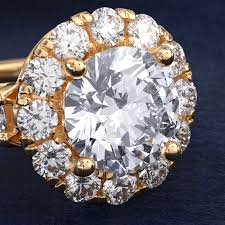
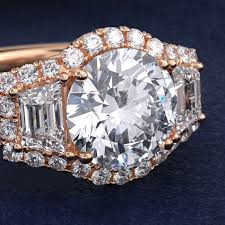
The Gallery Collection™ Emerald Three Stone Halo Diamond Engagement Ring in 14k Rose Gold (1.50 ct. tw.)
Shop pavé ringsTips for Buying a Pavé Ring
A pavé diamond ring adds refined surface detail, but the right choice depends on structure, comfort and how you plan to wear it. For instance, if you plan to stack multiple rings, consider how pavé edges and prongs may interact with neighboring pieces over time.
Top tips to keep in mind:
- Inspect it thoroughly: Check that the accent diamonds sit evenly and the surface feels smooth with no sharp edges or snag points.
- Consider resizing needs: Partial pavé designs are often easier to adjust than styles with pavé that continues around the band.
- Use a loupe: Look for consistent stone spacing and secure beads or prongs, especially along the edges of the setting.
- Think about daily wear: If the ring will be worn often, consider how pavé placement may interact with other jewelry and frequent hand use.
Complement Your Style With Pavé Pieces
Now that you understand what pavé diamonds are, it’s clear how these settings add brilliance and visual detail to a ring while keeping the center stone prominent. From simple pavé engagement rings to more detailed designs, this setting technique appears across a range of styles.
Browse Blue Nile’s collection of pavé engagement rings alongside our complete selection of rings to see how this technique enhances different styles. Whether used for delicate accents or more detailed pavé designs, these settings offer a refined way to introduce additional light and texture.
Frequently Asked Questions
Yes, pavé diamonds are typically real diamonds. Most pavé settings use natural diamonds set closely together along the surface of the ring. Depending on the materials used in a piece, some designs may also feature lab-grown diamonds or diamond simulants.
Pavé diamonds are generally less expensive than larger center stones because they are small accent diamonds. However, the overall price of a pavé ring can vary depending on the quality of the diamonds, the metal, and the setting’s complexity.
Yes, a jeweler can typically replace a pavé diamond if it becomes loose or falls out. Because the stones are small and set closely together, repairs should be handled by a professional to maintain the integrity of the setting.
Round brilliant diamonds are most commonly used in pavé rings because their shape allows them to sit closely together and reflect light effectively. Other shapes may be used in certain designs, but round stones usually create the most seamless surface.
Pavé diamonds are often more affordable because the stones used in the setting are very small. These accent diamonds require less material than larger stones, allowing jewelers to add sparkle and detail without significantly increasing the overall cost.
Pavé diamonds can occasionally loosen over time, especially with frequent wear or impact. Because the stones are small and secured with tiny beads or prongs, regular inspections by a jeweler can help ensure they remain secure.
Yes, pavé rings can be durable for everyday wear when crafted well and cared for properly. Choosing a well-made setting and having the ring inspected periodically can help maintain the security of the small accent stones.


Share