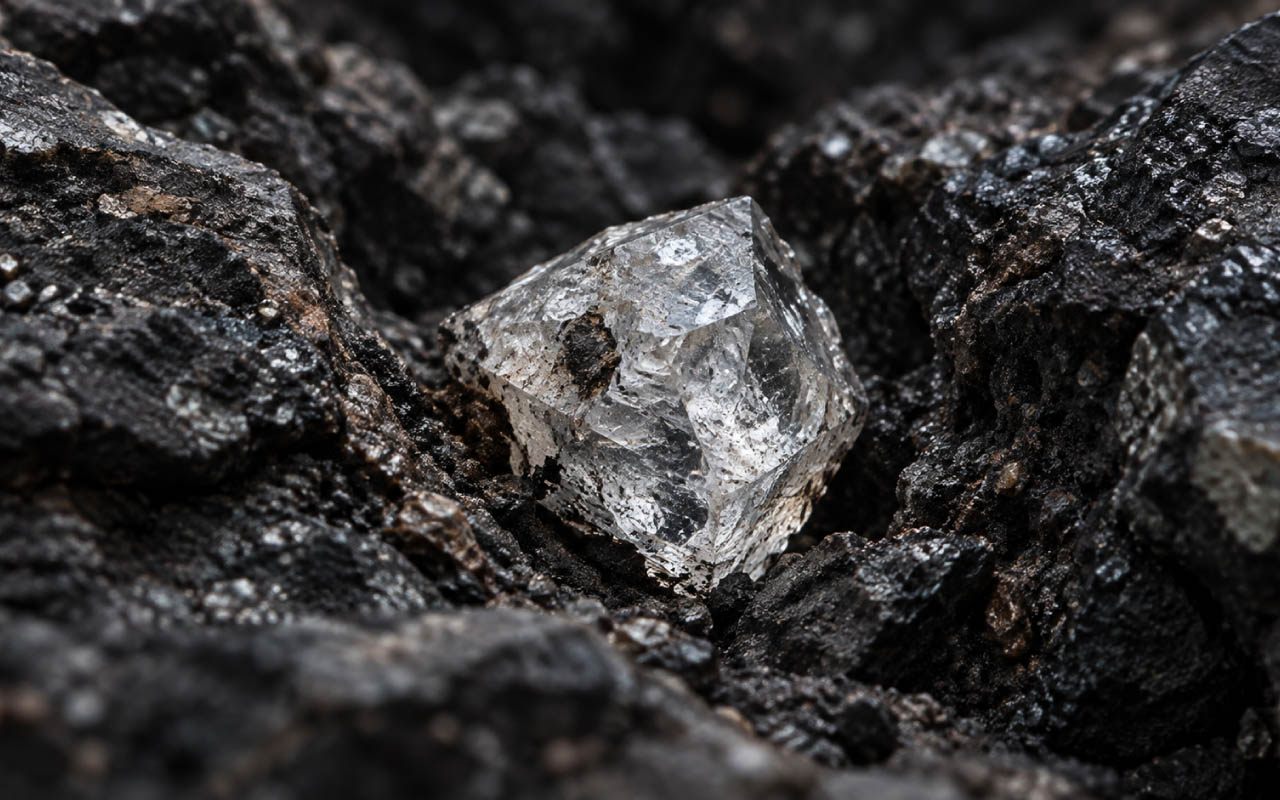
J color diamonds are graded within the Gemological Institute of America (GIA) near-colorless range. They display a faint shine, often not visible to the unaided eye, especially with a complementary setting.
Choosing a diamond is about balancing the classic luminous beauty with value, more than the rarity of a flawless diamond.
As a result, while browsing for the right diamond for your next jewelry piece, you may eventually ask what is a J color diamond. This diamond displays a faint shine that isn’t typically visible to the unaided eye, resulting in a lower investment cost.
In this guide, we’ll explain what color a diamond is in the J category, as well as how it compares to other diamond grades and how the right setting can maximize the brightness of this stone.
What Is a J Color Diamond?
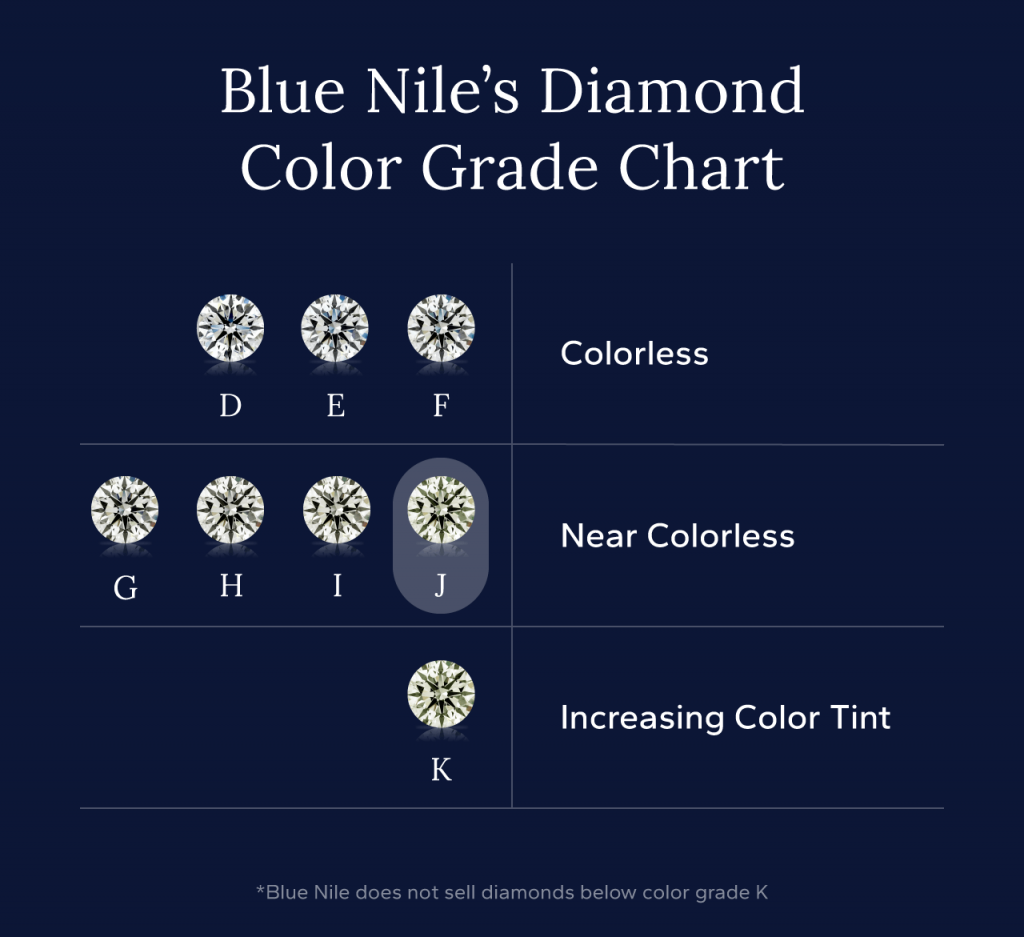
While many people may perceive diamonds as clear or white, the answer to what color diamonds are is more complex. The color and shine of a diamond are categorized using the color scale developed by the Gemological Institute of America (GIA).
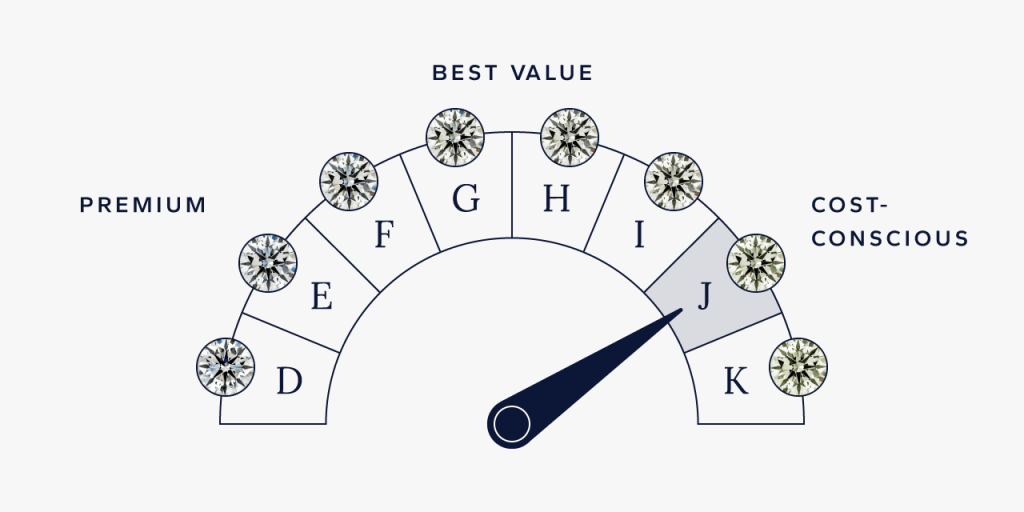
The J color diamond sits at the end of the near-colorless range, which begins with grade G. Because of this, J color diamonds do display some shine, but a proper setting makes detecting this coloration with the unaided eye difficult.
Choosing a J color diamond lets you prioritize other qualities over minor color differences between grades. Rather than focusing on faint hints of shine, you can instead dedicate time to choosing the perfect cut and setting style to create a timeless piece of jewelry unique to you.
J Diamond Color Factors
Although their location on the GIA color scale lends to some shine, thoughtfully chosen J color diamonds can offer classic visual appeal while embracing value.
- Color grade: Under close evaluation, a J color diamond shows a faint yellow or warm tint, especially when compared to diamonds with a higher color grade.
- Appearance: To the unaided eye, J color diamonds typically appear white. In many cases, strategic cuts and proper placement make this shine nearly unnoticeable unless viewed beside colorless diamonds.
- Brilliance: The GIA color scale measures color, not brilliancy. How brilliant a diamond appears depends more on cut quality than the shine of a diamond, and a J color diamond cut correctly can display exceptional brilliance.
- Fluorescence: J color diamonds can exhibit fluorescence, and this characteristic is actually recommended to counteract the stone’s shine. Note that fluorescence doesn’t mean it can glow in the dark; it means that it glows when light is reflected off of it.
- Price: Although the difference between color grades at the near-colorless level can be minor, J color diamonds typically sport lower prices than higher grades. This allows you to prioritize details like cut or weight while maximizing value.
- Certification: As with all diamonds, consider proper certification before investing. Certification from a reputable laboratory, such as the GIA, ensures that your J color diamond is, in fact, this grade.
How Does J Compare to Other Color Grades?
Because they make up the lowest tier of the near-colorless range, J diamonds present more coloration than other grades at the same level. However, they have less color than K while typically offering noticeable cost differences compared to higher-grade diamonds.
| Color Grades | Appearance Difference | Typical Cost Difference |
| J vs. G | G is near-colorless, while a J-color may appear warmer. | G color diamonds typically cost more. |
| J vs. H | Compared to an H diamond, a J diamond may have more noticeable warmth. | H diamonds often command a higher price. |
| J vs. I | Minimal color differences may be noticeable in some cases. | I color diamonds cost more than J color diamonds. |
| J vs. K | J is the grade above K, and thus it often shows less coloration in comparison. | Although J tends to cost less than other near-colorless grades, these diamonds can cost more than K. |
| J vs. Higher Grades | Grades above G are categorized as colorless. J stones can appear faintly warm or yellow when compared. | Diamonds in the colorless range tend to be the most expensive on the color scale. |
When Is Purchasing a J Color Diamond a Good Choice?
With diamonds, choosing the highest grade possible isn’t always the most optimal way to shop, especially if your goal is to be conscientious of all features rather than coloration alone. As a result, there are many situations in which purchasing a J color diamond can be a good choice over other grades, such as for specific shapes or budgets.
When Shape Is Crucial
A diamond’s shape comprises the overall silhouette of the table. Choosing a classic round shape for your J color diamond allows this stone to truly shine.
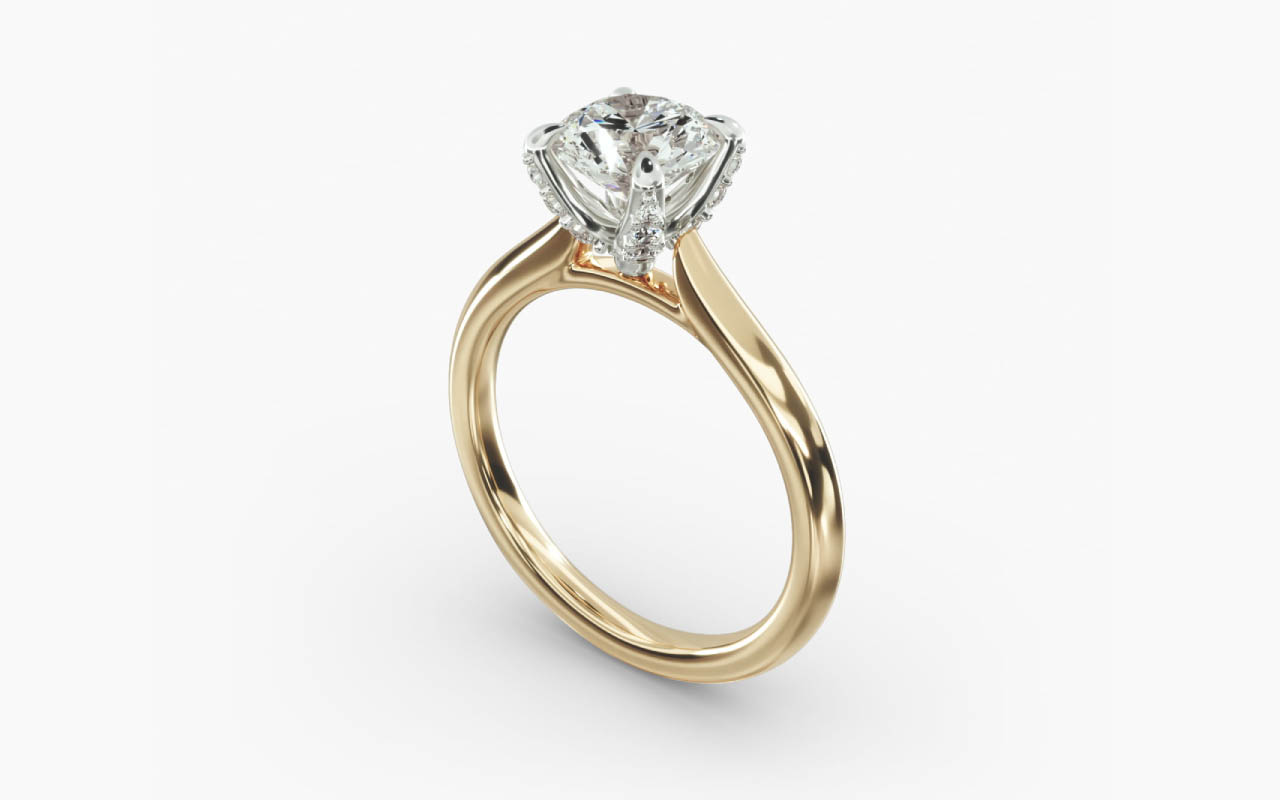
The cuts utilized to create a round shape boost this diamond’s ability to reflect light. As a result, what was already a subtle hint of shine can become even less noticeable. This gives you the freedom to create a classic piece, such as a solitaire ring, at a potentially lower price point.
With that being said, although you can use a J diamond for other shapes, they may not elevate your stone in the same way. The larger the table is on a shape, the more coloration that may show through. As a result, opting for a larger or elongated diamond shape may reveal more of that faint yellow hue.
When The Setting Matters
The setting determines how your diamond is displayed, especially in rings. When executed correctly, several settings highlight the positive features your J diamond has to offer while potentially reducing any noticeable yellow tones.
- Solitaire setting: A solitaire setting places your J-color diamond at the center of attention. Pairing with warm-tone metals also helps cool some of the stone’s shine.
- Halo setting: When done correctly, a halo setting can elevate your diamond, even in lower grades, by brightening the stone or creating an alluring contrast. However, if paired with higher grades, it could draw attention to the subtle yellowing that may be present in a J diamond.
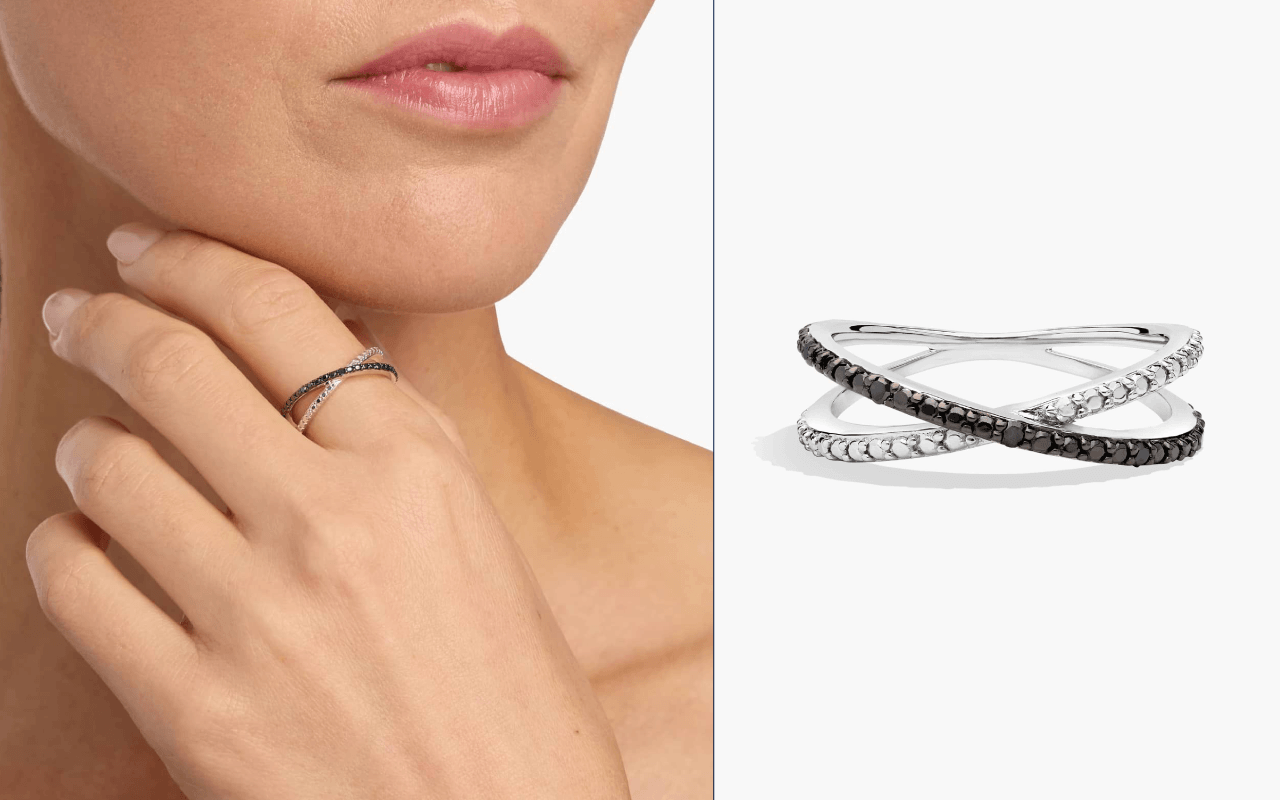
- Pavé setting: A pavé setting surrounds your J diamond with smaller stones, similar to a halo setting, but the complementary stones are smaller. This gives your ring a dramatic sparkle without highlighting any coloration in your diamond.
When Cost is a Priority
Because of the potential color they exhibit, J color diamonds are often priced the most affordably of all colorless and near-colorless diamonds. For example, although I diamonds are only a single grade higher, they can be hundreds of dollars more expensive despite little to no visible difference with the unaided eye.
Because of this, choosing a J diamond can be a savvy option for those interested in budget-friendly diamond buying. A high-quality J diamond can present with the same bright, brilliant appearance as higher grades, but its lower value gives you freedom to invest in more elevated settings, materials and karats compared to other color grades.
Pros and Cons of J Color Diamonds
Just as every diamond is unique, so are your personal preferences. As a result, for every grade of diamond on the color scale, there are some pros and cons to consider. This includes key considerations such as appearance, pricing and versatility.
| Pros | Cons |
| The yellow hue of J diamonds often isn’t visible to the unaided eye | May not be suitable for every shape or placement |
| Often have a lower price point | Not suited for cool-tone metals or accompanying stones |
| Potential timeless vintage aesthetic | Not ideal for high carat weight |
| Suited to thoughtful cuts and settings |
Key Considerations for Buying J Color Diamonds
If you’ve decided that a J color diamond is the right choice for you, there are a few key considerations to keep in mind before purchasing your perfect stone. Stylistic factors such as setting, size and metal determine the overall appearance of your stone, while you’ll also want to decide if you prefer a natural vs. a lab-grown diamond.
- Natural vs. lab-grown: Lab-grown diamonds are created in a short period, increasing accessibility. However, because they lack the millions of years required to form natural diamonds, they differ in rarity and value.
- Cut quality: When your goal is to maximize brilliance while neutralizing yellow tones, don’t forget about cut quality. Strategic cuts on a J color diamond can achieve a similar shine to higher grades without the associated price.
- Clarity: Like color, clarity is another one of the GIA 4Cs, referring to any blemishes or inclusions within a diamond. Depending on their placement within the diamond, inclusions can reduce clarity and the stone’s value.
- Shape: The cuts used to curate a specific diamond shape impact several appearance characteristics, including brilliance. J color diamonds shine with a round shape that helps neutralize coloration.
- Size: The reduced value of a J color diamond allows you to invest in a larger stone. However, a larger table size often results in more noticeable coloration, which may be undesirable if you prefer the classic, cool look of a white diamond.
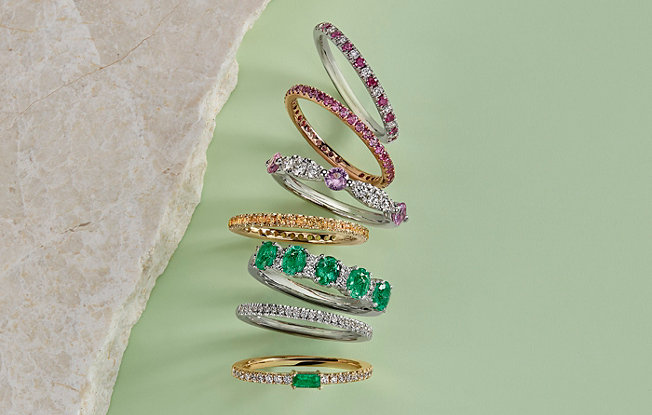
- Setting: Accompanying stones change how your diamond is perceived. Choose a setting that best elevates your diamond, whether that’s a standalone solitaire or a tasteful array of complementary stones in a halo or Pavé setting.
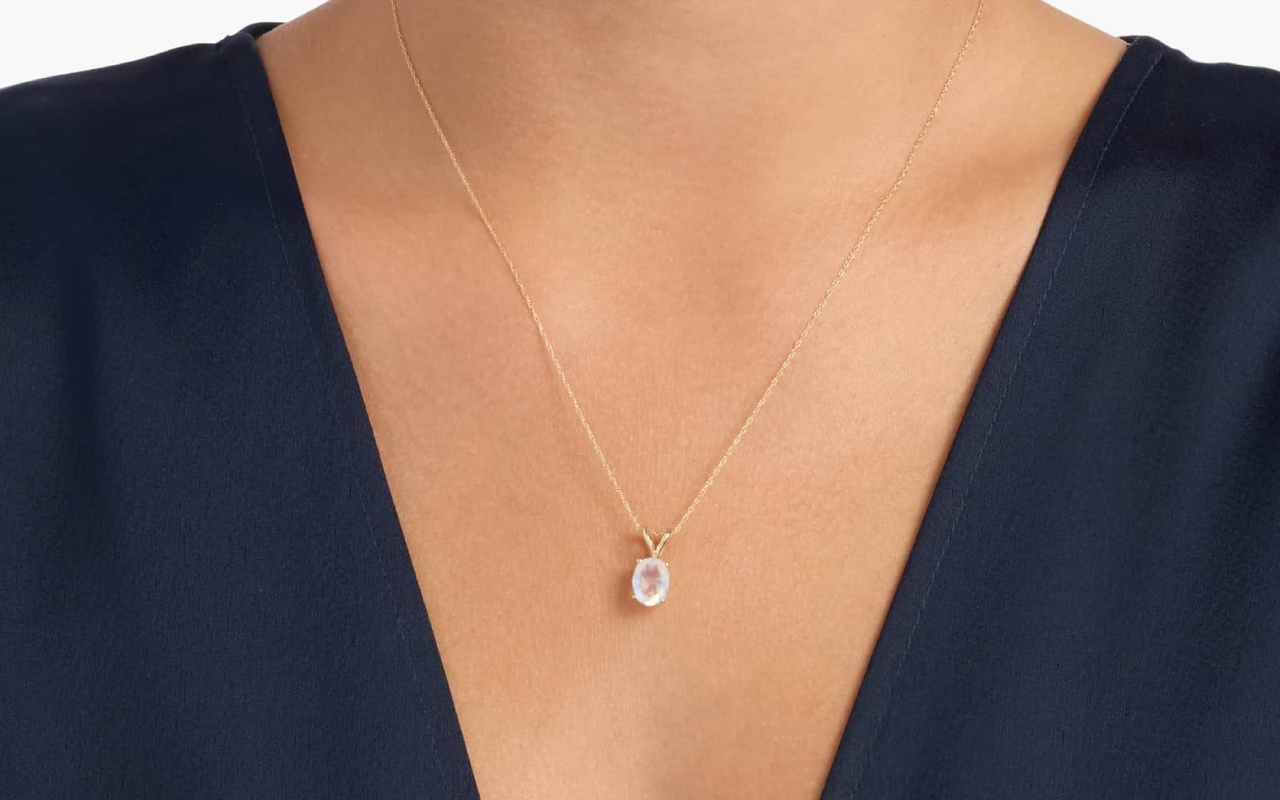
- Metal: Consider how colors complement one another when choosing the right metal for a J color diamond. Warm-toned metals, such as yellow or rose gold, balance the stone’s shine, while white gold or platinum may heighten the contrast.
J Color Diamonds for Beauty and Budget
Your style and preferences are entirely unique to you, and your diamond should be too. While J color diamonds may not be as well-known as other color grades, their balance of beauty and budget makes them a popular option for buyers looking to maximize their investment.
If you value a higher budget for size and setting customization over minor color differences, explore J-color diamond options.
Frequently Asked Questions
Because J falls within the near-colorless range of diamonds, it can be a good choice, especially when paired with the right jewelry setting to highlight its potential brilliance and appeal. These diamonds particularly shine for those looking to maximize value while focusing on other features such as weight and cut.
In terms of the GIA color scale, a J diamond is better than a K. J is the last grade within the near-colorless range, while K and beyond exhibit increasing amounts of shine within the diamond. For example, even an M color diamond, which falls into the faint category alongside K, has a more noticeable yellow hue.
Diamonds with higher levels of yellow or warmth tend to have more affordable price points than colorless or near-colorless stones. As a result, as you move down the color scale, the cost of each diamond often decreases.
The diamond J category is the final tier of near-colorless diamonds, with some coloration that may not be visible to the unaided eye.
On the GIA color scale, D diamonds are the rarest and thus most valuable because they lack color. As a result, they’re also often considered the best diamond color.
With the right cut, setting and styling, a J VS2 diamond can be a good choice depending on your preferences and priorities. However, when comparing a VS1 diamond to a VS2, the latter often has more visible inclusions during a professional evaluation than a diamond of the highest clarity.


Share