- Channel settings place diamonds between two metal walls for added protection.
- Pavé settings secure small diamonds with tiny beads or prongs for added sparkle.
- Channel-set designs are typically more durable for everyday wear.
- Pavé designs emphasize brilliance and decorative detail.
When comparing diamond ring styles, the debate often comes down to channel-set vs. pavé.
While each places accent diamonds along the band, the way the stones are set and the overall look of the ring can vary.
The right choice often depends on factors like durability, maintenance and visual style. This guide explains how channel and pavé settings differ and what to consider when selecting between them.
What’s the Difference Between Channel-Set and Pavé Rings?
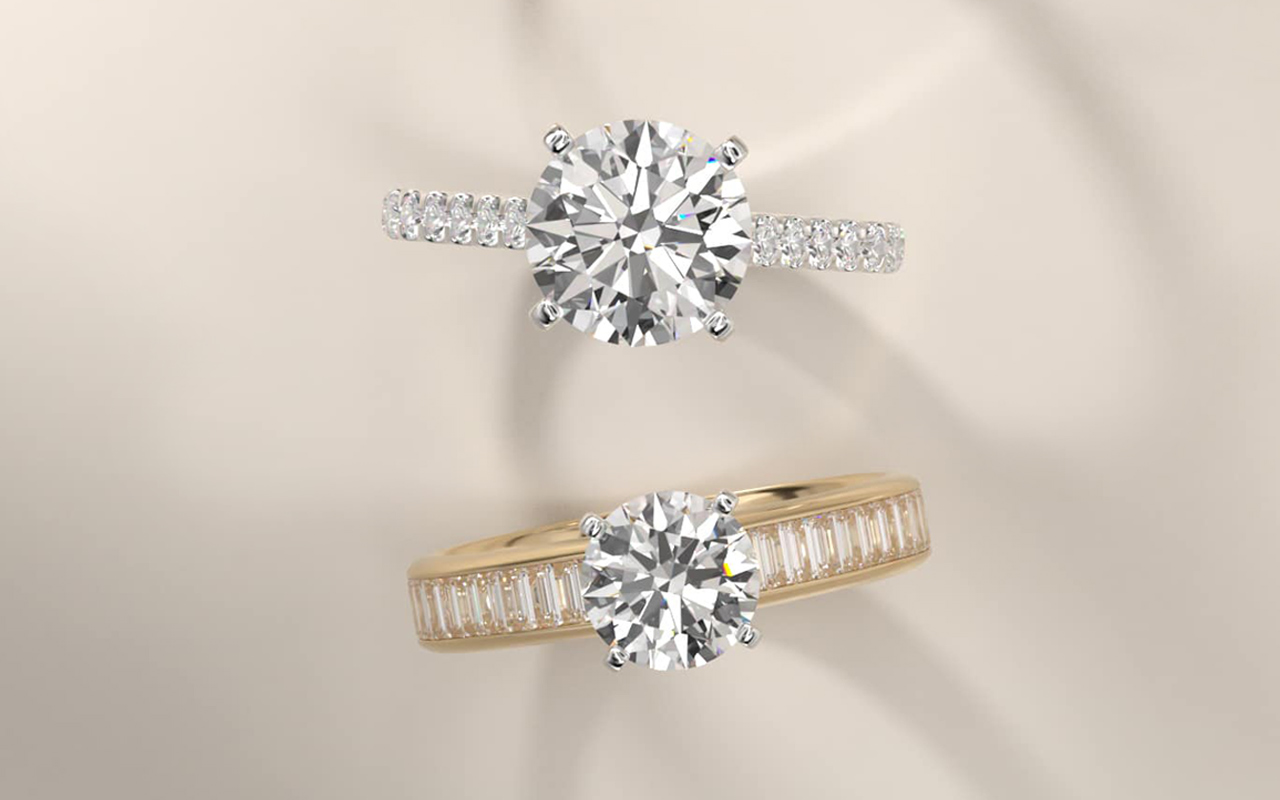
Both channel-set and pavé are ring settings that feature rows of accent diamonds along the band, but they differ in how the stones are secured. Channel settings hold diamonds between two parallel metal strips. Pavé settings secure small diamonds with tiny prongs or beads that hold each stone in place.
These structural differences create distinct visual effects. Channel-set rings display a smooth row of diamonds, while pavé designs appear covered in diamonds. These settings can be crafted with either natural diamonds or lab-grown diamonds, depending on the design and personal preference. The table below highlights the key distinctions.
| Channel Setting | Pavé Setting | |
| Appearance | Diamonds sit within a smooth metal channel | Surface appears covered with small diamonds |
| Style | Clean, structured and modern | Decorative, detailed and intricate |
| Durability | Highly secure due to protective metal walls | More delicate due to small prongs |
| Maintenance | Generally low maintenance | May require occasional stone checks |
| Cost | Often moderate, depending on diamond size | Varies based on the number of stones |
| Size | Typically larger accent diamonds | Very small diamonds set closely together |
What Is a Channel Setting?
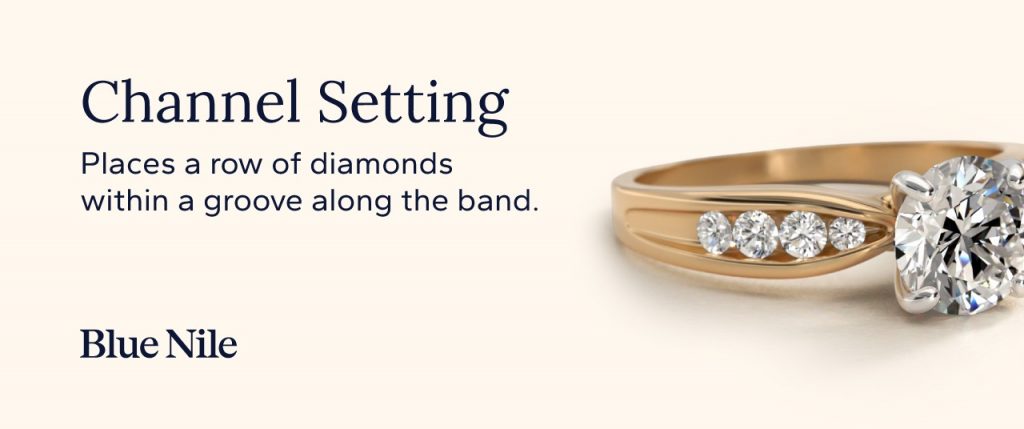
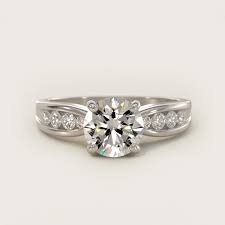
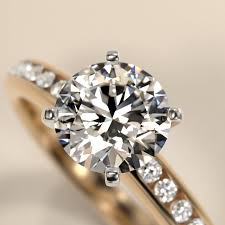
A channel-set diamond ring places diamonds within a narrow groove along the band, forming a continuous row of stones. Because the diamonds sit flush within the metal, less light reaches their sides, creating a more subtle sparkle. However, the surrounding metal also helps protect the diamond edges, making this setting well-suited for everyday wear.
Key characteristics of channel settings:
- Meaning: The uninterrupted row of diamonds can symbolize continuity and lasting commitment. Popular for channel set wedding bands.
- Style: Clean, structured lines that suit both classic and contemporary ring designs.
- Appearance: Diamonds sit flush within the band, forming a smooth row with minimal visible metal between stones.
- Best uses: Channel-set wedding bands, stackable rings, engagement rings with accent diamonds and diamond jewelry such as bracelets or hoop earrings.
| Pros | Cons |
| Diamonds are protected by the surrounding metal | Less surface sparkle than pavé settings |
| Smooth band reduces snagging on clothing | Dirt can accumulate between stones |
| Clean, structured appearance | Resizing may be more complex |

What Is a Pavé Setting?
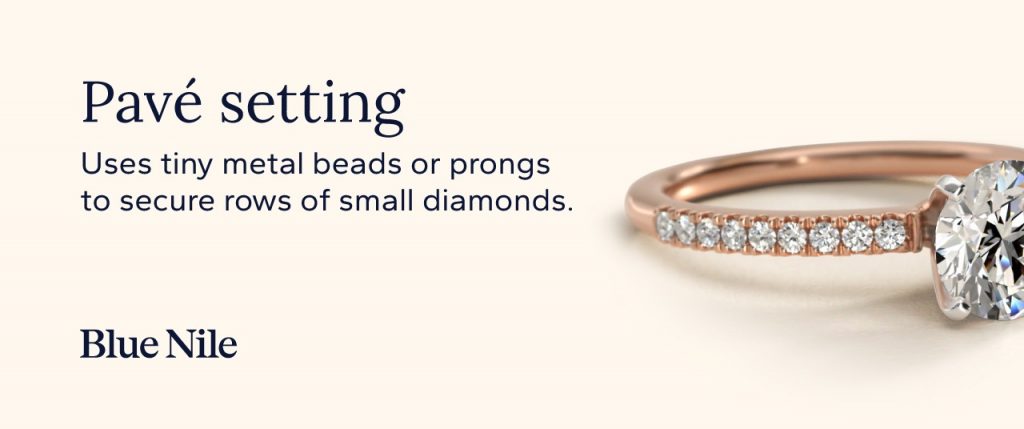
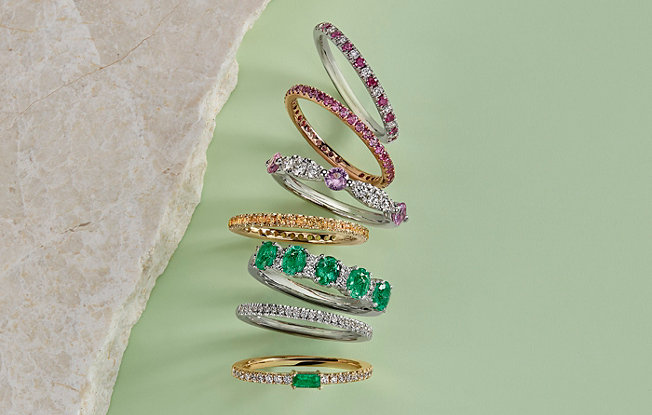
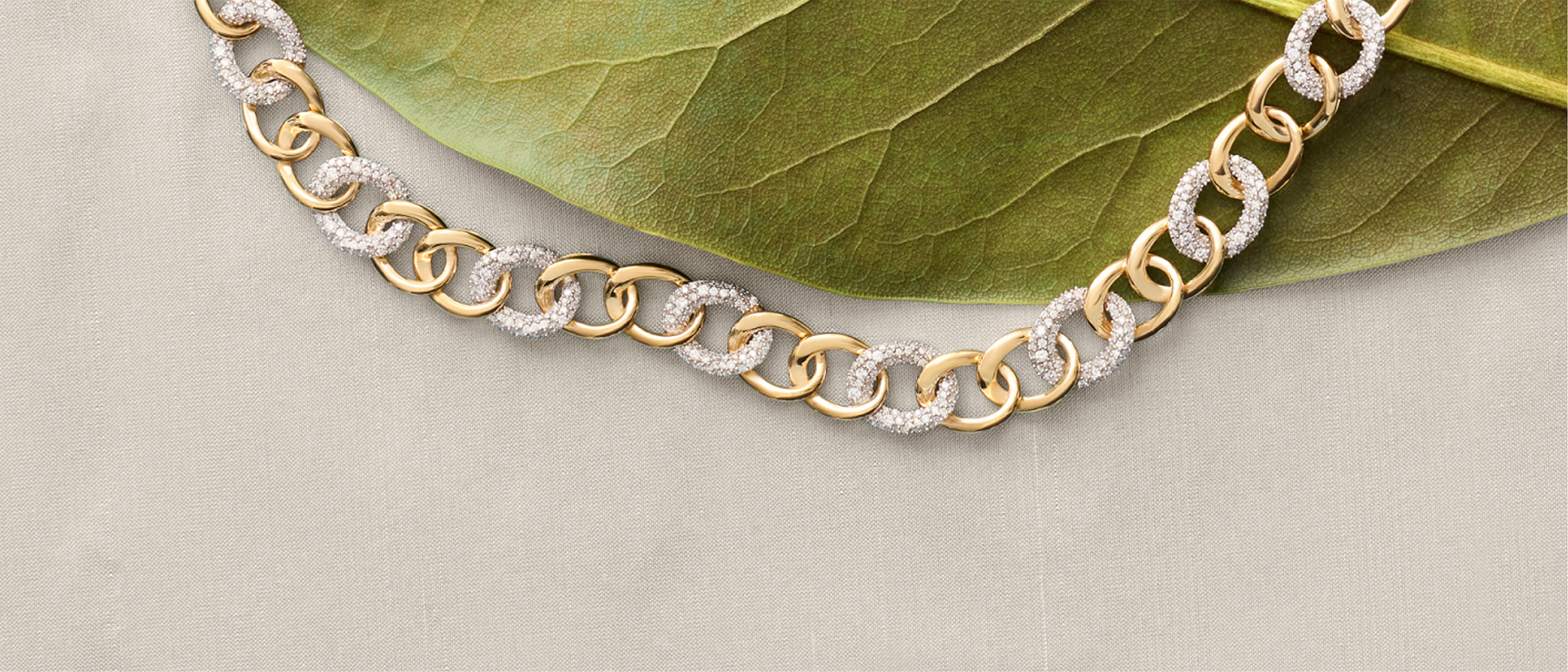
In a pavé setting, many small diamonds are secured with tiny metal beads or prongs along the surface of the band. Very little metal remains visible between the stones on pavé-set jewelry, creating a surface that appears paved with diamonds.
This delicate beadwork may offer less protection for each stone, so pavé settings may require more careful maintenance than sturdier designs.
Key characteristics of pavé settings:
- Meaning: From the French word meaning “paved,” referring to a surface that appears paved with diamonds, often associated with brilliance and abundance.
- Style: Delicate and intricate, often used to add visual richness to ring designs. Jewelers also use variations such as potato pavé and other types of pavé settings to achieve different textures and visual effects.
- Appearance: In a pavé setting ring, many tiny stones—often called pavé set diamonds—are placed closely together to create a continuous sparkle.
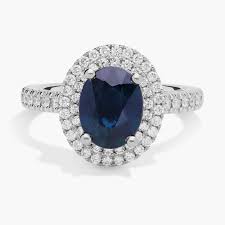
- Best uses: Pavé engagement rings with halo settings, accent bands surrounding a center stone and decorative diamond jewelry designed to maximize sparkle.
| Pros | Cons |
| Creates noticeable sparkle with many small diamonds | Small prongs may be more delicate |
| Enhances the brilliance of a center stone | Stones may require occasional maintenance |
| Elegant, decorative appearance | Raised prongs may snag on fabrics |

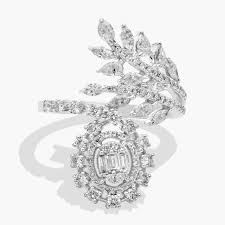
How To Choose Between Channel-Set and Pavé
When selecting between channel-set and pavé rings, consider your lifestyle and personal style. Also, think about how the ring will be worn alongside other jewelry. Both settings feature rows of accent diamonds along the band, but they create different visual effects and levels of protection for the stones.
Channel settings are often a good choice for everyday wear, especially if you plan to wear your wedding and engagement rings together. Because the diamonds sit protected within the band, they are less likely to snag on clothing. Pavé settings emphasize visual impact and sparkle, making them well-suited for rings designed to stand out or be worn on their own.
Risk of Losing Diamonds
The risk of losing diamonds varies between channel-set and pavé rings because the stones are secured differently. Channel settings protect the edges of the diamonds, which helps reduce the chance of stones being knocked loose. However, if the channel becomes bent or worn over time, the tension holding the diamonds in place can weaken.
Pavé settings hold many small diamonds with small prongs or beads, so individual stones may occasionally require tightening or replacement as the metal wears. Regardless of the setting, periodic inspections and professional maintenance can help ensure the diamonds remain secure.
Wear Your Perfect Setting With Blue Nile
When comparing channel-set vs pave, the right choice depends on your preferred look and how you plan to wear the ring. Channel settings emphasize durability and clean lines, while pavé settings highlight sparkle and decorative detail. Considering how the setting pairs with other rings can also be helpful when you choose a wedding ring.
Ready to explore your options? Shop Blue Nile’s extensive collection of rings to see channel-set and pavé designs across engagement rings and bands. Viewing different styles side by side can help you decide which setting best suits your taste.
Frequently Asked Questions
Yes, channel settings are generally considered more secure because the diamonds sit between two metal walls that help protect their edges. Pavé settings hold many small diamonds with tiny beads or prongs, which can occasionally loosen over time. Both settings are durable when well crafted, though pavé designs may require more frequent inspection.
A channel-set ring places diamonds in a narrow groove along the band, forming a continuous row of stones. The diamonds sit level with the band, creating a smooth, structured appearance with minimal visible prongs.
Channel settings are not always more expensive than pavé settings. Prices can vary depending on the number and size of the diamonds used. The overall cost typically depends more on total diamond weight and ring design than on the setting.
No, channel-set rings are generally easy to maintain because the diamonds are protected within the band. However, dirt can occasionally accumulate between the stones, so regular cleaning and periodic inspections are recommended.
Pavé comes from the French word for “paved” and refers to a setting in which many small diamonds are closely set across the surface of the metal. The stones are secured with tiny beads or prongs so the ring appears almost covered in diamonds, creating a continuous surface of light.


Share