When you’re choosing fine jewelry, the story behind the piece can matter just as much as how it looks.
Responsibly sourced jewelry is made with greater consideration for the people, communities and environments involved in bringing it to you.
Whether you’re looking for responsible diamond sourcing or repurposed metals, choosing the right sourcing practices can help you make a more thoughtful purchase. Below, we’ll show you how to select pieces that reflect both your style and your values.
What Does “Responsibly Sourced” Jewelry Mean?
Responsibly sourced jewelry refers to jewelry made with greater transparency and care throughout the supply chain. For most shoppers, that starts with learning where key materials come from and whether they were sourced responsibly.
This can include manufacturers tracing diamonds and precious metals back to their source, following fair labor standards and reducing environmental impact through responsible mining or repurposed materials.
Because fine jewelry often passes through many hands before it reaches the finished piece, traceability is an important part of responsible sourcing. Reputable jewelers partner with suppliers who provide clear information about their sourcing practices.
As a buyer, you may also look for materials such as repurposed gold and platinum, along with conflict-free diamonds, which are sourced through processes designed to prevent the funding of violence and support more responsible supply chains.
5 Pillars of Responsible Sourcing
Responsible sourcing also considers how materials are handled and how jewelry is made, not just where they originate. Here are five key pillars to keep in mind:
- Responsible metal suppliers: Working with metal suppliers that meet strict criteria on human rights, social issues, and environmental practices can support more responsible sourcing.
- Repurposed metals: Using repurposed gold and other secondary sources can reduce the need for newly mined materials.
- Lower energy use: More efficient production methods can reduce the environmental impact of jewelry production.
- Repairable designs: Jewelry designed with repair in mind can be cared for and worn for years, rather than replaced when something goes wrong.
- Upgradeable styles: Pieces that can be upgraded over time offer more flexibility and can help you keep wearing a favorite style as your tastes change.
Conflict-Free Diamonds
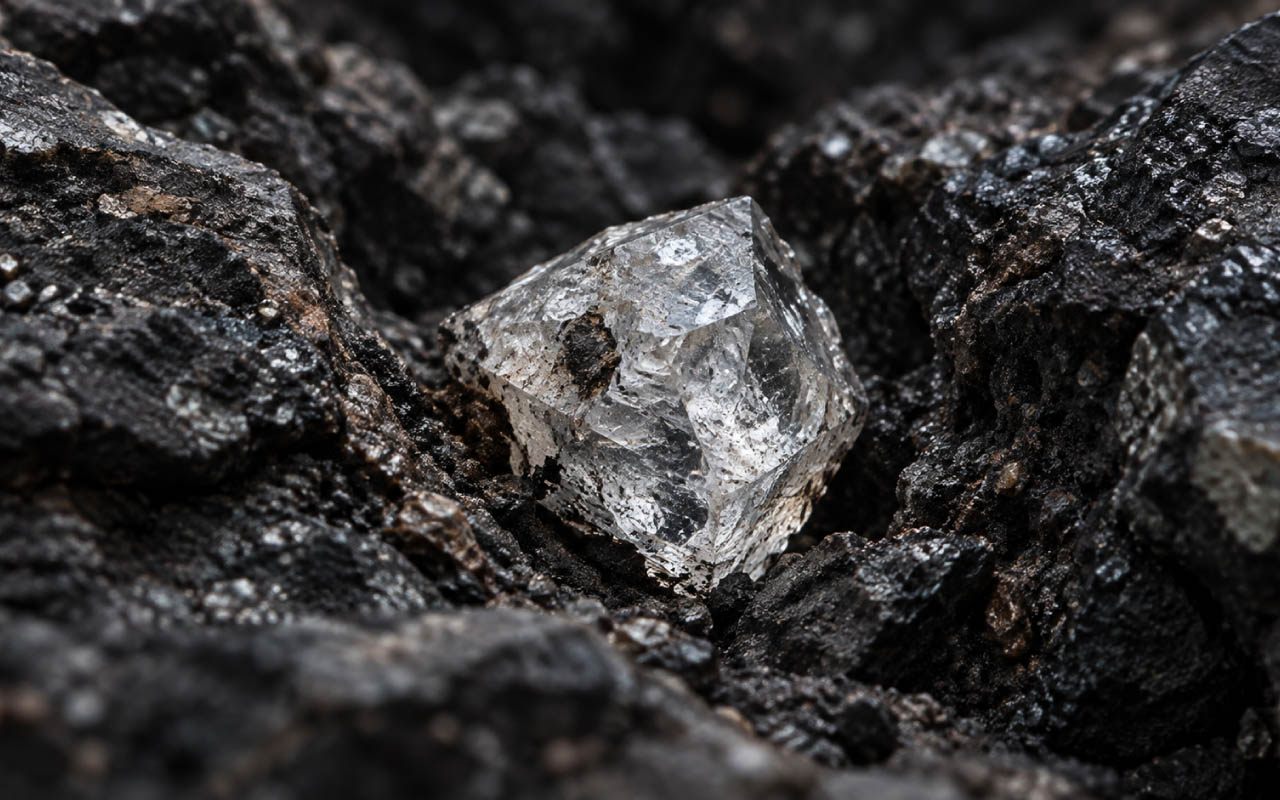
Since 2003, the Kimberley Process has helped reduce the trade of conflict diamonds. This international certification requires participating countries to regulate the import and export of rough diamonds. Today, 60 participants representing 86 countries account for approximately 99.8% of global rough diamond production.
The Kimberley Process is specifically designed to prevent rough diamonds from financing armed conflict. It doesn’t address broader issues such as labor conditions, human rights or environmental impact, so these factors require additional sourcing standards and due diligence.
Lab-Grown Diamonds and Gemstones
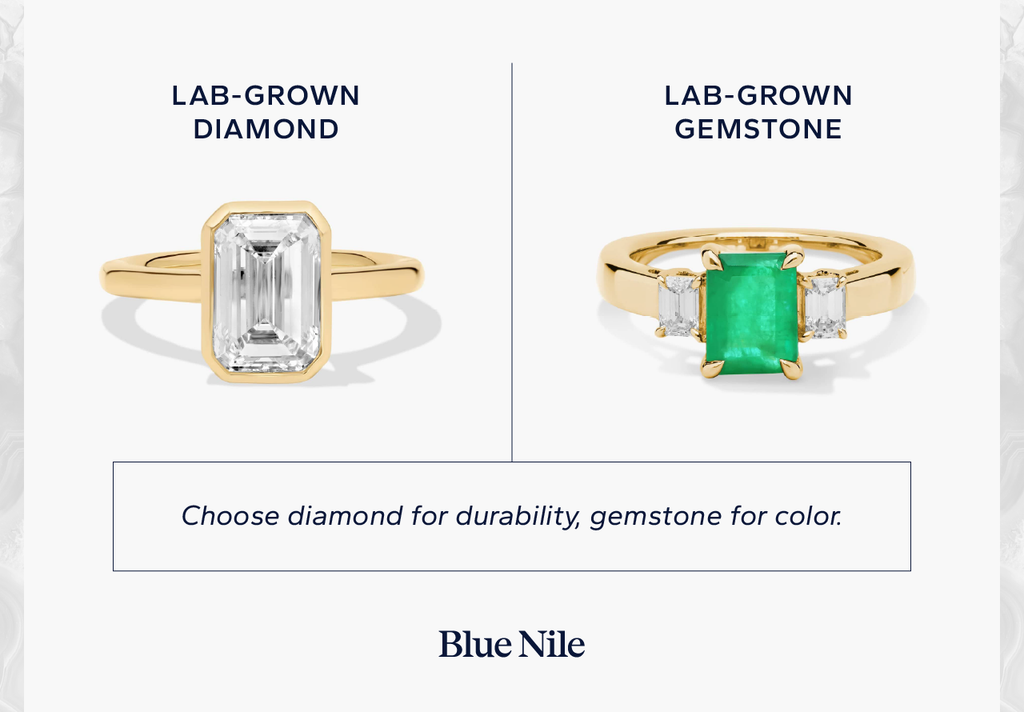
If you’re considering whether you should buy lab-grown diamonds, they’re a good choice if avoiding mining is a priority. They’re created in a controlled setting rather than mined from the earth, so they avoid the environmental impact and conflict-related concerns associated with traditional diamond mining.
Lab-created diamonds have the same optical, chemical and physical properties as natural diamonds. However, because lab-created diamonds can be produced in abundance, they are less expensive and make larger size diamonds more affordable.
Their relative abundance may not ensure that they will hold value over time. Lab-grown gemstones offer another option if you want to avoid newly mined stones.
Repurposed Metals
If you’re shopping for responsibly sourced gold jewelry, repurposed metals can be a meaningful part of the sourcing story. They come from existing sources like old jewelry or industrial materials that have been melted down and refined for use in new pieces, reducing the need for additional mining.
Repurposed metals are still solid precious metals, so they have the same durability profile as newly mined metals. That means there’s no trade-off in quality, which is a plus when you’re investing in jewelry you plan to wear for years.
5 Certifications and Industry Standards to Look For
When a jeweler claims its pieces are responsibly sourced, always look beyond the claim itself. Certifications and industry standards can give you more specific information about how materials are sourced, handled and traced.
Just as you might compare IGI vs GIA certifications when evaluating diamond grading, knowing what different sourcing standards cover can help you ask better questions.
Kimberley Process Certification Scheme (KPCS)
As discussed above, KPCS is an international certification scheme designed to prevent conflict diamonds from entering the legitimate supply chain.
For shoppers, it’s helpful to remember that the KPCS applies to rough diamonds and focuses specifically on conflict financing, not broader environmental or labor practices.
Responsible Jewellery Council (RJC)
The Responsible Jewellery Council (RJC) is a global standards organization focused on responsible practices across the jewelry supply chain. Its Code of Practices covers areas including human rights, social responsibility, environmental practices and responsible business practices.
RJC also offers a Chain of Custody standard for gold, silver and platinum group metals. This standard focuses on traceability and responsible sourcing as materials move through the supply chain.
Fairtrade Gold
Fairtrade Gold comes from certified artisanal and small-scale mining organizations that meet Fairtrade standards for working conditions, environmental practices and responsible sourcing. The program also provides a Fairtrade Minimum Price and Premium to support miners and their communities.
Fairtrade Gold is physically traceable from the mine through refining and into finished products, with independent audits conducted by FLOCERT. For shoppers, that traceability offers a clearer picture of where the gold came from and how it moved through the supply chain.
Fairmined Gold
Fairmined Gold is certified by the Alliance for Responsible Mining (ARM) and comes from artisanal and small-scale mining organizations that meet standards for responsible mining.
The standard addresses areas such as working conditions, environmental protection, responsible business practices and the elimination of child labor.
Fairmined also requires miners to receive a minimum price for their gold, plus a premium that can be invested in improvements for mining organizations and local communities. This gives shoppers a way to support more responsible practices at the mining level.
SCS Recycled Content Certification
SCS Recycled Content Certification verifies the percentage of recycled material in a product or material. For jewelry, this can help substantiate claims about the use of repurposed metals rather than relying on a general sustainability claim.
The certification uses third-party verification to evaluate recycled content and supply chain documentation. This can give shoppers more confidence that a product’s recycled-content claims are backed by an established standard.
Environmental Considerations of Jewelry Durability
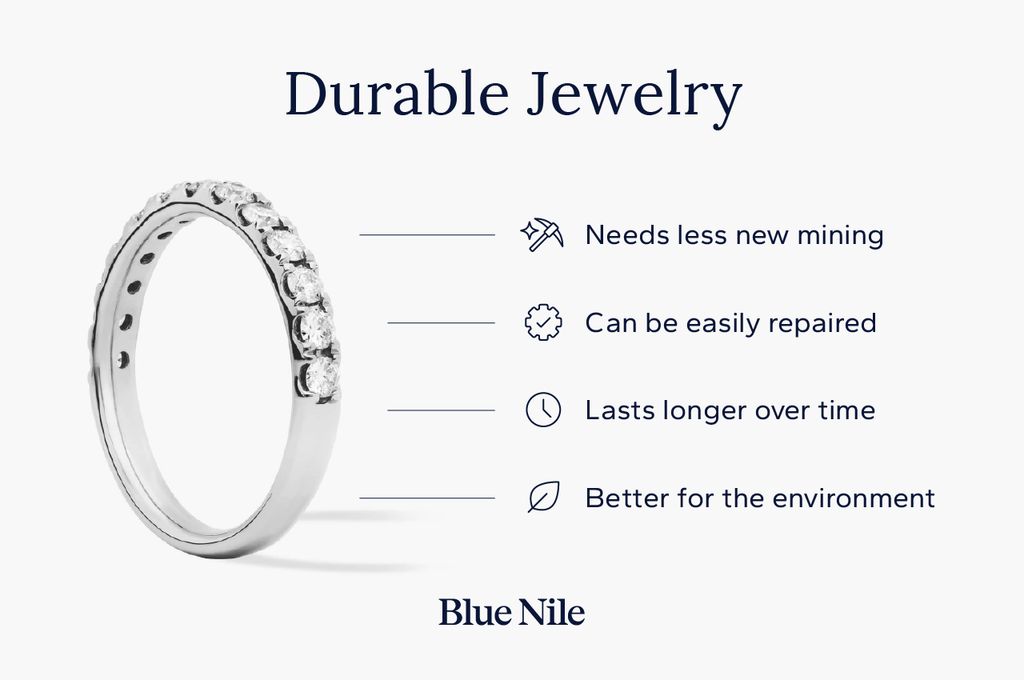
Durability is part of responsible sourcing, too, as well-made jewelry that lasts reduces the need for replacement. For example, gold-plated jewelry is not nearly as durable as real gold jewelry. Well-made jewelry can be worn, repaired and reworked for years, helping reduce the need to replace pieces.
Precious metals like gold, silver and platinum can be easily repaired, reworked, updated and redesigned almost limitlessly. Choosing quality pieces that are designed to last can give you more wear from your jewelry and reduce unnecessary waste.
Shop Quality Jewelry at Blue Nile
When you’re ready to find a piece you’ll love for years to come, explore our collection of fine jewelry. From responsibly sourced diamonds to quality precious metals, we offer options to help you shop with greater confidence in what goes into each piece.
Explore our fine jewelry collection to find a quality piece for everyday wear or life’s biggest moments.
Frequently Asked Questions
We offer responsibly sourced jewelry and conflict-free diamonds, with sourcing practices designed to provide greater transparency around the materials in our jewelry. Explore our sourcing standards to learn more about how we approach responsible jewelry sourcing.
Look for jewelry made with solid precious metals and genuine gemstones. Materials like gold, silver and platinum are durable and can often be repaired or reworked over time, helping a well-made piece last for years.
Responsibly sourced jewelry made from solid precious metals is easy to maintain. Regularly polish your pieces with a specialized cloth or clean them using a mixture of gentle dish soap and water. For jewelry featuring unique gemstones, follow our gemstone care tips.
Conflict-free diamonds are diamonds that have not been used to finance armed conflict by rebel groups or their allies. The Kimberley Process helps prevent conflict diamonds from entering the legitimate supply chain by regulating the international trade of rough diamonds.
Conflict-free refers specifically to whether a diamond has been used to finance armed conflict. Responsibly sourced is a broader term that can encompass factors such as labor practices, human rights, environmental impact and supply chain traceability.
A conflict-free diamond may meet the Kimberley Process requirements without addressing all of these broader sourcing considerations.


Share