










Key takeaways:
- Gold karats measure purity, influencing color, durability and cost.
- 10k gold is the most durable and budget-friendly, while 24k gold is the purest and softest.
- For most jewelry, especially rings, 14k offers the best balance of strength and value, while 18k provides a richer color.
- Higher-karat gold costs more because it contains more pure gold, though the impact on price may be smaller in pieces with larger gemstones.
The difference between different karats of gold isn’t just a number—it affects how your jewelry looks and wears every day.
Gold’s natural beauty makes it a classic choice, but pure gold is also soft and can bend or scratch easily. To improve durability, it’s blended with other metals. This creates the gold karat scale, which is based on 24 parts, with 24k (99.9% purity) as the highest karat.
When deciding what karat gold is best for rings, the right choice comes down to balancing strength, appearance and cost. Each karat level offers a distinct combination of durability, color and value. This 10k vs. 14k vs. 18k vs. 24k gold guide breaks down the differences so you can confidently choose timeless jewelry pieces that fit your lifestyle.
Comparing 10k vs. 14k vs. 18k vs. 24k Gold
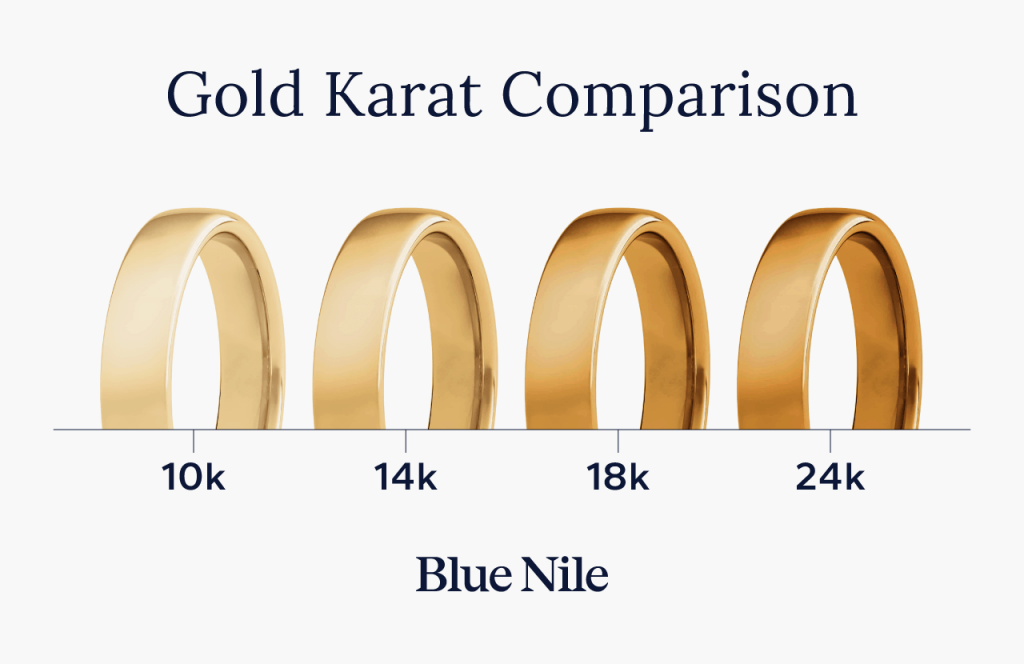
Each karat of gold offers a different balance of durability, color and value. Lower karats, like 10k, are designed for strength and everyday wear, while higher karats, like 18k and 24k, emphasize the richness of color and gold content.
Comparing 10k vs. 14k vs. 18k vs. 24k gold makes it easier to see how these differences affect how jewelry looks, feels and performs over time.
| 10k | 14k | 18k | 24k | |
| Best for | Durable, budget-friendly everyday jewelry | Engagement rings and daily wear | Fine jewelry with richer color | Collectors, cultural or low-wear pieces |
| Gold content | 41.7% gold | 58.3% gold | 75% gold | 99.9% gold |
| Durability | Very durable and highly scratch-resistant | Durable enough for everyday wear | Softer, may show wear over time | Very soft and prone to bending or scratching |
| Appearance | Pale yellow with subtle warmth | Balanced tone with classic color | Rich yellow with deep luster | Bright, intense yellow |
| Price | Most affordable option for fine gold jewelry | Moderately priced and popular for everyday wear | Higher cost due to gold content | Highest cost; typically used for investors or ceremonial pieces |
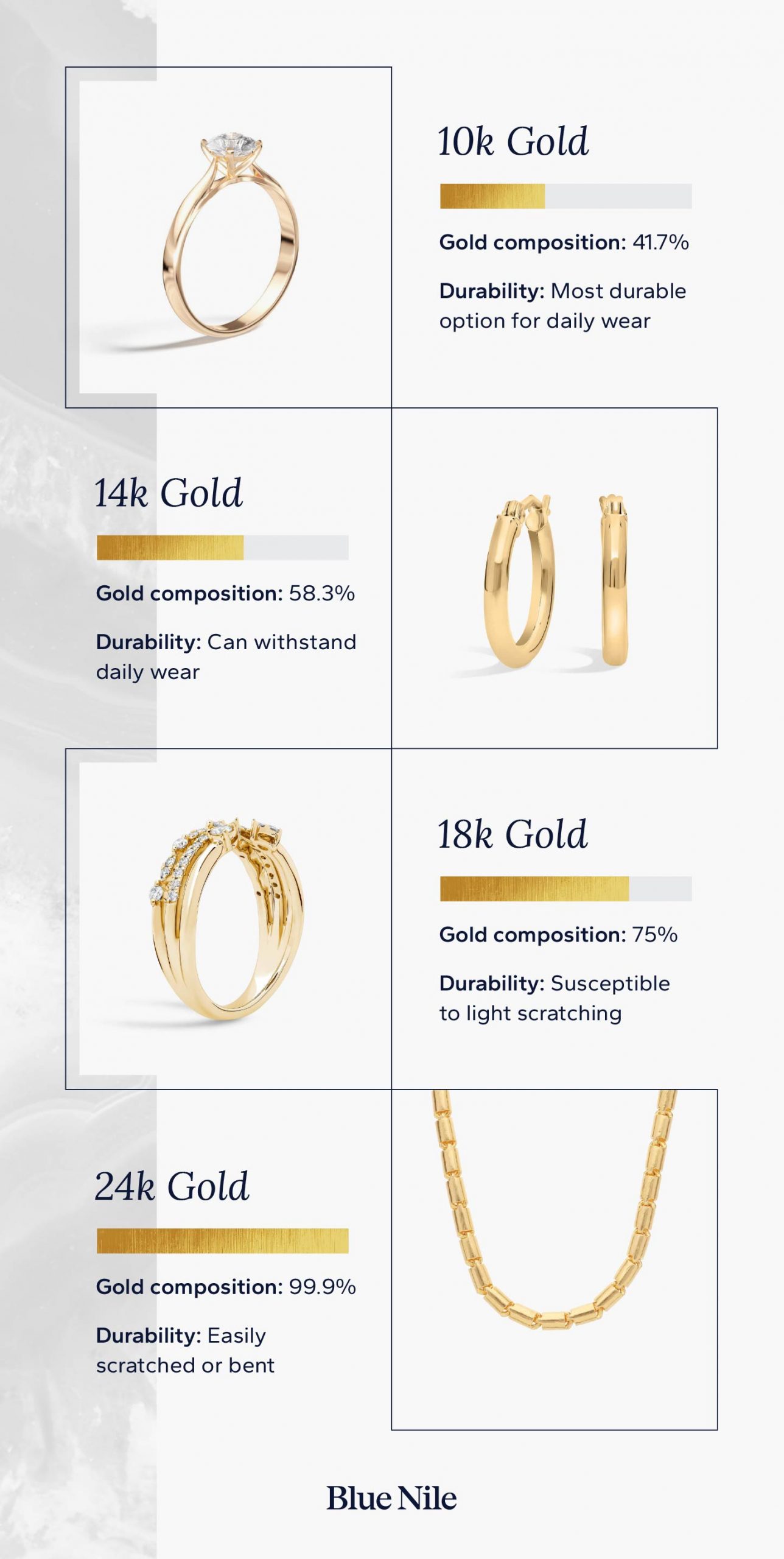
10k Gold
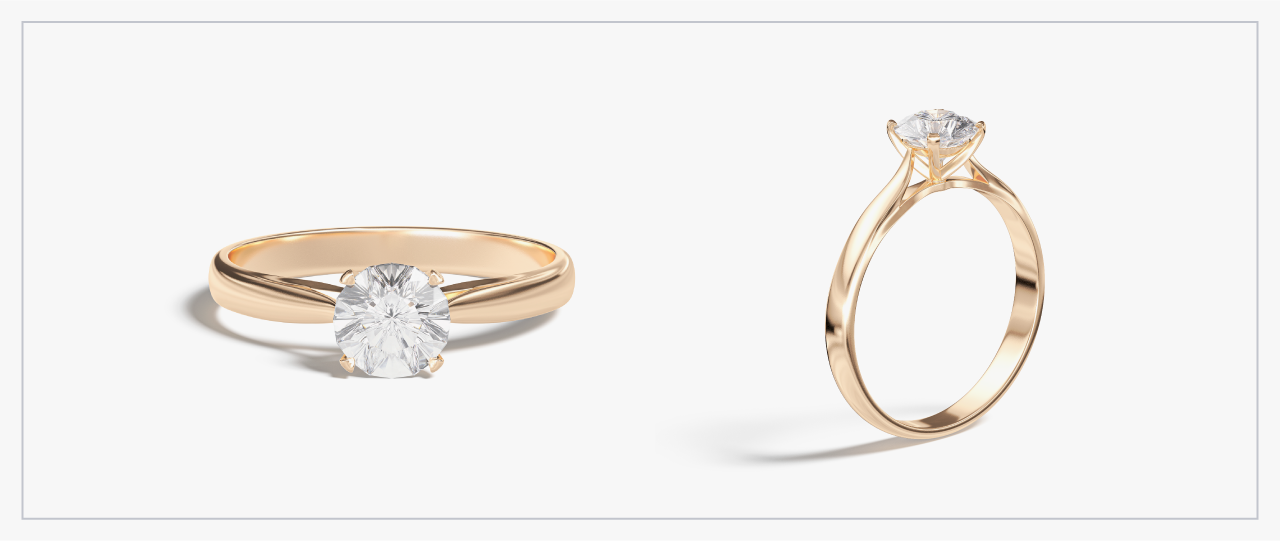
- Best for: Budget-conscious shoppers and jewelry designed for frequent wear
- Percentage of gold: 41.7% gold
- Percentage of alloy: 58.3% added metals such as copper, zinc and silver
- Durability: Very strong and resistant to everyday wear; the hardest of all common gold karats
- Skin sensitivity: May cause irritation for those sensitive to alloy metals such as nickel
- Best for: Budget-conscious shoppers and jewelry designed for frequent wear
- Cost: Most affordable option among gold karats
With its higher alloy content, 10k gold offers excellent metal durability, making it the most durable and cost-effective option among standard gold karats. When comparing 10k vs. 14k gold, the difference often comes down to durability vs. color: 10k offers greater strength, while 14k provides a richer gold tone.
Because it contains a higher percentage of alloy metals, 10k gold may not be ideal for those with sensitive skin.
| Pros | Cons |
| Highly durable and resistant to scratches | Paler color than higher-karat gold |
| More affordable than higher-karat gold | May cause irritation for sensitive skin |
| Well-suited for everyday jewelry | Less refined appearance than 14k or 18k gold |
14k Gold
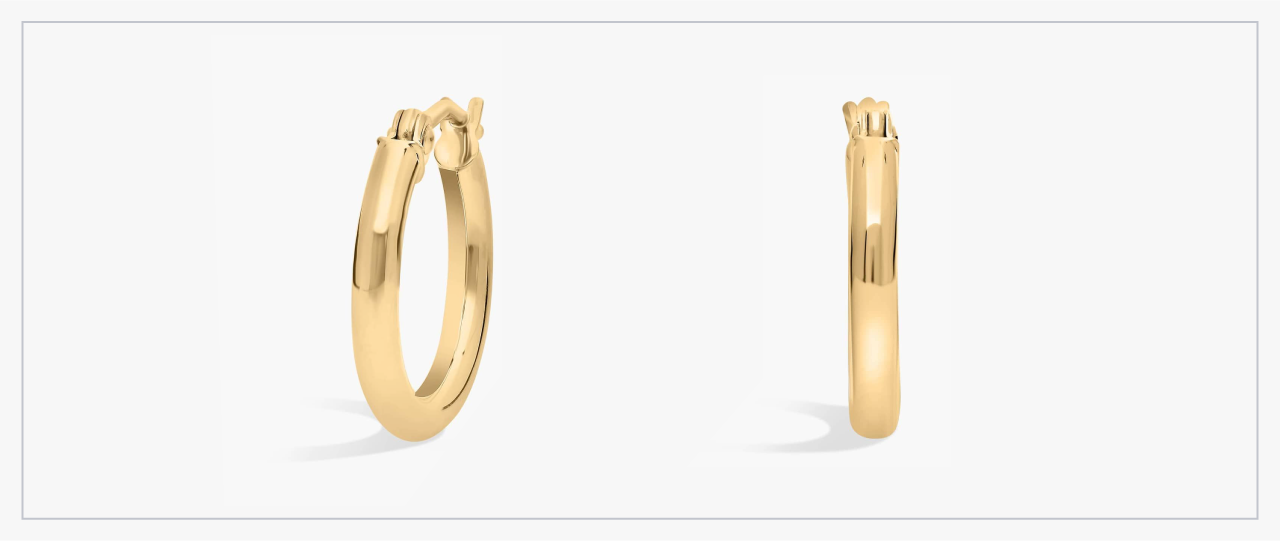
- Best for: Engagement rings, wedding rings and everyday fine jewelry
- Percentage of gold: 58.3% gold
- Percentage of alloy: 41.7% added metals such as copper, silver and zinc
- Durability: Durable enough for everyday wear while maintaining a rich, classic appearance
- Skin sensitivity: Suitable for most wearers; lower risk of irritation than 10k gold
- Best for: Engagement rings, wedding rings and everyday fine jewelry
- Cost: Mid-range price point balancing beauty and durability
Among the most popular choices, 14k gold is valued for its balance of durability, color and cost. It is more durable than 18k gold and offers a richer tone than 10k gold, making it a practical option for everyday wear.
Its composition allows it to resist scratching and hold its shape over time, which is why people commonly use it for engagement rings, necklaces and bracelets. The color of 14 karat gold can also vary depending on the alloy blend, making it well-suited for yellow, white and rose gold styles.
| Pros | Cons |
| Strong and durable for everyday wear | Less rich, saturated color than 18k gold |
| Balanced gold color with a classic appearance | Less premium feel than higher-karat gold |
| More affordable than 18k gold | Contains more alloy metals than 18k, which may affect very sensitive skin |
18k Gold
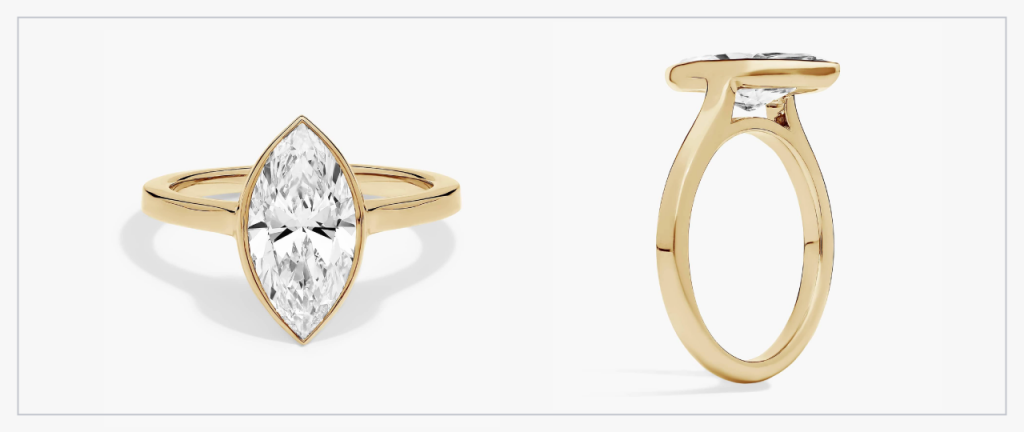
- Best for: Fine jewelry and those who prefer a richer gold color
- Gold content: 75% gold
- Alloy content: 25% metals such as copper and silver
- Durability: Softer than 14k; may show signs of wear over time
- Skin sensitivity: Suitable for most wearers; lower alloy content reduces irritation risk
- Cost: Higher price due to increased gold content
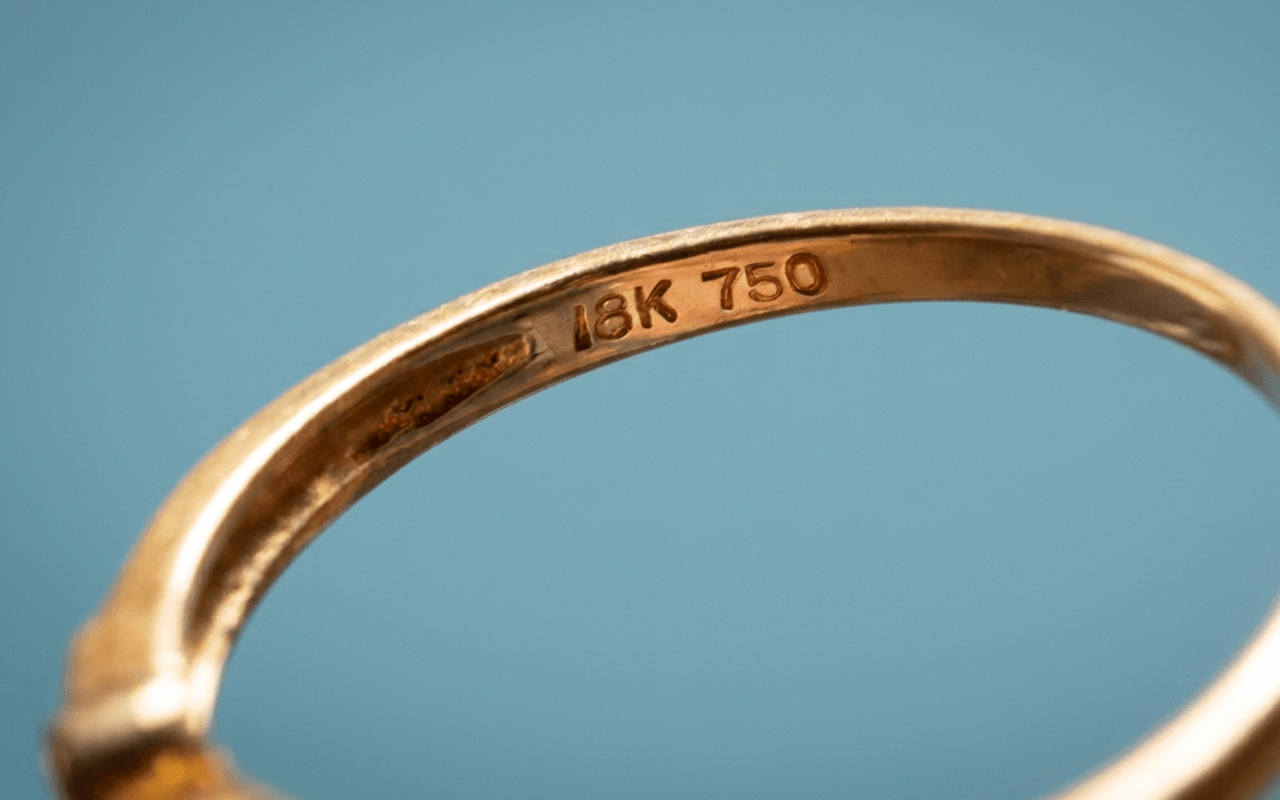
As a higher karat gold, 18k offers a richer color and greater gold content than 14k. One key benefit of 18k gold is its deeper, more saturated tone, often associated with luxury fine jewelry. People often choose it for rings, earrings and statement pieces that emphasize color and craftsmanship.
Because it contains more pure gold, 18k is softer than 14k and may show scratches or wear more easily over time. If strength is a priority, you may want to consider more durable alternatives such as white gold or platinum.
| Pros | Cons |
| Rich, saturated gold color | Softer than 14k and more prone to scratches |
| Higher gold content for a more luxurious feel | May not hold up as well to heavy daily wear |
| Lower alloy content, making it suitable for most wearers | Higher cost due to increased gold content |
24k Gold
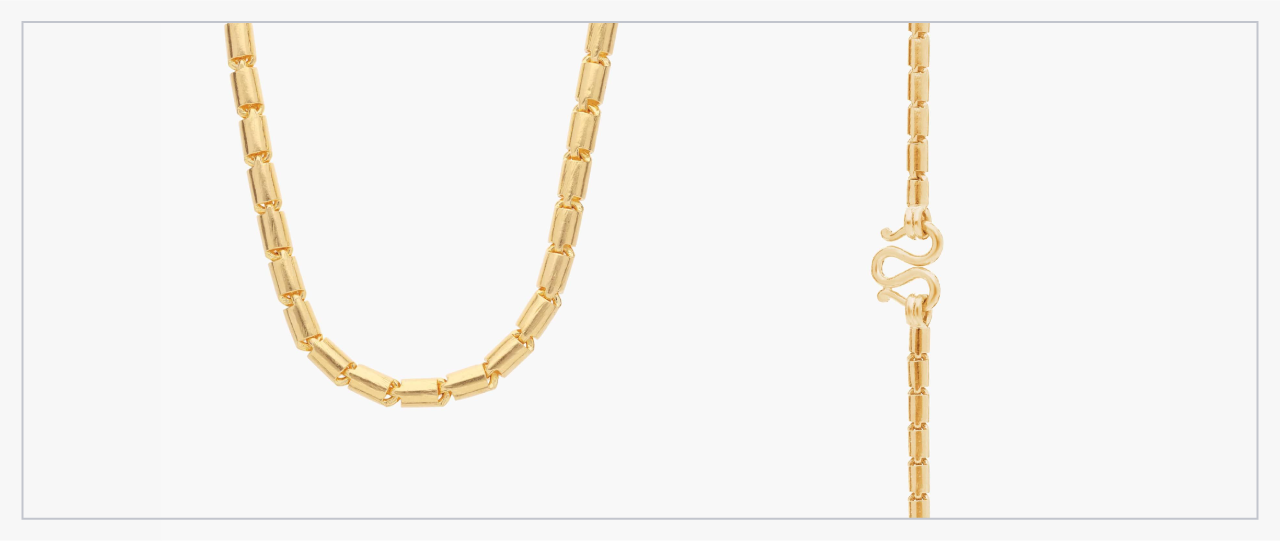
- Best for: Collectible, ceremonial or investment pieces rather than daily wear
- Percentage of gold: 99.9% gold
- Percentage of alloy: Minimal trace metals, if any
- Durability: Softest and most malleable of all gold types; easily scratched or bent
- Skin sensitivity: Hypoallergenic due to its near-pure composition
- Best for: Collectible, ceremonial or investment pieces rather than daily wear
- Cost: Highest price point because of its exceptional purity
The highest karat of gold is 24k, with 99.9% purity. Its deep, saturated yellow color is instantly recognizable, and its high gold content gives it a bright, reflective appearance. At this level of purity, gold does not tarnish, but its softness means it can show scratches and wear more easily over time.
Because of its delicate nature, 24k gold is typically reserved for pieces that are not worn every day. Its purity and color make it a popular choice for collectors and cultural jewelry traditions where gold content carries symbolic meaning. Although less practical for daily use, 24k gold remains the ultimate expression of luxury and authenticity in fine jewelry.
| Pros | Cons |
| Highest gold content available (99.9% pure) | Very soft and prone to scratching or bending |
| Rich, vibrant yellow color | Not ideal for everyday wear |
| Hypoallergenic and suitable for sensitive skin | Higher cost without the durability of lower-karat gold |
What Karat Gold Is Best for Different Types of Jewelry?
Each karat of gold offers a different balance of durability, color and value. When deciding what karat gold is best for jewelry, 14k gold is a practical choice for everyday use, while 18k gold is popular for its rich color and higher gold content.
The right option depends on how often you wear the piece and the look you want to achieve.
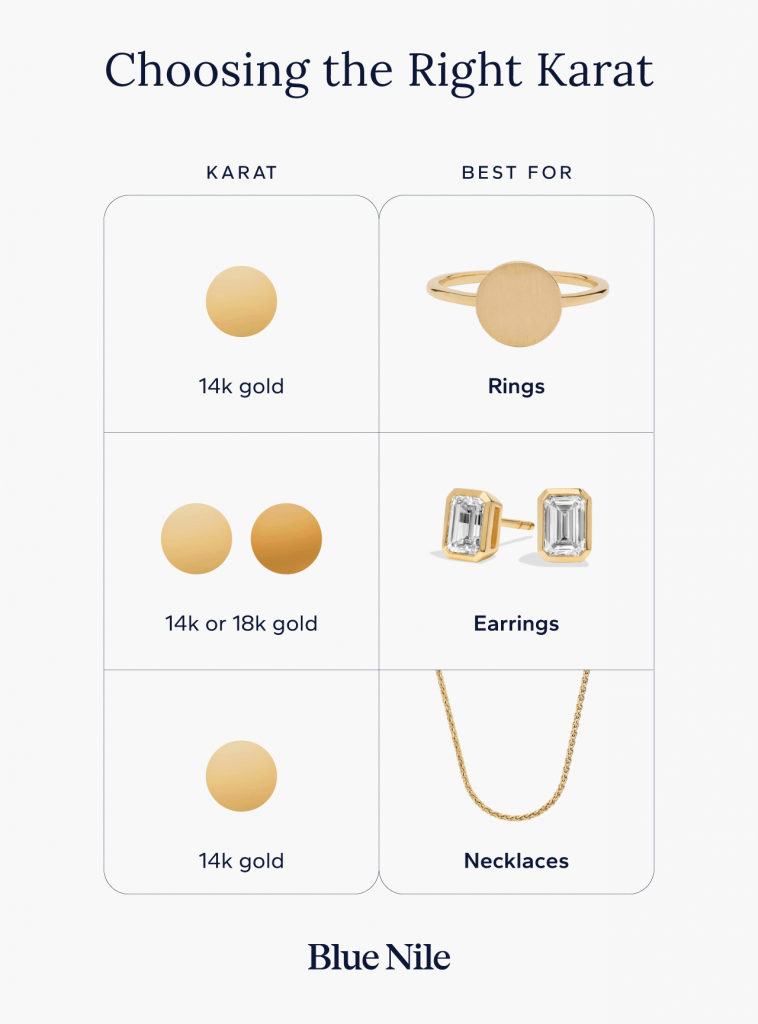
What Karat Gold is Best for Rings?
Many people prefer 14k gold for daily wear because it offers the right balance of durability and appearance. When comparing 10k gold vs 14k gold, 10k is a good choice for those who prioritize maximum strength or a lower price point.
Gold rings experience the most daily wear, so durability and resistance to scratching are key factors when choosing a gold karat. This is especially important for engagement and wedding rings, where 14k gold provides lasting durability with a classic gold appearance.
| If you… | Then you might prefer … |
| – Have a very active lifestyle or work with your hands – Are on a tight budget and want durability – Are buying a fashion ring for occasional wear | 10k |
| – Want the best balance for an engagement or wedding ring worn daily – Want durability with a classic gold appearance – Have sensitive skin but still want a durable option | 14k |
| – Have sensitive skin – Prefer a richer color for a special occasion ring – Are choosing an heirloom or a lower-wear statement piece | 18k |
| – Are buying a piece for ceremonial, collectible, or investment value – Want the brightest, most intense yellow hue | 24k |
What Karat Gold Is Best for Earrings?
14k or 18k gold is typically best for earrings, depending on whether you prioritize durability or a richer color and lower alloy content. Gold earrings typically experience less impact, making comfort and skin sensitivity more important considerations.
| If you… | Then you might prefer … |
| – Want a durable, budget-friendly option for everyday studs or hoops – Prefer lightweight earrings that can handle daily wear | 10k |
| – Want a comfortable everyday option with a classic gold look – Have moderately sensitive ears but still want durability – Prioritize comfort for long wear | 14k |
| – Have sensitive ears and want lower alloy exposure – Prefer a richer gold tone for visible styles – Are choosing fine or occasional-wear earrings | 18k |
| – Want maximum purity for sensitive skin or cultural reasons – Are buying ceremonial or symbolic pieces | 24k |
What Karat Gold is Best for Necklaces?
For necklaces, 14k gold is often the best choice for its balance of durability and classic appearance. However, since gold necklaces experience less impact than rings or bracelets, color and overall appearance can be prioritized over durability for lower-wear or specialty pieces.
| If you… | Then choose… |
| – Want a durable, budget-friendly chain for daily wear – Prefer a stronger chain that resists bending | 10k |
| – Want a versatile necklace you can wear every day – Prefer a balance of durability and classic gold color | 14k |
| – Want a richer tone for pendants or statement pieces – Are choosing a necklace for special occasions – Prioritize color and gold content over durability | 18k |
| – Want the most intense gold color possible – Are buying for ceremonial, cultural or investment purposes | 24k |
How Karat Affects Jewelry Price
The gold price is directly tied to how much pure gold is in a piece. Higher karat gold contains a greater percentage of gold per gram, which increases the overall material cost. Because of this, 18k and 24k gold are more expensive than 10k or 14k gold, even when pieces are similar in size and design.
To see how this works, consider a 5-gram gold ring. A 10k ring contains about 2.1 grams of pure gold, while a 14k ring contains about 2.9 grams and an 18k ring about 3.75 grams. As the gold content increases, so does the metal’s value.
For diamond-heavy or gemstone pieces, the difference in price is often driven more by carat weight than karat, as much of the cost comes from the stones rather than the gold—highlighting the distinction between carat vs. karat in jewelry pricing.
Find the Perfect Gold Karat for Your Collection
Choosing the right gold karat means understanding how purity affects durability, color and cost. Comparing 10k vs. 14k vs. 18k vs. 24k gold makes it easier to decide which karat is best for rings and other jewelry.
The right choice depends on how you plan to wear it, whether they are part of your everyday jewelry wardrobe or for special occasions.
With this knowledge, you can explore Blue Nile’s collection of gold jewelry crafted in 14k and 18k gold with confidence. These karats offer the balance of durability and color that most people seek, helping you choose pieces that align with your preferences and lifestyle.
Frequently Asked Questions
There isn’t one gold karat that’s universally better, as each offers different benefits depending on how you plan to wear it. 10k gold is the most durable and affordable, making it suitable for everyday pieces.
14k gold offers a balanced mix of strength and color and is the most popular choice for fine jewelry, while 18k gold provides higher purity and a richer tone for more elevated designs. 24k gold is valued for its purity and color, but is generally too soft for daily wear.
Karat measures the purity of gold, while carat measures the weight of gemstones like diamonds. Although the terms sound similar, they refer to different aspects of jewelry—metal composition versus gemstone size. Understanding carat vs. karat helps when comparing gold jewelry and diamond pieces.
For durable and affordable jewelry, 10k gold is a good choice. Its higher alloy content makes it more resistant to scratching and bending than higher-karat gold, though it has a paler color and may not be ideal for sensitive skin. It’s best suited for pieces that you’ll wear frequently.
For most fine jewelry, 14k gold is one of the best options. It offers a strong balance of durability, color and value, making it well-suited for everyday wear. It is durable enough to resist wear while maintaining the classic gold appearance many people prefer.
The best karat for rings is often 14k gold, especially for daily wear, because it offers the right balance of durability and appearance. 18k gold is a good option for those who prefer a richer color and higher gold content, particularly for occasional or statement pieces.
Gold is a durable metal, but its strength depends on the karat. Lower-karat gold, like 10k and 14k, is more resistant to scratching and bending, while higher-karat gold, like 18k and 24k, is softer and more prone to wear. For everyday jewelry, 14k and 18k offer a practical balance of durability and appearance.
Gold itself does not rust or corrode, but it is not completely immune to water. Lower-karat gold contains more alloy metals, which can react to moisture, salt or chemicals over time. While occasional exposure to water is generally safe, removing gold jewelry before swimming, bathing or using harsh products can help maintain its appearance.


Share




 Live Chat
 +1‑800‑242‑2728
 Email Us

