


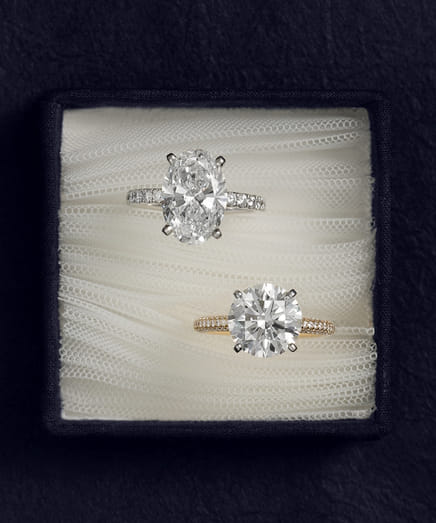



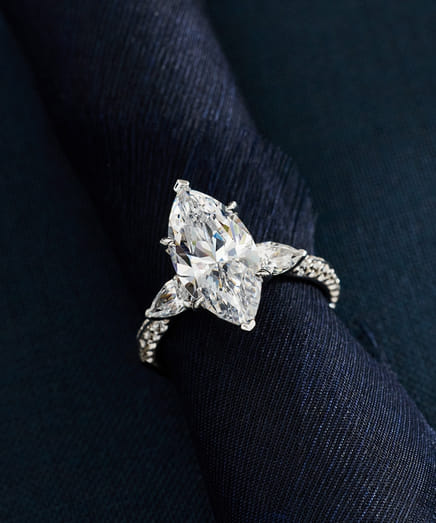
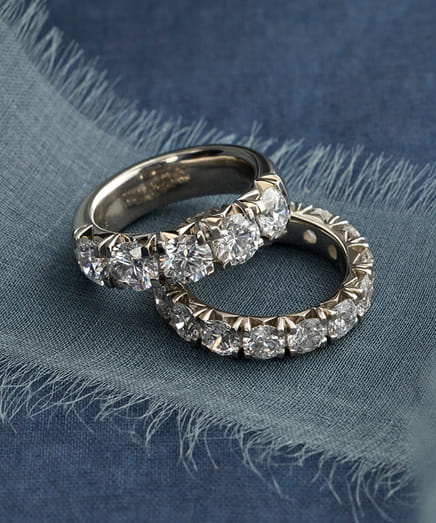





Platinum and white gold both make beautiful jewelry, but they differ in composition, weight and upkeep. Platinum is a naturally white, hypoallergenic metal known for its durability and long-lasting color. White gold—a blend of yellow gold with white metals and a rhodium plating finish—has a similar look at a lighter weight and more affordable price.
When comparing platinum vs. white gold, you may wonder which metal is the better choice for your jewelry. Both have a bright, silvery appearance that complements diamonds, but each offers unique qualities that influence the look and feel of the final product.
Choosing between platinum and white gold often comes down to what fits your aesthetic and lifestyle. Understanding what sets these two metals apart can help you find the perfect piece for your taste.
Key Differences between White Gold and Platinum
The biggest difference between platinum and white gold is composition. Platinum is a pure metal, while white gold is a mixture of pure gold and other metals, such as nickel or palladium, along with a rhodium coating. This affects how each metal looks, feels and wears over time.
Below is a side-by-side look at how these two metals compare in key areas:
Metal
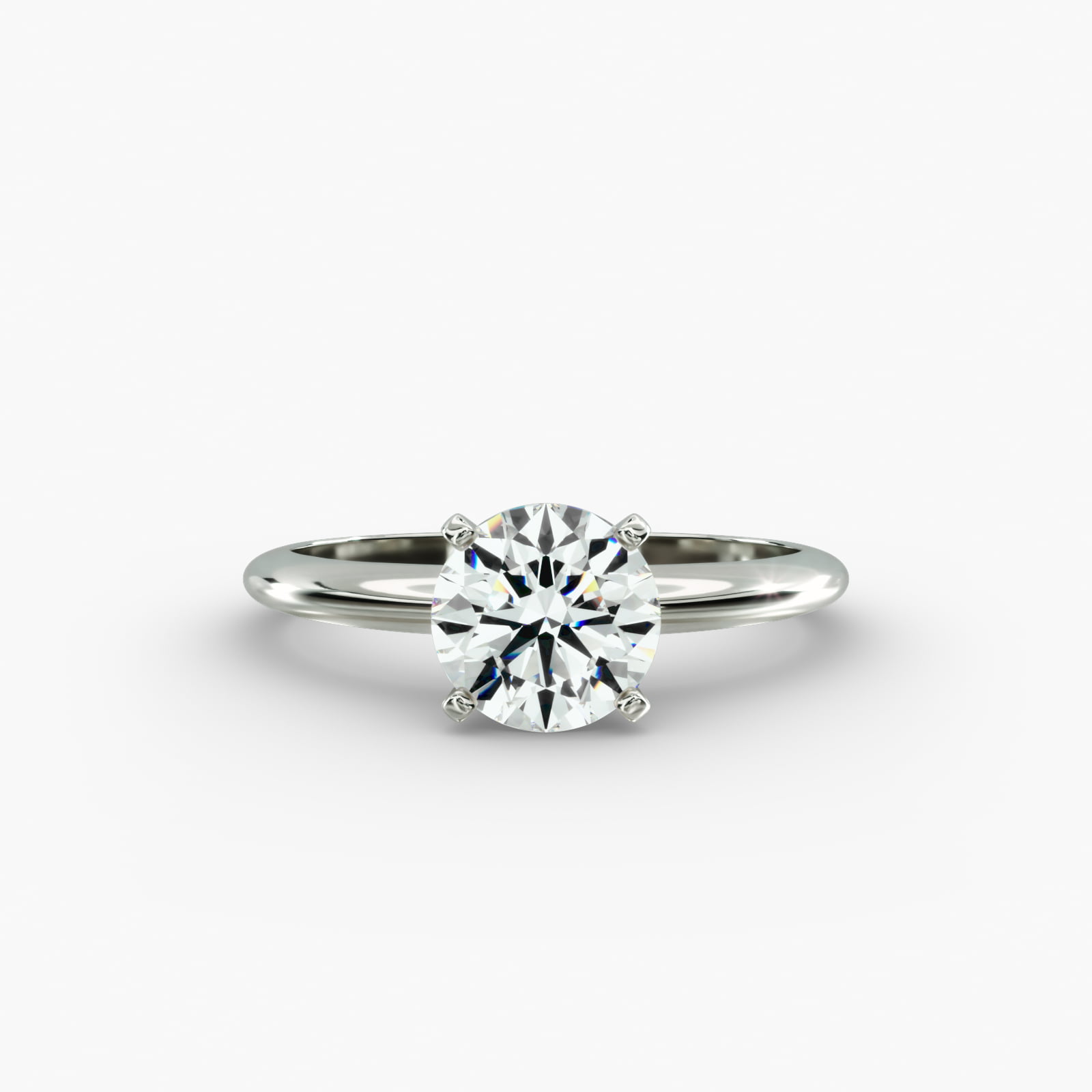
Platinum
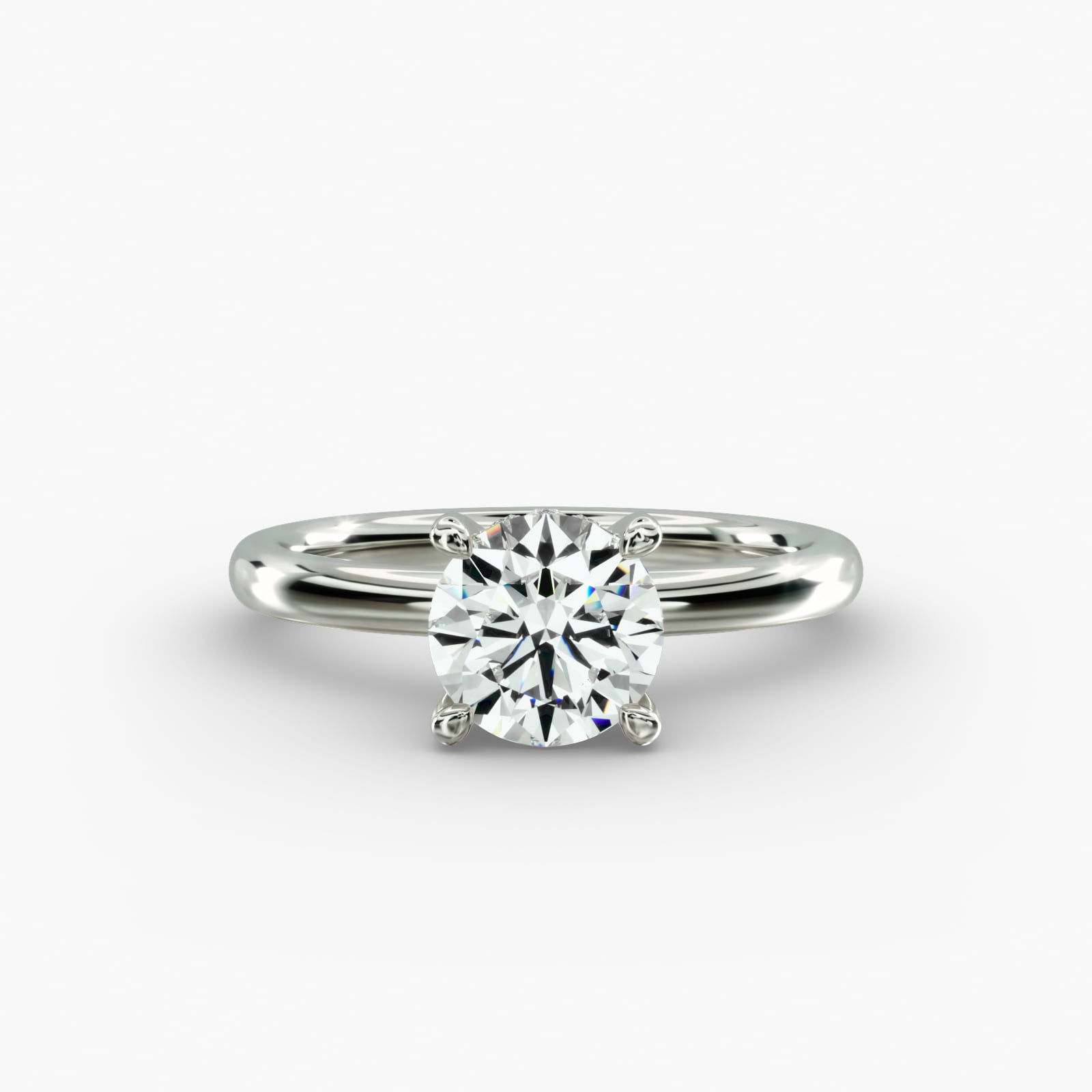
White Gold
Composition
Appearance
Durability
Weight
Maintenance
Skin sensitivity
Feel
Purity
Rarity
Best for
Price range
Composition and Appearance
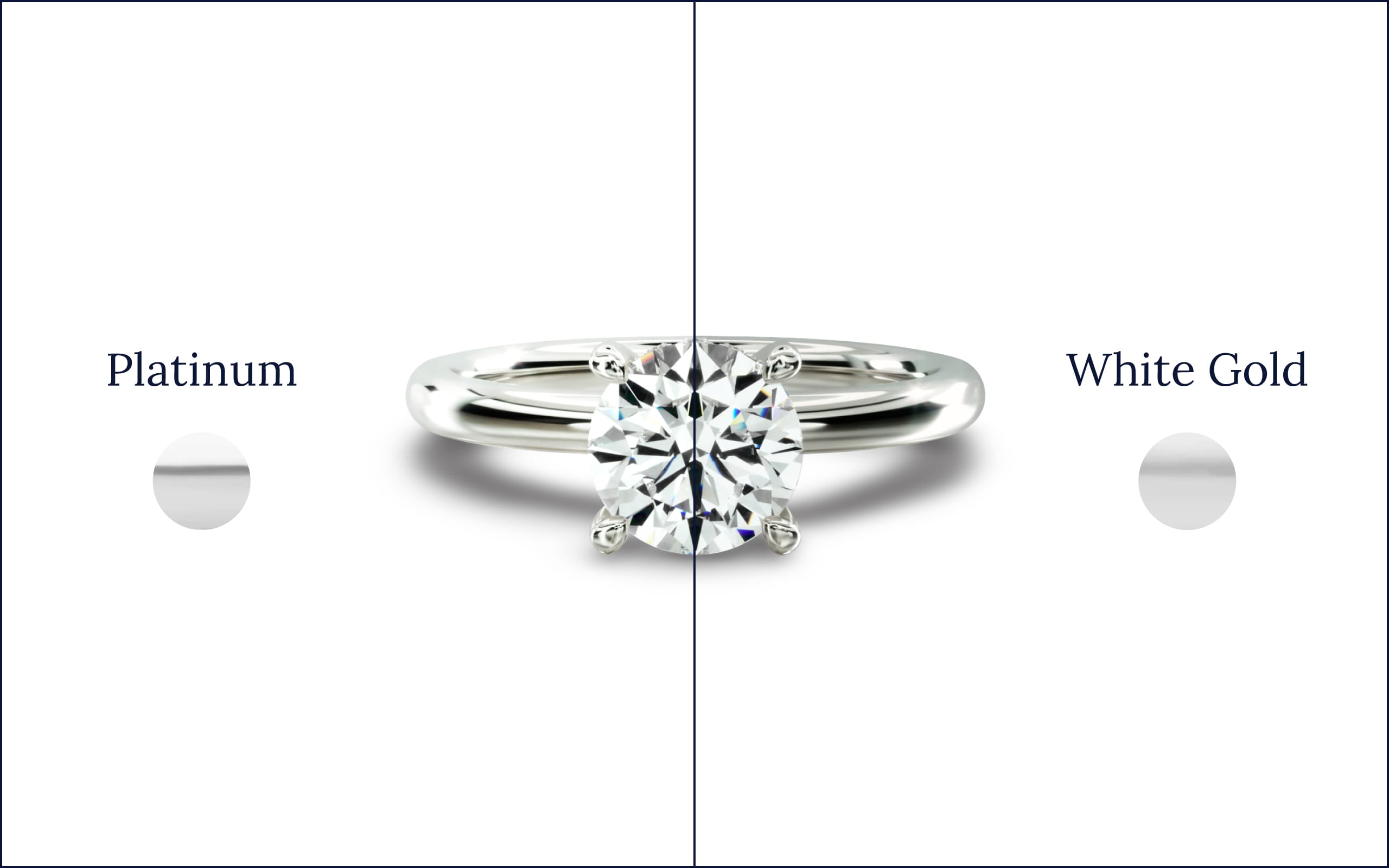
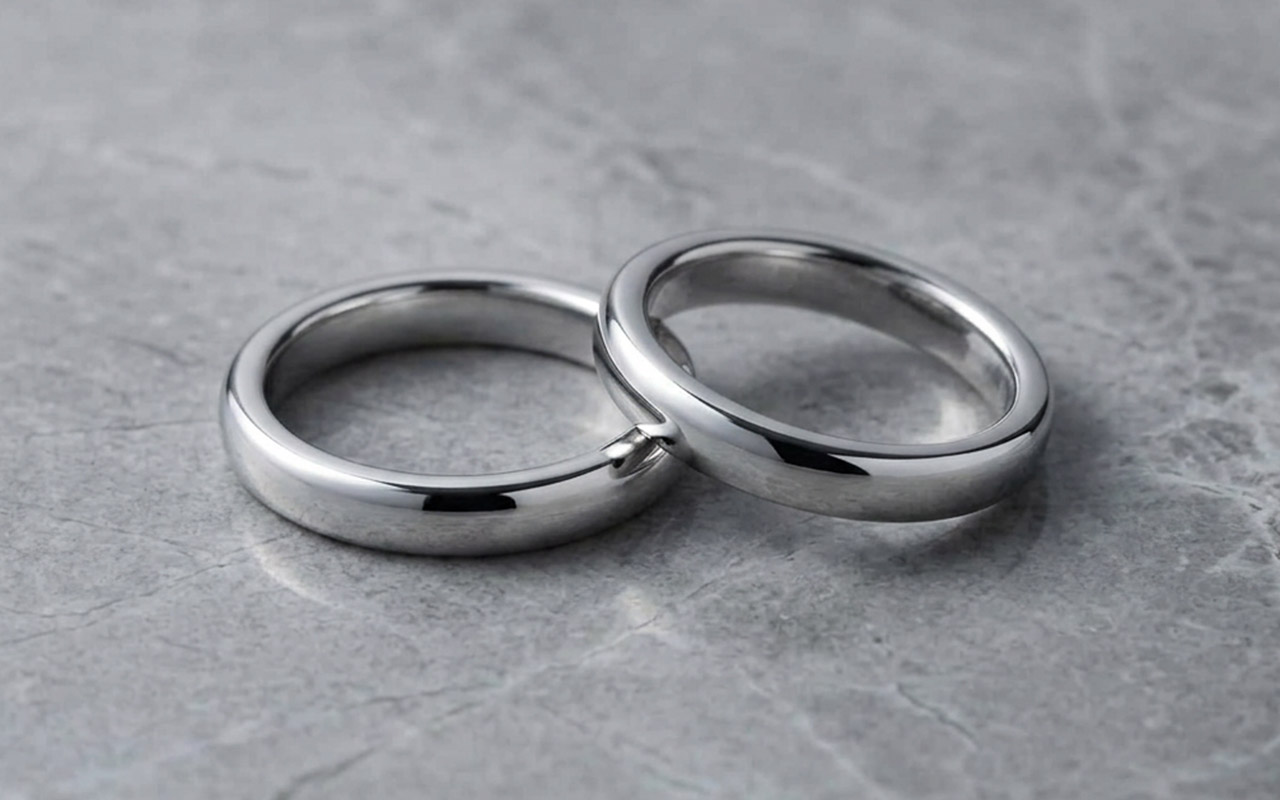
The primary distinctions between platinum and white gold lie in their composition and natural appearance. Platinum retains its color for life. Its cool tone doesn’t require additional plating, which makes it a top choice for low-maintenance jewelry.
White gold is created by mixing yellow gold with other metals, as well as a rhodium coating for a shiny, mirror-like finish. Over time, this rhodium plating may wear down, and re-plating is needed to restore its shine. The exact blend of metals can also vary depending on the karat, such as 14k vs. 18k gold, which affects the color.
Durability and Weight
Platinum and white gold are both considered durable metals, though platinum is heavier and more durable.
Platinum’s density and strength make it highly resistant to bending and damage, perfect for wedding rings and other jewelry worn daily. Over time, platinum develops a soft patina, a natural finish that many people love for its vintage appeal.
White gold is also strong, but it’s less dense than platinum. Still, its lighter weight makes it suitable for daily wear. However, as an alloy (a mixture of metals), white gold can tarnish over time without regular upkeep.
Cost and Maintenance
When breaking down the cost of platinum vs. white gold, platinum is generally more expensive because it’s denser, rarer and pure metal. White gold is a more affordable option with a similar silvery look, but it may need periodic maintenance to preserve its bright finish.
If you prefer to invest in timeless jewelry, platinum pieces hold up beautifully for many years. Still, both metals benefit from regular care—simple steps like gentle polishing and occasional at-home cleanings can help your jewelry maintain its brilliance.
Style and Wearability
When it comes to style, the choice between platinum and white gold often depends on your aesthetic preference and routine.
Platinum has a cool, silvery hue that enhances the shine of diamonds and other gemstones, easily pairing with most other jewelry. It’s also naturally hypoallergenic jewelry, making platinum a top choice for anyone with sensitive skin.
White gold has a slightly warmer undertone, giving it a softer appearance. You can let it fade or keep it polished for a brighter look, making it versatile for both everyday and formal styles. Nevertheless, both metals work well for classic and modern styles, from bold statement pieces to elegant wedding rings.
Which Is Better, Platinum or White Gold?
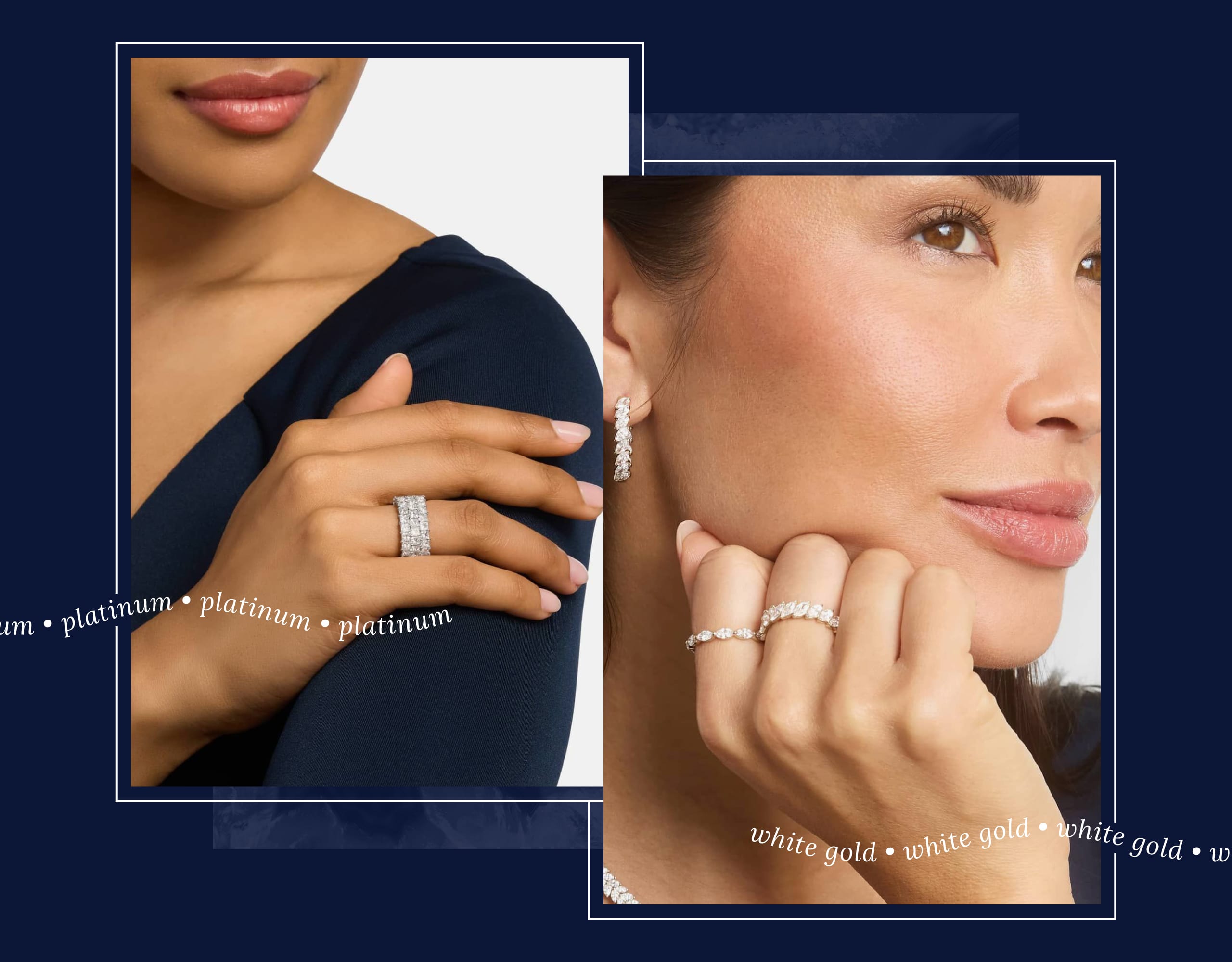
The choice between platinum and white gold ultimately comes down to the jewelry wearer’s lifestyle, budget and design preferences.
If you want a naturally white, long-lasting metal with little upkeep, then platinum is better than white gold. Its superior durability makes it a practical and luxurious choice for heirloom pieces and everyday jewelry. Platinum is also a top choice for those with sensitive skin.
Alternatively, if you love the same elegant, silvery look but want a lighter, more affordable option, white gold is the better choice. Its mix of metals makes it flexible for intricate designs and custom pieces. While white gold may require occasional re-plating, its versatility and low cost make it a favorable choice.
Discover Artisan Jewelry in Platinum, White Gold and More
Choosing platinum vs. white gold jewelry ultimately comes down to personal style and everyday habits. Both metals offer beauty, strength and lasting value, whether you’re celebrating an engagement, anniversary or another special moment.
Ready to find your next favorite piece? Shop our collection of platinum and white gold rings designed to cherish for a lifetime.
Frequently Asked Questions
Platinum is generally preferred for wedding and engagement rings since it’s more durable and naturally white. However, both metals are popular for sentimental jewelry since they’re both durable and designed for daily wear.
It depends on your personal taste and lifestyle. Platinum is better than white gold if you prefer a metal that’s pure, hypoallergenic and long-lasting. While white gold offers nearly identical beauty at a lower price if you don’t mind occasional re-coating.
Platinum is the best choice for sensitive skin because it’s naturally hypoallergenic and free of nickel. White gold may contain trace amounts of nickel, which can cause discomfort for those with sensitivities.
Yes, platinum jewelry can be resized, but only by an expert jeweler. This is because platinum is strong and dense, so resizing it requires specialized tools and expertise to avoid risk of damage.
Yes, white gold jewelry can be resized by an expert jeweler. While the process is typically simpler than resizing platinum, it still requires specialized tools and expertise to avoid risk of damage. Additional rhodium re-plating may be needed afterward to restore its bright finish.
White gold turns yellow as its rhodium plating (coating) wears away. Re-plating is recommended every few years to help maintain its bright color.
Yes, platinum maintains its natural white appearance for many years. Over time, it may develop a soft patina, but this can easily be polished to preserve a nice shine.


Share




 Live Chat
 +1‑800‑242‑2728
 Email Us

