


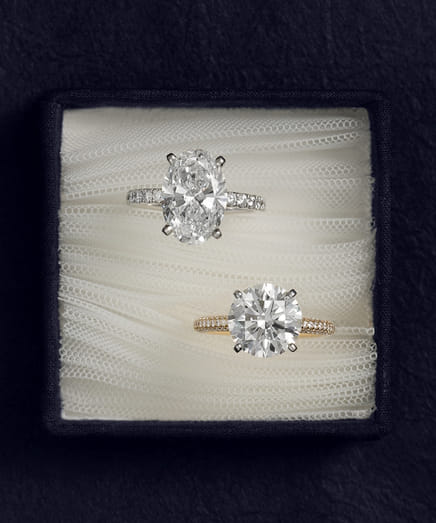
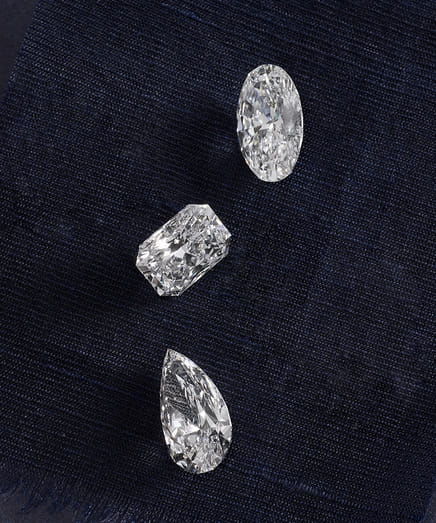


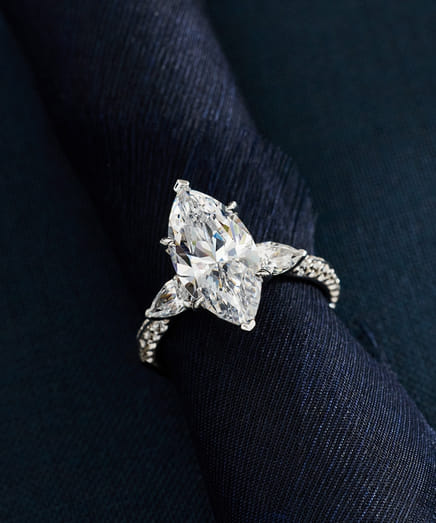


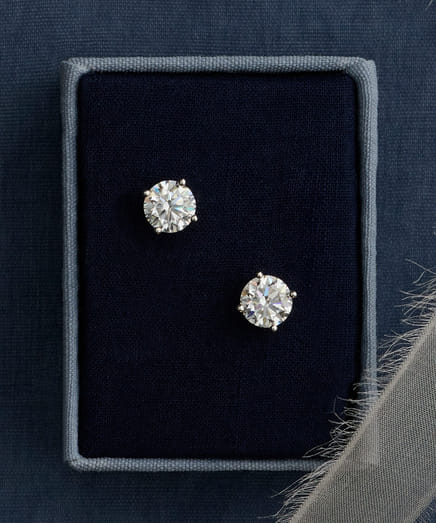
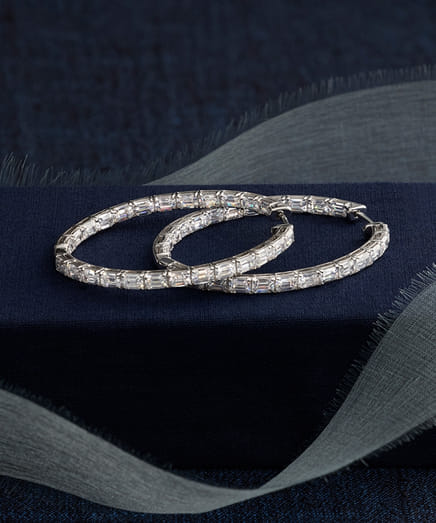
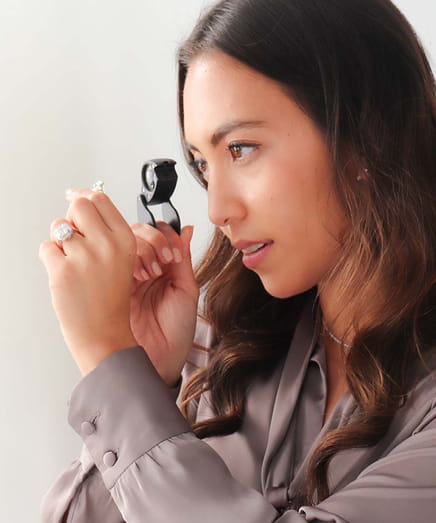
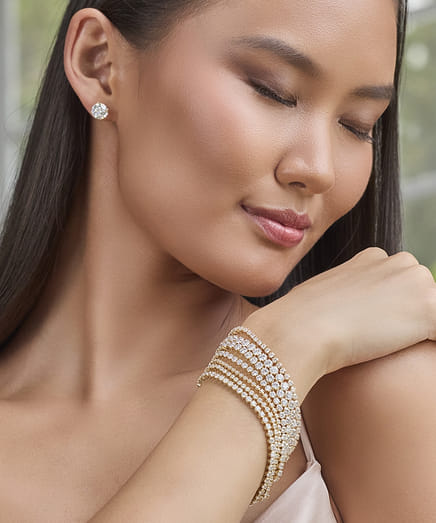


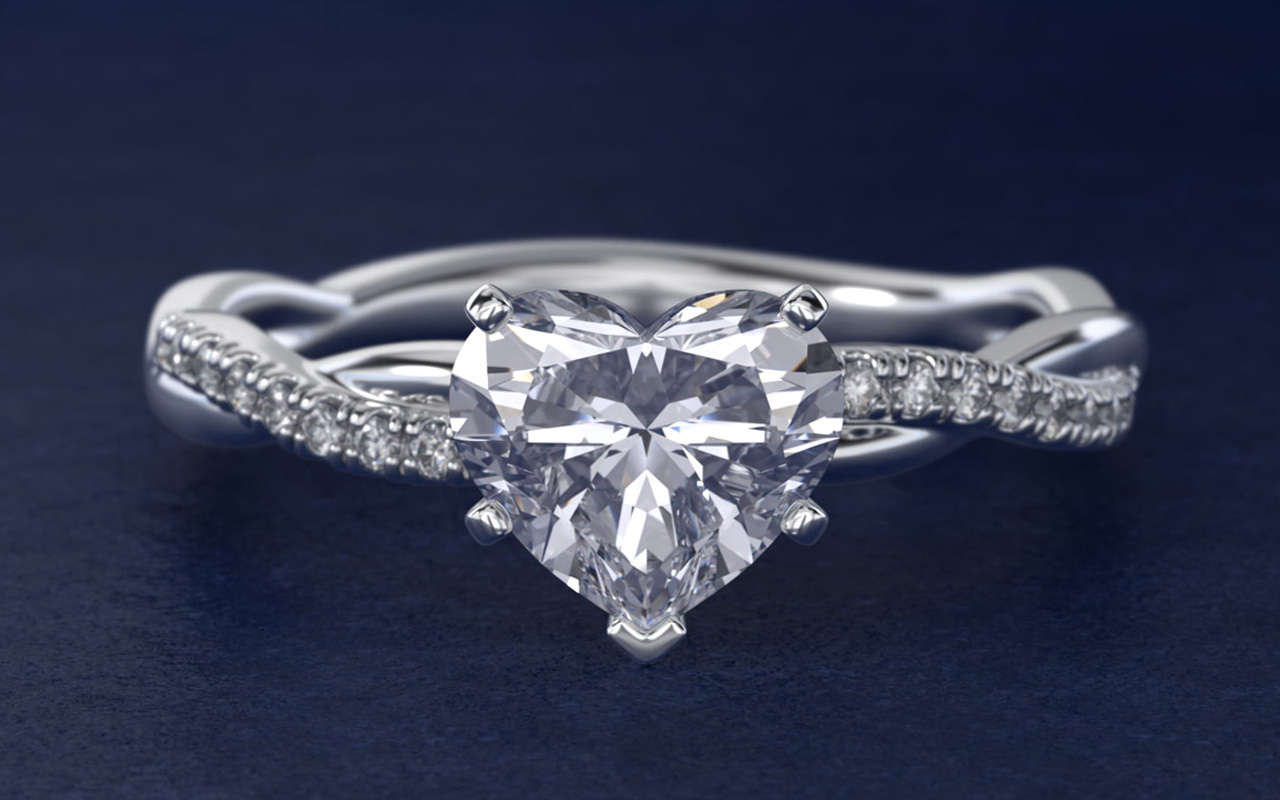
| An I color diamond falls at the lower end of the near colorless range on the GIA color scale. It can show a hint of warmth when examined closely, but often appears bright and white to the unaided eye once set. |
When choosing a diamond, small differences on the color grading scale don’t always translate to noticeable differences once the stone is worn. I color diamonds often appeal to those looking for a bright, elegant look without paying a premium price.
Because color differences at this range are subtle, understanding where I color sits can help explain its balance of appearance and value. This guide explains what is an i color diamond and how it compares to nearby grades. It also explores how cut, setting and metal choice influence how they look once set.
What Is An I Color Diamond?
An I color diamond sits at the lower end of the near colorless category on the Gemological Institute of America’s (GIA) diamond color scale. This placement helps clarify what I color diamonds are, including why a faint yellow or brown undertone may be visible during a professional evaluation.
The level of warmth in an I color diamond marks the transition where color begins to become more detectable under certain lighting. However, many wearers find that an I color diamond still looks white in real-world settings, especially when the diamond is well cut and paired with a complementary setting and metal choice.
Color And The 4Cs
Some people prefer an I color diamond because it allows them to balance a bright overall appearance with flexibility to prioritize size, design or setting. However, diamond color is only one of the 4Cs of diamonds, along with cut, clarity and carat weight, used to evaluate a diamond’s quality.
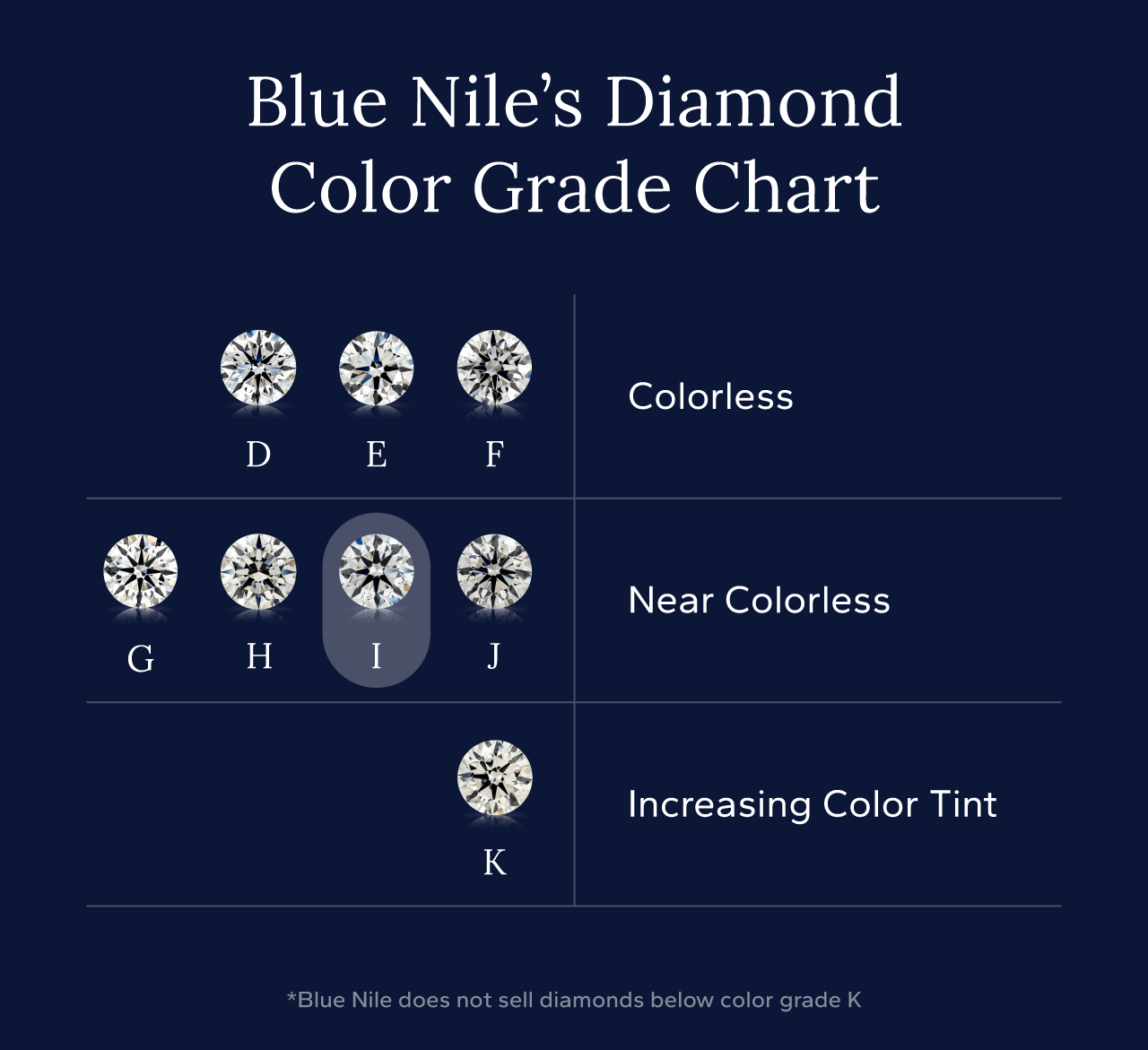
A diamond’s color influences how white or warm a diamond appears once worn. However, its visual impact often depends on factors like size and cut, which is why color is best considered alongside the other Cs. Below is a comparison of commonly grouped diamond color grades across the scale.
- D–F (Colorless): Diamonds in this range show no visible color and are prized for their crisp, icy appearance. Differences between these grades are typically only noticeable to trained professionals.
- G–J (Near Colorless): This range includes I color diamonds, where a slight hint of warmth may be detected under certain lighting or when viewed loose.
- K–Z (Light Color): Diamonds in these grades display increasingly noticeable yellow or brown tones. Color becomes more apparent to the unaided eye, particularly in larger stones or lighter settings.
How Does I Color Compare To Other Grades?
When comparing I color diamonds to nearby grades, differences in appearance are often subtle and most noticeable when diamonds are viewed loose or side by side. The table below compares I color diamonds to nearby color grades in terms of appearance and price.
| Color Grades | Appearance Difference | Typical Price Difference |
| I vs. F | F color diamonds are colorless; when compared, an I color diamond may show a faint hint of warmth. | I color diamonds are typically priced about $1,600–$6,200 less than F color diamonds. |
| I vs. H | H and I color diamonds are in the near colorless range. Side by side, an I color diamond may show slightly more warmth. | I color diamonds are typically priced about $900–$2,700 less than H color diamonds. |
| I vs. J | J color sits lower in the near colorless range and may show more noticeable warmth than I color diamonds. | I color diamonds are typically priced about $250–$1,650 more than J color diamonds. |
| I vs. Lower Grades | Compared to grades below J, I color diamonds generally show less visible color, especially to the unaided eye. | I color diamonds are typically priced about $600–$3,000 more than K color diamonds. Blue Nile does not sell L-Z diamonds. |
Price ranges are based on examples of natural round diamonds with the same carat weight, clarity and cut quality available on Blue Nile at the time of writing.
Key Considerations When Choosing an I Color Diamond
Choosing an I color diamond is often about balancing appearance, design preferences and how the diamond will be worn. The following factors can help refine that decision, especially when evaluating how subtle warmth may interact with the overall style.
Natural Vs. Lab-Grown
When choosing an I color diamond, one of the first decisions is whether to opt for a natural or lab-grown stone. Natural diamonds are formed over billions of years and are valued for their rarity, long-term desirability and established place in the diamond market.
While lab-grown diamonds may offer a similar visual appearance at a lower upfront cost, natural diamonds often hold greater traditional and emotional appeal. For those prioritizing longevity and resale considerations, natural I color diamonds are typically the preferred choice.
Setting Type
The style of a setting can influence how much of an I color diamond is visible and how light interacts with it. Open settings, such as classic solitaire designs, allow more light to enter the diamond, but can make subtle warmth easier to notice when viewed from the side.
More structured settings, including halos or bezel styles, can draw attention toward the center of the diamond and reduce focus on edge visibility. These designs can help balance the appearance of an I color diamond by emphasizing sparkle and overall presence.
Cut And Shape
Cut and shape play an important role in how an I color diamond looks once worn, particularly in how visible any subtle warmth may appear. Facet arrangement and angles affect how light is reflected through the stone, influencing overall brightness and how color is perceived.
For I color diamonds, shapes with many small facets, such as round brilliants, can help minimize the appearance of color. Shapes with larger, open facets, including emerald or Asscher cuts, may reveal warmth more readily.
Clarity
Clarity describes the presence of internal and external characteristics in a diamond and is graded on the GIA clarity scale, which ranges from Flawless (FL) to Included (I). While clarity does not affect a diamond’s color grade, it can influence overall brightness and contrast.
For I color diamonds, many buyers focus on clarity grades in the VS2 to SI1 range, where inclusions are typically not visible without magnification. Staying within these grades can help ensure that light performance remains strong, allowing sparkle to take visual priority.
Carat
Carat weight influences both the appearance and cost of an I color diamond. As diamonds increase in size, there is more surface area for color to be visible. This can make subtle warmth easier to notice, particularly in certain settings or shapes.
At the same time, price tends to rise sharply as carat weight increases. Some buyers choose a diamond just below a whole carat weight, such as 0.90 or 0.95 carats, to reduce cost while maintaining a similar visual presence.
Inclusions
Inclusions are natural characteristics within a diamond, and their size, type and location can influence overall appearance. In I color diamonds, inclusions that disrupt light return may make warmth more noticeable.
Selecting a diamond with inclusions positioned away from the center or masked by facets can help preserve brightness. As with clarity, focusing on what is visible to the eye rather than on grading details alone often leads to a more satisfying choice.
When is an I Color Diamond a Good Choice?
An I color diamond can be a strong choice for those who value overall appearance and design flexibility without prioritizing absolute colorlessness. Its position within the near colorless range allows it to suit a wide range of jewelry styles and settings when selected thoughtfully.
Engagement And Wedding Rings
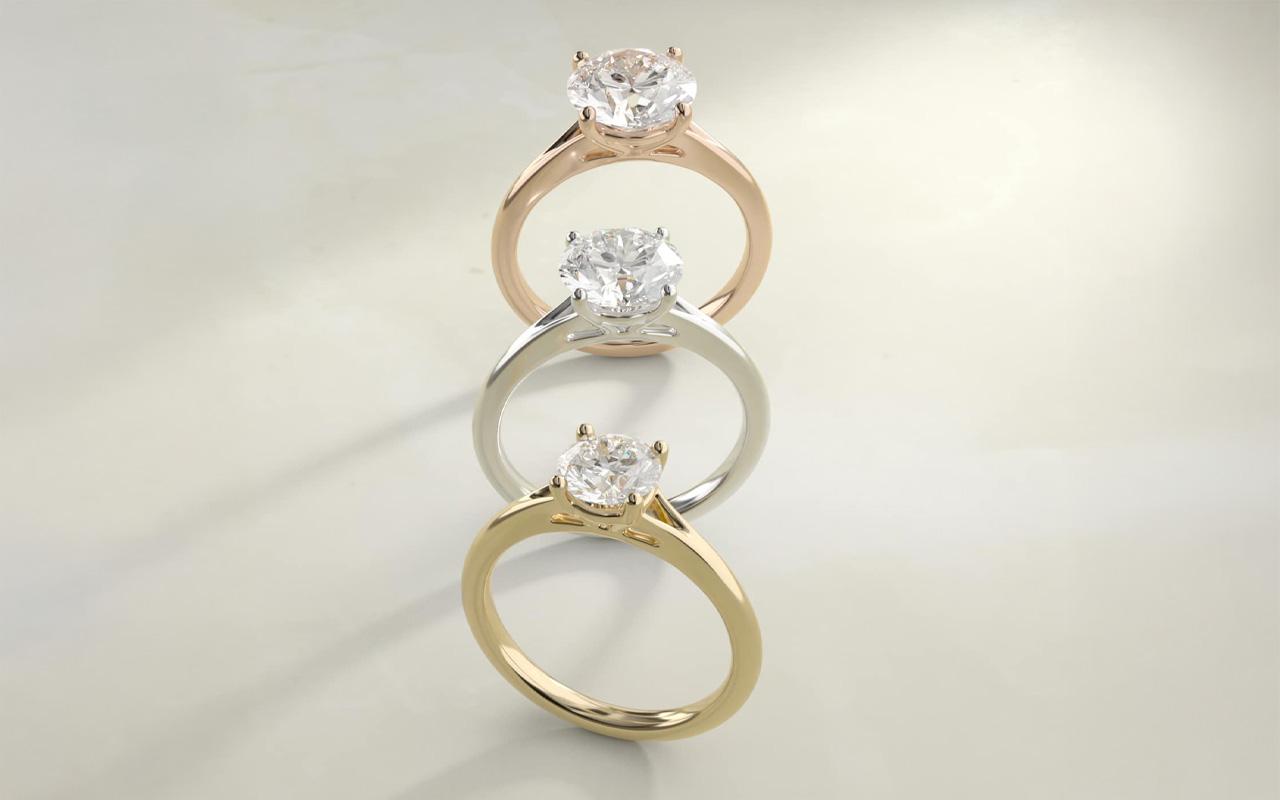
I color diamonds are commonly chosen for both engagement rings and wedding rings because they balance visual appeal with versatility. When paired with the right setting and cut, an I color diamond can appear bright and lively while allowing room to prioritize size, style or craftsmanship.
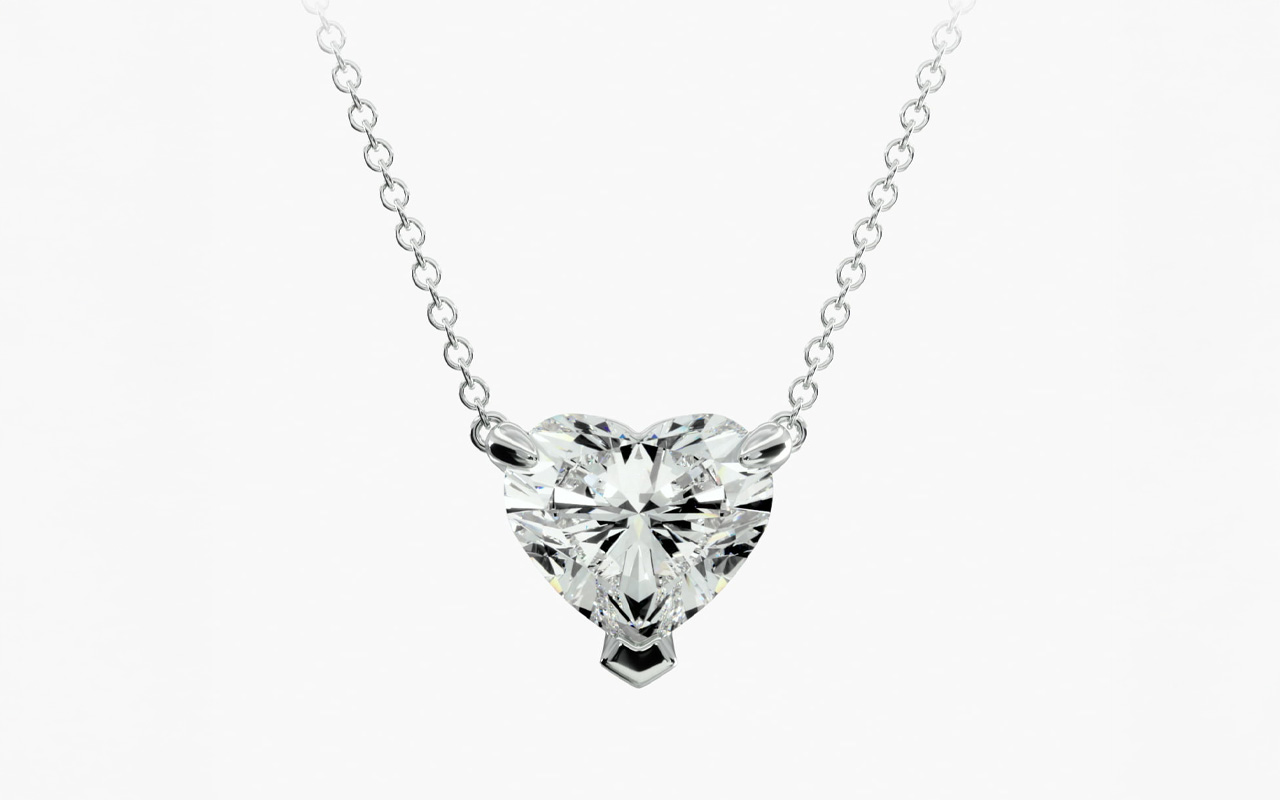
General Wear Jewelry
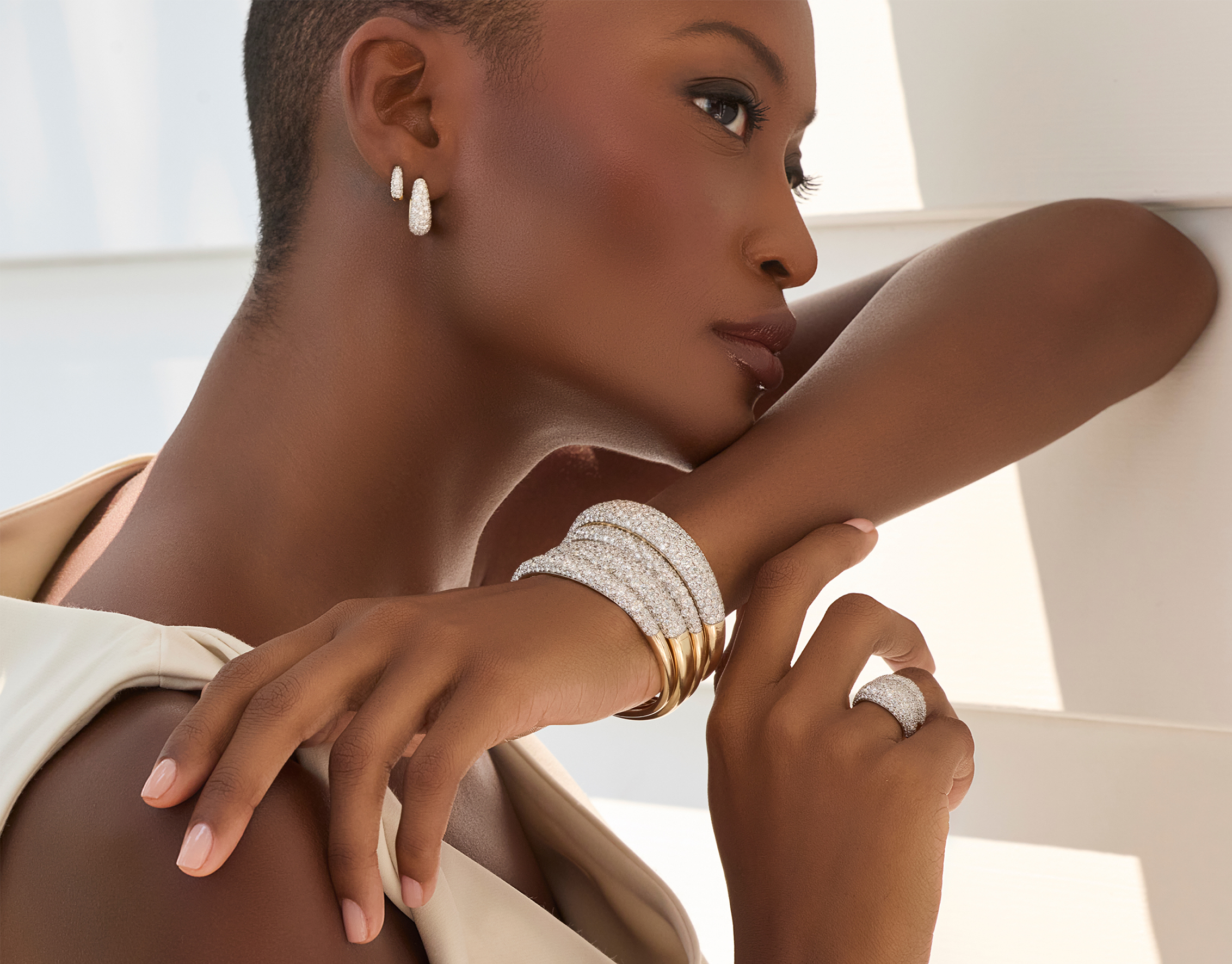
For general wear jewelry such as pendants, earrings, bracelets or everyday rings, I color diamonds can be especially practical. These pieces are often viewed at a distance or in varied lighting, where subtle color differences are less noticeable, making D or E color diamonds less essential for achieving an attractive overall look.
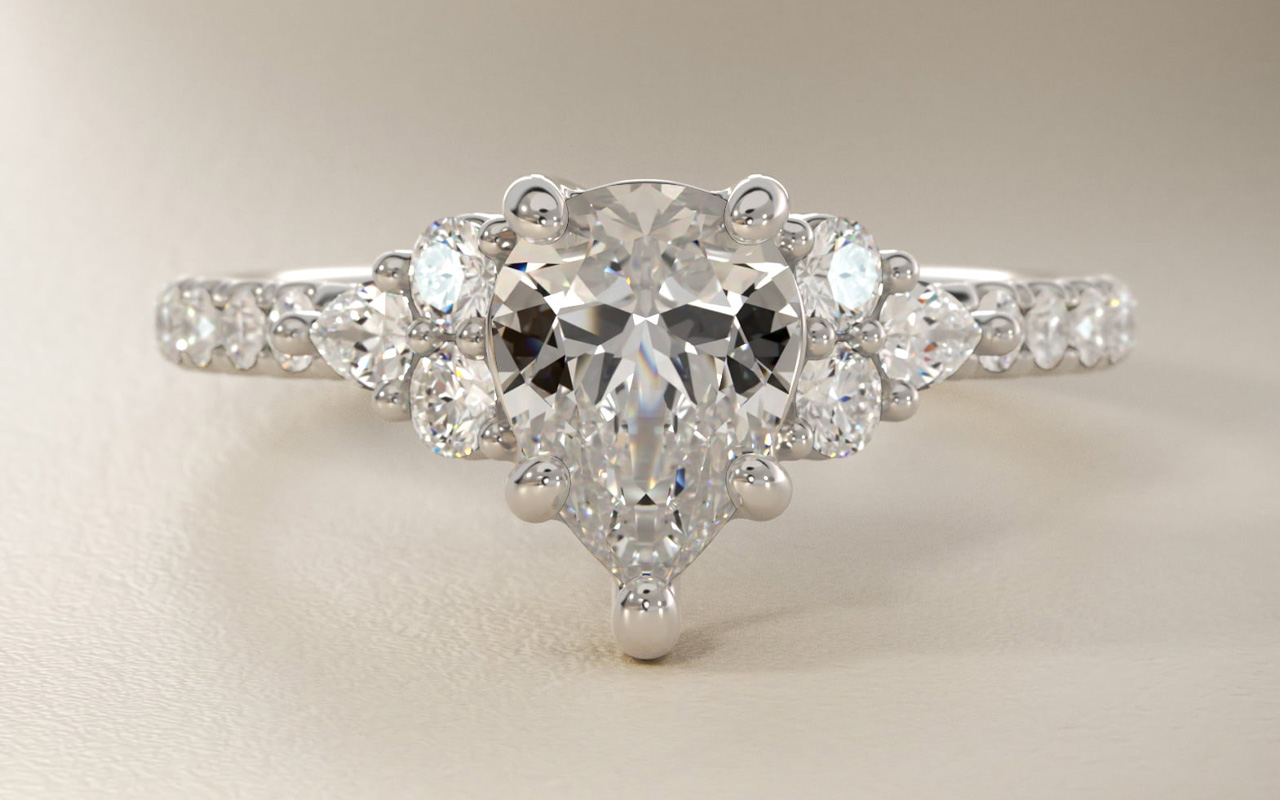
With White Gold Or Silver
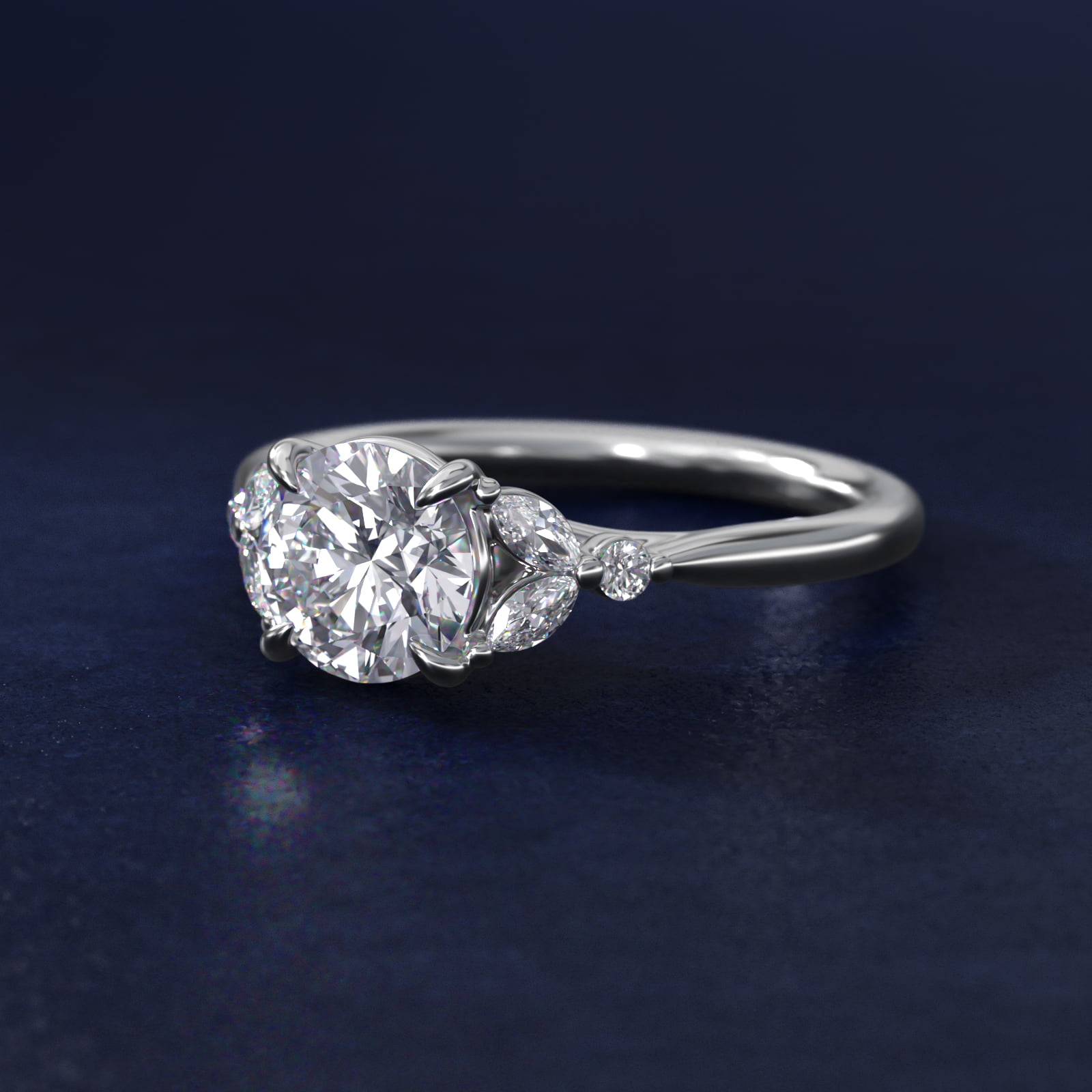
When set in white gold or silver, an I color diamond may show more contrast against the surrounding metal, which can make subtle warmth slightly more noticeable. However, many people still choose this combination for its crisp, modern aesthetic, particularly when the diamond’s cut and setting help emphasize sparkle over color.
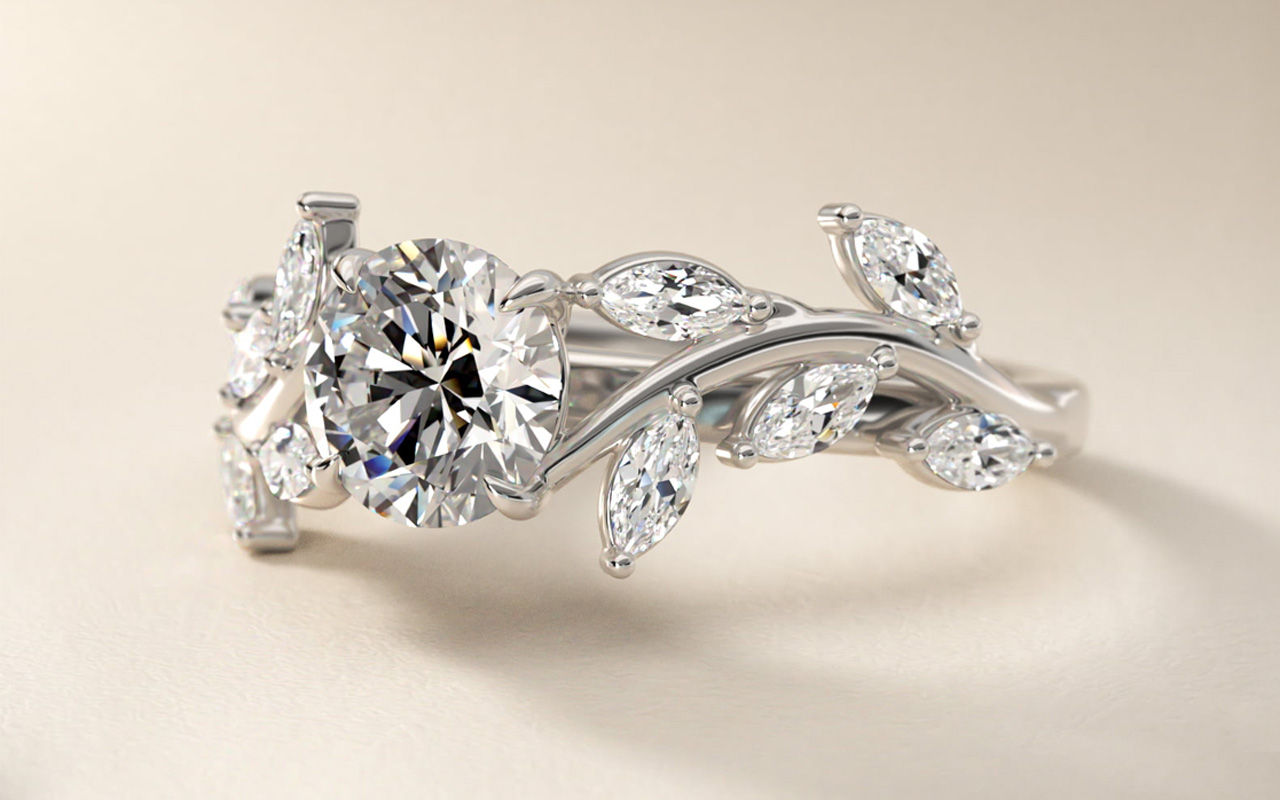
With Platinum
Platinum’s naturally cool, neutral tone can make subtle warmth in an I color diamond slightly more noticeable, particularly when viewed from the side or in bright lighting. How noticeable depends on factors such as the diamond’s cut, shape and setting style. Some may still appreciate this pairing for its durability and clean appearance.
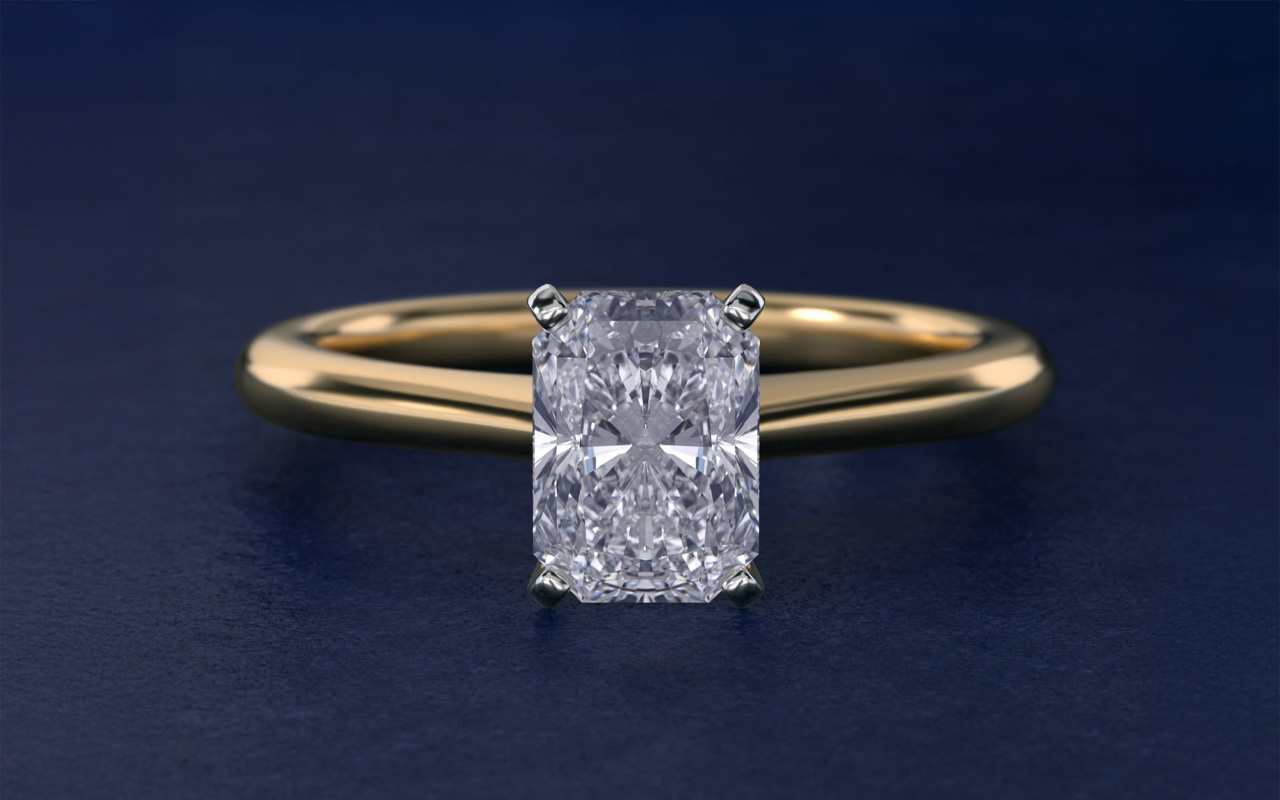
With Yellow Gold Or Rose Gold
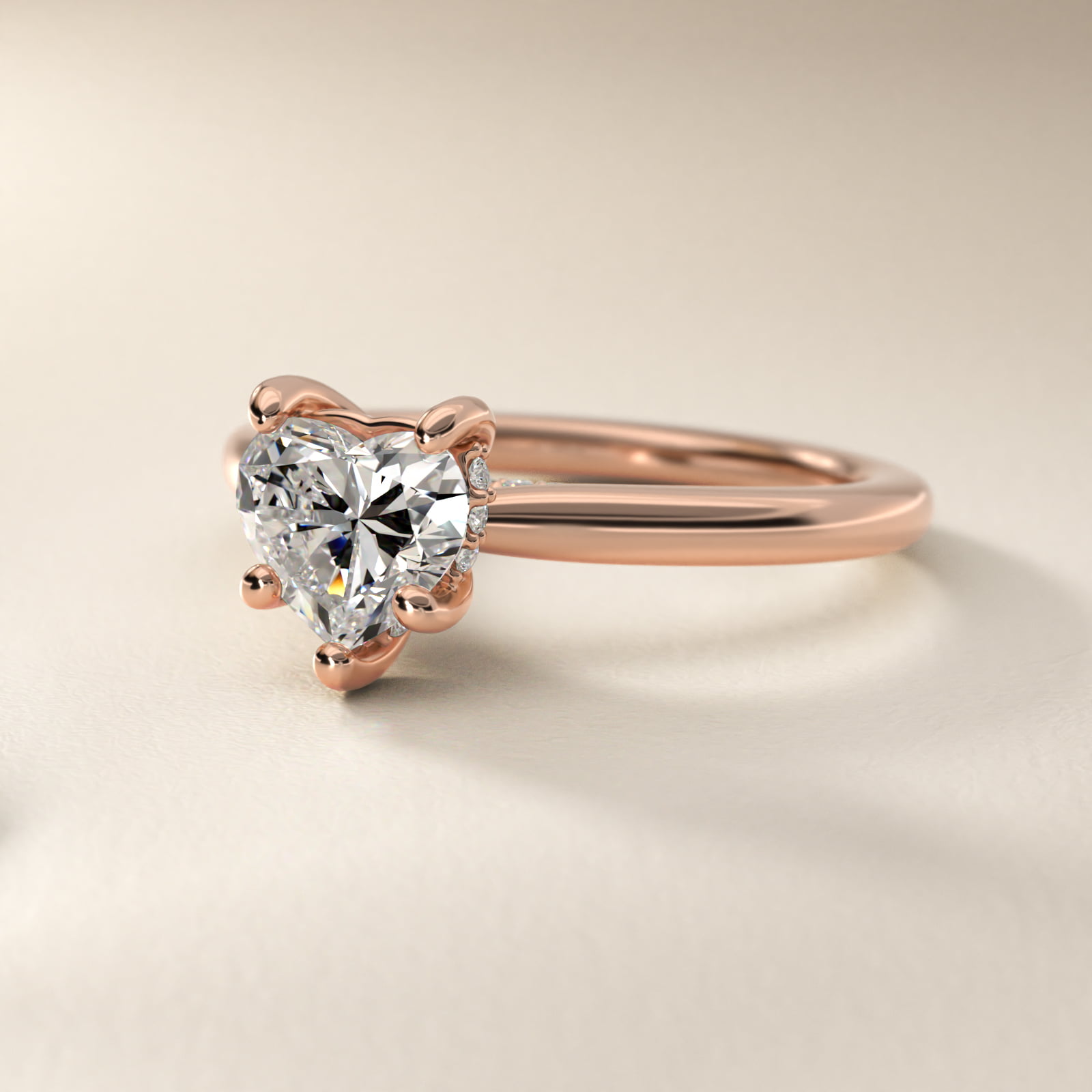
Yellow and rose gold settings often pair especially well with I color diamonds because their warmer tones can help soften the appearance of subtle color. These metals create a cohesive overall effect that allows the diamond’s brightness and sparkle to stand out, making them a popular pairing.

I Color Diamonds Offer Affordable Beauty
Positioned at the lower end of the near colorless range, I color diamonds can look bright once set while offering flexibility to prioritize cut, setting or size. This balance helps explain what an I color diamond is for buyers who want to make informed, budget-friendly diamond buying decisions.
To continue exploring your options, you can browse our available selection of I color diamonds to compare shapes, settings and styles side by side. Viewing these options can help clarify how I color diamonds look in real designs and which choices best suit a piece with lasting significance.
Frequently Asked Questions
In most cases, an I color diamond is not noticeably different from higher near colorless grades once it is set and worn. Subtle warmth may be visible when viewed loose or side by side with higher color grades, but everyday lighting, cut and setting often minimize those differences.
Yes, an I color diamond can be a very good choice for many buyers. It offers a balance of bright appearance and value, especially when paired with a well-chosen cut and setting.
No, an I color diamond is not considered too yellow by diamond grading standards. While a faint hint of warmth may be present under certain conditions, many I color diamonds still appear white once set, particularly in designs that complement their natural tone.


Share




 Live Chat
 +1‑800‑242‑2728
 Email Us

