








| D color diamonds rank highest on the Gemological Institute of America (GIA) diamond color scale and appear completely colorless. Because these diamonds are rare, they typically command a higher price than other color grades. |
At the top of the diamond color scale are stones that show no visible color. D color diamonds are valued for their crisp, icy-white appearance, making them a top choice for jewelry designs where brightness is the priority.
Learning what is d color diamond means knowing how diamonds are evaluated for color and how this top grade compares to nearby options like E and F. This guide breaks down appearance, pricing and practical considerations to help you decide whether D color diamonds are the right fit for your needs.
What Is D Color Diamond?
D color diamonds are graded at the very top of the diamond color scale established by the Gemological Institute of America (GIA). This means they show no detectable color when evaluated. This grade falls within the “colorless” range and represents the absence of yellow or brown tones that can appear in lower color grades.
To understand the meaning of d color diamonds, it helps to know that these stones are evaluated against extremely strict criteria. As a result, they are relatively rare and associated with higher price points. While their colorless appearance can contribute to a bright, clean look, the visual difference between D and nearby grades may be very subtle.
Color And The 4Cs
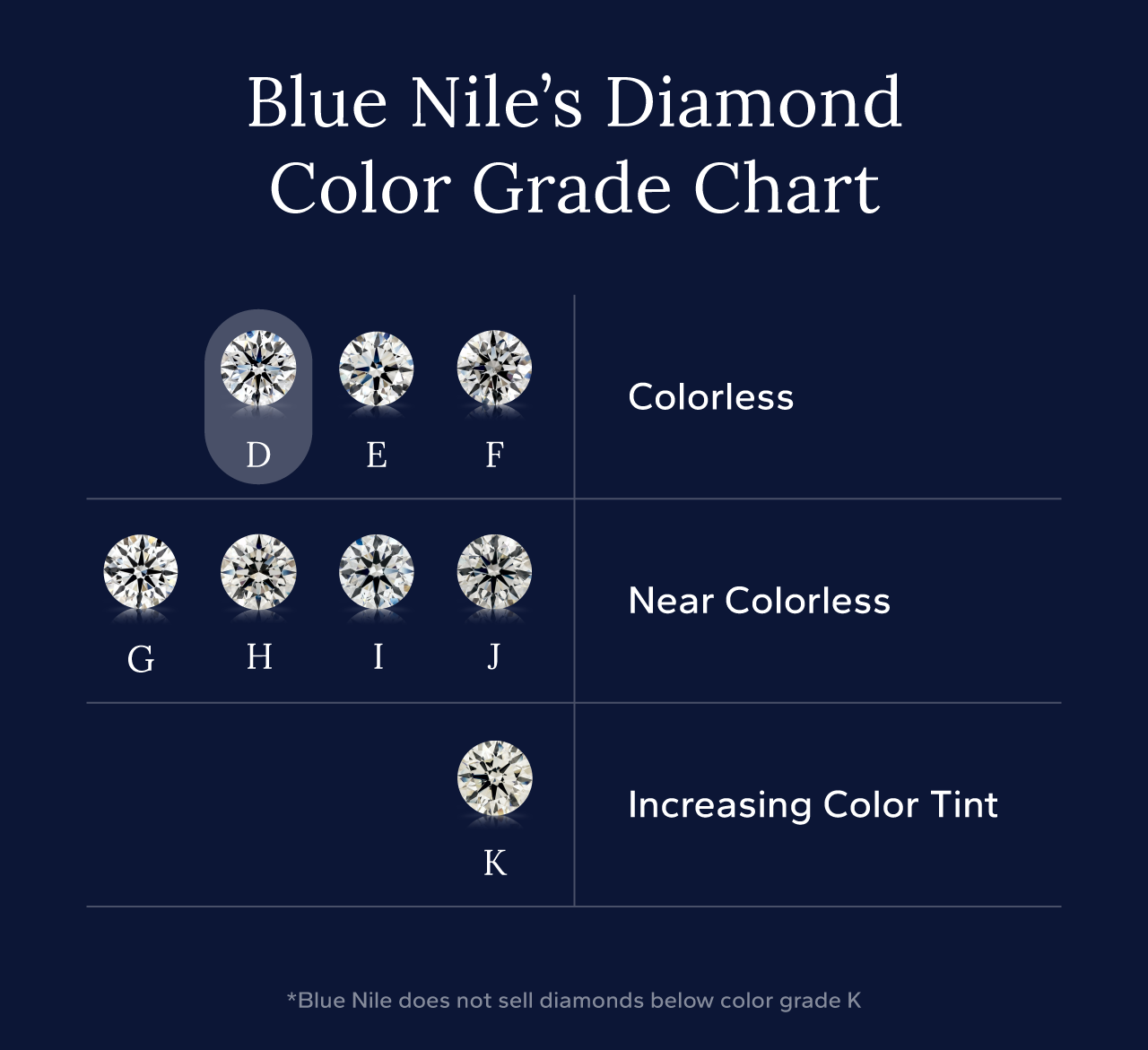
The diamond color scale runs from D, the highest grade, to Z. The color grade is a measure of how much natural color is present in a diamond. Diamonds graded D, E and F are considered colorless, while grades beyond that may show increasing warmth or tint.
Color does not exist in isolation, however. Color is only one of four diamond characteristics (4Cs), along with cut, clarity and carat weight. These additional factors make it important to consider how color interacts with the other 4Cs rather than viewing it as a standalone factor.
How Does D Color Compare To Other Grades?
D color diamonds sit at the top of the color scale and are valued for their completely colorless appearance. While they typically carry a higher price, the difference in diamond color between nearby grades is often subtle once set.
The table below compares these grades side by side, highlighting when visual differences may be noticeable and how pricing can vary.
| Color Grades | Appearance Difference | Typical Price Difference |
| D vs. E | Both grades are colorless. Once set, D and E color diamonds often appear visually identical. | D color diamonds are typically priced about $600–$1,800 higher than E color diamonds. |
| D vs. F | F color diamonds remain colorless. In most settings, the difference between an F vs D color diamond is not easily noticeable. | D color diamonds are approximately $500–$2,500 higher priced than F color diamonds. |
| D vs. G | G color diamonds are near-colorless and may show faint warmth when compared side by side with a D color diamond. | The price gap between D and G color diamonds is typically $800–$2,000. |
| D vs. Lower Grades | Lower grades show increasing warmth, which can be more noticeable in larger stones or white settings. | Lower color grades are generally priced below colorless and near-colorless diamond grades. Blue Nile does not offer diamonds graded L–Z. |
Price differences are based on representative Blue Nile listings of diamonds with the same carat weight and clarity at the time of writing and may vary depending on availability and other characteristics.
How Metal Choice Affects a D Color Diamond
Different metals interact with a D color diamond in distinct ways, influencing brightness, contrast, and overall appearance. Considering these pairings can help ensure the diamond’s color grade aligns with the intended design.
With White Gold Or Silver
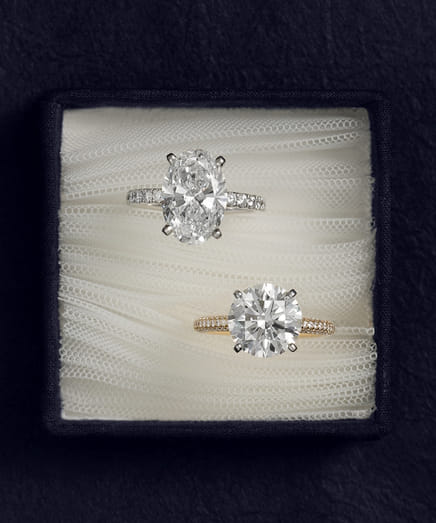
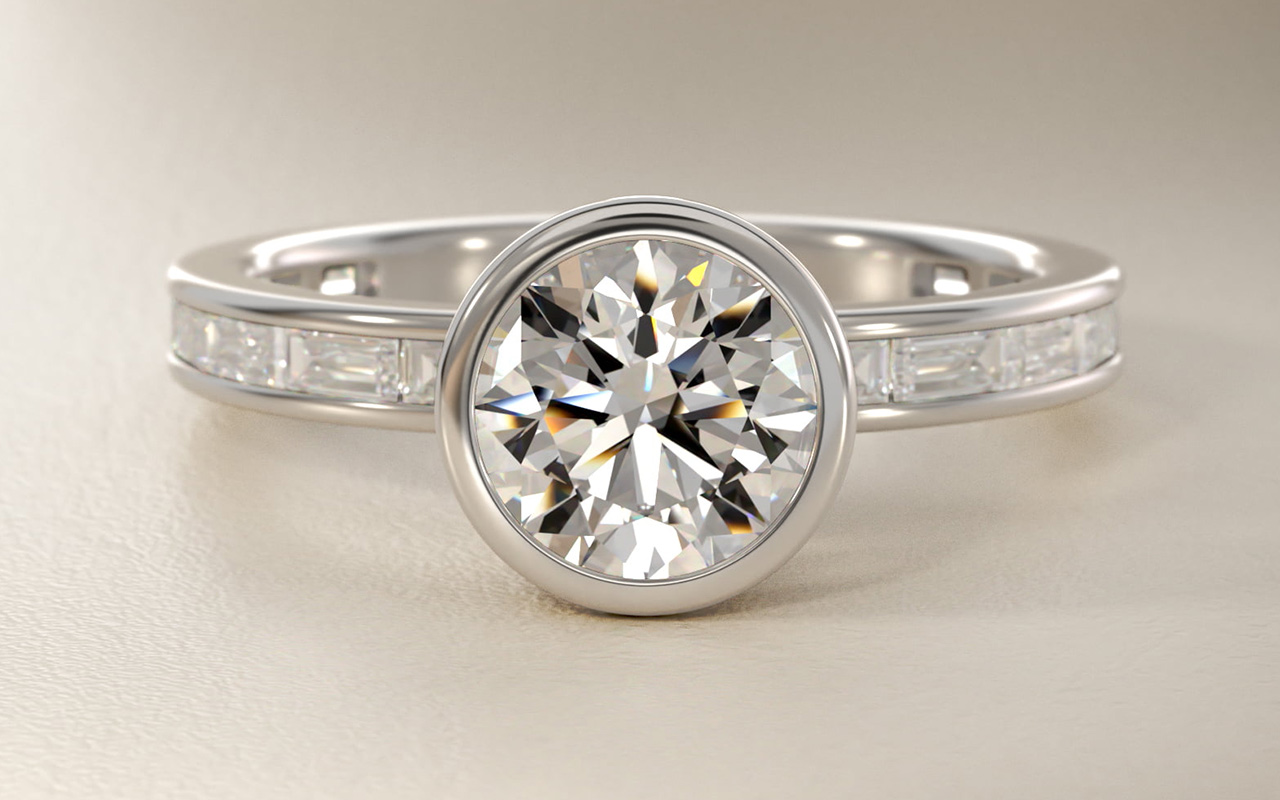
White gold and silver-toned metals tend to emphasize a diamond’s color, or lack of it, making them natural pairings for D color diamonds. Because these metals do not introduce warm undertones, they allow the diamond’s colorless appearance to remain consistent across lighting conditions. This combination is often chosen by shoppers who want a clean, uniform look without visual contrast.
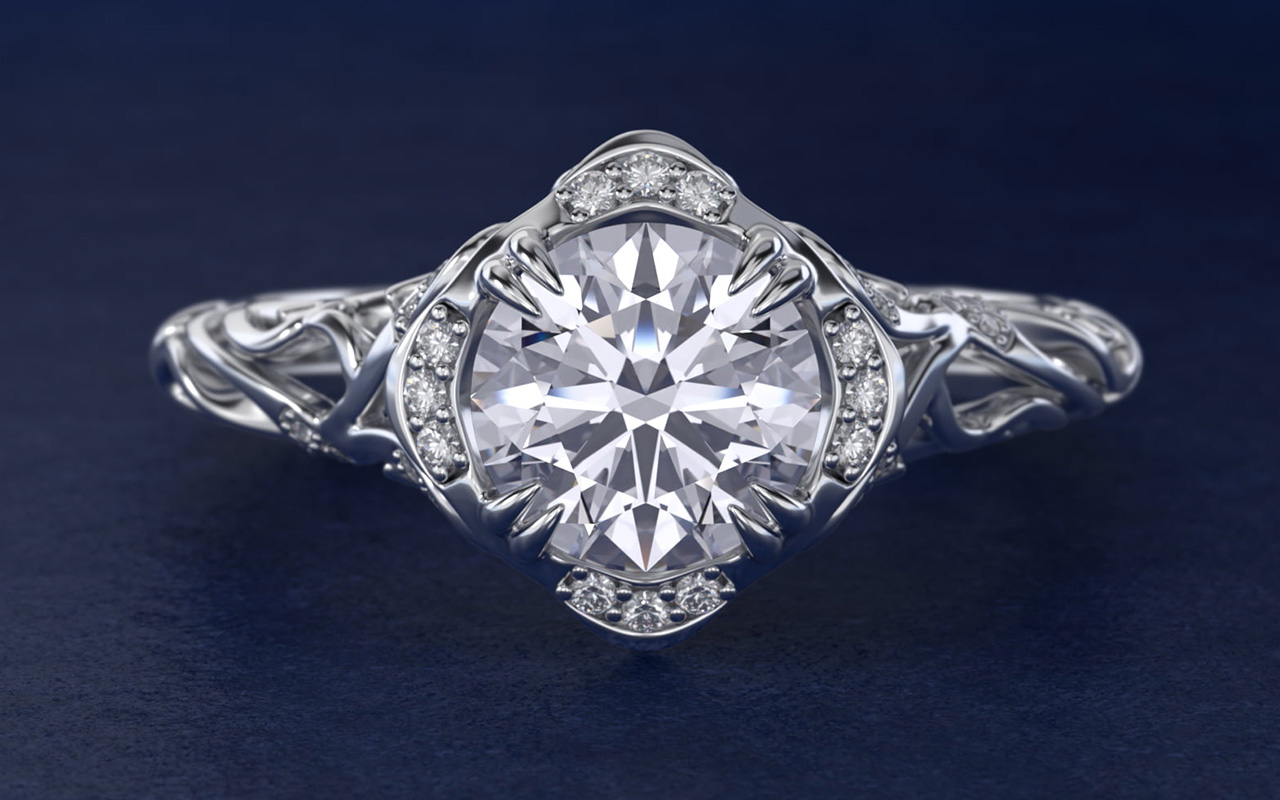
With Platinum
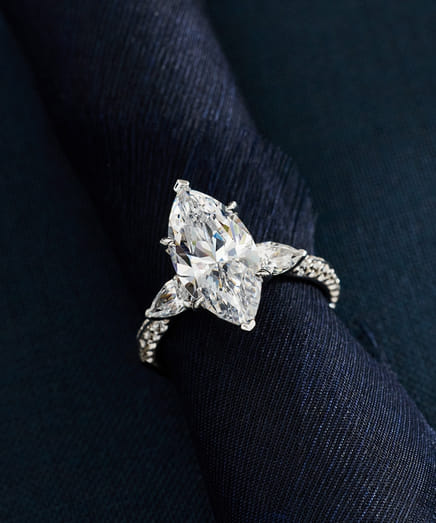
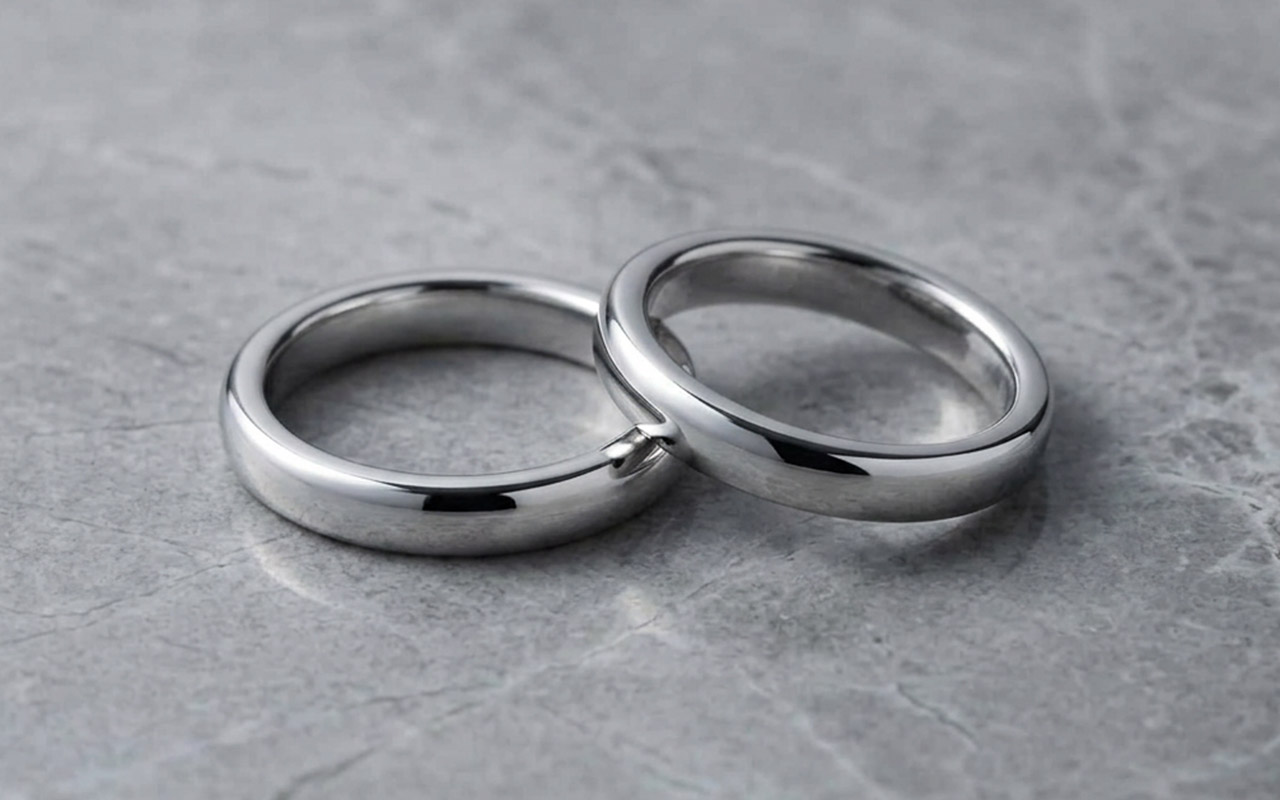
Platinum’s naturally white color pairs well with D color diamonds, highlighting a bright, colorless appearance. Platinum settings are also valued for durability, which is why they are often chosen to pair with a top color grade for rings designed to be worn every day. However, choosing both platinum and a D color diamond can significantly increase the cost.
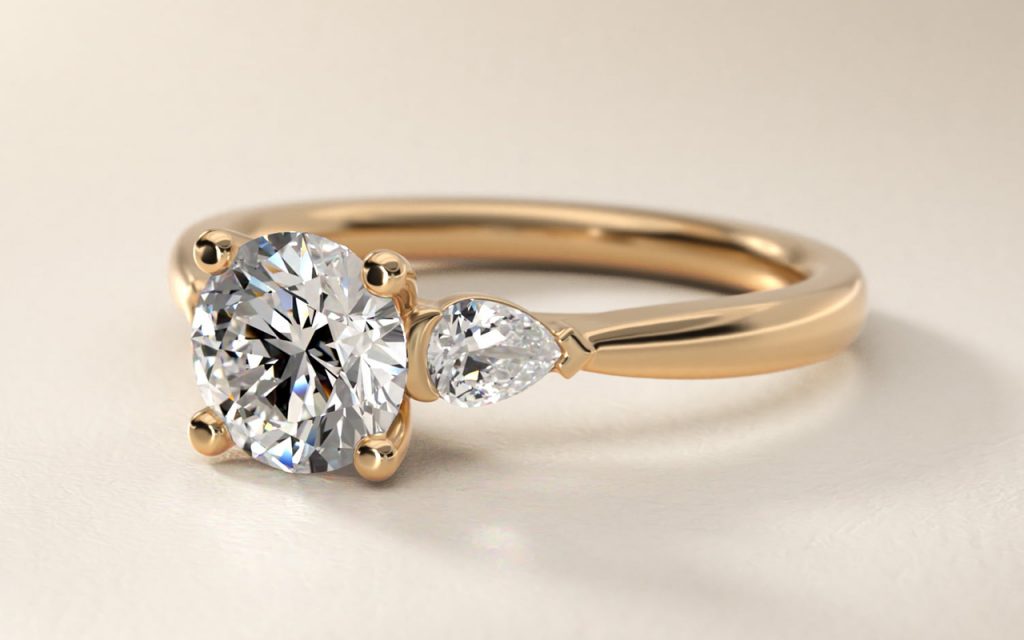
With Yellow Gold
Yellow gold introduces warmth that can influence how a diamond’s color is perceived. If D color diamonds are set in yellow gold, this contrast may reduce the visual impact of choosing a colorless stone. While some prefer this combination, others may opt for slightly lower color grades in yellow gold settings, where warmth is part of the overall design.
How To Choose The Best D Color Diamond
Once you’ve decided on a D color diamond, the next step is choosing the one that best fits your design goals and budget. There are a variety of factors to take into consideration, and understanding how they work together can help you make the most of a top color grade.
Natural vs. Lab-Grown
D color diamonds are available in both natural and lab-grown options. Natural diamonds are formed over time through geological processes. In contrast, lab-grown diamonds are created in a much shorter timeframe using technology that replicates the same properties.
Because lab-grown diamonds can be produced in greater abundance, they are generally priced lower and may allow for larger sizes within a given budget. However, their relative abundance may not ensure that they will hold value over time.
Setting Type
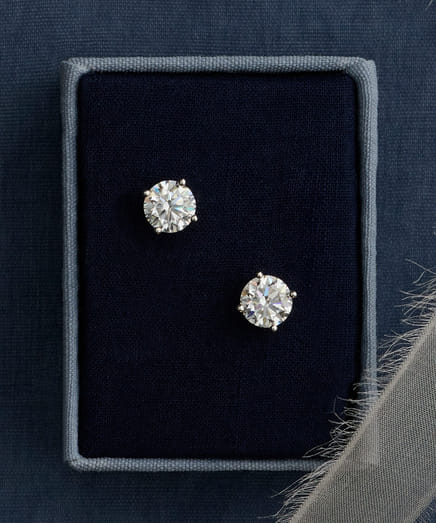
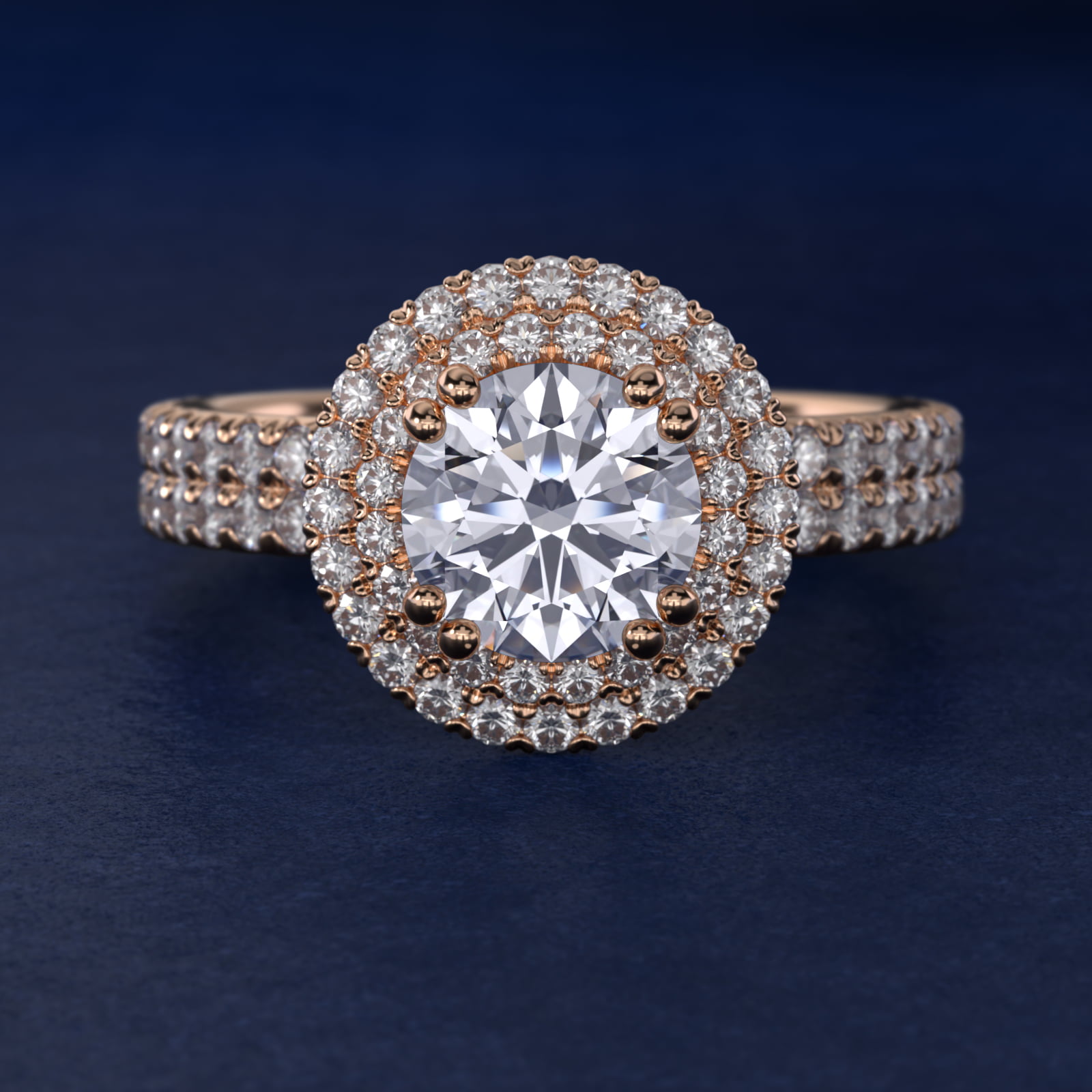
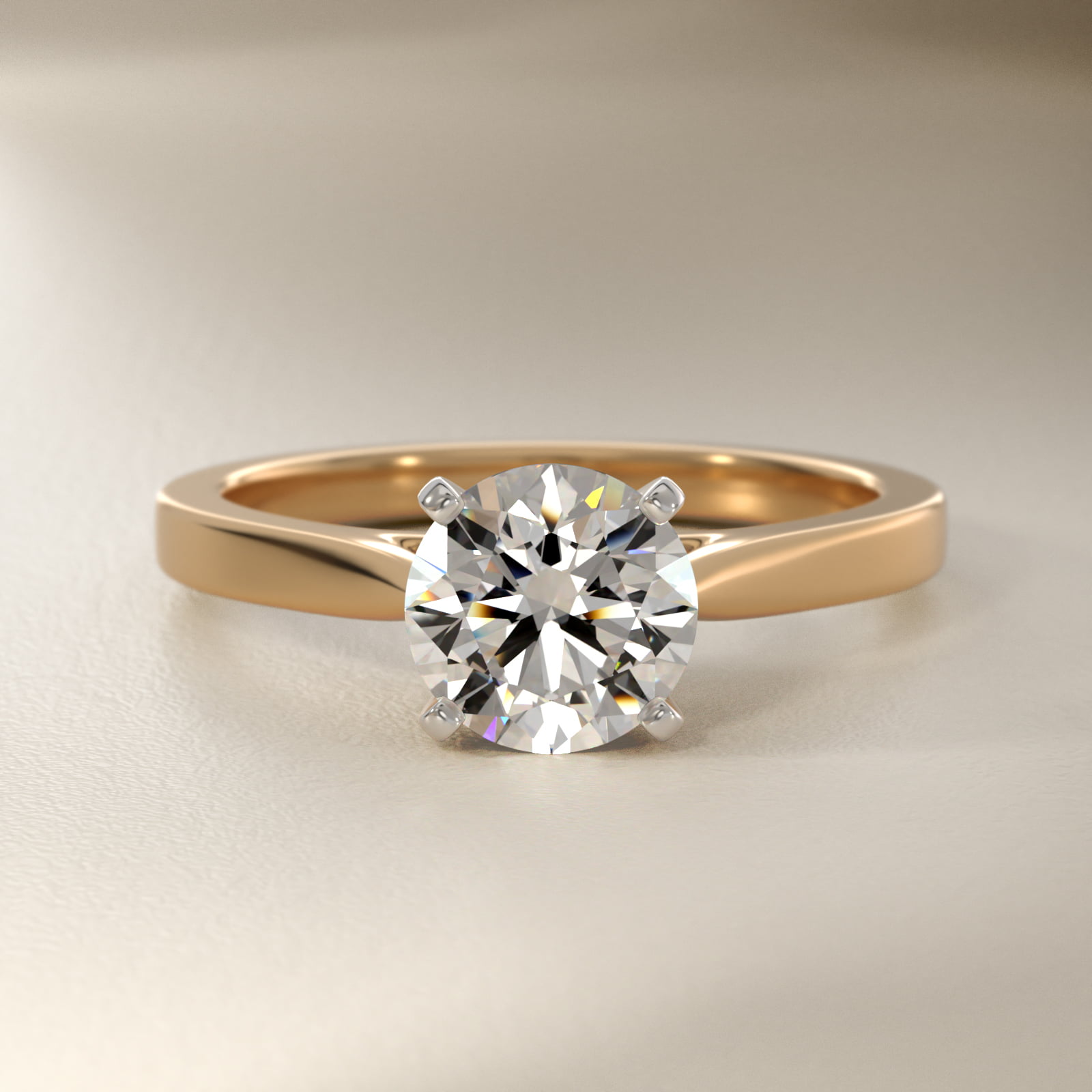
When choosing a D color diamond, the setting influences how much that top color grade is actually visible once worn. Open settings such as solitaires or simple prong designs allow more light to enter the diamond, which helps preserve its colorless appearance.
Other settings place greater emphasis on the overall design rather than the center diamond itself. In these styles, the visual benefit of choosing a D color grade may be less noticeable.
Cut And Shape
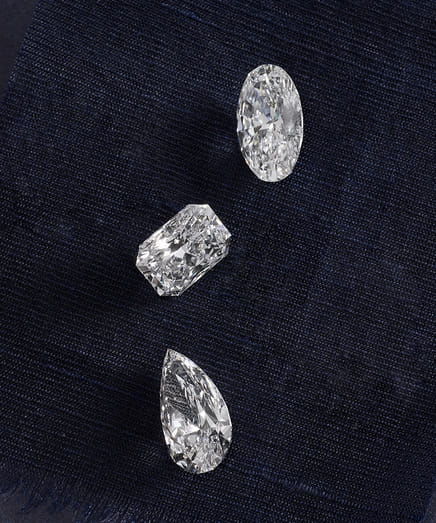
D color diamonds work well across all shapes and cuts, since their colorless appearance remains consistent. Cut refers to how the diamond is faceted and proportioned, influencing how light reflects and how effectively a D color diamond maintains its colorless look.
The choice of shape can help showcase a D color diamond, particularly shapes with larger, more open facets, such as emerald cuts. Shapes with more facets, including round or princess cuts, tend to disperse light more evenly, though D color diamonds do not rely on this effect to maintain a colorless appearance.
Jewelry Type and Overall Design
D color diamonds are frequently chosen for wedding and engagement rings because their completely colorless appearance holds up well under close inspection. The stone’s brightness and clarity are enhanced in settings where the diamond is the focal point, especially solitaires or minimalist designs.
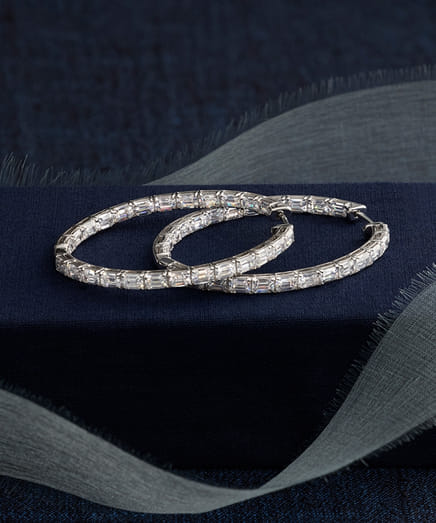
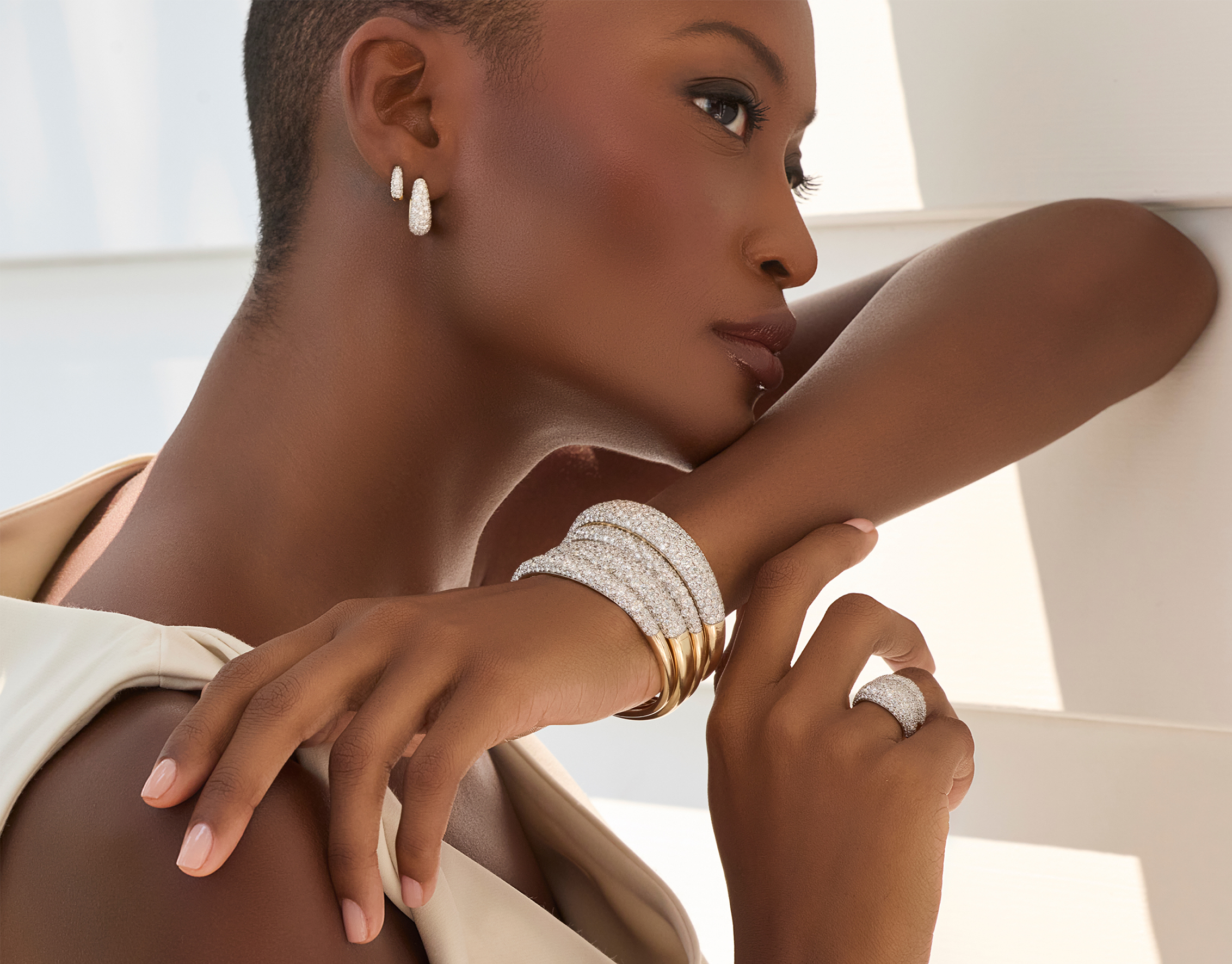
For everyday jewelry, however, a D color diamond may not always represent the best value for money. Earrings, pendants and stackable rings are often viewed from a distance or in varied lighting, where subtle color differences are harder to notice. In these cases, slightly lower color grades can deliver a similar look.
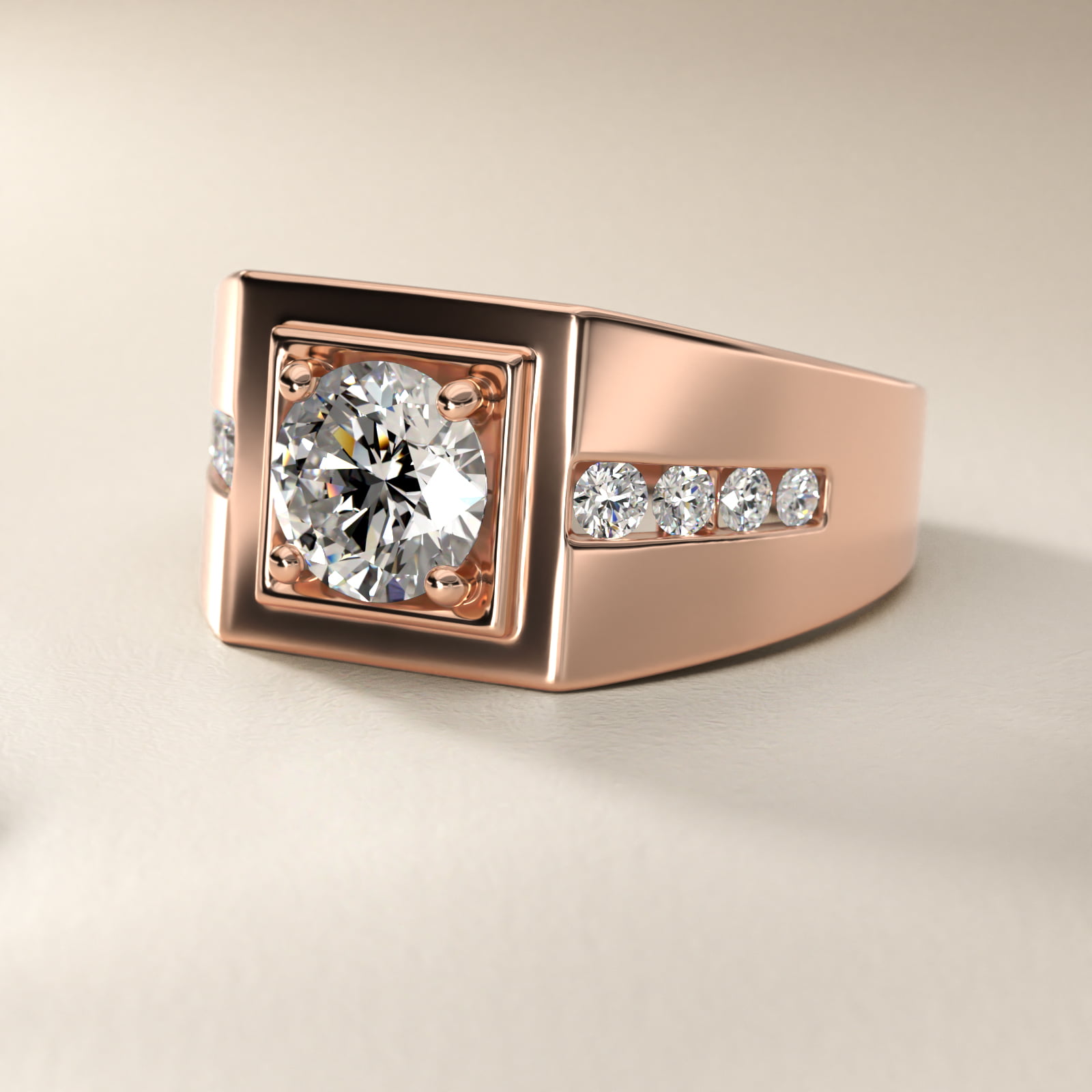
Clarity
Clarity refers to the internal and surface characteristics present in a diamond, and is evaluated independently from color. When selecting a D color diamond, clarity can influence how clean the stone appears, particularly in larger sizes or shapes with more open facets.
Many buyers focus on choosing a diamond that appears eye-clean rather than prioritizing the highest clarity grades available. At the D color level, balancing clarity with cut and setting can help maintain a bright, clean look without paying for features that may only be visible under magnification.
Carat
Carat refers to a diamond’s weight rather than its physical size. At the D color level, increases in carat can have a noticeable impact on price. Because D color diamonds are less common, larger stones often carry a higher premium, particularly when paired with top cut and clarity grades.
Pricing can also change around common carat thresholds, meaning diamonds just below a whole-number weight may be priced lower. When choosing a D color diamond, understanding how carat weight influences pricing can help you find the right balance between cost and overall design or appearance.
Inclusions
Inclusions are natural characteristics formed as a diamond develops, and they vary in type, size and location. In a D color diamond, the visibility of inclusions can be more noticeable in larger stones or shapes with open facets, where there is less visual distraction.
When choosing a D color diamond, the placement of inclusions often matters more than the clarity label alone. For example, inclusions positioned near the edges or beneath prongs may be less noticeable once the diamond is set.
Experience The Brilliance Of D Color Diamonds
Understanding what is d color diamond means recognizing how the highest color grade fits into the broader diamond selection process. From subtle visual differences between grades to the impact of cut, setting and design, choosing a D color diamond is about aligning priorities rather than simply selecting the top option.
Take the next step by exploring Blue Nile’s extensive selection of certified D color diamonds where you can compare options side by side and see how this top color grade appears in real designs. Viewing examples across different shapes and cuts can help you feel confident choosing the diamond that aligns with what matters most to you.
Frequently Asked Questions
D color diamonds are very rare, as they represent the highest grade on the GIA diamond color scale and require a complete absence of detectable color. Only a small proportion of diamonds meet the strict criteria needed for a D color grade. This rarity is why these diamonds typically carry higher prices than nearby grades.
D color diamonds are graded slightly higher than E color diamonds, but both fall within the colorless range. In everyday wear, the visual difference between D and E is often subtle, especially once the diamond is set. The choice often depends on how important having the highest color grade is to you and how it fits within your overall design preferences.
A D color diamond can be worth it if having the highest color grade is a top priority for your design, setting or personal preference. For some buyers, nearby grades like E or F may offer a similar appearance at a lower price. Whether a D color diamond is worth it depends on how you balance color, cost and overall design goals.


Share




 Live Chat
 +1‑800‑242‑2728
 Email Us

