Key takeaways:
- Tarnish happens when certain metals react with air, humidity, sulfur compounds, skin oils or product buildup.
- Store pieces separately in a lined jewelry box, soft pouch or zip-seal bag to limit exposure to moisture and everyday chemicals.
- Remove jewelry before swimming, showering, exercising or applying products like lotions and perfumes.
- Clean and dry jewelry before putting it back into storage.
- Use care methods that match the metal, especially for sterling silver, gold-plated jewelry, copper and brass.
If signs of tarnish appear, your pieces might just need a bit of care and cleaning to be at their best.
Tarnishing is often a natural chemical process that affects reactive metals over time, rather than a sign of poor quality. Fortunately, there’s a fix. You can keep your jewelry from tarnishing and have it glowing by following the care tips below.
1. Store Your Jewelry Properly
To store your jewelry properly, keep each piece away from open air, humidity and other jewelry that could scratch or transfer residue. Air and sulfur-containing gases can contribute to tarnish on silver, while humidity can accelerate surface reactions on several metals.
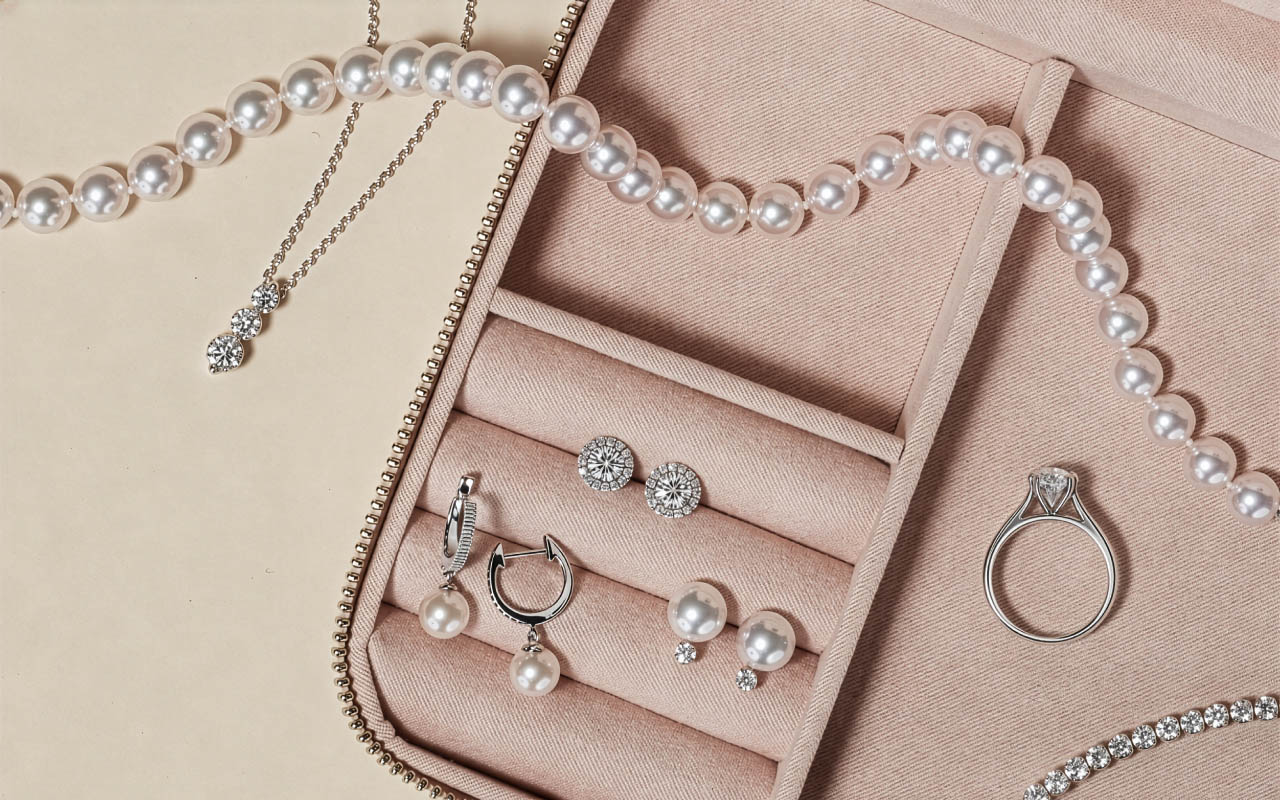
Choose individual soft pouches, airtight zip-seal bags or a lined jewelry box with separate compartments. A simple care kit can include:
- Anti-tarnish pouches: Best for storing individual pieces, especially sterling silver, because they limit air exposure and help slow tarnish.
- Anti-tarnish strips: Place these inside jewelry boxes, drawers or pouches to help absorb tarnish-causing elements in the surrounding air.
- Zip-seal bags: Use these for a simple airtight storage option that keeps pieces separate and dry.
- Polishing cloths: Keep one on hand to gently remove fingerprints, oils and light surface tarnish before storing jewelry.
- Lined storage case: Choose a soft-lined case with compartments to prevent scratches, tangles and contact between different metals.
Avoid storing fine jewelry in bathrooms, near windows or anywhere temperature and moisture levels shift often.
2. Keep Jewelry Away from Chemicals
Keep jewelry away from chemicals as much as possible to prevent tarnish. Put jewelry on last after perfume, hairspray, lotion and sunscreen have fully dried.
Personal care products, household cleaners, bleach, chlorine, and other strong chemicals can dull metal finishes, affect plated surfaces and leave residues that contribute to tarnishing. Remove jewelry before swimming in chlorinated pools, soaking in hot tubs or using harsh cleaning agents.
This “last on, first off” habit is one of the simplest ways to protect jewelry during daily wear, and it pairs well with regular cleaning.
3. Clean Pieces Regularly
Clean jewelry pieces regularly using gentle methods that remove oils, sweat and product buildup before they encourage tarnishing. For many durable metal pieces, you can:
- Mix warm water with a small amount of mild dish soap or jewelry cleaner.
- Use a soft-bristle toothbrush to loosen residue around settings and details.
- Rinse carefully and dry completely with a lint-free cloth before returning jewelry to storage.
- Polish to help restore the surface appearance.
Avoid ultrasonic cleaners or chemical dips for plated, delicate or gemstone-set pieces unless a jeweler confirms they’re safe. GIA notes that ultrasonic and steam cleaners can loosen gemstones in their settings, and jewelry professionals examine pieces before using those methods.
4. Polish to Preserve Shine
To polish jewelry properly, use a dedicated jewelry polishing cloth to refresh the metal’s surface after cleaning has removed debris. Cleaning and polishing are two separate processes: cleaning removes residue, while polishing helps restore shine to the metal’s surface.
Here are a few tips on how to polish jewelry:
- Beware of fine scratches: Avoid paper towels, rough fabrics and abrasive pads. Instead, use a two-ply design jewelry cloth.
- Polish gently: Be especially careful with gold-plated or silver-plated jewelry, since over-polishing can wear down the thin outer layer and expose the more reactive base metal underneath.
- Only polish when needed: Then keep the piece dry so moisture does not restart the tarnishing process.
5. Keep Jewelry Dry
Try to keep your jewelry pieces dry. Remove them before they come into contact with water, sweat, lotion or aerosol sprays. Moisture can accelerate tarnishing by facilitating chemical reactions at the surface of reactive metals.
Watch for obvious sources like sinks, pools, showers and hot tubs, as well as less obvious ones like damp skin, humid bathrooms, hand cream, sunscreen and perspiration.
This matters for fine jewelry and fashion pieces alike. If jewelry gets wet, wipe it with a soft cloth and let it dry fully before placing it in a pouch, box or airtight container.
6. Remove Jewelry Before Certain Activities
Sometimes, the best way to protect jewelry during daily activities is to remove it altogether. Warm temperatures, acids and salts can accelerate corrosion on exposed metal surfaces.
Here are a few activities that aren’t the best for your pieces:
- Swimming: It can expose jewelry to chlorine.
- Showering: Leaves soap and mineral buildup.
- Exercising: Adds sweat and friction.
- Sleeping: It exposes jewelry to sweat and skin care.
- Gardening: It can expose pieces to impact, grit and soil.
These small habits help prevent tarnish and reduce physical wear, especially for pieces you want to keep in rotation for years.
7. Wear Your Sterling Silver Pieces Often
If you want to help solid sterling silver resist early tarnishing, wear it regularly and wipe it clean after each wear.
Gentle friction from normal wear can help buff away light oxidation before it darkens, which is why pieces left untouched in open air may tarnish faster than those worn and cared for. Plus, it’s an excellent excuse to keep your sterling silver pieces on rotation.
This guidance applies to solid sterling silver, not plated jewelry. Frequent wear can speed the loss of a thin gold or silver layer on plated pieces. Rotate your sterling silver jewelry so no single piece sits in stagnant air for too long, then store each item properly between wears.
8. Keep Care Specific to the Jewelry’s Metal
Each type of metal has its own best care tips. It’s important to match your storage, cleaning and polishing routine to the material. Some metals are more reactive, while others mainly need cleaning to remove oils and surface debris.
Before trying a chemical or streak test at home, proceed carefully to avoid damaging your jewelry. When in doubt, ask a jeweler for guidance.
| Metal | Care Tips |
| Sterling Silver | Store in an airtight pouch or lined box with anti-tarnish strips. Wipe after wear and use a silver polishing cloth when tarnish appears. |
| Brass | Keep dry, avoid perfumes and lotions and polish gently with a cloth made for brass. Store separately to reduce moisture and air exposure. |
| Copper | Keep away from water and sweat when possible. Wipe after wear and store in a dry pouch to slow oxidation and skin discoloration. |
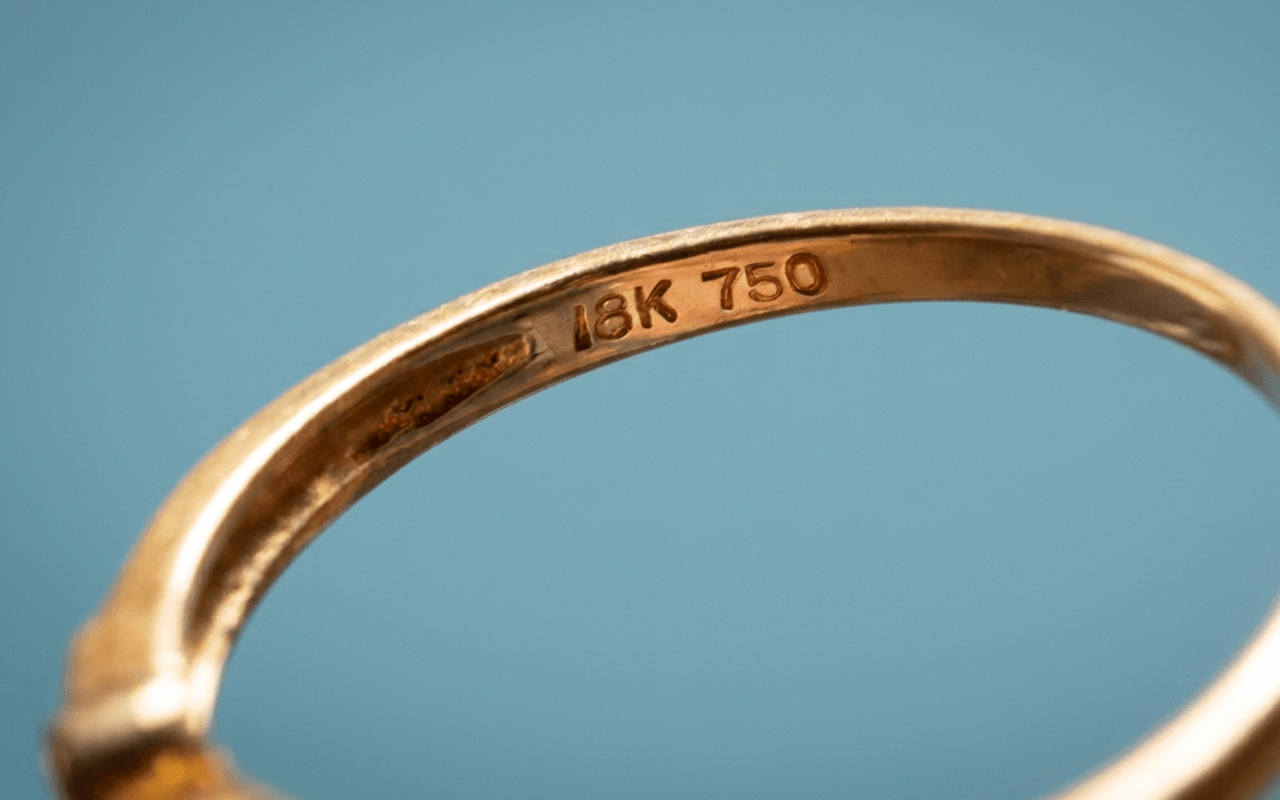
| 14k and 18k Gold | Clean with mild soap and warm water, then dry fully. Gold itself is resistant to tarnish, but alloy metals in gold jewelry can react with chemicals and build up. |
| Gold-Plated | Avoid soaking, ultrasonic cleaning and frequent polishing. Keep dry and store separately to protect the thin outer layer. |
Why Does Jewelry Tarnish?
Jewelry tarnishes because some metals react with air, moisture, sulfur compounds or other chemicals, forming a thin surface layer.
For silver, that layer is commonly silver sulfide, which develops when silver reacts with sulfur-containing gases in the air. This reaction is especially relevant for genuine 925 sterling silver jewelry, since it’s the silver content itself, not an added alloy, that tarnishes. When it comes to copper and copper-containing alloys, exposure to air and moisture can form surface oxides, or patina, over time.
Tarnish is usually a surface reaction rather than permanent structural damage, which means the right cleaning or polishing method can often improve its appearance.
Individual skin chemistry can also explain why the same piece may tarnish faster on one person than another. Green marks are often caused by copper reacting with moisture, sweat or products on the skin. So, if you want to know how to stop jewelry from turning skin green, the best way is to keep jewelry dry and clean to help reduce transfer.
Which Metals Tarnish Most Easily?
The metals that tarnish most easily are reactive metals and alloys, especially sterling silver, brass and copper.
Sterling silver is sensitive to sulfur compounds, while brass and copper can oxidize readily when exposed to air, moisture, sweat or chemicals. Plated jewelry can also be vulnerable, as its thin outer layer may wear down, exposing a more reactive base metal underneath.
If you’re looking for the type of jewelry that doesn’t tarnish, platinum, palladium and titanium are among the more tarnish-resistant options, though they still need cleaning to remove oil and debris.
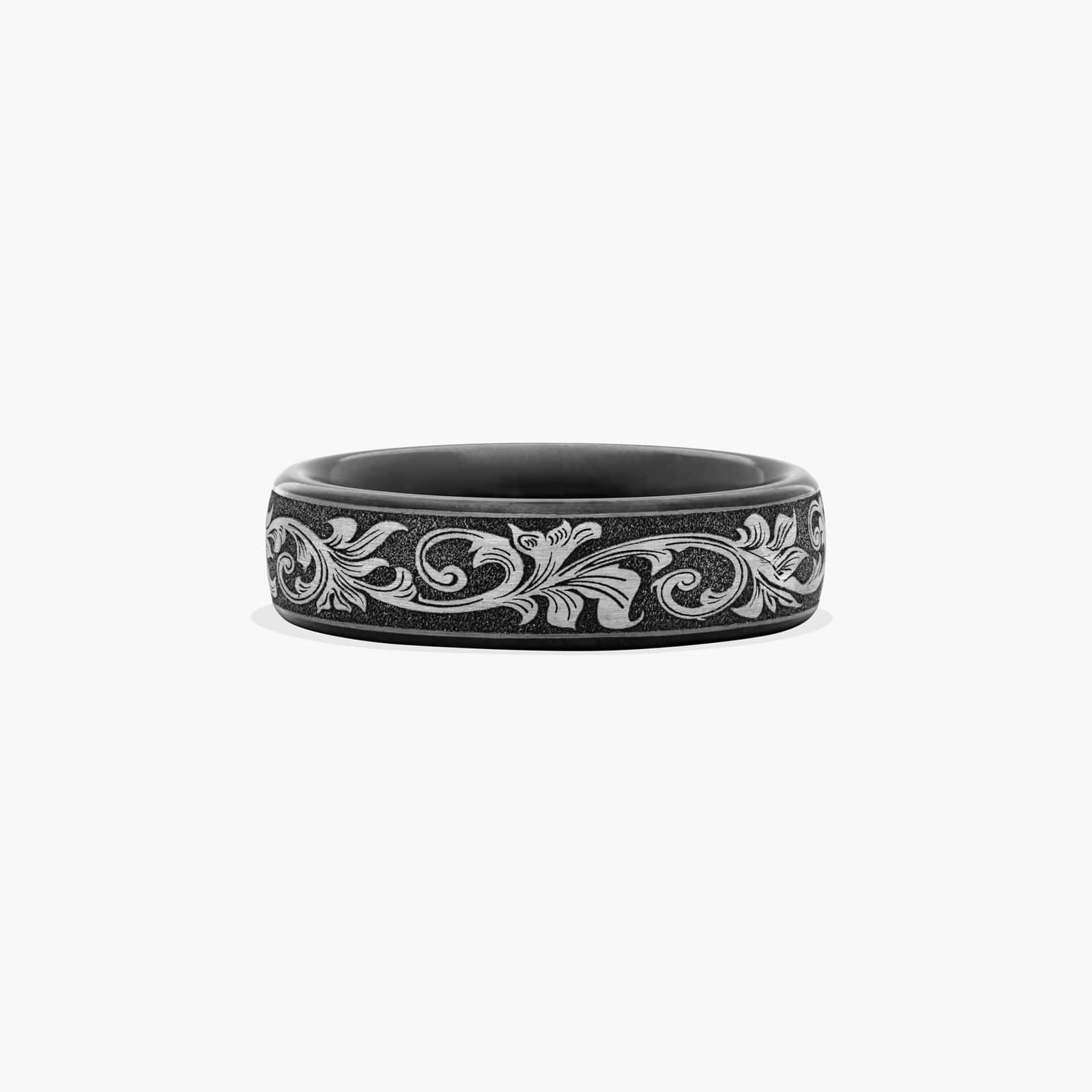
Grey Vintage Script Men's Wedding Band In Black Titanium (6.50mm) By James Allen
Shop Titanium JewelryInvest in Quality Jewelry With Blue Nile
Treat yourself and choose quality pieces that fit your lifestyle. Then, care for them with consistent storage, cleaning and wear habits. Learning how to keep jewelry from tarnishing helps you protect everyday favorites, sentimental gifts and milestone pieces with the same level of intention.
Explore our vast jewelry collection to find designs you can wear confidently over time.
Frequently Asked Questions
Platinum, palladium and titanium are among the most tarnish-resistant jewelry metals. These metals don’t oxidize the same way sterling silver, copper or brass do, but they still need routine cleaning to remove oils, dust and everyday buildup.
You can seal some costume jewelry with a clear protective coating, but this is not usually recommended for fine jewelry without professional guidance. A coating may change the finish, affect gemstones or wear unevenly, so storage, dryness and gentle cleaning are safer first steps.
Yes, you can often reverse jewelry tarnish because tarnish is usually a surface reaction. Use the right polishing cloth or cleaning method for the metal, and ask a jeweler before treating plated, antique, gemstone-set or delicate pieces.
You can remove light tarnish from silver jewelry at home with a silver polishing cloth or by gently washing it with warm water and mild soap. Dry the piece completely before storage and use caution with baking soda or chemical methods because they may be too harsh for plated details, gemstones or delicate finishes.
Yes, wearing solid sterling silver more often can help slow early tarnish, as light friction can buff away surface oxidation. This does not apply to plated jewelry, where frequent wear can thin the outer layer faster.
Store jewelry in a dry, lined jewelry box, individual soft pouch or airtight zip-seal bag to prevent tarnishing. Keep pieces separate, add anti-tarnish strips for silver and avoid bathrooms or sunny windowsills where humidity and temperature can fluctuate.
Clean frequently worn jewelry every few weeks or sooner if you notice lotion, sweat or product buildup. Pieces worn less often can be wiped after wear and cleaned before storage or when they begin to look dull.
Yes, humidity can cause jewelry to tarnish faster because moisture helps surface reactions develop. Store jewelry in a dry space and consider anti-tarnish strips or silica packets for pieces that are especially sensitive to moisture.
Tarnish is usually an unwanted surface discoloration, while patina is often a slower surface change that may be valued on metals like copper or bronze.


Share