Yes, but repeated contact with moisture, minerals and chemicals can influence how it looks over time. Occasional contact with water is usually fine, but drying your jewelry afterward helps preserve its original shine.
Sterling silver is timeless, versatile and made for regular wear—but many still wonder whether or not sterling silver can get wet. From handwashing to summer swims, water exposure is part of real life, and knowing how it affects your jewelry helps you keep your pieces wearable for years.
Here’s what you need to know to protect your pieces and preserve their natural luster.
Is Sterling Silver Waterproof?
Sterling silver is not waterproof jewelry, but things like everyday handwashing or rain won’t immediately damage your jewelry.
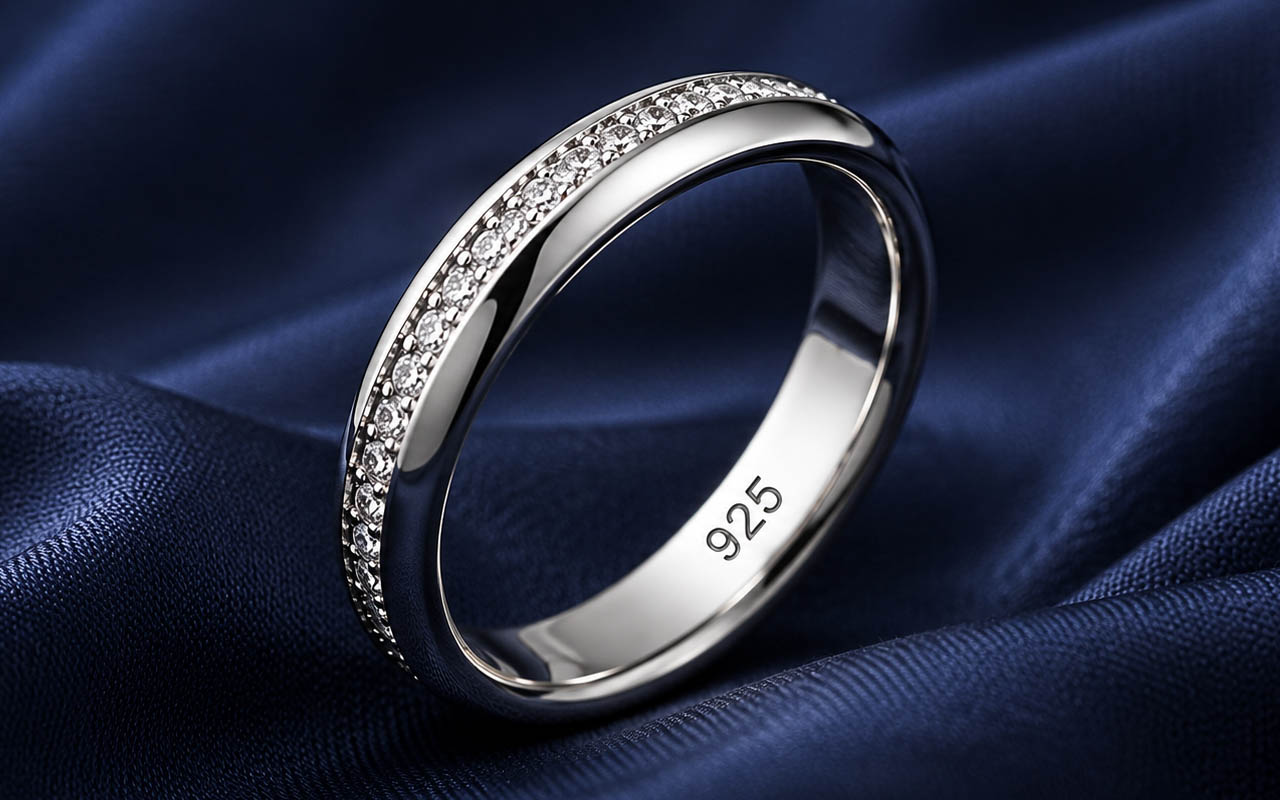
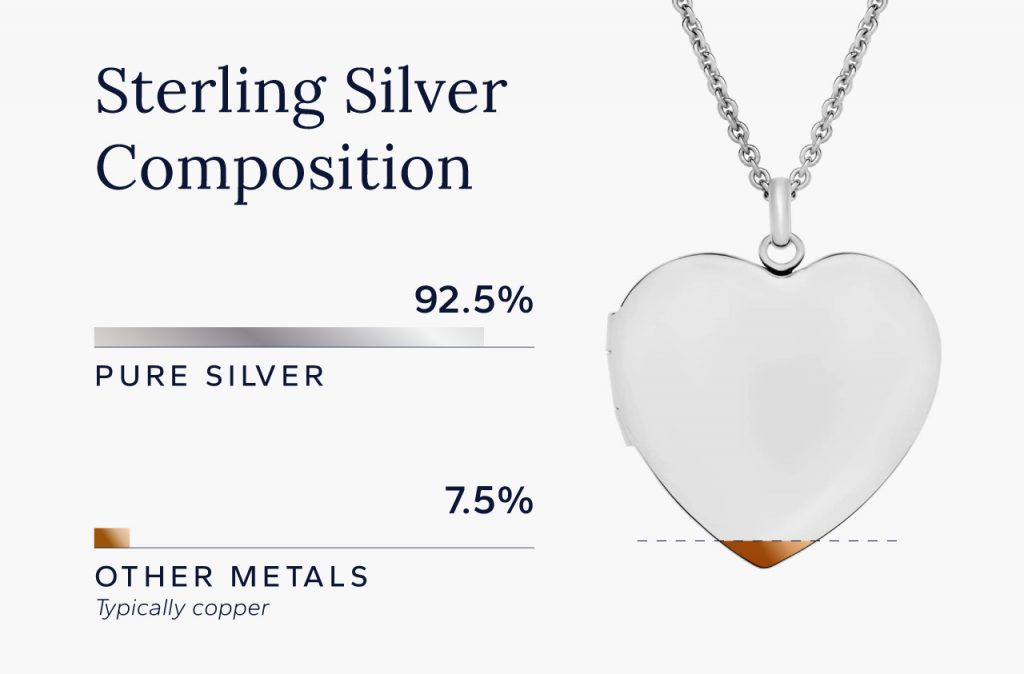
However, sterling silver is made of 92.5% pure silver and 7.5% other metals (typically copper). Frequent exposure to water can speed up tarnishing and gradually dull sterling silver’s natural shine. Chlorinated pools, hot tubs, and saltwater are especially harsh and can cause discoloration or surface damage with regular exposure.
What Happens When Sterling Silver Gets Wet?
Getting sterling silver wet will cause it to tarnish over time. The copper in the alloy reacts more quickly in damp environments, leading to dullness or darkening. The level of impact depends on the type of water and how often your jewelry gets wet.
| Water Source | Risk Level | Why? |
| Tap or rainwater | Safe | Pure water is fine; just dry it to prevent water spots |
| Shower | Caution | Most soaps are fine, but harsh chemicals can accelerate dulling |
| Perspiration | Avoid | Salt and sulfur in sweat from exercise and exertion can lead to rapid tarnishing |
| Pools or hot tubs | Never | Chlorine causes a chemical reaction that can turn silver black |
| Saltwater and the beach | Never | Salt in ocean water and coastal air can cause rapid corrosion |
| Cleaning supplies | Never | Bleach and ammonia can cause irreversible damage |
Tap or rainwater
Pure water alone doesn’t cause immediate damage to sterling silver, but minerals in tap water can create buildup over time. After contact, gently dry your piece with a soft cloth to prevent moisture from lingering on the surface. Avoid letting it air-dry, as it can lead to water spots.
| Do | Don’t |
| Dry jewelry thoroughly with a soft cloth after it gets wet. | Let your jewelry air-dry with water sitting on the surface. |
| Wipe off mineral residue if exposed to hard tap water. | Assume repeated moisture won’t affect the finish over time. |
Shower
Showering in sterling silver isn’t ideal, even though tap water alone is generally safe for short periods. The bigger issue is what’s in your shower routine.
Sulfates and other ingredients in shampoos, body washes and soaps can leave residue on the metal. That buildup can accelerate tarnish if not cleaned off regularly. It’s best to remove your pieces before showering to preserve their original luster.
| Do | Don’t |
| Dry your jewelry immediately after showering. | Let soap residue sit on the metal. |
| Remove rings and necklaces before using exfoliating scrubs or hair dye. | Expose sterling silver to sulfate products regularly. |
Perspiration
Sweat can be surprisingly harsh on sterling silver. During exercise or extended wear in warm weather, salt and trace amounts of sulfur in perspiration can accelerate tarnishing faster than dry air alone.
The longer moisture sits on the metal, the greater the risk of oxidation. If you regularly work out in your jewelry, a few simple habits—and knowing how to clean jewelry at home—can help preserve its finish.
| Do | Don’t |
| Remove sterling silver before intense workouts or prolonged sweating. | Wear your jewelry through high-sweat workouts without cleaning it afterward. |
| Rinse lightly with clean water and dry thoroughly after perspiration. | Let sweat dry on the surface of the metal. |
Swimming pools and hot tubs
Chlorinated water is far more aggressive on sterling silver than tap water. Chlorine can react with the alloyed metals in silver, leading to blackening or even permanent surface pitting.
Hot tubs are even riskier because heat accelerates the chemical reaction between chlorine and the metal. Repeated exposure can permanently affect the finish.
| Do | Don’t |
| Remove sterling silver before entering pools or hot tubs. | Swim in chlorinated water while wearing sterling silver. |
| Leave your silver in a locker or jewelry box before getting into treated water. | Ignore steam exposure—even hot-tub steam can start the tarnishing process. |
Saltwater and the beach
Saltwater eats away at the copper in sterling silver, accelerating tarnishing and potentially causing surface damage. Sand adds another risk—as a natural abrasive, it can leave fine scratches on polished finishes. Even coastal air contains salt particles that can speed up tarnishing, whether or not you step into the ocean.
| Do | Don’t |
| Remove sterling silver before swimming in the ocean. | Wear sterling silver in saltwater for extended periods. |
| Rinse with fresh water and dry thoroughly with a soft cloth if it gets wet at the beach. | Leave pieces exposed to salty air for days at a time. |
Cleaning supplies
Household cleaners are often more damaging than water alone. Many contain chemicals like bleach, ammonia and acids that can accelerate tarnish. Removing your jewelry before cleaning helps protect both its appearance and longevity.
| Do | Don’t |
| Take off sterling silver before cleaning, washing dishes, or using disinfectants. | Expose your jewelry to bleach, ammonia or harsh household chemicals. |
| Wipe down jewelry if it accidentally comes into contact with cleaning agents. | Let cleaning solutions sit on the metal. |
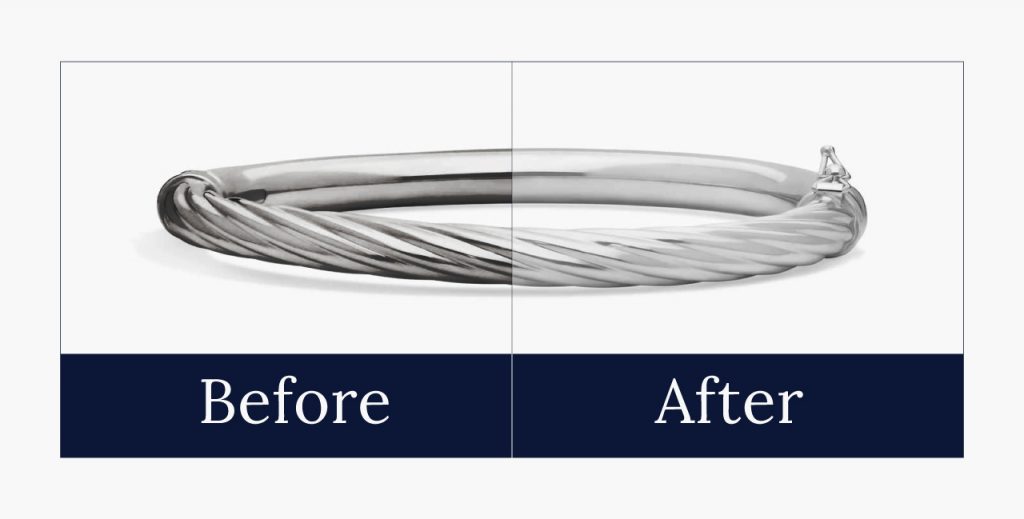
Essential Tips for Sterling Silver Jewelry Care
Cleaning silver jewelry is easy to maintain with a few consistent habits. Regular upkeep minimizes tarnish and preserves the finish, especially if you wear your pieces daily. Use the tips below to keep your sterling silver looking its best:
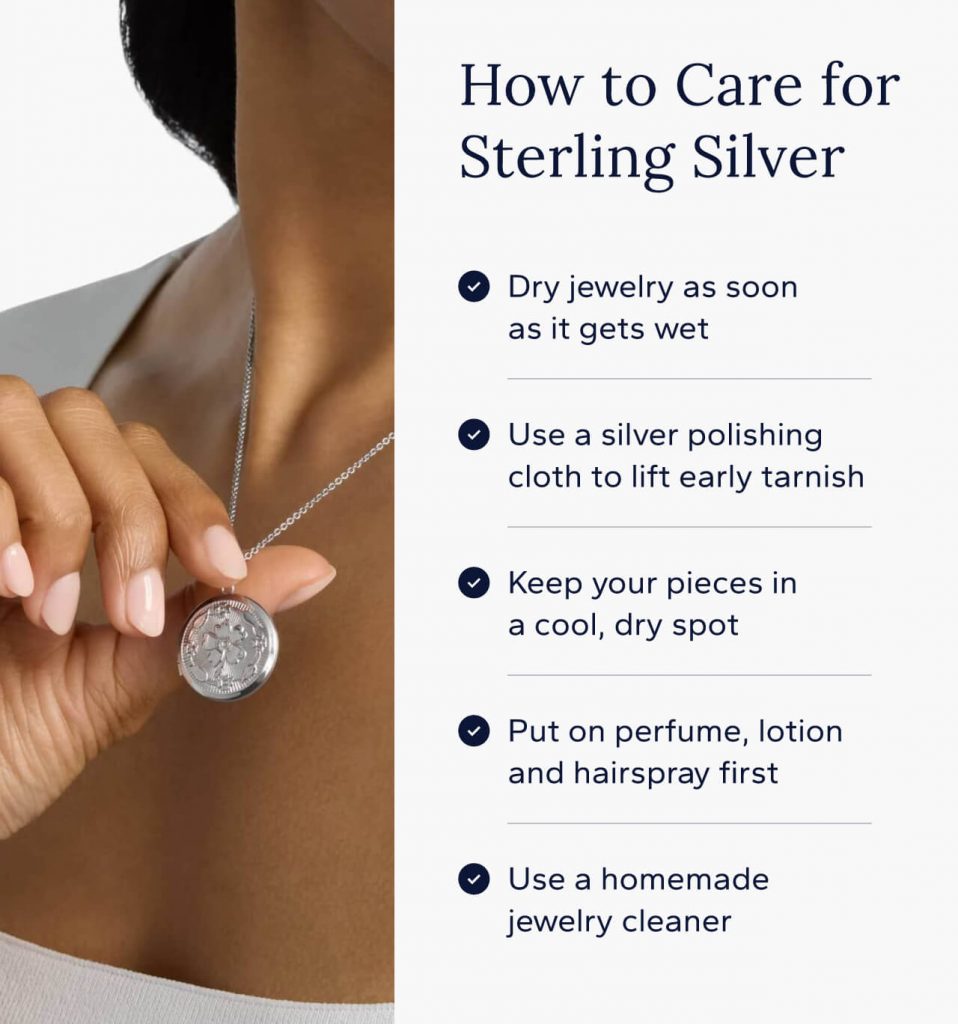
- Use a soft, lint-free cloth to dry your jewelry as soon as it gets wet.
- Rub the metal with a silver polishing cloth to lift early tarnish and bring back the shine.
- Keep your pieces in a cool, dry spot, like a lined box or an airtight bag, to keep moisture out.
- Put on your perfume, lotion and hairspray before your jewelry to avoid chemical residue on the metal.
- Use a homemade jewelry cleaner with ingredients you already have on hand.
When you’re ready for a new piece, use our jewelry buying guide to help you explore designs crafted with both beauty and durability in mind.
Choose Silver That Will Stay Bright for Years
Sterling silver and demi-fine jewelry can absolutely be part of your everyday collection, as long as you understand how moisture and environment affect it. A little awareness goes a long way in preserving its beauty.
Thoughtful care starts with thoughtful selection. Explore our collection of silver jewelry to find styles designed to stay bright, beautiful and ready for years of wear.
Frequently Asked Questions
Yes, you can wear sterling silver in the rain. Occasional exposure to fresh rainwater won’t cause immediate damage, especially if you dry your jewelry thoroughly afterward. Just avoid letting moisture sit on the surface for extended periods.
Yes, sterling silver will tarnish over time. Tarnish is a natural reaction of the metal alloy to moisture or sulfur in the air, but it can be managed with routine care.
Yes, sweat can tarnish sterling silver. Salt and trace sulfur compounds in perspiration can accelerate oxidation, especially during workouts or prolonged wear. Rinsing and drying your jewelry after heavy sweating helps reduce buildup.
Yes, it’s generally okay to wash your hands while wearing a silver ring. Brief contact with water and mild soap is usually safe, but drying the ring thoroughly afterward is important. Frequent exposure to soap residue can cause sterling silver to dull over time.
Avoid showering with sterling silver. While water alone isn’t the main issue, sulfates and product residue from shampoos and body washes can cause buildup and accelerate tarnish. Removing your jewelry beforehand helps preserve its shine.
Yes, 925 sterling silver tarnishes. The “925” stamp simply refers to the metal’s composition—92.5% pure silver and 7.5% alloy metals—and the alloyed metals are what react with moisture and air. Proper care can polish away tarnish.
No, sterling silver does not rust. Rust is specific to iron, which sterling silver does not contain. However, it can tarnish, which is a different surface reaction that causes darkening but not structural corrosion like rust.


Share