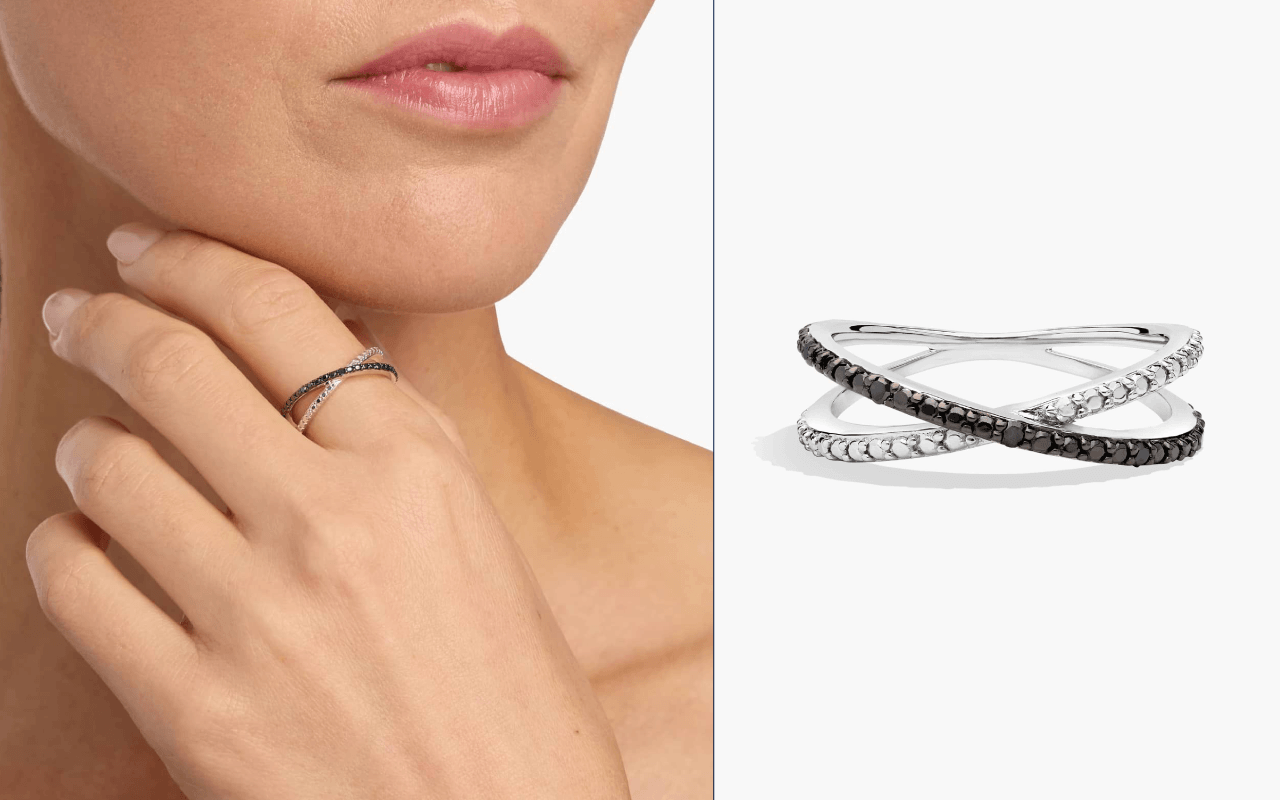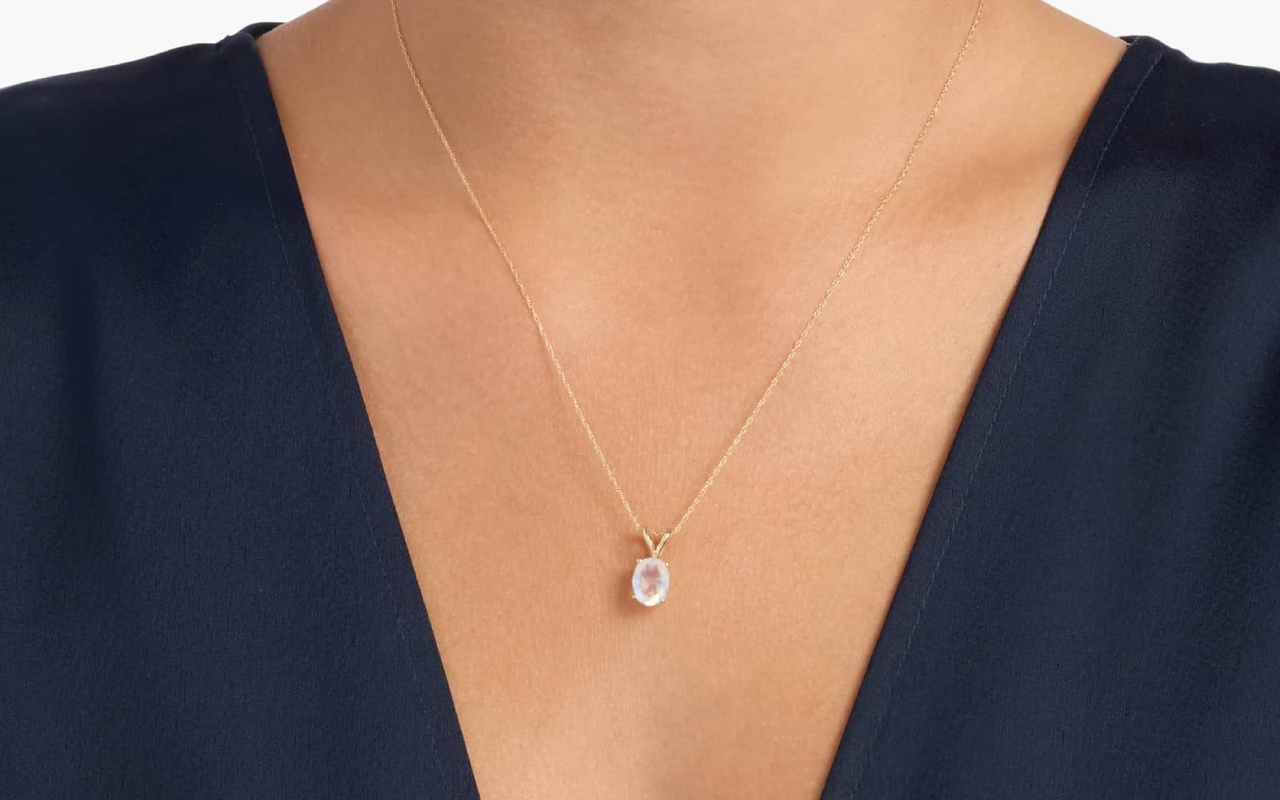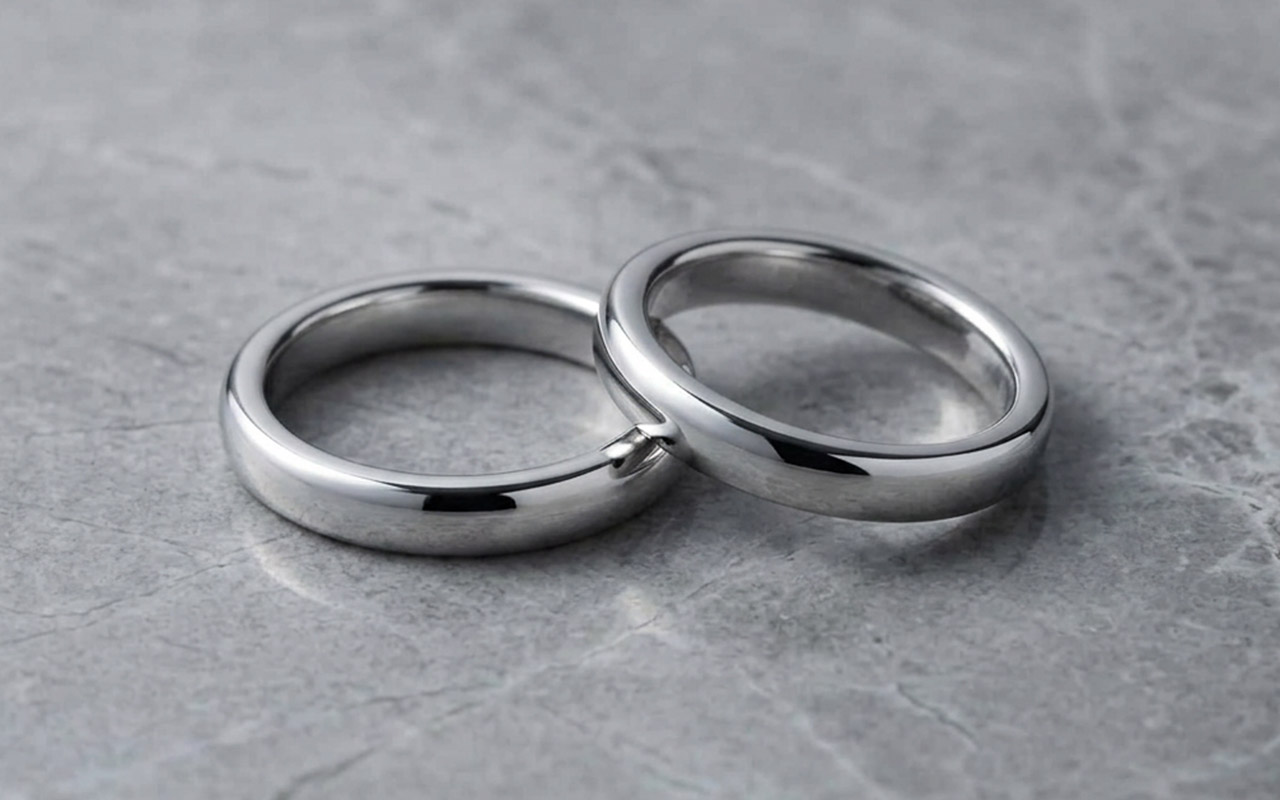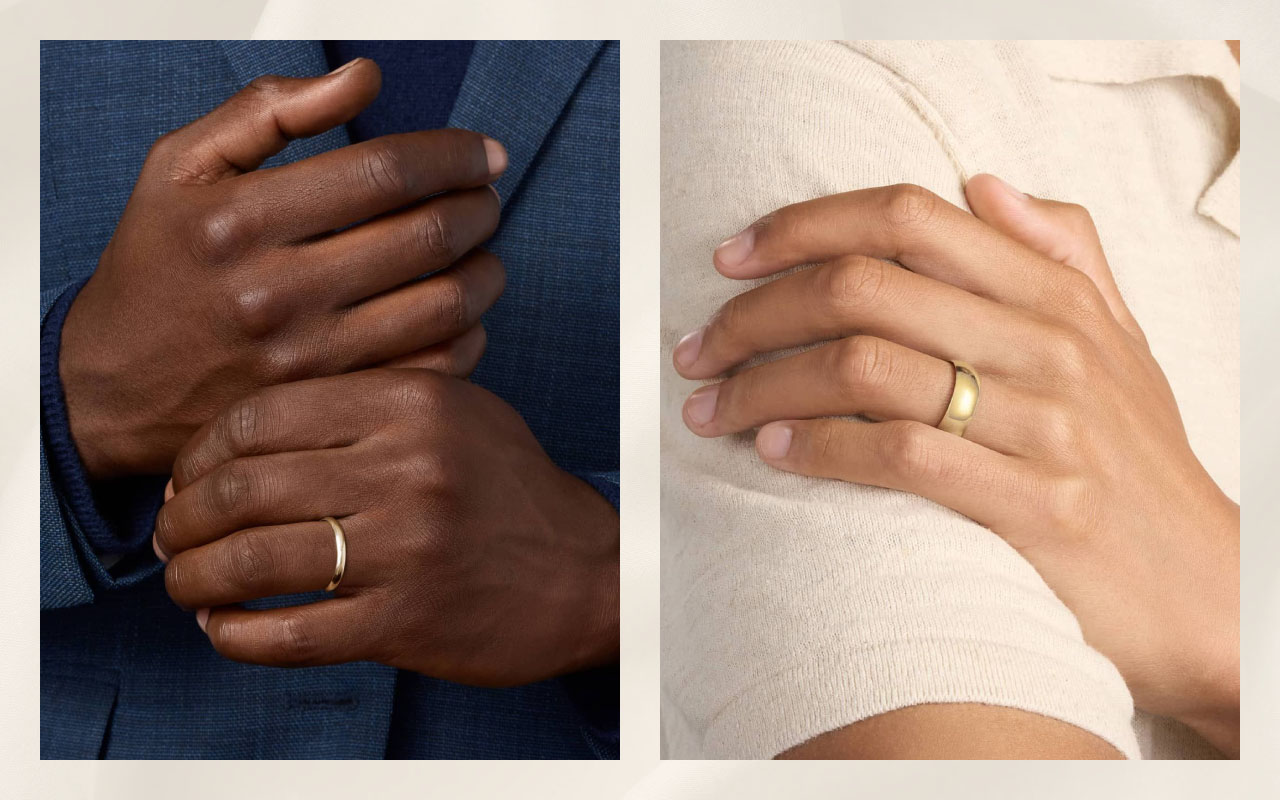
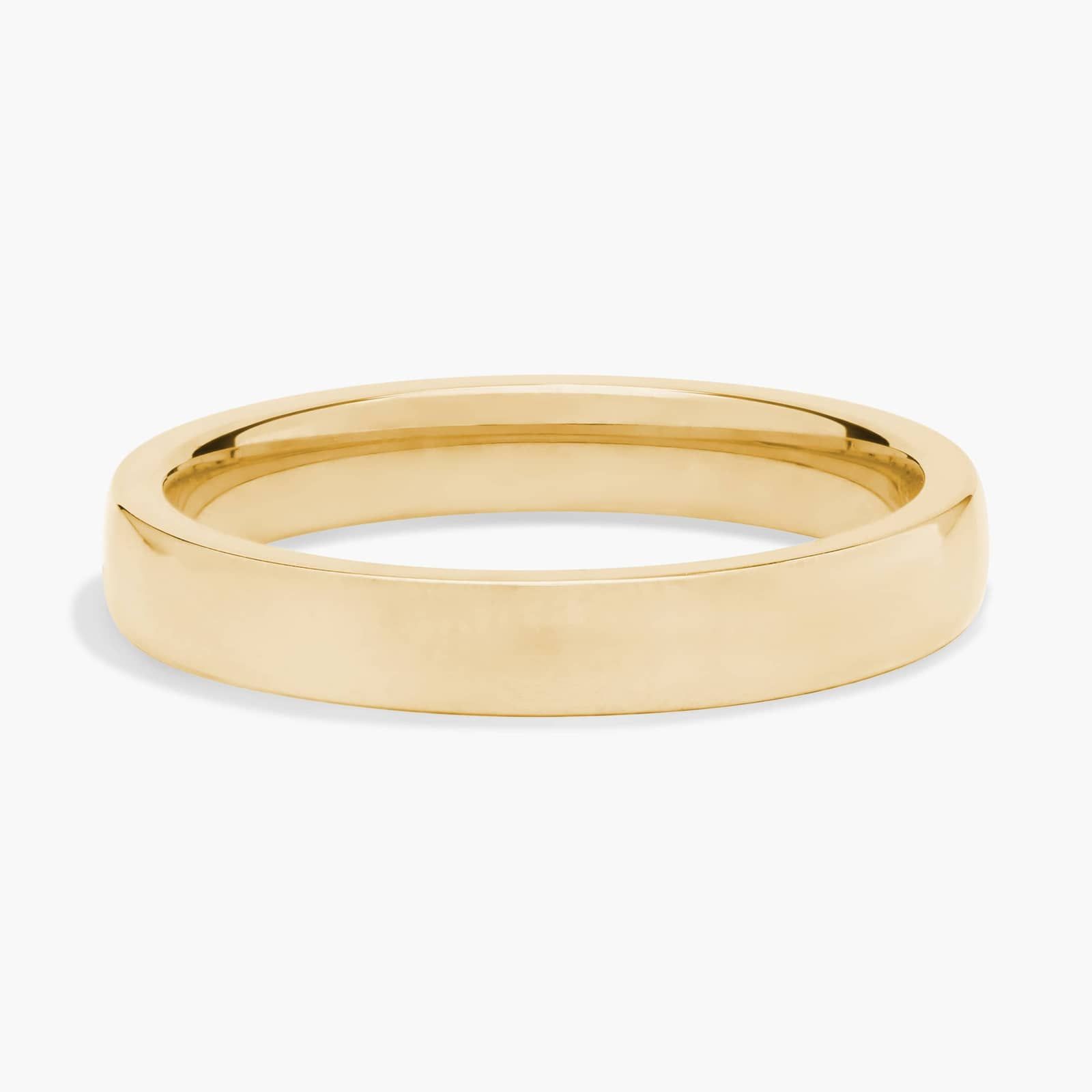
Ring band width is the measurement of a ring from one edge of the band to the other, usually expressed in millimeters. Most rings range from about 1.6 mm to 6 mm wide, with slimmer bands creating a delicate look and wider bands offering a more substantial presence on the hand.
A ring’s width may seem like a small detail, but it can dramatically shape how the piece looks, feels and wears over time.
When choosing a ring, many people focus on gemstones, metal or overall design. Yet ring band width plays an important role in both the appearance and comfort of the finished piece, influencing how the ring fits on your finger and how prominent the design appears when worn.
Knowing the typical width range can make it easier to select a style that complements your hand and suits how you plan to wear the piece. This guide explains common ring band width ranges, how band width affects comfort and durability and what to consider when comparing ring design.
What Does Ring Band Width Mean?
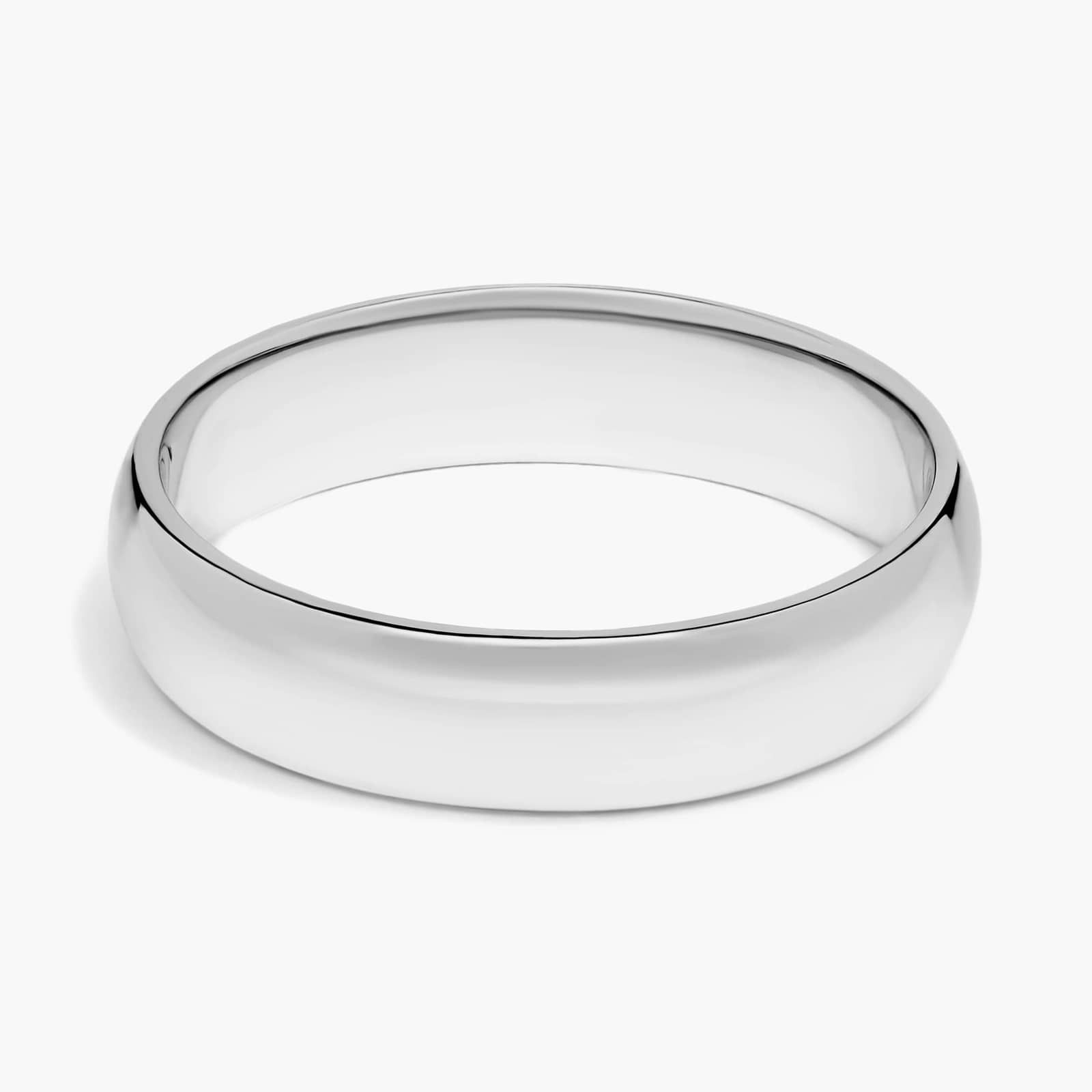
When jewelers refer to ring band width, they are describing how wide the ring appears across the finger when worn. If you are researching how to measure ring width, this is the measurement from one edge of the band to the other, typically expressed in millimeters.
Band width influences both the appearance of a ring and how it sits on the finger. Slimmer bands tend to create a more delicate profile, while wider bands give the ring a bolder presence. Width can also affect how it feels when worn, which may help shape ring sizing decisions.
Ring Thickness Vs. Width
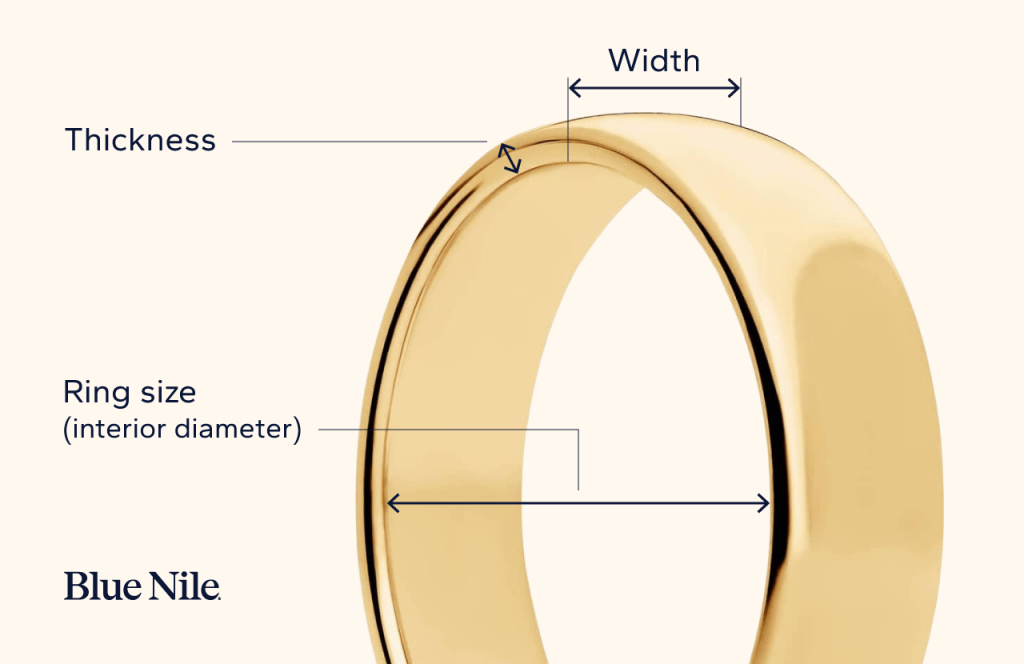
Ring width and ring thickness describe two different measurements of a ring band.
- Width refers to the distance from one edge to the other
- Thickness measures the depth of the metal from the outer surface of the ring to the inner surface that rests against the finger
Both measurements determine how a ring looks and feels. Width affects the ring’s visual profile, while thickness contributes to durability and structural strength. Recognizing this difference helps when comparing ring styles or evaluating how a design may wear over time.
What Are Standard Ring Widths?
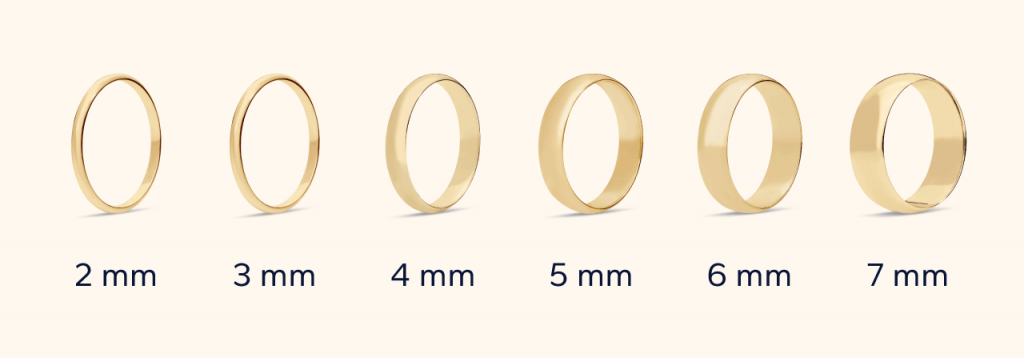
Standard ring widths refer to the range of band sizes commonly used in jewelry design. While preferences vary by style and wearer, certain width ranges are widely used for delicate rings, everyday designs and wider statement pieces.
Ring band widths are often grouped into a few common categories, which can make it easier to compare styles and find the right fit:
- Thin / Dainty (1.5–1.9 mm): Slim bands feel more refined and are often used in minimalist rings or stacking designs. These widths are popular for subtle styles that emphasize gemstones or allow multiple rings to be worn together.
- Standard (Women) (2–4 mm): This range is commonly used for engagement rings and many everyday styles. It offers a balanced look that feels noticeable on the finger without appearing overly bold.
- Standard (Men) (4–6 mm): Many men’s rings fall within this range, making it a helpful starting point for a men’s ring width comparison. These widths provide a classic profile that feels substantial without being overly wide.
- Wide / Statement (6 mm and above): Wider bands create a strong visual presence and are often used for statement rings or bold designs. They can also appeal to those who prefer a more prominent look on the hand.
| Category | Width (mm) | Best For |
| Thin / Dainty | 1.5 – 1.9 mm | Delicate styles, stacking rings, minimalist designs |
| Standard (Women) | 2 – 4 mm | Every day rings, engagement rings, balanced proportions |
| Standard (Men) | 4 – 6 mm | Classic wedding rings, comfortable everyday wear |
| Wide / Statement | 6 mm+ | Bold styles, statement rings, substantial profiles |
Why Does Ring Band Width Matter?
Ring band width influences how a ring looks, feels and performs over time. Even small differences in width can affect durability, comfort and how the design appears on the hand. The factors below explain how band width can shape both the appearance and everyday wear of a ring.
Durability
Band width can determine a ring’s overall durability:
- Slimmer bands create a delicate profile, but because they contain less metal, they may be more susceptible to bending or wear over time, particularly when worn every day.
- Wider bands generally provide stronger structural support and can feel more substantial.
For rings intended for daily wear, a slightly wider band may offer additional durability while still maintaining a balanced appearance.
Look
Ring width also affects how a ring looks on the hand:
- Slimmer bands tend to create a delicate appearance and can make gemstones appear more prominent.
- Wider bands create a bolder profile. Some designs, such as a thick band engagement ring, intentionally use a wider band to create a modern or statement look.
Hand and finger size can also affect how different widths appear. Narrow bands may complement smaller fingers, while wider designs can feel more proportional on larger hands.
Comfort
Comfort is another important consideration when selecting ring band width:
- Slimmer bands often feel lighter on the finger, while wider bands cover more surface area and may feel more substantial during everyday wear.
- Wider bands sit against more of the finger, so they may also feel slightly snugger than narrow bands of the same size.
Confirming your perfect ring size can help ensure a comfortable fit when comparing different band widths.
Style
Personal style can play an important role in choosing the ring band width:
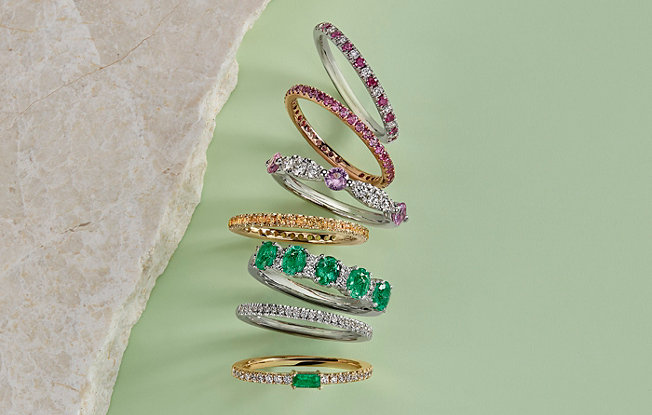
- Slimmer bands and more delicate rings feel understated. Designers often use slim bands in ring stacks, where multiple rings are worn together to create a layered look.
- Wider bands create a stronger visual statement. Some thick band engagement rings intentionally feature a broader band to highlight the metal and create a bold, modern aesthetic.
Band width can also influence how a ring pairs with other pieces. When wearing an engagement ring and a wedding ring together, or adding a band for a milestone like a first anniversary, many people choose bands with similar widths so the rings feel balanced when stacked.
Pros and Cons of Narrow vs. Wide Ring Bands
Narrow and wide ring bands each offer different advantages depending on style, comfort and durability preferences. Comparing the trade-offs between these options can help you decide which width best suits your design goals and everyday wear.
| Narrow Bands | Wide Bands | |
| Pros | – Delicate, minimalist appearance – Can make gemstones appear larger – Lightweight feel on the finger | – Strong visual presence – Often more durable due to additional metal – Works well for bold or statement designs |
| Cons | – May be more susceptible to bending with heavy wear – Limited space for decorative details | – Can feel heavier or more substantial on the finger – May feel slightly snugger at the same ring size |
How to Choose the Best Ring Band Width For You
Selecting the right ring band width depends on how the ring will be worn and the look you want to achieve. Consider the factors listed below to help you choose a band width that suits both your style and everyday comfort.
Ring Purpose
The purpose of the ring can determine which band width works best:
- For everyday wear, such as an engagement ring, bands often benefit from a width that balances durability with comfort.
- Rings worn occasionally for special events may allow greater flexibility in width, since long-term wear is less of a concern.
Finger Size
Finger size and hand proportions can affect how different band widths appear:
- Slimmer bands may look more delicate on smaller fingers.
- Wider bands can feel more proportional on larger hands.
Ensuring the ring fits properly is also important when evaluating different widths. If you notice that a ring feels loose, resizing may improve the fit.
Stone Size
Gemstone weight can also guide ring width decisions:
- Larger center stones often pair well with slightly wider bands, which help create visual balance between the gemstone and the metal.
- Smaller stones or minimalist settings may be complemented by narrower bands, keeping the overall design refined.
Lifestyle
Daily activities and lifestyle can also affect band width choices:
- Individuals with active routines may prefer a band that feels secure and durable during regular wear.
- Those who favor lighter, more subtle jewelry may gravitate toward slimmer bands that feel comfortable throughout the day.
Explore a Variety of Blue Nile Band Widths
Ring band width plays an important role in both the appearance and wearability of a ring. From wedding bands to fashion stacks, different widths can create distinct looks and suit different preferences.
Seeing different band widths in real designs can make it easier to decide what feels right for you. Our best-selling rings highlight favorites across a range of styles and ring band widths, or browse dainty jewelry selections if you’re drawn to slimmer, more delicate proportions.
Frequently Asked Questions
There is no single standard width, but most rings typically range from 1.5 mm to 6 mm, depending on style and design. The ideal width depends on personal preference, finger proportions and the overall ring design.
A 1.5 mm ring band is considered very thin but can still work for delicate or minimalist designs. Many people choose slightly wider bands for everyday wear to provide additional durability.
A 1.8 mm ring band is considered slim, but this width can offer a balance between a refined appearance and everyday wearability. Many engagement rings use band widths around this range for a subtle yet durable design.
Yes, a thinner band can make a diamond appear larger by creating more visual contrast around the center stone. Slim bands draw attention to the gemstone and leave more visible space around it, enhancing its overall appearance. This effect is one reason thinner bands are often chosen for engagement ring designs.
A common engagement ring band width typically falls between 1.8 mm and 2.5 mm, though personal preference and design style can vary. Thinner bands highlight the center stone, while slightly wider bands may offer additional durability and balance. Trying on different widths can help determine what feels most comfortable and visually appealing.
An engagement ring and wedding ring don’t have to be the same width, but many people choose bands that look balanced when worn together. Matching widths can create a cohesive appearance, while different widths may add visual contrast.


Share