Key Takeaways:
- Solid 14k and 18k gold jewelry can usually handle occasional water exposure, but regular showering may dull its shine over time.
- Gold-plated and gold vermeil jewelry should stay out of the shower because water, soap and friction can wear down the gold layer.
- Chlorine, sulfates, steam and buildup are usually more damaging than water itself.
- Drying and storing gold jewelry properly helps preserve its shine between wears.
Some jewelry is so intrinsically connected to you that taking it off seems unnecessary.
However, is it okay to shower with your gold jewelry? And if so, should you? The answer depends on the type of gold, how often it gets wet and what else it comes into contact with in the shower. Water alone is rarely the biggest concern. Soap, shampoo, chlorine, steam and friction can all affect the way gold jewelry looks and wears over time.
The same idea applies to other metals, too. Just like silver can get wet, gold follows a similar care principle: occasional water exposure is usually less concerning than repeated contact with chemicals, heat and moisture.
This guide explains which types of gold jewelry hold water best, what can cause dullness or wear, and how to care for pieces you want to enjoy every day.
Does the Karat Matter?
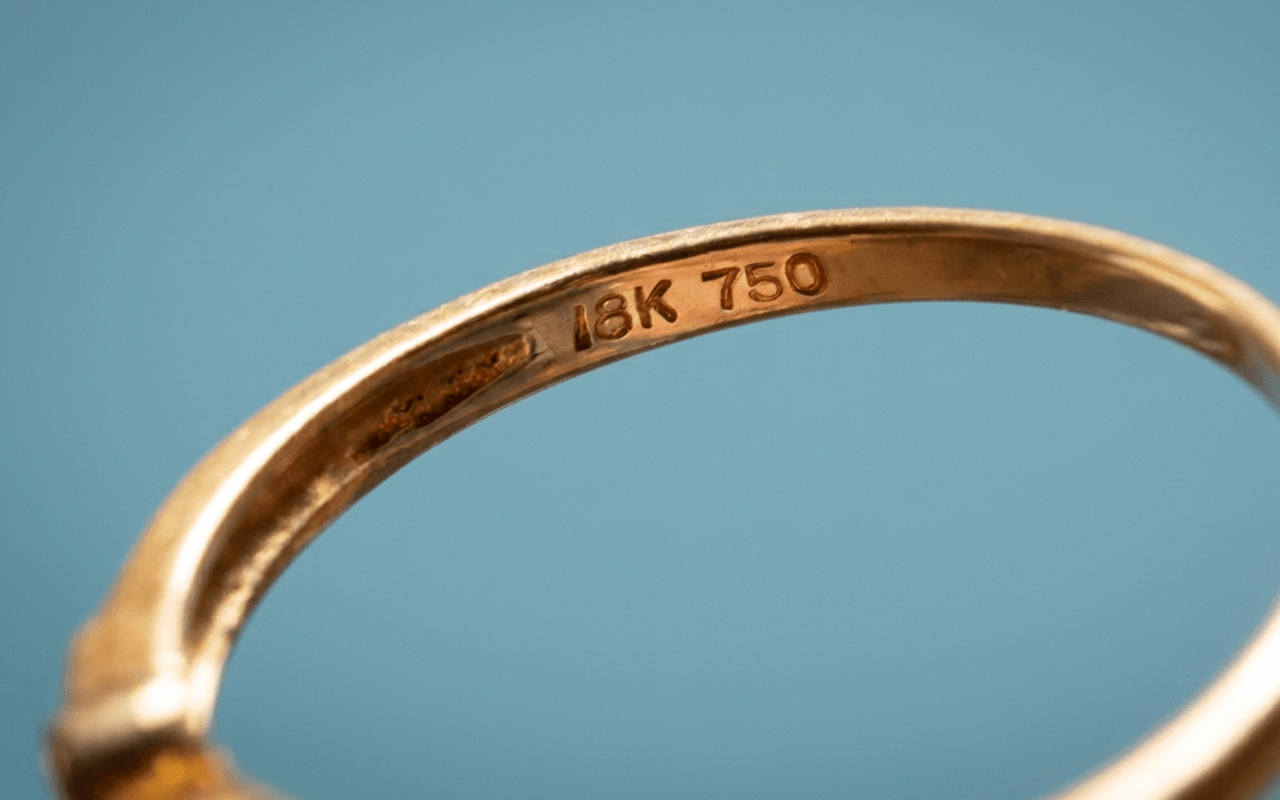
Yes, karat matters because higher-karat gold contains more pure gold, which is less reactive to chemicals, while lower-karat gold contains more alloy metals, which can make it stronger but more reactive over time.
Karat measures the amount of pure gold in a piece. The higher the karat, the higher the gold content. However, more pure gold is also softer, which is why 24k gold is rarely used for everyday rings, chains or earrings compared to 14k or 18k gold.
| Karat | Gold Content | Water/Chemical Resistance Notes |
| 10k | 41.7% pure gold | Most durable; most alloy metals mean higher chemical reactivity over time |
| 14k | 58.3% pure gold | Good balance of durability and purity; most common for everyday jewelry |
| 18k | 75% pure gold | Higher purity; more resistant to chemical reactions, but softer |
| 24k | 99.9% pure gold | Rarely used in jewelry; too soft for everyday wear |
For most people, 14k gold is a practical choice for occasional water exposure because it balances durability with gold purity. Even so, the other metals in 14k gold can react with moisture and chemicals over time.
14k gold can tarnish and may develop surface dullness or discoloration depending on the alloy and how it’s worn.
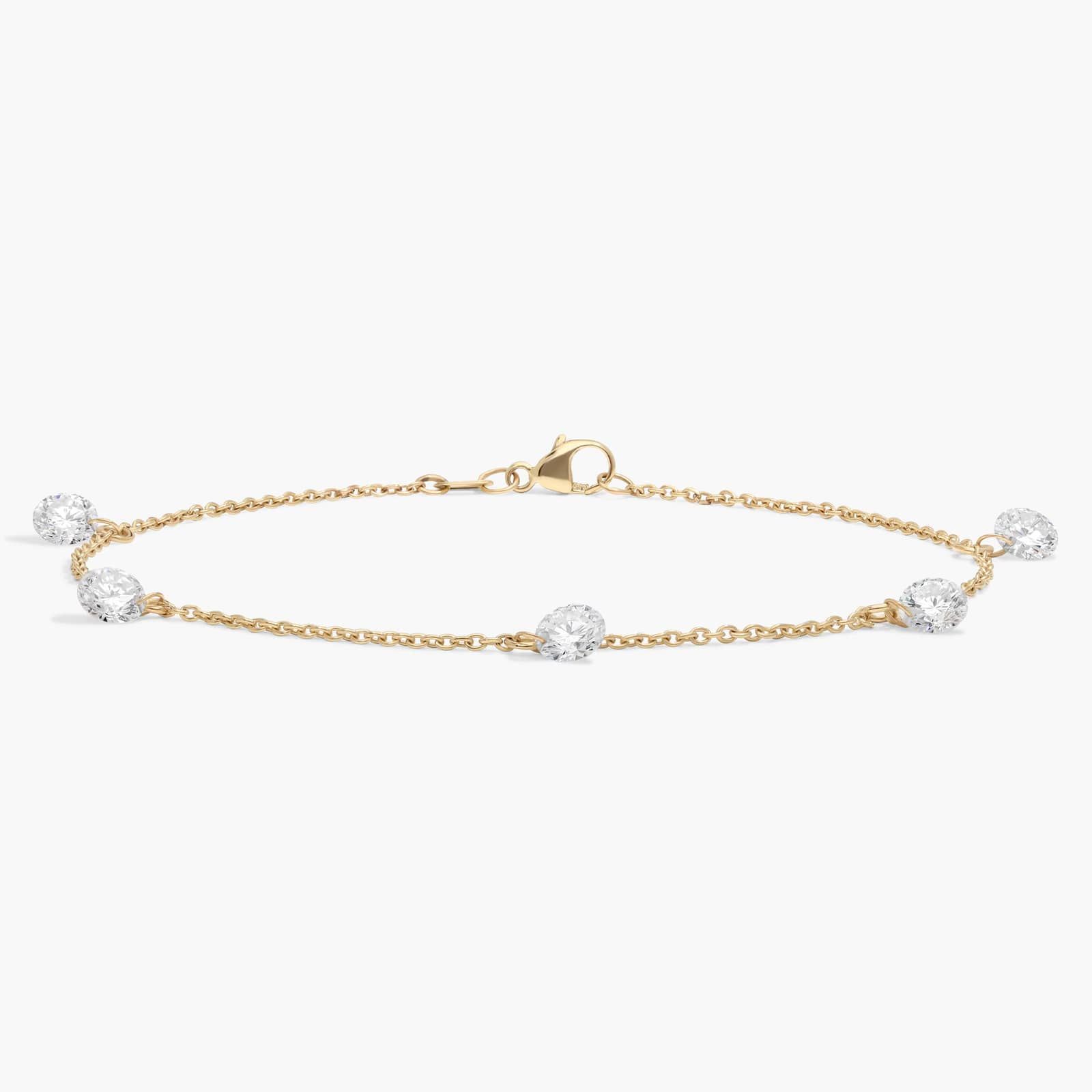
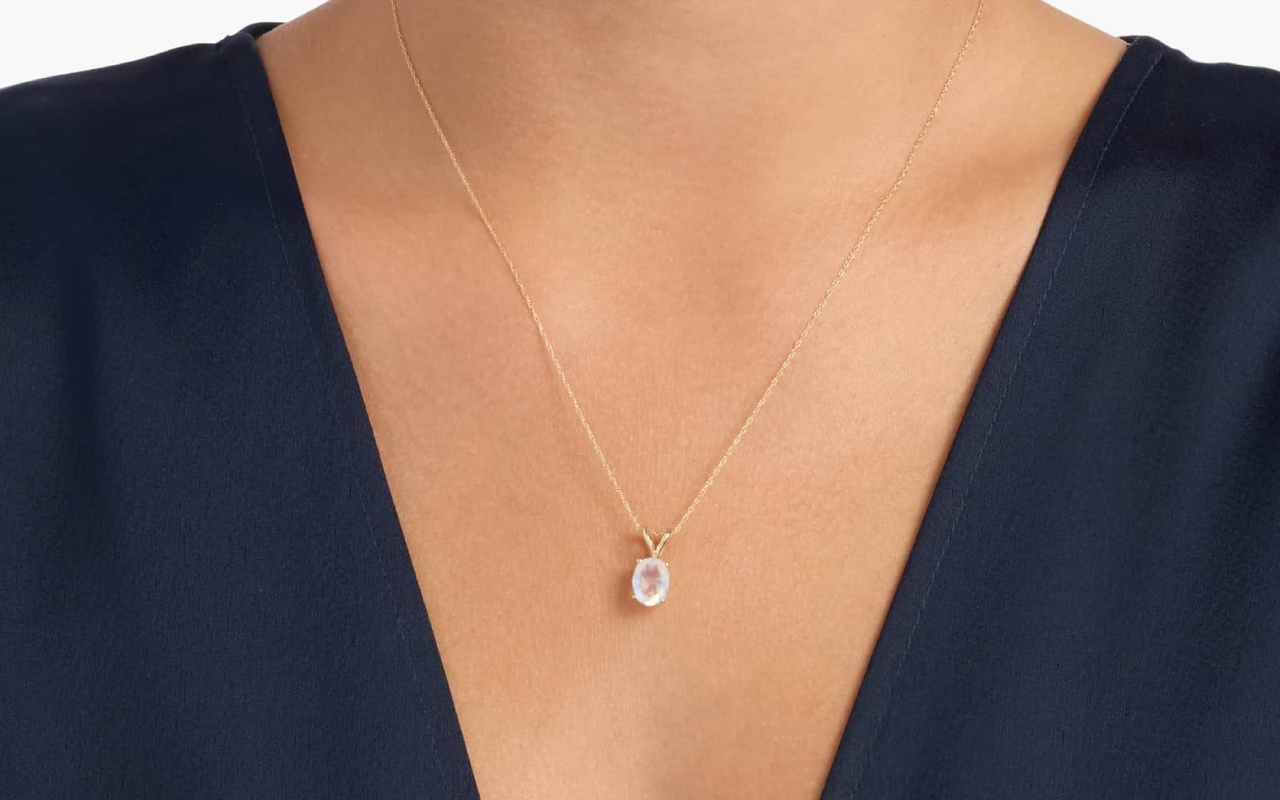
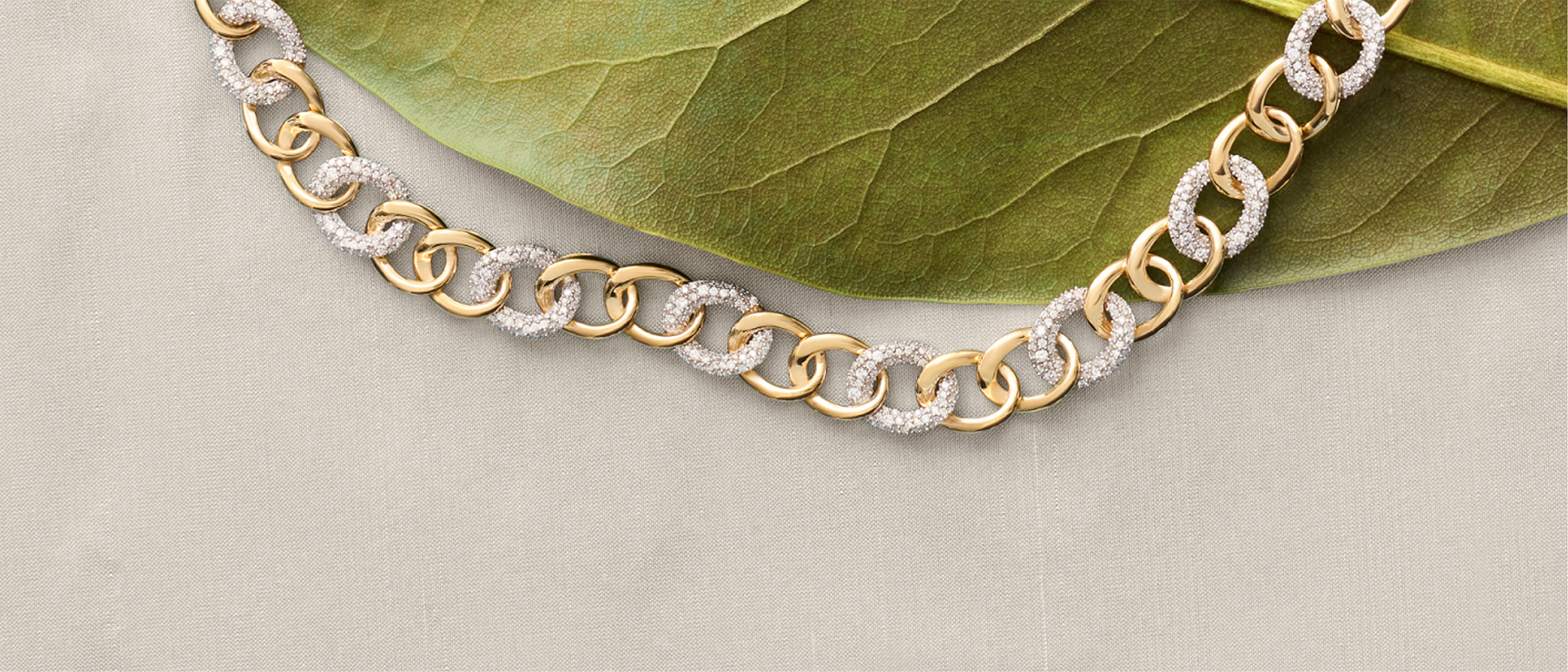
Pierced Diamond Station Bracelet with 1.25 CTW Round Cut Lab-Grown Diamonds in 14K Yellow Gold
Shop Gold Jewelry
Showering with Different Types of Gold Jewelry
Gold is valued partly because it does not rust like iron-based metals. However, most gold jewelry is not pure gold. It’s usually mixed with other metals to improve durability, change color or make it more wearable for everyday use. Those alloy metals can react differently to moisture, soap and chemicals.
Before getting your jewelry wet, consider its gold type. Solid gold and gold-filled jewelry is the safest option for occasional shower exposure, while you should generally remove gold-plated and gold vermeil jewelry before showering.
| Reactiveness in Water | Considerations | |
| Solid Gold | Low | Occasional showering is unlikely to cause immediate damage, but repeated exposure can dull the shine. |
| Gold-Plated | High | Water, soap and friction can wear away the thin gold layer. |
| Gold Vermeil | Moderate | More durable than standard plating, but regular water exposure can shorten its lifespan. |
| Gold Filled | Low to moderate | More durable than gold plating because it has a thicker, bonded gold layer, but it should still be removed before showering. |
Solid Gold Jewelry (14k and 18k)
Solid gold jewelry can get wet occasionally, especially when it’s 14k or 18k gold. This type of gold contains alloy metals throughout the entire piece, rather than a thin surface layer, so water will not peel it away or expose a base metal underneath. This makes it more durable in wet conditions than plated or vermeil styles.
That said, pure gold is naturally soft, so most wearable gold jewelry is mixed with metals such as copper, silver, nickel, zinc or palladium. Those metals help strengthen the piece, but they can also respond to repeated exposure from soap, chlorine and moisture.
For example, 14k gold contains more alloy metals than 18k gold, making it stronger for everyday wear but slightly more reactive to chemicals over time.
Gold-Plated Jewelry
Typically, you shouldn’t wear gold-plated jewelry in the shower. These pieces have a thin layer of gold applied over a base metal such as brass, copper or silver. Once that layer wears, the metal underneath can show through.
Water is only part of the issue. Soaps and friction from towels, washcloths or loofahs can accelerate surface wear. Over time, the plating may fade, peel or develop uneven areas.
Gold Vermeil Jewelry
Gold vermeil jewelry should also stay out of the shower. Different from gold plating, Vermeil features a thicker layer of gold over sterling silver. That makes it a more substantial option than many thinly plated pieces, but it still has a surface layer that can wear down.
Regular water exposure can shorten the life of gold vermeil. Soap residue, steam and friction can gradually affect the gold layer, exposing the sterling silver underneath. Sterling silver can tarnish when it reacts with moisture and air, so keeping vermeil dry is a smart care habit.
Gold Filled Jewelry
Gold-filled jewelry isn’t at the same risk level as gold-plated jewelry. It has a much thicker, solid gold coating bonded to a base metal, making it more durable. It can handle occasional water exposure, but regular showering is still not recommended. Soap, chlorine, humidity and residue can dull the surface.
Though gold filled jewerly is more tarnish-resistant than many plated pieces, it isn’t maintenance-free. Keeping it dry when possible helps preserve its shine.
What Actually Damages Gold Jewelry in the Shower?
Water itself is rarely the main problem for gold jewelry in the shower. Gold is naturally corrosion-resistant, but everyday shower environments can affect it. The combination of cleansers, heat and repeated moisture can affect both the metal and any stones, settings, or surface finishes.
Shower factors that can damage your gold jewelry:
- Chlorine (in tap water): Over time, chlorine can stress alloy metals in gold jewelry, especially 14k gold, and it can be particularly harsh on plated surfaces.
- Sulfates in soaps and shampoos: Many cleansers contain sulfates or other ingredients designed to remove oil and buildup. Those same ingredients can leave gold jewelry looking dull when residue collects on the surface.
- Steam and heat: Heat can slightly expand metal, and steam can soften some adhesives used in delicate jewelry. For prong-set stones, repeated exposure may also contribute to loosening over time.
- Friction from loofah and washcloths: Mechanical abrasion can scratch softer metals and wear down plated finishes. This is especially important for gold-plated and vermeil jewelry.
- Buildup in crevices: Soap residue and hard-water minerals can accumulate around stones, inside chain links and under ring settings. That buildup can make jewelry look less polished and harder to clean.
That’s why taking jewelry off before showering is less about one accidental splash and more about protecting it from repeated exposure.
What About Rings, Chains, and Earrings Specifically?
Everyday pieces, like rings, chains and earrings, carry different shower risks because water, soap and residue collect in different places. A plain gold ring does not behave the same way as a prong-set ring, delicate chain, pair of earrings or charm bracelet.
Shower risks to keep in mind according to the type of jewelry:
- Rings: Rings are especially vulnerable because soap and water can collect under the setting and around stones. Prong-set rings should be removed before showering because residue can build up around the prongs, and repeated heat exposure may affect the setting over time.
- Chains and necklaces: Chains can get wet, but clasps, jump rings and small links create places where moisture and residue can collect. When wet, fine chains can also tangle more easily, adding mechanical stress when you try to separate them.
- Earrings: You should usually remove earrings before showering. Posts and backings may corrode depending on the metal composition, and soap residue around a piercing can cause irritation for some wearers.
A good rule is simple: The more detailed the piece, the more cautious you should be. Smooth, solid gold pieces handle occasional water better than jewelry with plating, stones, hinges, clasps or intricate settings.
How to Care for Gold Jewelry You Wear in the Shower
If you do shower with gold jewelry, care for it immediately afterward to minimize long-term wear. A few simple steps can help you clean your gold piece and preserve its shine:
- Rinse with clean, lukewarm water after showering to remove soap residue.
- Pat dry immediately with a soft, lint-free cloth rather than rubbing.
- Allow pieces to air dry fully before storing.
- Store jewelry in a dry, cool place away from bathroom humidity.
- Have plated or vermeil pieces checked periodically, since re-plating can restore their appearance.
You can also build better habits around timing. Put jewelry on after showering, drying your skin, applying lotion and using fragrance. This helps limit contact with moisture and beauty products.
And for further protection and peace of mind, consider jewelry insurance.
Find Gold Jewelry Built for Every Day at Blue Nile
You can shower with gold jewelry occasionally when it’s solid 14k or 18k gold, but removing it first is the better long-term care choice. Gold-plated and vermeil pieces should stay dry whenever possible, while solid gold benefits from simple habits like rinsing, drying and proper storage.
Now, if you’re looking for the best pieces for everyday wear, start with solid gold designs. Blue Nile offers thoughtfully crafted gold chain necklaces that enhance your personal style.
Frequently Asked Questions
No, we recommend removing gold jewelry before swimming in a pool. Pool water contains higher chlorine concentrations than typical shower water, and chlorine can stress the alloy metals in gold jewelry over time. This can be especially damaging to delicate settings, clasps and plated surfaces.
Pure gold does not tarnish, but most gold jewelry is made with alloy metals that can react with moisture, air and chemicals. It can develop surface dullness or discoloration depending on the alloy and how often it’s exposed to water, soap or chlorine.
It’s usually better to remove gold jewelry before sleeping, especially delicate chains, earrings, bracelets and rings with raised settings. The main concern is physical wear, not chemical damage. Jewelry can snag on bedding, bend under pressure or stress clasps and prongs while you sleep.
Yes, gold color reflects the alloy mix, which affects how a piece responds to moisture. Rose gold contains copper, which can be slightly more reactive to soap and chemicals. White gold is typically rhodium-plated, and repeated exposure to water can gradually wear that finish.


Share