


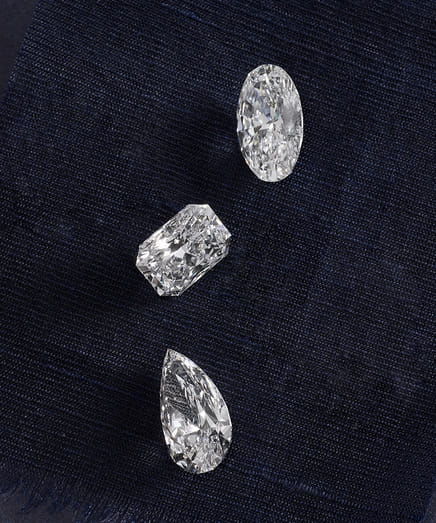










- A radiant cut diamond is a square or rectangular shape with trimmed corners and brilliant-style faceting.
- Radiant cuts balance clean geometry with strong sparkle by combining design elements of step and brilliant cuts.
- Their faceting pattern can help mask inclusions, making radiant cut diamonds a practical option across a range of clarity grades.
Known for its bold outline and lively sparkle, a radiant cut diamond combines the clean, angular look of step-cut diamonds (such as the emerald cut) with the light performance associated with brilliant cuts. Available in square, rectangular and elongated proportions, this cut offers flexibility in appearance, finger coverage and setting style.
For those who appreciate structure but don’t want to sacrifice brilliance, this style of diamond offers a way to have both. This guide outlines the key factors to consider when choosing a radiant cut diamond.
Key Characteristics of a Radiant Cut Diamond
Radiant cut diamonds stand out for how they direct and reflect light within a structured shape. Their design produces strong brightness and fire. At the same time, straight edges and cropped corners give the shape a bold, modern feel.
These qualities also influence how radiant cut diamonds perform across color and clarity ranges. For example, the cut’s faceting pattern can make slight warmth or small inclusions less noticeable, while its structured outline maintains a crisp, defined shape. The table below breaks down the individual elements that affect appearance and light performance.
| Feature | Description |
| Shape | Square or rectangular with trimmed corners, giving a geometric look and added durability at the edges. |
| Brilliance | Uses modified brilliant faceting to produce strong brightness compared to step-cut shapes. |
| Crown | Angled facets on the top of the stone enhance sparkle while maintaining a defined outline. |
| Culet | Typically very small or absent, helping minimize light leakage through the base. |
| Facets | High facet count arranged for light return, contributing to an energetic sparkle pattern. |
| Fire | Creates flashes of spectral color under light due to its brilliant-style faceting. |
| Flaws | Busy faceting can make inclusions less noticeable and more forgiving across clarity ranges. |
| Internal pattern | Blends geometric structure with brilliant-style sparkle, influencing contrast and overall visual texture. |
| Pavilion | Lower facets redirect light upward, influencing brightness and light distribution. |
| Style | Often described as modern and bold, offering strong sparkle without a traditional round shape. |
| Table | The large top facet allows light entry and affects both brightness and apparent size. |
Radiant Cut Ratios and Why They Matter
The length-to-width ratio of a radiant diamond is used to describe how square or elongated a diamond’s shape appears when viewed from above. Different ratio ranges support different design preferences, influencing the silhouette, finger coverage and how the shape pairs with certain settings.
An ideal ratio reflects proportions that many shoppers find visually balanced for a given shape, while a good ratio allows for slight variation without significantly changing the overall appearance. Common ratios found in a radiant cut diamond are listed in the table below.
| Type | Ideal Ratio | Good Ratio |
| Square radiant | 1.0 | 1.00–1.05 |
| Rectangle radiant | 1.1 | 1.1–1.15 |
| Elongated radiant | 1.2 | 1.2-1.35 |
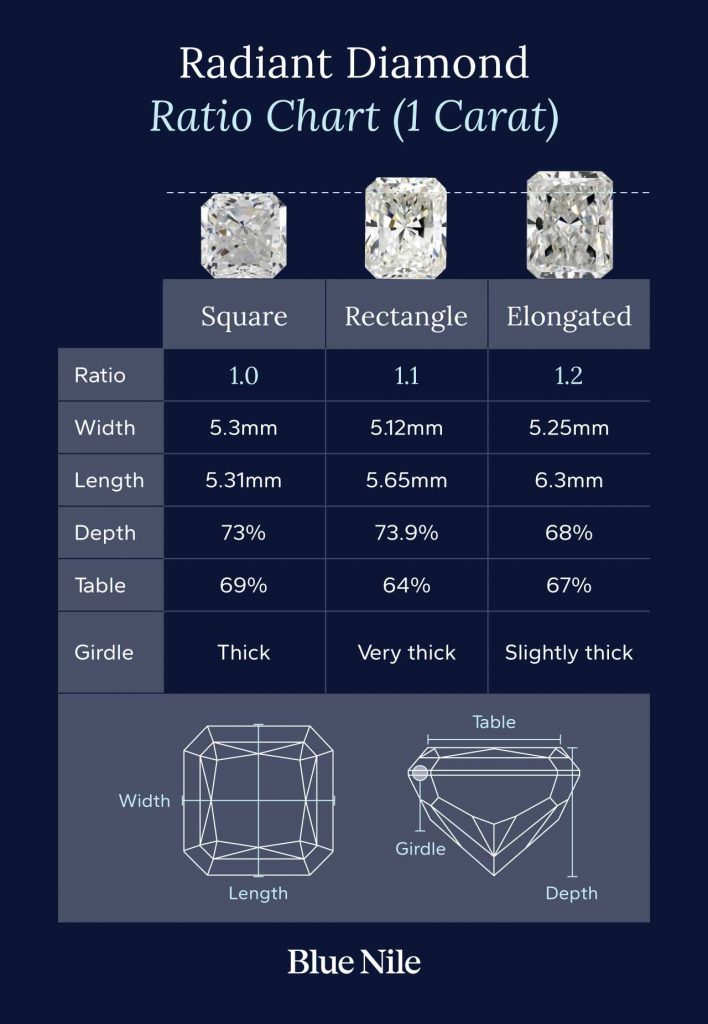
How Radiant Cuts Compare to Other Cuts
Although they share qualities with several popular diamond shapes, the appeal of radiant cut diamonds lies in how they blend structure and sparkle. Comparing radiant cuts to other styles such as emerald and round reveals how this shape differs in sparkle, structure and overall presence.
Radiant vs Emerald: Sparkle or Subtlety
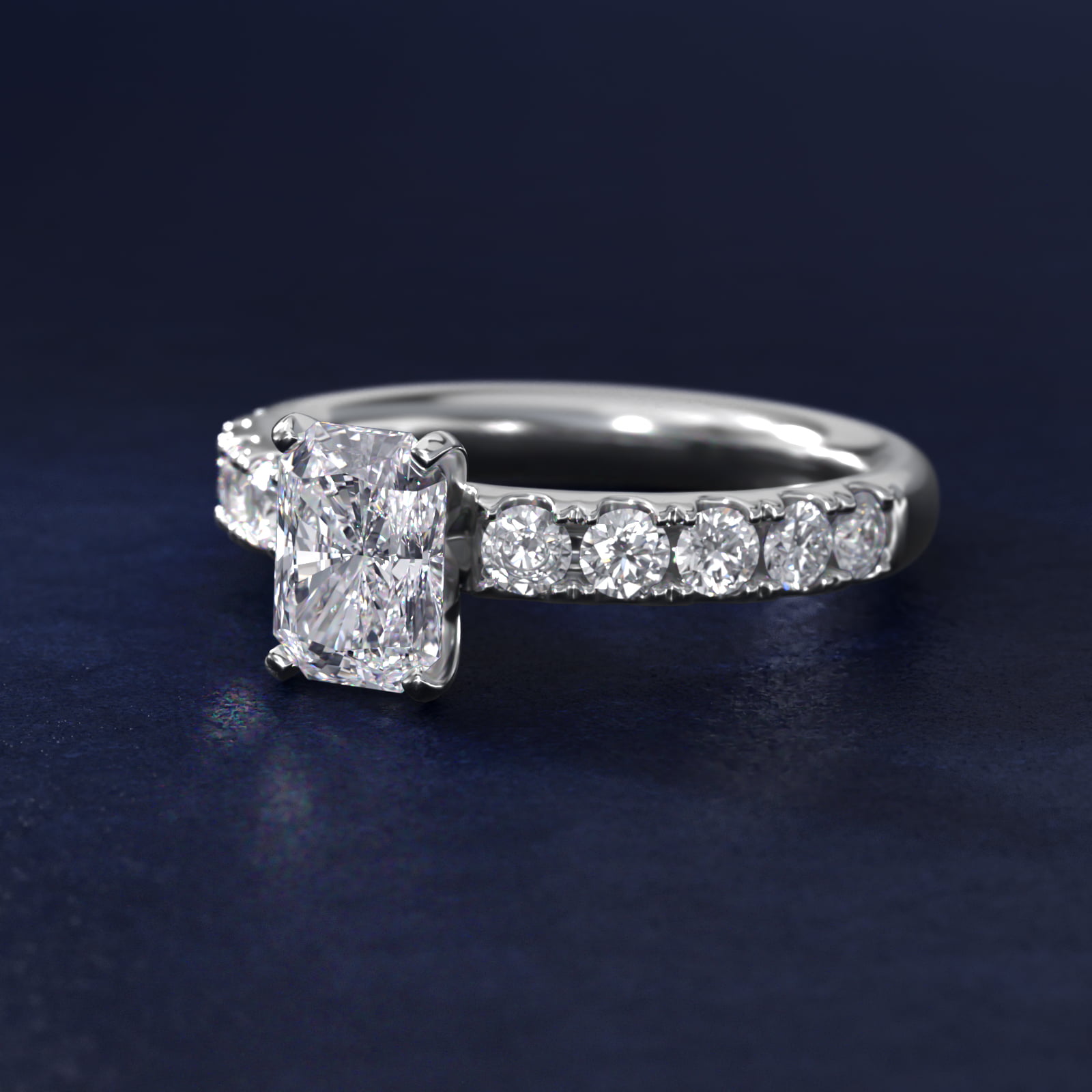
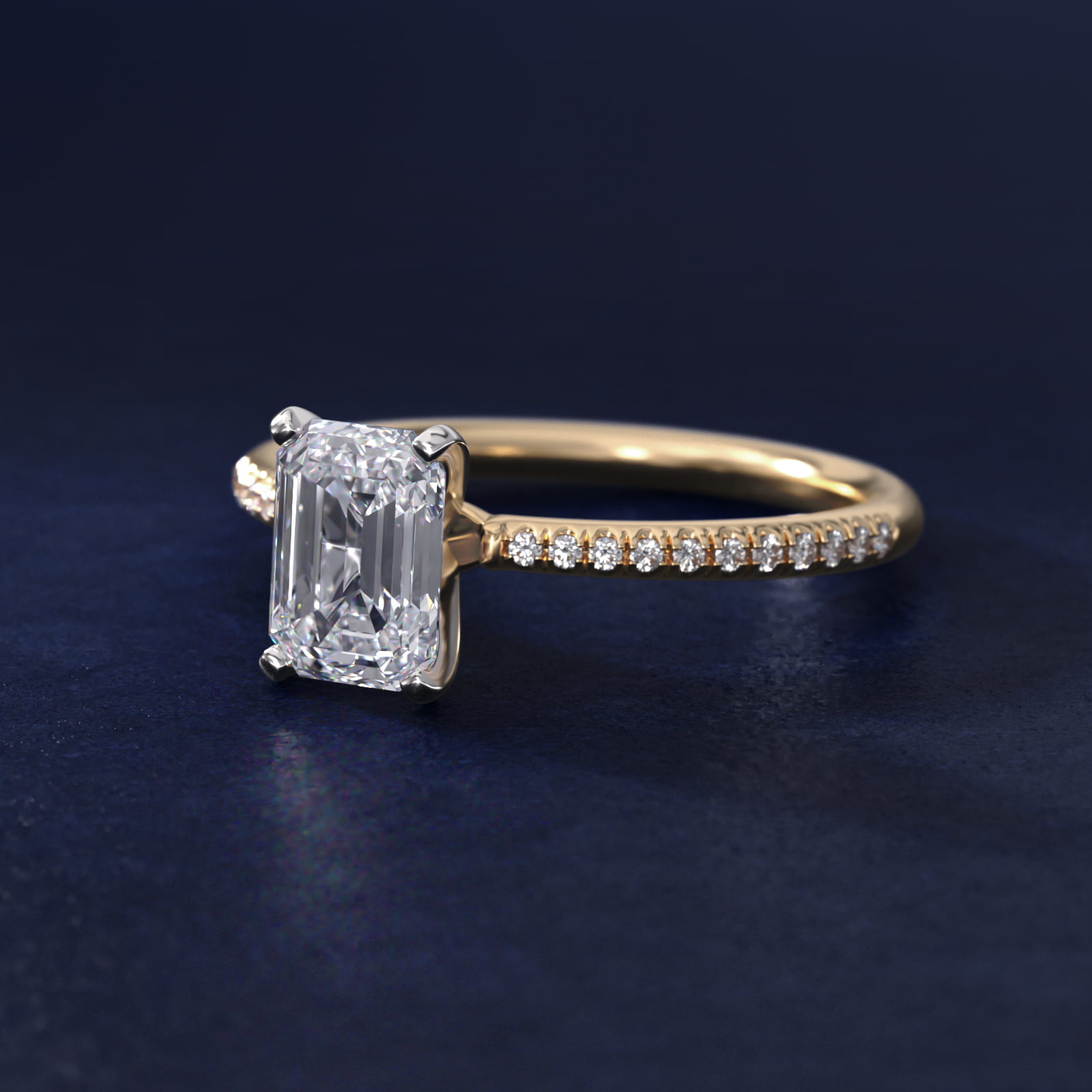
Emerald cut diamonds use step-cut facets and a large, open table that creates a hall-of-mirrors effect, emphasizing clarity and symmetry over sparkle. Radiant cuts may share a square or rectangular outline, but their modified brilliant faceting produces stronger brightness and can help make inclusions less noticeable.
In a comparison of radiant and emerald cut diamonds, the radiant cut balances clean lines with increased brilliance.
Radiant vs Round: Classic Brilliance or Bold Shape
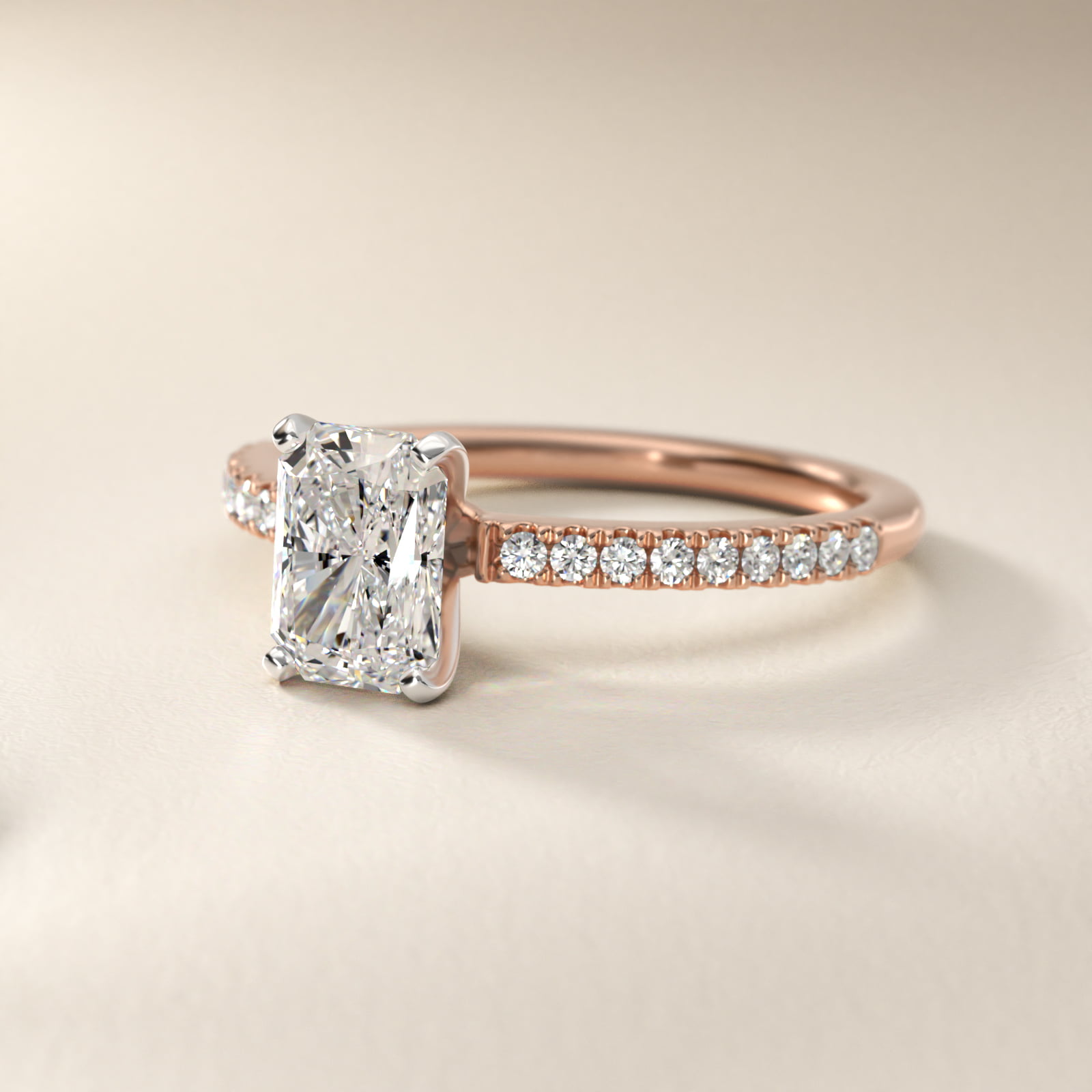
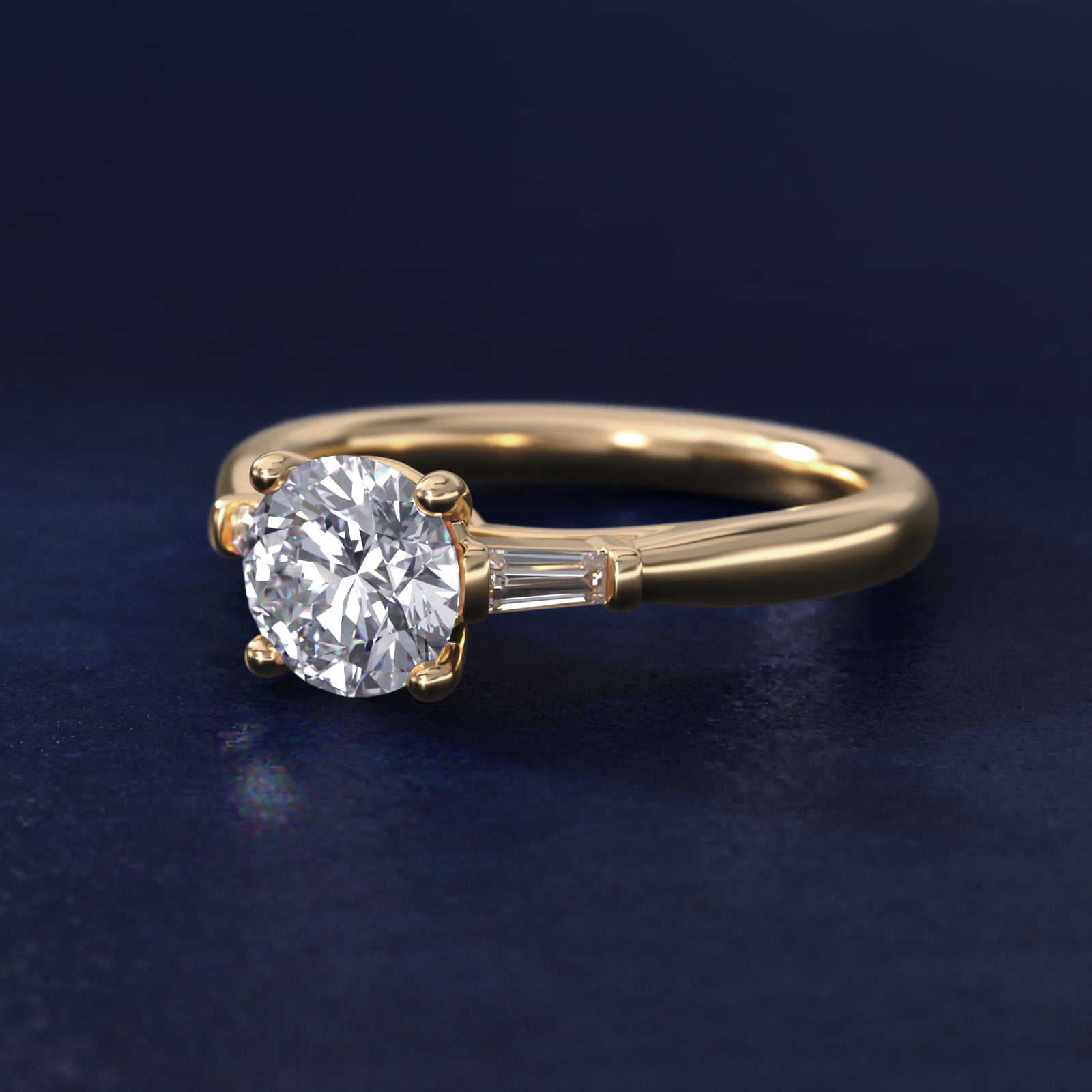
Known for their symmetrical faceting and consistent light return, round brilliants set the standard for sparkle. Radiant cuts also deliver strong brilliance, but within a square or rectangular outline that feels more modern and architectural.
For maximum symmetry and a timeless look, a round diamond is often the natural choice. Radiant cuts combine lively sparkle with a more structured silhouette and bolder presence.
Radiant vs Princess: Clean Lines, Different Tradeoffs
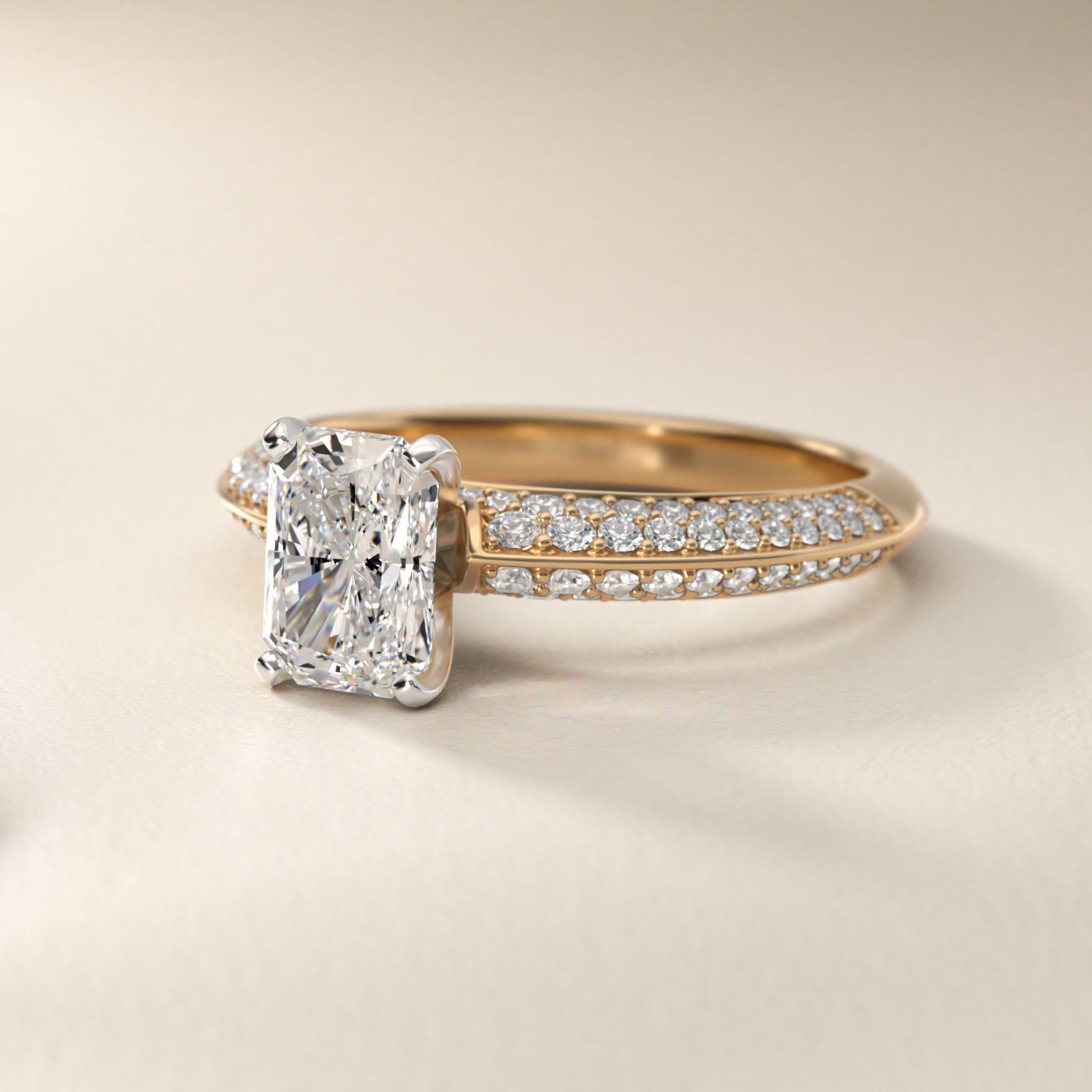
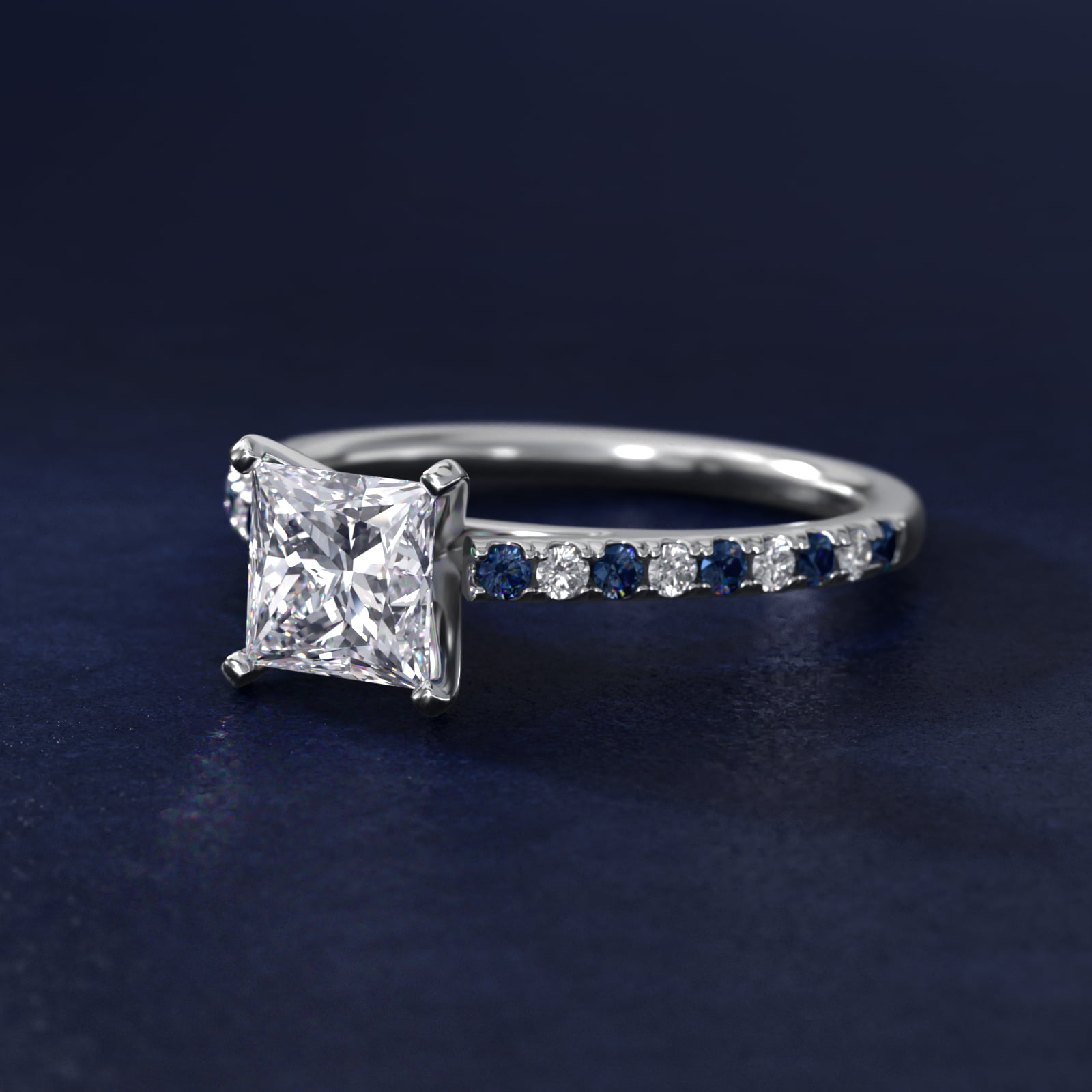
Both radiant and princess cuts offer a geometric outline, but their corner design and faceting set them apart. Princess cuts feature sharp, pointed corners and brilliant-style faceting that focuses sparkle toward the center of the stone. Radiant cuts soften the outline with trimmed corners and use a modified brilliant facet pattern that distributes light more evenly across the surface.
A classic square shape defines the princess cut, which typically requires settings that protect the corners. The radiant cut offers comparable sparkle with added durability and broader flexibility in shape and setting styles.
Radiant vs Cushion: Soft Curves or Crisp Geometry
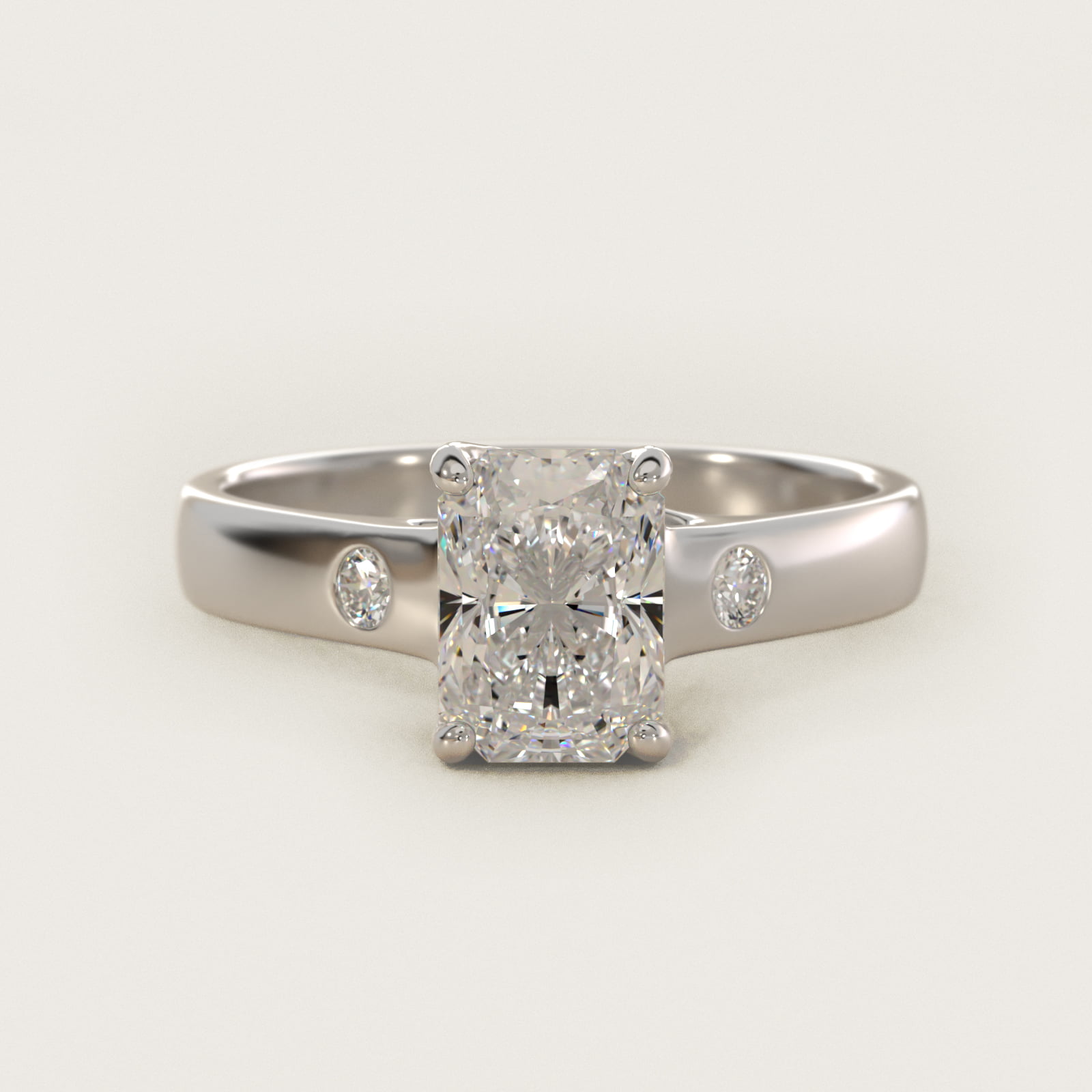
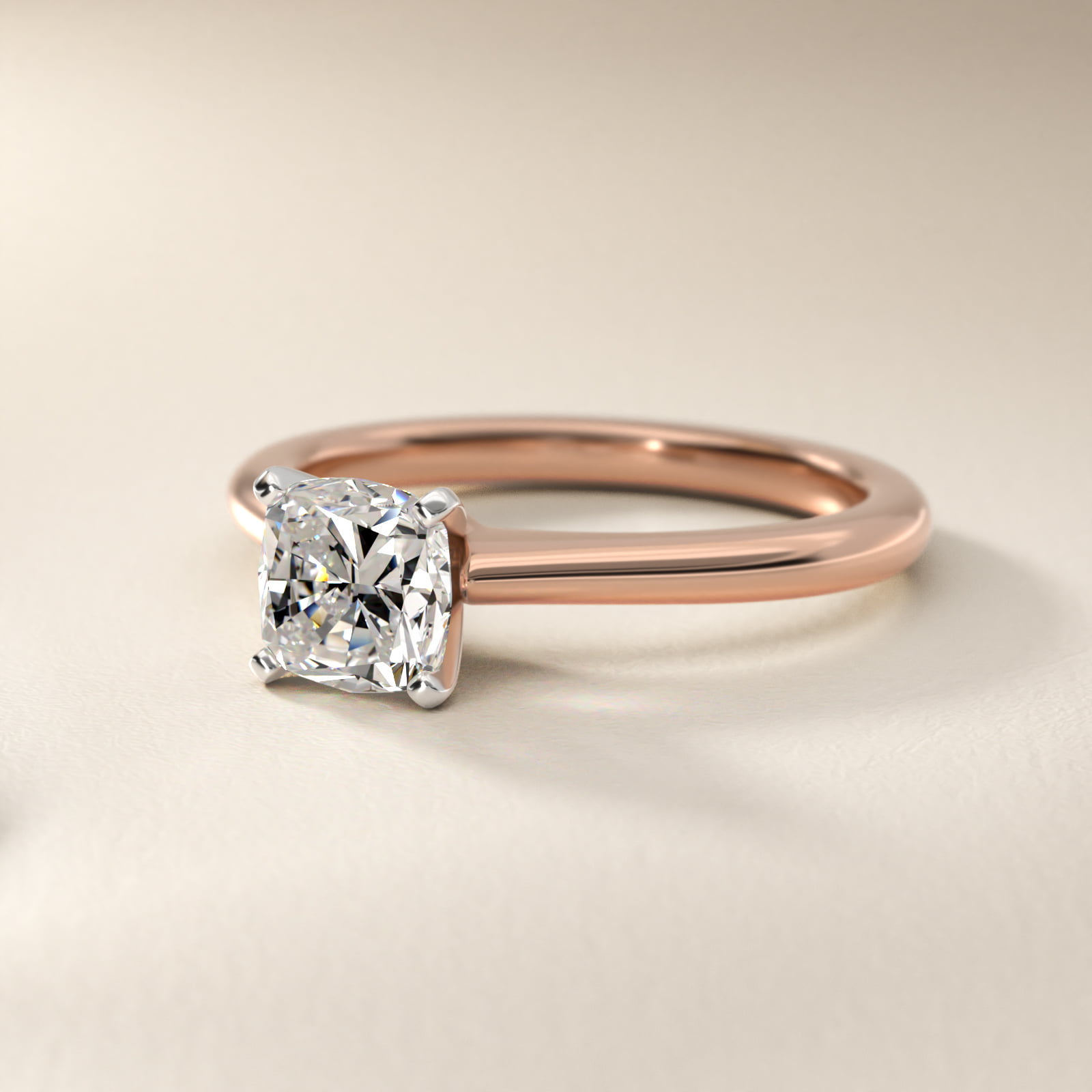
Both radiant and cushion cuts offer strong light performance, but differ in outline and faceting style. Cushion cuts have rounded corners and a softer profile, and are available in both brilliant and modified brilliant cushion styles. Radiant cuts use a modified brilliant faceting style exclusively, paired with straighter edges for a more defined, geometric look.
Cushion cuts feature soft curves and a vintage-inspired feel, while radiant cuts present a more modern shape with sharper definition and pronounced brilliance.
Radiant vs Marquise: Dramatic Length or Balanced Structure
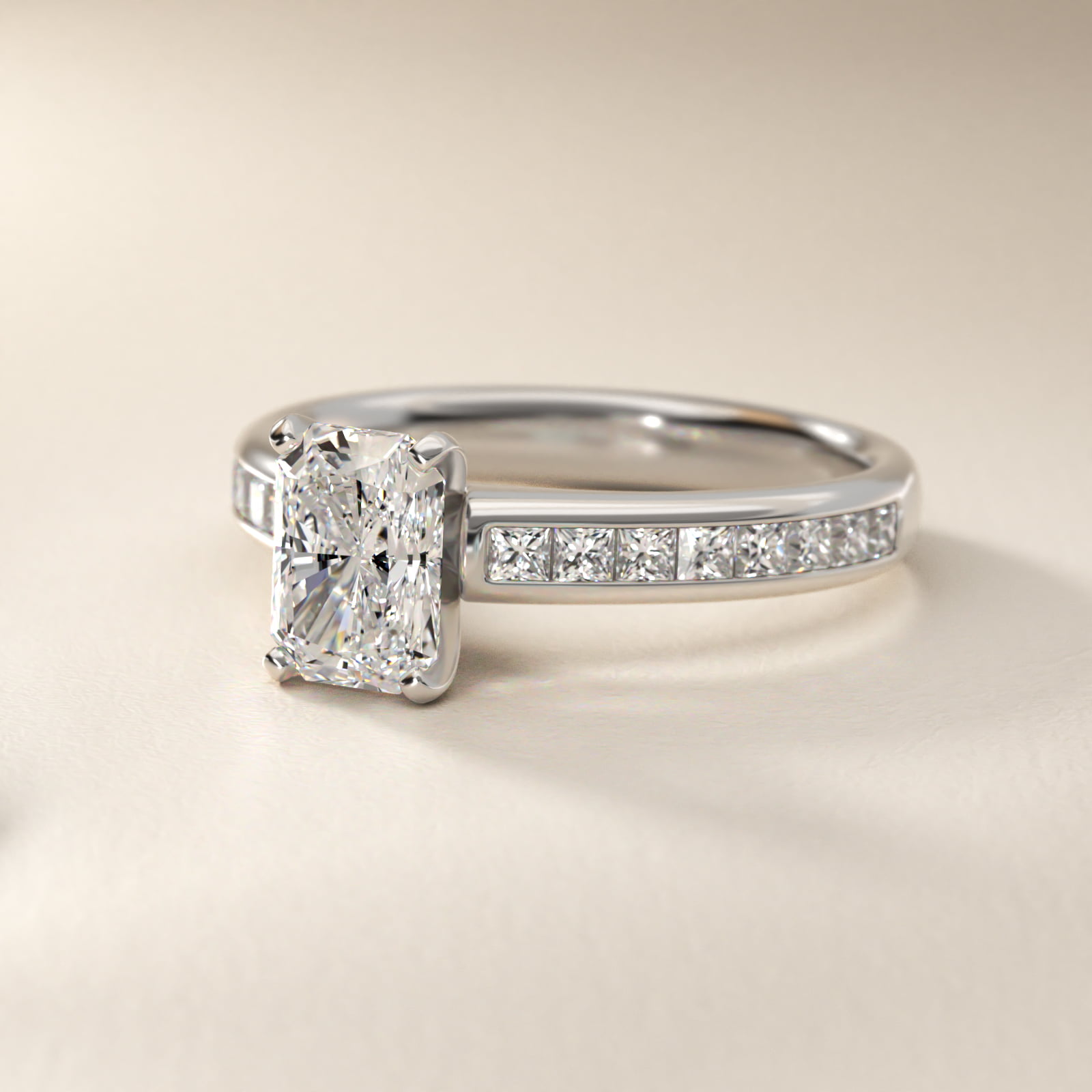
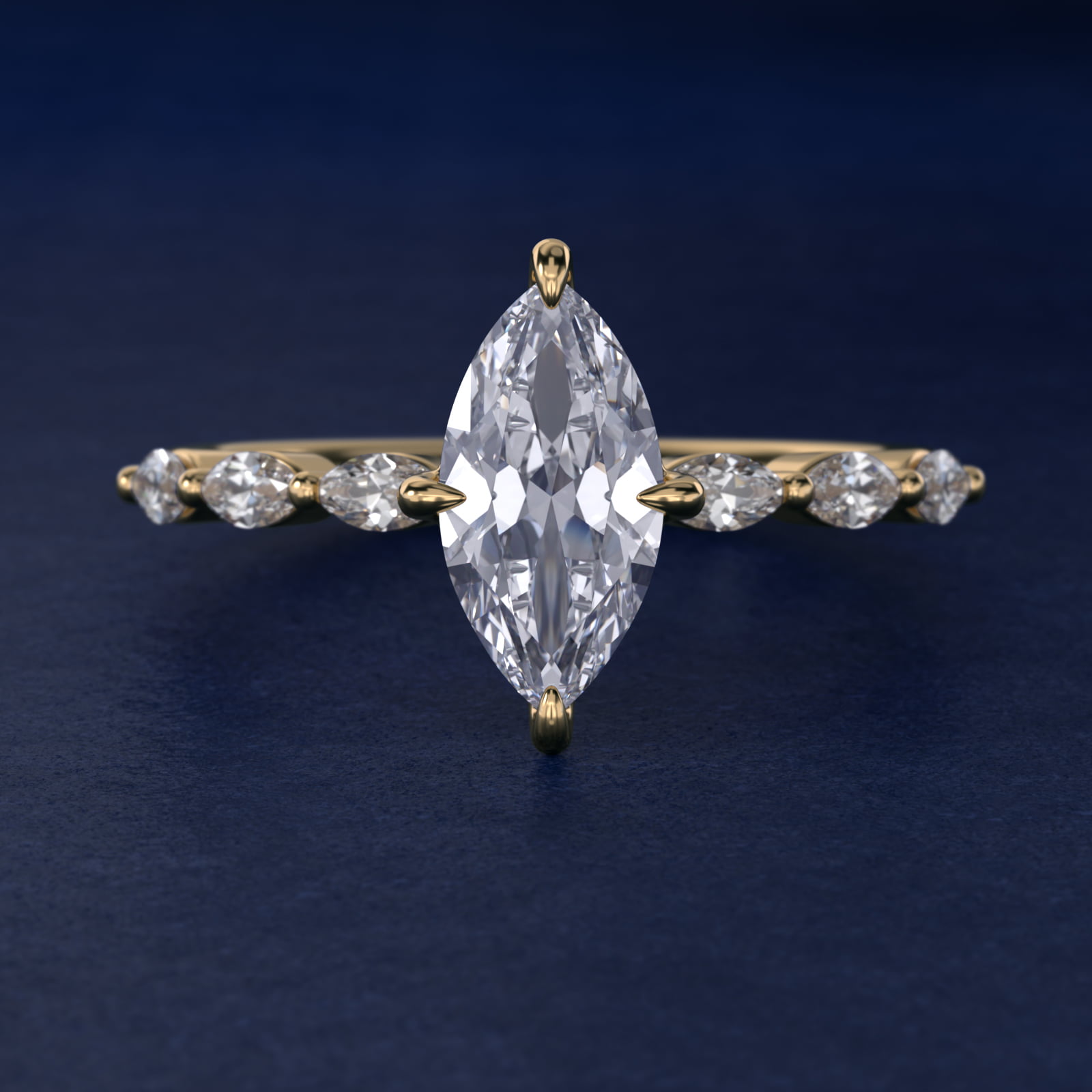
Marquise diamonds are defined by their elongated shape and pointed ends, which often create the illusion of greater length and increased finger coverage. Radiant cuts can also appear elongated, but feature trimmed corners and a more balanced rectangular outline with cleaner, more structured lines.
The marquise cut is known for its dramatic length and tapered silhouette. In contrast, the radiant cut delivers elongation within a more structured, architectural profile.
How to Choose a Radiant Cut Diamond
Choosing a radiant cut diamond comes down to how the 4Cs—carat, color, clarity, and setting—work with this cut’s shape and faceting. These details appear in independent diamond grading reports from gemological laboratories like the Gemological Institute of America (GIA) and the International Gemological Institute (IGI), where diamonds are evaluated using standardized criteria.
Looking at how each factor interacts with the radiant cut’s structure and light performance makes it easier to compare options and narrow your search with confidence.
Carat
Carat weight measures how much a diamond weighs, not its size. Radiant cuts can appear different in size depending on their proportions. Some stones carry more weight in depth, which is why reviewing measurements alongside carat weight helps assess face-up presence.
Elongated radiant cuts often create a larger visual footprint on the hand than square versions at the same carat weight. The way a radiant cut is set can also influence how large it appears once worn, making overall design a key factor in perceived size.
Color
A diamond’s color is evaluated using the GIA D-to-Z scale, where D represents colorless stones and higher letters indicate increasing warmth. In radiant cuts, the modified brilliant faceting helps diffuse light, which may make subtle warmth less noticeable in smaller stones.
As size increases, the diamond’s larger surface area makes color easier to see, placing greater emphasis on higher color grades to maintain a bright, clean appearance.
| Carat | Ideal Range |
| Under 1.00 ct | H–J |
| 1.00–2.00 ct | G–H |
| 2.00 ct and above | D–F or G |
These ranges are general guidance based on how color can appear at different sizes and are not fixed rules.
Clarity
Inclusions and surface features are evaluated using a standardized clarity scale that ranges from Flawless (FL) to Included (I). The radiant cut’s modified brilliant faceting creates visual movement across the surface, which can help make inclusions less noticeable compared to step-cut shapes.
This forgiving facet pattern allows many radiant cut diamonds to appear eye-clean across a wider range of clarity grades. At larger carat weights, inclusions tend to be easier to see, placing greater importance on clarity grade.
| Carat | Ideal Range |
| Under 1.00 ct | SI1–VS2 |
| 1.00–2.00 ct | VS2–VS1 |
| 2.00 ct and above | VS1 or higher (SI1 can work case by case if inclusions are not obvious) |
These ranges reflect common visual preferences for achieving an eye-clean appearance and are not strict requirements.
Setting
Radiant cuts work well across a wide range of jewelry settings thanks to their trimmed corners and balanced outline. Unlike shapes with sharp points, the cropped corners provide added durability and make them easier to secure without excessive metal coverage.
Both minimalist and more decorative settings complement this cut. Prong settings highlight the radiant cut’s shape and sparkle, while bezel and halo styles can add extra protection or visual presence. The choice of setting shapes how the diamond is framed and how its proportions appear once worn, making it an important part of the overall design.
Styling Radiant Cut Jewelry
Defined by a balance of structure and sparkle, radiant cuts are adaptable across a range of diamond jewelry styles. Their trimmed corners and defined edges allow the shape to stand out on its own or integrate smoothly into more detailed designs. Keep the following tips in mind when deciding how to set a radiant cut diamond.
- Emphasize clean lines: Radiant cuts pair naturally with streamlined designs that highlight their geometric outline without unnecessary embellishment.
- Use metal tone intentionally: White metals enhance brightness, while yellow or rose gold can soften contrast and complement warmer diamond color grades.
- Play with proportions: Elongated radiant cuts can create a sleek, lengthened look, while square versions feel balanced and contemporary.
- Add visual framing when desired: Halo or bezel styles can increase presence and define the shape, especially in larger designs.
- Coordinate with accent stones carefully: Tapered baguettes or minimal side stones often complement the radiant cut’s structure without competing for attention.
Find Delightful Radiant Cuts at Blue Nile
A radiant cut diamond is valued for its bold outline, trimmed corners and brilliant-style faceting that delivers strong sparkle. This combination makes the radiant cut a versatile choice across engagement rings and other timeless jewelry designs.
Explore how this cut appears across different designs by browsing radiant cut engagement rings at Blue Nile. To compare individual stones by size, color and clarity, explore the full selection of radiant cut diamonds and refine your search by size, color, and clarity.
Frequently Asked Questions
Yes, a radiant diamond cut is considered good for those who want strong sparkle in a bold, geometric shape. Its modified brilliant faceting delivers lively light performance while the trimmed corners add durability and setting flexibility.
Radiant cuts cost 35-50% less than round brilliants at the same carat weight and quality. This significant price difference means you can either save money on a radiant or use your budget to purchase a radiant that’s 40-60% larger in carat weight than a round brilliant at the same price.
There is no single universally “prettiest” diamond cut, because beauty is subjective and depends on personal style. Some prefer the classic symmetry of round diamonds, while others are drawn to distinctive shapes like radiant, cushion or emerald cuts.
Round brilliant diamonds are typically the most expensive cut due to higher demand and greater rough diamond loss during cutting. Their standardized proportions and consistent light performance help explain their premium pricing.


Share




 Live Chat
 +1‑800‑242‑2728
 Email Us

