Yes, blue diamonds are real. Natural, lab-grown and treated diamonds are all real diamonds with the same physical composition.
Some of the most famous diamonds, like the Hope Diamond, feature the vivid blue hue captured only by blue diamonds.
The vivid blue color may make you wonder, “Are blue diamonds real?” Yes, blue diamonds are real gemstones. These diamonds have inspired stories and movies, and are a symbol of truth, peace and wisdom.
Learn more about the origin of blue diamonds, the different types available today and what to look for when you shop for one. Explore how blue diamond jewelry can serve as a timeless centerpiece for your most meaningful pieces.
What Is a Blue Diamond?
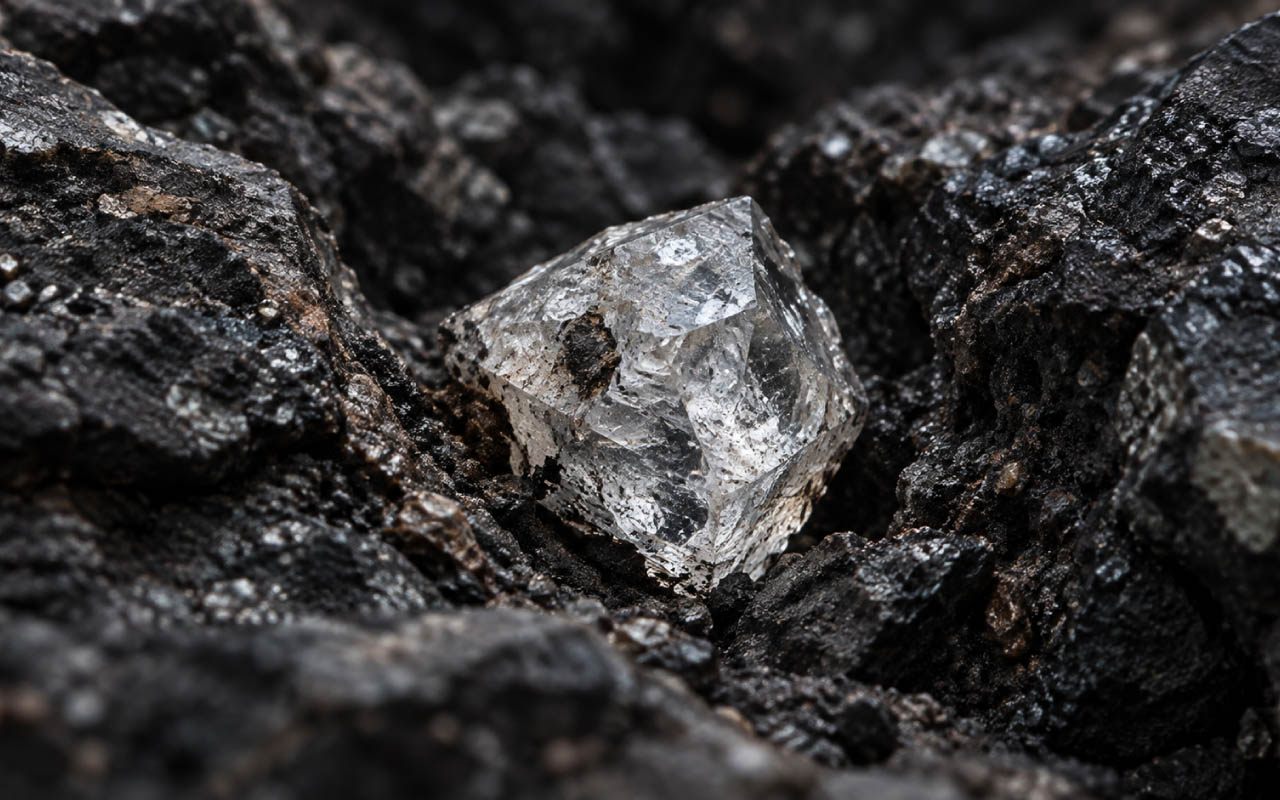
Blue diamonds are real diamonds that get their distinctive color from trace amounts of boron that replace carbon atoms in the crystal lattice during formation. A GIA study published in Nature found that natural blue diamonds form deep in Earth’s lower mantle, within ancient subducted oceanic plates that contain boron.
Natural blue diamonds are among the rarest gemstones in the world, found at only a handful of mines, most notably the Cullinan Mine in South Africa. That rarity has made them historically prized, perhaps most famously as the Hope Diamond. It was originally owned by King Louis XIV, stolen during the French Revolution, and later recut and renamed in London.
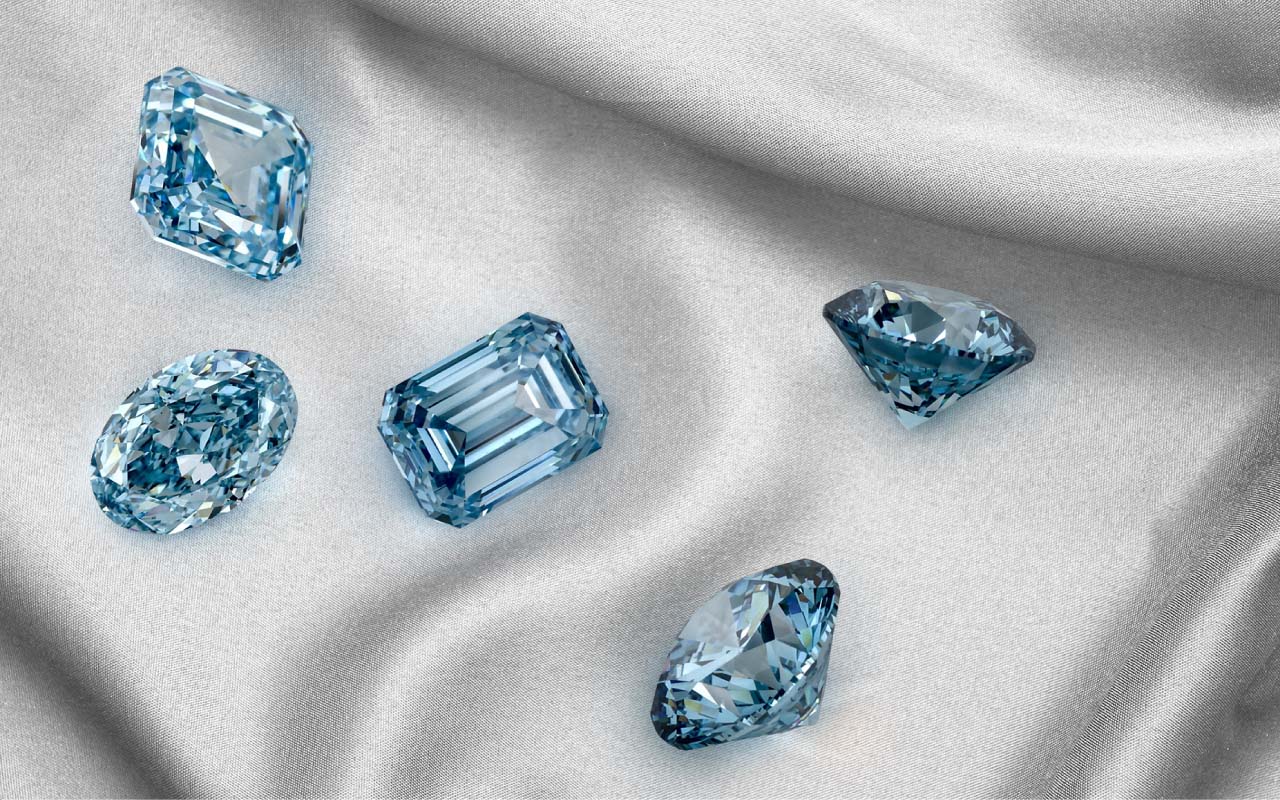
Blue diamonds range in color from light to deep blue, with possible secondary tones of grey, green or violet. Treated and lab-grown blue diamonds offer a wider color range than natural ones.
Diamond color comes from trace elements or structural anomalies that occur during formation, and different causes produce different colors: boron creates blue, nitrogen creates yellow, and graphite inclusions create black.
1. Natural Blue Diamonds
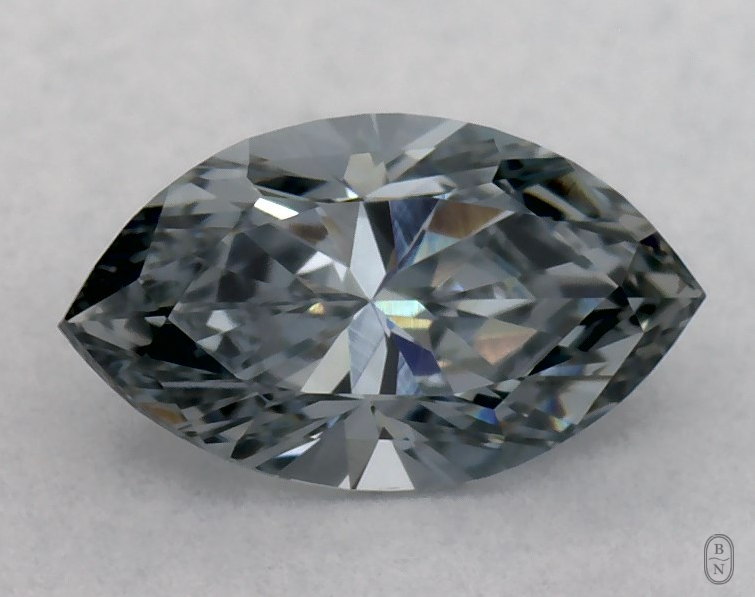
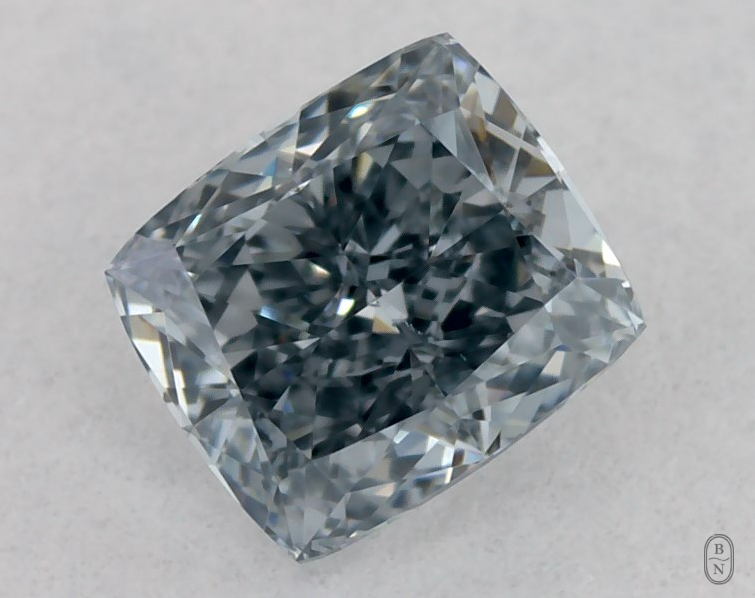
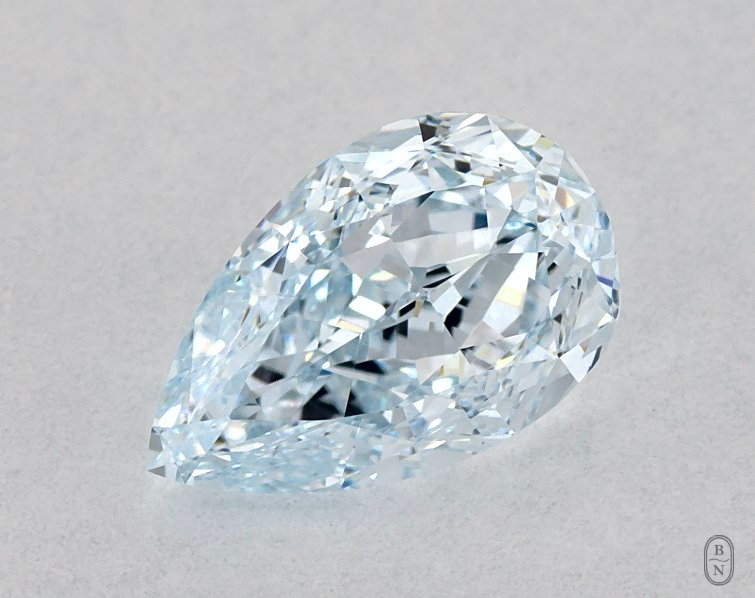
Natural blue diamonds are classified as Type IIb diamonds due to their boron content, forming more than 410 miles below Earth’s surface in the lower mantle. Only a few mines worldwide have ever produced them, making them among the most expensive diamonds available.
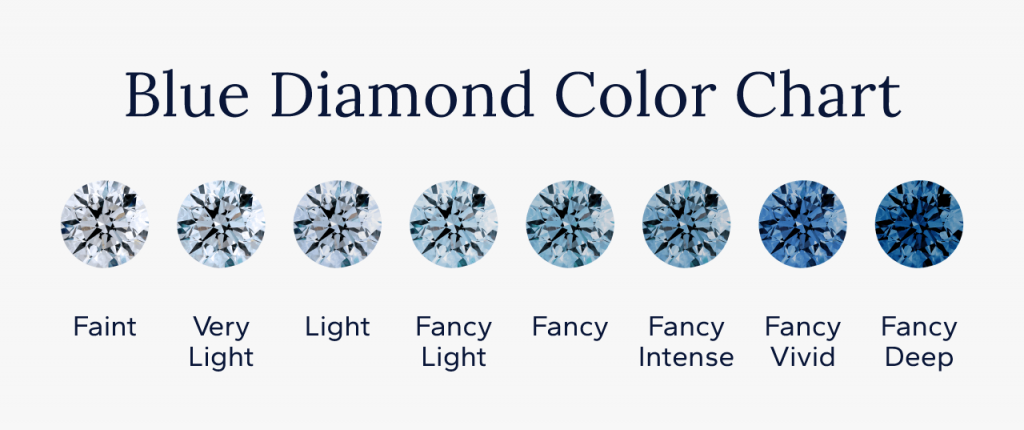
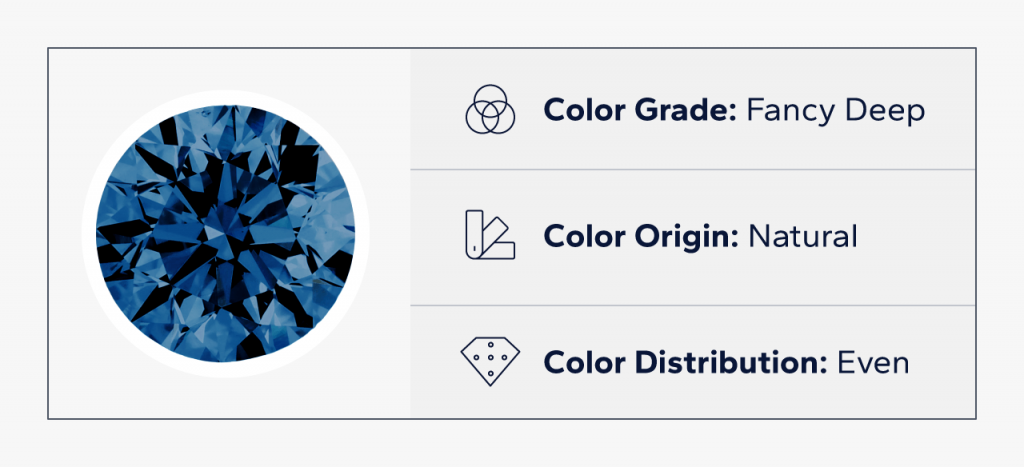
The GIA grades natural blue diamonds on seven levels of color intensity: faint, very light, light, fancy light, fancy, fancy intense, fancy vivid and fancy deep. Many also display secondary tones of green, grey or violet.
2. Lab-Grown Blue Diamonds
Lab-grown blue diamonds have the same chemical and physical properties as natural blue diamonds. The only difference is origin: natural blue diamonds form naturally, while lab-grown blue diamonds are cultivated in a controlled environment.
Two methods are used to create them:
- High Pressure High Temperature (HPHT): A diamond seed is exposed to boron, temperatures exceeding 3,000°F and pressure over 1.8 million psi, allowing carbon atoms to build a crystal structure around the seed.
- Chemical Vapor Deposition (CVD): The diamond seed is placed in a plasma chamber where boron, methane and hydrogen are heated to high temperatures, depositing carbon atoms in layers onto the seed.
Because lab-grown blue diamonds can be produced in quantity, they are available in a wider range of blue shades and at a more affordable price point than natural blue diamonds.
3. Treated Blue Diamonds
Treated blue diamonds are real diamonds that have undergone processes involving radiation, heat or high pressure to produce a blue color. Lower-quality natural white or brown diamonds are typically used as the starting material, with treatment improving their appearance.
Three main processes are used, often in combination:
- Irradiation: Exposes the diamond to radiation, altering its atomic structure to produce blue color
- HPHT treatment: Removes brown and grey tones to create specific shades of blue
- Annealing: A high-temperature process used to achieve more vivid shades of blue
Treated blue diamonds are widely available in a broad range of shades, from light blue to deep blue-green, and are generally more affordable than both lab-grown and natural blue diamonds.
How to Tell the Difference Between Types of Blue Diamonds
The most reliable way to verify a blue diamond’s origin and quality is through a grading report from an independent gemological laboratory, such as the GIA. This document confirms whether a diamond is natural, lab-grown, or treated and details any processes used, such as HPHT or CVD. Only purchase from jewelers who can provide this documentation.
Beyond the grading report, a few key traits distinguish real blue diamonds from imitations:
| Real Blue Diamond | Fake Blue Diamond | |
| Color and distribution | May be irregular, with some areas deeper than others | Perfectly uniform throughout |
| Light reflection and brilliance | Has depth and changes with lighting angle; displays fire, or flashes of secondary color | Flat, one-dimensional shine; fire may appear overly bright |
| Clarity and imperfections | Contains small inclusions and surface blemishes | Appears perfectly uniform with no imperfections |
| Reaction to temperature | Cool to the touch at room temperature | At room temperature |
| UV light reaction | Absorbs UV light and may display fluorescence | No reaction or fluorescence |
You can also perform a few at-home tests, though a grading report remains the only definitive verification:
- Water test: A real diamond sinks due to its density. Many imitations will float or sink more slowly.
- Fog test: Breath fog clears almost instantly on a real diamond. On an imitation, it lingers.
- Magnification test: Real diamonds have small inclusions. Lab-grown diamonds may exhibit laser inscriptions or different inclusion patterns than natural diamonds.
Explore Certified Blue Diamonds
A grading report from an independent gemological laboratory is the most reliable way to confirm a blue diamond’s authenticity, origin and quality. It also helps ensure you’re paying a fair price for what you’re getting. Leading certification authorities include:
- GIA (Gemological Institute of America)
- IGI (International Gemological Institute)
- GSI (Gemological Science International)
- GCAL (Gem Certification and Assurance Lab)
A grading report typically documents:
- Whether the diamond is natural, lab-grown or treated
- Color, cut, clarity and carat weight
- Any inclusions or blemishes present
- Verification of authenticity from an independent third party
Note that a grading report is not an appraisal and does not assign a financial value to the diamond.
Natural blue diamonds are rare and priced accordingly. Lab-grown and treated blue diamonds offer a wider range of shades at more accessible price points.
Frequently Asked Questions
Yes, real blue diamonds, especially natural blue diamonds, are valuable. Since natural blue diamonds are rare, they are very expensive. The market offers more options for real lab-grown and treated blue diamonds.
A few notable blue diamonds have shaped the history of these rare gems:
- Hope Diamond: A 45.52-carat fancy dark greyish-blue stone originally owned by the French monarchy, now on display at the Smithsonian National Museum of Natural History.
- Oppenheimer Blue: A 14.62-carat fancy vivid blue and the largest vivid blue ever auctioned, selling at Christie’s in 2016.
- Wittelsbach-Graff Diamond: A 31.06-carat natural deep greyish-blue stone originally part of the Austrian and Bavarian crown jewels.
- Okavango Blue: A 20.46-carat fancy deep-blue diamond discovered in Botswana, considered one of the country’s national treasures.
Yes, blue diamonds sparkle. Blue diamonds have a high level of brilliance that shines in depth in different light angles and flashes of fire, enhanced by secondary color tones.
Without specialized equipment, natural and lab-grown blue diamonds are visually identical. The most reliable way to distinguish them is through a grading report, which documents a diamond’s origin. Some lab-grown blue diamonds also carry a microscopic laser inscription identifying them as lab-grown.
Enhanced blue diamonds are another term for treated blue diamonds. Originally white or brown, these diamonds undergo irradiation to alter their atomic structure and produce a blue color, sometimes followed by annealing to intensify the shade.
Purchase from a reputable jeweler who provides a grading report from an independent gemological laboratory such as the GIA or IGI. The report verifies the diamond’s authenticity, origin and quality.


Share