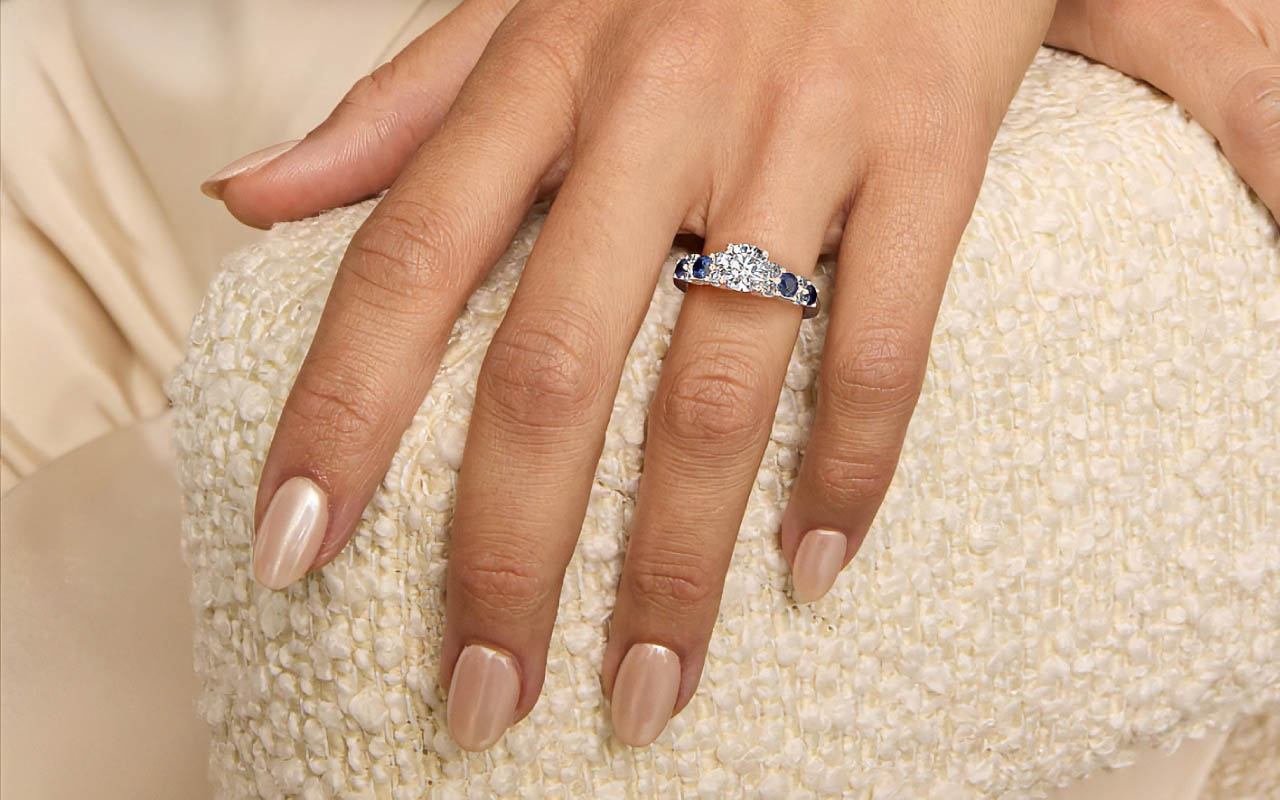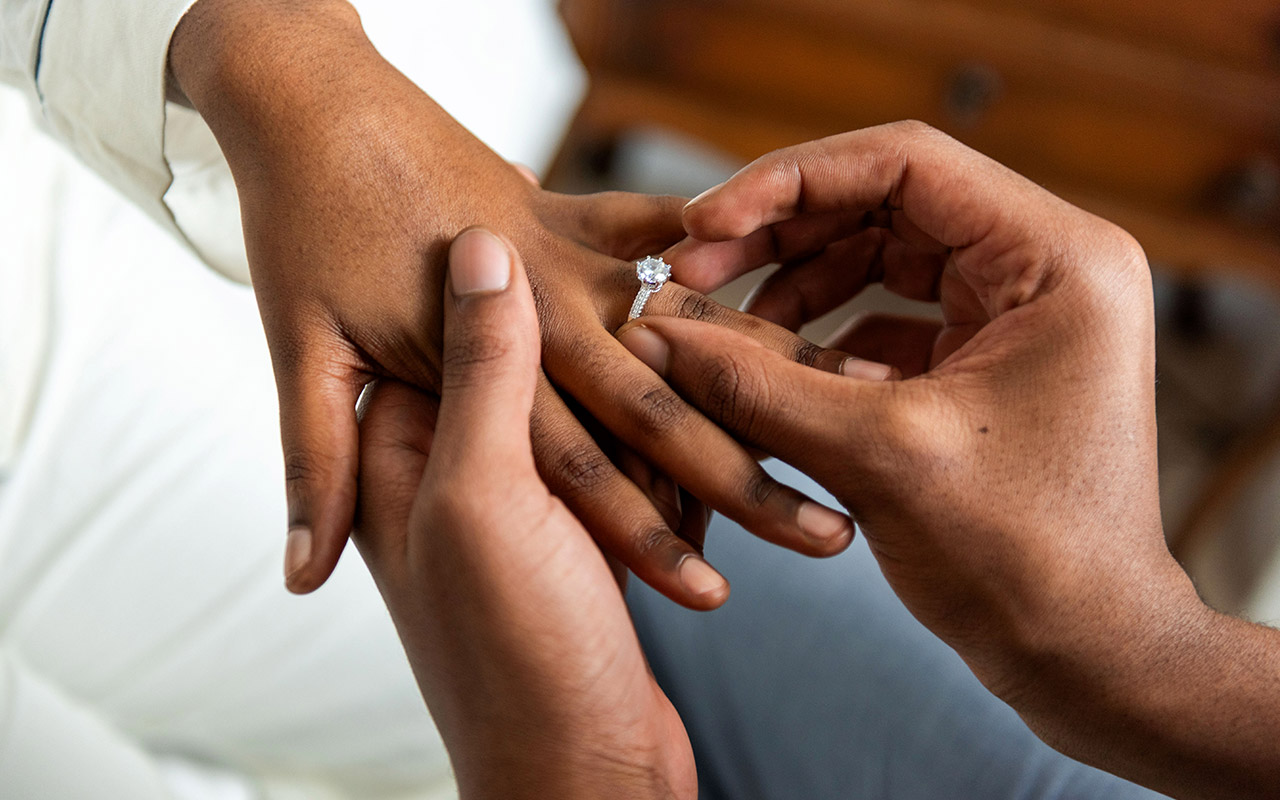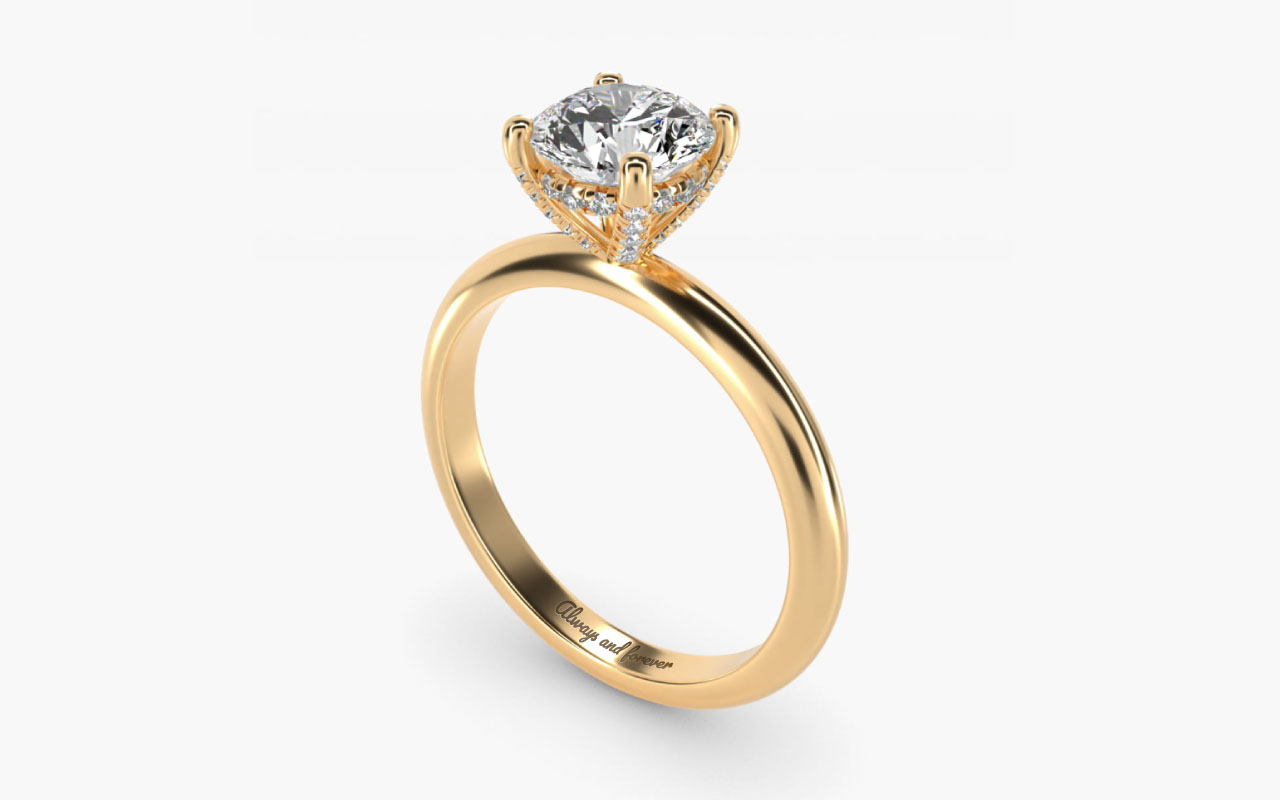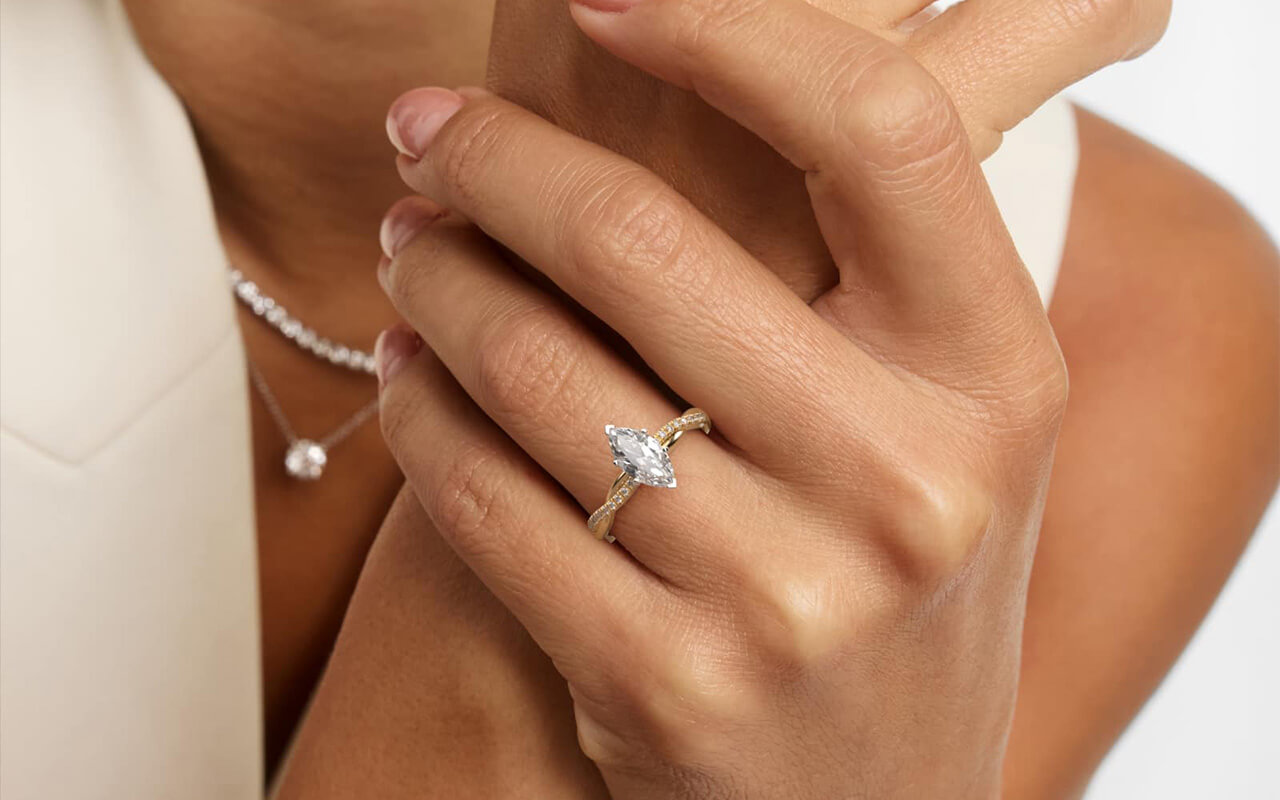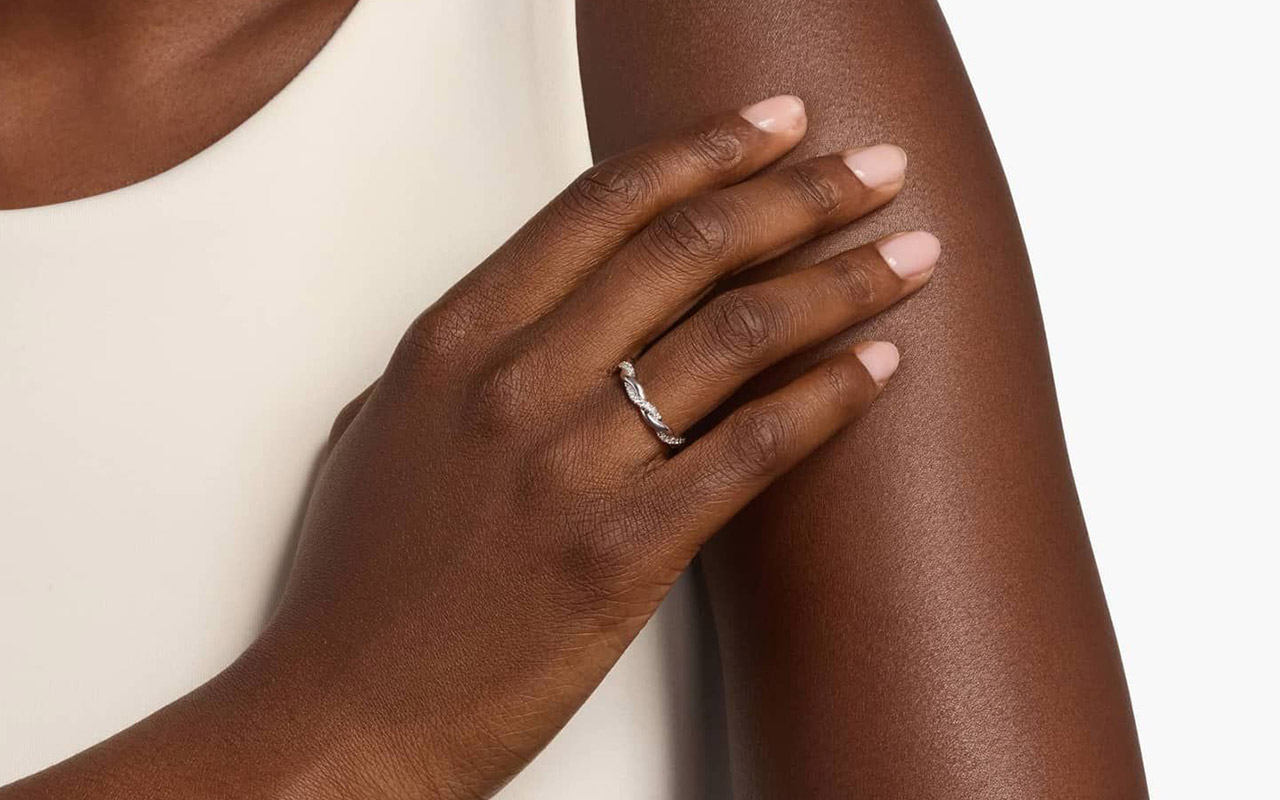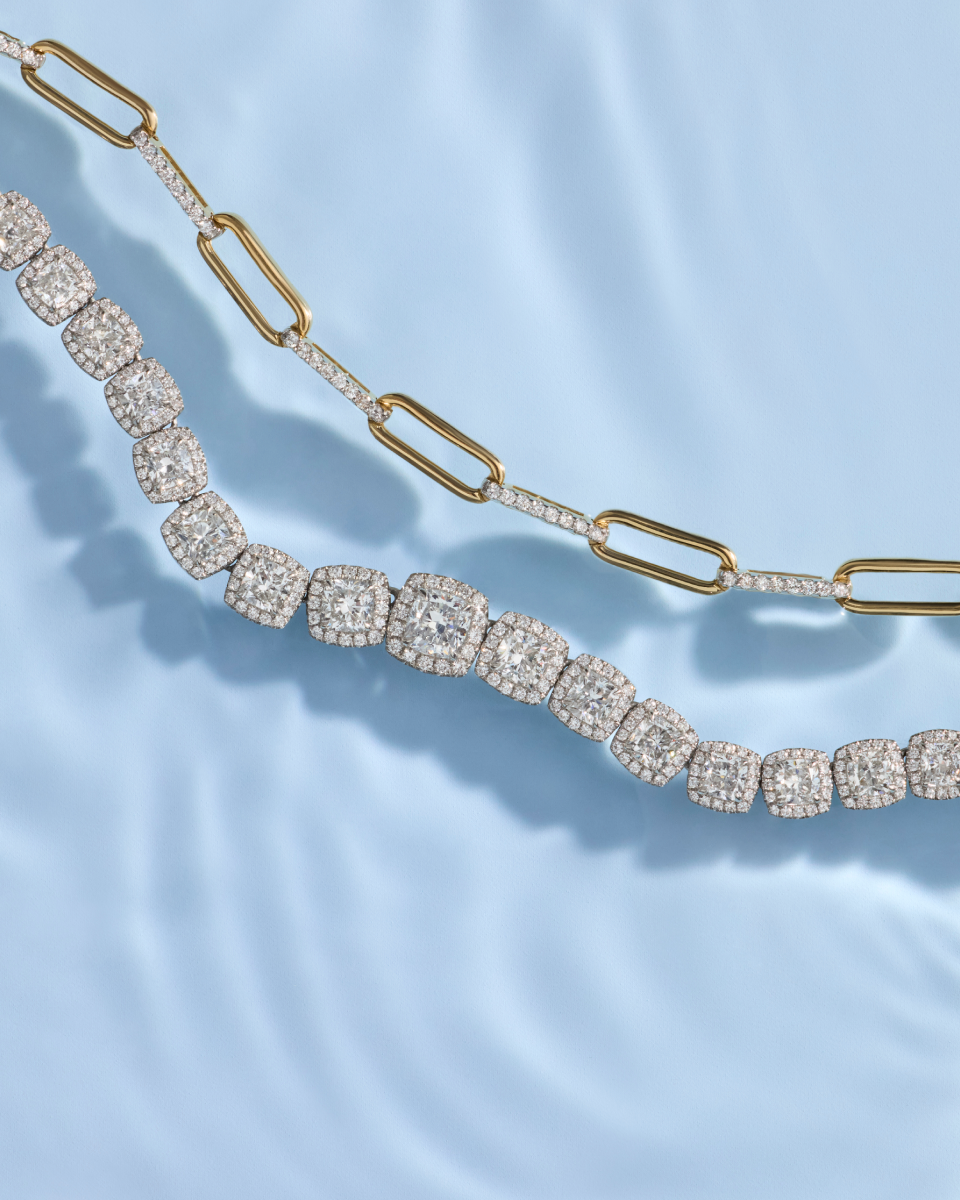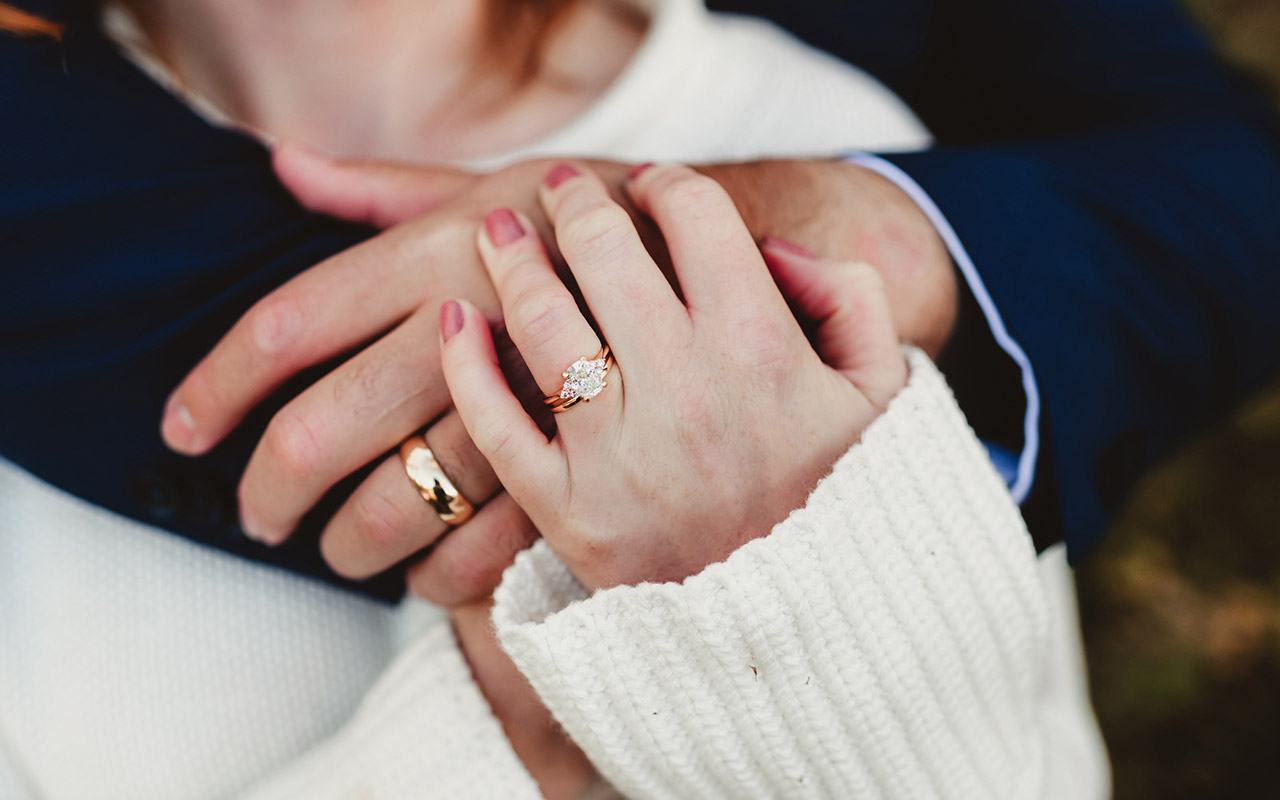
Wedding bands do not have to match, and many couples now choose rings that reflect their individual style instead of a perfectly coordinated set. You can decide whether a unified or more personal look fits your relationship.
Many couples pause on one big question when they reach the wedding band stage: How closely should the rings match? The simple answer is that they never have to match unless you both genuinely want that look.
You can pick matching wedding bands, intentionally mismatched rings or coordinated styles that share a few subtle details. This guide walks through the history behind matching bands and practical tips that help you choose a wedding ring with confidence.
Why Wedding Bands Used to Match: A Brief History
The tradition of matching wedding bands has surprisingly recent origins, gaining widespread popularity only in the mid-20th century. During the 1600s, gimmel rings became popular in Europe, featuring two or three interlocking bands that lovers would each wear during engagement before uniting them during the wedding ceremony.
However, the modern practice of matching bands truly emerged during World War II. American soldiers began wearing wedding rings as reminders of their spouses back home, and by the late 1940s, 80% of U.S. weddings included the exchange of bands. This dramatic shift established the dual-ring ceremony as standard practice.
Jewelry makers later began selling wedding ring sets that used the same metal and finish for both partners. Those sets made shopping easier and pushed many couples toward the idea that their bands “should” match, even though no formal rule ever required it.
Why Wedding Bands Don’t Need to Match
Modern couples have more options and preferences than ever, so strict matching may feel outdated. Some partners choose different designs because their personal style, careers or day-to-day routines do not align.
Other couples prefer a flexible approach that focuses on meaning instead of visual sameness. The commitment stays the same whether your bands look identical, coordinate through a shared detail or look completely different.
To Match or Mismatch: How to Choose Your Style
The choice between matching and mismatched wedding bands starts with your shared priorities. You should first think about how each ring would look with an engagement ring, if one of you wears one. Additionally, width, metal color and profile all influence how a wedding band fits into your overall look, along with how durable the metals are.
Here are some key considerations:
- Ease of shopping: Matching or coordinated sets can simplify the process and remove guesswork.
- Symbolism: Matching bands highlight a unified look, while mismatched bands highlight individual style within the same partnership.
- Look and aesthetic: You may prefer a classic matched set, a stacked style or a more fashion-forward mix of different metals and finishes.
- Lifestyle and comfort: One partner may need a more durable or low-profile ring for work or hobbies, while the other may want more detail or sparkle.
- Skin sensitivity: Metal allergies or sensitivities may limit one partner to hypoallergenic choices, which can naturally lead to different bands.
- Metal durability and wear: Some metals resist wear better than others, so choose rings that can sit together daily without one scratching the other. Using the same metal type in different colors, such as 14k yellow gold with 14k rose gold, keeps things compatible.
| Reasons to Match | Reasons to Mismatch |
|---|---|
| You both genuinely like the same metal, finish and overall style. | Your tastes differ significantly, so each person needs a ring that feels authentic on their own hand. |
| You want a cohesive look that clearly connects your rings as a pair. | Your jobs and activities call for different levels of durability or profile height. |
| You appreciate the symbolism of similar bands reflecting your shared priorities. | You want each ring to feel unique and personal while still honoring the same commitment. |
Matching Wedding Band Ideas
Matching styles work well for couples’ wedding bands that share the same metal and general profile, even if you adjust the width or finish for each hand. You might both choose yellow gold bands, with one partner wearing a slightly wider, brushed style and the other wearing a polished design.
You can also match by overall style instead of exact details. For example, you could both choose:
- Simple classic bands
- Diamond-accented bands
- Eternity-inspired designs with slightly different proportions
- Matching engravings, like a date or meaningful phrase
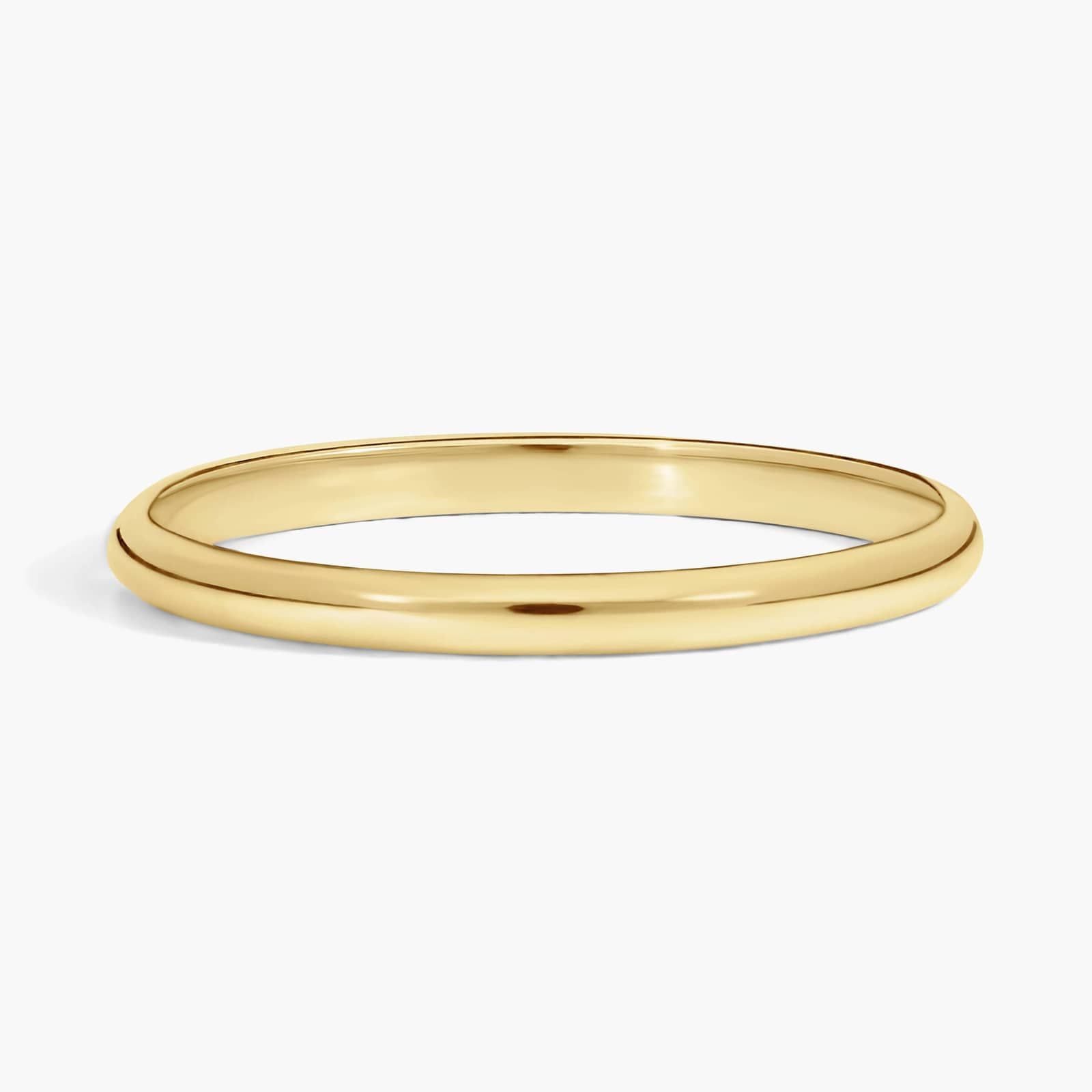
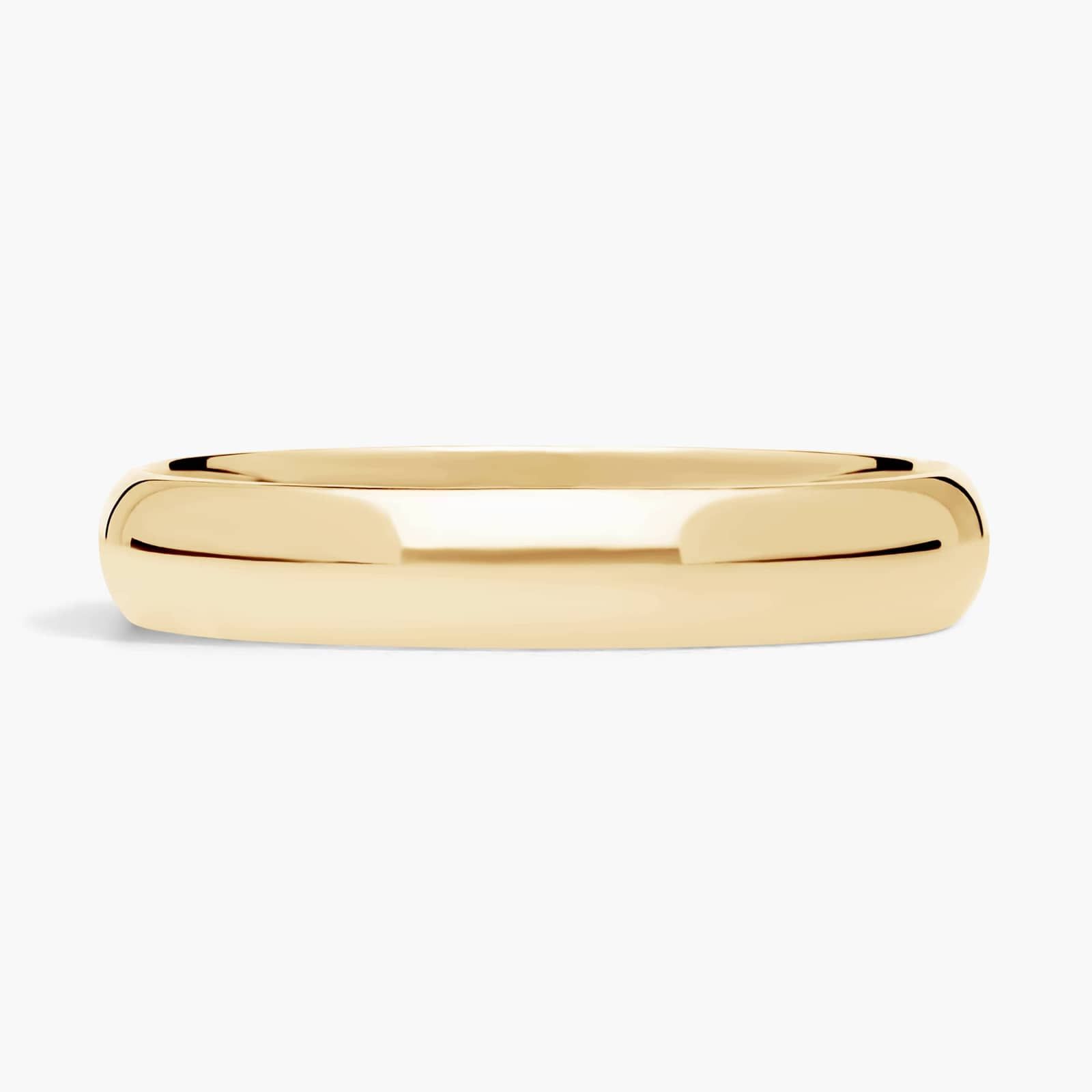
These classic 14k yellow gold comfort fit wedding rings use the same metal and finish, with different widths for a subtle, personalized twist. They sit comfortably together and create a cohesive, timeless look for both partners.
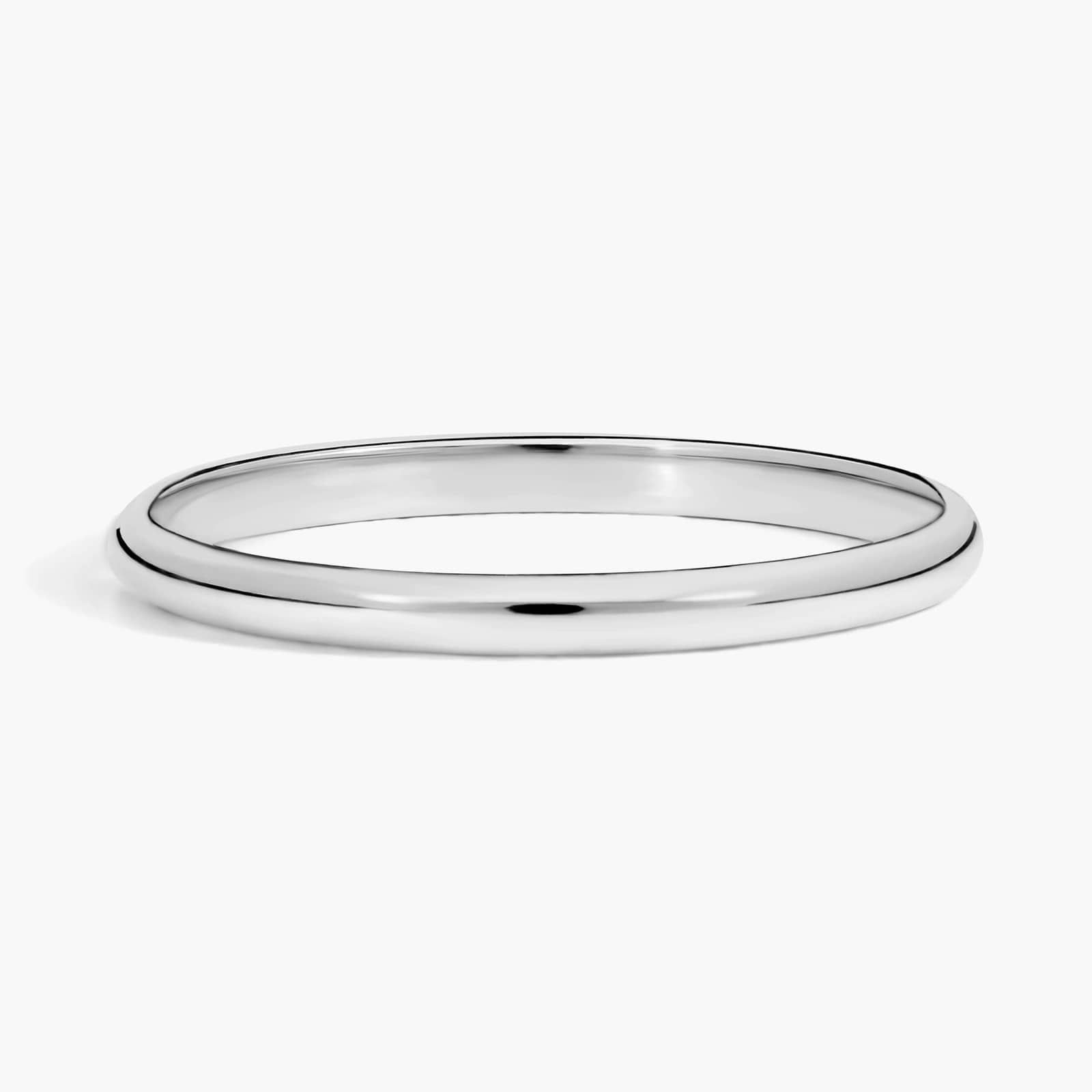
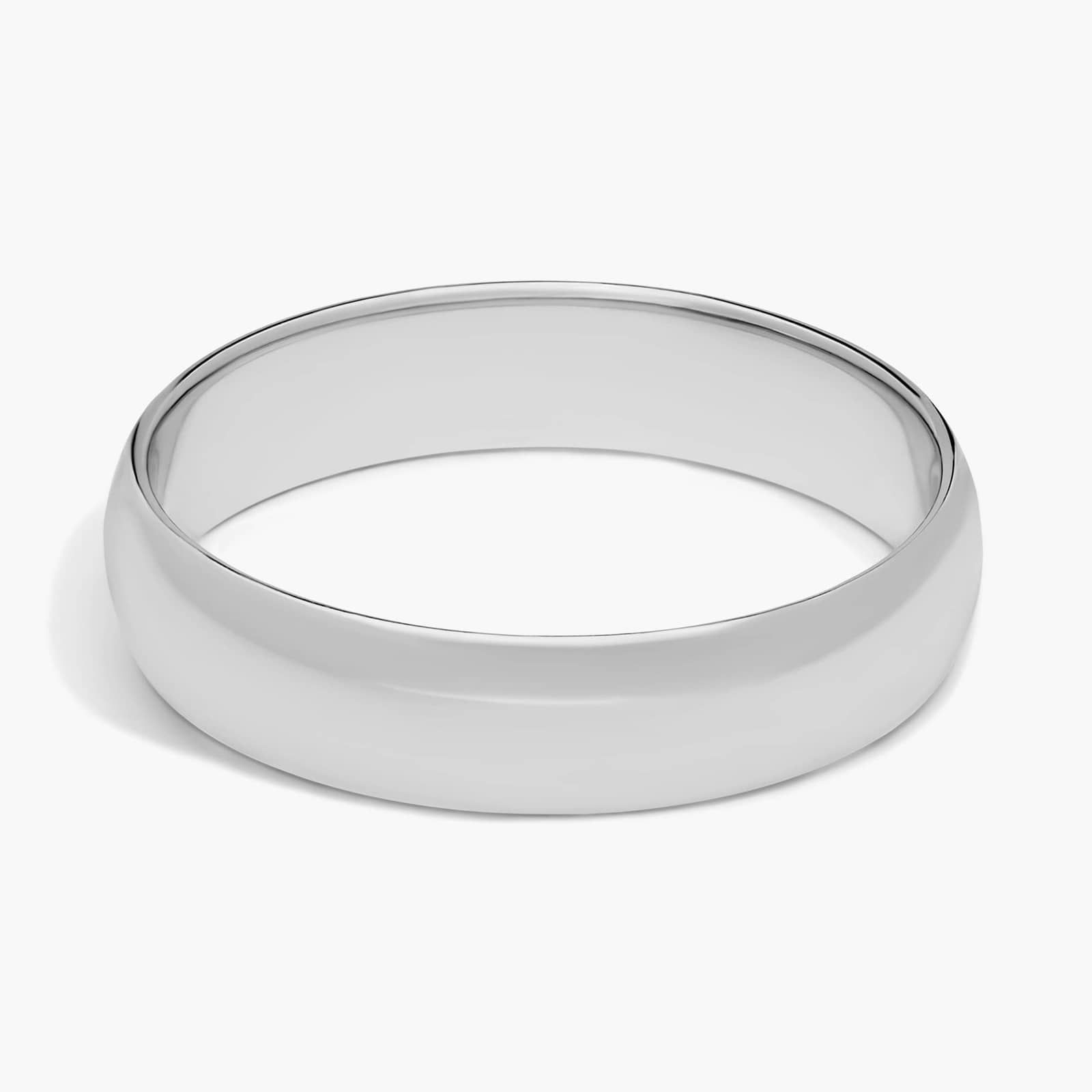
These platinum comfort-fit wedding rings match in metal and profile while offering different widths for each partner’s hand. Platinum’s durable, naturally white finish creates a refined, low-maintenance set.
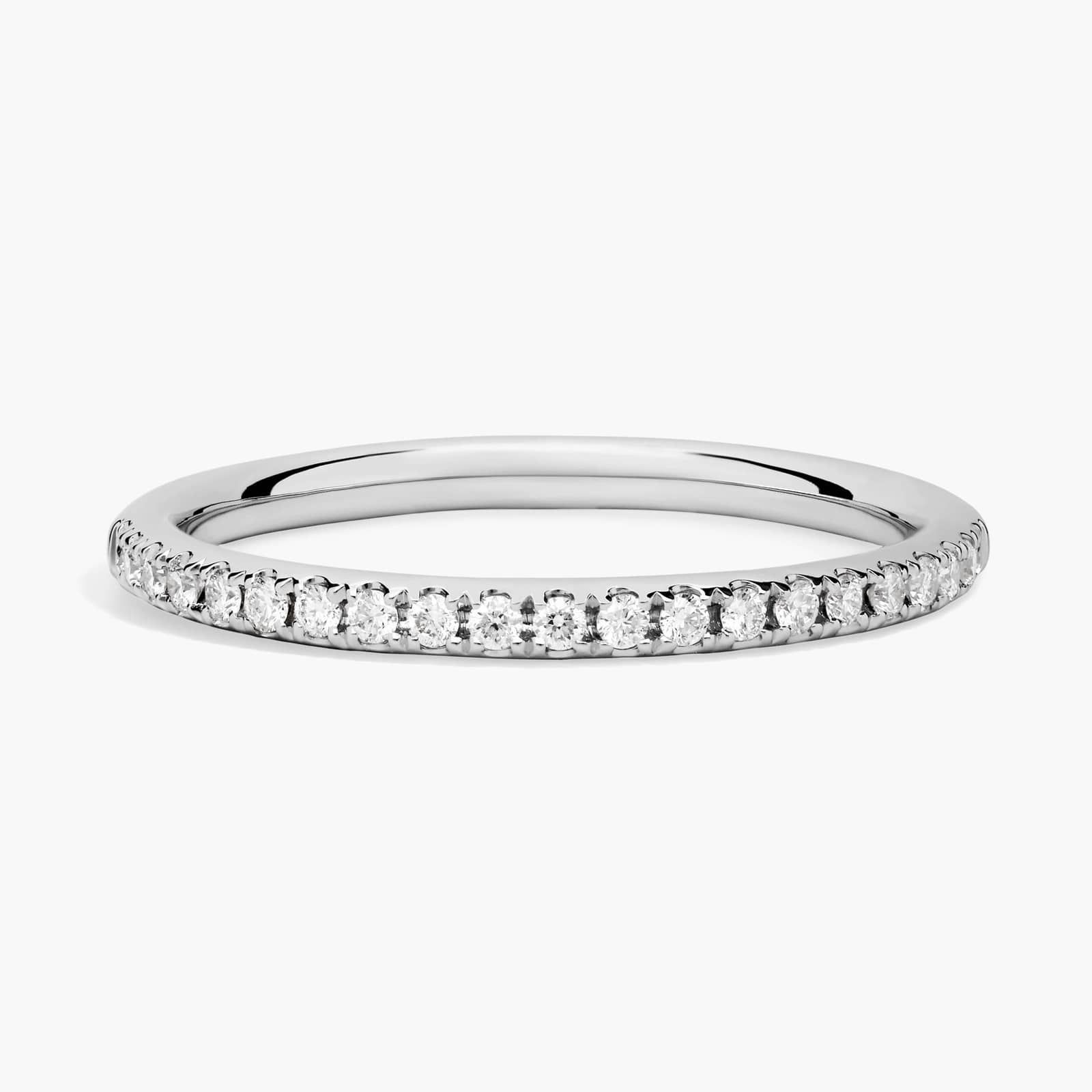
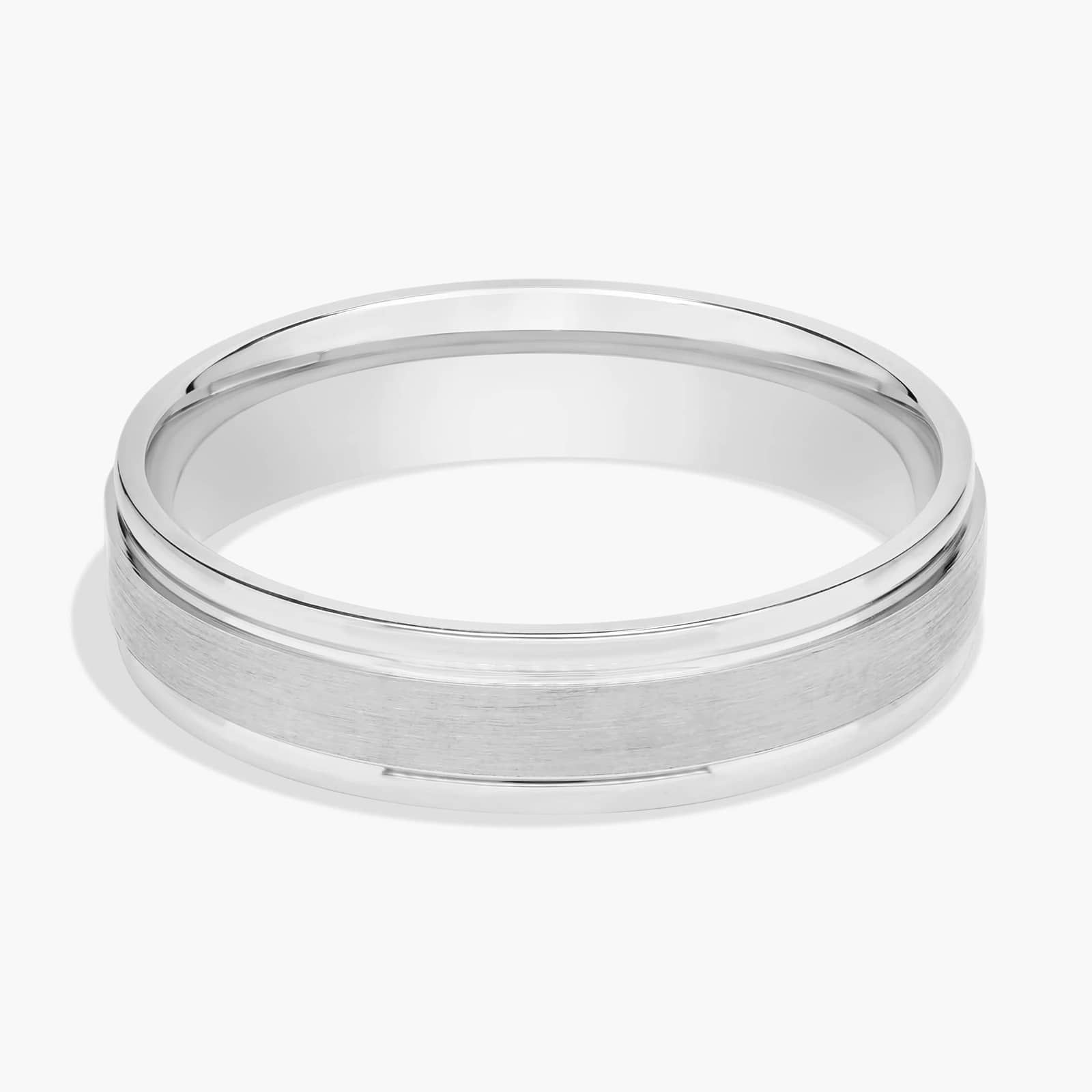
Both wedding rings share 14k white gold for a coordinated feel, while one features pavé diamonds and the other a brushed-and-polished finish. This pairing suits couples who want a shared metal with different levels of detail.
Mismatched Wedding Ring Ideas
Mismatched wedding bands give you room to play with contrast and personality. One partner may choose a sleek platinum or white gold band, while the other selects a warm rose gold or yellow gold ring.
You can also mix different levels of detail:
- Plain, streamlined band
- Diamond band
- Mismatched stacked wedding band
Shared details could include a similar:
- Texture
- Edge treatment
- Engraving
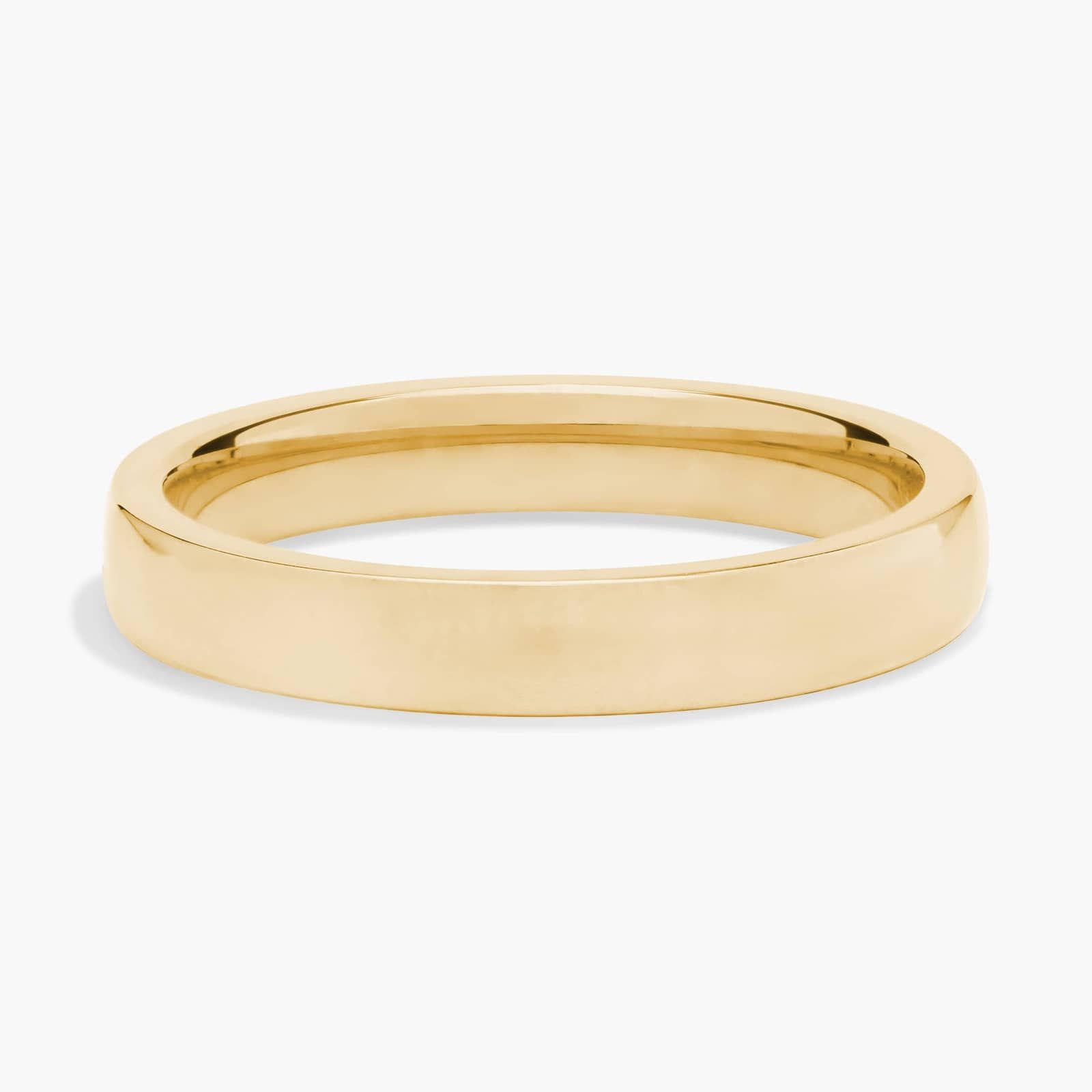
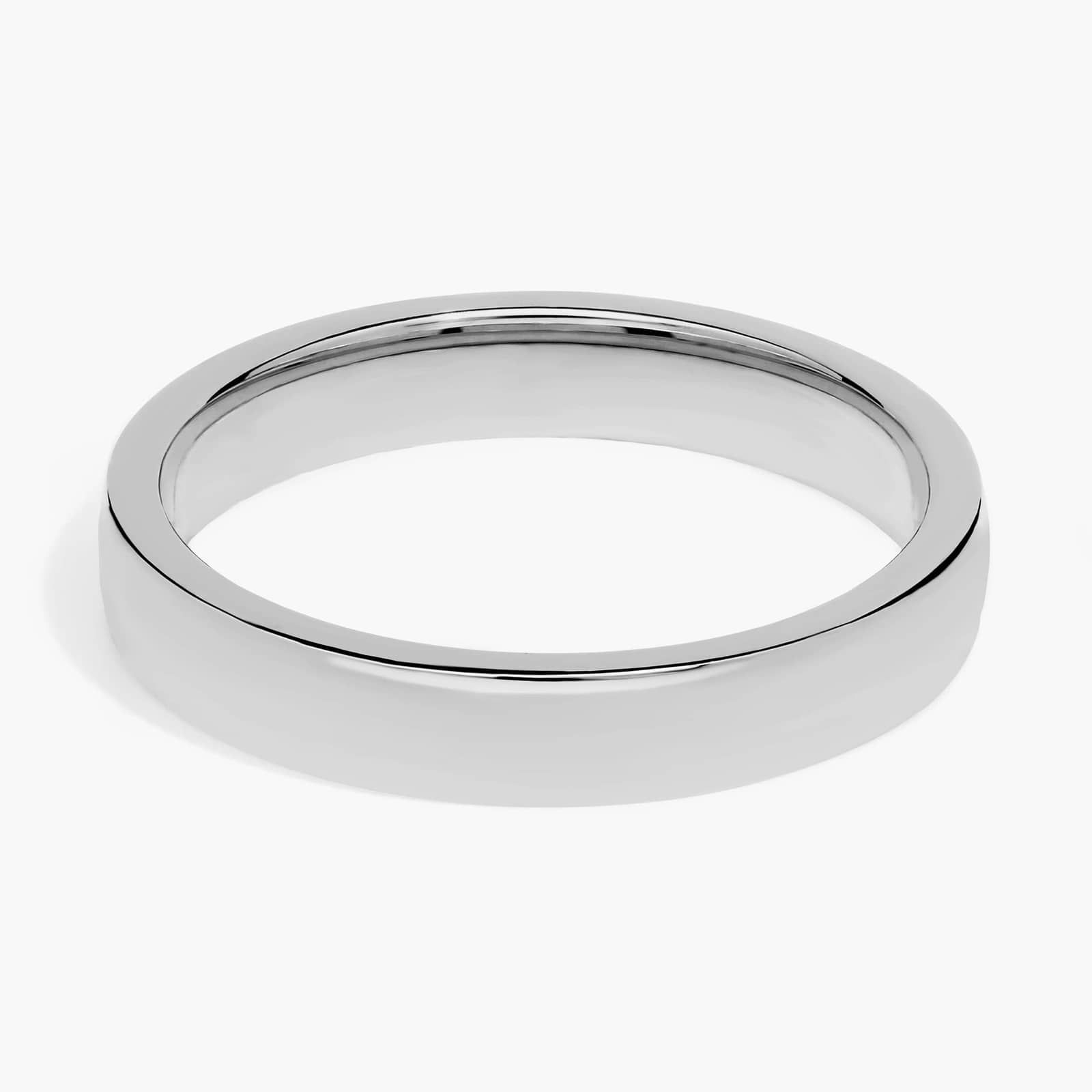
These low dome comfort fit bands are similar in width and profile but feature different gold colors for a balanced, mismatched look. The result feels coordinated without looking identical. As you compare metals, resources on men’s gold wedding ring metals can help you see how each option wears over time.
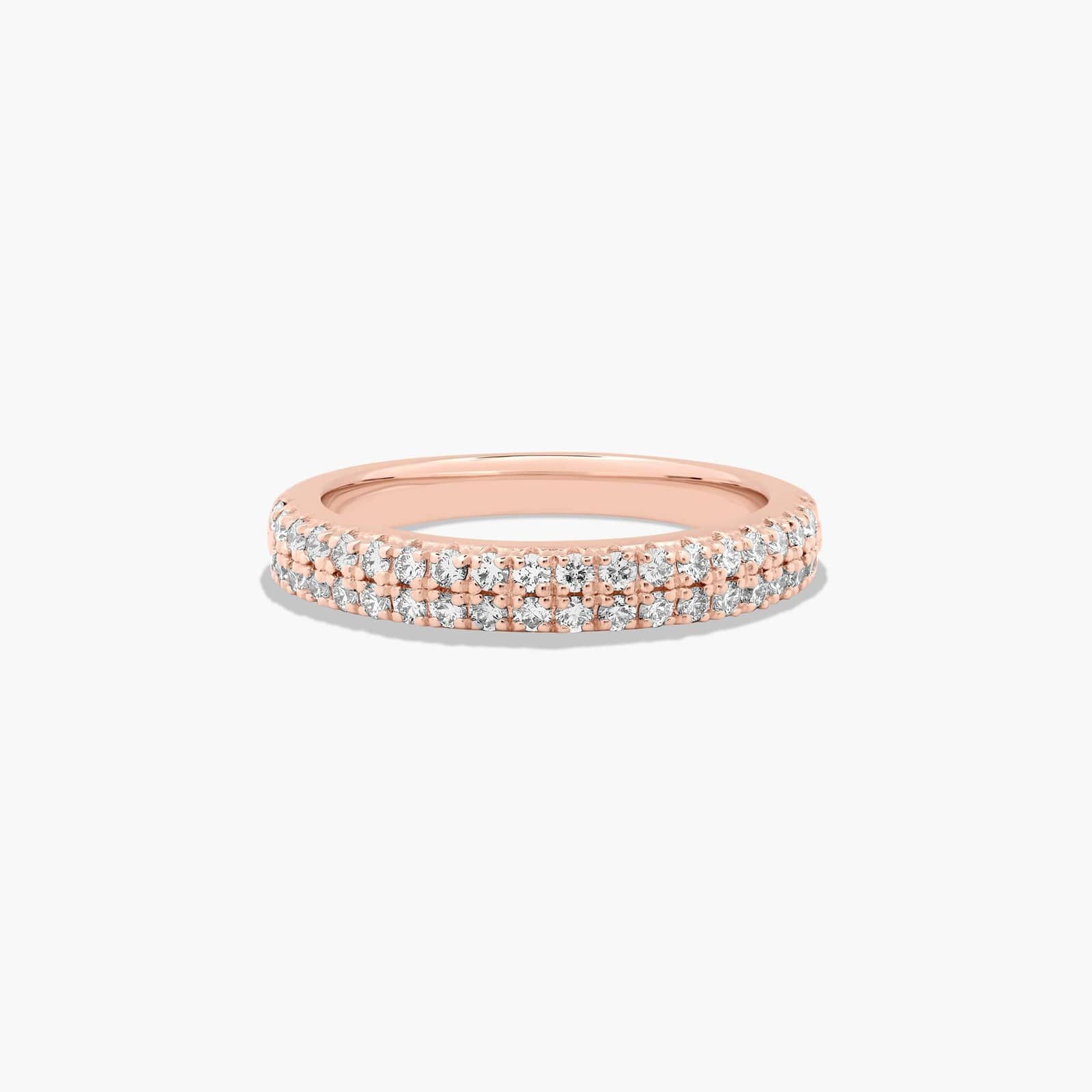
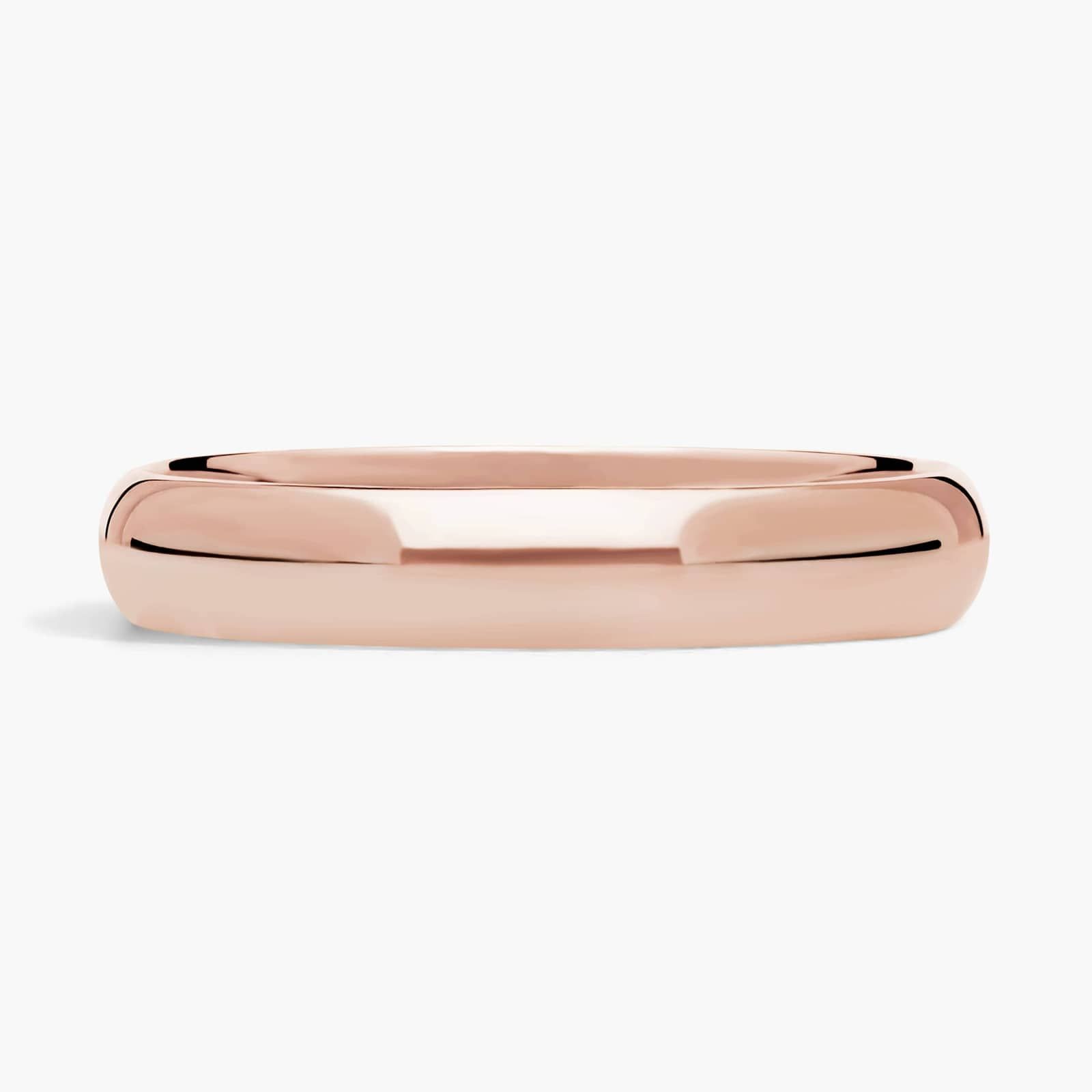
One partner can choose a sleek 14k rose gold band while the other wears a coordinating pavé diamond ring in the same metal. The shared color ties the set together while the diamond detailing adds extra sparkle.
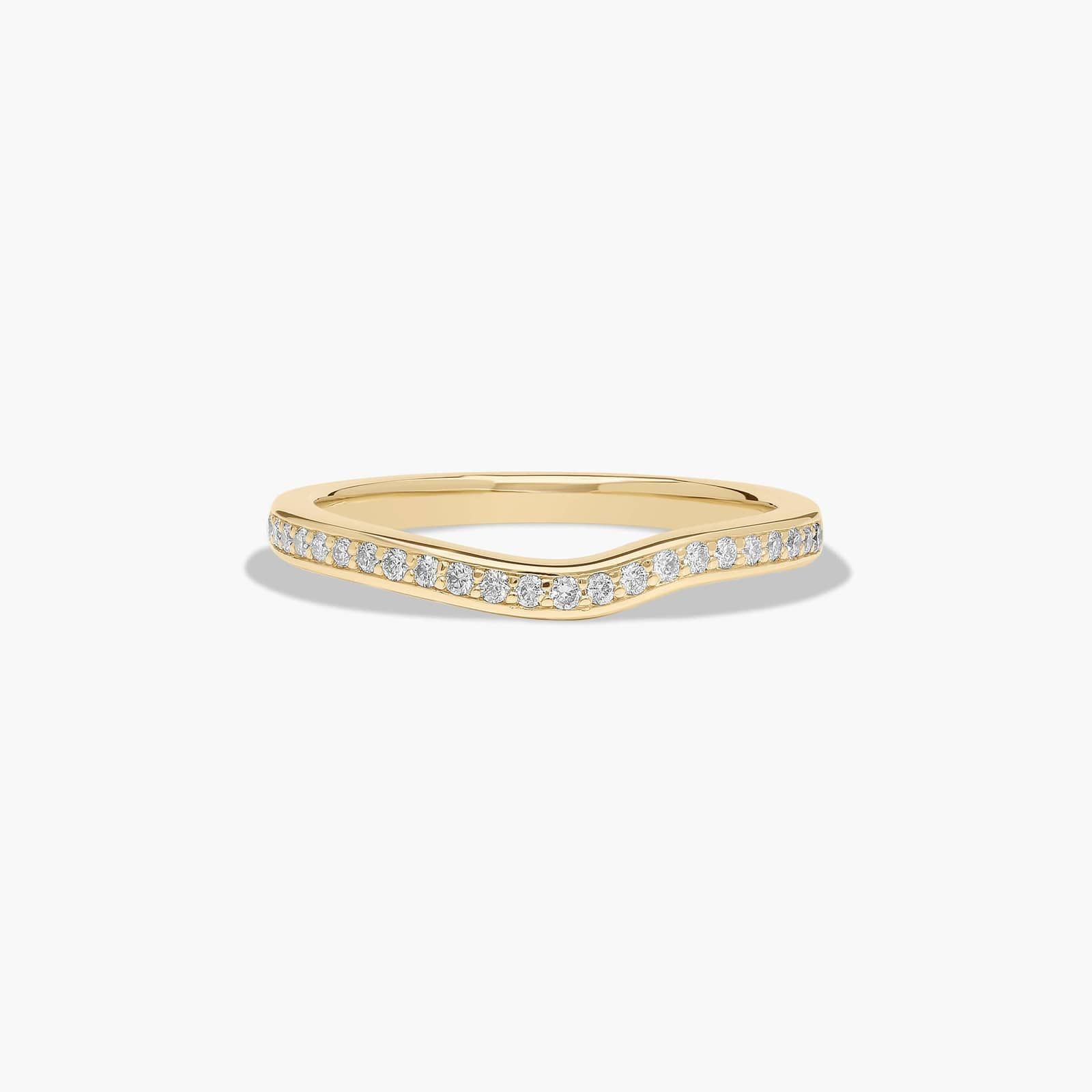
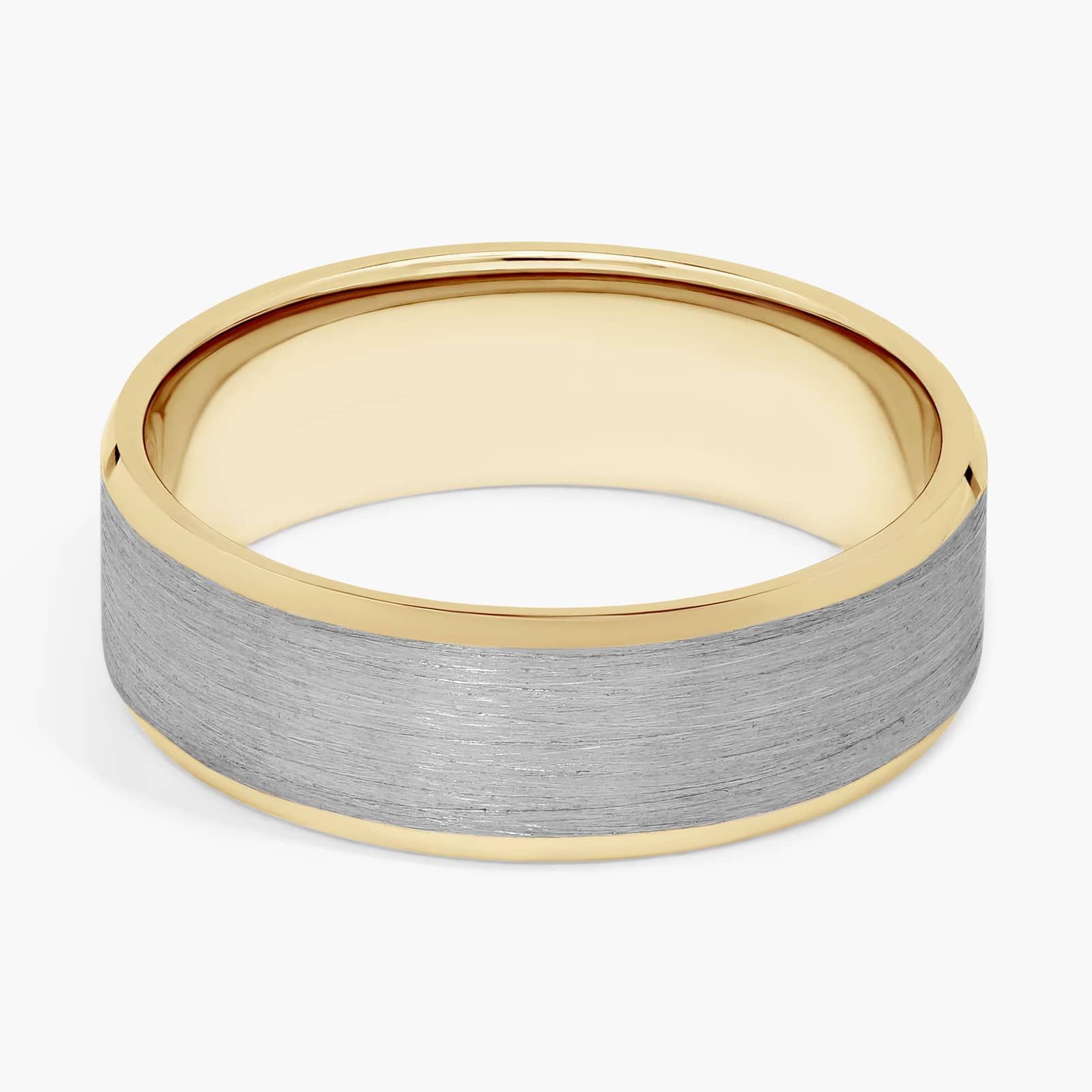
These rings offer two very different styles, one mixed-metal band with a modern inlay and one 14k rose gold diamond band. The shared rose gold accents tie the set together while still letting each partner choose a look that suits their taste.
If you feel torn between several styles, the wedding ring finder quiz can help narrow options based on your preferences.
Tips for Coordinating Your Wedding Rings (Instead of Matching Them)
You can keep a cohesive feel without choosing identical rings if you coordinate a few design elements. This approach works well when your tastes differ, but you still want a subtle visual link.
Consider these coordination ideas:
- Similar metal colors: Combine platinum and white gold, or yellow gold and similar tones, so the overall palette feels aligned.
- Matching stones: Choose comparable diamond shapes or gemstone colors, even if the types of settings and band widths differ.
- Echoed patterns: Look for shared textures, like brushed finishes, milgrain edges or a repeating motif.
- Engravings: Add the same date, phrase or symbol inside each band to create a private connection.
- Aligned style themes: If one partner wears a wedding band with an engagement ring, echo the overall style theme in the other partner’s single band, such as minimalist, vintage-inspired or modern.
Wedding Rings vs. Wedding Bands
Many people use the terms “wedding ring” and “wedding band” interchangeably, which can make it hard to pin down what a wedding band actually is in a traditional sense. A wedding band refers to a continuous metal circle with little or no stone work, while a wedding ring can feature diamonds or other gemstones.
Modern designs blur this line. Many jewelers describe both simple and detailed pieces as either wedding rings or wedding bands, for all genders. Men’s and women’s bands can include diamonds or gemstones, and a band can look just as detailed as a ring that carries a more traditional name.
Find Your Perfect (Matched or Mismatched) Wedding Bands
So, do wedding bands have to match? The answer always comes back to what feels right for both of you. Matching bands suit some couples, while others feel more like themselves in mismatched or subtly coordinated rings.
Explore different metals, widths and profiles to see what looks and feels comfortable. If one of you wears an engagement ring, test how potential bands sit next to it and how the full set appears from different angles. Once you narrow your preferences, you can browse wedding rings and filter by details that match your shared vision.
Frequently Asked Questions
Yes, it is completely okay for your wedding rings to look different. Many couples now choose non-matching bands to honor personal style, comfort and lifestyle needs.
In the past, couples commonly chose matching bands because jewelry sets and tradition nudged them in that direction. Today, many couples pick either matching or mismatched rings, and both choices feel normal.
A bride and groom can absolutely choose different metal colors. Common combinations include one partner in yellow gold and the other in white gold or platinum.
No strict rules govern wedding bands. Focus on comfort, durability and meaning, then adapt traditions like matching metals or specific fingers to fit your preferences.
Some couples choose bands together, so both have full input, while others prefer a small surprise. If input matters to you, share your preferences, or shop side by side to make sure you both feel confident in the final rings.

Share