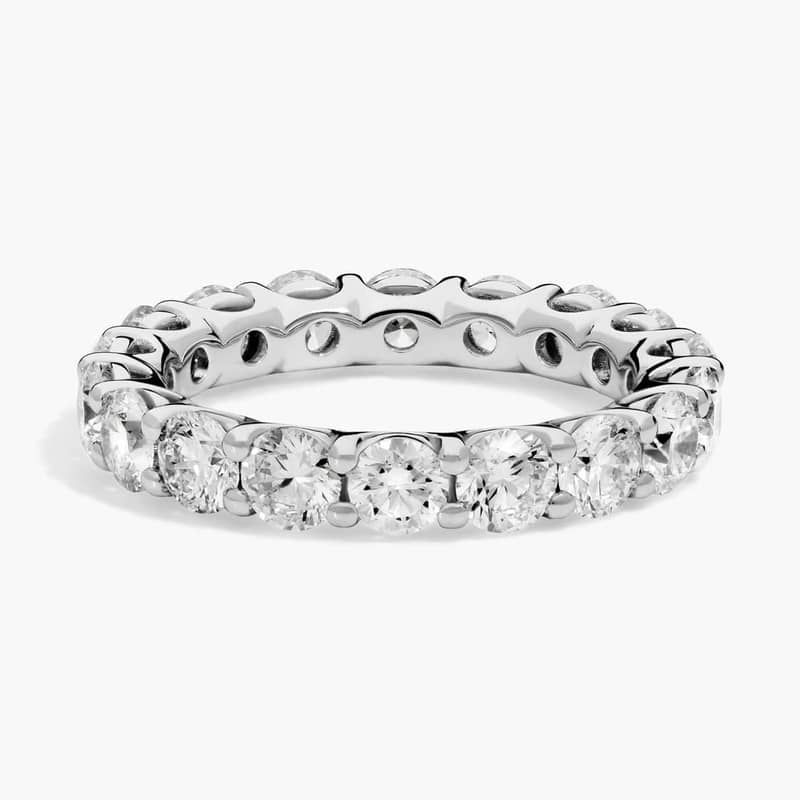
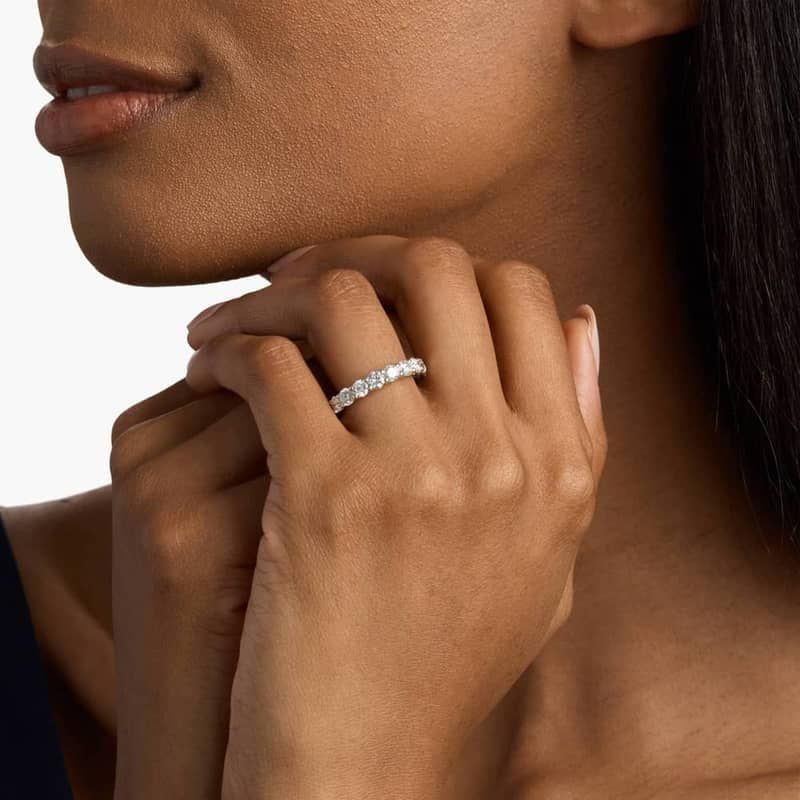
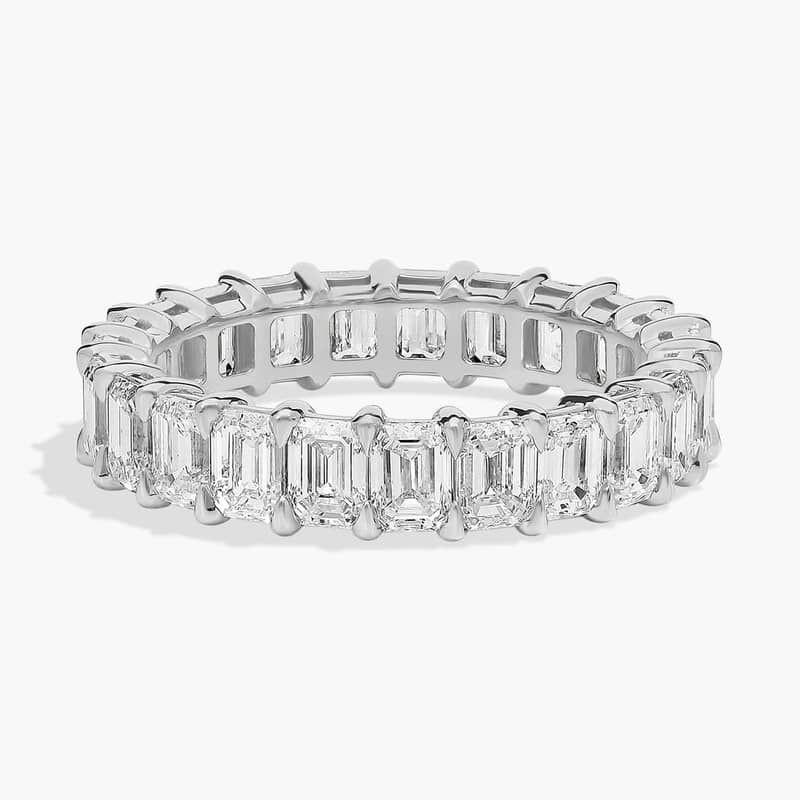
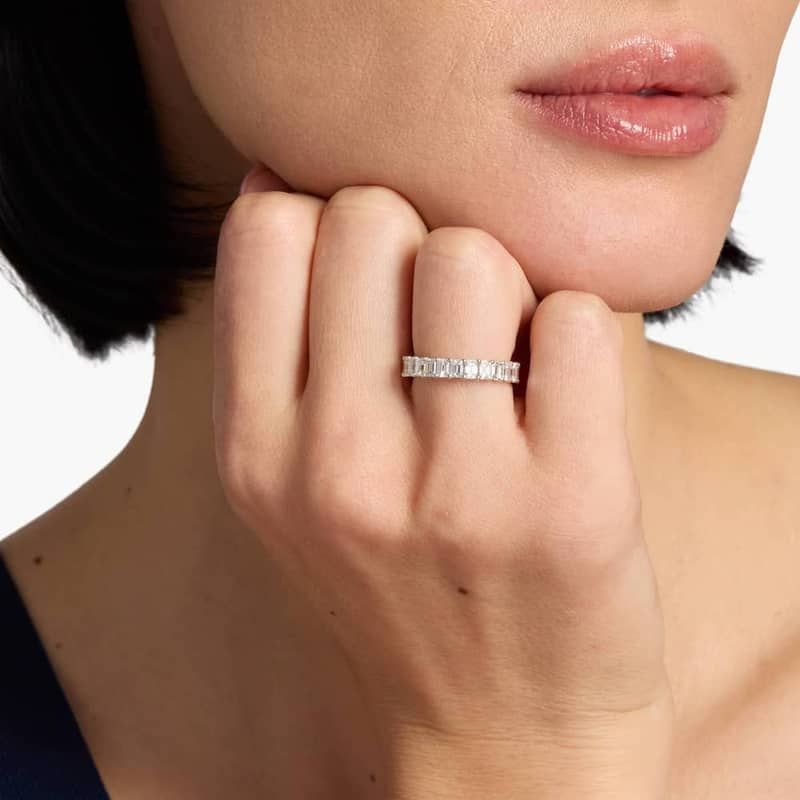
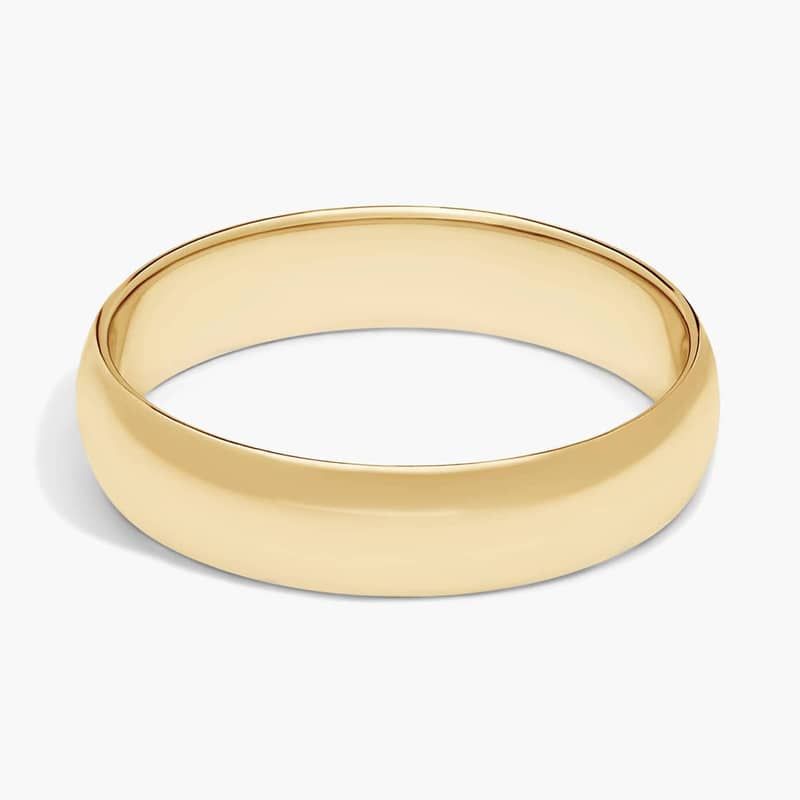
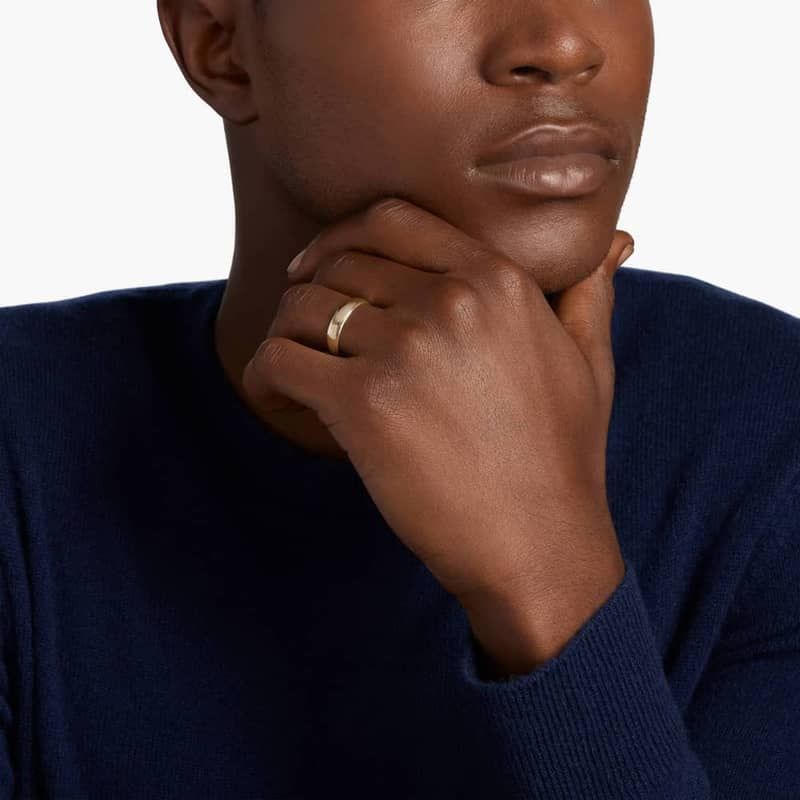
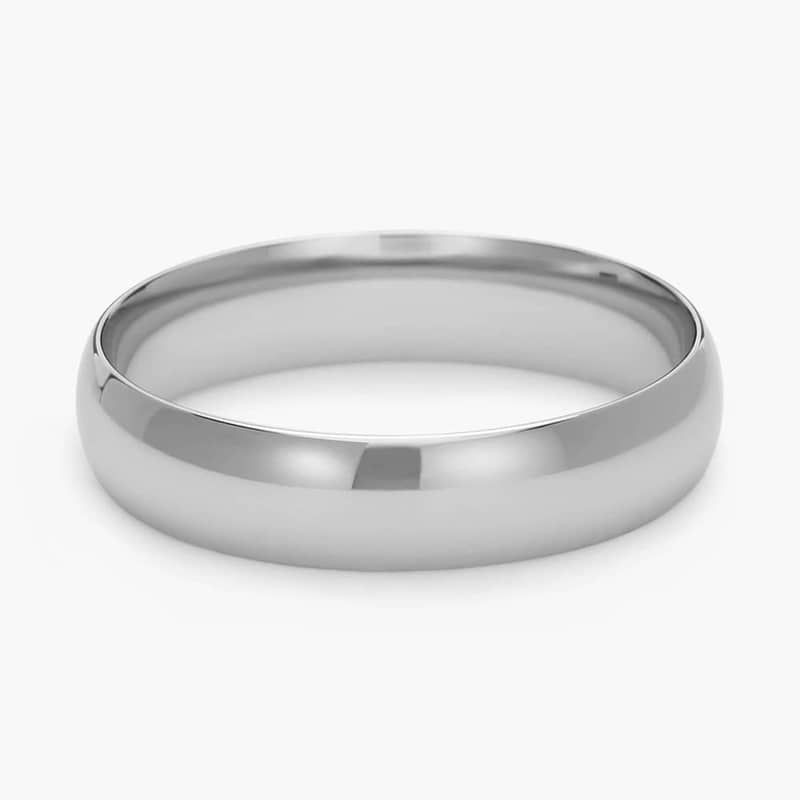
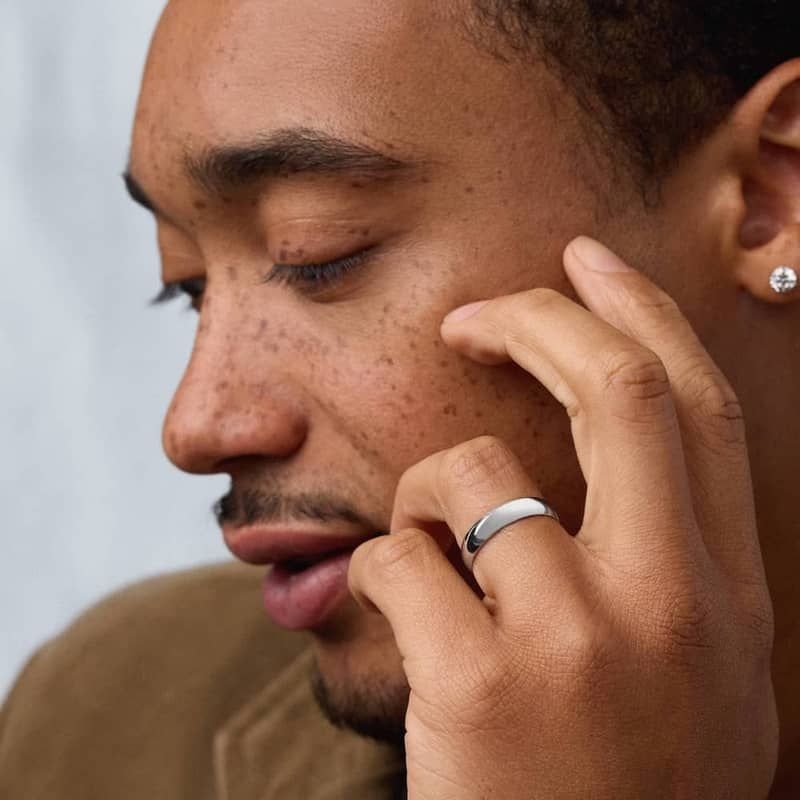
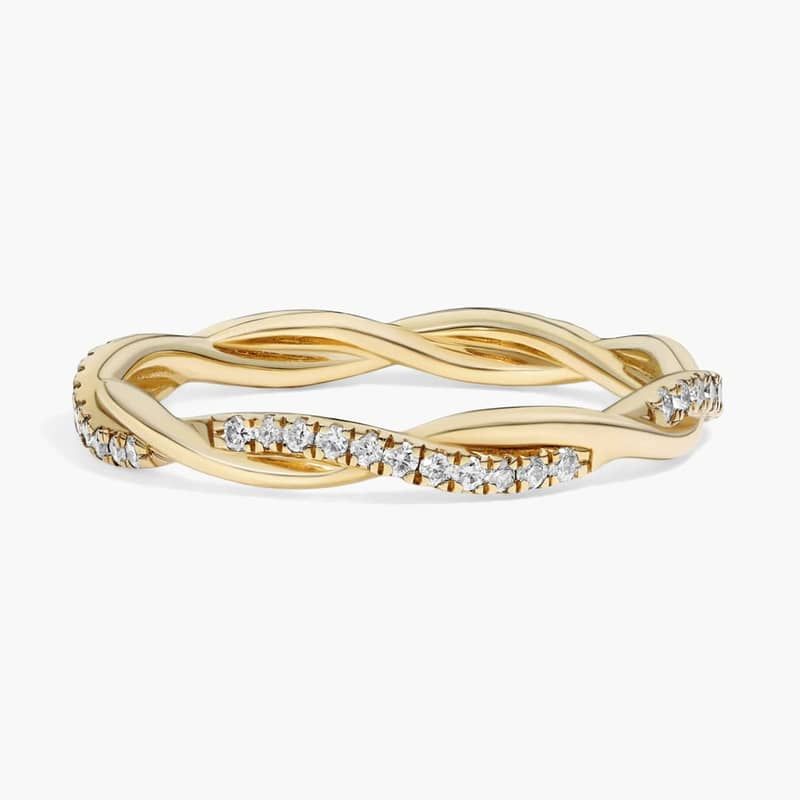
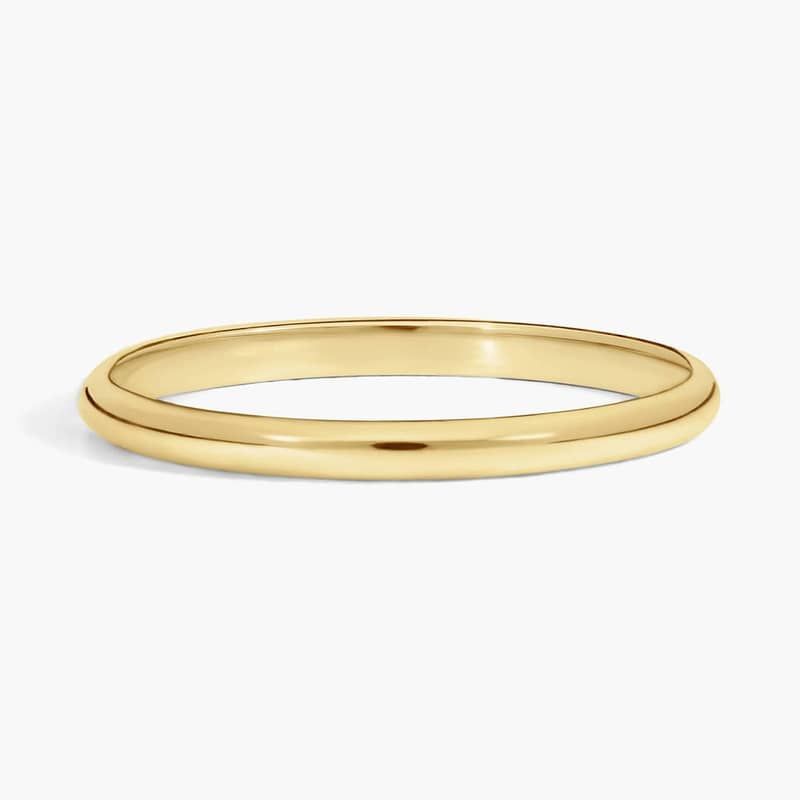
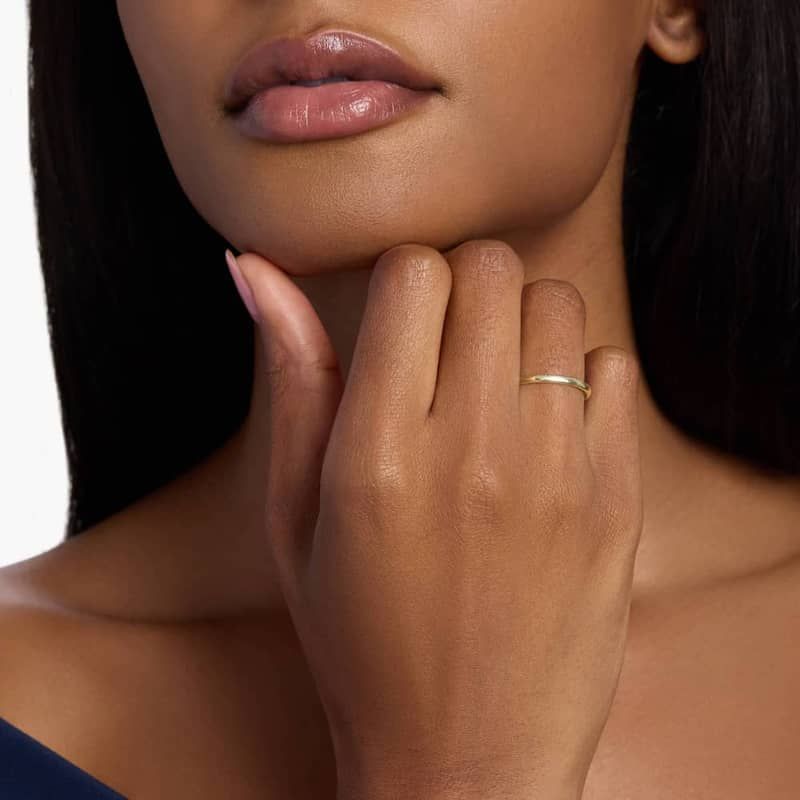
Celebrate your relationship with the perfect wedding ring. Our men's and women's wedding bands feature the finest platinum, gold and contemporary metals. Shop artisan wedding rings with diamonds, gemstones and hand finished details. From modern wedding rings to classic designs, you’re sure to find your fit in our wedding ring collection.
What's the difference between a wedding ring and a wedding band?
The terms are often used interchangeably, but there's a subtle distinction. A wedding band typically refers to a plain metal ring with no stones, while a wedding ring often describes styles that include diamonds or gemstones. Both serve the same purpose, and exchanging them during the ceremony marks the formal commitment of marriage.
What is a three-band wedding ring?
A three-band wedding ring is a style that stacks three separate rings together, worn as one cohesive set. The bands are often coordinated in metal, finish, or stone detail to create a layered look. Some couples choose three-band sets to mark milestones by pairing an engagement ring with two wedding bands, while others wear the style purely for its bold, stacked aesthetic.
How much do wedding rings and bands cost?
Blue Nile wedding rings vary in price based on metal, width, and whether the design includes diamonds or gemstones. Plain metal bands typically start around $280, while diamond styles range from several hundred to several thousand dollars depending on total carat weight and quality. Setting a clear budget before you shop helps narrow your options without sacrificing the quality that matters most to you.
What does a wedding ring symbolize?
A wedding ring symbolizes the enduring commitment between partners, with its circular shape representing a bond with no beginning or end. Historically, rings were placed on the fourth finger of the left hand based on the belief that a vein ran directly to the heart from that finger. Today the ring remains one of the most universal symbols of love and partnership across cultures.
Can you combine your engagement ring and wedding ring?
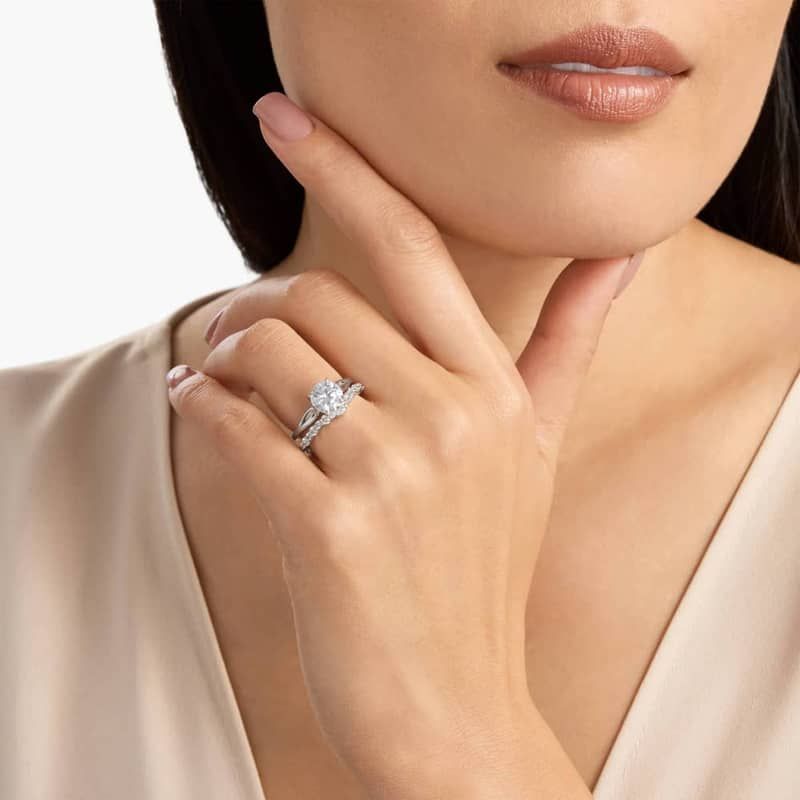
Yes, wearing your engagement ring and wedding ring together on the same finger is the most common approach. Many couples choose a wedding band specifically designed to contour or nest alongside their engagement ring for a seamless fit. If your bands don't sit flush naturally, soldering them together is also an option for a permanent, secure pairing, or you can work with Blue Nile's design team to create a custom wedding band built around your exact engagement ring for a guaranteed fit.
What are wedding ring sets?
Wedding ring sets pair an engagement ring with one or more coordinating wedding bands, designed to stack and fit together cleanly. Buying as a set ensures the metals, finishes, and design details align perfectly without the guesswork of mixing individual pieces. Sets are available for both partners, and some include a matching men's wedding band alongside the bridal set.
What is the difference between an engagement ring and a wedding ring?
An engagement ring is typically given at the time of the proposal and worn on the left ring finger until the wedding. A wedding ring is exchanged during the ceremony itself and worn together with the engagement ring afterward. Engagement rings usually feature a prominent center stone, while wedding rings for women are often coordinating bands, though many include diamonds or gemstones as well.
Can wedding sets be soldered together?
Yes, wedding sets can be soldered together by a professional jeweler to create one unified ring. Soldering prevents the bands from spinning, shifting, or wearing against each other, which can cause metal damage over time. Keep in mind that soldering is a permanent change, so it's worth confirming you're happy with how the rings sit together before committing.
What metals do wedding bands come in?
Wedding bands are available in a range of metals to suit different styles, budgets, and lifestyles. The most popular options include 14k and 18k yellow gold, white gold, and rose gold, as well as platinum for those who want the most durable and naturally white metal. Men's wedding bands also commonly come in contemporary metals like tungsten and titanium, which offer excellent scratch resistance at a lower price point.
How much money should you spend on a wedding ring?
There's no universal rule, and the right amount is whatever fits comfortably within your budget without financial strain. A common guideline suggests spending one month's salary, but that's an outdated industry benchmark rather than a requirement. Focus on the metal quality and style that will hold up to daily wear rather than hitting a specific dollar figure.
How can I style my engagement ring and wedding band together?
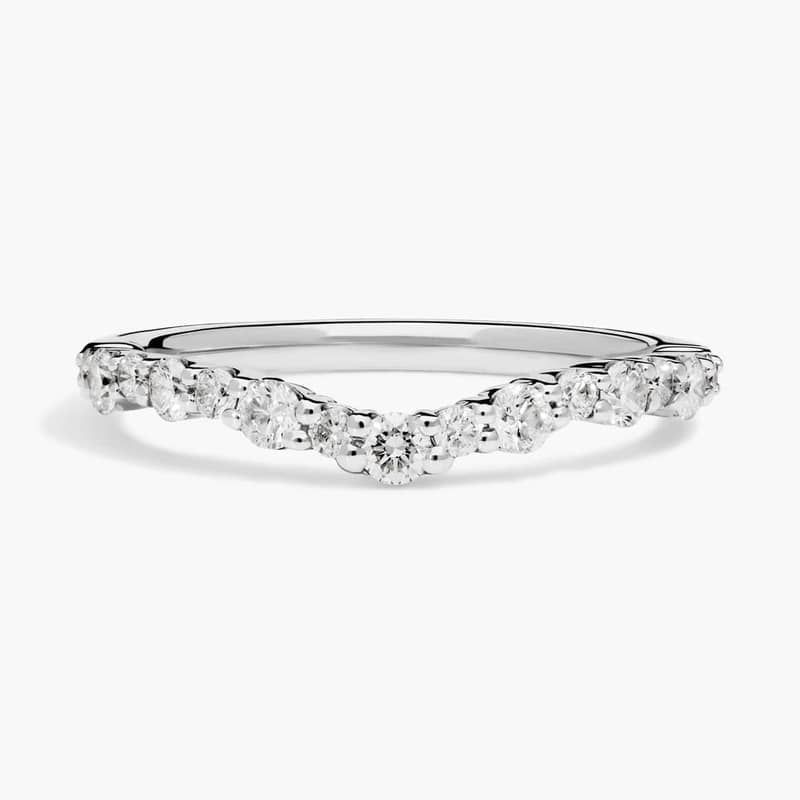
The most popular approach is pairing a contoured or curved wedding band that nestles against the engagement ring's center stone setting. Straight bands work well with solitaires and tension settings, while shadow bands or notched bands complement halo and cathedral styles. Mixing metals, such as a yellow gold band with a white gold engagement ring, has also become a widely worn and intentional styling choice for wedding rings for women.
Are there wedding rings with gemstones?
Yes, wedding rings with gemstones are a popular alternative to traditional diamond bands. Sapphires, emeralds, and rubies are common choices for their durability and rich color, making them well-suited for daily wear. Gemstone wedding rings work beautifully as standalone bands or stacked alongside a diamond engagement ring for a personalized, layered look.
Which wedding band looks are popular?
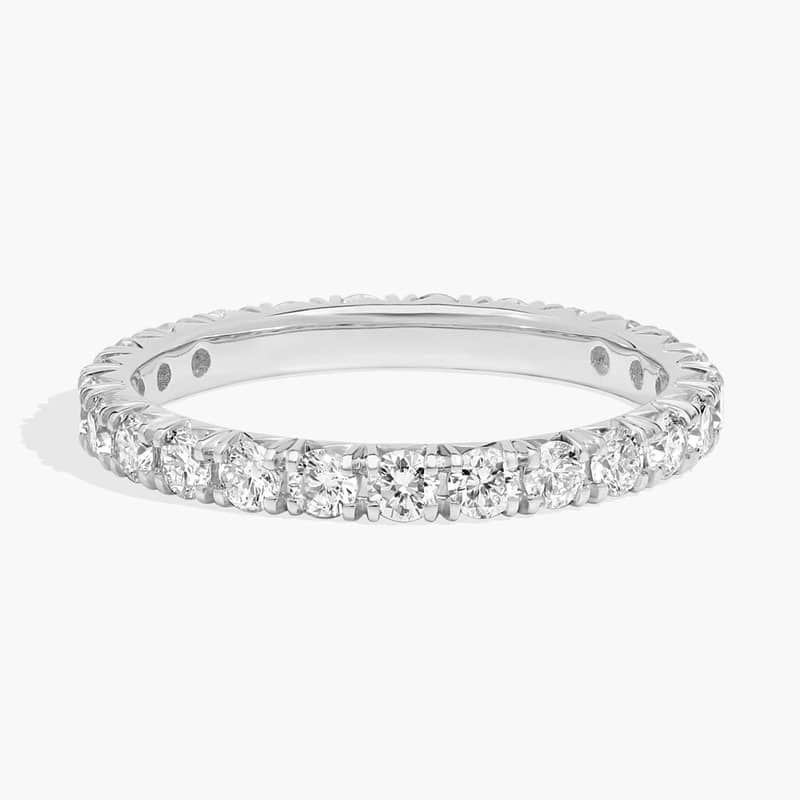
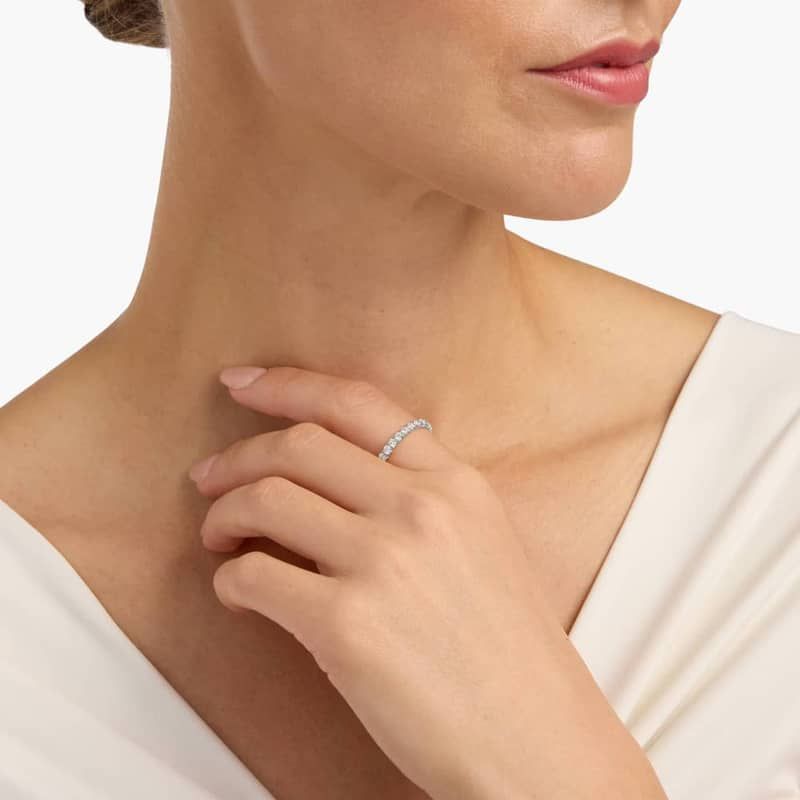
Gold bands, white diamond bands, and eternity bands remain a top choice among wedding rings for women, featuring diamonds set along the entire band for continuous sparkle. Pavé and channel-set bands are also widely worn, offering a sleek profile with diamond detail. For men's wedding rings, plain comfort-fit bands in gold or platinum continue to be a classic choice, alongside brushed and matte finishes for a contemporary look.
Why do wedding rings go on the left hand?
The tradition traces back to the ancient Roman concept of the vena amoris, Latin for "vein of love," believed to run directly from the fourth finger of the left hand to the heart. While anatomy has since disproven this, the tradition stuck and remains standard practice across much of the Western world. In some countries, including Germany, Norway, and India, wedding rings are traditionally worn on the right hand instead.
How can I find my wedding ring size?
Use our free Blue Nile ring sizer for a quick and accurate measurement from the comfort of your home.
Which wedding band matches my engagement ring?
The best match typically mirrors the metal of your engagement ring, so the two wear consistently over time, white gold with white gold, yellow gold with yellow gold. Beyond metal, look at the profile of your engagement ring setting, as low bezel-set rings pair well with straight bands, while prong or cathedral settings often suit contoured or curved bands that nest cleanly underneath. Blue Nile wedding rings include coordinating bands designed specifically to complement their engagement ring styles.
Who buys the wedding rings?
Traditionally, each partner buys the other's wedding ring, with men's wedding rings and women's bands often purchased together during a shared shopping experience. In practice, many couples split the cost, purchase rings jointly, or set an agreed budget and each chooses their own. There's no standard rule, and what matters is finding rings you both love at a price point that works for your situation.