








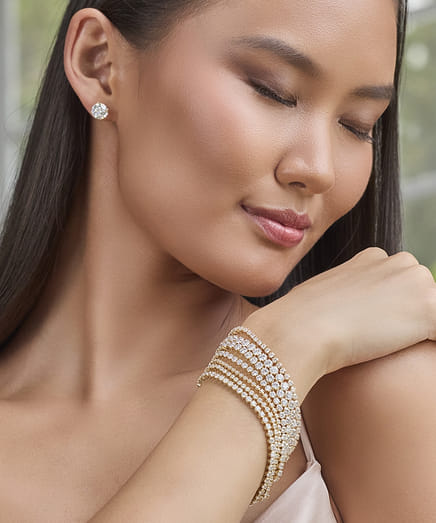



Traditionally, each partner buys the other’s wedding band. However, modern couples frequently share costs or shop as a team.
You have the engagement ring, but who buys the wedding bands now? This question comes up more often than you might expect, and for good reason. The answer depends on your relationship, your budget and how you approach shared decisions.
Wedding ring etiquette has shifted significantly over the past few decades. What was once a clear-cut tradition now includes multiple approaches, each valid in its own way. Some couples follow time-honored customs, while others create new patterns that reflect their values.
We’ll guide you through your options so you can choose the wedding ring that works for both of you.
| Who Buys the Ring | Best For | |
| Traditional | Each partner buys the other’s ring | Couples following classic Western traditions |
| Nontraditional | Decided together | Couples creating their own traditions |
| Joint budget | Shared purchase | Couples pooling wedding expenses |
| One partner pays | One partner buys both rings | Income-based or practical arrangements |
| Individual purchase | Each partner buys their own | Couples prioritizing personal choice |
| Family gift or heirloom | Family member | Heirloom or family-supported weddings |
The Traditional Etiquette: You Buy Mine, I Buy Yours
Traditional wedding ring etiquette varies by culture and time period, but the most common Western practice involves a reciprocal exchange. While weddings are not always woman-and-man couples, traditional practices have often reflected that dynamic, which is why much of the historical language still references a bride and groom.
Historically, the groom or his family purchased both the engagement ring and the bride’s wedding band, while the bride or her family covered the cost of the groom’s wedding band.
In many religious and cultural traditions, the exchange represents a covenant or promise, and the gifting process honors that meaning. Jewish, Christian and Hindu wedding ceremonies all incorporate ring exchanges with specific rituals around who presents the ring and when.
Key elements of traditional ring buying include:
- Groom or his family buys the bride’s engagement ring and wedding band
- Bride or her family buys the groom’s wedding band
- Couple exchanges rings as mutual gifts during the ceremony
- The partner who will present the ring presents it separately
- Both families divide the financial responsibility
The Nontraditional Approach: How Couples Buy Wedding Bands Today
Traditional methods still appeal to many couples, but modern approaches to buying wedding bands reflect changing relationship dynamics and financial structures. Today’s couples often prioritize practicality, shared decision-making and personal preference over rigid etiquette rules.
Option 1: Shopping Together and Sharing the Cost
This approach has become one of the most common ways couples handle wedding band purchases. Shopping together allows both partners to ensure proper fit, coordinated style and comfort before making a final decision.
Many couples view wedding planning as a shared process, and wedding rings are part of that. They may split the total evenly or proportionally based on income. This method eliminates confusion about who owes what and aligns with how many couples already manage their finances.
Option 2: Each Partner Buys Their Own Ring
Some couples prefer to handle ring purchases independently, particularly when personal taste or logistics play a role. Each person chooses a ring that reflects their own style and comfort preferences without compromise.
This approach works well when ring tastes differ significantly or when one partner has specific requirements related to work, lifestyle or metal sensitivities. Many couples who choose this option still shop together for guidance, then make their individual purchases separately.
Option 3: One Partner Pays for Both Rings
In some relationships, one partner covers the cost of both wedding bands for practical reasons rather than tradition. This often happens when there are income differences between partners or when one partner wants to balance the cost after paying for the engagement ring.
Simplifying finances by consolidating purchases into a single account can streamline the process during the busy wedding planning period.
Option 4: Using a Joint Wedding Budget
Some couples don’t assign ring costs to individuals at all. Instead, they fold wedding bands into overall wedding expenses and pay from a joint account or combined savings.
Wedding bands get treated like any other shared wedding cost, similar to catering or venue rental. This method pairs well with shopping together and helps avoid tracking who paid for what.
Option 5: Receiving Family Gifts or Heirlooms
Family involvement can shape who buys the wedding bands, especially when heirlooms or gifts are involved. Parents or relatives may gift one or both rings as a gesture of support or to pass down a family tradition.
Heirloom rings passed through families often carry cultural or religious significance tied to family ownership. Some couples supplement an heirloom with a newly purchased band, creating a blend of old and new jewelry on their wedding day.
Option 6: Creating Your Own Wedding Ring Tradition
There are no rules that dictate how you must acquire your wedding bands. You can create an approach that reflects your relationship, values and circumstances.
Moving beyond gendered expectations allows couples to focus on what matters most to them. The rings serve as symbols of your commitment, not as proof that you followed a specific tradition correctly.
What to Consider When Deciding Who Buys the Rings
Several factors can help you determine the right approach for your relationship. Consider how these elements apply to your specific situation.
- Budget and financial situation: Keep in mind whether you manage money jointly or separately, and whether one partner has more disposable income than the other. Understanding your spending comfort levels helps you choose an arrangement that feels fair.
- Shared or individual investment: Think about whether you view the rings as a joint purchase or as individual gifts exchanged between partners. Your perspective on this shapes which payment method feels most meaningful.
- Traditional vs. modern practices: Evaluate how much weight you place on following established customs versus creating your own approach. Traditional practices may feel meaningful if they connect you to family history or cultural values.
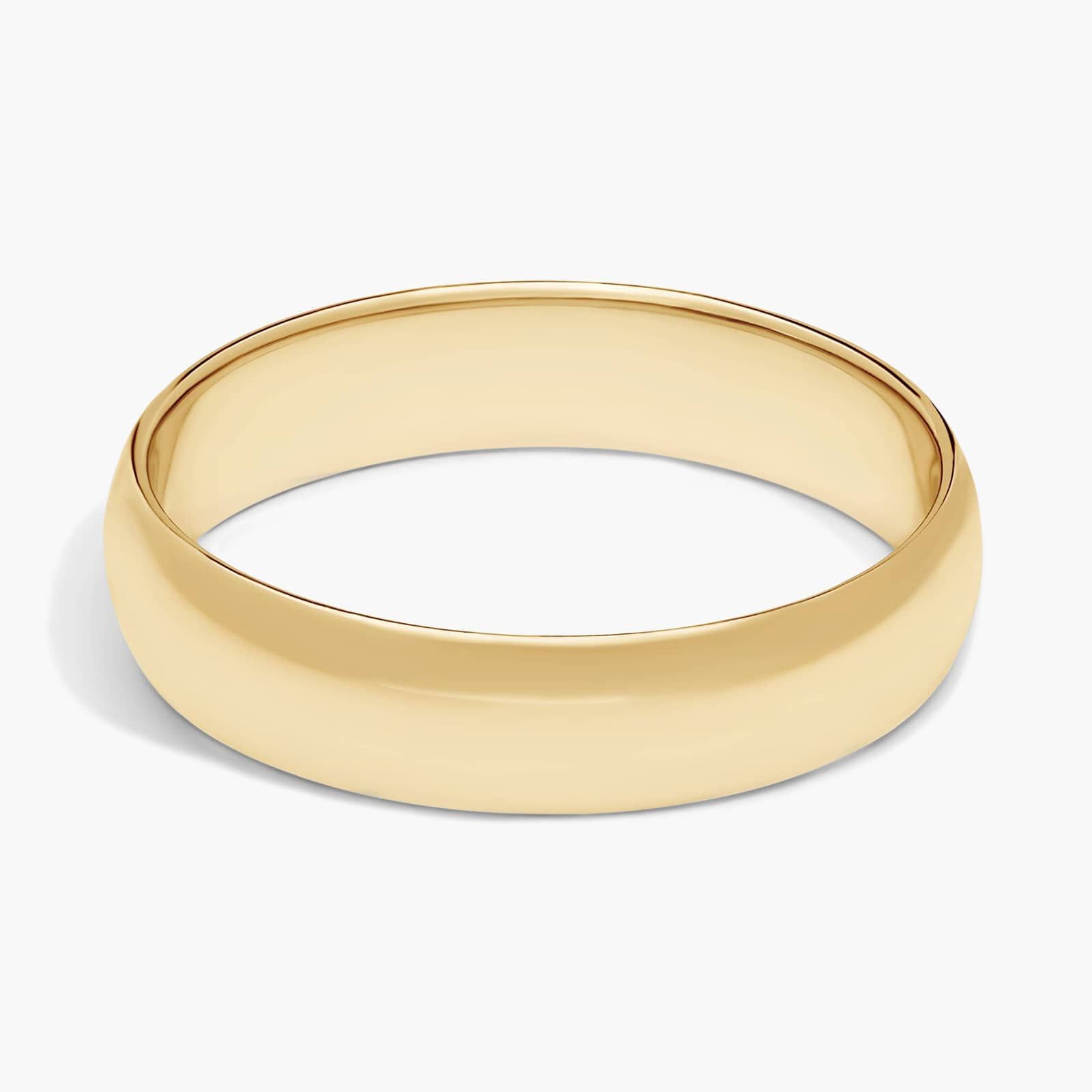
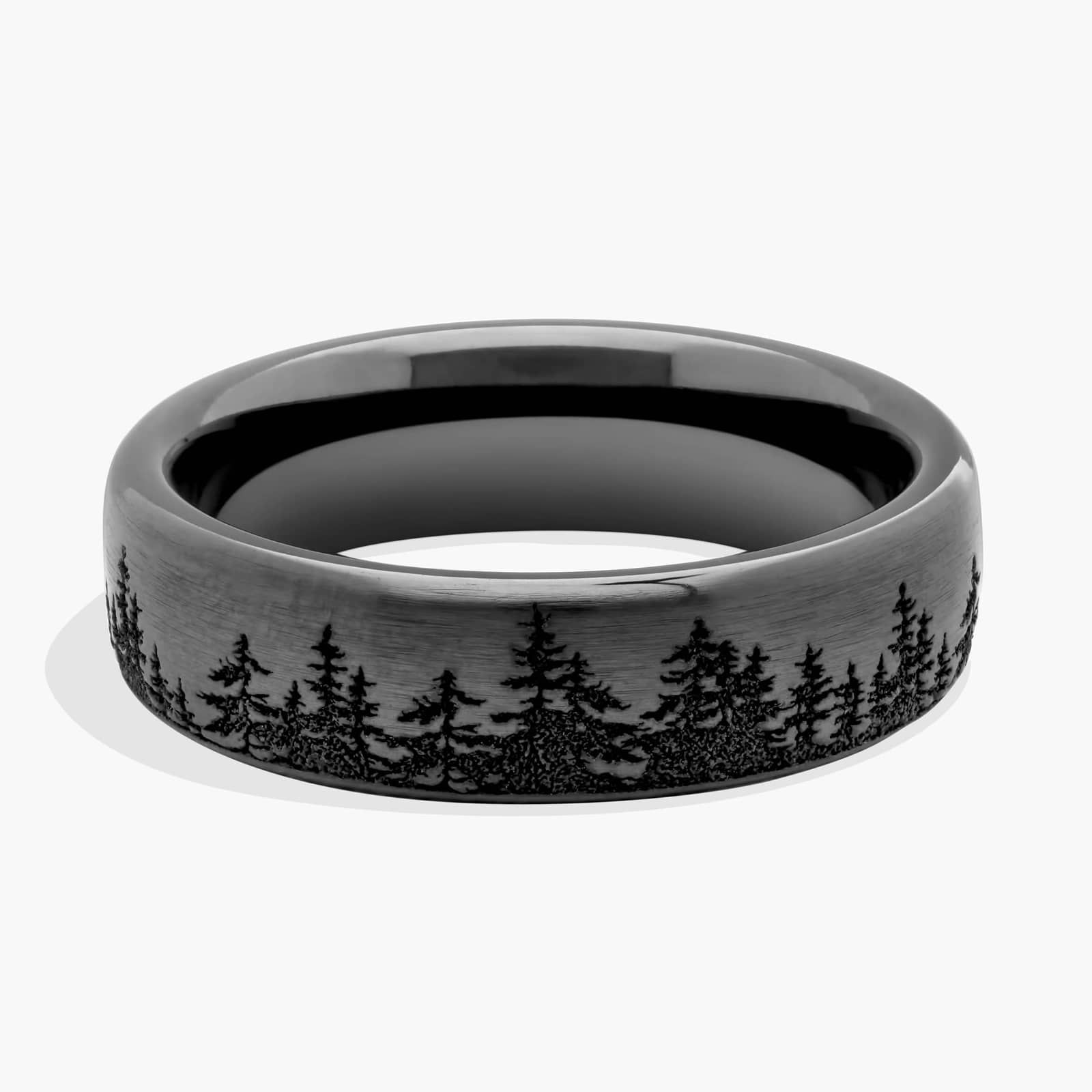
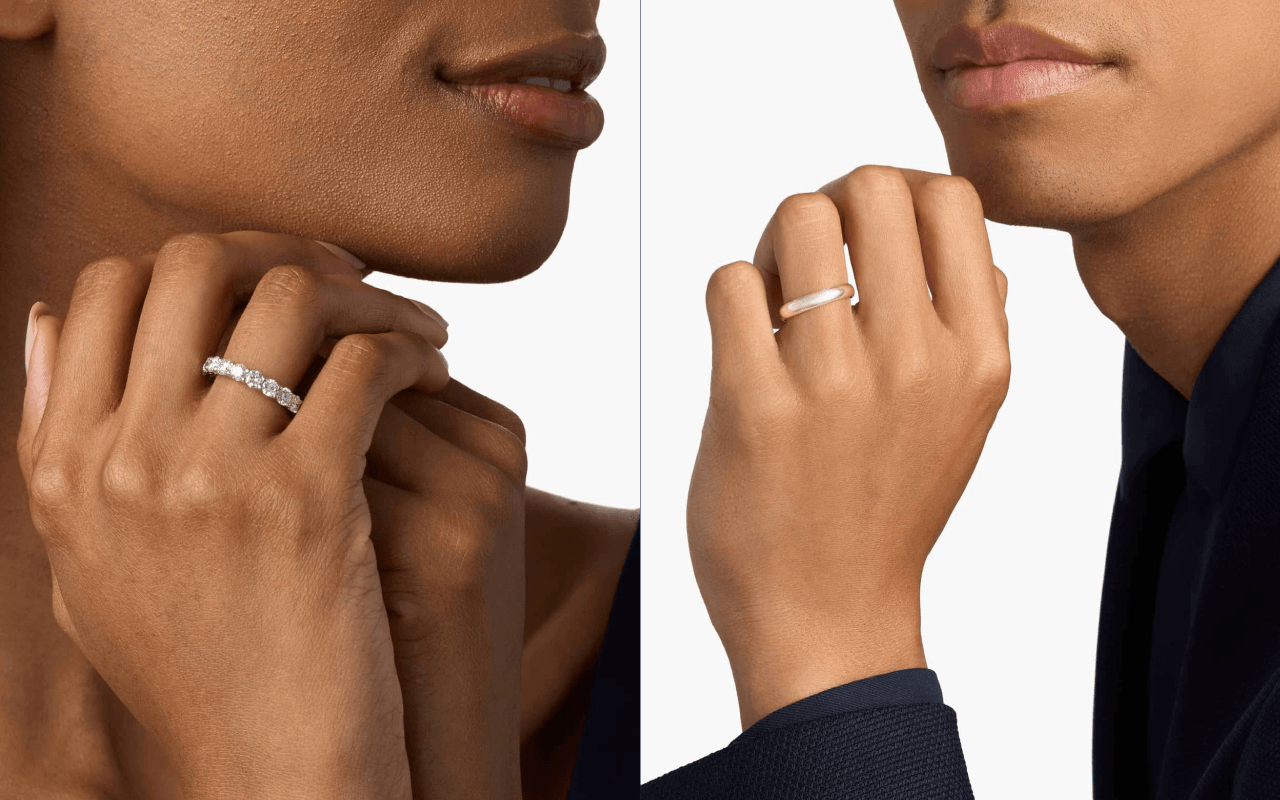
- Style and lifestyle: If one of you works with your hands or has metal sensitivities, that person may need more input in selecting their own ring. You might also gravitate toward more delicate designs from our women’s wedding bands collection while your partner prefers low-maintenance styles from our men’s wedding bands selection.
Should You Shop for Wedding Bands Together or Separately?
There is no right or wrong approach. The best option is the one that fits how you make decisions together.
| Together | Separately |
| Shared decision-making | Maintains element of surprise |
| Easier sizing and fit coordination | Allows personal style expression |
| Helps align budgets upfront | Preserves gift-giving tradition |
| Often leads to shared payment | Each person controls their purchase |
| Reduces the risk of returns or resizing | Works well with different schedules |
When to Buy the Wedding Bands
Practical timing helps ensure your rings arrive with enough cushion for any adjustments.
- 6–8 months out: This is the time to start budgeting and researching. Browse styles and consider whether you prefer matching sets or individual styles for each partner’s wedding ring.
- 3–4 months out: Purchase and handle initial sizing during this time frame. This allows for production time, shipping and any necessary modifications.
- 1–2 months out: Schedule final adjustments 1–2 months before the ceremony. This ensures proper fit and gives you time to address any last-minute issues without stress.
Find the Right Ring Your Way with Blue Nile
Who buys the wedding bands depends entirely on what works for your relationship. Your wedding bands represent your partnership, and how you acquire them should reflect the way you navigate decisions together.
Ready to start shopping? Take our wedding ring quiz to discover which style suits you. Then let our non-commissioned experts guide you through our collection of wedding rings, whether you’re shopping together or separately.
Frequently Asked Questions
Traditional custom dictates that the groom or his family pays for the bride’s wedding ring. However, many modern couples purchase the bride’s ring together using shared funds or split the cost between both partners.
In some traditional cases, the bride or her family pays for the groom’s wedding ring. Today, couples often shop together and share the cost, or the groom may purchase his own ring to match his personal style and budget.
The bride traditionally buys the groom’s wedding band as a reciprocal gift. However, modern couples frequently share this expense or shop together, making the purchase a joint decision rather than following traditional gender roles.
Some men buy their own wedding rings, particularly when they have specific style preferences or when couples choose to handle ring purchases independently. This approach is common among couples who prioritize personal choice and autonomy in their purchases.
Learn more about selecting rings for men to understand different style options.
The average wedding band cost is around $500 to $3,000 per ring, depending on metal type, design complexity and gemstone inclusions. Plain metal bands in gold or platinum generally cost less, while rings with diamonds or intricate details cost more. Your final cost depends on the materials and craftsmanship you select.


Share






 Live Chat
 +1‑800‑242‑2728
 Email Us

