
Ring Guides
Get Expert Ring Guidance
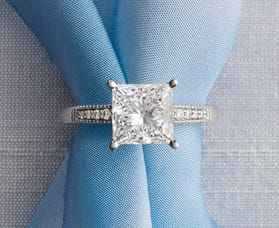
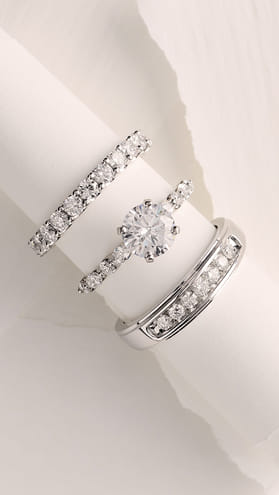
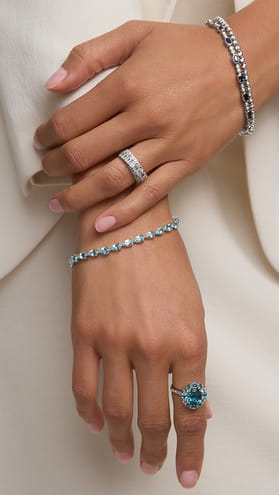
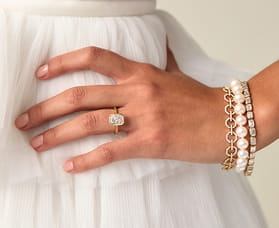
Jewelry Guides
Get Expert Jewelry Guidance
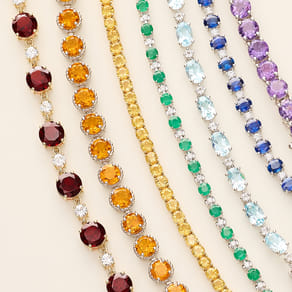
Birthstones Meaning
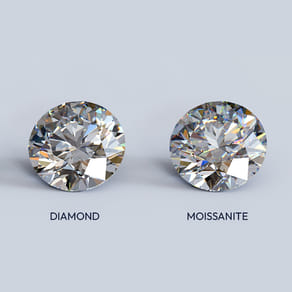
Moissanite vs Diamond
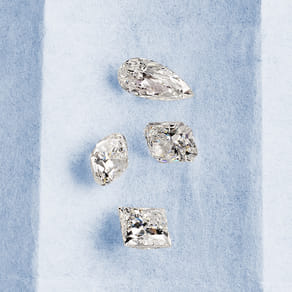
Natural Diamonds vs Lab-Grown
Frequently Asked Questions
What are the 4 Cs of diamonds?
The 4Cs of diamonds are cut, color, clarity, and carat weight. The universal standards for evaluating diamond quality. Cut determines brilliance and sparkle, color grades whiteness from D (colorless) to Z (light yellow), clarity measures internal inclusions, and carat indicates size. Understanding these helps you make informed purchasing decisions and find the best value.
What's the difference between natural and lab-grown diamonds?
Natural diamonds form deep underground over billions of years, while lab-grown diamonds are created in controlled environments within weeks using advanced technology. Both share identical chemical composition, physical properties, and visual appearance. Lab-grown diamonds typically cost 20-40% less than natural diamonds of similar quality, making larger sizes more accessible.
How do I determine my ring size?
Request Blue Nile's free ring sizer for the most accurate at-home measurement. This plastic tool includes multiple sizes to test for proper fit. Alternatively, measure an existing well-fitting ring's inner diameter in millimeters and compare to our sizing chart.
How do I know if I'm getting a quality diamond?
Always request diamond certification from reputable labs like GIA reports or AGS that provide independent grading of the 4Cs. Review the certificate's clarity plot showing inclusion locations, and ensure the diamond's proportions fall within ideal ranges for maximum brilliance. Compare pricing across similar certified diamonds to verify you're receiving fair value for the quality grade.
What gemstone is best for daily wear?
Diamonds, sapphires, and rubies rank highest in durability (9-10 on the Mohs scale) making them ideal for daily wear in engagement rings and frequently worn jewelry. These gemstones resist scratching and damage from normal activities. Softer stones like opals, pearls, and emeralds require more careful handling and work better in earrings or necklaces than rings.
What does "conflict-free" mean for diamonds?
Conflict-free diamonds come from sources that follow the Kimberley Process, ensuring they're not used to fund violence or human rights abuses. Reputable jewelers like Blue Nile source diamonds only from conflict-free suppliers committed to ethical practices. Look for transparency about diamond origins and supplier commitments to responsible sourcing.