There are many kinds of pearl jewelry, including pearls of varying colors, shapes and sizes. Different pearls have unique names related to the part of the world where they’re commonly found or their texture.
No matter where they’re found, pearls all have one thing in common: they are made from the material nacre. This iridescent material isn’t just found in pearls, it is also found on the inside shell of some mollusks such as pearl-producing oysters. While pearl jewelry features the pearl itself, mother of pearl jewelry features the nacre inner shell lining instead. Both types of jewelry are beautiful in their own ways, offering unique luster to silver jewelry and gold jewelry.
What is Mother of Pearl?
Pearls and mother of pearl are two distinct jewelry terms, both referring to different forms of nacre. Pearls are organic gemstones made by specific mollusks to encase irritants in layers of nacre. As the concentric layers form over time in the mollusk, a pearl is formed.
Mother of pearl is made of nacre just as pearls are, but it has its own unique look and forms differently than rounder pearls. Instead of forming layers around an irritant, mother of pearl is formed inside the shells of mollusks as an extra layer of protection. Mother of pearl is the flat or curved nacre sheet located on the inside of mollusk shells.
Thinner and flatter than pearls, mother of pearl offers a unique luster and iridescence. It is more common than pearls and more affordable. But because of its flat shape, it is used in jewelry designs that differ from classic strand pearl necklaces or pearl bracelets.
Mother of Pearl vs Pearl
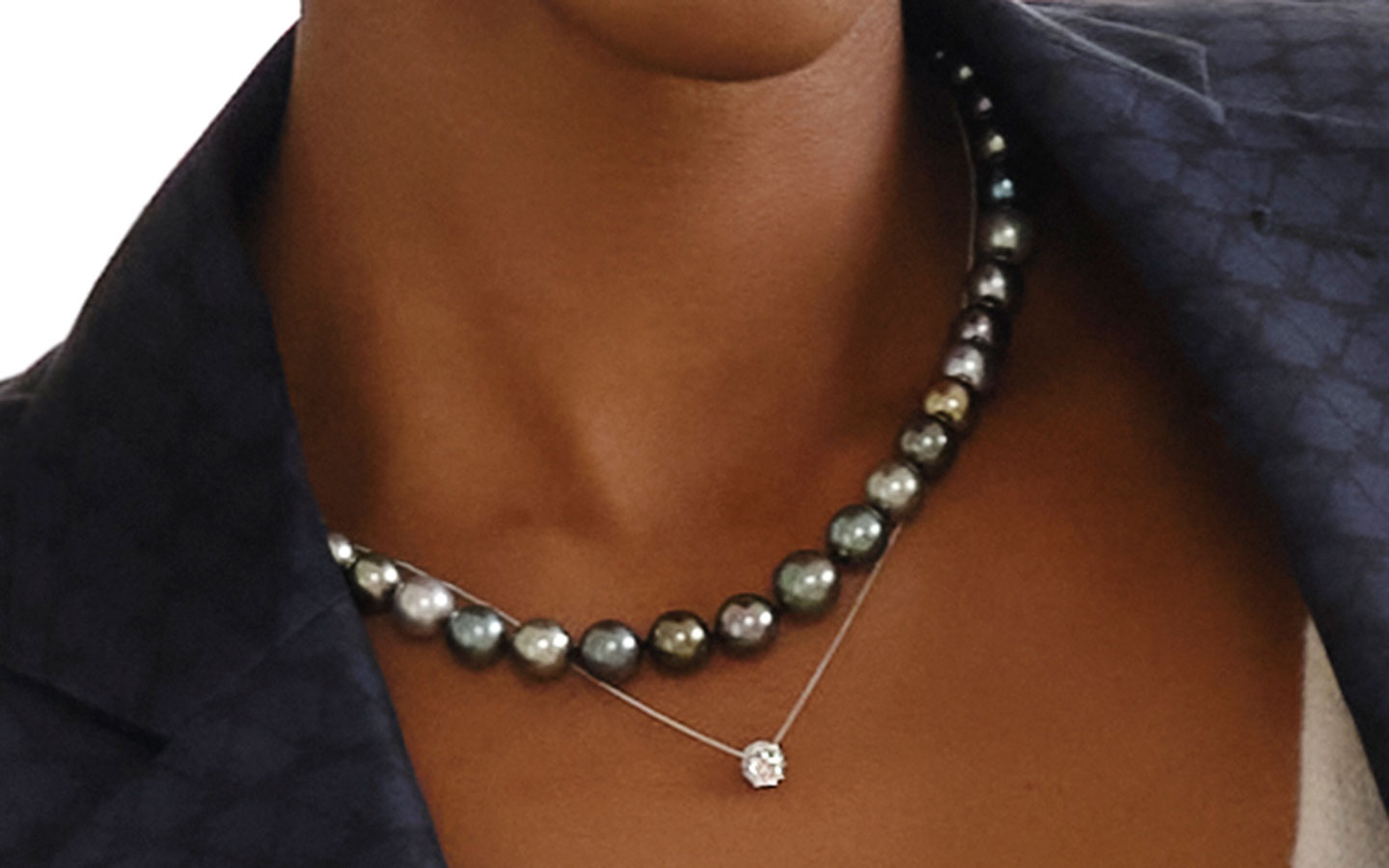
Both mother of pearl and pearls are formed by the material nacre. This material is secreted by certain mollusks such as pearl-producing oysters as a defense mechanism against irritants like sand. The nacre layers that form in a concentric pattern around an irritant are called pearls. The thin nacre layer that lines the inner shells of mollusks is mother of pearl.
Both are beautifully iridescent and luminous, but they both serve different purposes for the mollusk. Additionally, they both have different values and rarities. Pearls are much rarer than mother of pearl, and they have their own jewelry applications due to their more rounded shape.
Mother of pearl is typically applied to the surface of different jewelry settings, while pearls often stand on their own as the focal point of jewelry designs. There are many types of pearls including South Sea pearls, Tahitian pearls, freshwater pearls and Akoya pearls.
Mother of Pearl in History
Image Source: Barry Weatherall
Antiques from all around the world feature the prismatic luster of mother of pearl. Pieces from ancient civilizations and more recent 19th century styling contain mother of pearl inlay. It’s present in sculptures, furniture, fans, containers, carvings, jewelry, art and trinkets from virtually all periods and places.
Mother of pearl has been found in pieces from ancient Mesopotamia, the Ming Dynasty, British Victorian collections and modern-day designs. With its unique beauty and prevalence in mollusks and oysters across the globe, mother of pearl is a perpetually popular choice for high–quality designs.
Today, it is often found in high-quality jewelry. You can find enchanting mother of pearl in necklaces, earrings and bracelets.
Caring for Mother of Pearl Jewelry
When it comes to gemstone care, mother of pearl requires a little extra caution. Just like pearls, jewelry with mother of pearl should not be exposed to harsh chemicals, ultrasonic cleaners or steam cleaners.
You should follow the last on, first off rule with mother of pearl. This means putting on any mother of pearl jewelry last and removing it first. This will help keep lotions, perfumes or other chemicals from damaging your mother of pearl jewelry.
Jewelry Featuring Mother of Pearl
Whether you’re searching for freshwater pearl jewelry, Tahitian pearl jewelry or jewelry with mother of pearl, we offer popular styles for any collection. People choose mother of pearl jewelry for its unique appearance, affordable styles and trendy designs. Choose from some of our favorite mother of pearl pieces.
Monica Rich Kosann Mother Of Pearl Key Pendant
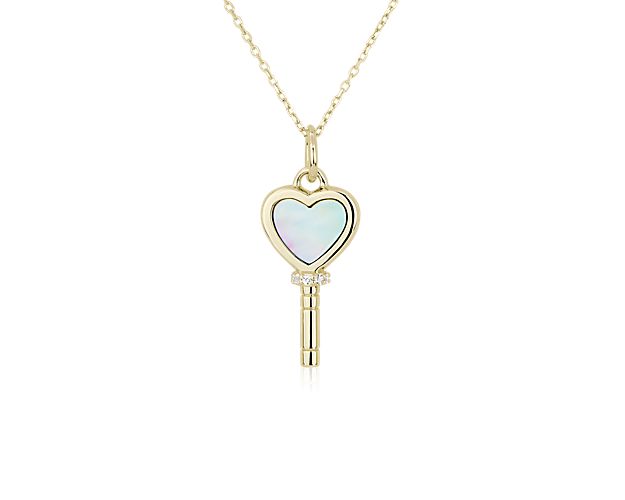
Choose a piece with vintage-inspired charm to call back to mother of pearl’s rich history. This mother of pearl key pendant in 18k yellow gold echoes the classic shape of antique watch keys. It’s a romantic design with old-world charm that’s best complemented by mother of pearl.
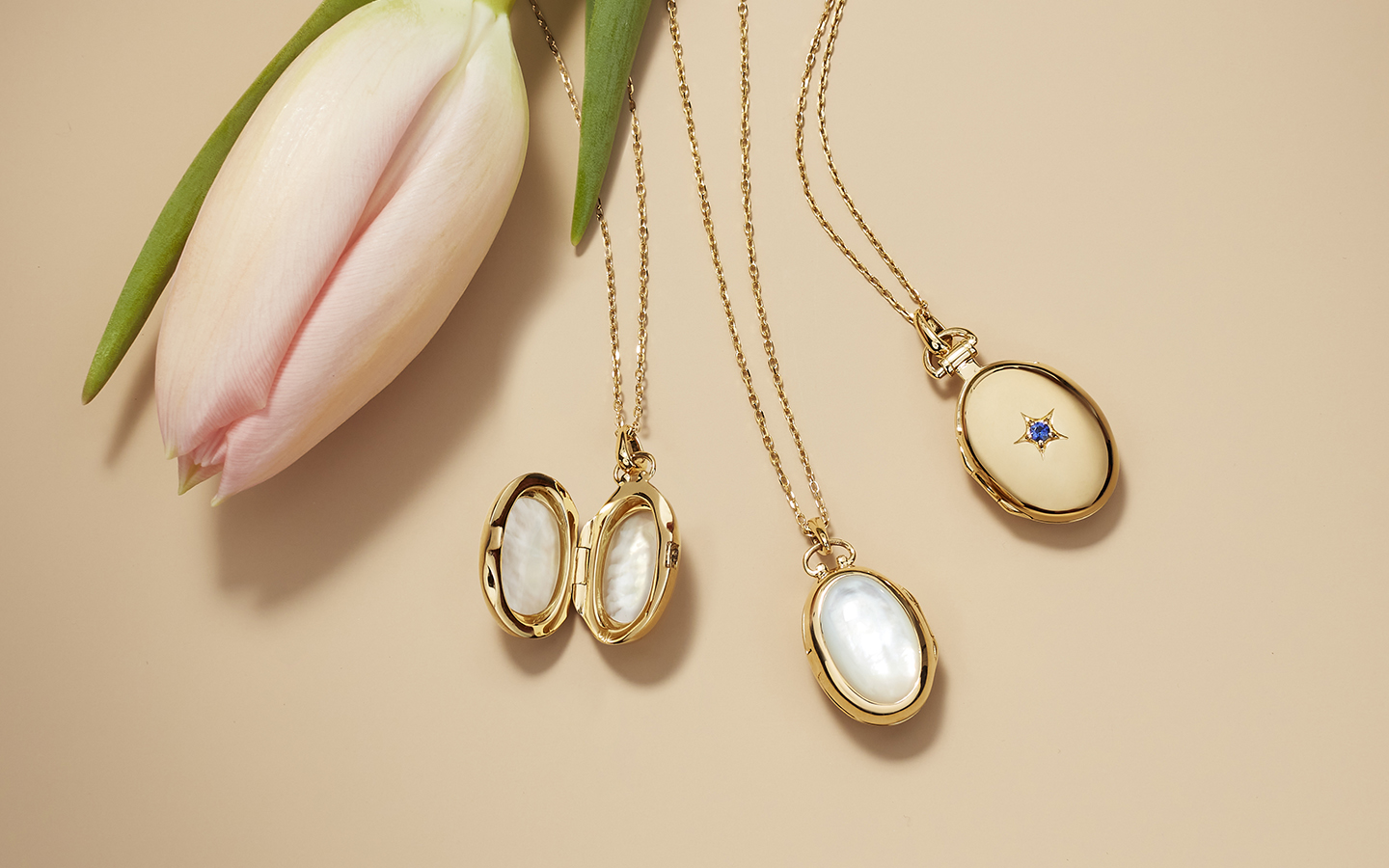
Monica Rich Kosann Petite Mother Of Pearl Oval Locket
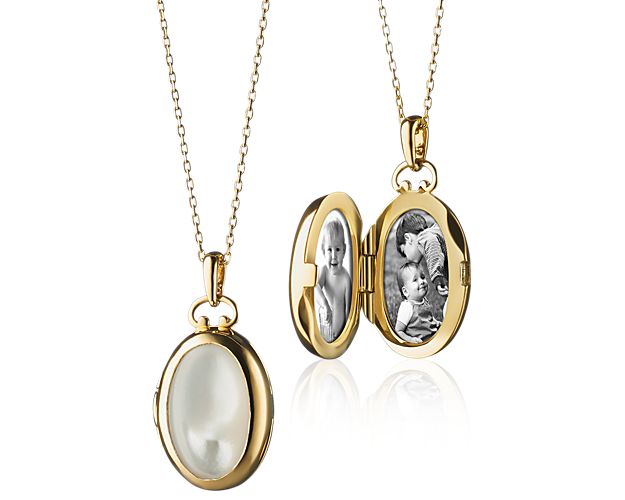
If you can’t get enough of nacre’s luster, this double-sided mother of pearl locket offers two sides of iridescence. With locket space for photos in the middle, this pendant brings a modern take to this classic jewelry material.
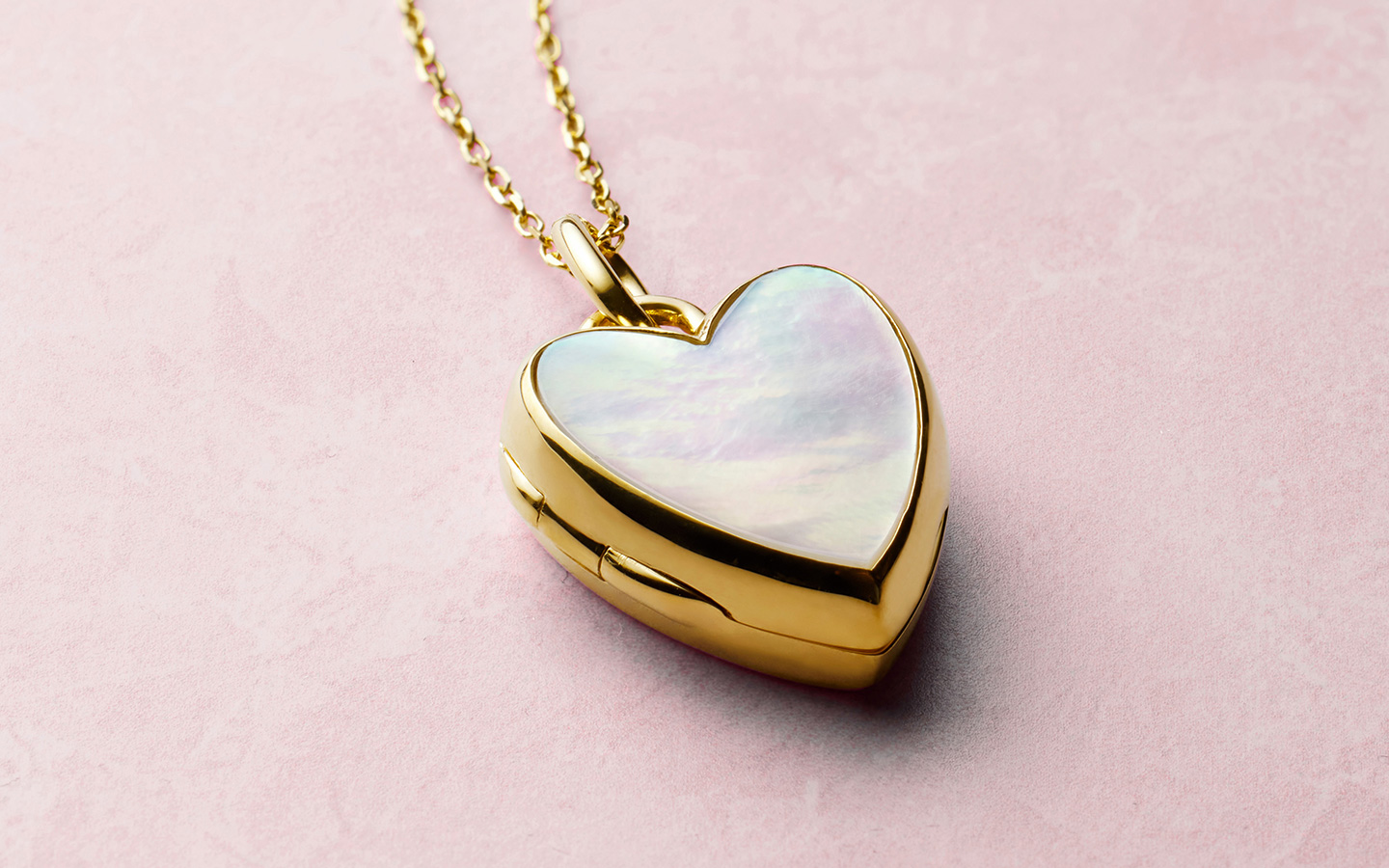
Monica Rich Kosann 18k Mother of Pearl Heart Locket
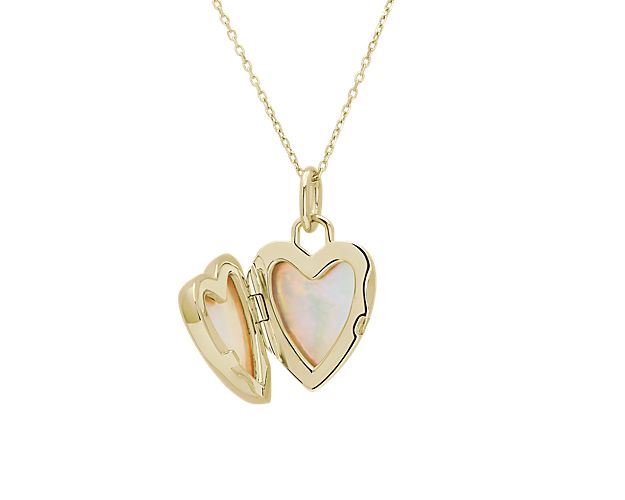
This 18k yellow gold heart locket showcases the enchanting beauty of mother of pearl. Place your favorite photos inside or leave one side photo-free to let the nacre shine.
Questions about Pearl vs Mother of Pearl
Mother of pearl is a term used to refer to the thin layer of nacre on the inner shell of certain mollusks or oysters. It is made from the same material as classic pearls, but it is flatter and forms differently.
No, mother of pearl and pearl are not the same thing. When it comes to mother of pearl vs pearl, location and formation are the biggest differences. Both are made from nacre, but pearls are made from layers of nacre around an irritant. Mother of pearl, on the other hand, is a thin layer of nacre on the inside shell of pearl-producing mollusks.
Pearls are much rarer than mother of pearl. This makes them more valuable and coveted. More high-end jewelry features pearls rather than mother of pearl. Still, mother of pearl is a classic choice that can be found in both modern and vintage jewelry.
No, mother of pearl is not real pearl. Instead, it’s its own unique material. Mother of pearl made from the same base material as pearls, but it differs from there. Mother of pearl is not as rare as pearls and it forms differently, with its own appearance and applications.
Just as with pearls, mother of pearl is made from nacre.
Yes, jewelry with mother of pearl is on-trend. Because it has a flatter appearance than pearls, mother of pearl can be applied to different jewelry styles. It is also more affordable than pearls.
It is not recommended to shower in mother of pearl jewelry.
You can clean your mother of pearl by wiping it with a soft cloth. Do not submerge mother of pearl jewelry in water.
No, mother of pearl is not the same as pearls. Both are made of nacre, but pearls are rarer and feature multiple layers of nacre. Mother of pearl is a thinner, flatter layer of nacre found on the inside of mollusk shells.
Finding Mother of Pearl Jewelry

We invite you to discover mother of pearl’s unique beauty for necklaces, bracelets and other jewelry styles. Visit your nearest Blue Nile jewelry store to explore popular pieces in person, or schedule your virtual jewelry shopping appointment with our experts to see curated styles.
Related Reading
Freshwater Pearls Education


Share