










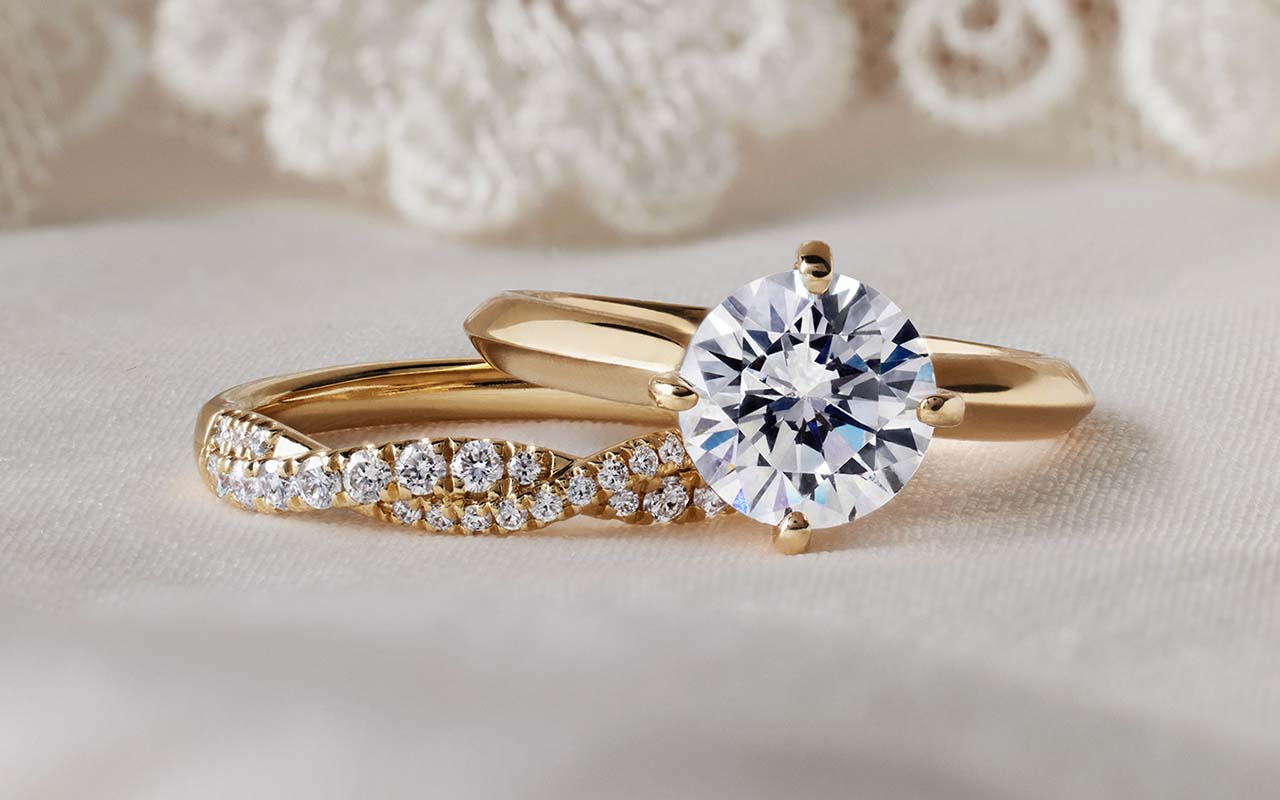
Choosing the right ring begins with understanding its foundation: the setting. A ring setting refers to how the stone of choice is mounted onto the band, contributing to its style and security.
There are many types of ring settings to consider, ranging from the type of metal to the width of the band. Each one offers a unique way to highlight the stone and reflect the jewelry wearer’s personal style. Whether you’re preparing for a surprise proposal or exploring gift options, learning about different settings can make finding “the one” a little easier.
Below, we’ll guide you through 17 distinct ring settings—from timeless solitaires and modern east-west designs to channel and pavé settings—to help you choose one that beautifully captures your personality.
Solitaire Ring Settings
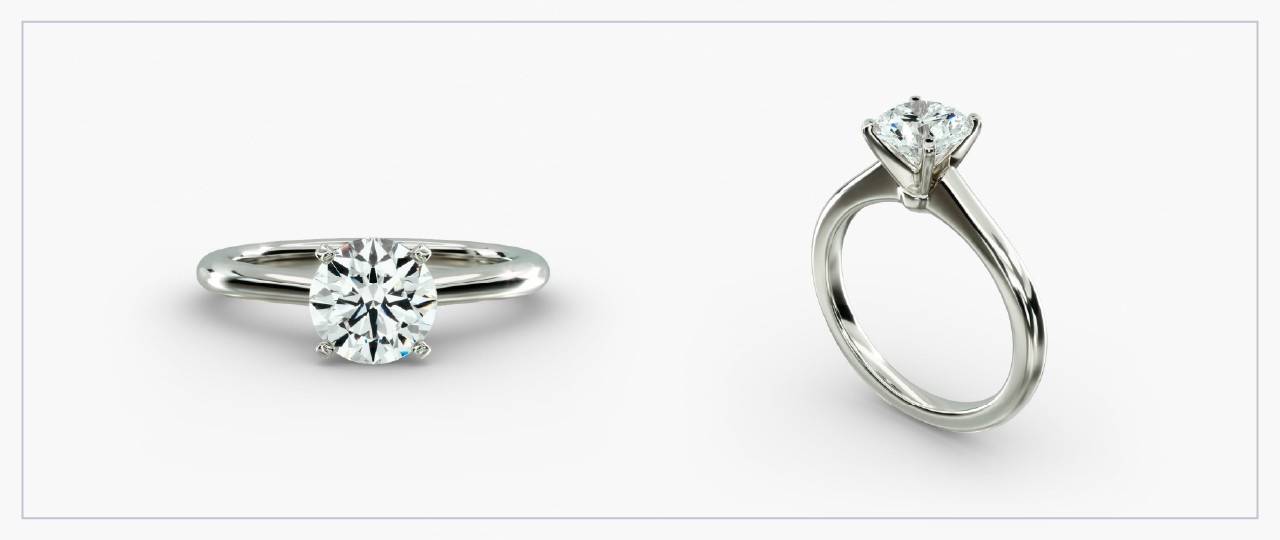
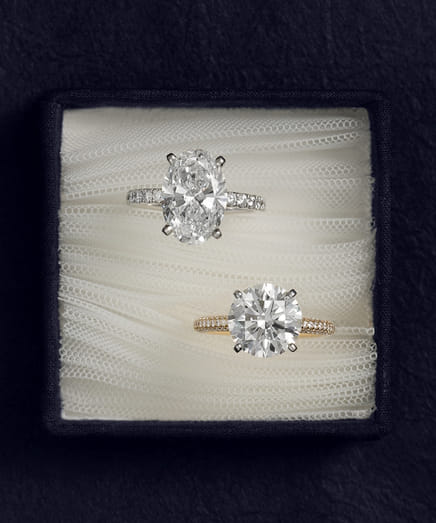
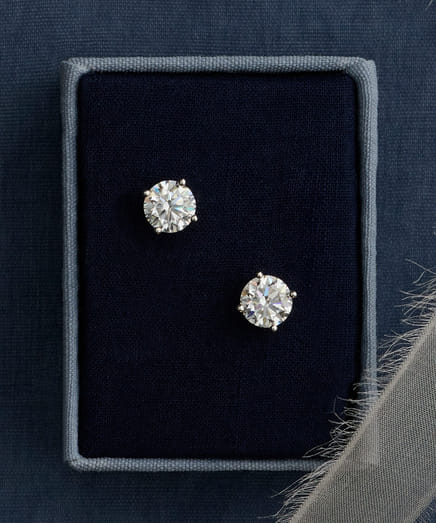
A solitaire ring setting—also known as a prong setting—features a single diamond or gemstone mounted on a plain metal band. With minimal design distractions, this style highlights the stone’s brilliance and symmetry from every angle.
Prongs secure the gem in place while allowing light to pass through and enhance its natural sparkle. This gives the ring a simple yet timeless look that suits nearly any shape or size of stone. Solitaire is a classic choice and one of the most popular types of engagement ring settings.
Category
Description
Style
Stone protection
Height
Cut and stone suggestion
Best for
Basket Ring Settings
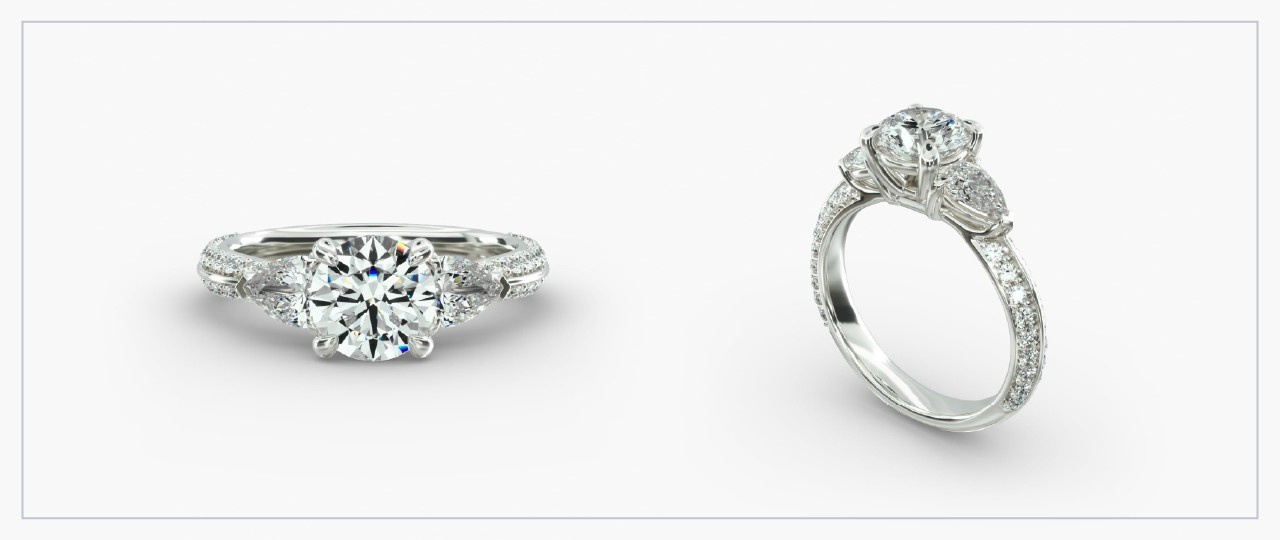
This setting cradles the diamond in a basket-like head with vertical and horizontal bars, providing structure and stability to the stone. The design lets light touch the diamond from multiple sides while offering more edge support than simple prongs. You can combine basket head settings with decorative detail to elevate the look of your ring.
Category
Description
Style
Stone protection
Height
Cut and stone suggestion
Best for
Pavé Ring Settings
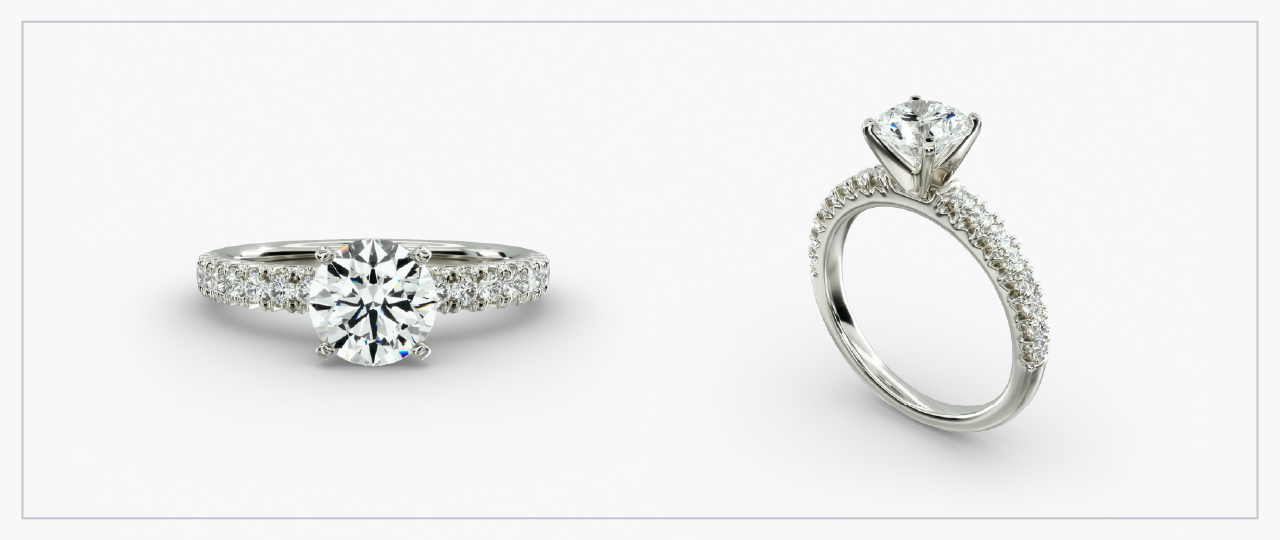
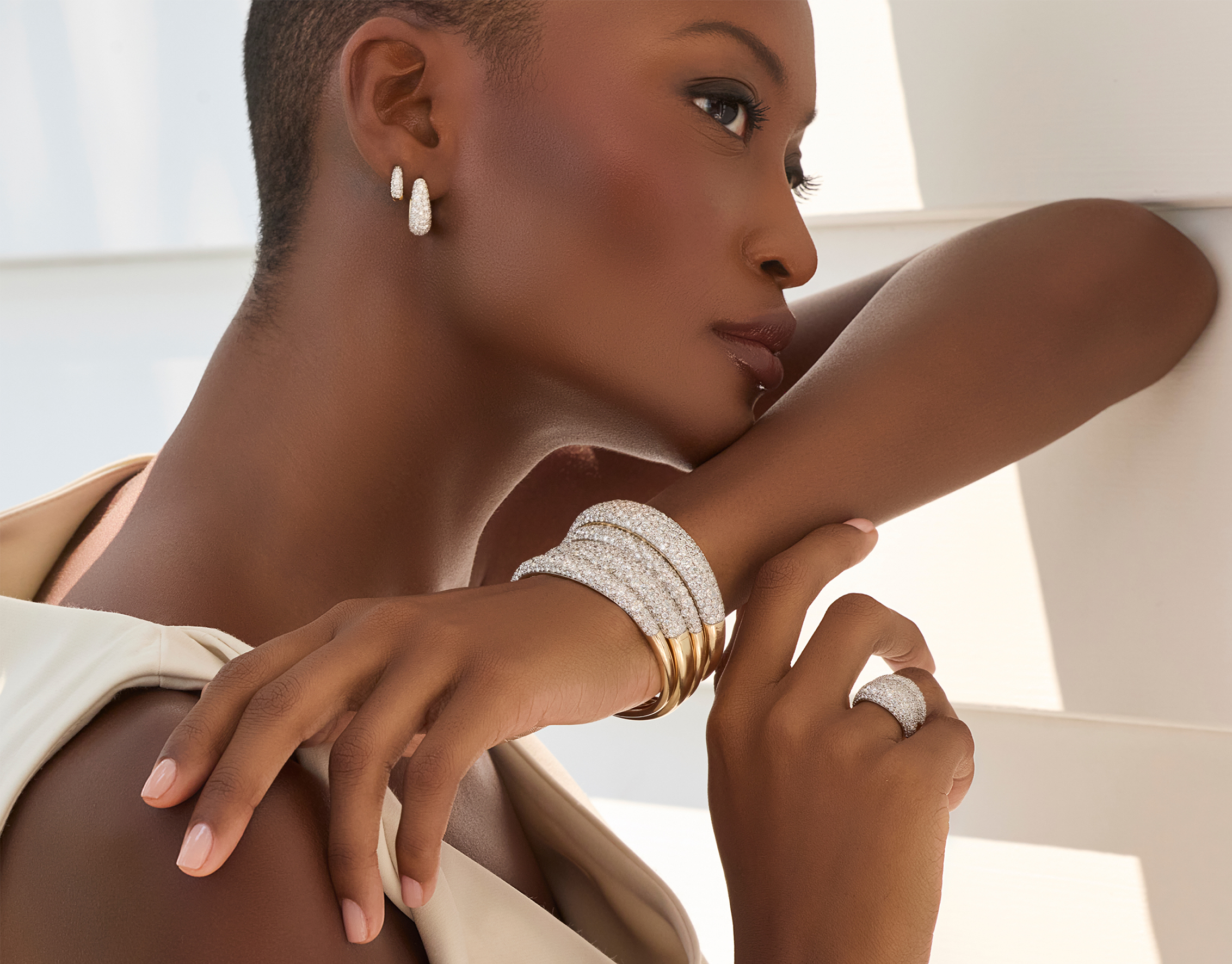
A pavé ring setting features small diamonds set closely together in the ring’s design to give the appearance of a continuous sparkle. These small diamonds can be set along the band or the halo of a ring. The name comes from the French word for “paved,” as the ring looks like it’s been paved with gems. Each diamond is secured by tiny beads or prongs.
There are also variations of this setting, including micro-pavé, petite pavé and French pavé, and each offers a slightly different level of shine and visibility. Consider the pavé ring setting to add refined elegance and subtle glamour to any ring style.
Category
Description
Style
Stone protection
Height
Cut and stone suggestion
Best for
Cathedral Ring Settings
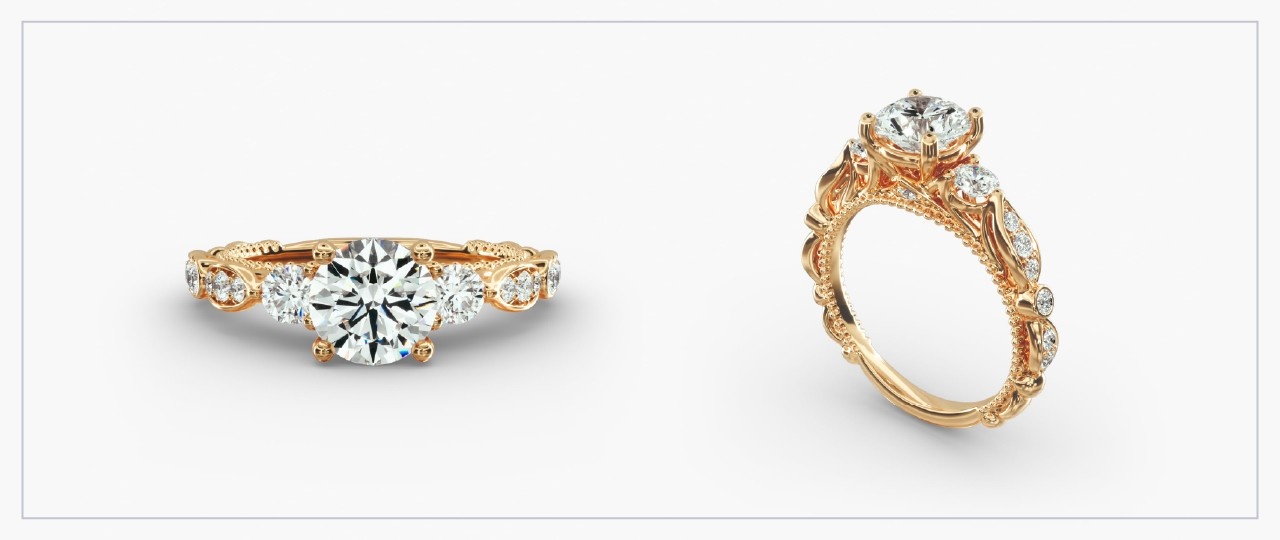
Also known as a crown setting, this design consists of elegant metal arches rising from the band to support the center stone. It’s inspired by the sweeping lines of cathedral architecture, where the arches create height and a dramatic profile for the gem.
The open space beneath the stone can remain simple or include intricate detailing for a vintage touch. Choose a cathedral engagement ring if you like a blend of structure and sophistication.
Category
Description
Style
Stone protection
Height
Cut and stone suggestion
Best for
Infinity Ring Settings
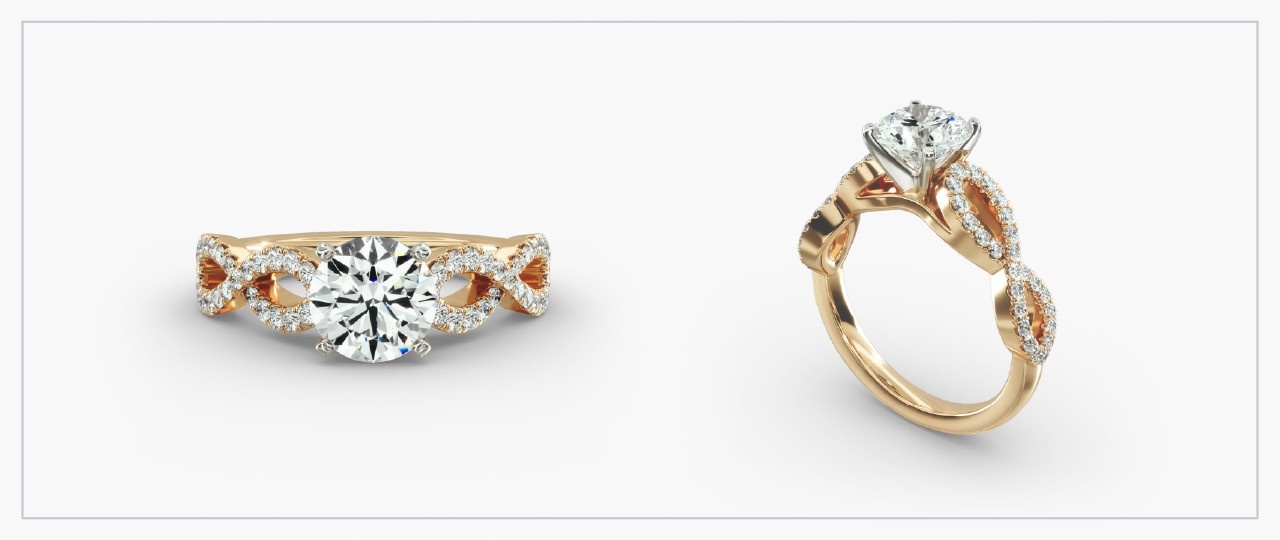
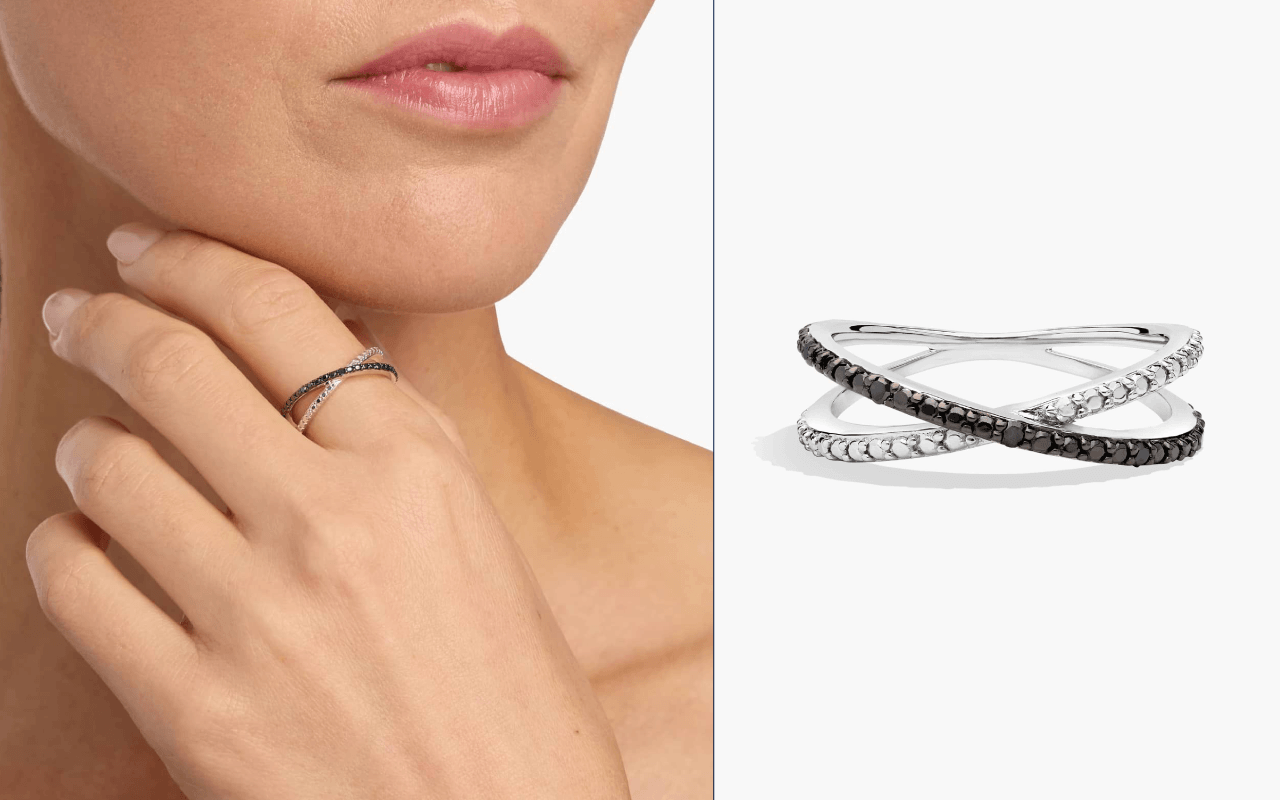
This ring setting features interwoven metal bands that form a continuous figure-eight pattern, symbolizing everlasting love. The elegant twist design draws the eye toward the center stone. Infinity ring settings can be crafted with or without pavé diamonds along the band, offering a unique appearance.
Category
Description
Style
Stone protection
Height
Cut and stone suggestion
Best for
Halo Ring Settings
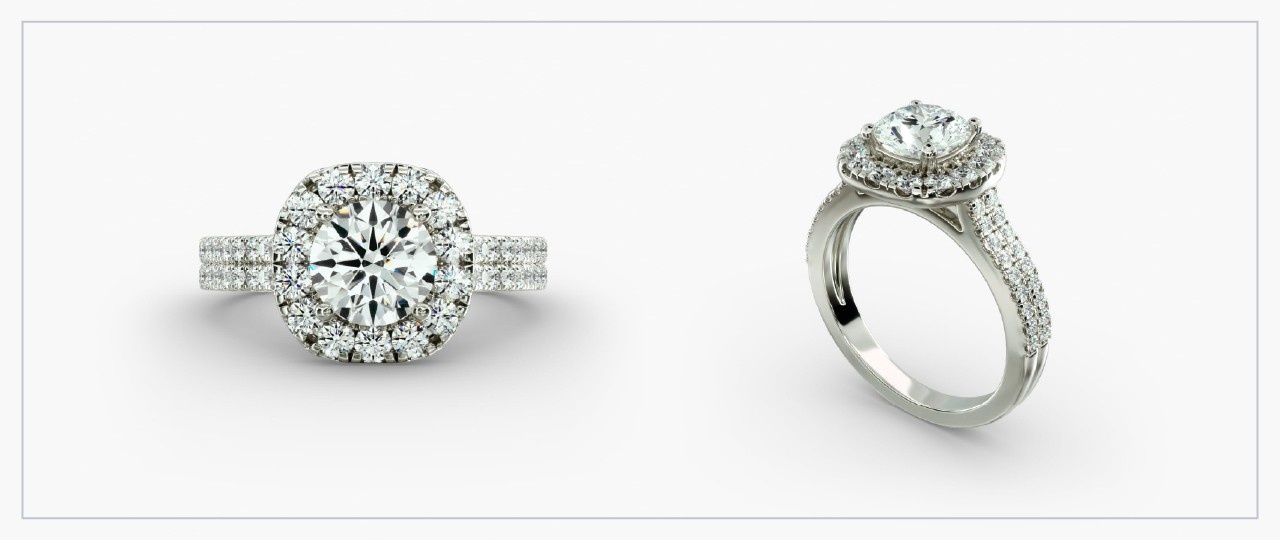
Another popular engagement ring setting is the halo. It features a circle of small pavé diamonds or gemstones surrounding the center stone to amplify its size and brilliance. Variations like the double halo add a second ring of stones for extra sparkle and dimension, while a hidden halo conceals the circle of diamonds below the center stone. Halo ring settings combine glamour with balance, making any center stone eye-catching.
Category
Description
Style
Stone protection
Height
Cut and stone suggestion
Best for
Bezel Ring Settings
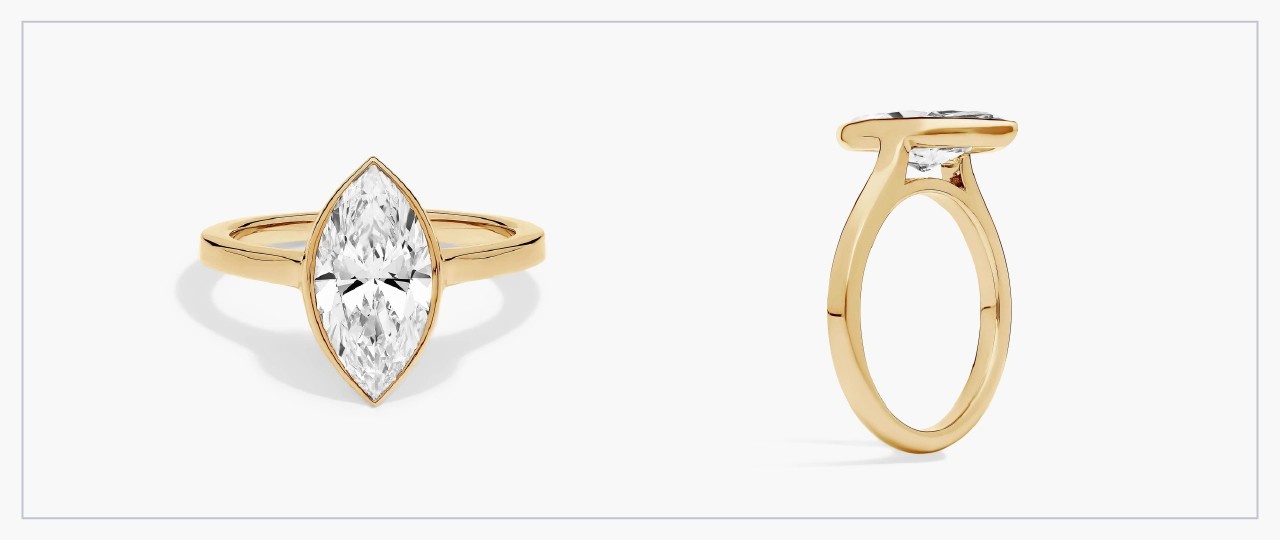
In a bezel ring setting, a metal rim encircles the center diamond or gemstone rather than being held by prongs. This continuous metal bezel provides superior protection and gives the ring a sleek, modern look. This setting slightly limits light entry from the sides, but the design retains elegance and beauty.
Category
Description
Style
Stone protection
Height
Cut and stone suggestion
Best for
Channel Set Ring Settings
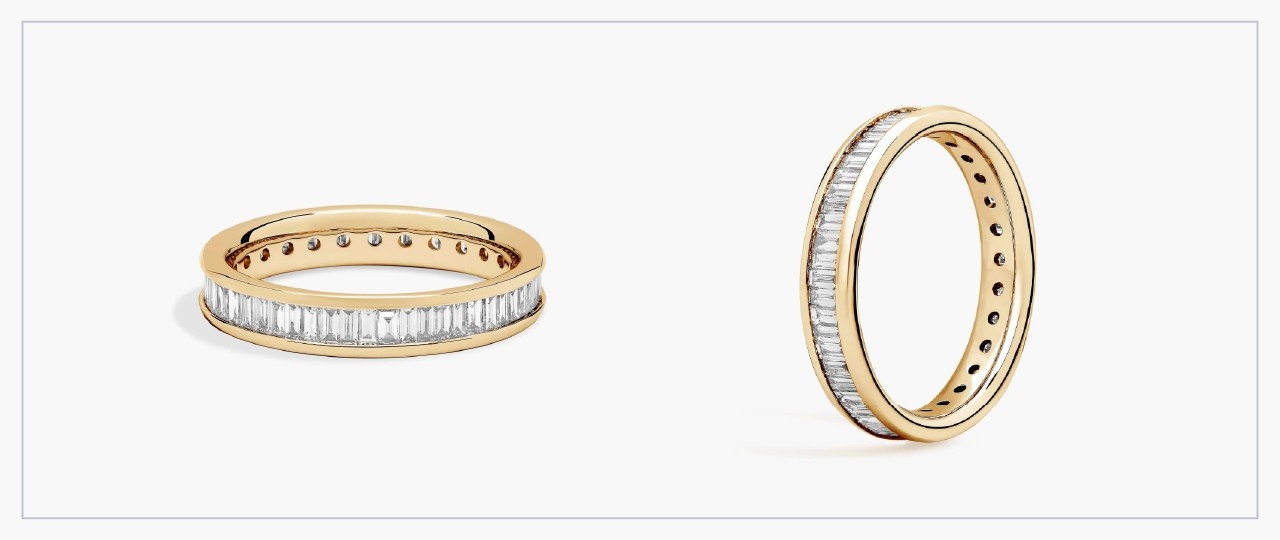
This setting recesses accent diamonds into a groove carved along the band, holding them flush and secure without prongs. This design gives the ring a smooth, continuous row of sparkle that complements the center stone. Since the side stones sit inside the channel’s walls, they’re better protected against snags.
Category
Description
Style
Stone protection
Height
Cut and stone suggestion
Best for
Tension Ring Settings
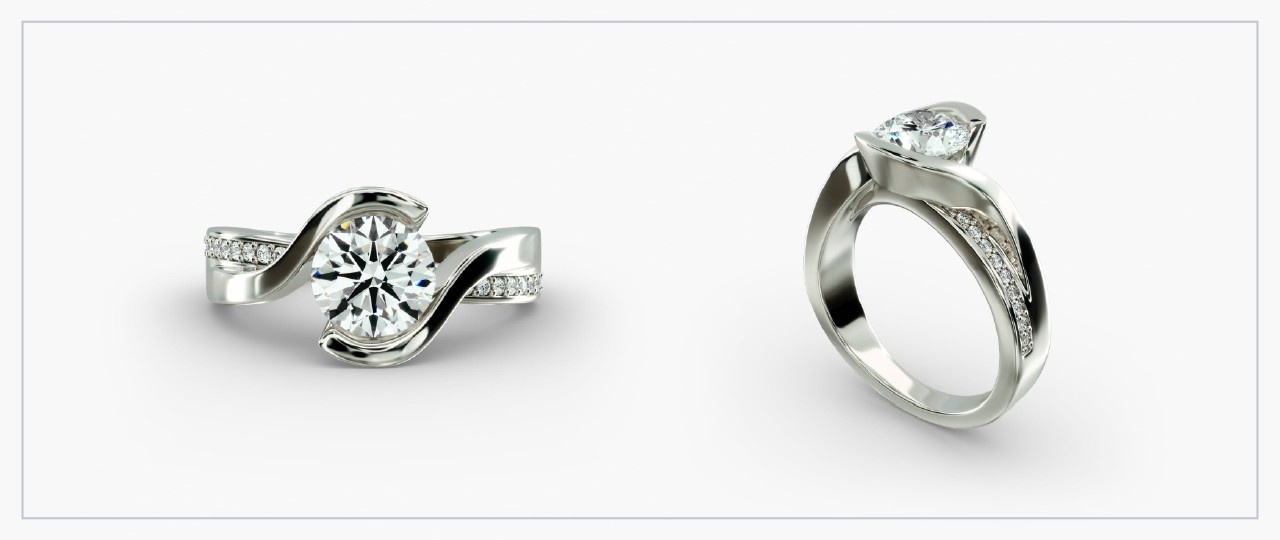
Unlike other types of ring settings, the center stone is held in place by the pressure or “tension” of the metal band. This unique setting design creates the illusion that the gem is floating between two ends of the ring, exposing nearly all of the stone for a bold visual effect.
Because the ring grips the gem tightly, precise engineering is essential in tension ring settings. The result is a sleek, modern look that feels innovative and stylish.
Category
Description
Style
Stone protection
Height
Cut and stone suggestion
Best for
Bar Ring Settings
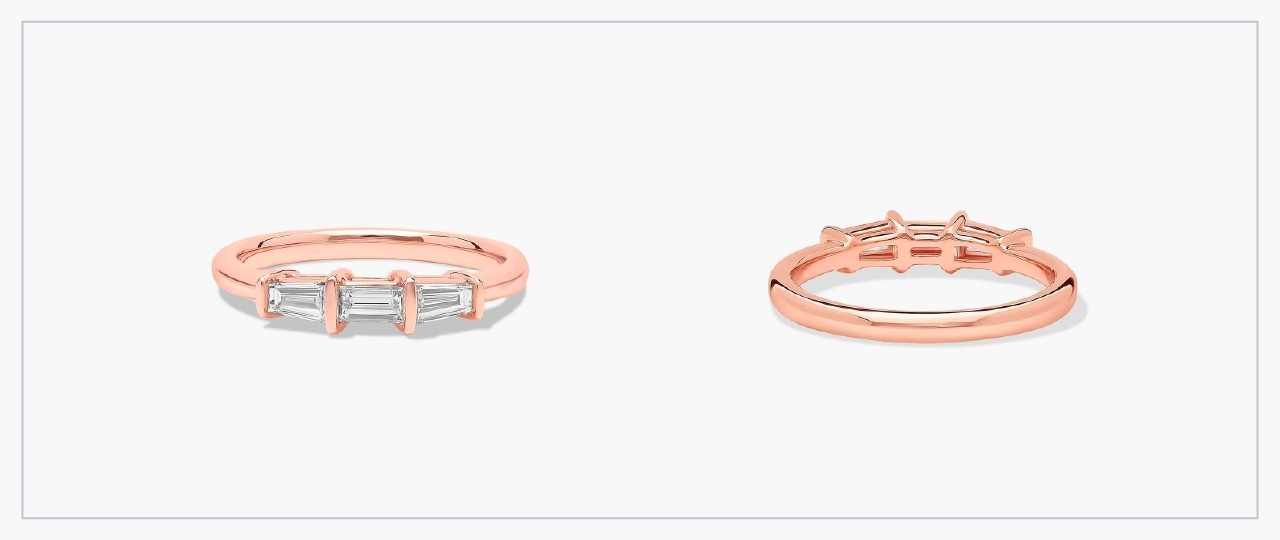
In a bar ring setting, small gems or diamonds are held securely by vertical metal bars that separate each stone. The stones sit flush between those bars, creating a sleek, linear look. Although the gems are partially exposed, they catch enough light to produce a subtle shine. This style works well as an accent ring or paired with a center stone.
Category
Description
Style
Stone protection
Height
Cut and stone suggestion
Best for
Flush Ring Settings
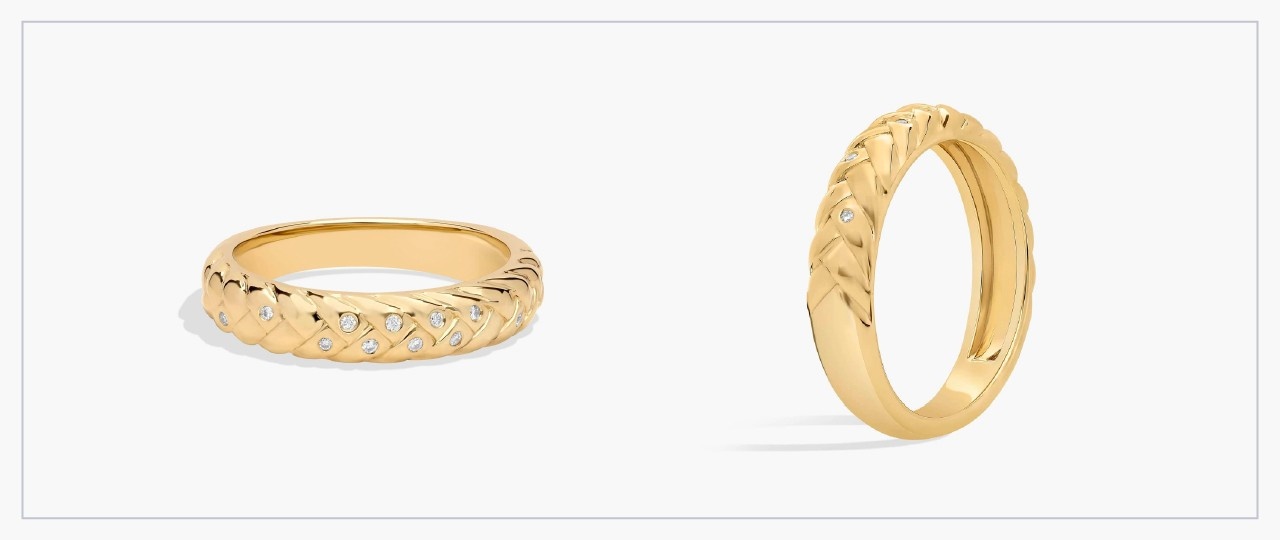
A flush ring setting (also called a flush mount) sets diamonds directly into the band so they sit level with the metal surface. Since the stones are embedded, the profile is low, smooth and snag-free.
While light entry is more limited than pronged styles, a well-cut gem still reflects shine. Choose flush settings for a sleek yet practical look with a touch of elegance.
Category
Description
Style
Stone protection
Height
Cut and stone suggestion
Best for
Two-Stone Ring Settings
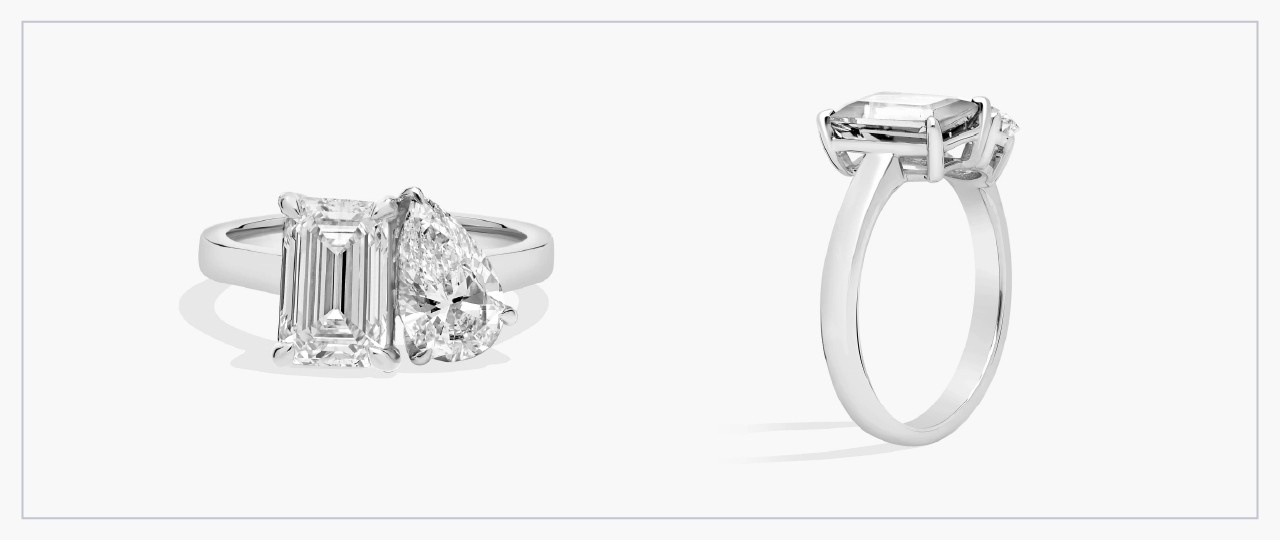
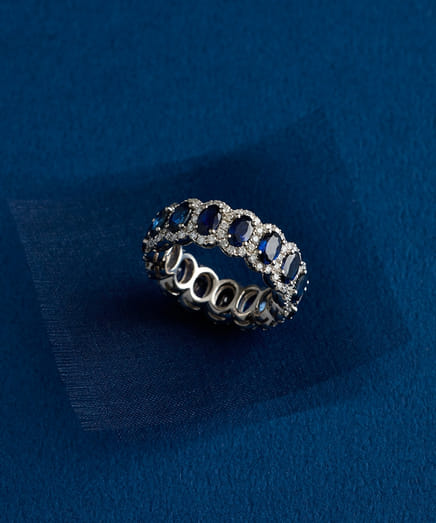
Two-stone rings feature two diamonds or gemstones set side by side. The design allows for creative combinations, including matching cuts for a balanced look or mixed shapes and colors for visual contrast. It’s a versatile style that can offer different looks by customizing metals, stone sizes and orientations.
Category
Description
Style
Stone protection
Height
Cut and stone suggestion
Best for
Three-Stone Ring Settings
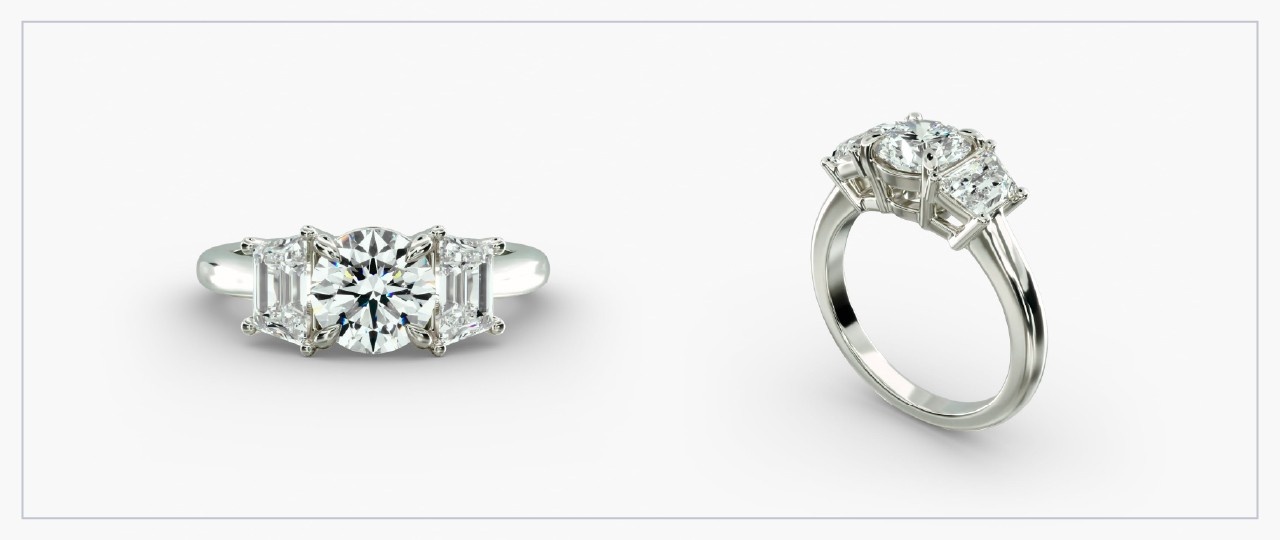
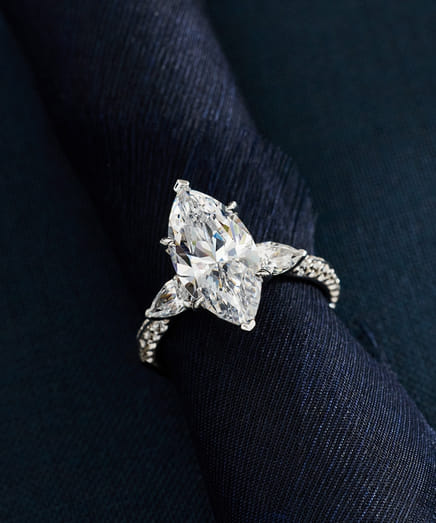
This popular ring setting features a center diamond or gemstone flanked by two side stones, creating a balanced and eye-catching trio. The side stones often complement or amplify the center gem without competing for attention. The arrangement in three-stone rings adds visual weight and extra radiance.
Category
Description
Style
Stone protection
Height
Cut and stone suggestion
Best for
East-West Ring Settings
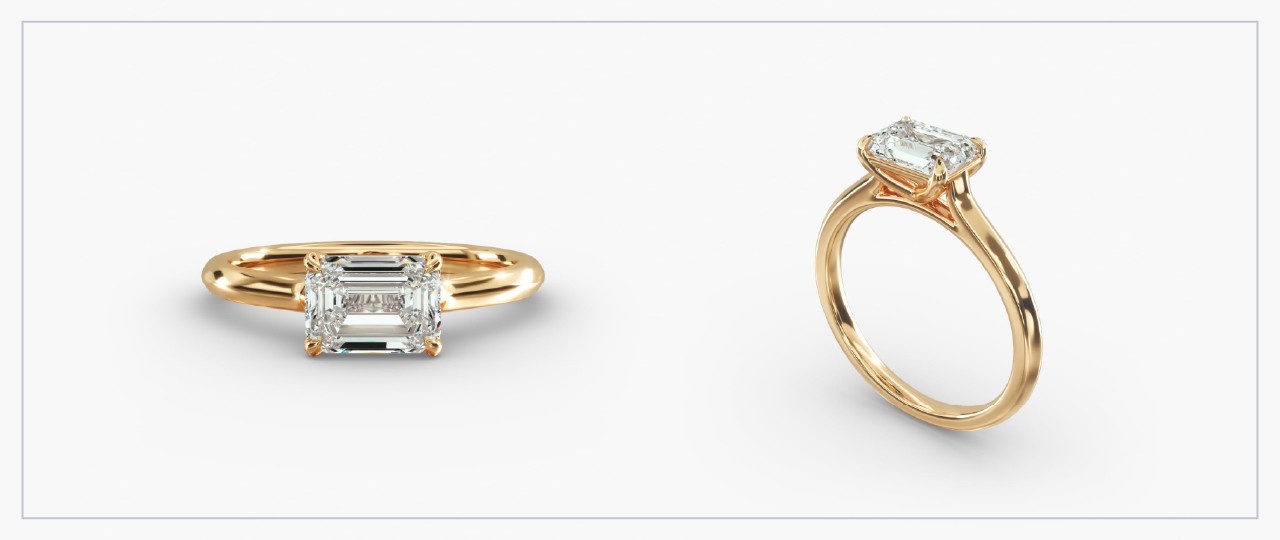
An east-west ring setting turns elongated stones, like emerald or oval, horizontally on their side. This orientation goes across the finger rather than lengthwise, giving a modern, unexpected twist to classic cuts. East-west designs offer a unique, fashion-forward ring option.
Category
Description
Style
Stone protection
Height
Cut and stone suggestion
Best for
Split Shank Ring Settings
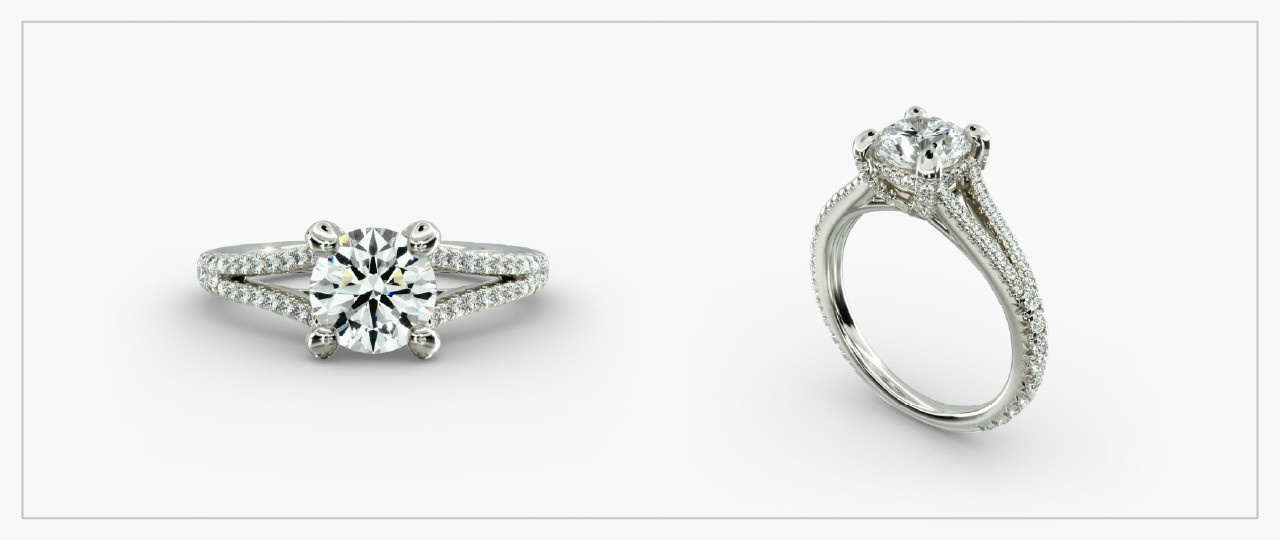
This engagement ring setting style features a band that divides into two or more “shoulders” framing the center stone. Each arm can be plain metal or accented with pavé diamonds to enhance sparkle and draw attention inward.
The split shank design emphasizes the gem’s prominence without extra bulk. Consider this ring style for its look of structural strength with an elegant profile.
Category
Description
Style
Stone protection
Height
Cut and stone suggestion
Best for
Cluster Ring Settings
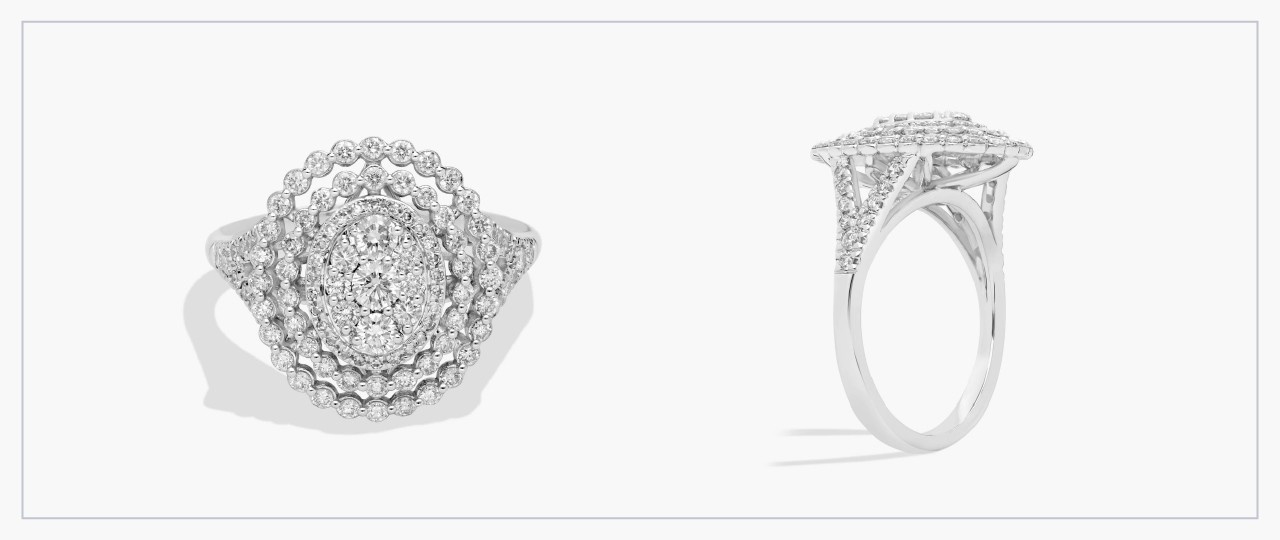
A cluster ring setting features multiple small diamonds or gemstones grouped closely in a pattern, often around a center stone. This design creates a visual impression of a larger presence while maximizing light from many facets. With so many stones close together, cluster engagement rings offer maximum brilliance.
Category
Description
Style
Stone protection
Height
Cut and stone suggestion
Best for
Trellis Ring Settings
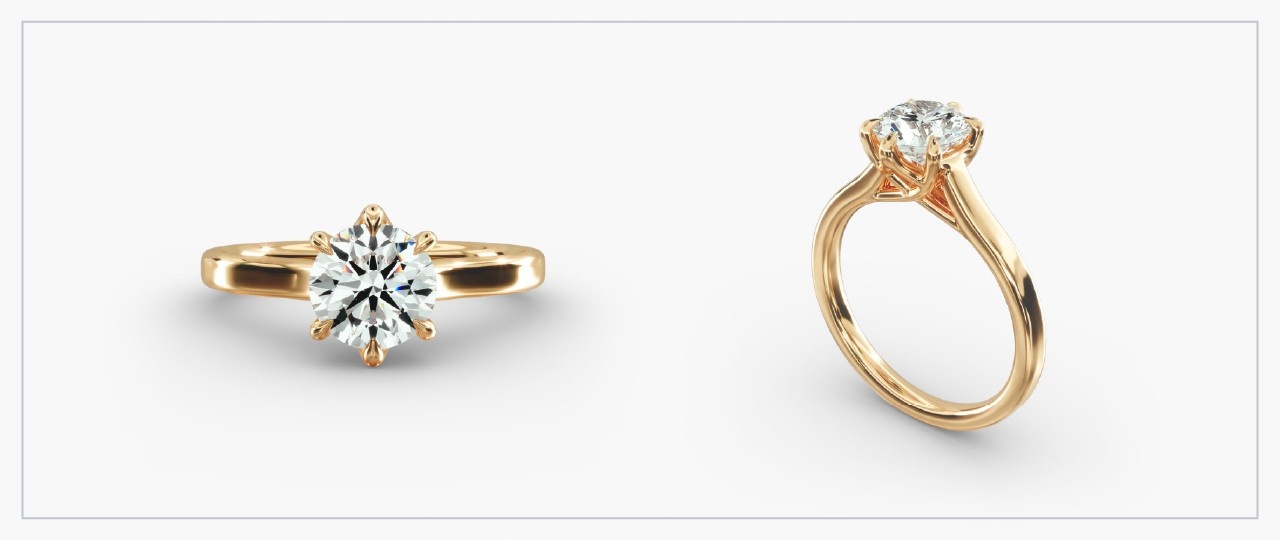
This architectural setting features criss-crossed metal prongs that resemble a garden trellis. The design offers an open, sculpture-like effect, cradling the stone from multiple angles while allowing light to enter from the sides. A trellis ring setting is ideal for those seeking a refined, elevated look that’s elegant and airy.
Category
Description
Style
Stone protection
Height
Cut and stone suggestion
Best for
What to Know about Engagement Ring Settings
An engagement ring setting does more than hold the diamond in place—it defines the ring’s style, structure and durability.
Each setting is made up of different elements to create a cohesive design. For example, a pavé setting uses prongs to secure the center stone with added accent diamonds along the band.
Let’s dive a bit deeper into the different types of ring settings and mountings to know when speaking with a jeweler:
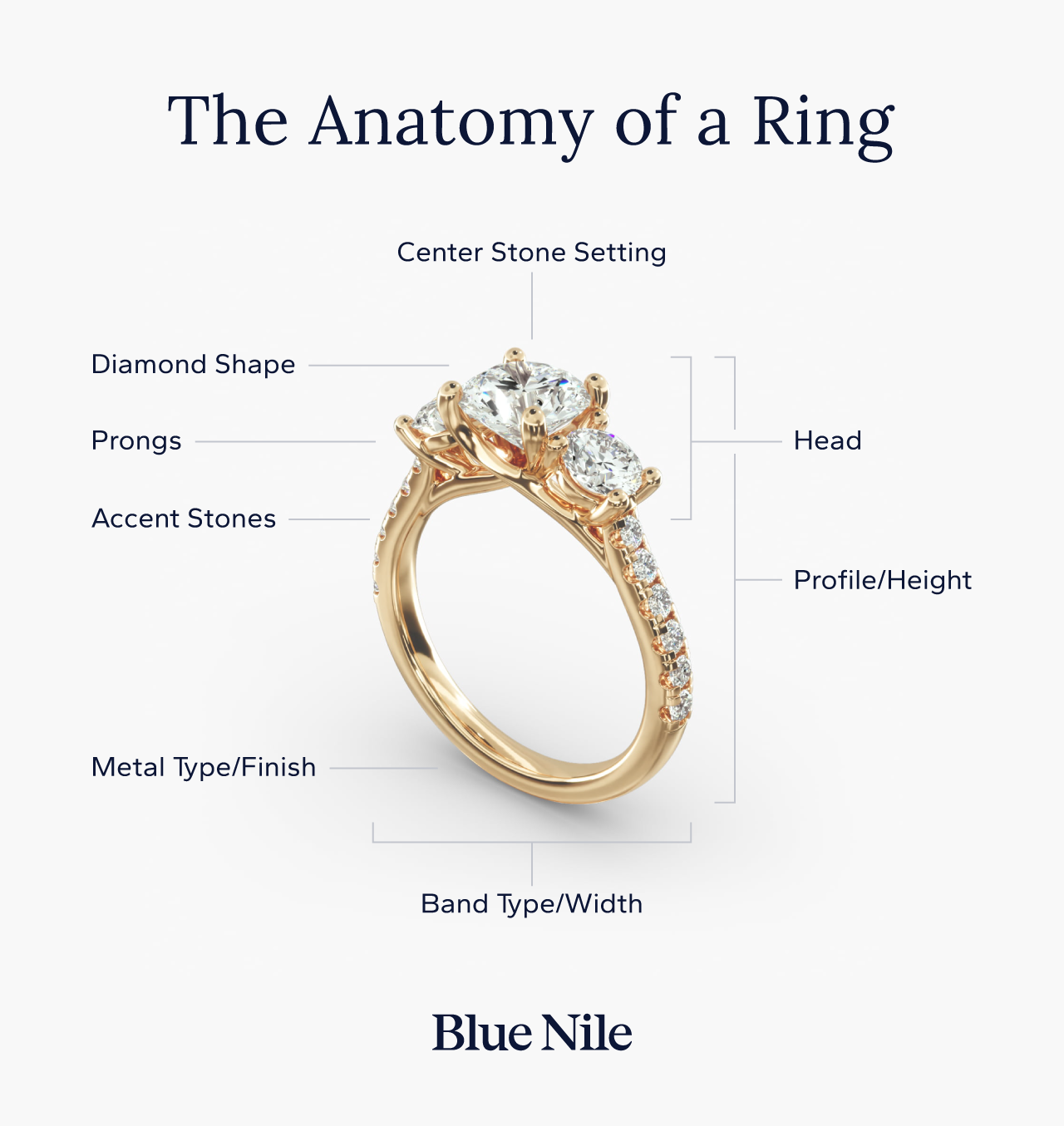
Prongs
These are the small metal claws that hold the center diamond securely in place. Prongs allow maximum light to enter the stone and enhance its shine, but may not be the most durable option, depending on their number and shape.
Center Stone Setting
This is the focal point of the ring, designed to showcase the main diamond or gemstone. The setting style, such as solitaire or halo, determines how much of the stone is visible and protected.
Accent Stones
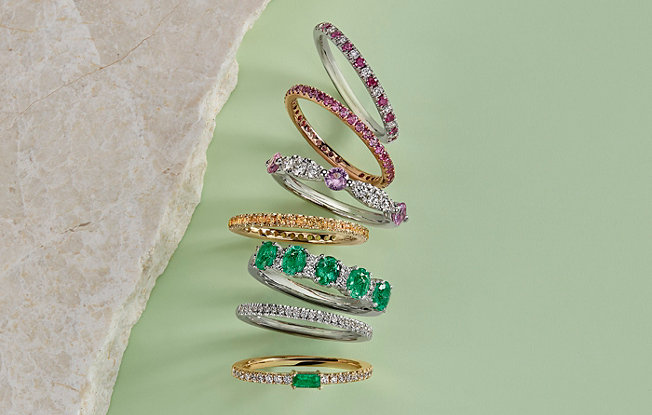
Accent stones add personality to the band or frame the center stone. You can have them set in various ways, like pavé, channel or bar settings, to create subtle sparkle or dramatic shine.
Diamond Shape
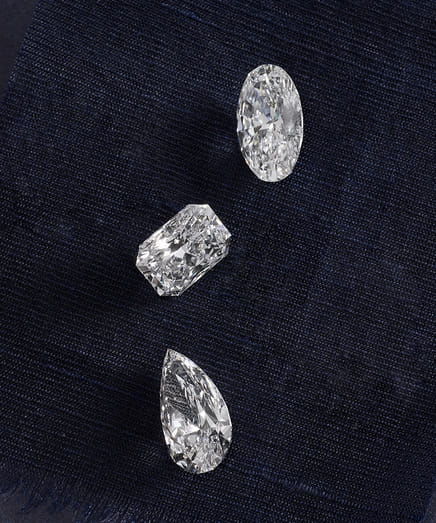
The diamond’s shape—such as round, oval, princess, or pear—greatly influences which setting will complement it best. Some settings, like halos, enhance radiance, while others, like solitaires, highlight the diamond’s natural form.
Metal Type and Finish
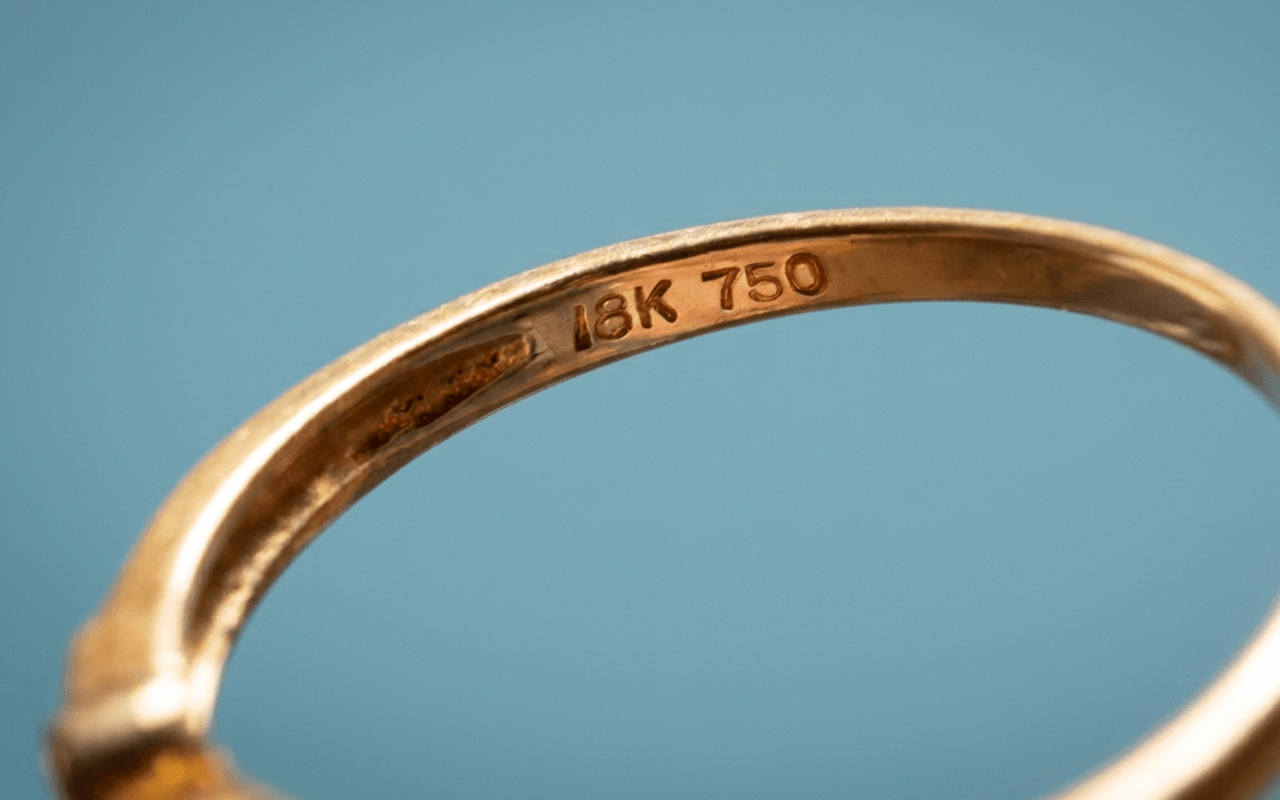
The type of metal you choose sets the tone for the ring’s overall look. Platinum is exceptionally durable, while gold offers distinct color and shine. Finishes, such as high polish or matte, can also help enhance the design.
Band Type and Width
Band style affects both comfort and aesthetics. Slim bands draw attention to the center stone, while wider or split shank designs add structure and balance to larger settings.
Engravings
Personal ring engravings add sentimental value, making each ring unique. From a special date to a loved one’s initials, these details turn a beautiful ring into a meaningful keepsake.
Profile and Height
The ring’s profile refers to how high or low the center stone sits above the finger. A high profile showcases the diamond more dramatically, while a low profile offers a sleeker design for everyday wear.
Choosing the Perfect Engagement Ring for Your Unique Style
Choosing the perfect engagement ring starts with a clear sense of style. A ring should feel personal, timeless and true to the wearer. Keep the following tips in mind as you explore your options:
- Choose an overall theme and style: Start by deciding whether you’re drawn to classic, vintage-inspired or contemporary designs.
- Pick a setting that matches the stone: This defines the look, such as sleek and minimalist or elevated and eye-catching.
- Consider lifestyle and comfort: Those with active routines may prefer low-profile settings that are comfortable for everyday wear.
- Look to their current jewelry for inspiration: Pay attention to the metals, colors and styles the recipient already wears—it’s the best hint toward their personal taste.
- Stay within your budget: A thoughtful design doesn’t have to be the most expensive; the right setting can make any diamond shine.
Explore Our Selection of Ring Settings
Finding the right ring setting is the first step in creating a piece that reflects your unique story. Whether you’re drawn to classic elegance or modern design, the setting brings your vision to life.
Shop our selection of engagement rings and wedding rings to discover styles that beautifully celebrate your next chapter.
Frequently Asked Questions
The bezel setting is considered the most secure option. It surrounds the diamond with a thin metal rim, holding it firmly in place while protecting it from chips or snags. Flush settings are also extremely secure.
Modern designs like east-west and three-stone settings are trending. These styles balance timeless appeal with a contemporary twist, making them popular choices for couples seeking something classy and unique.
A halo setting is ideal for smaller diamonds. The circle of accent stones around the center stone helps add brilliance and creates the illusion of a larger diamond size.


Share




 Live Chat
 +1‑800‑242‑2728
 Email Us

